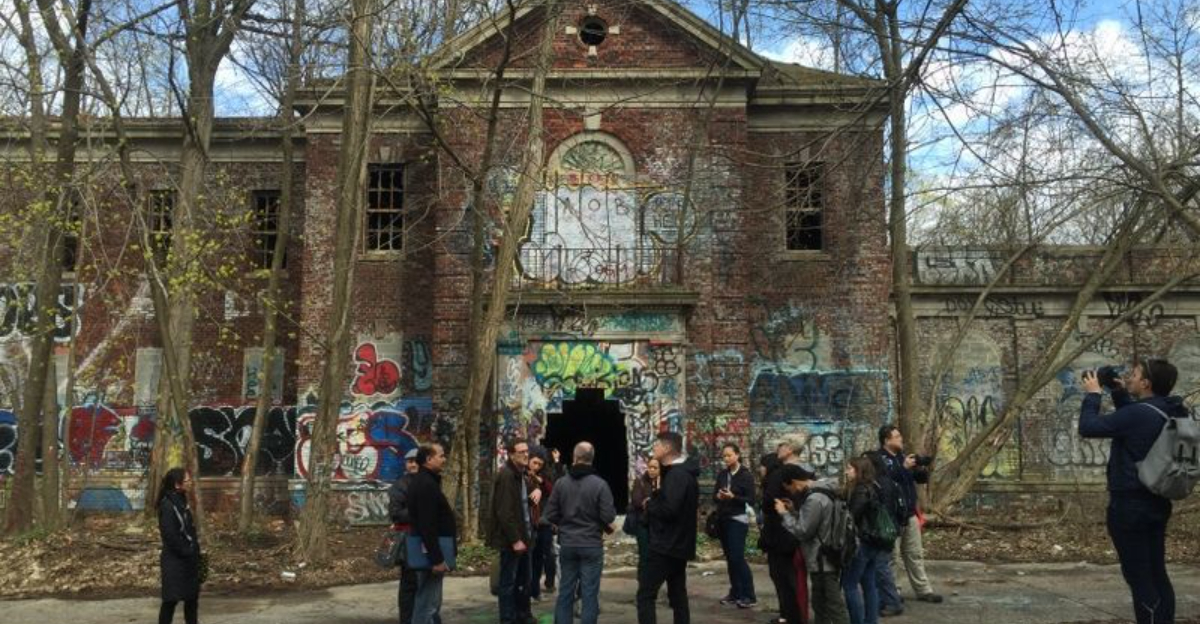
The New York City Farm Colony on Staten Island draws curious visitors who treat it like a scavenger hunt, yet the site is not a playground. These ruins tell a layered story of public welfare, public health, and urban change in New York State. If you’re intrigued by history wrapped in ivy and silence, this place rewards careful, ethical exploration. Read on for a clear, practical guide before you go.
1. What The Farm Colony Was – and Why It Matters
The New York City Farm Colony once served as a municipal poor farm and later the broader county welfare complex, providing housing and work programs for residents who needed support. Its evolution mirrored shifts in New York State’s approach to poverty and public health, eventually intertwining with nearby Willowbrook-era facilities.
Today, the remaining structures, crumbling walkways, and overgrown courtyards form an outdoor archive that shows how institutional models rose and fell over the last century. Visitors often arrive seeking aesthetics and atmosphere, but the site’s real gravity lies in people’s lives lived here and policies tested on the ground. Official listings and archival reports identify the property as historically significant, and local historians continue to document its changing condition. It is not a gamified obstacle course, and treating it as one erases that context.
If you go, plan to read before you step: consult Staten Island heritage resources, the NYC Landmarks Commission documentation, and New York State historic records. Context makes the walk richer and sets a respectful tone, especially when you encounter graffiti-scarred walls and artifacts left to weather in place.
2. Getting There Without Trespassing
The Farm Colony sits at 501 Brielle Avenue, Staten Island, within the Staten Island Greenbelt. Map apps will bring you to the general vicinity, but access can be confusing because fencing and worn footpaths shift over time. Reviews mention informal entries through fields or gaps in fences, yet those routes are not endorsed and may violate rules or cross unsafe ground.
A practical approach is to begin at established Greenbelt trailheads and community facilities, check posted signage, and respect closures. Open 24 hours on some online listings typically refers to grounds, not to building interiors or restricted zones. New York State and New York City park protocols prioritize safety, so stay on visible paths, avoid climbing barriers, and never force entry. Parking near the adjacent recreation areas can be convenient when permitted by posted rules.
If an area looks freshly cordoned off, choose another path and reassess; shifting conditions are common after storms or maintenance. Your route should feel calm, not covert. When in doubt, call the Staten Island Greenbelt administrative contacts for current guidance on trails that lawfully approach the site’s perimeter.
3. Reading The Architecture: Bricks, Vines, and Vistas
Across the old campus you will see multi-story brick shells, shattered window bays, and collapsed roofs framed by hardwoods. These forms tell architectural stories common to early twentieth-century institutional design, such as symmetrical massing, utilitarian corridors, and service wings.
From a safe distance, study lintels, stair cores, and foundation lines to infer building functions without stepping inside. Many visitors photograph long walkways overtaken by weeds, but pausing to note original paving patterns and drainage features reveals how residents moved and worked here. The layered paint and later-era cinderblock patches show decades of repurposing, which matches the documented transitions in New York State public services.
Seasonality changes the experience: winter opens sightlines, while summer thickens the canopy and dims interiors. Bring a small light for dusk but keep beams low; wildlife shares these corridors and deserves quiet. Tripods work well along stable paths. Respect modern graffiti as a contemporary mark, but do not add to it. The site functions like an outdoor classroom where angles, joints, and materials explain policy shifts more honestly than any plaque.
4. Safety First: What Local Reviews Keep Repeating
Recent visitor reports consistently warn about debris, uneven ground, and dark interior voids. Several notes mention asbestos concerns and unstable floors, which aligns with what you would expect from aging institutional buildings left open to the elements.
The safest practice is simple: stay outside, stick to clear paths, and avoid basements or any structure with sagging joists. Wear sturdy shoes and long sleeves to handle thorns and stray metal edges. Daylight visits reduce trip hazards and help you keep orientation in the woods. Even if online ratings list the site as always open, consider that public access does not extend to entering condemned buildings. Bring water, a basic first-aid kit, and let someone know your route.
If you come upon people forcing entry or moving debris, step back and choose another path. The Greenbelt is active with regular hikers, so you are not alone; a calm, visible presence helps keep the area civil. If conditions seem off, trust your instincts and leave. The goal is a thoughtful walk, not a conquest.
5. Ethics Of Visiting: Not A Game, A Place
It is easy to treat ruin exploration like a challenge, but the Farm Colony sits within a community that remembers it as part of real lives. Ethical visiting starts with staying outside, keeping noise low, and avoiding destructive behavior.
Do not remove artifacts, spray walls, or pry at boards for a shot. Share the space with regular walkers and photographers who value quiet. If you post on social media, avoid sharing exact unofficial entry points or tips that encourage risky trespass. Cite credible sources and tags that emphasize heritage, such as New York State history accounts and Staten Island memory projects. If you want to give back, consider volunteering with local conservation groups that assist the Greenbelt.
Respect for the site improves everyone’s experience and helps preserve the narrative of public care and reform that unfolded here. When you step through the pines and see brickwork under vines, remember that these buildings housed people navigating hard times, not movie sets staged for dares.
6. Planning Your Visit: Timing, Weather, and Light
Light changes everything at the Farm Colony. Early morning brings low sun that threads through the trees, creating clean edges on brick and glass for photos. Midday is flatter but safer for wayfinding if you are new to the grounds.
Cloud cover can be beneficial by cutting harsh contrast inside shaded colonnades and boarded porch lines. Check the forecast and avoid high winds, which can send branches and loose materials down. After heavy rain, expect slick pavement and pooling near drains. Winter views are clear but cold, while late spring adds color and dense undergrowth that can conceal hazards. Dress in layers suited to New York State’s variable conditions and bring insect protection for warm months.
A small towel or plastic bag helps if you kneel for angles on wet ground. Keep gear minimal and hands free. Plan a simple loop and pace yourself so you exit before dusk, especially if trails are new to you. Good timing makes the experience calm and observational rather than rushed.
7. Context Nearby: Greenbelt Trails and Quiet Corners
The Staten Island Greenbelt surrounds the Farm Colony with a network of marked trails, meadows, and woodlands that can turn a short stop into a half-day walk. Using official Greenbelt maps, you can link the colony’s perimeter with loops that deliver open glades, boardwalk segments, and interpretive panels about local ecology. This context matters because it shows how New York State’s conservation priorities evolved alongside the area’s institutional past.
Birdlife is active in the mornings, and you might notice deer moving silently between stands of beech and oak. Keep voices low and yield to hikers and maintenance crews. Trail blazes and posted arrows reduce guesswork, and you will likely find benches where you can pause and review notes.
Pairing ruins with living forest keeps the visit balanced and reduces pressure on fragile corners of the site. It also gives you safer vantage points for exterior photographs. If your group includes new hikers, choose short loops with clear exits to Brielle Avenue so navigation stays stress-free.
8. Practical Notes: Reviews, Hours, and Local Courtesy
Online entries list the New York City Farm Colony as open around the clock, and recent reviews praise the quiet atmosphere for photography. Treat those notes as general guidance, not a green light to enter structures or ignore fresh closures.
Hours on map listings refer to the grounds and may not reflect seasonal maintenance or law enforcement activity. The phone number and administrative contacts associated with nearby facilities can answer basic questions about trail conditions, but historical tours are not regularly scheduled. Expect limited lighting, no restrooms on-site at the ruins, and variable cellular reception under heavy canopy.
Keep conversations respectful if you meet neighbors or staff from adjacent properties. Pack out all trash and step aside for people moving faster on shared paths. The whole experience feels better when visitors act like guests in a living landscape. New York State’s public spaces stay open when communities feel they are cared for, not treated as challenges to beat.
9. Learning More: Sources That Add Depth
A rewarding visit continues at home with research. Start with the NYC Landmarks Preservation Commission materials and Staten Island historical societies, which publish timelines, photographs, and planning documents.
University archives and New York State repositories hold maps and welfare-era reports that explain how the farm system operated and why it was phased out. Local news outlets track redevelopment proposals and community meetings, valuable for understanding current stewardship debates. Public library digital collections often include aerials and Sanborn maps that reveal building functions over time.
When you connect field observations to these sources, the ruins shift from mere backdrop to a studied landscape. You will better understand why fences appear, why certain wings are especially fragile, and how community memory influences policy. Share credible links when you post, and correct misinformation kindly. Your curiosity can help elevate discussion around one of New York State’s most evocative historic sites.
Dear Reader: This page may contain affiliate links which may earn a commission if you click through and make a purchase. Our independent journalism is not influenced by any advertiser or commercial initiative unless it is clearly marked as sponsored content. As travel products change, please be sure to reconfirm all details and stay up to date with current events to ensure a safe and successful trip.
