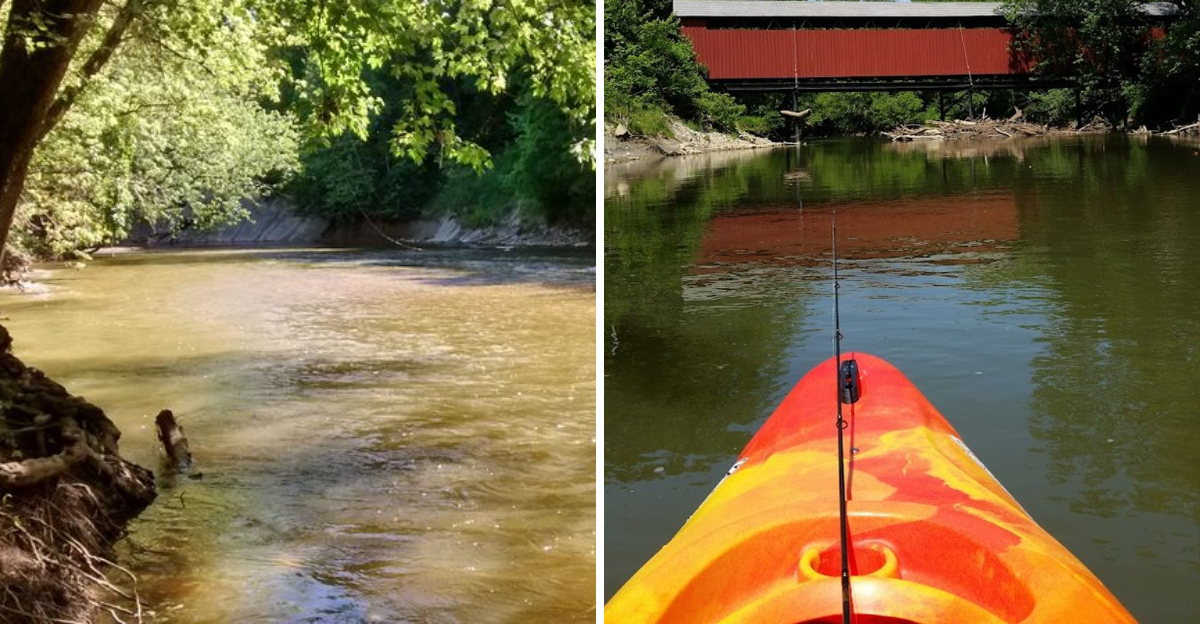
I’ve always had a soft spot for waterways that catch you off guard in the best way. There is one in Indiana that does exactly that, shifting from a peaceful, winding stream into a fast-moving challenge when the rains come and the water rises.
It is the kind of place that keeps you guessing, where one visit might offer calm paddling and the next calls for a bit more focus and skill. Whether you are after a relaxed afternoon on the water or something with a little more edge, it manages to deliver both.
What really makes it stand out is how it cuts right through the heart of a city, giving locals and visitors a natural escape that feels far away without ever having to drive hours into the wilderness.
Wildlife Watching Opportunities Around Every Bend
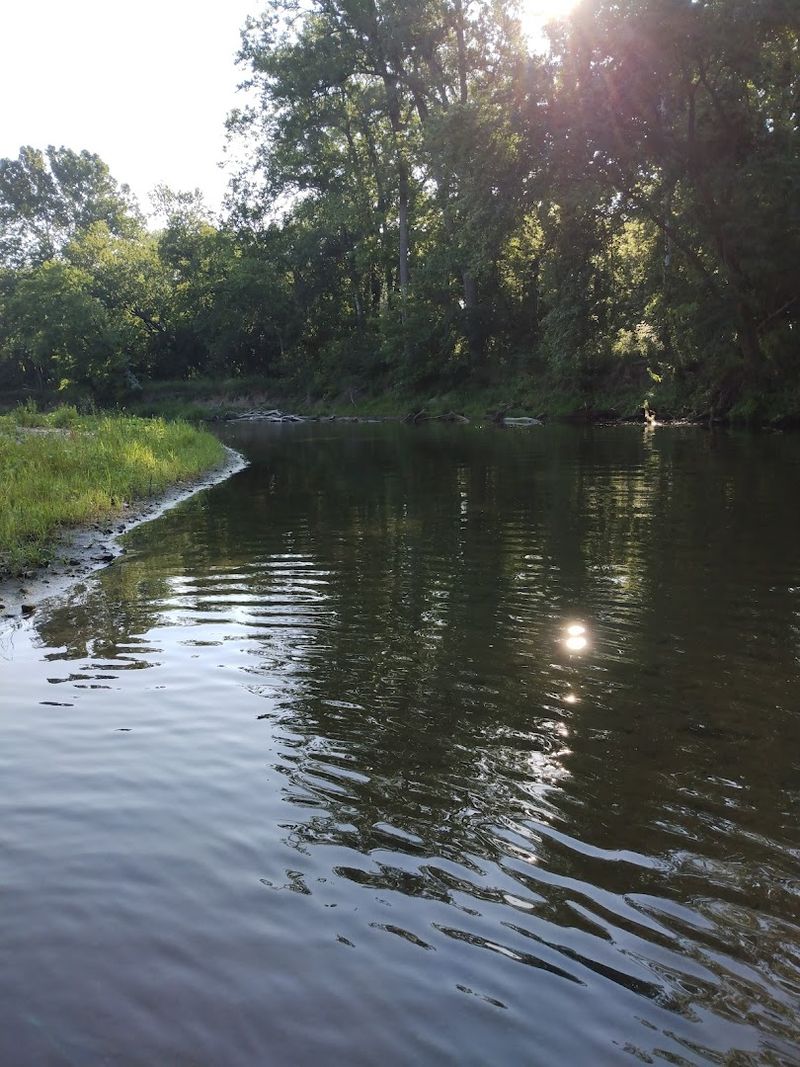
Bring your binoculars because Wildcat Creek is teeming with life. Great blue herons are common sights, standing statue-still in the shallows waiting for an unsuspecting fish to swim by.
I’ve spotted them so many times that I’ve started recognizing their favorite hunting spots along certain stretches.
Kingfishers rattle overhead, diving from branches to snatch minnows with impressive precision. Wood ducks nest in the hollows of old trees near the water, and if you’re quiet and lucky, you might catch a glimpse of a family paddling together in a protected cove.
The fish population is robust too. Bass and panfish thrive here, making it a favorite spot for anglers who know the creek’s secrets.
Smallmouth bass particularly love the rocky sections where the current picks up, while bluegill and sunfish hang out in calmer pools.
Turtles sun themselves on half-submerged logs, sometimes stacked three or four high like they’re trying to set a record. Muskrats leave V-shaped wakes as they swim across the creek, and deer tracks mark the muddy banks where they come down to drink at dawn and dusk.
The diversity isn’t accidental. Wildcat Creek’s mix of habitats, from riffles to pools to overhanging vegetation, creates niches for different species to thrive.
It’s a reminder that you don’t need wilderness to find genuine wildlife encounters, just a healthy waterway and a willingness to pay attention to what’s around you.
The Wildcat Creek Walk Of Excellence Trail System
If you prefer staying on dry land, the Wildcat Creek Walk of Excellence gives you 3.4 miles of paved pathway that hugs the creek and connects several parks. It’s one of Kokomo’s best-kept secrets for anyone who enjoys walking, running, or cycling with a view that actually changes as you go.
The trail starts near Highland Park at 1402 West Defenbaugh Street and winds its way through the city, offering access points at multiple parks along the route. You can jump on for a quick half-mile stroll or commit to the full distance, depending on your energy level and how much time you have.
What I appreciate most is how the trail puts you right next to the water without requiring any special equipment or skills. Families with strollers use it regularly, as do serious runners logging miles and casual walkers just getting some fresh air.
The paved surface makes it accessible year-round, though winter ice can make things tricky.
Benches positioned at scenic overlooks give you places to rest and watch the water flow past. On weekends, you’ll see people fishing from spots near the trail, kids pointing excitedly at turtles, and cyclists cruising by with friendly waves.
The trail also connects you to amenities at the parks it passes through, including restrooms, playgrounds, and picnic areas. It’s infrastructure that enhances the creek experience rather than detracting from it, showing how urban planning and natural spaces can work together when done thoughtfully.
Paddling Adventures From Calm To Challenging
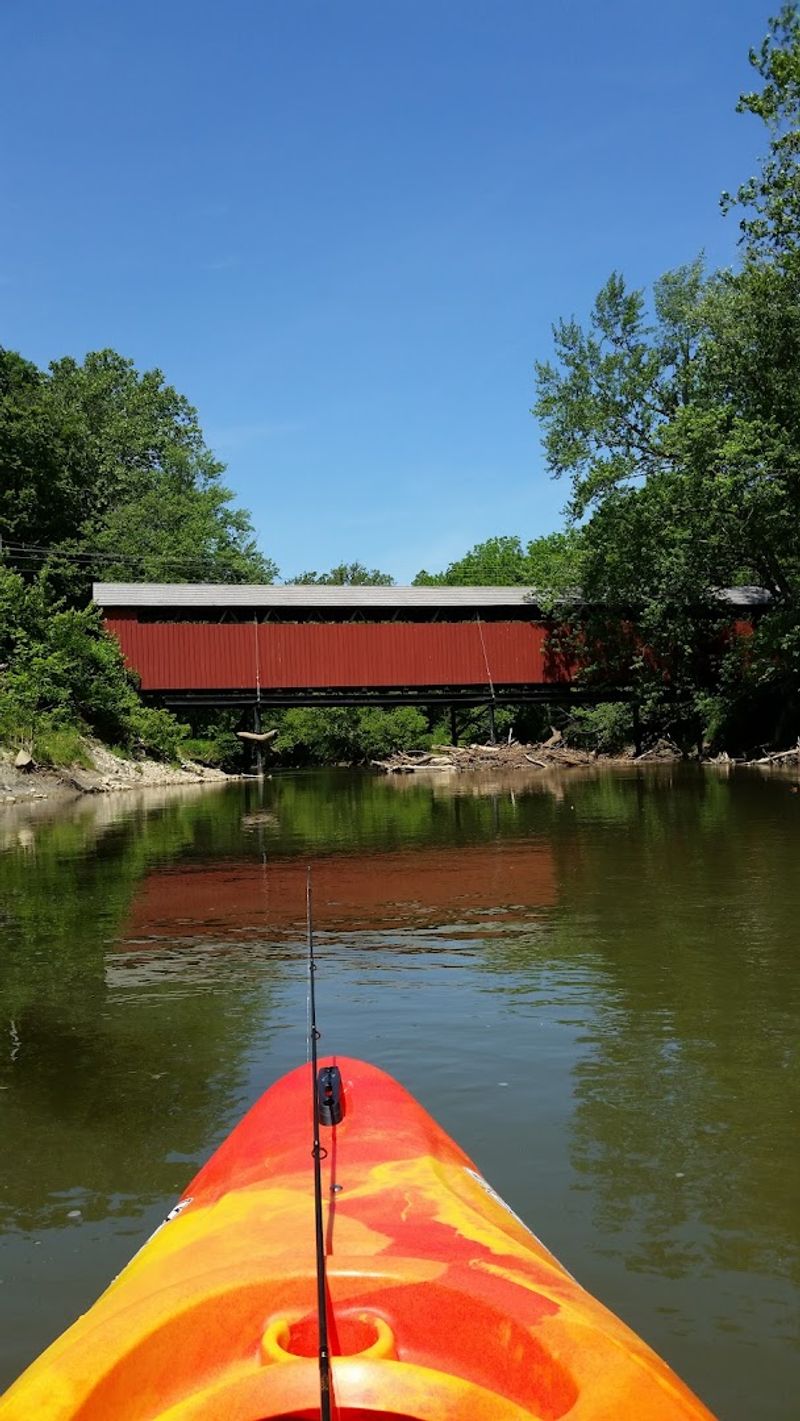
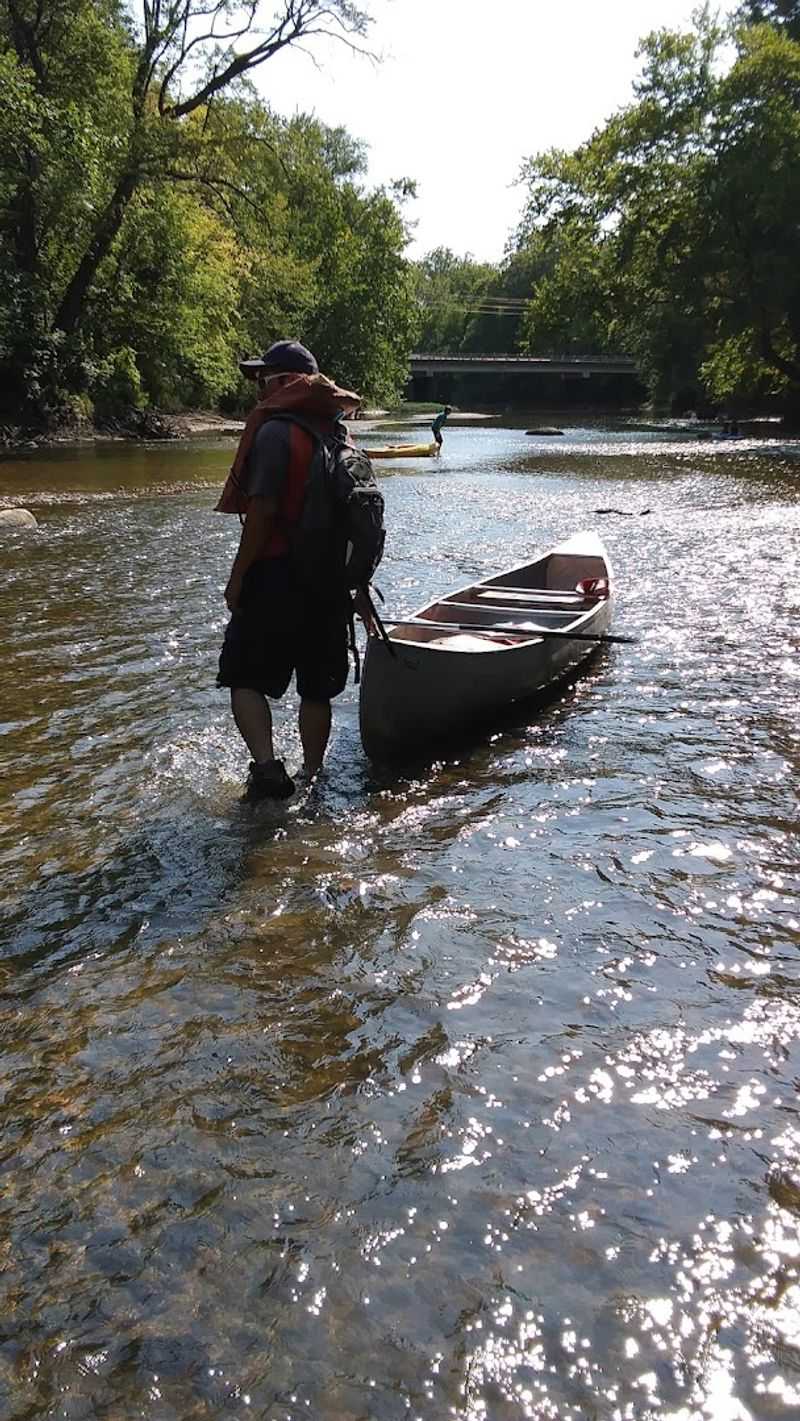
Wildcat Creek earns its reputation as a paddler’s dream because it offers such range. During normal water levels, sections of the creek provide relaxed flatwater perfect for beginners or anyone wanting a peaceful afternoon float.
But when spring rains swell the creek or heavy storms pass through, those same sections transform into technical challenges that demand respect and skill.
The North Fork in particular is known for its mix of conditions. You might start in calm water, then hit a stretch of Class I or II rapids that get your heart pumping before settling back into gentle current.
Multiple access points along the creek let you customize your trip length and difficulty.
High water changes everything. What was a gentle riffle becomes a legitimate rapid.
Obstacles you easily avoided at low water disappear under the surface, creating hazards you need to read and navigate on the fly. It’s genuinely technical paddling that tests your boat control and decision-making.
This variability means you need to check water levels before heading out. The USGS maintains gauges on Wildcat Creek, and local paddling groups share current conditions online.
Going out during flood stage is dangerous and irresponsible, but catching the creek at medium-high water offers that sweet spot of challenge without excessive risk.
For paddlers who get bored with the same conditions every time, Wildcat Creek delivers variety that keeps you coming back to see what the water’s doing today.
Historical Significance Along The Water
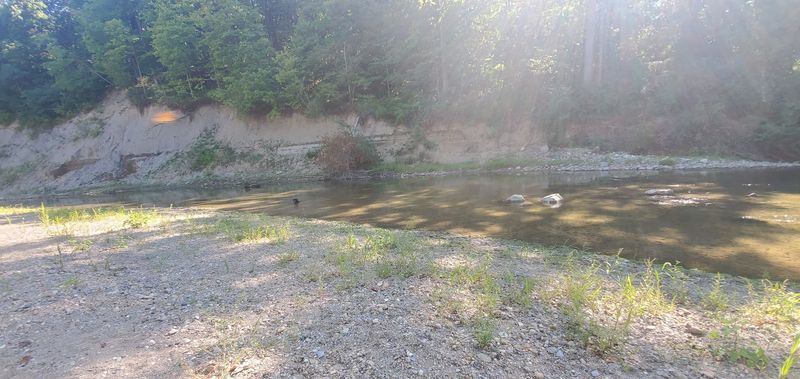
History runs deep along Wildcat Creek, literally and figuratively. In November 1812, the Battle of Wild Cat Creek, sometimes called Spur’s Defeat, took place along these banks during a turbulent period in Indiana’s frontier history.
It was part of the larger conflicts between Native American tribes and encroaching settlers during the War of 1812 era.
Captain Zachary Spur led a group of mounted rangers who were ambushed near the creek. The battle was brief but significant in the local context, representing the tensions and violence that characterized Indiana’s transition from frontier to settled territory.
Several rangers were killed, and the defeat highlighted the dangers faced by early settlers.
Today, historical markers in the area acknowledge this past, though the creek itself has long since moved beyond those violent chapters. Paddling or walking along sections where history was made adds a layer of depth to the experience, connecting you to the generations who used these same waterways for survival, transportation, and warfare.
Beyond the battle, Wildcat Creek served Native American communities for centuries before European contact. The creek provided water, food, and a travel corridor through the region.
Archaeological evidence suggests long-term habitation along its banks, though much of that story remains incompletely told.
For anyone interested in how landscapes hold memory, Wildcat Creek offers a chance to float or walk through chapters of Indiana history that shaped the state we know today. It’s a reminder that natural spaces aren’t separate from human stories but deeply intertwined with them.
Scenic Beauty That Changes With Every Season
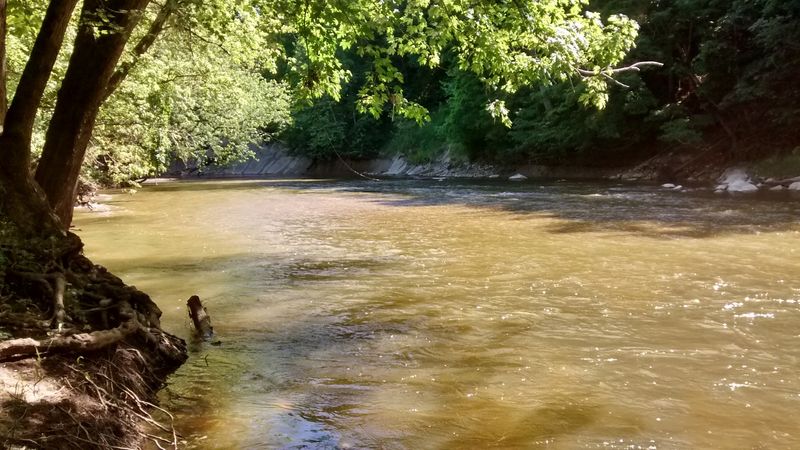
Wildcat Creek winds through some of the most varied landscapes you’ll find in north-central Indiana. One moment you’re paddling past open cropland where the horizon stretches wide, and the next you’re gliding under a canopy of hardwoods that dapple the water with shifting shadows.
The creek doesn’t stick to one personality, and that’s what makes every trip feel fresh.
During spring, wildflowers bloom along the banks, painting splashes of color against the green backdrop. Summer brings thick foliage that creates natural tunnels in places, offering shade from the heat.
Fall transforms the corridor into a riot of reds, oranges, and yellows that reflect brilliantly on the water’s surface.
Winter strips everything bare, revealing the creek’s bones and the subtle contours of the land it carves through. Each season offers something different, making it worth visiting year-round if you’re willing to bundle up or slather on sunscreen depending on the month.
The variety isn’t just seasonal either. As you move downstream, the landscape shifts from agricultural fields to patches of preserved woodland to areas closer to town where development edges up to the banks.
This mix keeps your eyes busy and your camera ready, especially if you appreciate how water and land interact in unexpected ways.
For anyone who loves natural beauty without the need for mountain vistas or ocean waves, Wildcat Creek delivers a quieter, more intimate kind of scenery that grows on you the more time you spend with it.
Excellent Fishing In Accessible Waters
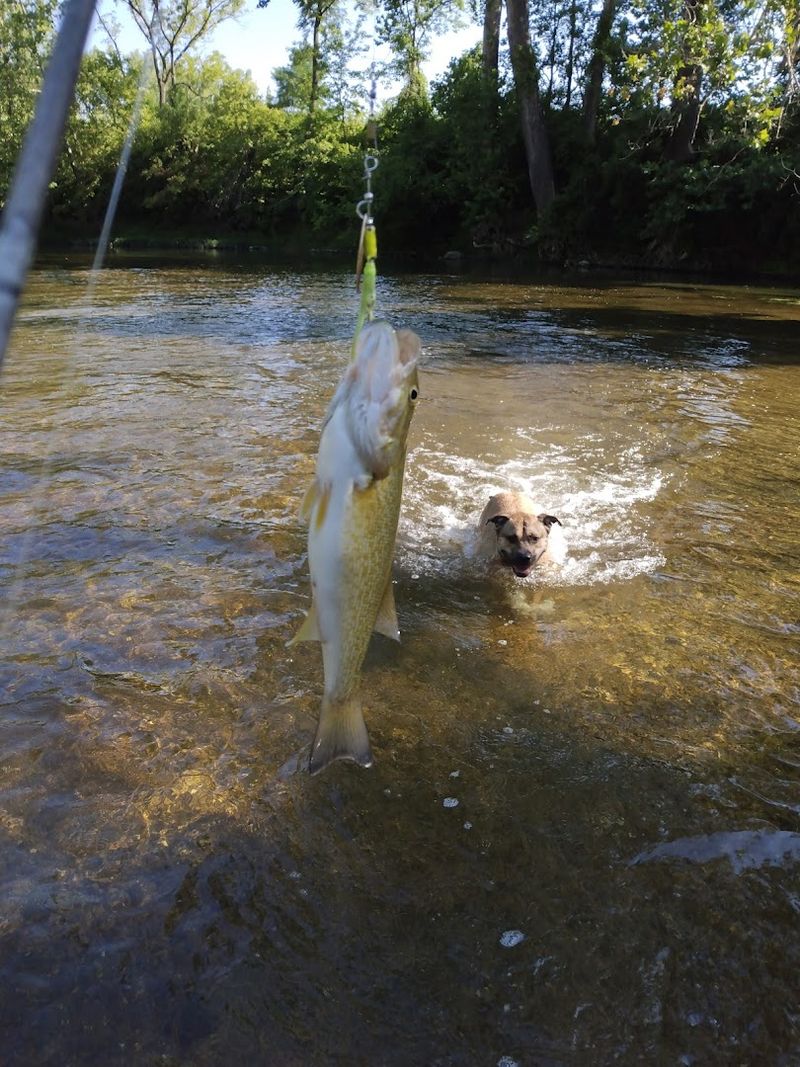
Anglers who know Wildcat Creek keep coming back because the fishing consistently delivers. Bass, both largemouth and smallmouth, cruise the creek’s varied structure, from deep pools to rocky runs.
Panfish including bluegill, sunfish, and occasional crappie fill out the roster, giving you plenty of targets whether you’re fly fishing, spinning, or just dangling a worm under a bobber.
The creek’s accessibility is a huge advantage. You don’t need a boat, though a kayak or canoe certainly expands your options.
Wading is productive in many sections during lower water, and bank fishing from parks or public access points works well if you know where to position yourself.
Smallmouth bass particularly thrive in the faster, rockier sections where oxygen levels stay high and current brings food to them. They’re scrappy fighters that make light tackle fishing genuinely exciting.
Largemouth prefer the slower pools and areas with more vegetation, where they can ambush prey from cover.
Seasonal patterns matter here like anywhere else. Spring brings spawning activity that concentrates fish in predictable areas.
Summer pushes them to deeper, cooler water or shaded undercuts during the heat of the day. Fall feeding can be exceptional as fish bulk up before winter.
What makes Wildcat Creek special for fishing isn’t trophy-sized catches, though decent fish certainly swim here. It’s the combination of healthy populations, easy access, and the variety of species that let you switch tactics and targets without changing locations.
For anglers who value the experience over the bragging rights, this creek delivers exactly what you’re looking for.
Urban Escape Without The Long Drive
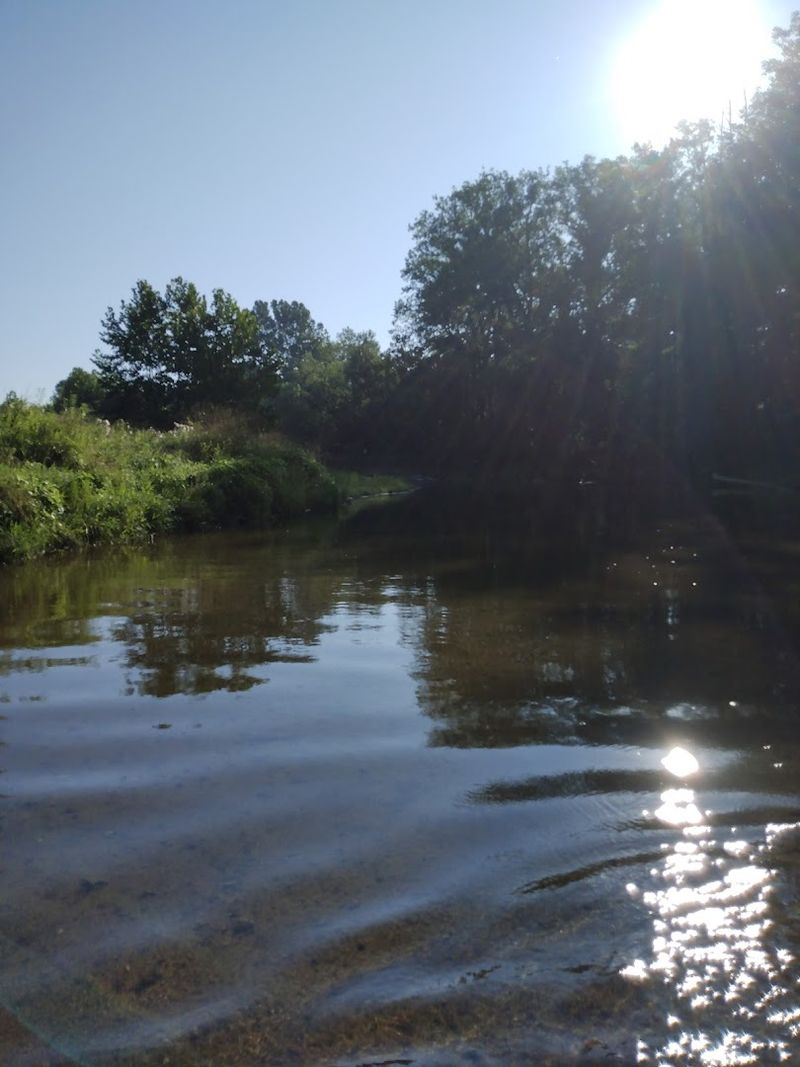
One of Wildcat Creek’s biggest advantages is location. Running right through Kokomo, it offers genuine outdoor experiences without requiring a road trip.
You can be on the water or trail within minutes of leaving work, home, or wherever you’re staying in the area. That accessibility transforms how you interact with nature, making it part of regular life rather than a special occasion.
Highland Park provides one of the main access points, with parking, facilities, and easy creek access. Foster Park at 1600 South Reed Road offers another entry point to the trail system and nearby water.
These aren’t remote wilderness trailheads requiring four-wheel drive and detailed maps. They’re city parks with the amenities you expect, positioned to let you step directly into nature.
After a paddle or walk, you’re minutes from restaurants, coffee shops, and other conveniences. Sycamore Grille at 515 South Main Street serves up solid meals if you’ve worked up an appetite.
The proximity means you can fit outdoor time into a busy schedule rather than needing to block off entire days.
For Kokomo residents, Wildcat Creek is a backyard resource that many communities would envy. For visitors, it’s a reason to add Kokomo to your itinerary beyond the city’s automotive history and other attractions.
The creek proves that meaningful outdoor experiences don’t require driving to state parks or national forests. Sometimes the best adventures are the ones closest to home, waiting for you to simply show up and see what the water’s doing today.
