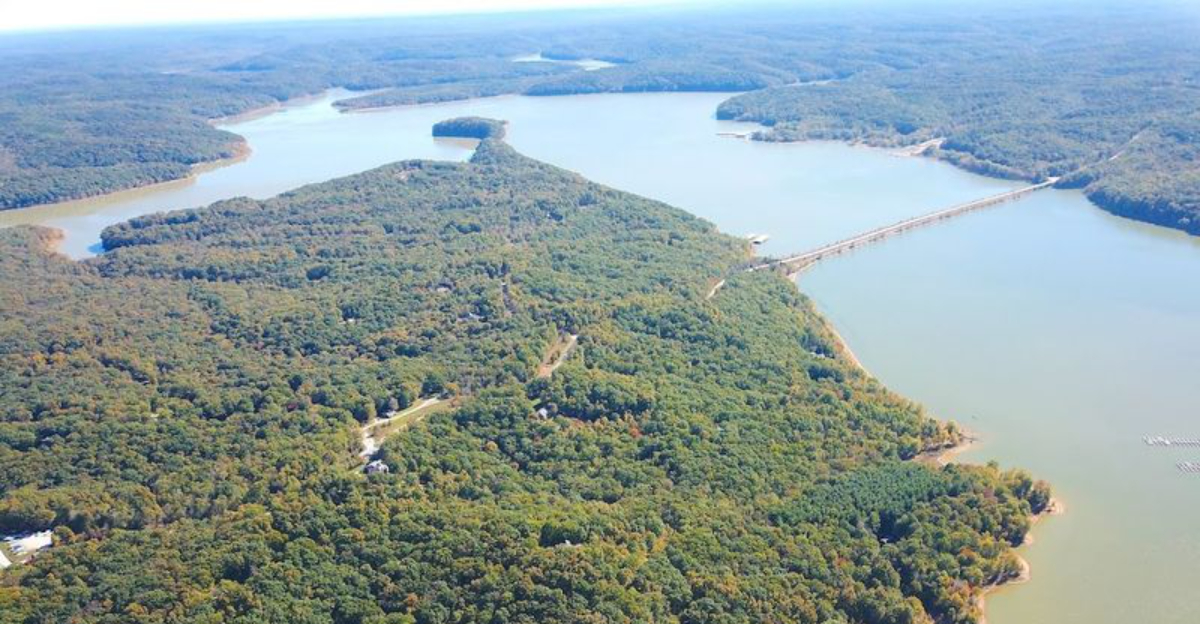
Most nature preserves in Indiana welcome visitors any day of the week. This preserve near Bloomington does the opposite, closing its gates every single weekend on purpose.
That unusual approach is exactly what helps keep this forested retreat on Lake Monroe feeling like a genuine hidden gem. The setting combines wooded trails, quiet shoreline scenery, and a sense of seclusion that is increasingly hard to find.
Limiting access helps preserve the calm atmosphere, making a weekday visit feel more like a private escape than a typical outdoor outing. If you can rearrange your schedule, it is the kind of Indiana nature experience that genuinely rewards the effort.
Panoramic Lake Views That Stop You Mid-Trail
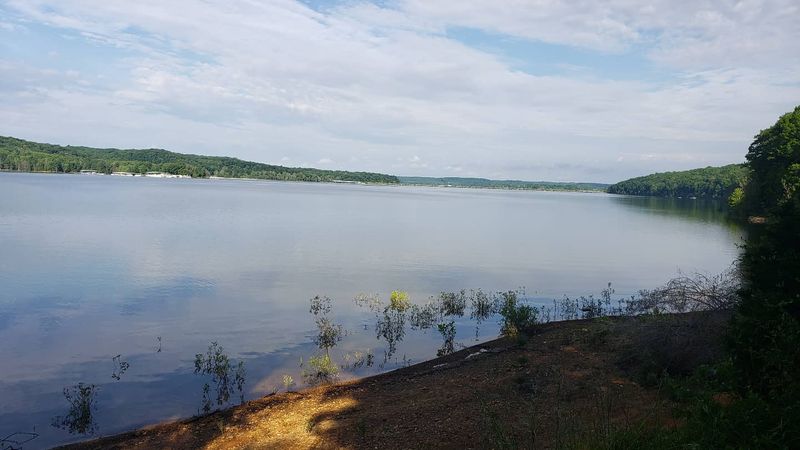
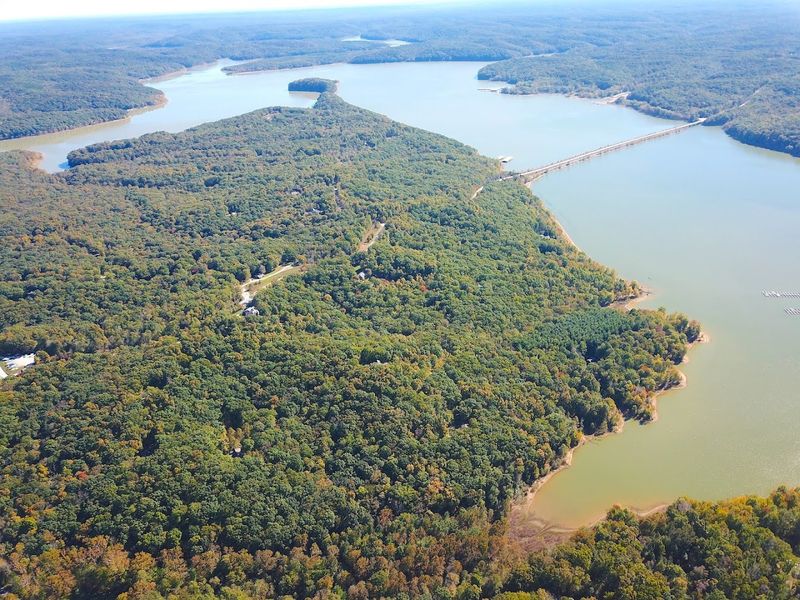
Few trails in Indiana reward hikers the way this one does. From multiple points along the 2.2-mile out-and-back path, Lake Monroe opens up on both sides of the narrow peninsula, giving you the rare feeling of walking on water without getting your feet wet.
The views build gradually as the trees thin near the trail’s end.
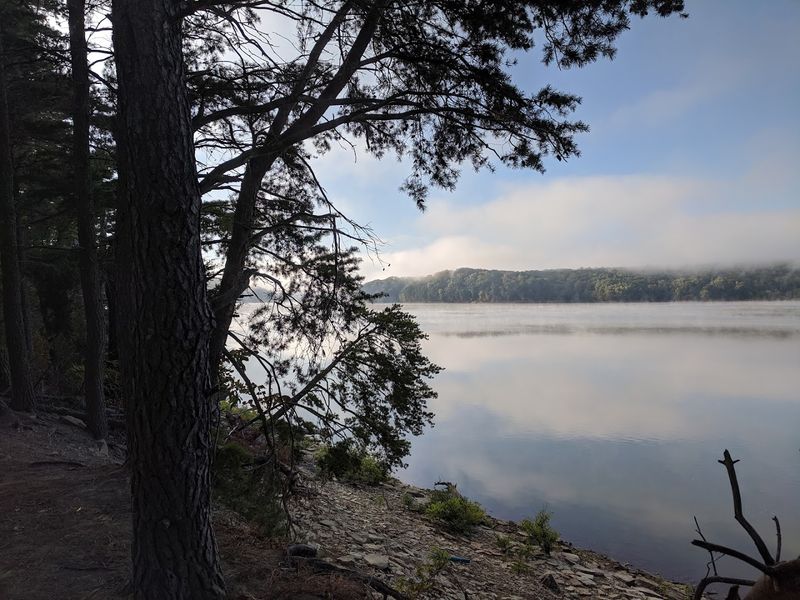
The most dramatic moment comes close to the tip of the peninsula, where a near 360-degree panorama of the lake stretches in every direction. On a calm weekday morning, the water reflects the sky like a mirror, and the silence makes it feel like you have the whole reservoir to yourself.
That feeling is not accidental, since the weekend closure keeps crowds away.
Lake Monroe is the largest reservoir in Indiana, so the scale of what you see from this vantage point is genuinely impressive. Photographers and casual hikers alike tend to linger here longer than planned.
Bring a snack, sit on a rock near the shore, and take it all in before heading back through the forest. The trail is marked well, so there is no pressure to rush.
The preserve is located at 7466 E Rush Ridge Rd, Bloomington, IN 47401, managed by Sycamore Land Trust.
7 Miles of Lake Frontage and a Hidden Beach
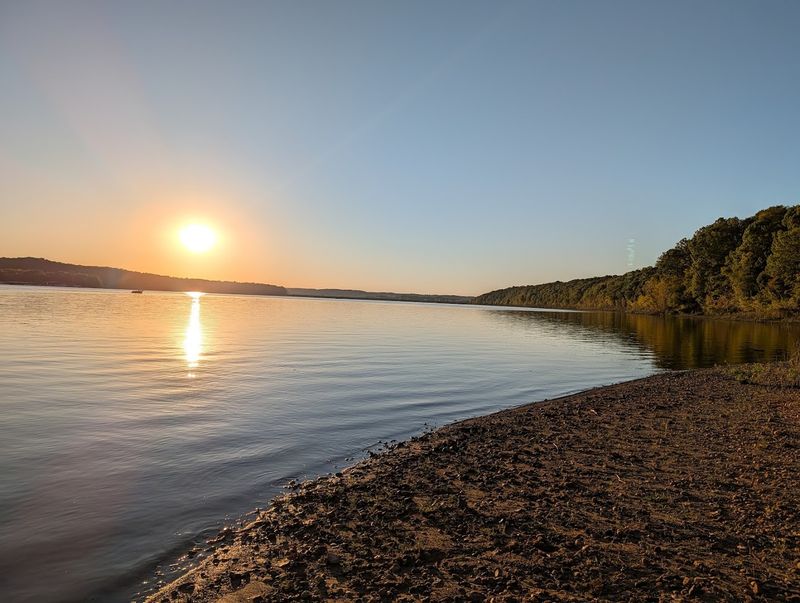
Most hiking trails in the Midwest offer a forest path and maybe a creek crossing. This preserve gives you something far more interesting: 1.7 miles of actual lake frontage, meaning water is visible or reachable for most of the hike.
That kind of continuous lake access is rare for a publicly accessible trail in Indiana.
At the very end of the trail, the path splits near the tip of the peninsula. Head left and you will find a small clearing that opens onto a tiny beach area along the shore of Lake Monroe.
Hikers have spotted fossils, geodes, and unusually shaped rocks scattered along the waterline, making the beach feel like a natural curiosity cabinet.
The water level of the lake can change seasonally, which affects how much beach is exposed at any given time. Early summer visits sometimes find the trail end partially submerged after wet seasons.
Regardless of conditions, the shoreline stretch is a satisfying payoff after the moderately hilly walk through the hardwood forest. Dogs are welcome on leash, and several hikers have reported spotting foxes and bald eagles near the water’s edge.
Just remember that collecting rocks or plants from the preserve is not permitted, so leave those geodes where you find them and enjoy them in place.
Wildlife and Birdwatching in an Audubon-Designated Area
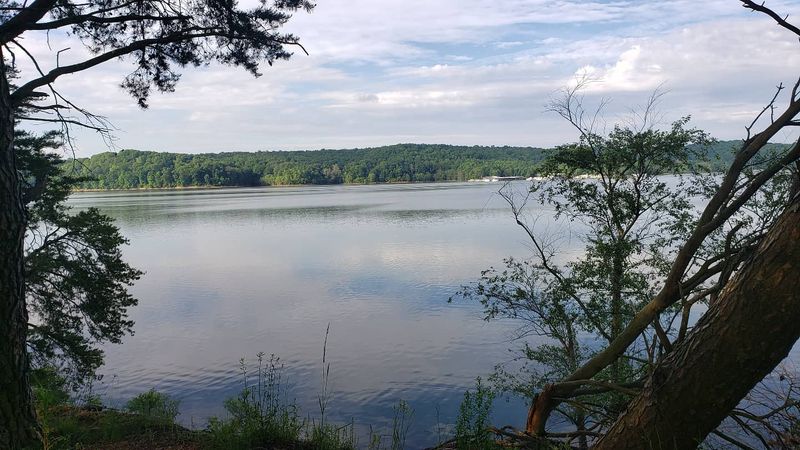
Lake Monroe holds a designation from the National Audubon Society as an Important Bird Area, and the Amy Weingartner Branigin Peninsula Preserve sits right in the middle of that habitat. That official recognition is not just a label.
It reflects the genuine richness of bird life that moves through and nests in this corridor of trees and water.
Red-shouldered hawks and broad-winged hawks have been documented using the preserve as hunting ground. Migratory songbirds pass through during spring and fall, making those seasons particularly rewarding for birders who time their weekday visits right.
Eastern box turtles move through the understory, and patient observers have spotted foxes trotting along the trail edges. One visitor even reported watching a bald eagle cruise low over the lake during a quiet morning hike.
The preserve connects to the Brown County Hills Forest, contributing to the largest contiguous forest block in Indiana. That connectivity matters enormously for wildlife that needs large, uninterrupted habitat to survive and thrive.
Bringing binoculars and moving quietly through the trail will dramatically increase what you see. Early morning arrivals on weekdays tend to catch the most activity before the day heats up.
The combination of forest interior, lake edge, and peninsula geography creates an unusual mix of habitat types that attracts a wide variety of species throughout the year.
A Mature Hardwood Forest Connected to Indiana’s Largest Forest Block
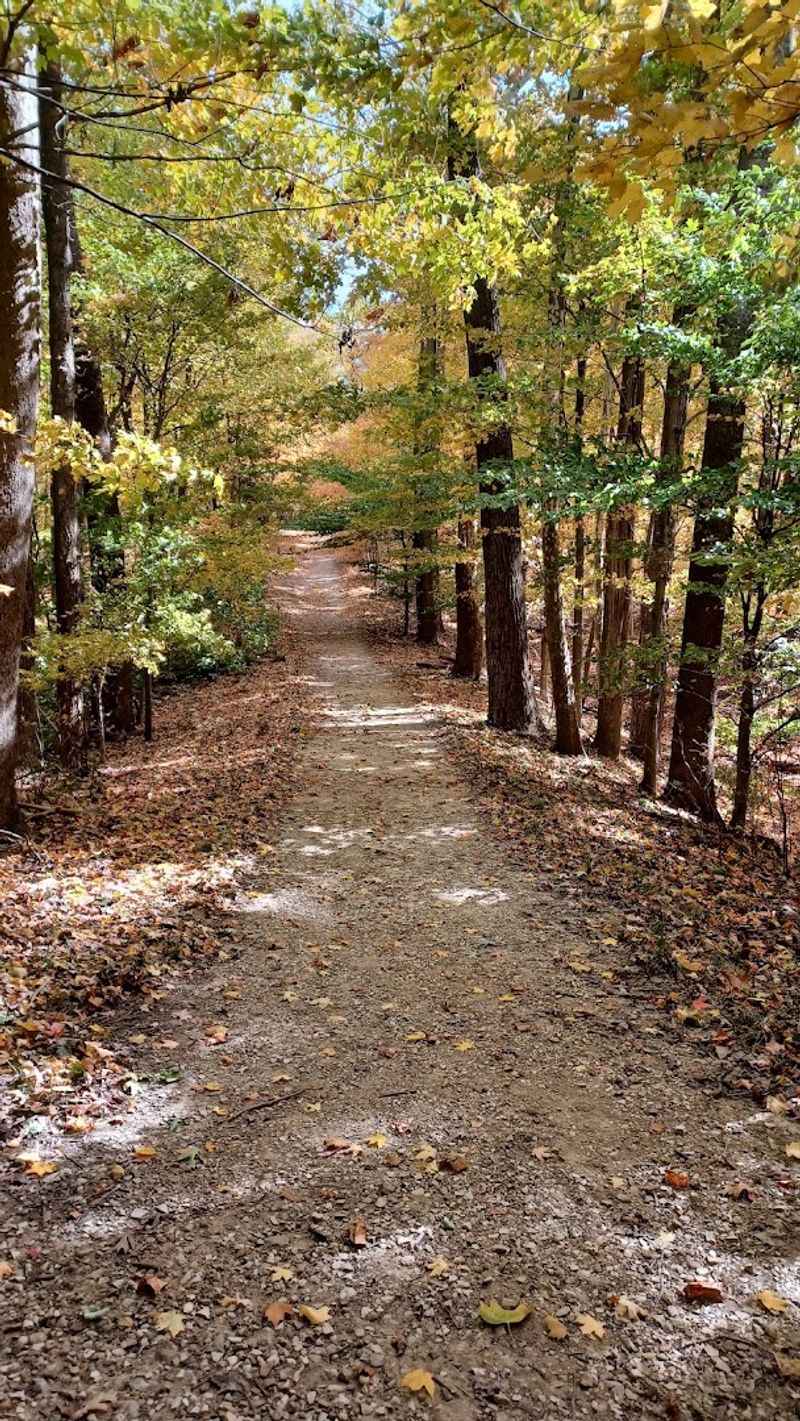
Walking through the Amy Weingartner Branigin Peninsula Preserve feels different from most Indiana nature walks because the forest here is genuinely old.
The upland hardwood trees that line the trail are mature, tall, and dense enough to create a shaded canopy that keeps temperatures cooler even on warm weekdays.
That canopy is more than just comfortable. It is ecologically significant.
The preserve connects directly to the Brown County Hills Forest, forming part of the largest contiguous forest block in the entire state of Indiana. Large forest blocks like this one support species that cannot survive in fragmented woodland patches, including interior-nesting birds and wide-ranging mammals.
Walking this trail means passing through land that functions as genuine wildlife corridor, not just a scenic backdrop.
The forest floor along the trail shifts in character as you move from the upland ridgeline toward the lake shore. Rocky outcrops appear between tree roots, and the terrain rolls with enough elevation change to keep the hike interesting without becoming exhausting.
The Hoosier Hikers Council built and maintains the trail, and a reroute completed in 2024 improved the experience for visitors navigating the rockier sections. If you appreciate old trees and quiet forest, this preserve delivers that atmosphere more consistently than most accessible trails in the Bloomington area.
The shade alone makes a midweek summer visit feel like a gift.
Fascinating Geology Including the Mt. Carmel Fault
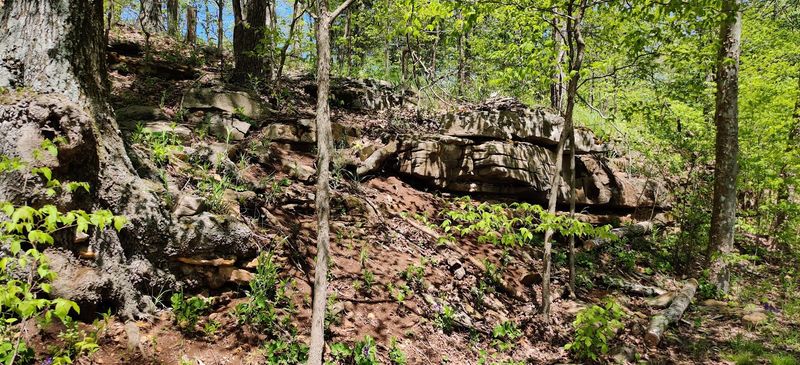
Not many hiking trails in Indiana give you a geology lesson while you walk, but this preserve does exactly that. The Mt.
Carmel Fault runs through the property, creating a visible contrast between the rock types on either side of the peninsula.
Younger limestone appears on the east side, while older sandstone caps the western ridgetops, a relationship that seems counterintuitive until you understand how fault zones can flip the expected order of rock layers.
That geological quirk gives the trail an educational dimension that goes beyond pretty scenery. If you look carefully at the exposed outcrops along the path, you can see the difference in texture and color between the limestone and sandstone formations.
The shoreline adds another layer of interest, since geodes and fossil-bearing rocks wash up and collect along the beach area at the trail’s end.
Geology enthusiasts will want to slow down at several points along the route to examine what is underfoot. Children especially tend to get excited about the variety of rocks visible along the lake shore, where shapes and sizes shift noticeably every few dozen feet.
Just remember that collecting rocks, plants, or any natural materials from the preserve is strictly prohibited. The rule exists to protect what makes the place special in the first place.
Observing and photographing the geology is absolutely encouraged, and the variety on display along 2.2 miles is genuinely impressive for such a compact trail.
A Moderately Challenging Trail Built for Real Hikers
Some trails feel more like a stroll through a parking lot than an actual hike. The Amy Weingartner Branigin Peninsula Preserve trail is not that.
At 2.2 miles round trip, the distance is manageable for most fitness levels, but the terrain keeps things honest. Several elevation changes, rocky stretches, and uneven footing make this a trail that asks something of you without punishing you for showing up.
The Hoosier Hikers Council constructed the trail with care, and a reroute completed in 2024 addressed some of the rougher sections that had developed over years of use. Even with improvements, the path retains its rugged character, which is part of the appeal.
Hikers who find flat, groomed trails underwhelming will feel right at home here. Sturdy shoes or light hiking boots make a noticeable difference on the rockier sections.
The typical round trip takes about an hour to an hour and a half depending on pace and how long you linger at the lake shore. Most hikers find the return leg slightly easier once they have figured out the terrain on the way out.
The trail is well marked, reducing the chance of wrong turns. One practical note: tick awareness is important here, especially in warmer months.
Wearing long socks and checking yourself after the hike is a smart habit at this preserve. The trail rewards those who come prepared and take their time.
Why the Weekend Ban Actually Makes This Place Better
The weekend closure at the Amy Weingartner Branigin Peninsula Preserve is one of the most unusual policies attached to any public nature area in Indiana. The preserve is closed every Saturday and Sunday, every federal holiday, and the day after Thanksgiving.
The parking lot gate locks at 8 PM on Fridays and does not reopen until 8 AM on Mondays. That schedule came directly from a surge in visitation during the pandemic years that overwhelmed the trail and the tiny parking area.
Parking is limited to seven or eight standard spaces plus one accessible spot. Parking on the road or on surrounding private property is prohibited and can result in towing.
The policy is enforced seriously, and the narrow access road through the residential neighborhood means there is genuinely nowhere else to park. Carpooling is strongly encouraged, and planning your visit for a mid-morning weekday tends to give you the best chance of finding a spot.
The result of all these restrictions is a trail that feels remarkably uncrowded compared to popular weekend destinations nearby. Visiting on a Tuesday or Wednesday morning means sharing the path with only a handful of other hikers.
That quiet is what transforms a good hike into a genuinely restorative one. The preserve hours are Monday through Friday, 8 AM to 8 PM.
