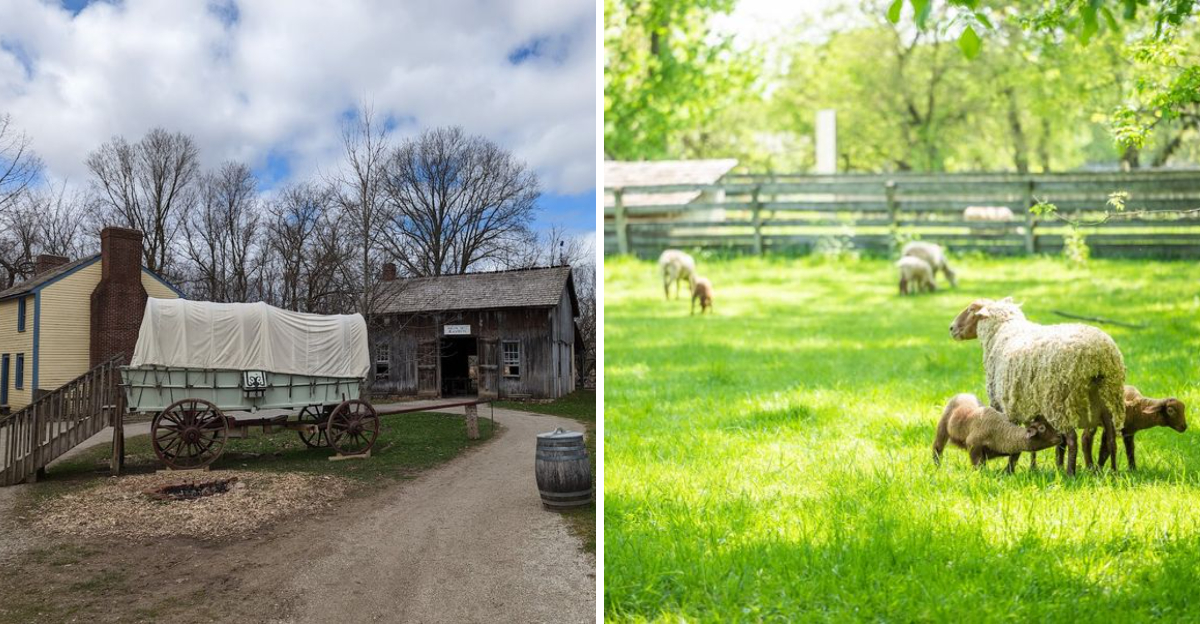
Most people drive right past it without a second thought, not realizing that one of the most remarkable living history experiences in the country sits just outside Indianapolis.
This expansive Indiana attraction covers over 1,000 acres and features multiple immersive areas that recreate 19th-century life in a highly interactive way.
Rather than a traditional museum, it is designed as a hands-on experience where costumed interpreters, reconstructed settlements, and seasonal demonstrations bring history into motion.
Visitors can walk through different eras, explore daily life from the past, and engage with activities that make the experience feel immediate and tangible.
1836 Prairietown Brings the Pioneer Past Back to Life
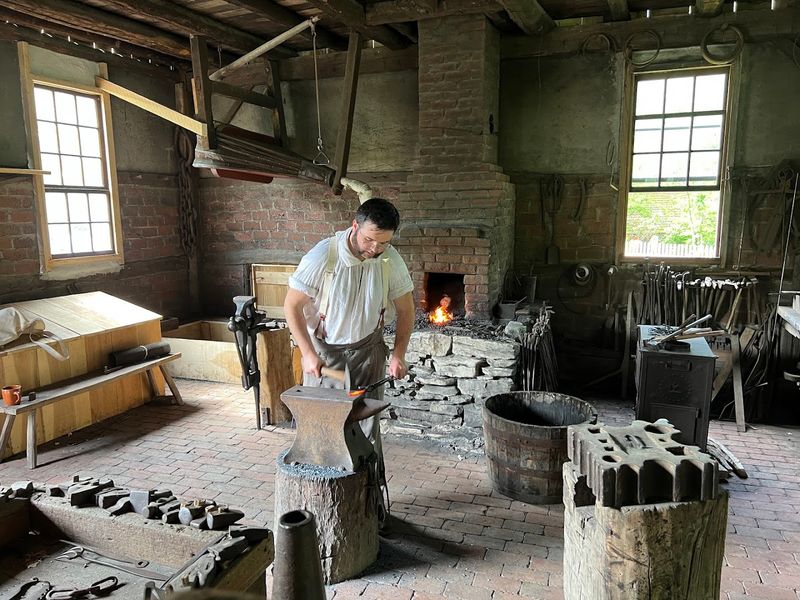
Walking into 1836 Prairietown feels less like entering an exhibit and more like crossing an invisible line between centuries. Costumed interpreters stay fully in character as they go about their daily routines, chopping wood, kneading dough, and tending small gardens.
They do not break the illusion, and that commitment is exactly what makes this place so memorable.
The recreated village is built with careful attention to period-accurate detail. You will find a blacksmith working at a forge, a potter shaping clay, and a carpenter crafting furniture using only hand tools.
Every building, every tool, and every conversation is rooted in what life actually looked like in Indiana during the 1830s.
What sets 1836 Prairietown apart from a standard history lesson is the way it invites participation. Visitors are encouraged to ask questions, handle certain tools, and engage directly with interpreters as if they were neighbors stopping by.
Children especially respond to this format because the history does not feel distant or abstract. It feels immediate, tactile, and surprisingly personal.
Located at 13400 Allisonville Rd, Fishers, IN 46038, Conner Prairie is open Tuesday through Sunday from 10 AM to 5 PM. This single area alone is worth the price of admission, and most visitors find themselves lingering far longer than they originally planned.
The William Conner House Is One of Indiana’s Oldest Brick Homes
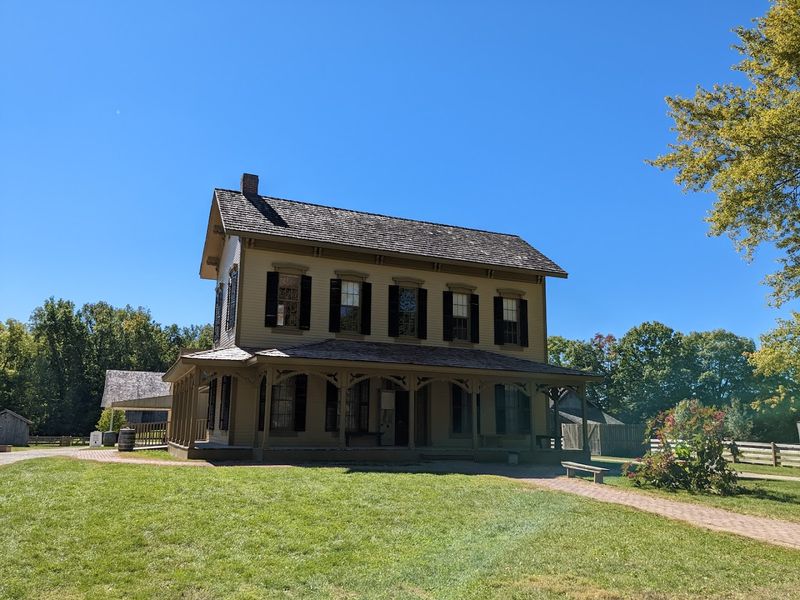
Built in 1823, the William Conner House is not just old. It is one of the oldest surviving brick homes in the entire state of Indiana, and it carries a story that shaped the region in ways most visitors never expect.
The house is listed on the National Register of Historic Places, which tells you something about its significance before you even step inside.
William Conner himself was a fascinating figure. He worked as a fur trader, served as a politician, and played a central role as a negotiator between early settlers and Indigenous communities.
His home reflects the ambitions and contradictions of a man living at the edge of a rapidly changing frontier.
The Federal-style architecture is understated but elegant, a deliberate choice that communicated status and permanence in a time when most Indiana settlers lived in rough log cabins. Seeing it in person offers a very different understanding of early 19th-century Indiana than any textbook can provide.
The house sits within the broader Conner Prairie grounds, and visiting it as part of a full day at the museum gives the entire experience a strong sense of historical grounding. Few structures in this state carry as much layered meaning as this one does.
The 1859 Balloon Voyage Offers Views You Cannot Find Anywhere Else Nearby
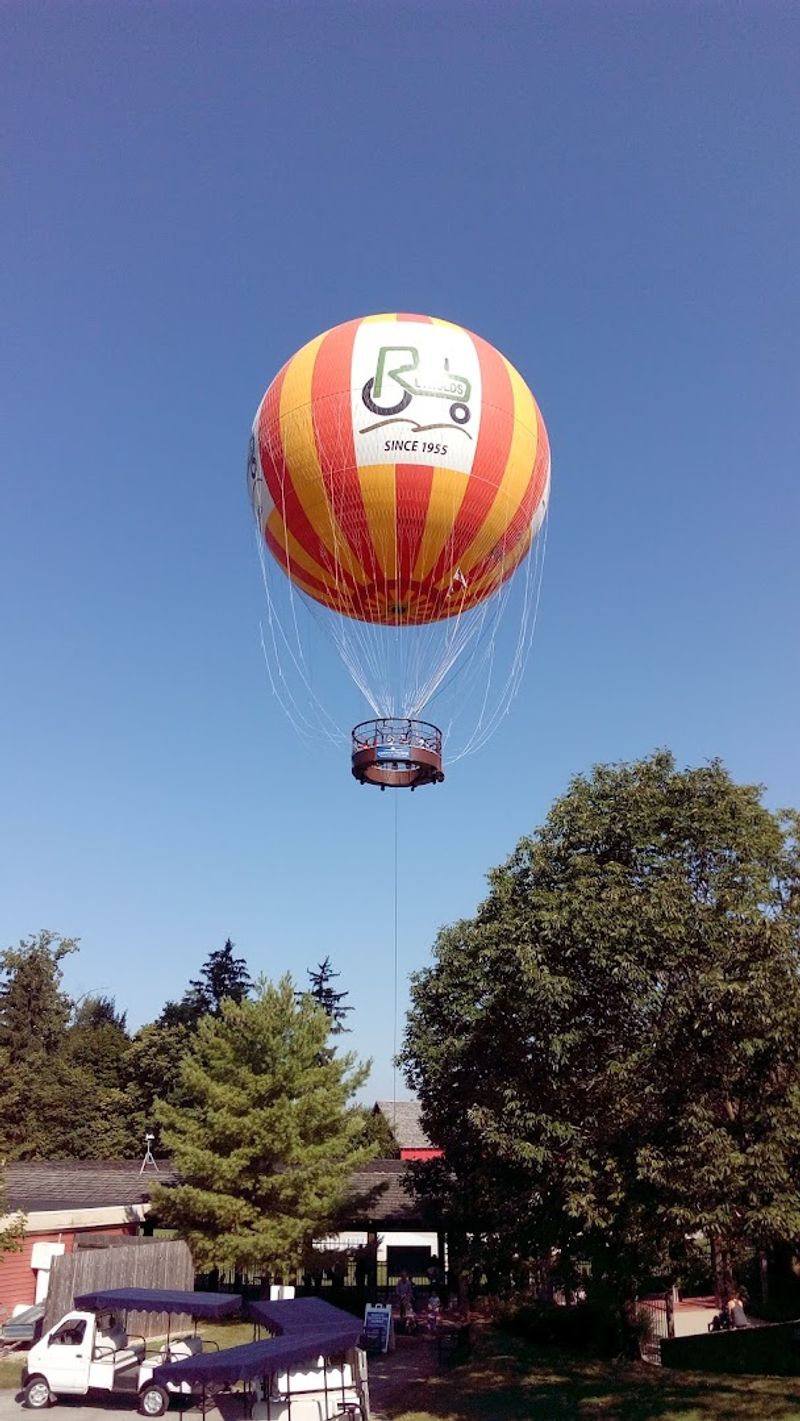
There is something genuinely thrilling about rising 350 to 377 feet above the ground in a tethered helium balloon while looking out over central Indiana stretching in every direction.
The 1859 Balloon Voyage at Conner Prairie is inspired by the first airmail delivery in United States history, which gives the ride a historical context that makes it feel more meaningful than a simple novelty attraction.
On a clear day, the view from the balloon is the kind that stays with you. Cornfields, tree lines, and the rolling landscape of Hamilton County spread out below in a way that puts the sheer scale of Conner Prairie into perspective.
Visitors consistently describe it as one of the most memorable parts of the entire experience.
The balloon is tethered, so safety is well managed, and the ascent is smooth enough that most people feel comfortable even if heights are not usually their thing. It is worth noting that this attraction operates separately from general admission, so budget accordingly.
Arriving early on busy days is a smart move since availability can fill up quickly during peak season. The best tip passed along by seasoned visitors is to stand on the west side of the balloon for a view that overlooks the corn maze below.
That detail alone makes the upgrade feel completely worthwhile.
The 1863 Civil War Journey Covers Indiana’s Only Civil War Battle Experience
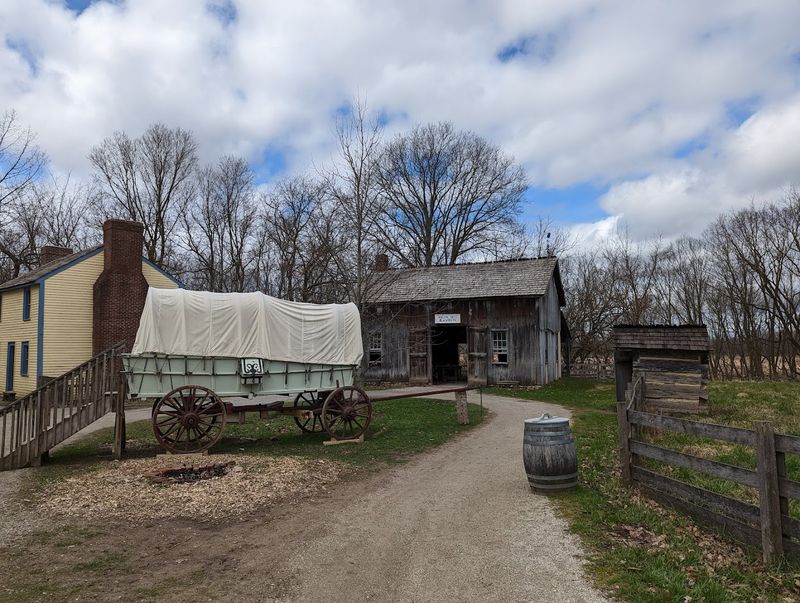
Most people do not realize that Indiana experienced its own slice of Civil War conflict through an event known as Morgan’s Raid.
The 1863 Civil War Journey at Conner Prairie recreates this piece of history through live action, video, and interactive activities that put visitors right inside the tension and uncertainty of that moment.
It is one of the most emotionally engaging experiences on the entire property.
Confederate General John Hunt Morgan led a cavalry raid through southern Indiana in the summer of 1863, marking the only significant Civil War military action to occur on Indiana soil. The way Conner Prairie presents this story is anything but passive.
Visitors are not just watching. They are making choices, responding to scenarios, and feeling the weight of decisions that real Indiana residents faced during that summer.
The production quality of this area is impressive, blending theatrical performance with genuine historical research. It works equally well for adults who already know the history and for younger visitors who are encountering it for the first time.
The combination of live interpretation and multimedia elements keeps energy levels high throughout the experience. If you are visiting Conner Prairie, carve out enough time to move through this journey without rushing.
It rewards patience and curiosity in equal measure.
The 1816 Lenape Camp Shares a Story That Often Goes Untold
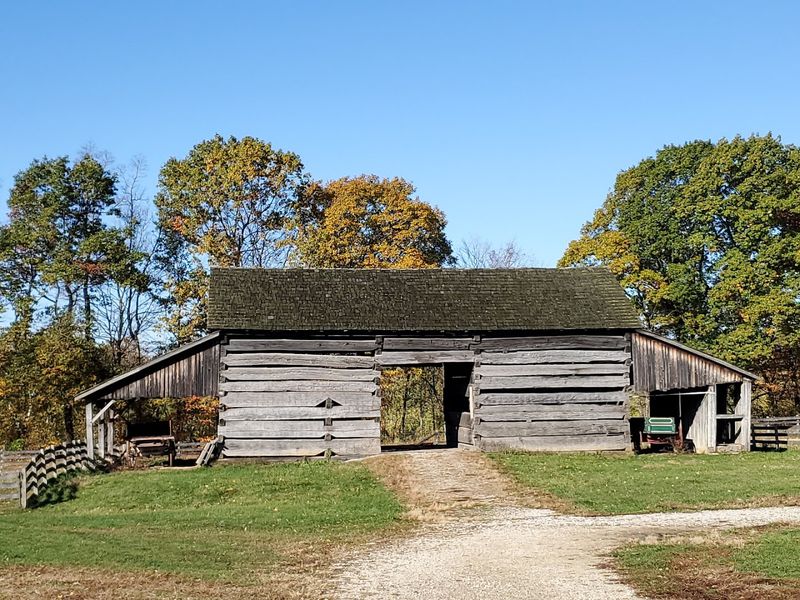
History museums have a long track record of centering settler perspectives while leaving Indigenous stories on the margins. The 1816 Lenape Camp at Conner Prairie takes a different approach, and it is one of the most quietly powerful areas on the entire property.
The experience focuses on the life, culture, and worldview of the Lenape people during the early 19th century, including their relationship with American fur traders.
The Lenape, also known as the Delaware people, had a significant presence in what is now Indiana before being displaced westward through a series of treaties. Conner Prairie’s interpretation of this history does not shy away from complexity.
Visitors learn about trade practices, spiritual beliefs, daily routines, and the pressures that shaped Lenape life during a period of enormous change.
What makes this area stand out is its tone. The interpretation feels respectful rather than performative, and it encourages visitors to sit with questions rather than rushing toward easy conclusions.
Families with older children often find this section sparks the most thoughtful conversations of the entire visit. It pairs naturally with the William Conner House narrative since William Conner himself had direct relationships with the Lenape community during his years as a trader and negotiator.
Together, the two areas create a more complete and honest picture of early Indiana history than either could offer alone.
Animal Encounters and the Treetop Outpost Keep Every Age Group Engaged
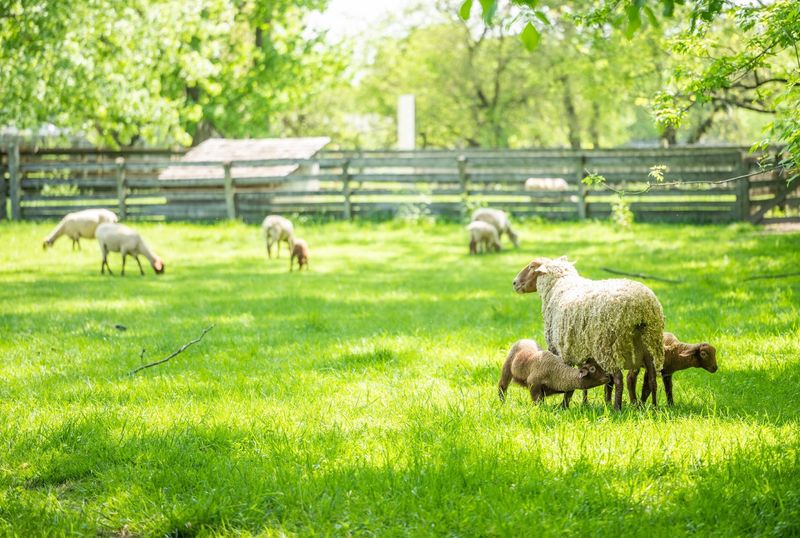
Not every part of a great day at Conner Prairie involves history lessons, and that is genuinely part of its appeal. The Animal Encounters area features a working barn stocked with heritage breed livestock that were common across Indiana farms in the 1800s.
Arapawa goats, Tunis sheep, and English Longhorn cattle roam the space in a way that feels agricultural rather than staged.
Kids who have never been close to a full-grown longhorn cattle or held a baby goat tend to light up in this section. The breeds themselves are historically significant, chosen because they reflect the actual livestock that 19th-century Indiana families would have depended on for food, wool, and labor.
That context turns a simple animal interaction into a small history lesson that sticks.
Just a short walk away, the Treetop Outpost rises four stories into the canopy and offers a completely different kind of engagement. Built from natural materials and designed for climbing, exploring, and imaginative play, it connects children to the outdoor world in a screen-free and genuinely joyful way.
Visitors consistently mention that their kids spent far more time here than expected. One practical note from experienced guests: wear sturdy shoes for this area because the terrain involves ramps, bridges, and uneven surfaces.
The combination of animal encounters and the treehouse makes Conner Prairie genuinely hard to leave before the 5 PM closing time.
Seasonal Events Like Symphony on the Prairie and Headless Horseman Make Return Visits Essential
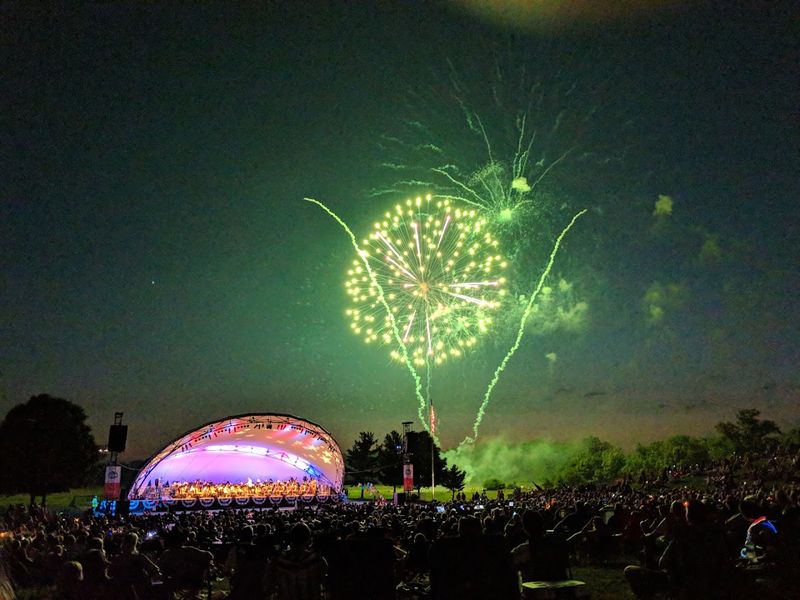
One visit to Conner Prairie is genuinely great. But the seasonal events calendar is what turns first-time visitors into annual regulars.
Symphony on the Prairie is one of Indiana’s most beloved outdoor concert traditions, drawing thousands of people to the grounds each summer for evenings of live music under an open sky. The setting alone, surrounded by 1,000 acres of rolling Indiana landscape, makes it unlike any indoor venue experience.
The Headless Horseman Festival each autumn transforms the property into something entirely different. Wagon rides, theatrical performances, a corn maze, and Halloween-themed entertainment fill the grounds with energy that families and adults both respond to enthusiastically.
Visitors have described the marionette and magic shows as unexpectedly funny and genuinely entertaining for every age group.
The Hot Air Balloon Festival draws a devoted crowd each year for sunrise launches, pilot meet-and-greets, and an atmosphere that feels festive without being overwhelming.
Very Merry Prairie brings the winter holiday spirit to the grounds with lights, a sledding hill, a carousel, and carolers performing across the property.
Each seasonal event layers a completely fresh experience over the core living history content, which means the museum never feels repetitive across multiple visits.
