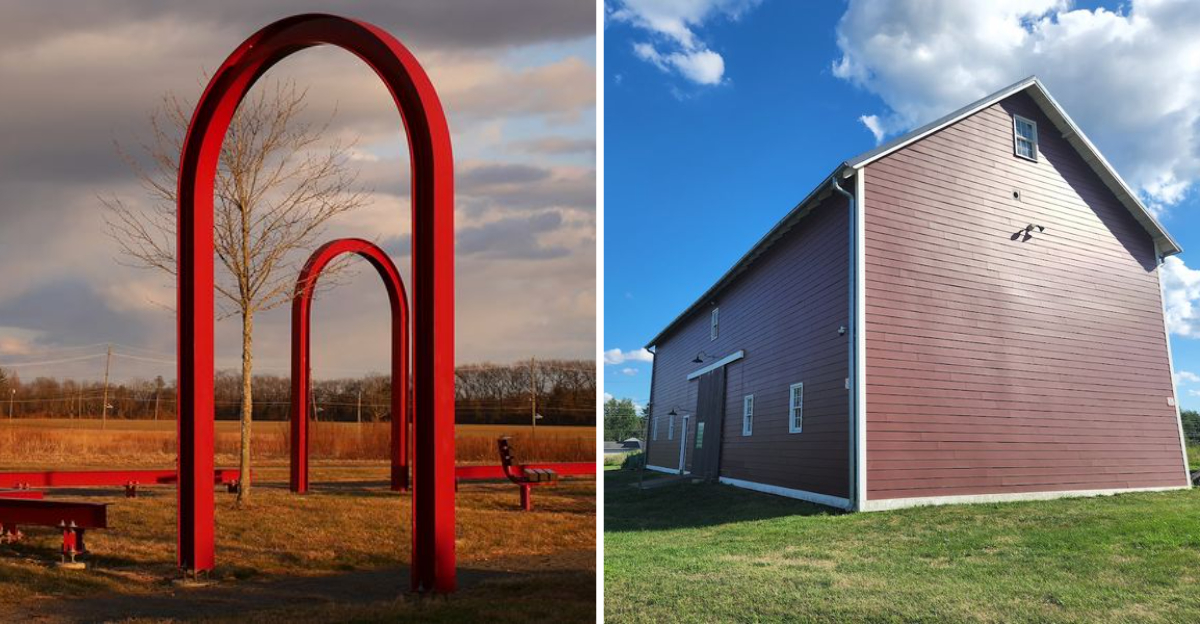
Ever heard of a “ghost farm” in New Jersey? Sounds spooky, right?
But actually, it’s more quirky than scary. Imagine fields once filled with giant poles stretching skyward, quietly linking America to the rest of the world.
Can you picture farmers working alongside towers instead of crops? Today, it’s just open land, but the stories linger in the soil.
It’s one of those places where you stop, scratch your head, and think: how did this even exist here?
The Ghost Farm That History Forgot (And Why It Matters)
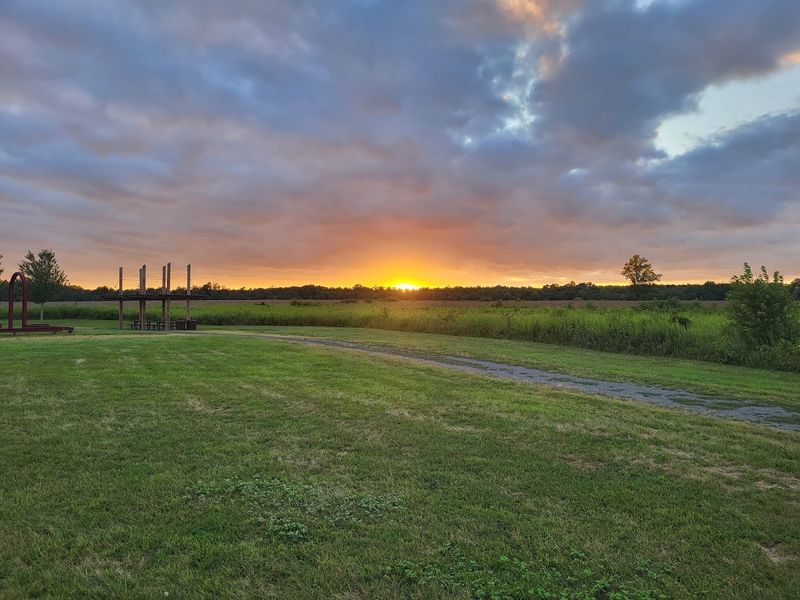
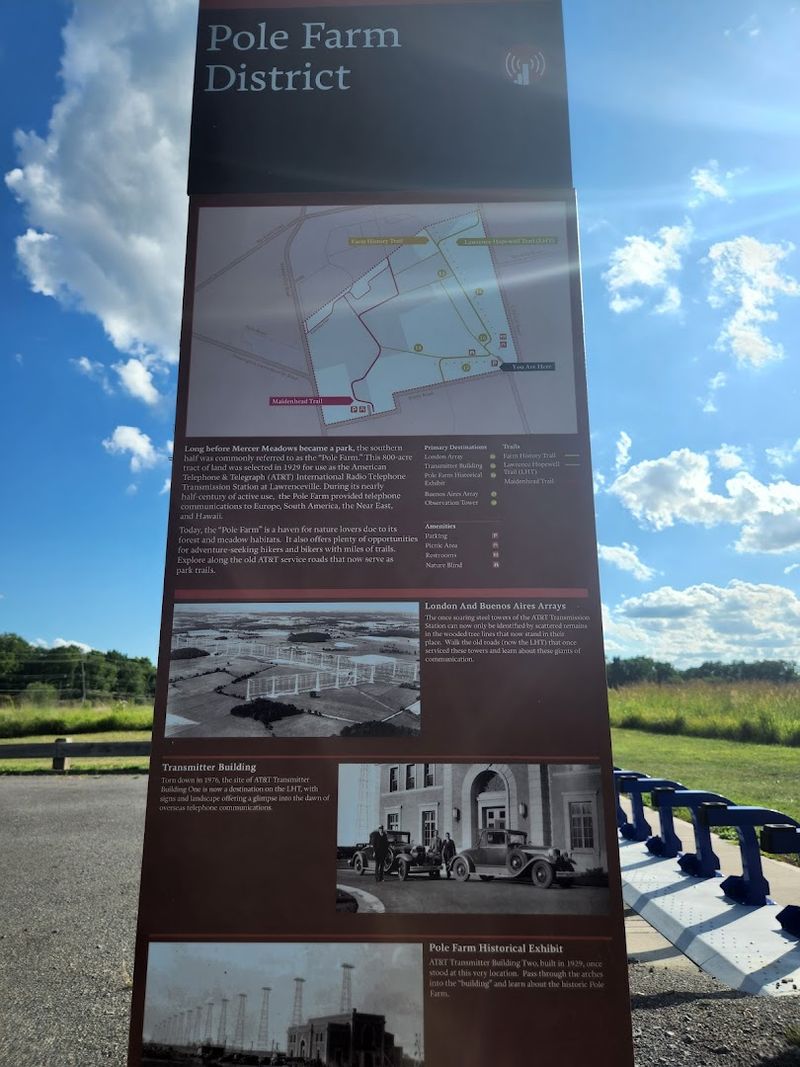
Before it became a peaceful park, this place was basically the internet of the 1930s. From 1929 to 1975, AT&T operated its Lawrenceville Transmitting Center right here on these flat New Jersey fields, sending transatlantic telephone calls bouncing across the ocean using massive shortwave radio antennas.
Some of those antennas reached 180 feet into the sky. They were aimed at cities like London and Buenos Aires, making this one of the most important communication hubs in the entire world at the time.
Farmers passing by probably had no idea their neighbors were basically running a global phone network.
When the technology became obsolete, the poles came down and the land went quiet. Mercer County purchased the property from AT&T in 1998, and the restoration began almost immediately.
Today, 435 acres of grasslands and forests have grown back, and the place hums with a completely different kind of energy. The history is still there if you know where to look, and the trails make sure you find it.
Walking the Trails Where Antenna Cables Once Ran Underground
The trail network here is genuinely one of the most satisfying things about the park. Paved paths cut through open meadows, while packed gravel routes wind into wooded sections that feel completely removed from the surrounding suburbs.
A segment of the Lawrence-Hopewell Trail runs right through the property, connecting Pole Farm to a broader trail system that stretches for miles in multiple directions. That means a casual two-mile stroll can easily turn into a half-day adventure without any planning required.
The land is mostly flat, which makes it accessible for almost every fitness level.
What makes the walking experience feel different from a regular park is the sense that you are moving through layers of history. Interpretive signs appear along the routes, each one dropping a small piece of the story about what stood here before.
Some paths follow the original lines where antenna cables were buried underground decades ago. That detail alone gives the whole walk a kind of quiet electricity that is hard to explain but very easy to feel.
The Single Standing Antenna That Still Tells the Story
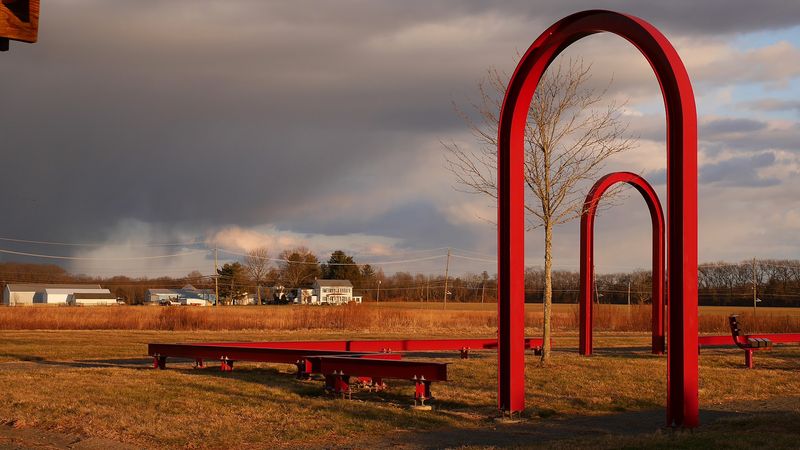
Out of the hundreds of antennas that once covered this property, only one still stands. It sits near the Reed and Bryan Farm entrance, and seeing it in person is a genuinely strange and moving experience.
The pole is tall and thin against the open sky, looking a little lonely but somehow proud. It is the kind of landmark that makes you stop walking and just stare for a minute.
There is something about a single surviving structure that communicates more than a full row of them ever could.
Interpretive signs nearby explain exactly what the antenna was used for and how the whole system worked. The technology involved was surprisingly complex for its era, using carefully angled arrays to bounce signals off the atmosphere and across thousands of miles of open ocean.
Standing beside the remaining pole and reading those signs turns a simple park visit into something that feels more like a museum experience. It is one of those small, unexpected moments that ends up being the thing you talk about on the drive home.
Birdwatching at One of New Jersey’s Most Important Bird Areas
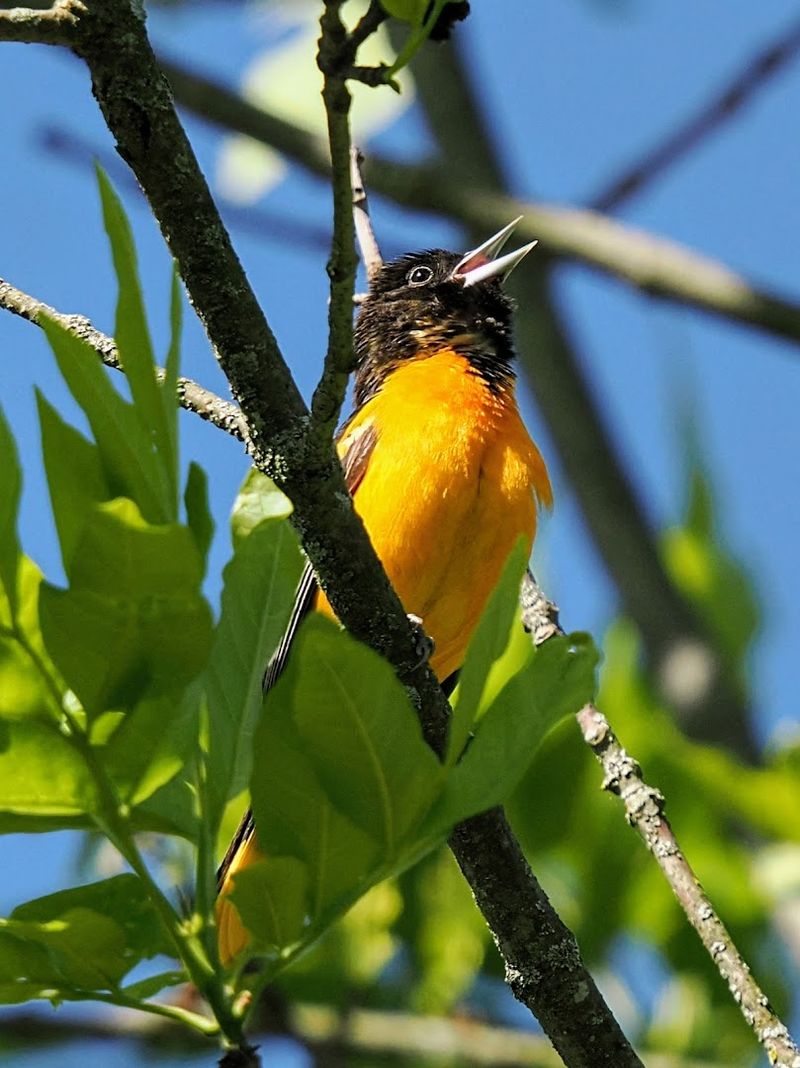
The restored grasslands at Pole Farm have become a magnet for birds that are increasingly rare across the northeastern United States. The site has been officially designated as an Important Bird Area, which is not a casual title to earn.
Short-eared Owls and Northern Harriers are the two big draws, and both species become especially active in the late afternoon hours between four and five-thirty. Watching a harrier cruise low over the meadow in that warm evening light is the kind of sight that makes you understand why people get seriously into birdwatching.
Bluebirds, grassland sparrows, and other field-loving species also appear regularly throughout the year. The variety shifts with the seasons, so repeat visits almost always turn up something new.
Bringing binoculars is strongly recommended because the birds tend to stay out in the open meadow where distance matters. Photographers show up here with serious camera gear for good reason.
The combination of wide open sightlines and genuinely rare species makes Pole Farm one of the better birding spots in the entire state.
Biking Through History on Two Wheels
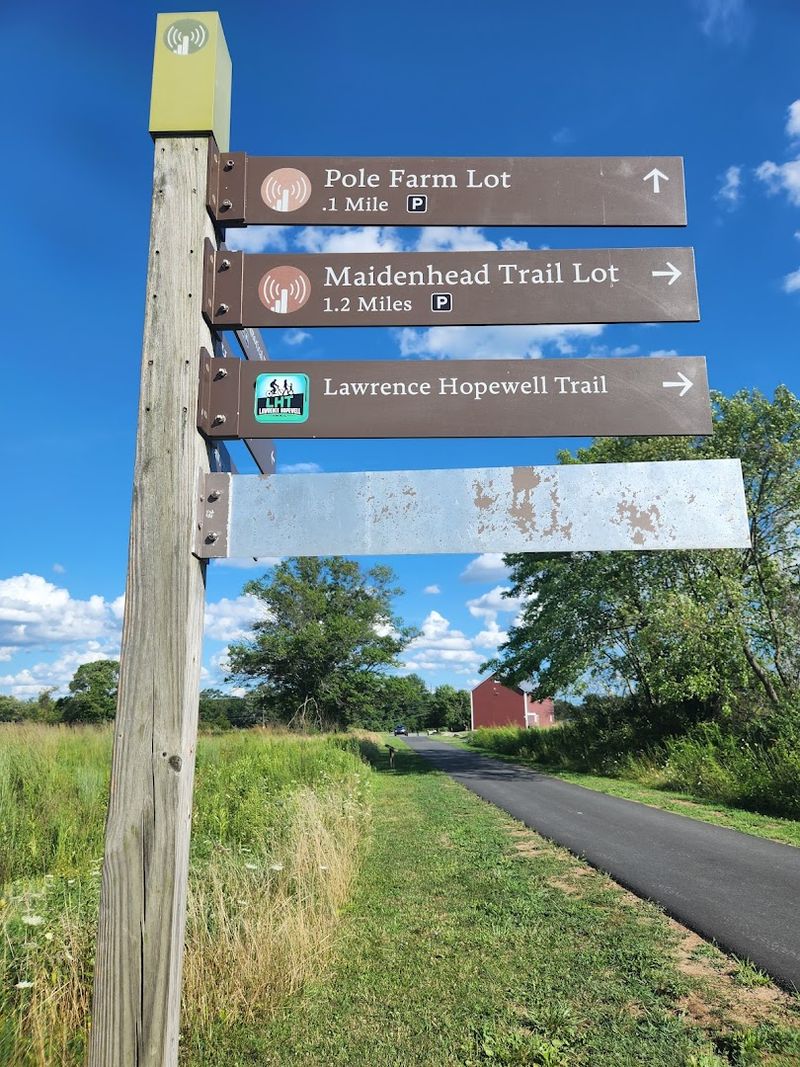
Pole Farm is one of those rare parks where cycling actually makes the experience better rather than just faster. The paved paths are smooth and wide enough to share comfortably, and the flat terrain means you can cover a lot of ground without exhausting yourself.
Gravel paths through the wooded sections add a slightly more adventurous option for riders who want to mix surfaces. Mountain bikes handle both terrains easily, and road bikes do just fine on the paved sections.
The park connects to other trail systems, so a determined cyclist could spend several hours exploring without retracing a single path.
There is something particularly satisfying about biking through land that once hosted a global communications network. The open meadows give you long sightlines ahead, and the occasional interpretive sign gives you a reason to pause and rest for a minute.
Couples, solo riders, and families with kids all seem to find their own rhythm here. The free parking and flat layout make it one of the more accessible outdoor cycling destinations in the Lawrence Township area.
The Interpretive Signs That Turn a Walk Into a History Lesson
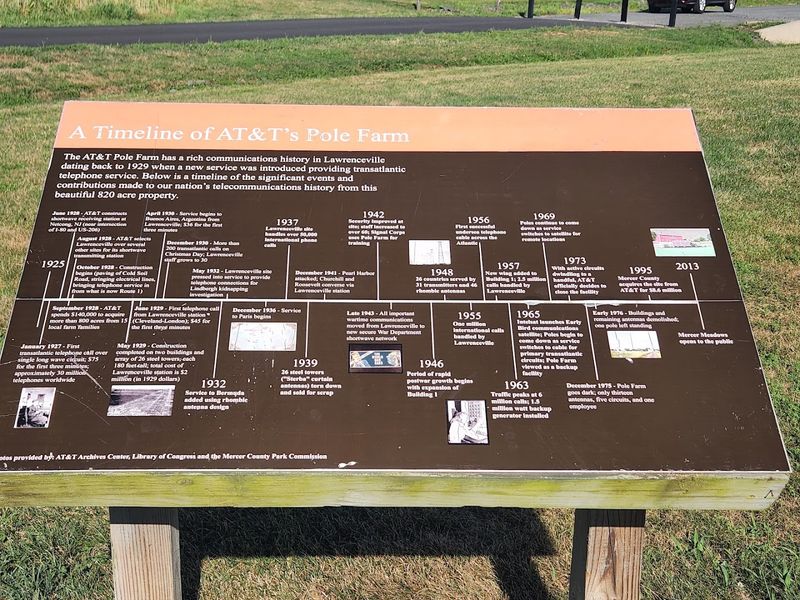
Not every park bothers to explain itself, but Pole Farm does. Interpretive signs are placed at thoughtful intervals along the trails, each one covering a different piece of the site’s layered history without ever feeling like homework.
Some signs focus on the AT&T transmitting era, explaining how the radio arrays worked and which cities they connected to. Others go further back, describing the farming families who worked this land for generations before the antennas arrived.
The combination gives the park a depth that most green spaces simply do not have.
Reading through the signs during a walk creates a natural rhythm of moving and pausing, learning and reflecting. By the end of a full loop, you have absorbed a genuinely surprising amount of information about early telecommunications, New Jersey agricultural history, and ecological restoration.
The signs are written clearly enough for kids to follow along, which makes the whole experience work well for families too. Pole Farm might be the only park in the state where you leave knowing more than when you arrived, and that feels like a rare and valuable thing.
The Wildlife That Moved Back In After the Antennas Left
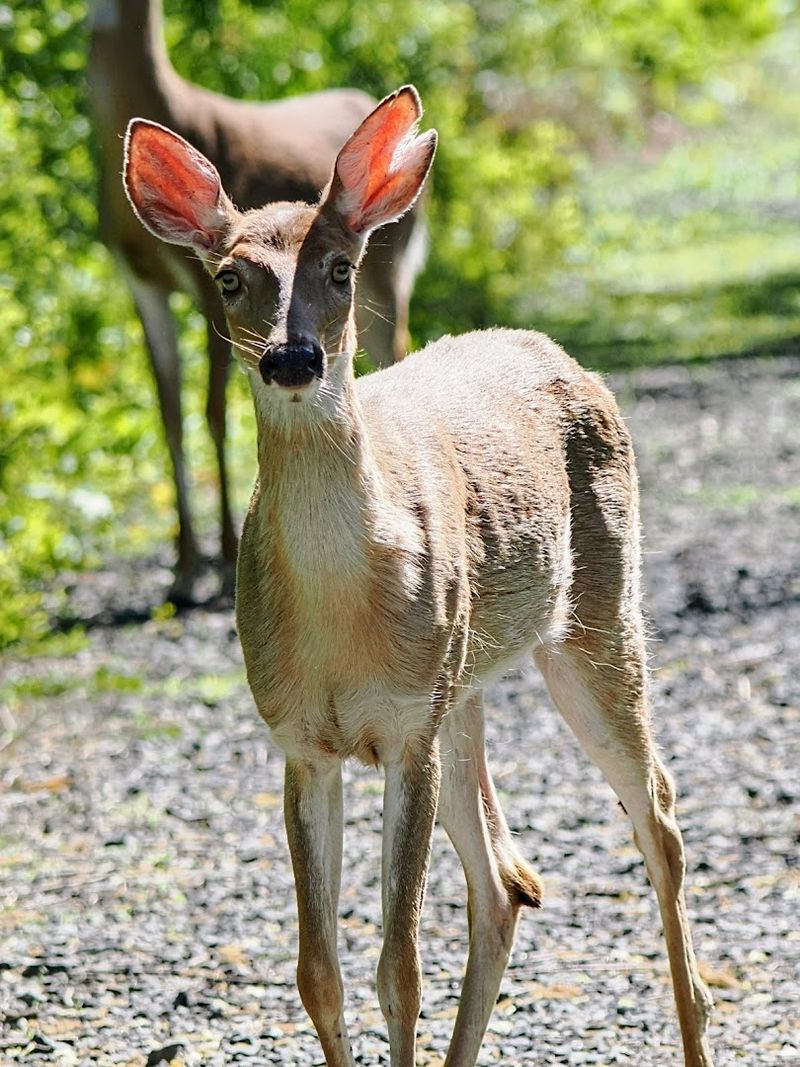
Once the industrial infrastructure cleared out and the grasslands came back, the wildlife followed quickly. The 435-acre property now supports a remarkable variety of species that use the open meadows, forest edges, and wetland areas throughout the year.
White-tailed deer appear regularly in the meadow sections, especially near dawn and dusk when the trails are quietest. Red foxes have been spotted moving along the field edges, and various hawk species circle overhead on thermals during the warmer months.
The habitat variety packed into a single property is genuinely impressive.
What makes the wildlife presence feel special here is how visible everything is. The open grassland design means animals are not hidden behind dense brush.
You can be standing on a paved path and have a clear view across a quarter mile of meadow, which dramatically increases the chances of spotting something worth remembering. Ticks are present in warmer months, as they are in any natural area, so long pants and a quick check afterward are simply part of the deal.
The wildlife rewards are absolutely worth the minor precaution.
How AT&T Chose This Quiet New Jersey Field to Call the World
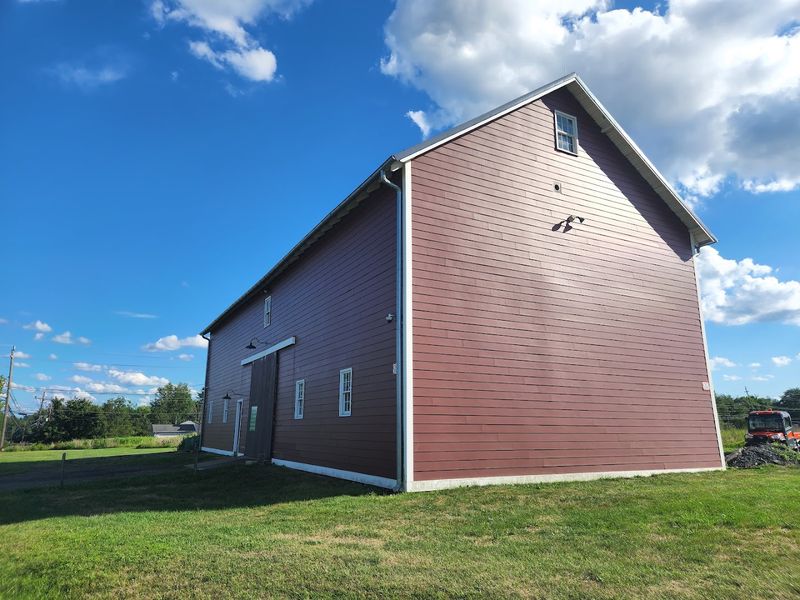
Choosing a flat, open field in central New Jersey to build a global communications hub sounds almost random, but there was real science behind it. The flat terrain reduced signal interference, and the distance from urban electromagnetic noise made transmission cleaner and more reliable.
AT&T set up the Lawrenceville Transmitting Center in 1929, right at the beginning of the transatlantic telephone era. The antennas were arranged in precise geometric patterns, each array aimed at a specific city overseas.
The engineering involved was cutting-edge for the time, and the whole operation ran for nearly five decades.
By 1975, satellite technology had made the shortwave radio system obsolete, and AT&T shut the center down. The poles came out, the buildings were removed, and the land sat quietly waiting for its next chapter.
What is remarkable is how completely the industrial past disappeared from the landscape. Without the interpretive signs and the one remaining antenna, you would have almost no idea what once stood here.
That invisibility is part of what makes the place feel so haunting and so fascinating at the same time.
Planning Your Visit to Pole Farm at Mercer Meadows
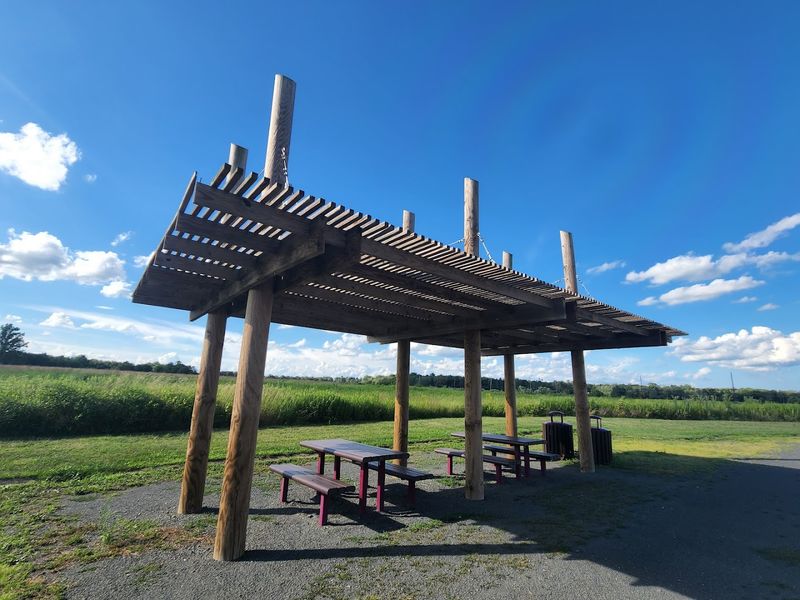
Getting to Pole Farm is straightforward. The park is accessible via Cold Soil Road and Keefe Road, with free parking available at multiple entry points.
The Blackwell lot is a popular choice because the asphalt surface stays cleaner in wet weather, which is a small but genuinely useful detail.
The park is open every day from 6 AM to 8 PM, which gives early risers a chance to catch the meadow in morning light and evening visitors time to watch the harriers come out before closing. The flat terrain and paved options make it accessible for people of all ages and fitness levels.
Bringing water, wearing comfortable shoes, and packing binoculars if you have them will make the visit noticeably better. The trails connect to neighboring parks, so downloading a trail map before arriving helps avoid any confusion at junctions.
Cell service is reliable enough for navigation, but a printed map never hurts. Whether you come for the history, the birds, the bike ride, or just a quiet walk through open land, Pole Farm rewards the visit in ways that are hard to anticipate until you are already there.
Address: 111-167 Cold Soil Rd, Lawrence Township, NJ
Dear Reader: This page may contain affiliate links which may earn a commission if you click through and make a purchase. Our independent journalism is not influenced by any advertiser or commercial initiative unless it is clearly marked as sponsored content. As travel products change, please be sure to reconfirm all details and stay up to date with current events to ensure a safe and successful trip.
