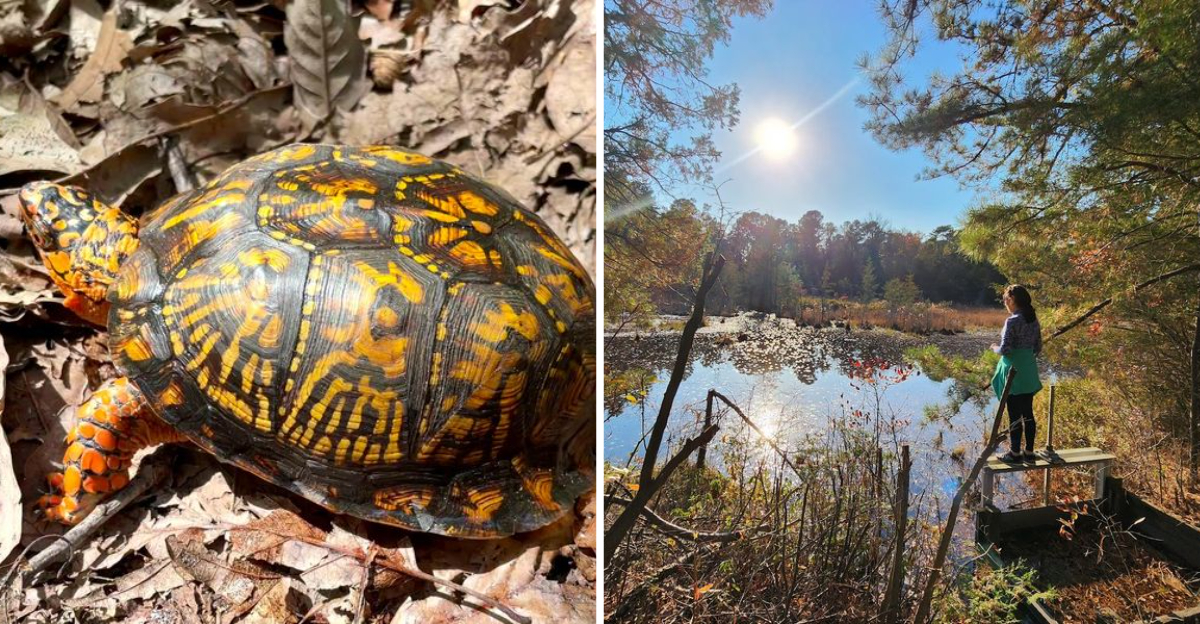
If you ever find yourself wandering through New Jersey’s hidden trails, this one feels like it’s letting you in on a secret.
The boardwalks guide you over wetlands like nature’s own VIP pass, and suddenly you’re face-to-face with plants that actually eat bugs.
It’s the kind of place where you catch yourself grinning, because who expects to see carnivorous plants outside of a science textbook?
Walking there feels less like exercise and more like being let in on a quirky, magical joke that only Jersey’s wild side knows.
Trust me, it’s the kind of adventure that sticks with you long after you’ve left the trail.
The Pine Barrens Ecosystem Hidden in Plain Sight
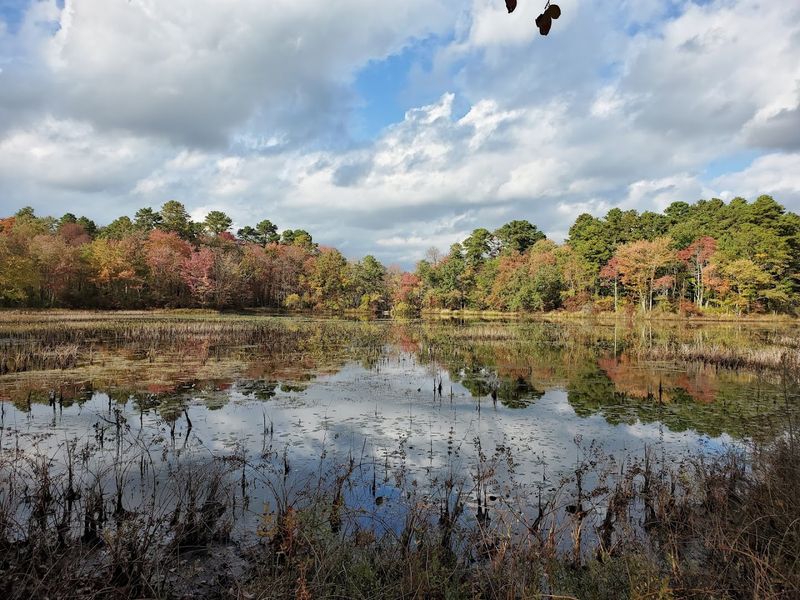
Most people drive past Evesham Township without a second thought, completely unaware that one of the most ecologically rare landscapes in the eastern United States is hiding just off the road. Black Run Preserve sits within the greater Pine Barrens ecosystem, a vast and ancient region that covers more than a million acres of southern New Jersey.
The Pine Barrens are recognized globally as a unique biosphere reserve. The soils here are acidic, nutrient-poor, and sandy, which sounds terrible for plant life but actually creates the perfect conditions for some truly extraordinary species that cannot survive anywhere else.
Walking through the preserve, you immediately feel the shift in environment. The air smells different, piney and faintly earthy.
The ground feels soft underfoot. Pitch pines twist upward in gnarled shapes, and the understory stays low and scrubby, giving the whole landscape a wide-open, almost otherworldly feel that is hard to describe until you are actually standing in it.
This ecosystem has survived development pressure for decades, largely because the community around Evesham has fought hard to protect it. Black Run Preserve is a living example of what New Jersey looked like long before highways and strip malls entered the picture.
Carnivorous Plants That Actually Live Here
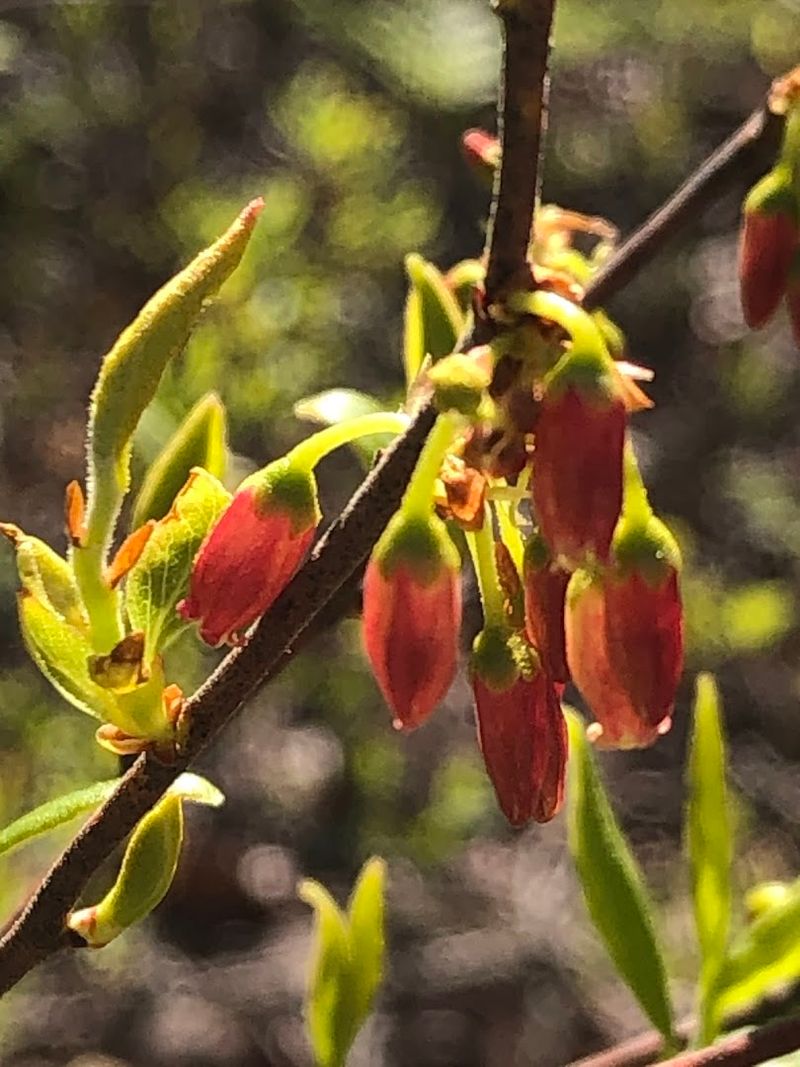
Few things in nature are as quietly dramatic as a plant that eats insects for a living. At Black Run Preserve, carnivorous plants are not a zoo exhibit or a greenhouse curiosity.
They grow wild, right there in the bogs, doing their thing completely unbothered by the fact that they are absolutely fascinating.
Sundews are the real showstoppers. Their tiny leaves are covered in glistening red hairs tipped with sticky droplets that look like morning dew but are actually a trap.
When an unsuspecting bug lands, the hairs curl inward and digestion begins. Pitcher plants add another layer of drama, their hollow tube-shaped leaves filled with digestive fluid that drowns and breaks down any insect unlucky enough to fall in.
Both plants thrive because of the bog environment, not in spite of it. The nutrient-poor, waterlogged soil that would kill most plants is exactly what these carnivorous species need to survive.
They evolved to get their nitrogen from insects rather than the ground.
Spotting them along the trail requires a bit of patience and a willingness to crouch down near the water’s edge. The reward is worth every muddy knee.
Bring a camera because no one back home is going to believe you without proof.
Sphagnum Bogs and What Makes Them So Special
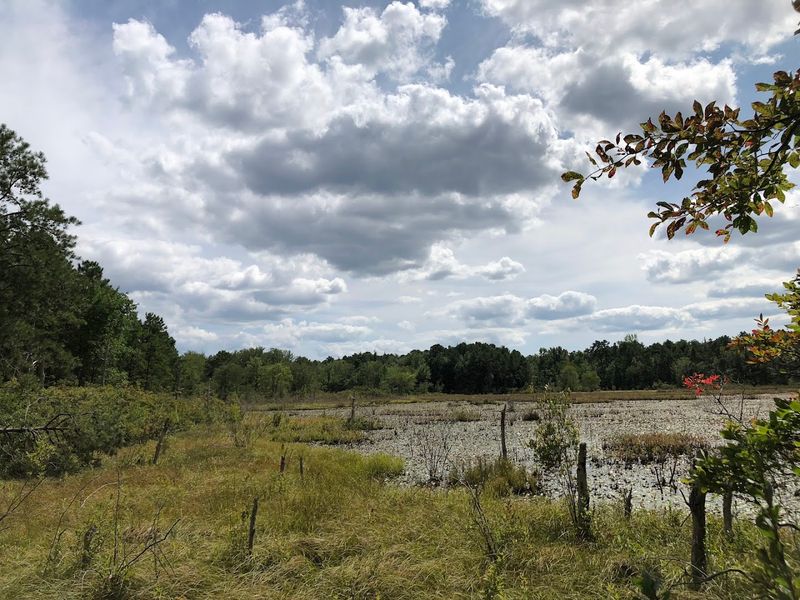
Sphagnum bogs are one of those natural features that look simple from a distance but reveal incredible complexity up close. At Black Run Preserve, the bogs are the ecological heart of the whole system, and spending even a few minutes near one changes how you think about wetlands entirely.
Sphagnum moss is the foundation. It grows in thick, spongy mats that hold enormous amounts of water, sometimes up to twenty times their own weight.
This waterlogging creates an anaerobic, acidic environment where organic matter decomposes extremely slowly. That slow decomposition is exactly why bogs are considered major carbon sinks, storing carbon that would otherwise enter the atmosphere.
The dark, tannin-stained water that pools around the sphagnum gives the bog its characteristic tea-colored appearance. It looks murky but is actually quite clean.
The acidity keeps bacteria in check, which is part of why bog water has historically been used for preservation.
Standing at the edge of one of the Black Run bogs on a quiet morning, with mist sitting just above the surface and birds calling from the cedar canopy overhead, feels genuinely meditative. It is the kind of stillness that city parks cannot manufacture no matter how many benches they install.
The White Cedar Swamp Trail Experience
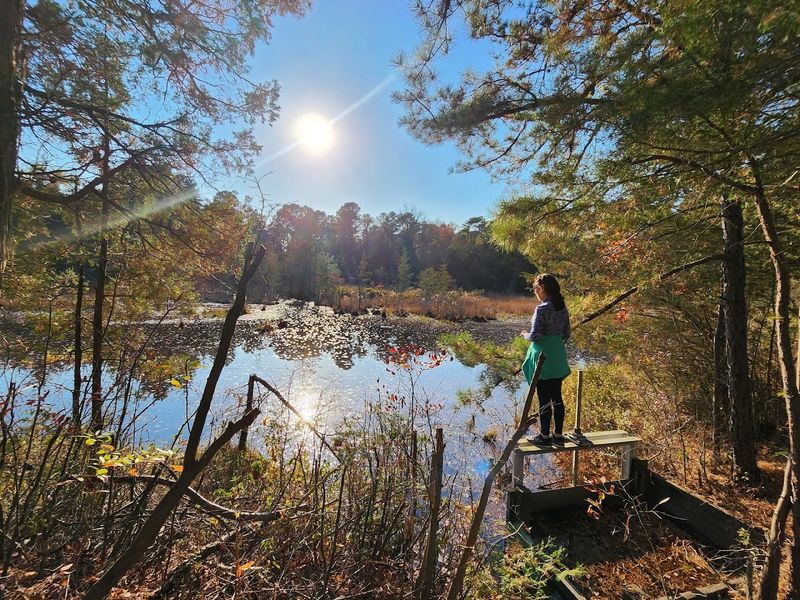
Walking into the white cedar swamp section of Black Run Preserve feels like stepping through a door into a completely different world. The trees here are Atlantic white cedars, slender and tall, rising straight out of the water with a kind of elegant determination that feels almost architectural.
Atlantic white cedar swamps are considered rare and globally imperiled habitats. New Jersey holds some of the last significant stands of this tree type on the entire East Coast, which makes the sections within Black Run Preserve genuinely important from a conservation standpoint.
The cedars create a dense canopy that filters light into soft, greenish columns.
The trail through this section stays narrow and close to the water. Roots cross the path in unexpected places, so watching your footing becomes part of the experience.
The ground is soft and slightly springy from the underlying sphagnum. Every step feels cushioned in a way that regular forest trails simply do not.
Bird activity in the cedar swamp is particularly rich. The dense cover provides excellent nesting habitat, and the insect population supported by the wetland keeps a steady stream of songbirds moving through the branches overhead.
Early morning visits are the best for catching the full chorus before the day heats up and things quiet down.
Wildlife Watching at Every Turn
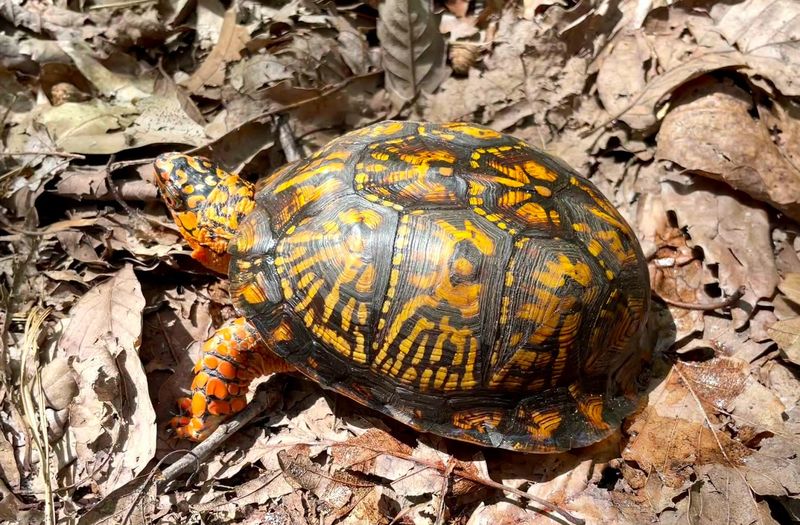
Wildlife watching at Black Run Preserve is less about luck and more about slowing down. The preserve supports an impressive range of species, from songbirds and raptors to turtles, deer, and the occasional snake going about its very dramatic business near the water’s edge.
Hawks are a consistent presence, particularly along the more open stretches of trail near the southern section. Red-tailed hawks and Cooper’s hawks use the preserve’s mix of open areas and forest edge to hunt, and watching one drop into a stoop from a standing position on the trail is the kind of thing that stops you mid-step.
Turtles sun themselves on logs near the ponds and bog edges, and spotting them requires a quiet approach. Deer move through the preserve in the early morning and late afternoon, often visible from the wider trails where sight lines extend into the forest.
The bird feeding station near the trailhead area draws a rotating cast of species throughout the year.
The preserve’s status as a protected habitat for threatened and endangered species means the wildlife here is not just abundant but genuinely rare. Some of the plant and animal species found at Black Run exist in very few other places in New Jersey, which gives every sighting a weight that casual nature watching does not always carry.
The Beaver Dam That Stops Everyone in Their Tracks
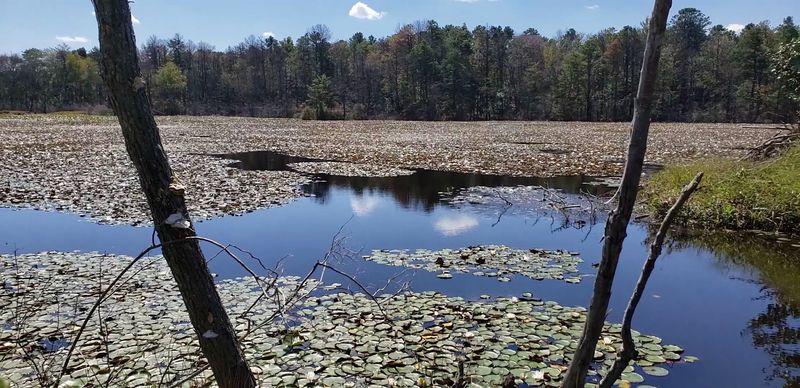
Somewhere along the trails at Black Run Preserve, a beaver decided to completely reroute the landscape, and honestly, the results are impressive. The beaver dam here is one of those unexpected trail features that turns an already good hike into a genuinely memorable one.
Beavers are ecosystem engineers in the truest sense. By damming streams, they create ponds that flood surrounding areas, which in turn supports a whole cascade of other species.
Wetland birds, amphibians, fish, and aquatic insects all benefit from the habitat that a single beaver family can create. The pond behind the Black Run dam is a perfect example of this dynamic playing out in real time.
The dam itself is a remarkable piece of natural construction. Sticks, mud, and plant material are woven together with a structural logic that feels almost intentional.
Standing next to it, you get a strong sense of how much work went into building something that most people walk past in under a minute.
Water lilies bloom on the pond surface in warmer months, turning the whole area into something that looks like a painting. It is one of those spots that regulars return to specifically, season after season, because it looks different every time and always delivers something worth stopping for.
Old Cranberry Bogs and the History Beneath Your Feet
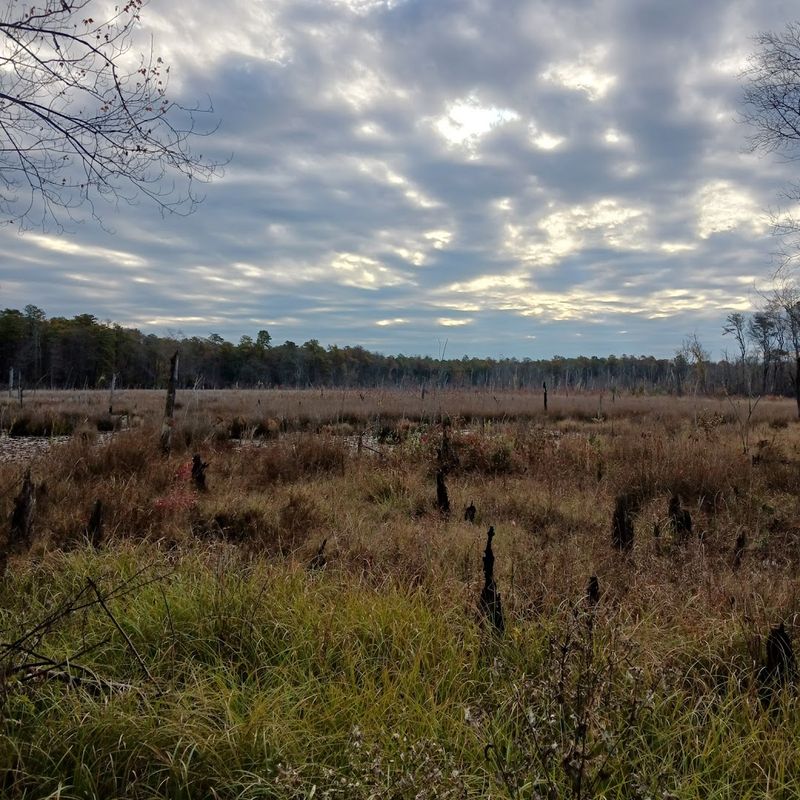
The ground at Black Run Preserve holds more history than most visitors realize. Beneath the trails and through the wetlands, remnants of old cranberry bogs tell the story of an agricultural industry that once shaped this entire region of New Jersey.
The Pine Barrens were a major center of cranberry cultivation throughout the 1800s and into the twentieth century. Farmers built elaborate systems of dikes, channels, and flood gates to manage water levels across the bogs, and many of those earthworks still exist at Black Run.
Walking through certain sections, you can spot the raised edges of old bog dikes running alongside the trail.
Cranberry farming required a deep understanding of the landscape, and the infrastructure left behind actually supports the current ecosystem in interesting ways. The old channels and impoundments continue to hold water, creating wetland habitat that benefits the species living there today.
History and ecology overlap in a way that feels seamless rather than accidental.
Signs along some trails point out historical features and explain the agricultural past of the land. Taking time to read them adds a layer to the hike that pure nature-watching does not provide.
Knowing that the bog you are admiring once produced commercial cranberries makes the whole landscape feel richer and more layered than it first appears.
The Aerohaven Airfield Section and Its Surprising Openness
Not every part of Black Run Preserve feels like a wetland adventure. The Aerohaven section in the southern part of the preserve offers a completely different kind of walking experience, one that trades dense forest canopy for open sky and wide, flat terrain that feels almost spacious by comparison.
The Aerohaven area occupies the site of a former small airfield, which explains the unusually open character of the landscape. Grassy expanses stretch out between the wooded edges, creating a contrast with the tight cedar swamps and boggy northern sections that makes the transition between trail areas feel genuinely dramatic.
This section tends to be quieter and less visited than the northern bogs, which means you often get the trails largely to yourself. The openness also makes it excellent for birdwatching, particularly for species that prefer open habitat over dense forest cover.
Hawks hunting over the grass are a common sight here.
Mountain biking is especially popular in the southern section, and the wider, firmer trails accommodate cyclists well without creating conflict with hikers. The trail markers in this area use the letter-based system that makes navigation clean and intuitive.
For anyone who wants the preserve experience without committing to the muddier northern trails, Aerohaven is a genuinely satisfying starting point.
Planning Your Visit to Black Run Preserve
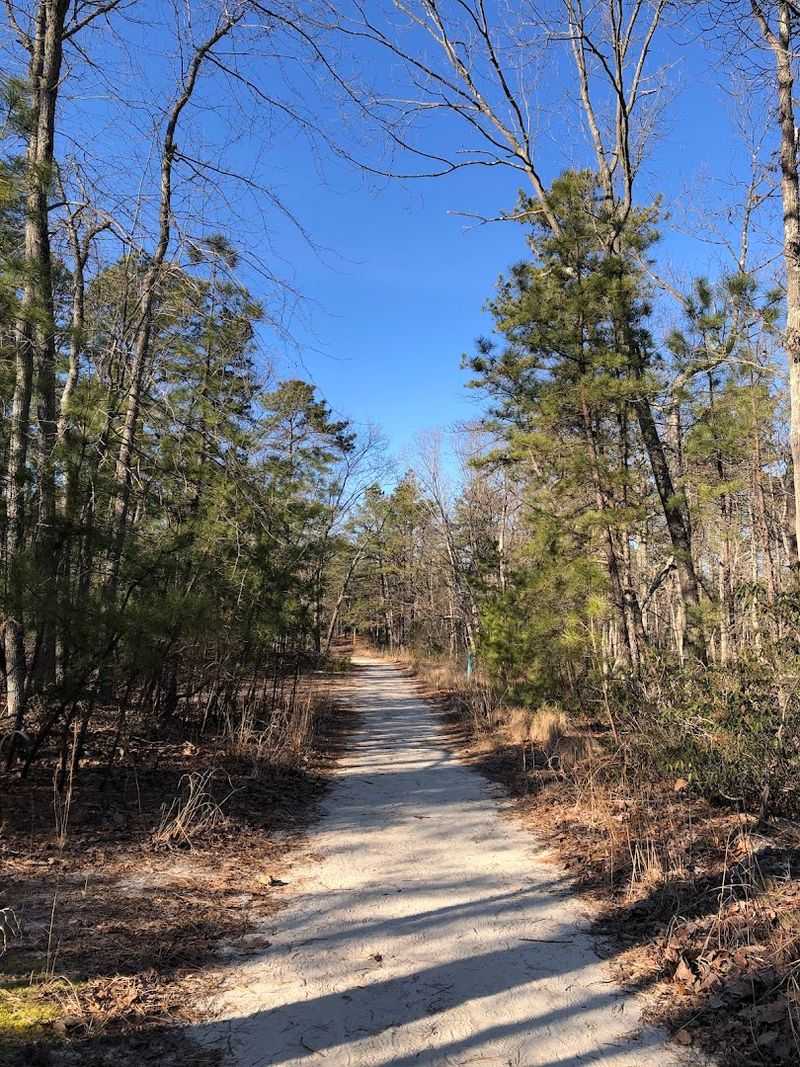
Getting the most out of a visit to Black Run Preserve starts with a little preparation. The preserve opens at 6 AM every day and closes at 7 PM, which gives early risers the best window for wildlife activity and the quietest trail conditions before weekend crowds arrive.
Parking is limited at the main lot off Kettle Run Road, and it fills up faster than you might expect on weekend mornings. Additional parking is available across the street and a short distance down the road.
Arriving early solves the problem entirely and comes with the bonus of having the trails mostly to yourself in the golden morning light.
Tick prevention is genuinely important here. The preserve is beautiful but it is also prime tick habitat, especially in warmer months.
Treating clothing and footwear before heading out is a simple step that makes the experience far more comfortable. Closed-toe shoes are a must, and waterproof ones are worth the investment given the boggy terrain.
The Friends of the Black Run Preserve volunteer organization maintains the trails, provides guided tours, and runs educational programs throughout the year. Checking their website at blackrun.org before visiting gives you current trail conditions, event listings, and downloadable maps.
Address: Kettle Run Rd, Evesham, NJ 08053.
Dear Reader: This page may contain affiliate links which may earn a commission if you click through and make a purchase. Our independent journalism is not influenced by any advertiser or commercial initiative unless it is clearly marked as sponsored content. As travel products change, please be sure to reconfirm all details and stay up to date with current events to ensure a safe and successful trip.
