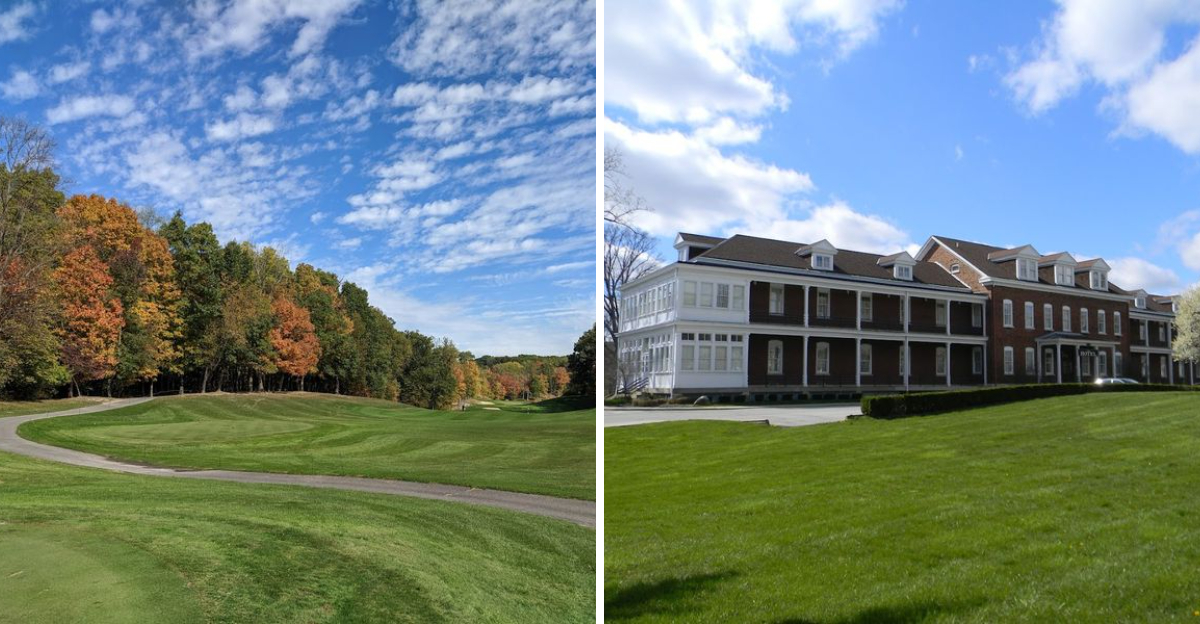
Most people know this park in Indiana as a place for hiking, fishing, and enjoying nature just outside Indianapolis, Indiana. What many visitors never realize is that the land holds a significant but often overlooked chapter of American military history.
During World War II, this area served as a major military installation, supporting training programs and housing facilities that played an important role in the war effort. Remnants of that past still shape parts of the landscape today, blending historical significance with the park’s current natural setting.
If you have ever wondered what secrets an Indiana state park could be hiding, this one offers a deeper layer of history beneath its wooded trails and quiet outdoor spaces.
The Largest Army Reception Center in the Nation
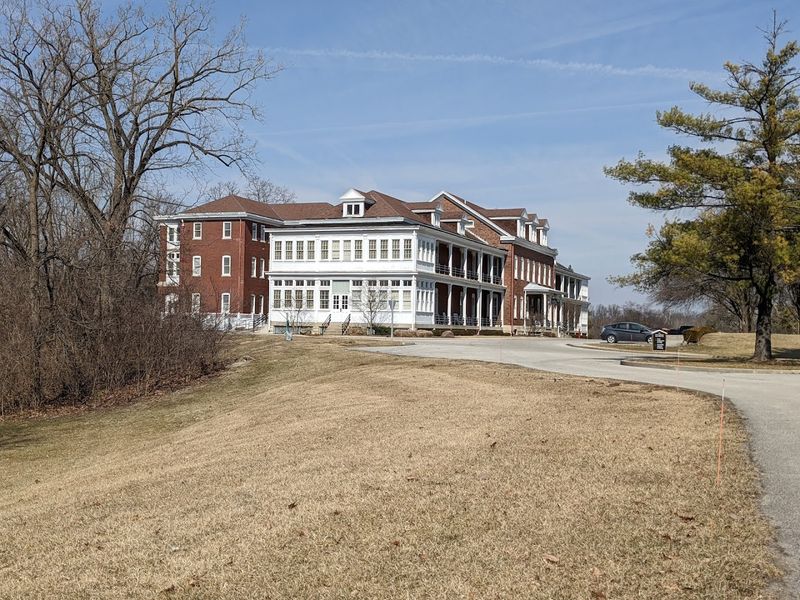
By 1943, Fort Benjamin Harrison had earned a title that most Hoosiers today have never heard of. It became the largest reception center in the entire United States, processing thousands of young men drafted into the Army every single week.
The scale of what happened here is almost hard to imagine when you are walking the peaceful wooded trails today. Soldiers arrived from across the Midwest, many of them teenagers stepping away from farms and small towns for the very first time.
They were measured, vaccinated, assigned serial numbers, and sent off to training camps around the country. Fort Harrison was their first real taste of military life, and for many, it was the last piece of home they would know for years.
Visiting the park today, you can still see remnants of the old barracks roads and infrastructure that supported this massive operation. The Visitor Center at 6000 N Post Rd, Indianapolis, IN 46216 offers context about the fort’s military past that helps bring this scale to life.
Standing in the same space where hundreds of thousands of American soldiers began their wartime journey is a quietly powerful experience. It is the kind of history that does not shout at you but settles in slowly, making the whole park feel different once you know what happened here.
Where the Military Police Corps Was Rebuilt
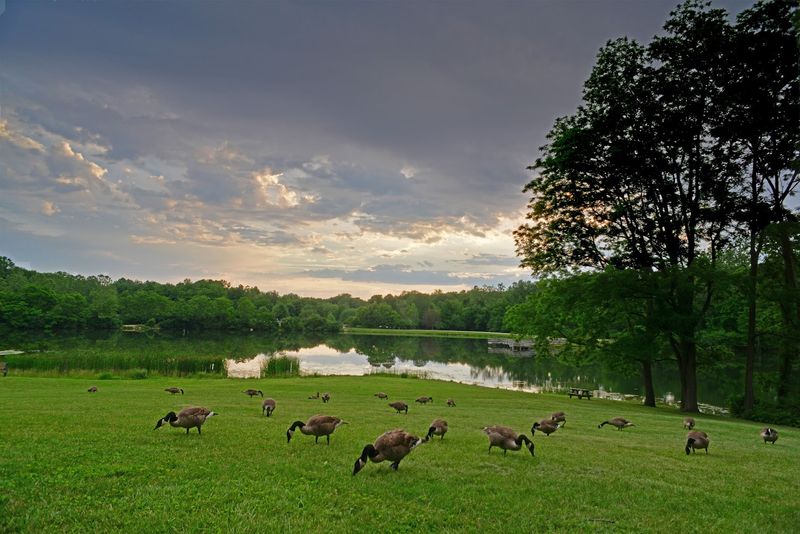
Not many people realize that the modern Military Police Corps owes part of its existence to what happened at Fort Harrison during the early days of World War II. Camp Glenn, a training facility located within the fort’s boundaries, became home to one of the first Military Police schools in the country.
It was operational by early 1942, just weeks after the United States entered the war. Before this school was established, the Army’s military police function had been scattered and inconsistent.
The MP school at Camp Glenn helped standardize training, create proper procedures, and build the kind of disciplined law enforcement corps the military desperately needed as it rapidly expanded. Thousands of soldiers trained here before being deployed to bases and combat zones around the world.
There is something quietly remarkable about knowing that a park where families picnic on weekends was once the birthplace of a major branch of the U.S. military. The history is not always easy to spot on the landscape, but it is woven into every corner of the property.
If you visit the Visitor Center at Fort Harrison State Park, you can find exhibits that help trace how this training mission shaped the fort’s identity during the war years. It is a piece of military history that deserves far more recognition than it typically receives.
German and Italian POWs Held Right Here in Indianapolis
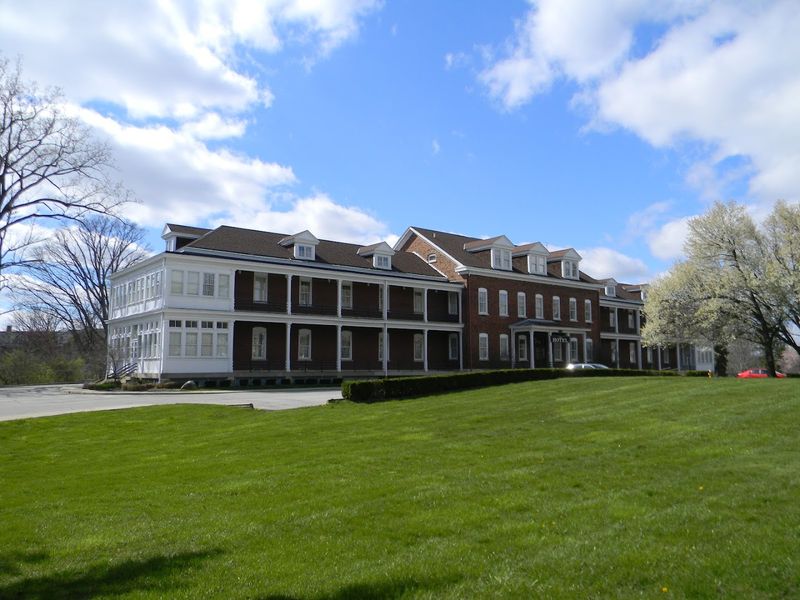
Few things are more unexpected than learning that enemy prisoners of war once lived and worked inside what is now a beloved Indianapolis state park. From 1943 to 1945, Fort Benjamin Harrison housed both German and Italian prisoners captured during the fighting in North Africa and Europe.
Some of the German prisoners were members of Rommel’s famous Afrika Korps, and many still wore their original desert uniforms when they arrived.
The POW camp operated under the strict guidelines of the Geneva Convention, which required that prisoners be treated humanely and given regular work assignments.
Many of these men worked on maintenance tasks around the fort, including repairing old buildings, landscaping, and doing general labor.
It was a unique arrangement that often felt completely surreal to American soldiers stationed there, working side by side with men they had recently been fighting against overseas.
What makes this history so compelling is how close to home it really was. Families in Indianapolis went about their daily wartime lives while enemy soldiers lived just a few miles away.
The Museum of 20th Century Warfare, located within Fort Harrison State Park, explores this unique chapter in depth. Walking through those exhibits, you get a genuine sense of how complicated life on the home front actually was.
An Army Disciplinary Barracks With a Dark and Dramatic Past
Fort Harrison was not only where good soldiers began their service. It was also where those who had broken military law were sent to face the consequences.
A branch of the U.S. Army Disciplinary Barracks was established at Fort Harrison in late 1944, making it one of the most significant military correctional facilities in the Midwest during the final stretch of the war.
American servicemen convicted of offenses by military courts were held here under strict supervision.
The facility operated with the same intensity you would expect from any high-security correctional environment, and the atmosphere inside was a sharp contrast to the training and induction activity happening elsewhere on the base.
For the men confined there, Fort Harrison represented a very different kind of wartime experience. This chapter of the fort’s history is rarely discussed, which makes it one of the most fascinating parts of the park’s story.
The tension between the fort’s role as a place of service and its role as a place of punishment adds real human complexity to the history.
Nearby, the Museum of 20th Century Warfare at Fort Harrison State Park provides military context that helps visitors understand how these different functions coexisted on the same base.
History this layered rarely exists in a place this accessible to everyday visitors.
The 1945 Disciplinary Barracks Riot That Left Two Dead
On May 31, 1945, just weeks after the war in Europe had officially ended, Fort Harrison became the scene of one of the most violent incidents in its entire history. Prisoners at the disciplinary barracks launched a full-scale riot, throwing rocks, setting fires, and rushing the barbed wire fences that kept them confined.
The situation escalated rapidly and completely overwhelmed the initial response from prison guards. To restore order, guards fired machine gun bursts into the rioting crowd.
When the chaos finally subsided, a civilian firefighter who suffered a heart attack and a prison guard hit by a ricochet were tragically dead, while several rioters suffered severe bullet wounds.
The riot sent shockwaves through the facility and raised serious questions about conditions inside the barracks and the mental state of men who had been confined there through the final brutal years of the war.
This event is one of the most sobering reminders that Fort Harrison’s wartime story was not only about heroism and service. There was real suffering, real violence, and real human desperation woven into the final days of the compound.
The tragic clash served as a stark reminder of the immense post-war psychological strains within military correctional systems.
Today, this intense battlefield is completely paved over by quiet park green spaces, leaving only historical markers to remind visitors of the dramatic chaos that once unfolded right beneath their feet.
A Training Hub, a Museum, and Living History You Can See Today
Fort Harrison was never just one thing during World War II. Beyond processing draftees and housing prisoners, the base trained quartermasters, medical technicians, and Army finance workers who kept the entire war machine running.
It also served as headquarters for the Indiana District of the Civilian Conservation Corps in the 1930s, making its history stretch well beyond the war years into the heart of the Great Depression era.
What makes all of this history so accessible today is the Museum of 20th Century Warfare, located right inside the state park.
The museum features exhibits, military artifacts, and periodic reenactments that bring the fort’s past to life in a way that no textbook ever quite manages. It is genuinely engaging for both adults and younger visitors who might otherwise find military history a little dry.
Fort Harrison State Park is open daily from 7 AM to dusk. The park is just a short, two-minute drive from popular local dining spots along Post Road like The Garrison Restaurant, which makes for a great stop after a day of exploring.
Whether you come for the trails, the wildlife, or the history, Fort Harrison delivers an experience that is hard to find anywhere else in Indiana. The past here is not buried.
It is waiting to be discovered by anyone willing to look.
