
A nine mile walk sounds like a lot until the path is flat and the views never quit. This Texas lake wraps its shoreline in a smooth paved promenade that does not ask for hills or heavy breathing.
Benches pop up every few minutes, just in case someone needs to sit and watch the water for a while. That is the kind of design that makes sense for a relaxed afternoon.
Walkers, wheelchairs, and anyone who avoids stairs can enjoy the whole stretch without feeling like a mountain climber. The water stays in sight the entire time, which keeps the mind from wandering to other less pleasant things like chores or emails.
Texas has plenty of rugged trails for the adventurous types, but this one belongs to the rest of us. A person could bring a grandparent, a toddler, or just a good pair of sneakers and call it a win.
The only hard part is deciding when to turn back.
Why Seniors Keep Coming Back to This Trail
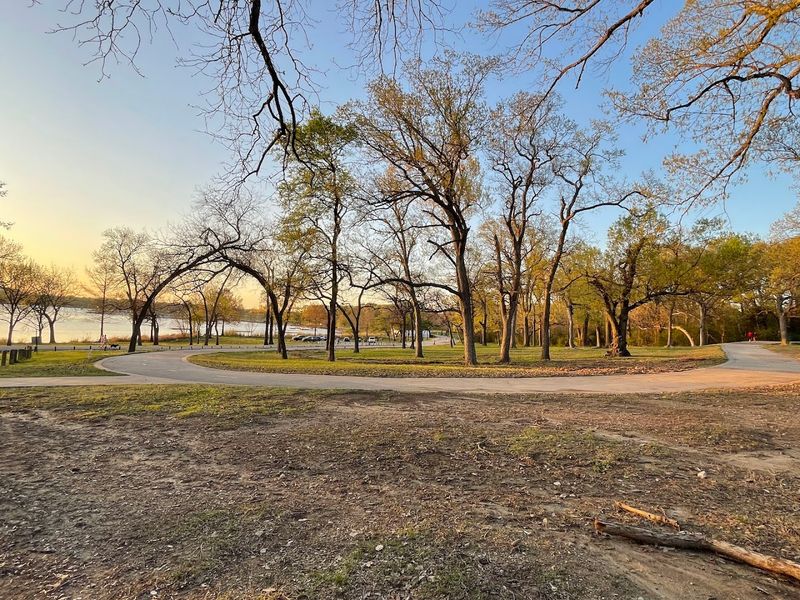
Getting recognized as one of the top senior-friendly walking trails in all of Texas is not something that happens by accident. White Rock Lake Loop earned that reputation honestly, and you can feel it the moment you step onto the path.
The paved surface removes the worry of uneven ground that makes so many natural trails feel risky for older walkers. Wide sections give plenty of room to move without feeling crowded or rushed.
There are multiple entry and exit points along the route, so you never have to commit to the full 9-mile stretch if a shorter outing suits you better that day.
The park also runs an Active Senior Adult Program, which adds a social layer that a lot of outdoor spaces simply do not offer. Knowing that other seniors are out here regularly, walking the same path and enjoying the same views, creates a quiet sense of community.
Rest spots appear at reasonable intervals, and shade trees line enough of the route to make warm Texas days more manageable. This is a trail designed around the reality of how people actually move through life, not just the ideal version of it.
That thoughtfulness shows in every section.
The Loop Trail That Goes the Distance
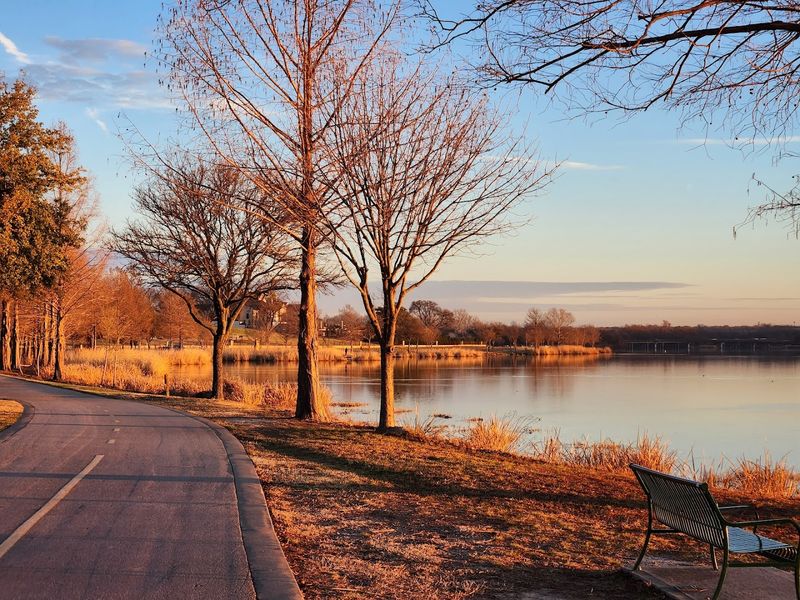
Most trails promise a good walk. The White Rock Lake Loop Trail actually delivers something closer to a full experience.
Stretching somewhere between 9.2 and 9.6 miles depending on who you ask, this paved path circles nearly the entire lake without ever really losing sight of the water.
The surface is mostly smooth and double-wide in many sections, which makes a real difference when you have two people walking side by side or someone rolling alongside in a wheelchair. There are no dramatic climbs to worry about.
The elevation stays relatively gentle throughout, with flat stretches dominating most of the route.
What makes this trail feel special is the consistency of the scenery. You are not just walking through trees hoping for an occasional glimpse of water.
The lake stays with you, appearing around bends and opening up across wide grassy banks. I noticed people of all ages out here, from young families to older adults moving at their own comfortable pace.
That mix of people tells you something real about how welcoming this trail actually is. It is the kind of place that rewards you simply for showing up and putting one foot in front of the other.
Accessibility Built Into Every Step
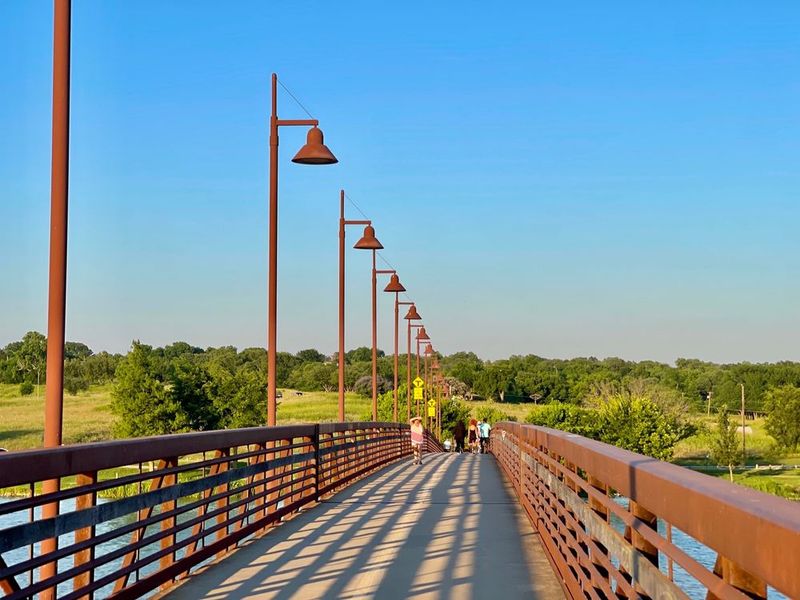
Accessibility at White Rock Lake is not an afterthought tacked onto the trail. It is baked into the design from the start, and that makes a genuine difference for visitors who rely on it.
The pathway is paved and kept in good condition across most of the loop. The width allows wheelchairs, mobility scooters, and walkers to move comfortably without feeling squeezed to the edge.
Low inclines mean that most of the route stays manageable even for those with limited stamina or mobility challenges.
Parking areas near the trail are equipped with accessible spaces, and the open layout of the park means there are no confusing detours or dead ends to navigate. Restroom facilities are scattered throughout the park at various points, which matters more than most trail guides ever admit.
Families pushing strollers share the path with older adults using walking aids, and nobody seems to get in anyone else’s way. That easy coexistence is a sign of a trail that was genuinely thought through.
Whether you are visiting with a grandparent or recovering from an injury yourself, this loop accommodates real life in a way that feels refreshing and completely unpretentious.
Water Views That Never Really Quit

Some trails tease you with water views and then spend most of the route wandering through dense forest far from the shoreline. White Rock Lake does the opposite.
The loop sticks close to the water for the majority of its length, and the lake has a way of looking different at every turn. Morning light turns the surface into something almost mirror-like.
Afternoon brings out deeper blues and the occasional ripple from a passing bird or gentle breeze. Sunset from the western bank is the kind of thing that makes you stop mid-stride just to take it in.
The lake itself covers around 1,254 acres, which gives it enough size to feel genuinely impressive without overwhelming the landscape around it. Herons stand motionless at the water’s edge.
Turtles sun themselves on half-submerged logs. Pelicans sometimes drift in during migration season, which surprises a lot of first-time visitors who do not expect that kind of wildlife in the middle of Dallas.
I kept pausing far more than I planned to, not because I was tired, but because the views kept demanding attention. That is a good problem to have on any walk.
Historic Structures From a Different Era
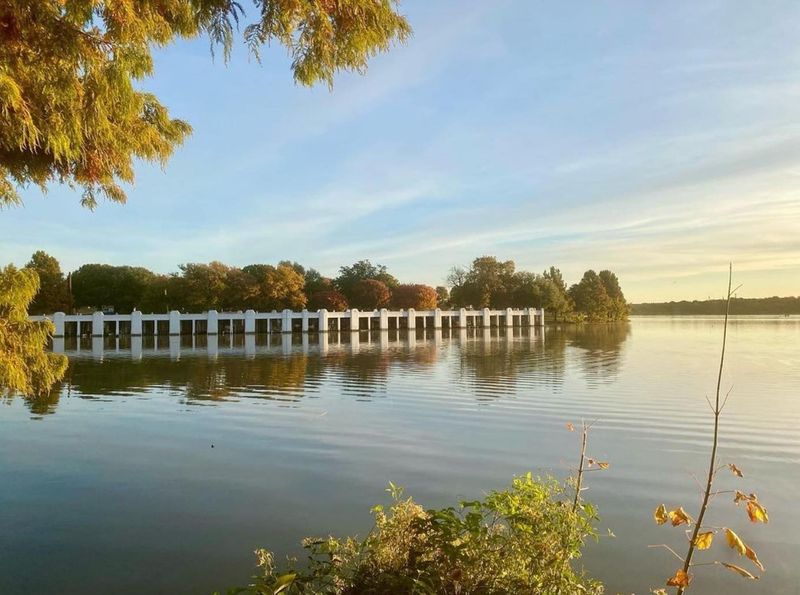
The trail does not just offer natural beauty. Scattered along the route are reminders that this park has been part of Dallas life for a very long time.
Many of the structures you pass were built during the 1930s by the Civilian Conservation Corps, a Depression-era federal program that put young men to work building public spaces across the country. The stonework pavilions, retaining walls, and boathouses at White Rock Lake carry that history quietly.
They are not roped off behind velvet barriers. You can walk right up to them, sit on the steps, and eat your lunch in the same spot where someone did the same thing eighty years ago.
There is something grounding about that kind of continuity. The materials are rough-cut local stone, shaped by hand in a time before power tools made everything faster and less personal.
Preservationists have worked to maintain these structures, and the effort shows. The Spillway area is particularly striking, with its layered stonework and the sound of water moving beneath your feet.
History enthusiasts and casual visitors alike tend to slow down near these spots, drawn in by details that reward a closer look. It adds real depth to what might otherwise be just a very pleasant walk.
Picnic Spots That Actually Deliver
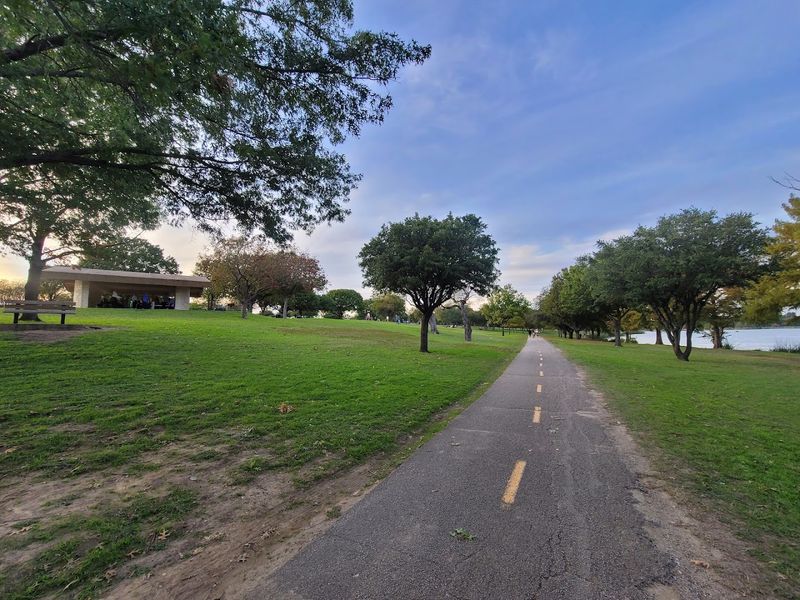
Picnic areas at White Rock Lake are not just a few sad benches stuck in a parking lot. The park spreads its rest and gathering spots thoughtfully along the shoreline, and most of them have shade, which in Texas is basically a luxury item.
Stone tables and benches sit under mature trees in several locations around the loop. Some spots open directly onto the water with unobstructed views that make a simple packed lunch feel like a proper occasion.
Grills are available at certain areas for those who want to make an afternoon of it.
The spacing of these areas matters too. You are never so far from a rest point that the walk starts to feel relentless, especially on warmer days when the Texas sun reminds you exactly where you are.
Families spread out blankets on the grassy banks while older visitors claim the shaded tables and watch the water. Dogs trot by on leashes, looking extremely pleased with themselves.
The whole atmosphere is relaxed and unhurried in a way that city parks sometimes struggle to achieve. Arriving early on weekends helps you secure a good spot, but honestly, even a busy day at White Rock Lake feels more spacious than most urban parks manage.
Wildlife That Makes the Walk Feel Wild

Urban parks often promise wildlife and then deliver a few pigeons and a squirrel. White Rock Lake takes a different approach entirely, and the biodiversity here genuinely earns your attention.
Great blue herons are practically regulars along the shoreline, standing with that particular stillness that makes them look like they are posing for a photograph. Cormorants dry their wings on low branches near the water.
Ducks and geese move in loose groups across the surface, completely unbothered by passing walkers. During migration periods, the lake draws an impressive variety of birds, and the White Rock Lake Bird Club documents sightings that would surprise even experienced birders.
Turtles are a constant presence on warm days, stacking themselves on logs and rocks in numbers that border on comedic. Coyotes have been spotted in the early morning hours along the more wooded sections of the trail, though they tend to keep their distance.
The lake also supports a healthy fish population, which explains the anglers you will see stationed along the banks at almost any hour. All of this wildlife activity happens against the backdrop of a functioning city, which makes it feel even more remarkable.
Nature finds a way here, and it does not feel staged or managed. It just feels real.
What to Bring for a Comfortable Walk
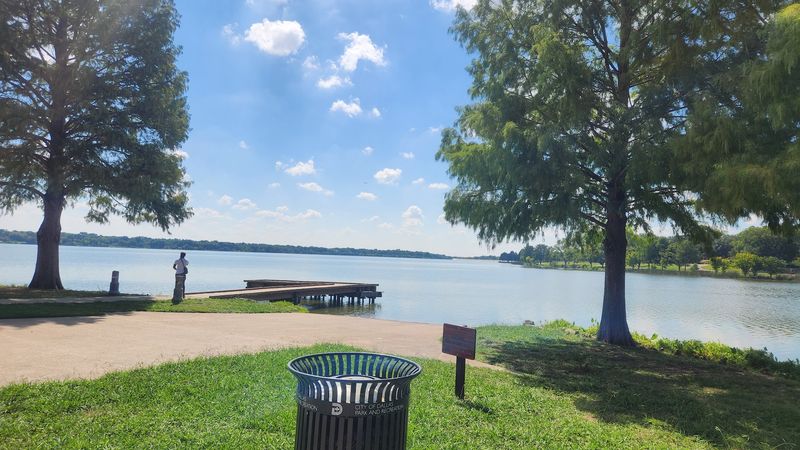
A walk around White Rock Lake can run anywhere from a quick 2-mile stretch to the full 9-plus-mile loop, so what you bring should match your plans. Water is the most important thing, full stop.
Texas heat is not subtle, and even on mild days the sun reflects off the lake surface in a way that adds warmth you might not expect. A refillable water bottle is essential, and drinking regularly throughout the walk makes a bigger difference than most people realize until they forget to do it.
Sunscreen and a hat are practical choices for the open sections of the trail where shade disappears for stretches at a time.
Comfortable walking shoes with good support matter more than most gear decisions. The paved surface is forgiving, but a long loop on worn-out soles will remind your feet about it the next morning.
Light layers work well in cooler months when morning temperatures can be deceptive near the water. A small bag with snacks, a phone with a downloaded map, and a basic first aid kit rounds out a sensible kit for older visitors especially.
None of this is complicated. The park rewards people who show up prepared and then simply let themselves enjoy the walk without worrying about logistics.
Getting There and Finding Your Start Point

White Rock Lake Park sits along East Lawther Drive in Dallas, and getting there is straightforward from most parts of the city. The park wraps around the lake, so there is no single main entrance.
You can join the loop from multiple access points depending on where you park.
The Sunset Bay area on the western side is a popular starting spot and tends to have good parking availability on weekday mornings.
The Bath House Cultural Center on the eastern shore is another well-known landmark that works as a starting point, and it also has its own interesting history as a 1930s bathhouse turned community arts space.
Parking lots are scattered around the perimeter of the park, and most are free.
Getting oriented takes only a few minutes once you arrive. The lake is always visible, which means you are unlikely to feel lost even on your first visit.
The trail is well-marked and easy to follow in either direction. Coming early in the morning gives you cooler temperatures and quieter stretches of path, which I found made the whole experience feel more personal and unhurried.
The address to note for navigation is East Lawther Drive, Dallas, TX 75218, and most mapping apps will get you there without any drama.
