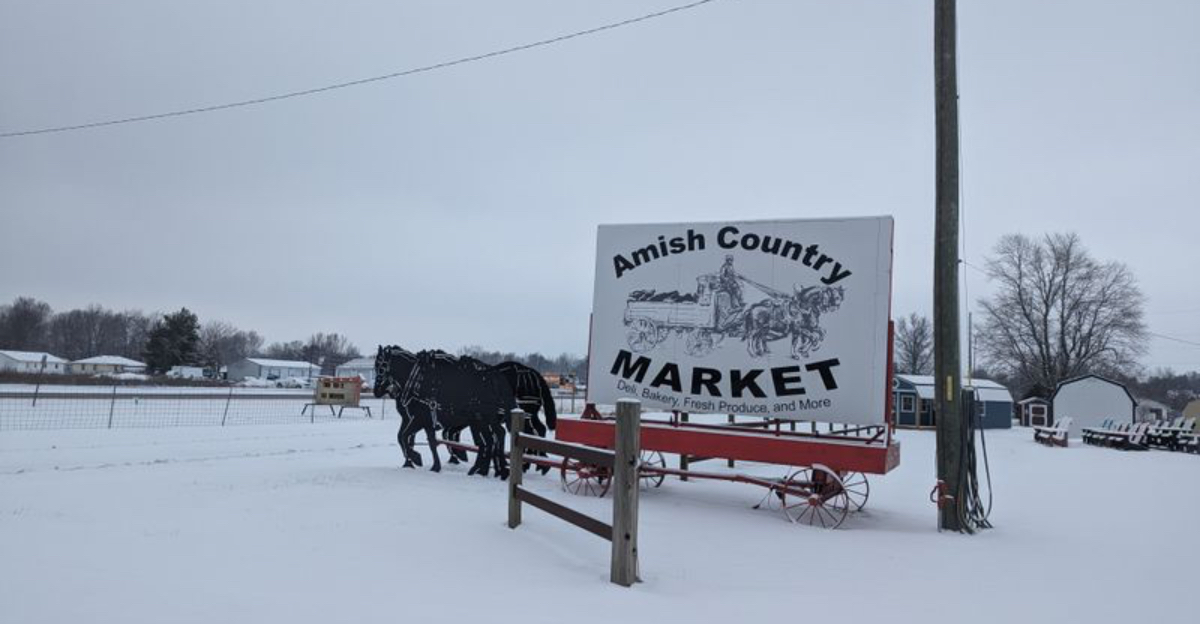
Kentucky’s Amish country offers rolling hills, handmade quilts, and a slower pace of life that feels worlds away from modern chaos.
Visitors flock here to experience traditional crafts, farm-fresh food, and communities that have preserved centuries-old customs.
But beneath the peaceful exterior lies a set of strict rules and boundaries that outsiders must respect.
Some of these restrictions might surprise you, revealing just how seriously these communities guard their privacy and way of life.
No Photography of Amish People

Cameras might be welcome at most tourist destinations, but pointing one at an Amish person crosses a serious line in Kentucky’s Amish communities.
The Amish believe that photographs violate the biblical commandment against graven images and can lead to pride and vanity.
This belief runs deep, rooted in their interpretation of Exodus 20:4, which forbids the creation of carved images or likenesses.
When you visit towns like Casey Creek or communities near Munfordville, you’ll notice signs reminding tourists to respect this boundary.
Children playing in yards, farmers working fields, and families traveling in buggies are all off-limits for your camera roll.
Violating this rule doesn’t just offend individuals; it disrespects the entire community’s religious foundation.
Many visitors don’t realize how strongly this prohibition is felt until they see the discomfort it causes.
Even seemingly innocent snapshots can create tension and make Amish families feel exposed and violated.
If you want to capture memories of Kentucky’s Amish country, focus your lens on barns, landscapes, quilts hanging on lines, or produce stands.
These images tell the story of Amish craftsmanship and rural beauty without compromising anyone’s beliefs.
Some shops run by Amish families will allow photos of their goods or buildings, but always ask permission first.
Respecting this photography ban shows you value their culture more than your social media feed.
The serene atmosphere you came to enjoy depends on visitors honoring these boundaries without exception.
Entering Private Amish Homes Without Invitation
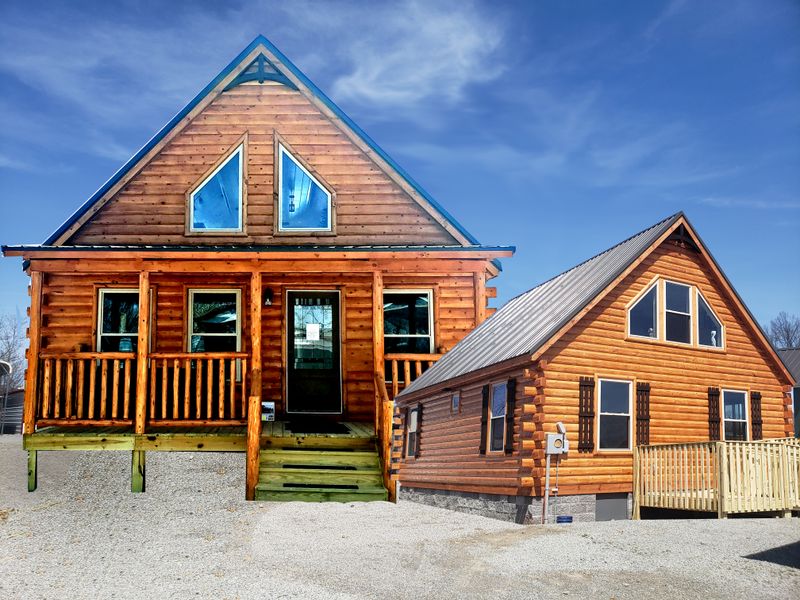
Curiosity about how the Amish live might tempt you to wander onto private property, but this crosses a major boundary in Kentucky.
Amish homes are sacred family spaces, not tourist attractions or living museums open for public viewing.
Just because a house looks quaint or sits along a scenic road doesn’t mean you’re welcome to walk up the driveway or peek through windows.
Many tourists mistakenly believe that because Amish communities seem open and friendly, their homes are too.
This assumption ignores the fact that these are real families who value privacy just like anyone else.
In areas around Glendale or Horse Cave, Amish families have reported unwanted visitors appearing at their doors expecting tours.
Some have even found strangers photographing their children playing in yards or looking through windows at family activities.
These intrusions are not only rude but can be frightening, especially for children who aren’t accustomed to outsiders.
The Amish work hard to maintain separation from the outside world, and uninvited guests threaten that carefully preserved boundary.
If you’re genuinely interested in Amish home life, some communities offer organized tours through approved channels where families have agreed to participate.
These experiences respect both your curiosity and their need for privacy.
Otherwise, admire the architecture and neat gardens from the road and keep moving.
Treating Amish homes with the same respect you’d want for your own creates a better experience for everyone who visits Kentucky’s Amish country.
Using Drones Over Amish Property
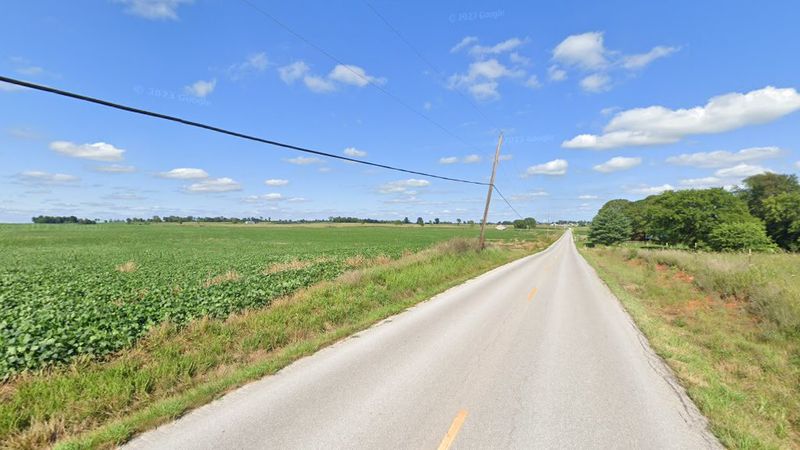
Modern technology meets old-world values in an uncomfortable clash when drones buzz over Amish farms in Kentucky.
These flying cameras represent everything the Amish community has chosen to reject: invasive technology, surveillance, and the erosion of privacy.
Drone operators often justify their flights by claiming they’re capturing beautiful landscapes or documenting rural America.
But to Amish families below, these devices feel like mechanical intruders violating their space and photographing their lives without consent.
The issue goes beyond simple annoyance; drones can spook livestock, disrupt farm work, and create anxiety among children unfamiliar with such technology.
In some Kentucky communities, Amish leaders have formally requested that visitors refrain from flying drones over their properties.
These requests often go unheeded by tourists more concerned with getting dramatic footage than respecting local wishes.
The sound of a drone overhead can bring entire families out of their homes in distress, uncertain about who’s watching them and why.
Some Amish parents worry about their children being filmed without permission, a concern that’s entirely reasonable in today’s digital age.
If you’re visiting areas near Brownsville or other Amish settlements, leave your drone packed away or fly it only over public lands far from homes and farms.
Kentucky’s stunning rural landscapes are beautiful enough from ground level, where your presence doesn’t disturb the peace others came here to find.
Respecting this boundary preserves the tranquility that makes Amish country special in the first place.
Loud Music and Disruptive Behavior

Blasting music from your car stereo might seem harmless, but it shatters the peaceful atmosphere that defines Kentucky’s Amish communities.
These settlements thrive on quietness, simplicity, and a deliberate absence of the noise that characterizes modern life.
Amish families don’t have radios, televisions, or electronic entertainment, so their days unfold to the sounds of nature, conversation, and manual work.
When tourists drive through with windows down and speakers pumping, it’s not just annoying—it’s culturally jarring.
The same applies to shouting, honking horns unnecessarily, or revving engines as you pass by horse-drawn buggies.
These behaviors show a fundamental disrespect for the lifestyle that brought you here in the first place.
In towns throughout the state where Amish and non-Amish neighbors coexist, locals understand the importance of keeping noise levels down.
Visitors who don’t follow this unwritten rule quickly earn a reputation as disrespectful outsiders.
Children might stare at loud vehicles, and families may retreat indoors rather than risk confrontation with unruly tourists.
The Amish value humility and modesty, which extends to how they conduct themselves in public spaces.
Loud, attention-seeking behavior contradicts everything their community represents.
If you’re driving through Amish areas, turn your music down or off, speak at normal volumes, and move through these spaces with the same quiet respect you’d show in a library or place of worship.
The serenity you came to experience depends on everyone maintaining it together.
Blocking Roads While Photographing Buggies
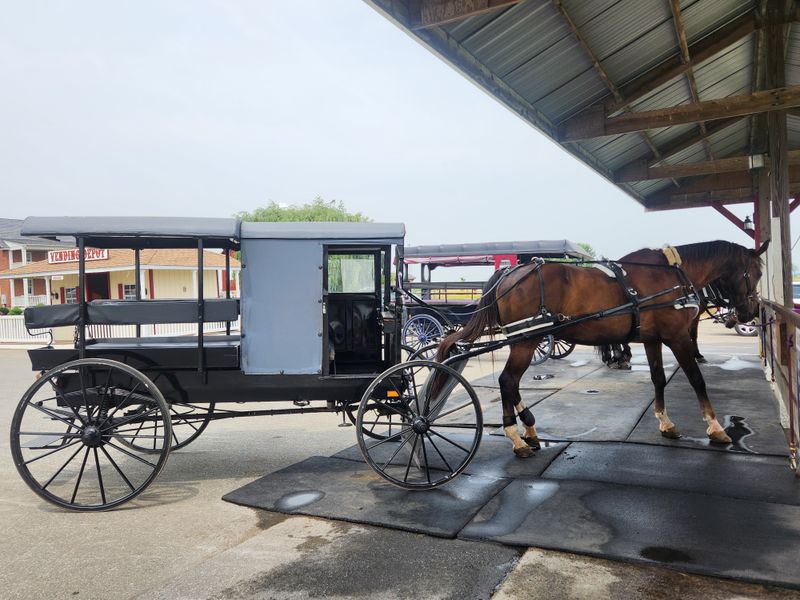
Spotting your first horse-drawn buggy on a Kentucky back road is undeniably exciting, but stopping your car in the middle of the road to photograph it creates dangerous situations.
Buggies travel much slower than cars, typically moving at about eight to ten miles per hour on flat terrain.
When drivers suddenly stop or slow to a crawl to snap photos, they create hazards for everyone sharing the road.
Other vehicles might not expect the sudden stop and could rear-end your car, potentially causing a chain reaction.
Even worse, your stopped vehicle might force the buggy to maneuver around you, pushing it into oncoming traffic or off the road entirely.
Horses can be unpredictable, especially when surrounded by idling cars or excited tourists leaning out windows.
A spooked horse might bolt, throwing passengers or causing the buggy to overturn.
These aren’t theoretical dangers; accidents involving buggies and distracted tourist drivers have injured Amish families throughout Kentucky.
Local residents and Amish community members have repeatedly asked visitors to pull completely off the road if they must stop, ensuring clear passage for all traffic.
Better yet, appreciate the buggy as you pass safely and legally, or find a designated pulloff area where you can park properly.
Many scenic overlooks and roadside stands offer safe opportunities to observe buggies without creating traffic hazards.
Remember that these families are simply going about their daily business, traveling to church, visiting neighbors, or running errands.
Your photo opportunity shouldn’t put their lives at risk or make their commute more stressful than it needs to be.
Shopping on Sundays at Amish Businesses
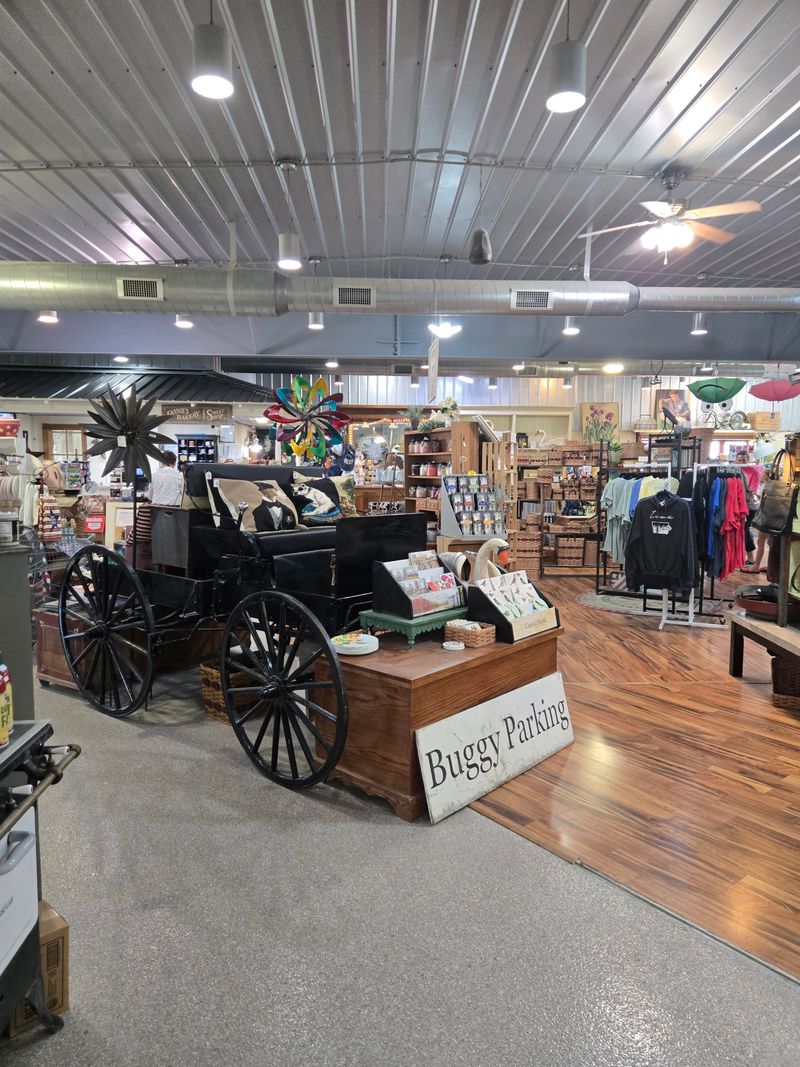
Sunday holds profound significance in Amish culture, serving as a day devoted entirely to rest, worship, and family time.
Expecting Amish-owned shops, bakeries, or furniture stores to be open on Sundays shows a fundamental misunderstanding of their religious practices.
The Amish observe the Sabbath strictly, refraining from commercial activity and unnecessary work as an expression of their faith.
This practice stems from biblical commandments and centuries of tradition that place spiritual life above economic concerns.
Tourists who arrive at Kentucky Amish businesses on Sunday mornings often find locked doors and darkened windows.
Some visitors have been known to knock persistently or even walk around properties looking for someone to serve them.
This behavior is deeply disrespectful and intrusive, interrupting family worship time or private gatherings.
The Amish don’t make exceptions for tourists, no matter how far you’ve traveled or how much you want that handmade quilt.
Planning your visit to Amish country means checking which days businesses operate, typically Monday through Saturday.
Many shops close early on Saturdays as well, allowing families to prepare for the Sabbath.
If you show up on Sunday expecting to shop, you’re not just disappointed—you’re demonstrating that your convenience matters more than their religious convictions.
Respecting Sunday closures means planning ahead and adjusting your itinerary accordingly.
This small accommodation on your part honors a community that has maintained these practices for generations despite economic pressures to do otherwise.
Asking Invasive Personal Questions
Genuine curiosity about Amish life is natural, but bombarding community members with personal questions crosses into uncomfortable territory.
Questions about why they don’t use electricity, what they think about modern people, or whether they ever want to leave their community put Amish individuals in awkward positions.
Many of these questions carry judgment or assumptions that their way of life is backwards or restrictive.
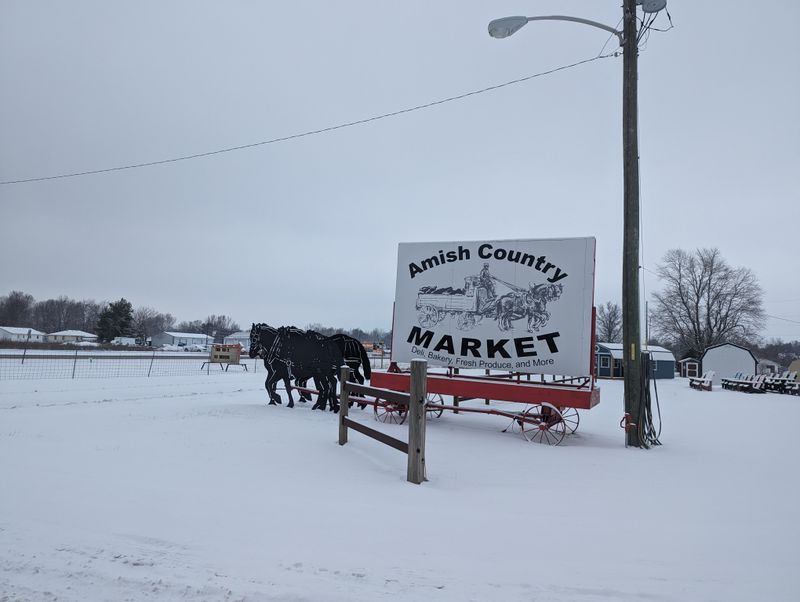
Amish people you encounter in shops or markets are there to conduct business, not serve as cultural ambassadors or answer endless queries about their beliefs.
Imagine if strangers constantly questioned your religious practices, family decisions, or lifestyle choices every time you went to work.
That’s the experience many Amish business owners face from well-meaning but tactless tourists in Kentucky.
Some questions venture into truly inappropriate territory, asking about marriage practices, childbearing, or personal feelings about technology.
These topics are private matters that strangers have no business discussing, regardless of cultural curiosity.
The Amish value humility and don’t typically enjoy being the center of attention or explaining themselves to outsiders.
If you’re interested in learning about Amish culture, visit heritage centers or read books written by scholars and community members who’ve chosen to share their stories.
When interacting with Amish individuals, keep conversations focused on the transaction at hand or make simple, respectful small talk about weather or local events.
Treating them as regular people rather than anthropological subjects shows basic human decency.
Your visit to Kentucky’s Amish country should enrich your understanding without making anyone feel examined or judged.
Wearing Inappropriate or Revealing Clothing
Modesty is a cornerstone of Amish faith and daily practice, reflected in everything from their plain clothing to their humble demeanor.
When visitors arrive wearing tank tops, short shorts, or other revealing attire, it creates discomfort and can be seen as disrespectful.
The Amish aren’t asking tourists to dress exactly like them, but showing up in beachwear or club attire to visit their communities demonstrates poor judgment.
Amish women wear dresses that cover their arms and fall below the knee, while men typically wear long pants and shirts even in hot weather.
These clothing choices reflect their interpretation of biblical modesty and their commitment to humility.
Visitors who dress provocatively signal that they either don’t understand or don’t care about these deeply held values.
In Kentucky’s summer heat, it’s tempting to wear minimal clothing, but taking a few minutes to put on appropriate attire shows respect.
Think of it like dressing for a religious service or formal occasion—you wouldn’t show up in a swimsuit, and the same consideration applies here.
Some Amish-owned shops have posted signs requesting that visitors dress modestly, though many are too polite to enforce it.
The discomfort goes both ways: Amish individuals may avoid eye contact or seem distant when faced with immodestly dressed tourists.
This creates an awkward atmosphere that diminishes the experience for everyone involved.
Packing a light cardigan or choosing knee-length shorts instead of very short ones takes minimal effort but makes a significant difference.
Respecting dress codes shows you value the community’s standards and want to interact with them on terms that honor their beliefs.
Purchasing Items Just to Get Inside Homes
Some Amish families in Kentucky sell goods directly from their homes, offering everything from baked goods to handcrafted furniture.
These home-based businesses operate in designated areas, typically front porches, separate shop buildings, or specific rooms set aside for customers.
Buying something doesn’t grant you access to wander through their private living spaces or ask for a house tour.
Yet some tourists treat these transactions as opportunities to snoop, craning their necks to see into kitchens or asking to use bathrooms as excuses to explore.
This behavior violates the trust that Amish families extend by opening their properties to commerce in the first place.
When you visit a home-based Amish business, stay in the designated customer area and respect physical boundaries like closed doors or roped-off sections.
If you’re invited further inside to view larger furniture pieces or special items, that’s different—but wait for the invitation rather than assuming it.
Making a purchase should be about genuinely wanting the product, not using it as a pretext to satisfy curiosity about how the Amish live.
Many families have considered closing their home businesses because of intrusive customers who made them feel unsafe or uncomfortable in their own spaces.
That would be a loss for everyone, as these businesses offer authentic handmade goods and important income for Amish families.
Conduct your transaction respectfully, admire the craftsmanship, and leave without overstepping boundaries.
This approach ensures that Amish home businesses remain viable and welcoming for future visitors to Kentucky’s Amish communities.
Dear Reader: This page may contain affiliate links which may earn a commission if you click through and make a purchase. Our independent journalism is not influenced by any advertiser or commercial initiative unless it is clearly marked as sponsored content. As travel products change, please be sure to reconfirm all details and stay up to date with current events to ensure a safe and successful trip.
