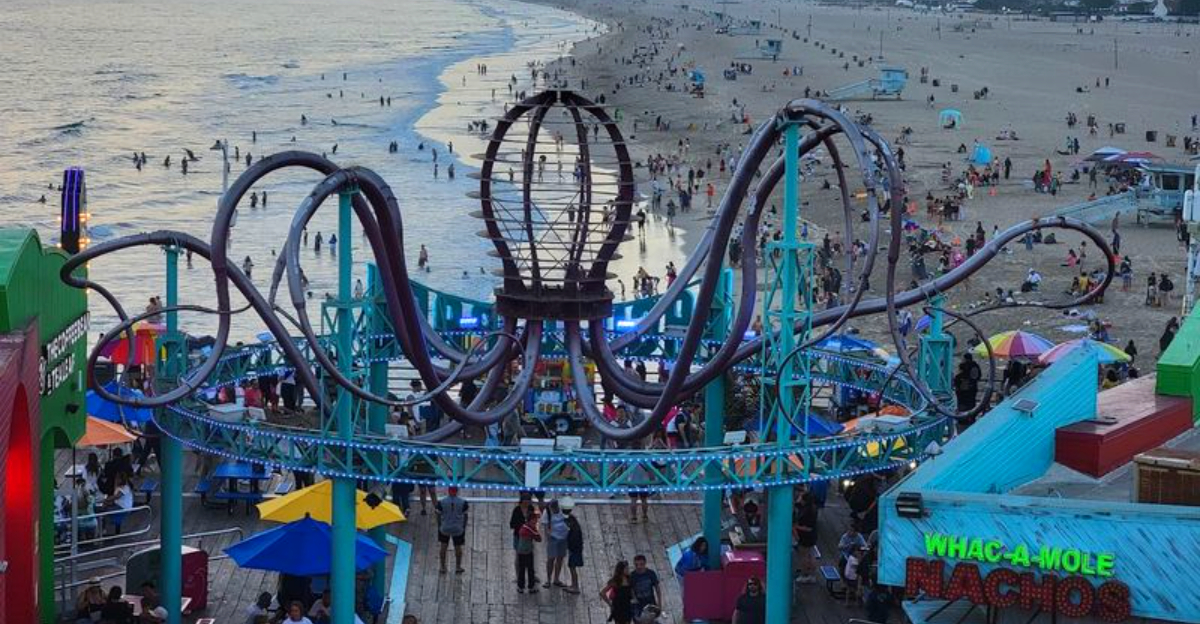
How often does the site of a lost amusement park get a second act that feels nothing like the first? That is part of what makes this California story so interesting right away.
Pacific Ocean Park once stood as a major Santa Monica attraction before closing in 1967 and eventually disappearing, but its old footprint still carries the pull of something people never fully forgot. What makes this moment stand out is the contrast.
A place once tied to crowds, rides, and big coastal spectacle now feels like it is shifting into something quieter, more grounded, and entirely different from the version people remember. That change gives the whole site a new kind of appeal.
It is no longer just about what used to be here and why it mattered. It is also about what comes next, and how a location with so much old California history can keep evolving without losing the mystery that made it memorable in the first place.
The Coastal Site Where A California Legend Once Stood
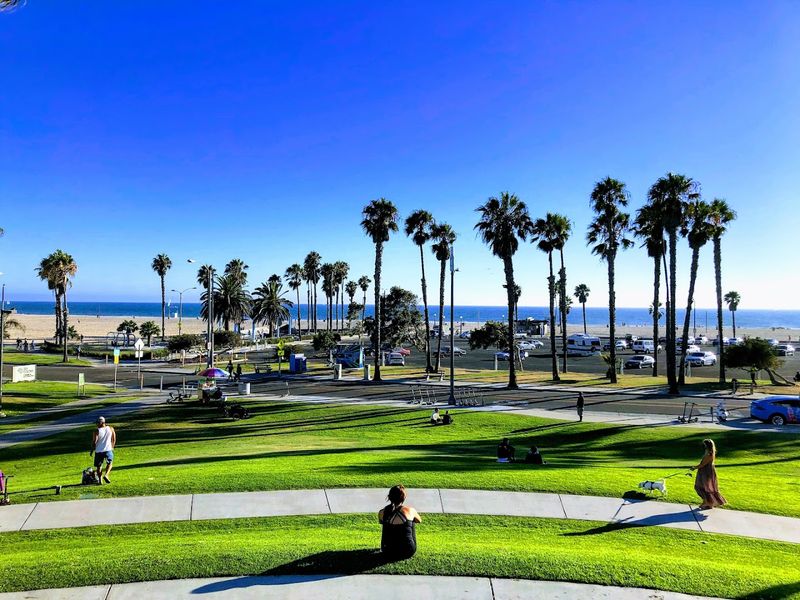
If you stand here and breathe in the salt air, it feels like the coastline is talking to you about everything that used to happen on these planks and pilings. We are at the site of Pacific Ocean Park, 2701 Barnard Way, Santa Monica, CA 90405, and the beach still carries that California light that makes ordinary moments glow.
The energy is calmer now, but the edges hum with stories that feel close enough to tap.
Look out toward the water, and try to imagine the old silhouettes that once defined this horizon, then let your eyes drop to the sand where families spread towels and locals jog past. Nothing about the present demands attention the way a grand amusement entrance once did, and that is kind of the charm.
You can actually hear the ocean without the spectacle drowning it out.
There is something grounding about visiting a place that has already lived a big life and settled into an easier stride. California has a way of letting places reinvent themselves without erasing the vibe.
You notice the benches, the paths, the open sky, and realize the show is smaller now, but the stage is just as wide.
Why Pacific Ocean Park Still Fascinates So Many People
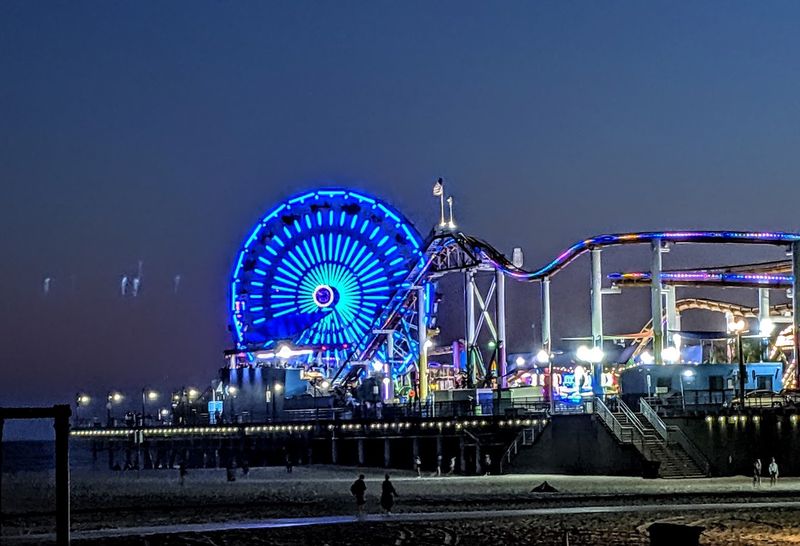
You know how some places slip into your brain and keep sparking curiosity long after the map pin fades? This one does that because the contrast is so sharp, like switching from a brass band to a single guitar mid-song.
Pacific Ocean Park became a story people hand off because it mixed seaside fantasy with everyday boardwalk life, and that blend sticks.
Ask anyone who grew up hearing about it, and the descriptions come out like colorful postcards you want to shuffle through twice. There is nostalgia, sure, but there is also the way this coastline shapes memory, with the marine layer softening everything into something forgiving.
You start wondering what parts were magic and what parts were simply the beach doing what the beach always does.
California has a talent for legends that feel within reach, which is part of why the fascination never really cools. The setting is public and open, so you can show up and layer your own day on top of an old headline.
By the time the sun slides toward the water, fascination turns into a quiet kind of respect.
From Midcentury Hype To A Sudden, Messy Collapse
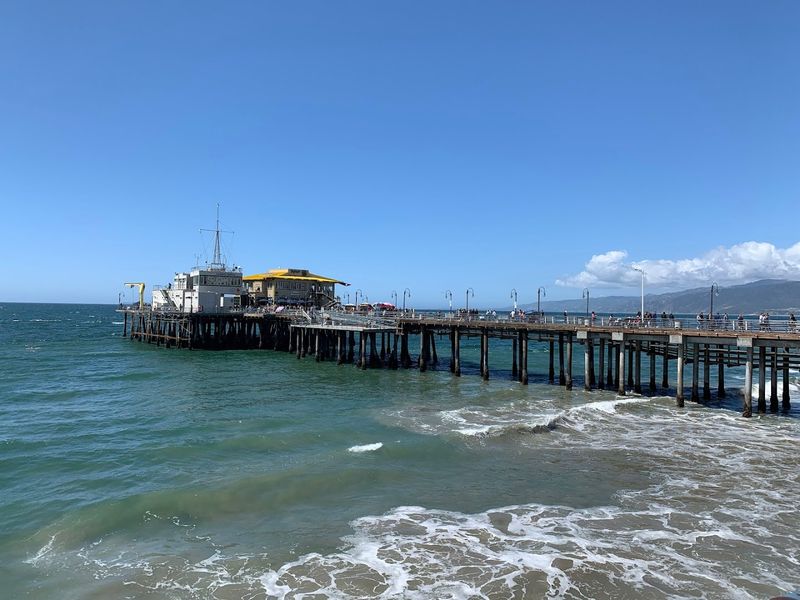
Picture the buildup like a drumroll that never seemed to end, then imagine the sound cutting off while the cymbal was still ringing. That is how the story of hype and collapse tends to feel when you stand close to the shoreline here.
The setting carried so much ambition that the quiet afterward felt louder than it should have.
I catch myself thinking about how every glance at the horizon once had a headline glued to it. Then I look at the smooth sand and the casual pace of people passing by and realize the ground does not hold grudges.
The beach just keeps resetting the scene, smoothing out footprints faster than any story can stick.
If you like California history that moves, this chapter is a moving target, because it exists in the gap between big dreams and routine salt air. The hype had sparkle, the collapse had noise, and the present has a steadier pulse.
That balance makes the place feel honest in a way glossy memories never quite manage.
The Lost Amusement Park Story Still Hanging Over This Stretch
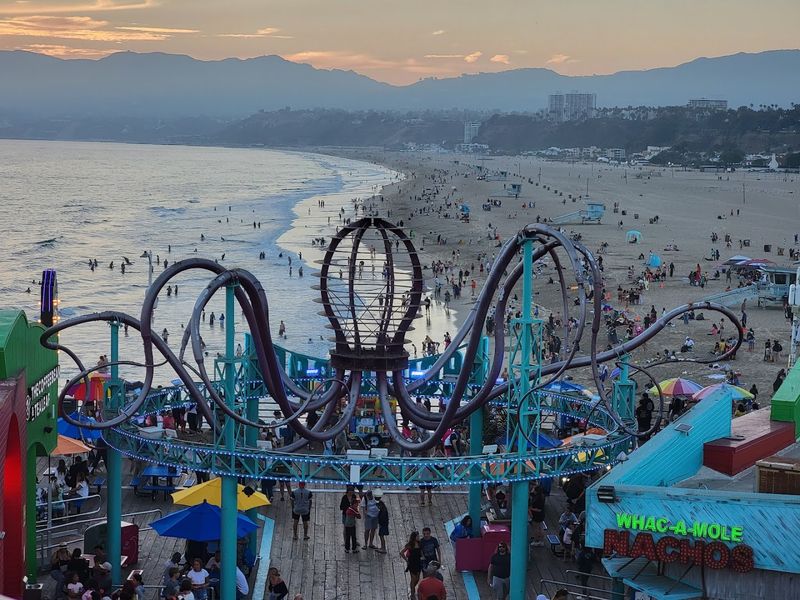
Every coastline has its ghost stories, and here they arrive in daylight, carried by kids on scooters and neighbors walking slow. The so-called lost amusement park is not a spooky thing, just a mood that drifts across the sand when the wind changes.
You feel it as an aftertaste of excitement, like the echo of music after the last chord.
People share the tale with a grin, then pause and scan the horizon as if the old skyline might flicker back on for a second. The cool part is that the story survives without props, which says a lot about how deeply the place landed in California culture.
You do not need a plaque to feel the gist, though a good conversation on the bluff does the trick.
Stand near the path and look from the palms to the water, then back toward the neighborhood rising gently uphill. The rhythm of daily life keeps the temperature steady, while the legend hangs like a light scarf you notice when a breeze lifts it.
That balance is why the story keeps floating here.
What Actually Remains Of The Old Pacific Ocean Park Era
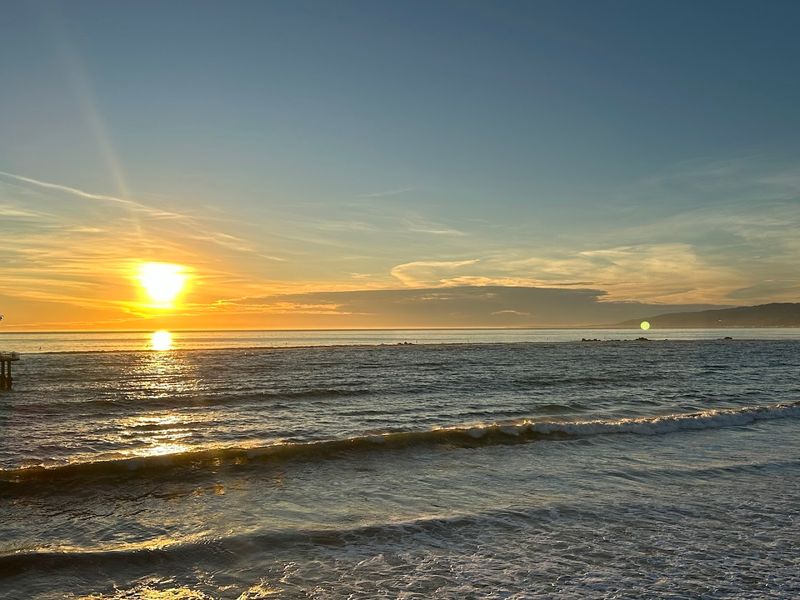
So what is physically left, really? Not much in the way most people expect, and that understatement becomes its own kind of invitation.
The remains show up as alignments, textures, and the way the shoreline pathways meet the sand, more about placement than artifacts.
There are no towering icons from the old era marking the view, which can feel almost generous because it lets your imagination do the heavy lifting. You start noticing small things, like the tone of the concrete, the spacing of railings, and where the beach path decides to bow out.
None of it screams, but the collection of hints adds up when you walk slow.
California is full of places where the physical record pulls back and the atmosphere carries more weight, and this is one of them. What remains is a set of subtle cues you read like grain in old wood.
If you are patient with your own attention, you will see how the era lingers at the edges without trying to stage a comeback.
Why The Address Matters More For History Than Ruins
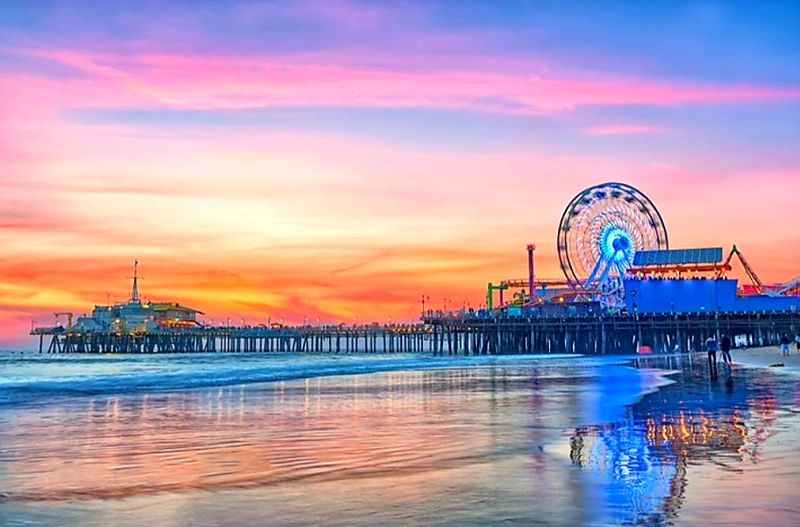
The address is basically a compass for memory, not a key to a museum. When people say the location out loud, they are really summoning a map that includes sound, sunlight, and all the layers of community built around the beach.
It is less about ruins and more about the coordinates that let stories keep finding their way back.
That is why locals mention the cross streets like they are talking about a trusted landmark, even when nothing dramatic stands there. The meaning rests in the intersection of sea and neighborhood, in the habits that repeat, and in the idea that you can show up any day and still connect to what used to be.
You are not missing a door, because the whole shoreline is the door.
In California, addresses on the coast tend to double as shorthand for eras, and this one does it cleanly. Say it once, look at the horizon, and the context shows up.
The history belongs to the place more than to any single piece of hardware.
Ocean View Park And The Site’s More Ordinary Present Day
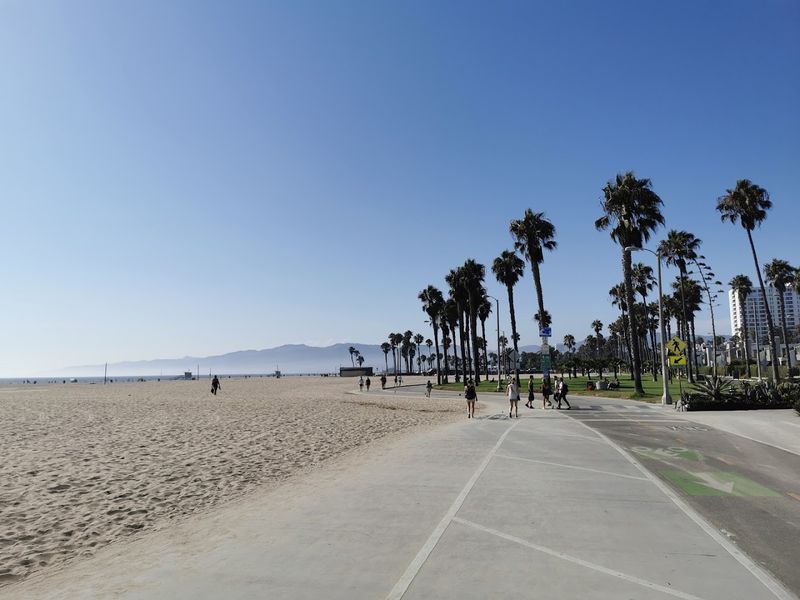
Right now, Ocean View Park is the kind of place where you watch a kite climb while a dog decides whether to nap or bolt. The vibe is neighborly, with open lawns, simple amenities, and a casual flow between the park and the sand.
Ordinary feels good here because you can settle in without a script.
You get the sound of waves mixing with the low hum of conversations, roller wheels, and the occasional squeak from the playground. The line between beach and park is gentle, so you move back and forth like the day is breathing.
Nothing insists, which lets you pay attention to what you actually came for, even if you are not sure until you arrive.
California parks along the coast often learn to be flexible, and this one is quietly great at that. If you bring a book, you will read; if you bring a soccer ball, you will probably meet someone who wants to pass.
The present day does not chase the past, but it does not ignore it either.
How Nostalgia Still Shapes The Way People See This Spot
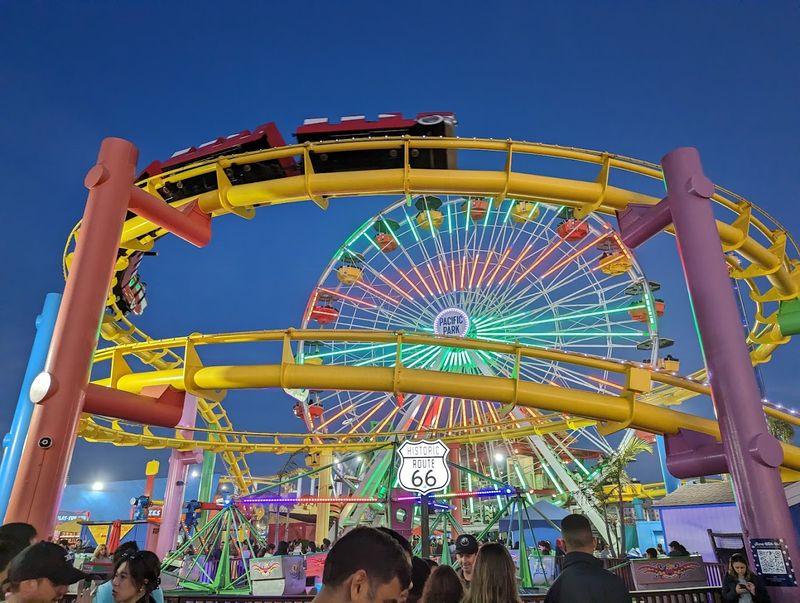
Nostalgia walks in here like an old friend who knows not to talk too loud. It colors the way people scan the waterline and compare what they heard to what they see.
That blend can be sweet, even when the facts have rough edges.
When you sit on a bench and listen, you catch the little details that nostalgia edits for comfort and charm. Someone remembers a glow in the distance, someone else swears the music carried farther than it should, and pretty soon everyone is smiling at different versions of the same scene.
The shoreline holds it all without taking sides.
California does nostalgia with sunshine, which keeps the mood from turning heavy. You leave with a softened picture that makes you want to come back and double check it, which is exactly how nostalgia keeps working.
It is not a museum script, just a friendly lens you can try on and set back down when you are ready.
Why This Famous Site Feels More Haunted By Memory Than Structures
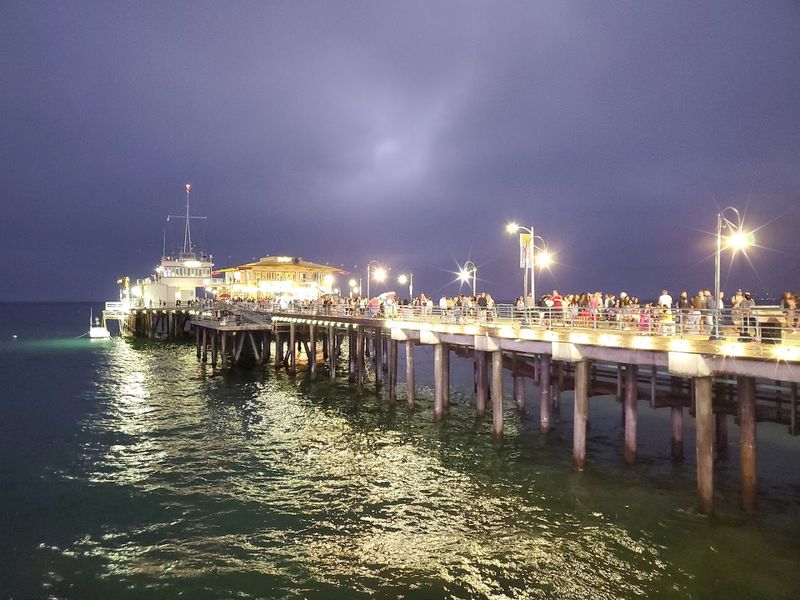
Ever notice how some places feel full even when there is almost nothing standing there? This stretch does that because memory takes the lead and the physical frame hangs back.
You are walking through a story more than a set of objects, and that makes the quiet ring a little.
It is a gentle kind of haunting, the sort that invites you to look twice at footprints and listen for tones wrapped inside the wind. The absence is not sad, though it can be tender, and the ocean keeps rewriting the ending with every tide.
You end up respecting what is not here as much as what is.
California’s coast has many stages, but this one performs with negative space and bright sky. Structures fade, benches wait, and memory does the decorating, which is more generous than it sounds.
Walk slow, let the scene settle, and you will feel how the place holds what it has lived without asking for applause.
Dear Reader: This page may contain affiliate links which may earn a commission if you click through and make a purchase. Our independent journalism is not influenced by any advertiser or commercial initiative unless it is clearly marked as sponsored content. As travel products change, please be sure to reconfirm all details and stay up to date with current events to ensure a safe and successful trip.
