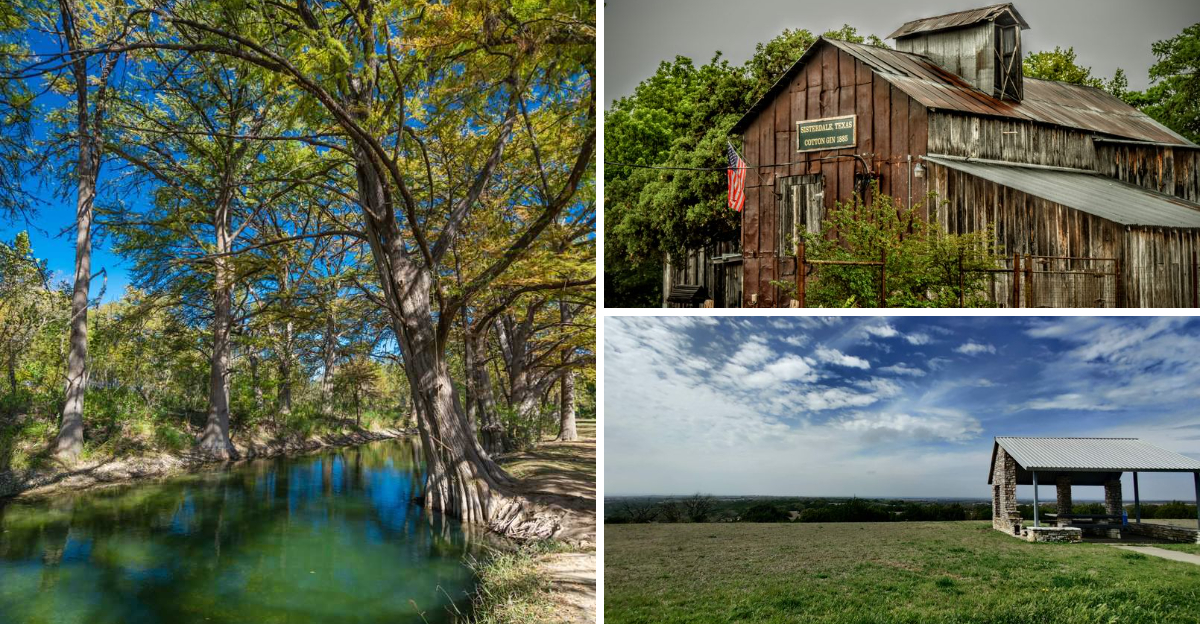
Texas holds secrets in its quietest corners, where life moves at the pace of a slow river and neighbors still gather on front porches to watch the sunset.
These small villages tucked into the Hill Country and beyond offer something rare in our fast-paced world: genuine peace and a connection to simpler times.
Locals treasure these hidden gems not for what they lack, but for what they preserve: authentic heritage, unspoiled landscapes, and a sense of community that feels like stepping back into a kinder era.
Wandering through these towns means discovering limestone courthouses, working ranches, and main streets that haven’t changed in decades, all wrapped in the warm embrace of Texas hospitality that remains refreshingly unhurried.
1. Blanco
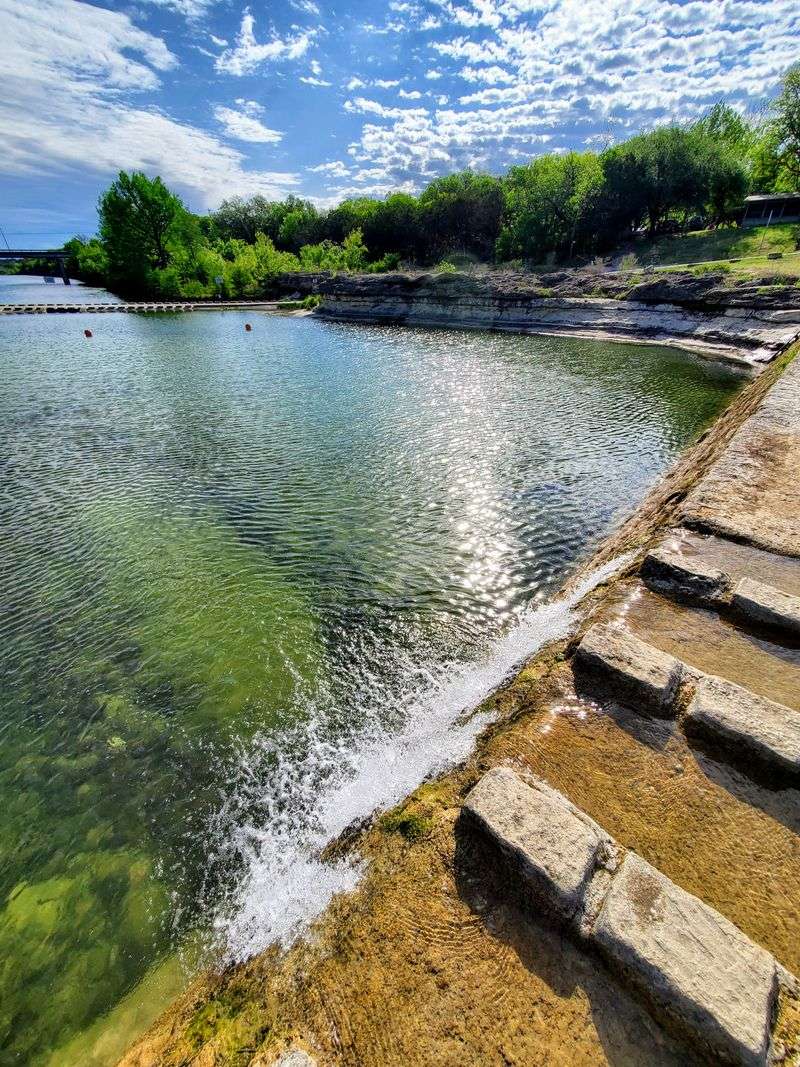
An 1885 limestone courthouse anchors Blanco’s historic square, its weathered stone walls telling stories of frontier justice and community gatherings that have shaped this town for over a century.
Walking around the square feels like entering a time capsule, where architectural details from another era remain intact and modern intrusions have been kept tastefully minimal.
The town exudes a charm that comes from genuine age rather than manufactured nostalgia, with buildings that have served their communities through generations of Texas history.
Blanco State Park sits nearby, offering natural beauty along the Blanco River where cypress trees shade clear waters and limestone banks provide perfect spots for quiet contemplation.
This combination of historic architecture and natural splendor creates an atmosphere that feels both culturally rich and peacefully removed from contemporary pressures.
Locals take pride in their town’s heritage without turning it into a tourist trap, maintaining businesses that serve community needs rather than chasing visitor dollars.
The frontier-like atmosphere persists not through reenactments or theme park aesthetics but through the authentic preservation of structures and spaces that have always defined this place.
On quiet weekday mornings, you can still experience Blanco as residents do, with shops opening at their own pace and conversations happening on sidewalks without the rush that characterizes larger towns.
2. Tarpley
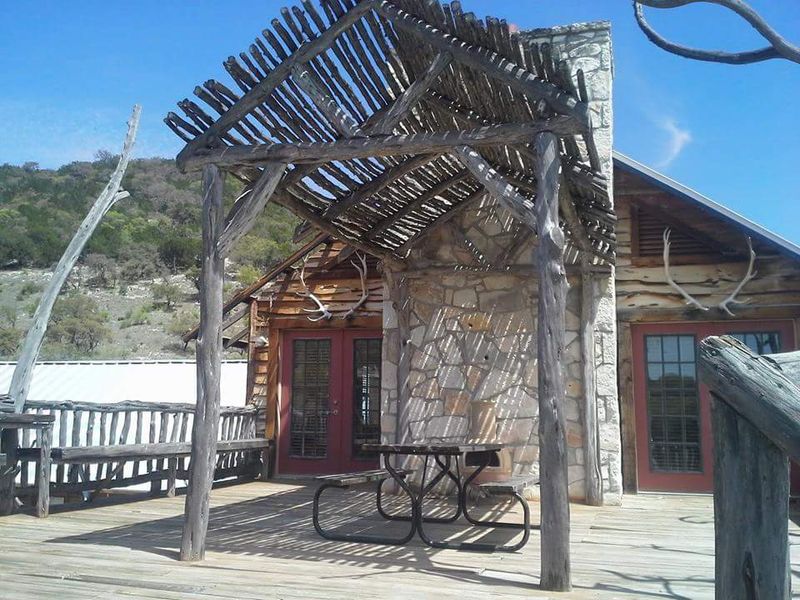
Nestled deep in Bandera County, Tarpley exists as one of those rare places where authenticity isn’t manufactured for tourists but simply lives on through daily routines unchanged by modern pressures.
Working ranches still define the landscape here, their cattle grazing across hillsides dotted with live oaks and limestone outcroppings that seem to glow golden in the late afternoon light.
The community maintains its cowboy roots not as a theme but as a way of life, where pickup trucks outnumber sedans and boots are practical footwear rather than fashion statements.
Driving through the area means encountering long stretches of ranch fencing, the occasional roadside stand selling local honey or pecans, and views that stretch endlessly toward horizons painted in shades of green and brown.
There’s no commercial district to speak of, no chain restaurants or big-box stores to interrupt the rural character that residents fiercely protect.
Instead, you’ll find neighbors who know each other by name, where a wave from a passing vehicle is standard courtesy and conversations happen at a leisurely pace.
The silence here feels profound, broken only by birdsong, the distant lowing of cattle, or the wind rustling through native grasses.
Visitors who stumble upon Tarpley often describe feeling like they’ve discovered a secret, a pocket of Texas that tourism forgot but time honored by leaving it beautifully untouched.
3. Sisterdale
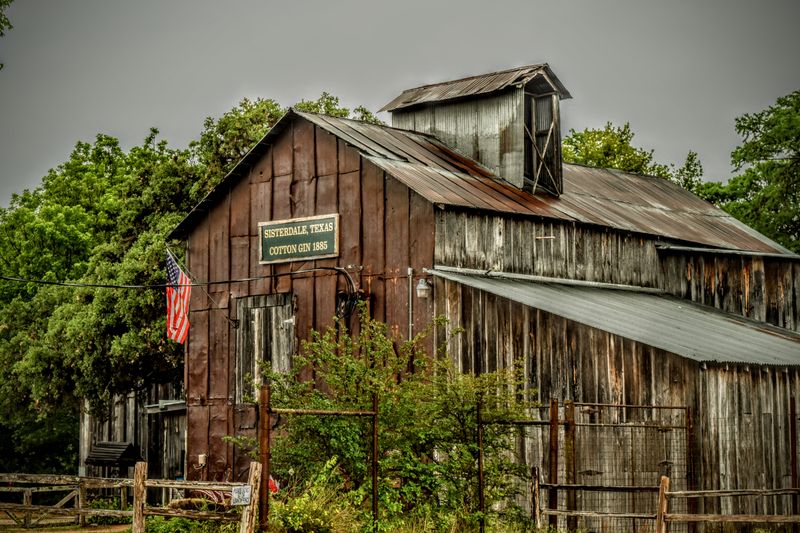
German free-thinkers established Sisterdale in the mid-1800s, bringing with them intellectual curiosity and a desire for independence that still echoes through this tiny community today.
Unlike many Hill Country towns that have embraced tourism, Sisterdale remains refreshingly uncommercial, its handful of buildings and surrounding ranches maintaining an unhurried rhythm that feels increasingly precious.
The heritage here isn’t packaged into museums or festivals but lives quietly in the landscape itself, where old stone structures blend seamlessly with working agricultural operations.
Picturesque doesn’t quite capture the beauty of this area, where rolling pastures meet wooded hillsides and creeks meander through properties that have stayed in the same families for generations.
Ranch work continues as it has for over a century, with cattle and sheep grazing lands that the original German settlers would still recognize.
There’s a meditative quality to Sisterdale, where the absence of traffic noise and commercial bustle allows you to hear the true sounds of the countryside.
The few residents who call this place home appreciate its obscurity, knowing that recognition often brings changes that erode the very qualities that make a place special.
Visitors seeking authenticity rather than entertainment find Sisterdale captivating precisely because it offers nothing manufactured for their consumption.
4. Doss
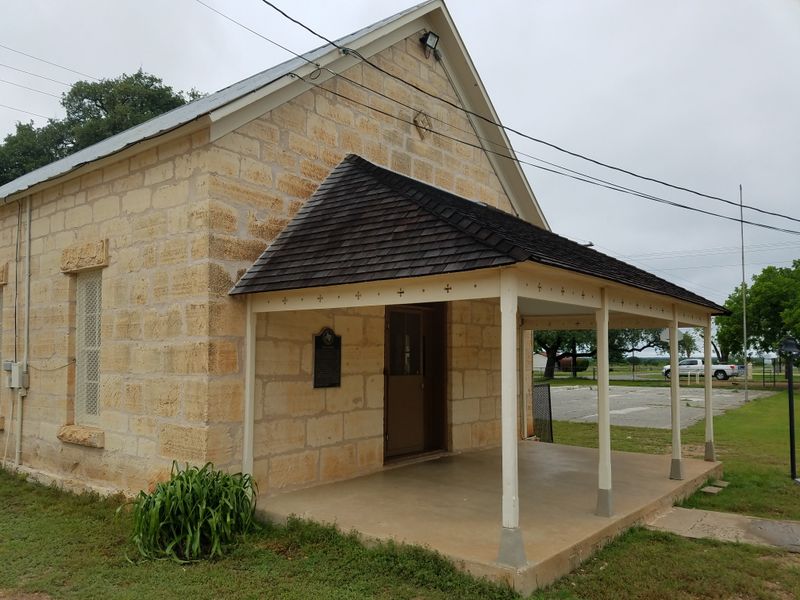
With only around 292 residents, Doss represents the extreme end of small-town Texas, a community so tiny that everyone genuinely knows everyone else and isolation becomes a form of luxury.
Time moves differently here, measured not by clocks but by seasons, weather patterns, and the natural rhythms of land that has supported sparse populations for generations.
Neighbors still wave from their porches, not as a quaint custom but as genuine acknowledgment of the few souls who share this remote corner of the Hill Country.
The landscape itself seems designed for contemplation, with limestone outcroppings jutting from earth like ancient monuments and sprawling live oaks providing shade that has sheltered travelers for centuries.
Endless sky dominates the view in every direction, its vastness creating a sense of freedom that crowded places can never replicate.
There’s no commercial center, no gathering spot beyond the occasional front porch or roadside meeting, making Doss more a collection of neighboring ranches than a traditional town.
This extreme quietness appeals to those few who call it home, people who have consciously chosen solitude and space over convenience and connectivity.
Visitors rarely stumble upon Doss accidentally, as it sits well off main routes, accessible only to those who specifically seek it out or lose their way on winding Hill Country backroads.
5. Harper
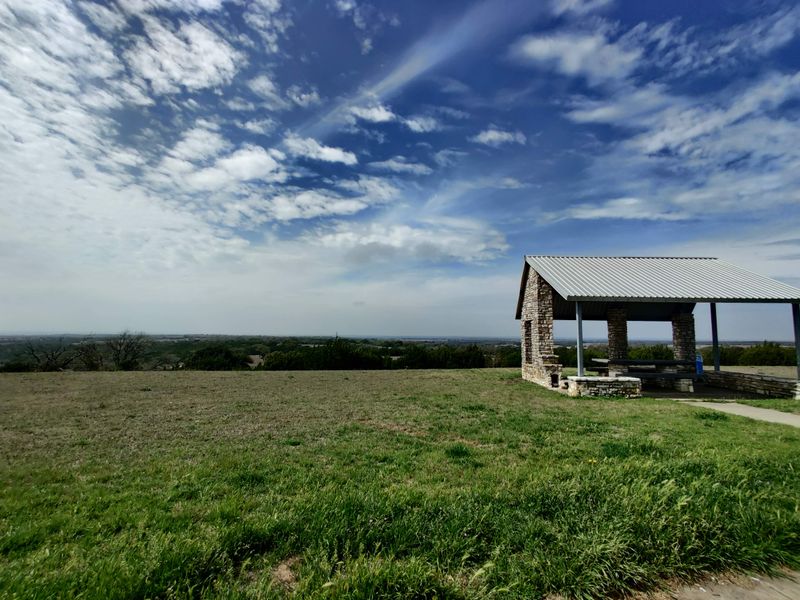
Harper’s population of roughly 1,200 residents gives it slightly more vitality than the tiniest Hill Country villages, yet it has stubbornly resisted the development that transformed neighboring communities into tourist destinations.
Agricultural roots run deep here, with farming and ranching still providing livelihoods rather than serving as picturesque backdrops for weekend visitors.
Main Street retains an authentic Old West feel that hasn’t been polished or prettified for cameras, its storefronts reflecting genuine community needs rather than trendy boutique aspirations.
Antique shops here aren’t carefully curated showrooms but rather genuine collections of items that local families have accumulated and eventually sold, each piece carrying real history from the surrounding area.
Local eateries serve homestyle cooking that grandmothers would recognize, with recipes passed down through generations and portions sized for people who work physical jobs.
There’s no pretension in Harper’s dining establishments, just honest food served by people who likely know your name by your second visit.
The town maintains its character through conscious choices by residents who value stability over growth, tradition over trend, and community over commerce.
While other Hill Country towns actively court visitors, Harper seems content serving its own population, with businesses operating on schedules that accommodate local rhythms rather than tourist expectations.
6. Utopia
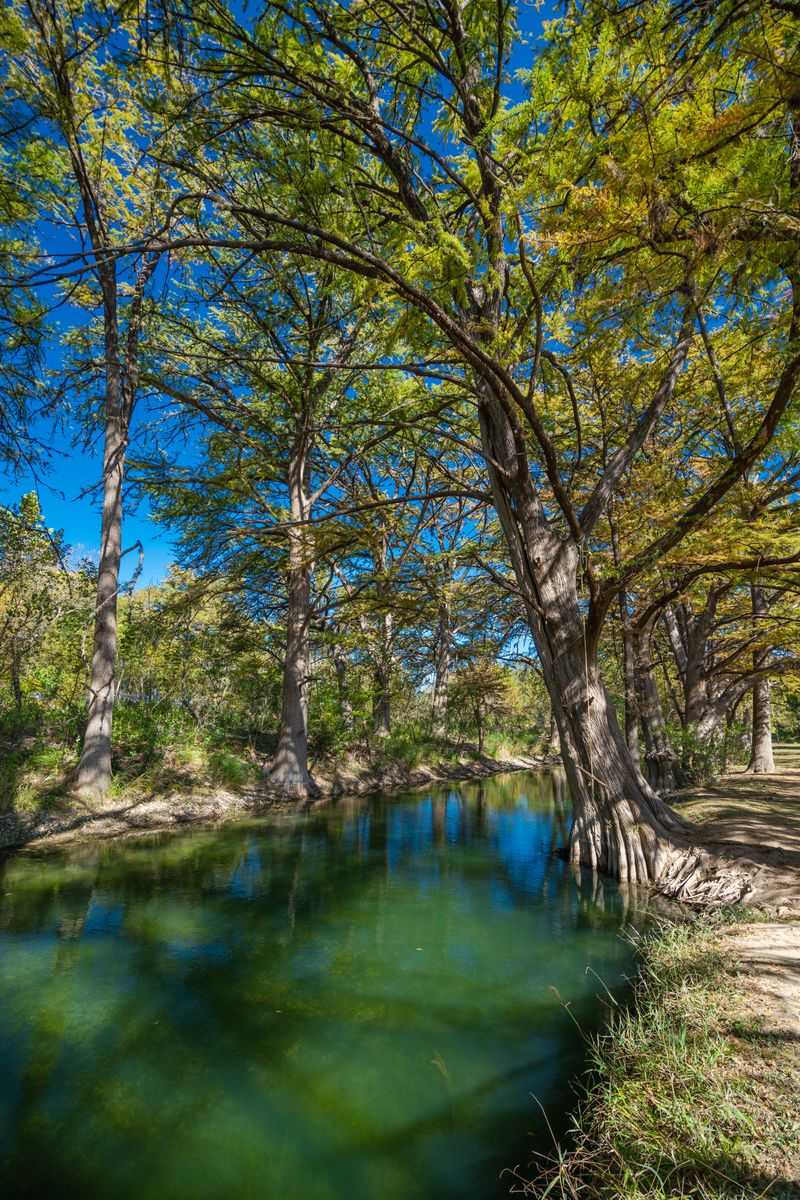
The name Utopia sets high expectations, yet this remote Hill Country village somehow manages to live up to its idealistic moniker through sheer natural beauty and determined isolation.
Located in a particularly rugged section of the Hill Country, Utopia sits where cypress-lined streams cut through limestone hills, creating landscapes that early settlers found so appealing they couldn’t resist the aspirational name.
Distance from major highways has protected this community from the development pressures that transformed more accessible towns, leaving Utopia genuinely remote and wonderfully quiet.
The few hundred residents who live here have chosen this isolation deliberately, valuing the peace it provides over the conveniences that come with proximity to larger population centers.
Natural springs and clear-running creeks define the area’s character, their cool waters providing recreation and sustaining ecosystems that support remarkable biodiversity.
There’s a self-sufficient quality to life in Utopia, where residents have learned to rely on each other and make do with limited commercial options rather than driving long distances for every need.
This self-reliance creates strong community bonds, with neighbors helping neighbors not as exceptional acts but as standard practice necessary for comfortable rural living.
The rugged terrain surrounding Utopia discourages casual visitors, requiring commitment and good directions to reach this tucked-away community that doesn’t advertise its presence.
For those who make the journey, the reward comes in experiencing a place where natural beauty remains uncompromised and human settlement sits lightly on the land.
7. Leakey
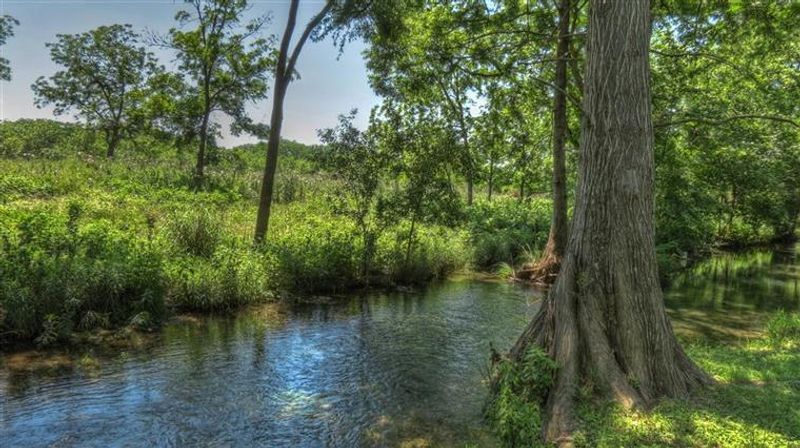
Leakey sits in the beautiful Frio River canyon, where towering limestone cliffs and crystal-clear waters create scenery dramatic enough to attract visitors yet remote enough to discourage crowds.
The Frio River defines life here, its cold spring-fed waters providing recreation, beauty, and a natural gathering point that has drawn people to this location for thousands of years.
Despite the river’s popularity during peak summer weekends, Leakey maintains a quiet character most of the year, with locals reclaiming their town once seasonal visitors depart.
This seasonal rhythm has taught residents to appreciate the quiet months, when they can enjoy the natural splendor without sharing it with outsiders who don’t understand the deeper connection that comes from year-round residence.
The town itself remains small and unpretentious, with businesses catering primarily to local needs rather than tourist whims, creating an authentic atmosphere even during busier periods.
Surrounding wilderness provides endless exploration opportunities, with rugged terrain that rewards adventurous spirits willing to hike beyond easily accessible spots.
Wildlife thrives in the canyons and hills around Leakey, from white-tailed deer to wild turkeys, creating encounters that remind visitors of nature’s continued dominance over this landscape.
Locals take pride in their role as stewards of this beautiful area, working to balance the economic benefits of some tourism with the preservation of the qualities that make their home special.
The limestone cliffs that rise above the Frio create a sense of enclosure and protection, as if the canyon itself shields this community from the outside world’s intrusions.
8. Medina
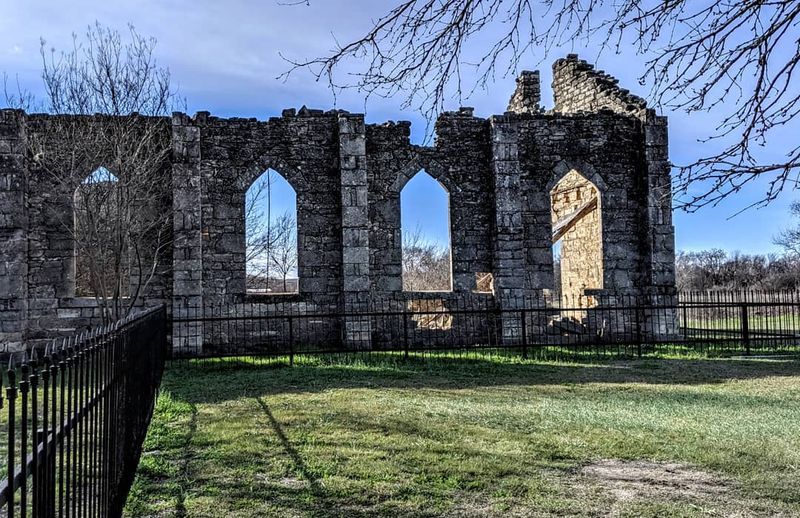
Apple orchards give Medina unexpected character for a Texas town, their presence a reminder that microclimates in the Hill Country can support crops typically associated with cooler regions.
This agricultural oddity has defined the community’s identity without turning it into a major tourist draw, allowing Medina to maintain its quiet rural character while offering something distinctive.
The town serves primarily as a service center for surrounding ranches and farms, its businesses practical rather than decorative, focused on community needs rather than visitor attractions.
During apple season, a few travelers make the journey to purchase fresh fruit or homemade products, but these visitors come for genuine goods rather than manufactured experiences.
This agricultural authenticity creates an atmosphere markedly different from towns that have reinvented themselves as destinations, with Medina remaining steadfastly focused on production rather than presentation.
Residents appreciate their town’s obscurity, knowing that many Hill Country communities that gained fame lost the very qualities that originally made them special.
The landscape around Medina combines typical Hill Country terrain with cultivated orchards, creating a patchwork of wild and tended land that reflects generations of careful stewardship.
Community life centers on practical concerns like weather patterns, harvest timing, and market prices rather than entertainment or dining options, grounding daily existence in tangible realities.
This focus on agriculture creates natural gathering points and shared concerns that bind residents together more effectively than organized social events ever could.
9. Vanderpool
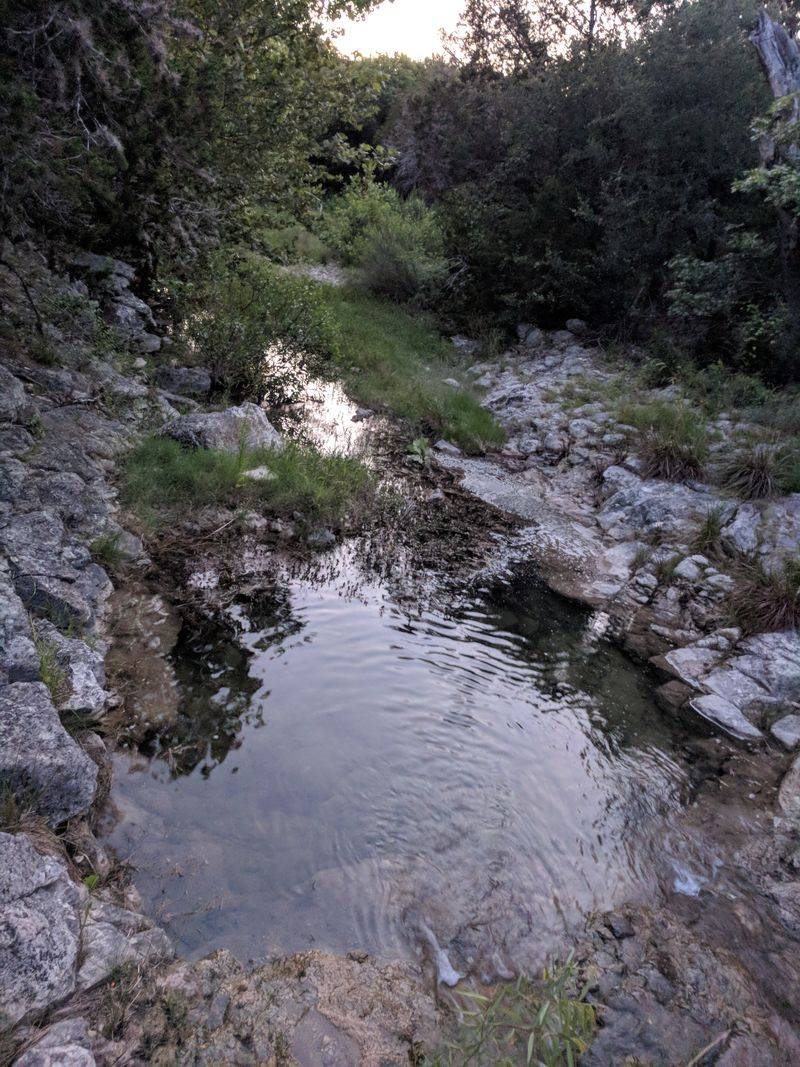
Vanderpool exists as little more than a wide spot in the road along one of Texas’s most scenic drives, yet this tiny community has resisted becoming merely a photo stop for passing motorcyclists and road-trippers
The surrounding landscape provides the real attraction, with winding roads climbing through limestone hills and dropping into valleys where cypress trees mark hidden springs and seasonal creeks.
A general store and a few scattered buildings constitute the entire commercial district, serving local ranchers and the occasional traveler but maintaining a decidedly non-touristy character.
Motorcyclists love the roads around Vanderpool for their curves and elevation changes, yet the community itself remains largely unchanged by this regular stream of weekend visitors who rarely stop for more than fuel or cold drinks.
This ability to exist along a popular route without transforming into a tourist trap speaks to residents’ commitment to maintaining their quiet lifestyle despite opportunities for commercial development.
The ranching heritage persists here, with working operations continuing on lands that have supported livestock for generations, their gates and fences visible from the roads that wind through the area.
Seasonal changes bring different beauties to Vanderpool’s surroundings, from spring wildflowers carpeting hillsides to autumn colors highlighting the cypress groves that thrive in protected valleys.
For the few dozen people who call Vanderpool home, the passing traffic represents background noise rather than opportunity, something to tolerate rather than court.
Their attachment to this place stems from its natural beauty, its quietness between the rushes of weekend riders, and its resistance to the changes that have overtaken more accessible Hill Country communities.
Vanderpool proves that even along well-traveled routes, communities can maintain their essential character if residents remain committed to preservation over profit and peace over growth.
10. Telegraph
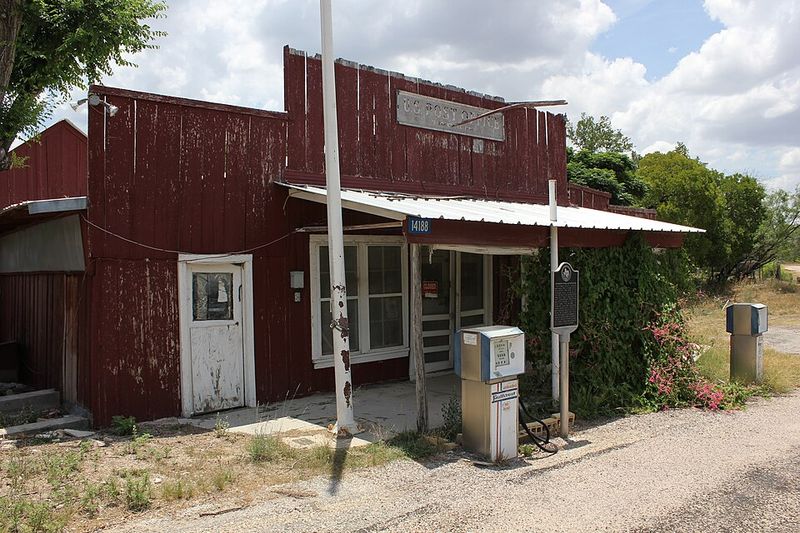
Telegraph earned its name from its historical role as a communication point, though today the irony of such a connected name for such an isolated place isn’t lost on the handful of residents who remain.
This tiny community represents one of the Hill Country’s most obscure settlements, known primarily to historians and the ranching families whose properties surround the few remaining structures.
Old stone buildings still stand here, their construction techniques and materials telling stories of German and Anglo settlers who built to last in an era when permanence mattered more than fashion.
The ranching operations that continue around Telegraph connect directly to the area’s frontier past, with some properties staying in the same families since original settlement days.
There’s no commercial activity to speak of, no reason for outsiders to visit unless they’re researching history or have personal connections to the families who have called this area home for generations.
This complete absence of tourism infrastructure means Telegraph exists purely for its residents, unshaped by outside expectations or economic pressures to present itself in particular ways.
The landscape retains a wild quality despite over a century of human presence, with native vegetation dominating and wildlife moving freely across properties that support sparse human populations.
For the few who know Telegraph exists, it represents the ultimate Hill Country secret, a place so removed from contemporary Texas that it feels like discovering a forgotten chapter of state history.
Locals prefer this obscurity, understanding that their community’s survival depends partly on remaining beneath the notice of those who might see development potential in its authentic frontier character.
Telegraph stands as proof that in Texas’s vast landscape, places still exist where the past isn’t performed or preserved artificially but simply continues quietly, known only to those with reasons to seek it out.
Dear Reader: This page may contain affiliate links which may earn a commission if you click through and make a purchase. Our independent journalism is not influenced by any advertiser or commercial initiative unless it is clearly marked as sponsored content. As travel products change, please be sure to reconfirm all details and stay up to date with current events to ensure a safe and successful trip.
