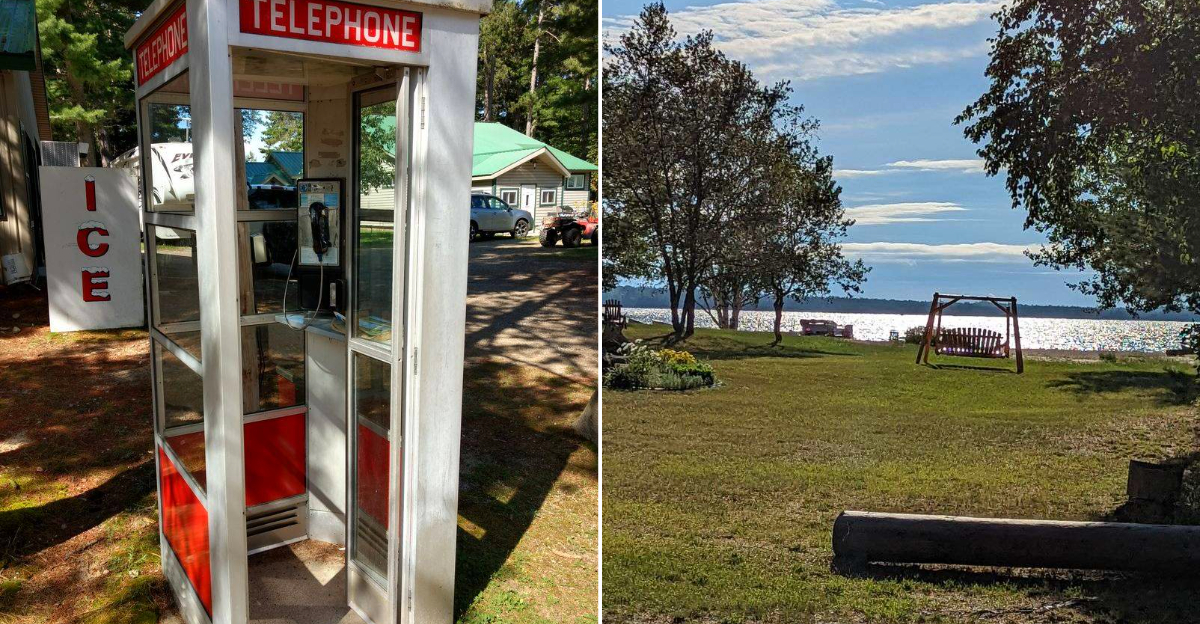
You know that feeling when a place doesn’t announce itself, it just sits there quietly and you can sense the story under your feet?
That is what happened to me in Michigan, standing on open ground where a town used to breathe, and realizing the park’s biggest feature is the gap between what was and what is.
I kept thinking about how quickly human noise fades when the trees decide to take back the stage, and how the wind off the lake does the kind of cleaning no broom could.
There are no clear edges here, no neat beginning or end to point at. Small details start to feel louder than signs or markers ever could.
If you want a tidy wrap up, this place laughs at that, but if you want to feel the pulse of time slowing down, it is right here.
A Lumber Town Once Filled This Shoreline

You start on a sandy track near Deer Park, Michigan, where the lake pushes a soft hush across the old town site, and it feels like someone just stepped out of the frame.
The address you can aim for is Deer Park, 10449 N County Road 407, Newberry, though the heart of it is spread out like a half remembered map.
I kept walking and doing that thing where you glance down expecting boards or brick and instead you find low mounds and shy lines of stone. It is not showy, which makes the story land harder.
Once upon a working shoreline, this was a tight grid of sawdust, steam, and boots, but the present is mostly sky and pine. You can picture the mill facing Lake Superior winds, because that’s the kind of weather that shapes people and timber.
The shoreline hasn’t moved much, but the jobs did, and then the buildings blinked away.
You can still stand where the pier would have been and feel an echo in your jacket.
As a park, it doesn’t try to convince you with replicas or staged corners. It just lets the bones breathe and the lake do the talking.
If you want noise, keep going south to busier Michigan beaches. If you want a day that reminds you what vanishes and what remains, stop here.
Industry Shaped The Land Before Nature Did
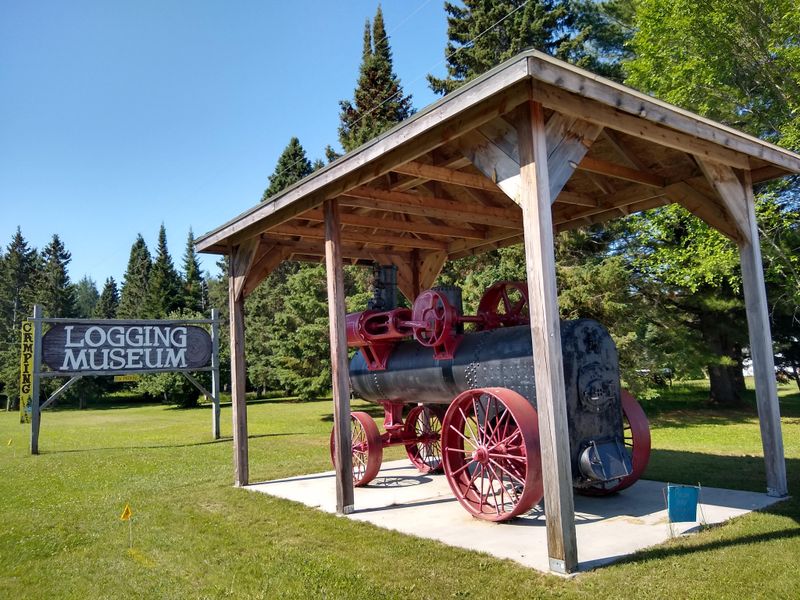
Look at the way the ground sits slightly higher in narrow ribs, almost like old streets holding their breath. Those raised lines tell you mills, sleds, and stacked timber once ruled these flats.
Nature is winning now. It always does, given patience and wind.
I walked past a fading post where an interpretive panel leans into the breeze, and the photos show tough faces and raw piles of logs.
It’s simple to imagine the constant grind, then the sudden quiet when the contracts drifted away.
The lake keeps its same habit of rolling in and rolling out. People are the variable, not the water.
What got me was the geometry, the straight edges softened but not erased.
The forest knows how to use what’s left, and it’s doing the job gently.
Michigan has lots of places like this if you look. But this one wears the change like a loose jacket, comfortable with the gaps.
Life Faded When Logging Ended
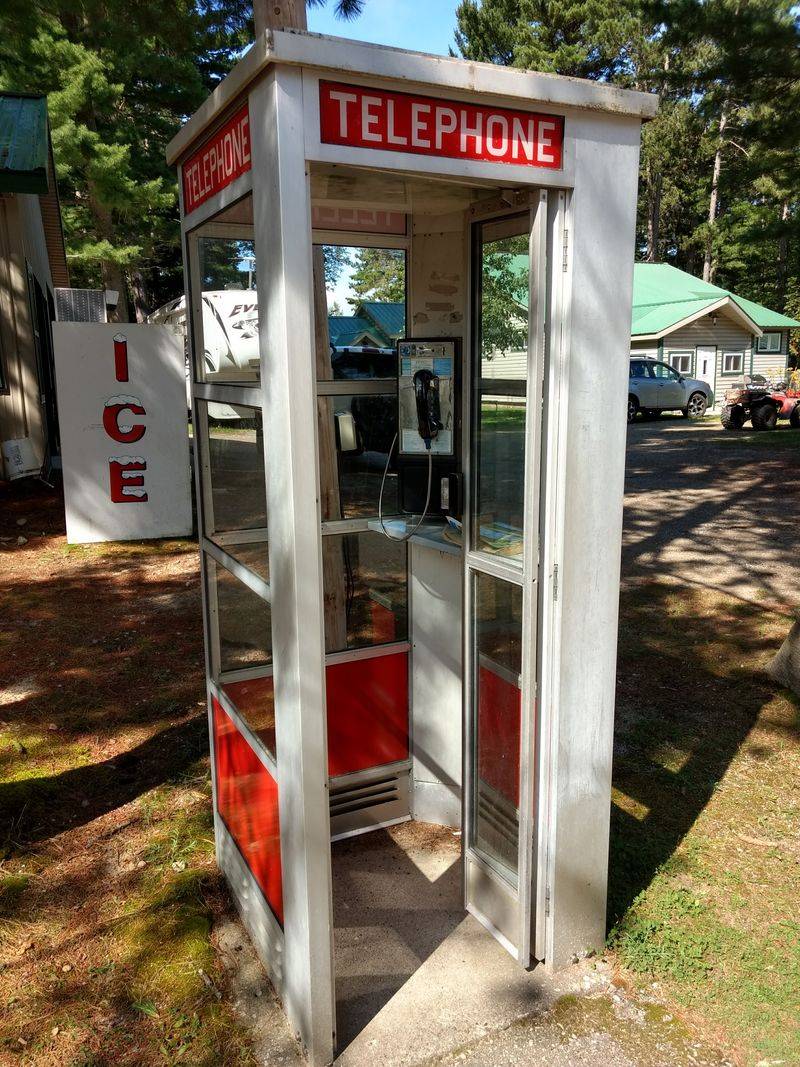
You can stand by the wind-bent grass, and hear how quiet gets loud when livelihoods leave. The lull is almost a character here, hovering between stump fields that healed and houses that didn’t hang on.
Folks packed, payrolls stopped, and routines dissolved into distance.
That story plays out all over Michigan, but the lake turns the volume down to a steady hush.
I try to picture laundry lines, boots by doors, and a steady crunch of sawdust in the lanes. Now there’s only the crunch of sand and a gull cutting a sharp angle.
It’s not sad in a heavy way, more like a shrug the land learned to make. You feel it most at the edges where grass meets old board outlines.
The park lets absence do the guiding, which sounds odd until you try it.
You follow the spaces, and they lead you through the day.
When I left, I kept the window cracked just to hold the quiet a little longer. That stillness rides with you farther than you expect.
Foundations Mark Where Buildings Once Stood
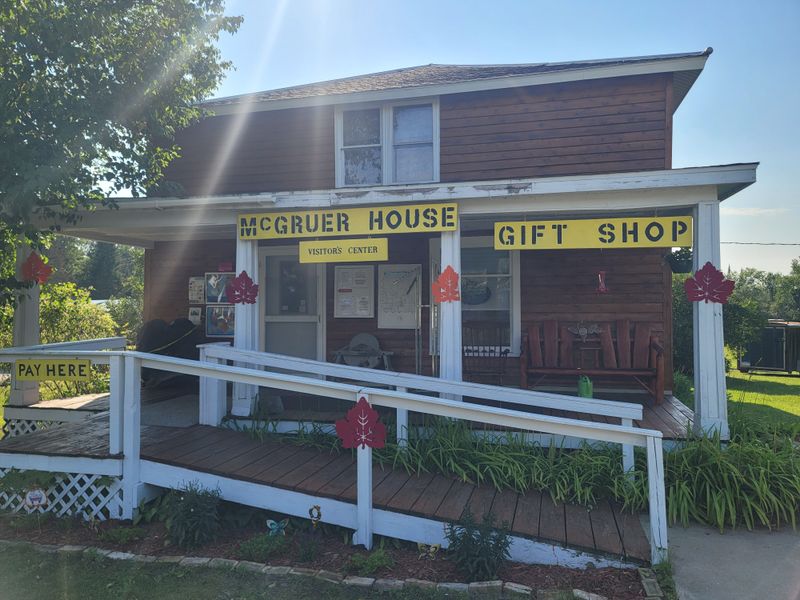
Here’s the part that sneaks up on you, the foundations are low and plain. They sit like shy memories, not trying to prove anything to anyone.
I stepped around a rectangle of stone and tried to place a door and a woodstove in the empty square.
That guessing game turns into a tour if you slow down enough.
Some corners are just suggestions under moss, but your feet find them by feel. It’s like the ground kept a ledger long after the ink ran out.
Michigan winters helped press everything flat. Summers let the green knit the seams back together.
An interpretive sign points out a bunkhouse and a store that existed right here.
The photo shows strong backs and a raw horizon, and the site shows softness taking over.
You don’t need a guide when the outlines make a map. Just walk the shapes and give the hush some time.
When you leave, look back once. The rectangles fade faster than you think.
Lake Michigan Remained While The Town Did Not
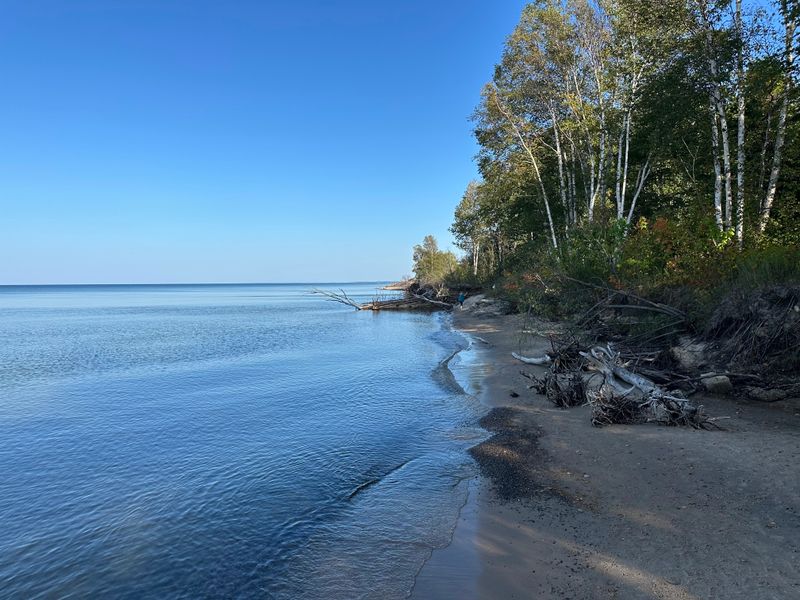
Stand at the edge of the sand and the water just keeps doing its steady work, while the town story turned a page and left a blank line. From Deer Park, you can face the broad blue and feel how permanent a horizon can be.
The buildings? Gone.
The lake? Still here.
I like that kind of blunt math, because it gives the day a clear center. You measure time in waves, not rooftops.
Even the wind seems like an old resident, moving with the same route and routine. The rest of us are visitors, and we earn our silence by listening.
Michigan’s coasts do this everywhere you look, but this spot keeps the scale small and honest.
Nothing polished, just water, sand, and the suggestion of what stood behind you.
Take a quiet minute and look back toward the tree line. The lake keeps your back, and the past keeps its place.
Signs Now Replace Daily Activity
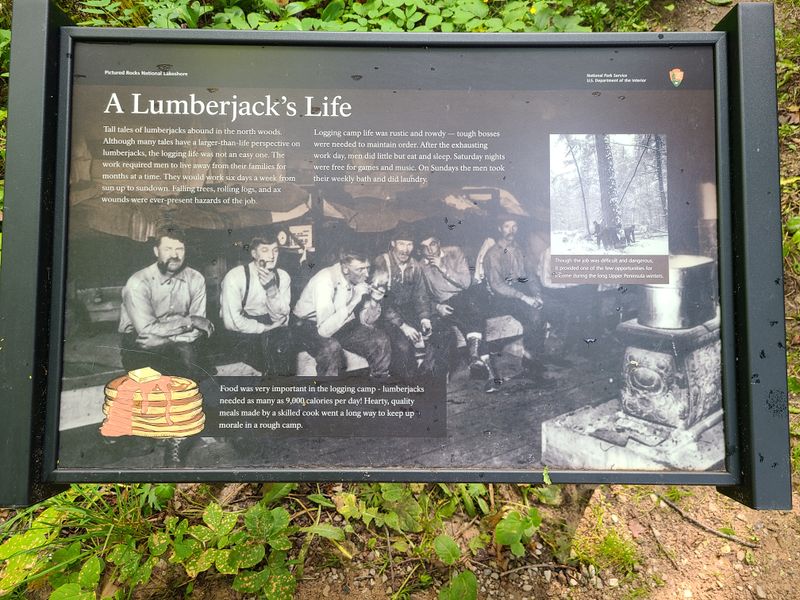
There’s an interpretive sign tucked off County Road, and it does the talking that once happened on porches and mill floors. The photos are grainy, the captions brief, and that’s enough to open the door.
I read the panel and then looked up at the empty ground.
The best part is the moment right after you learn a detail and the land confirms it with a small clue.
A bolt in the dirt, a half buried board, a careful nail head catching light. None of it demands attention, but each piece adds weight to the place.
Michigan history shows up like that, unannounced and steady.
You can trust the signs, but you should trust your own eyes too.
I like how the park keeps the story sparse. It gives you room to breathe and imagine the rest.
Bring patience more than anything. The signs start a conversation you will want to finish slowly.
Absence Becomes The Most Noticeable Feature
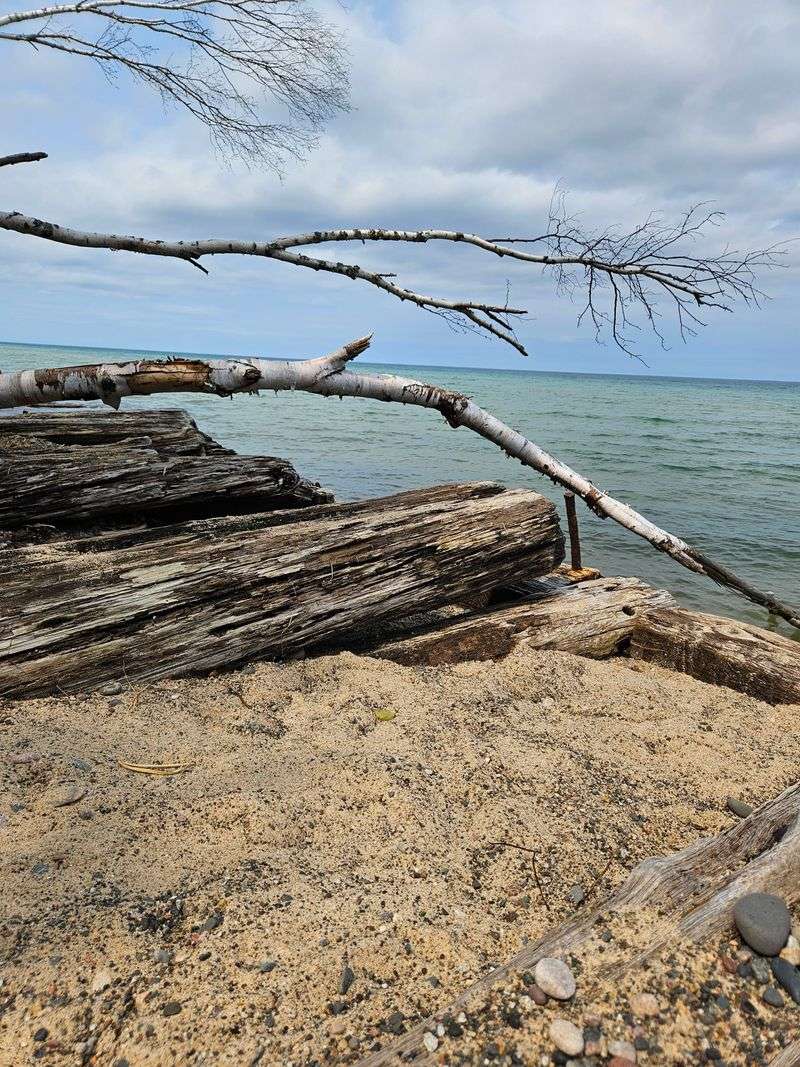
Odd, right, that what you notice most is what isn’t there? The gaps pull your focus like a gentle magnet.
Where a store stood, there’s sky.
Where a row of houses sat tight, there’s a long breath of grass.
I don’t find it gloomy, just honest. Space tells the truth in a plain voice.
When the wind moves through that open patch, it feels like a story exhaling. It’s not dramatic, but it sticks with you.
Michigan landscapes handle absence with a kind of sturdy grace.
This park leans into that and lets the emptiness do the heavy lifting.
Walk the margins, not the center. That is where the echoes hang around the longest.
Visitors Arrive Without Expectations
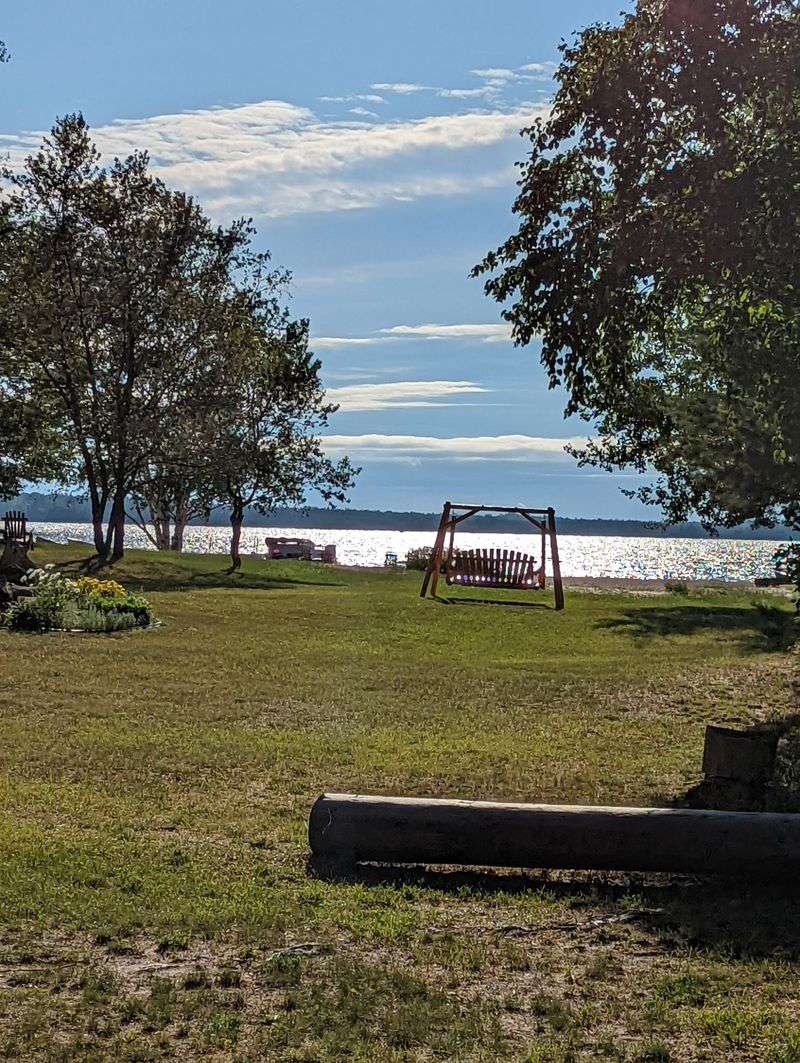
Most people find this place after a slow drive up County Road, and they step out unsure what they’re supposed to see.
That’s the sweet spot, because this park works best when you don’t bring a checklist.
I tell friends to give it a short walk and then a longer pause. Let the lake wind and the scattered lines introduce themselves.
If you bring kids, turn it into a quiet scavenger hunt for textures and shapes. You’ll be surprised what sharp eyes find once the noise in your head fades.
There’s no big reveal, just a steady flow of little confirmations. It feels more like visiting a memory than a monument.
Michigan trips tend to stack up with busy plans, but this stop softens the rhythm.
You leave calmer than you arrived, and that counts for a lot.
When you drive away, keep the windows down a bit. The last of the quiet makes the best kind of souvenir.
