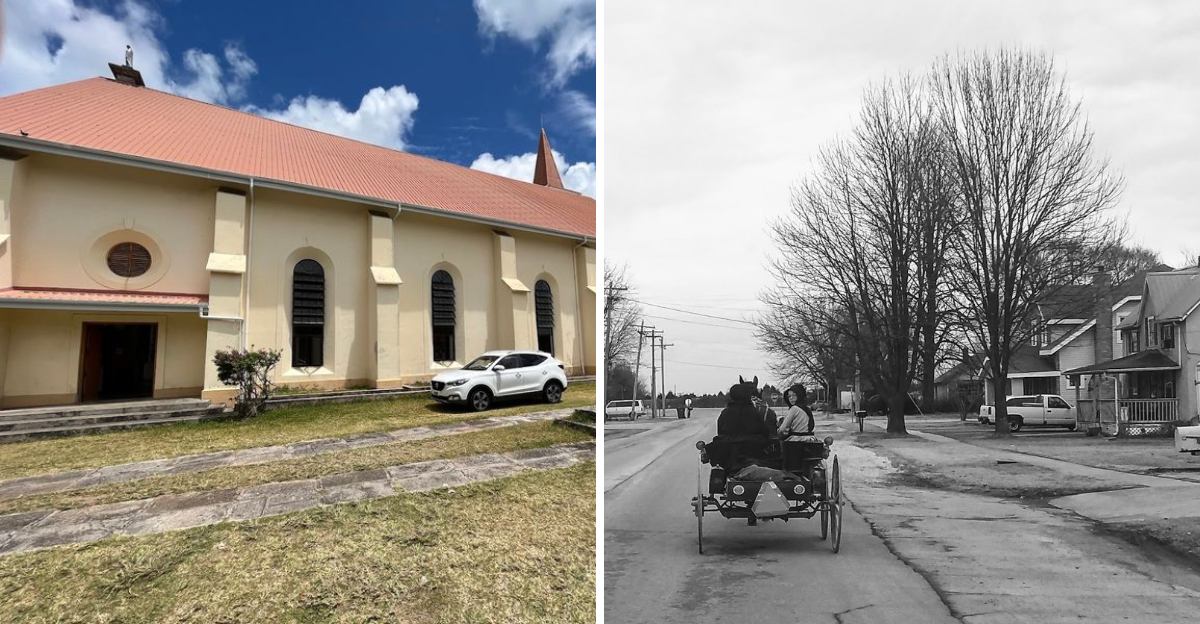
Blink and you might miss it, and that is exactly why this Missouri town feels so different. It sits quietly within the Springfield Metropolitan Statistical Area, home to just under 1,900 people.
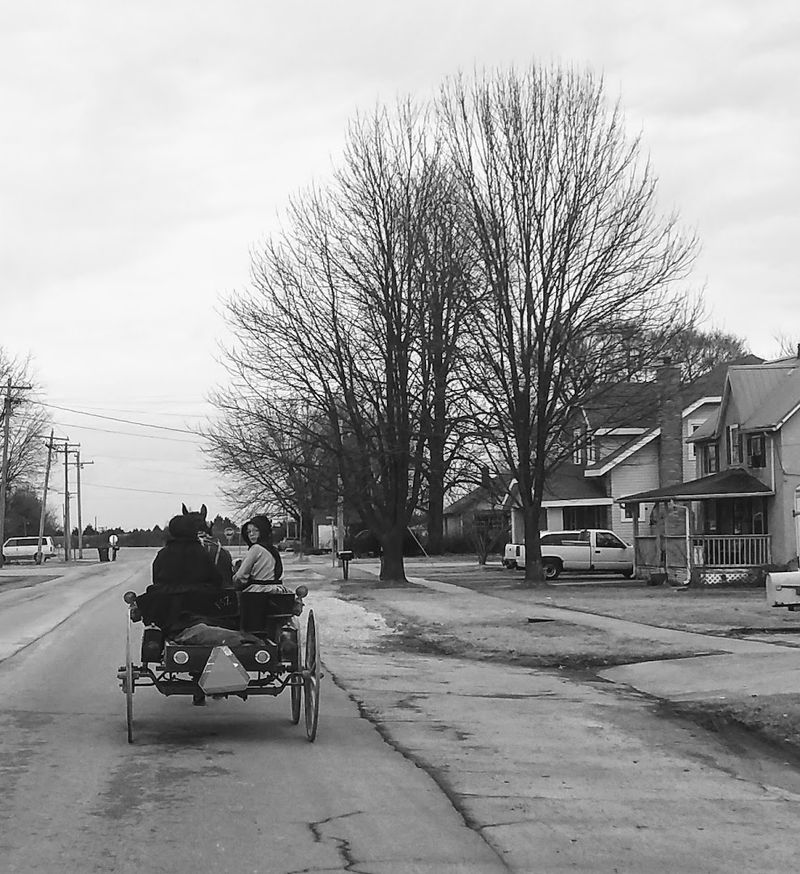
What makes it special is the living, breathing Amish community that shapes its character in a way few Missouri towns can match. Horse-drawn buggies share the road with pickup trucks, hand-stitched quilts hang in shop windows, and the pace of life here feels refreshingly unhurried.
If you have ever wanted to step away from the noise of modern life without booking a flight, this might be exactly what you are looking for.
How Seymour Earned Its Quiet Reputation
Some towns earn their reputation through big events or famous landmarks. Seymour, Missouri built its identity the slow way, through decades of quiet consistency and community pride.
Seymour sits in southeastern Webster County, about 40 miles east of Springfield. Its location puts it within the Springfield Metropolitan Statistical Area, but you would never guess that from the unhurried atmosphere on its main streets.
The town has a population of around 1,841 people, according to the 2020 census. That number has stayed relatively stable over the years, which tells you something important about the people who live here.
They stay. They build.
They invest in their community rather than chasing opportunities elsewhere. That kind of loyalty creates a place with genuine soul.
The town sits along Missouri Route 60, making it accessible without feeling overrun by traffic or tourism. Roads here are clean, the sidewalks are walkable, and the whole place carries a sense of order that feels earned rather than manufactured.
The Amish Community That Defines the Town
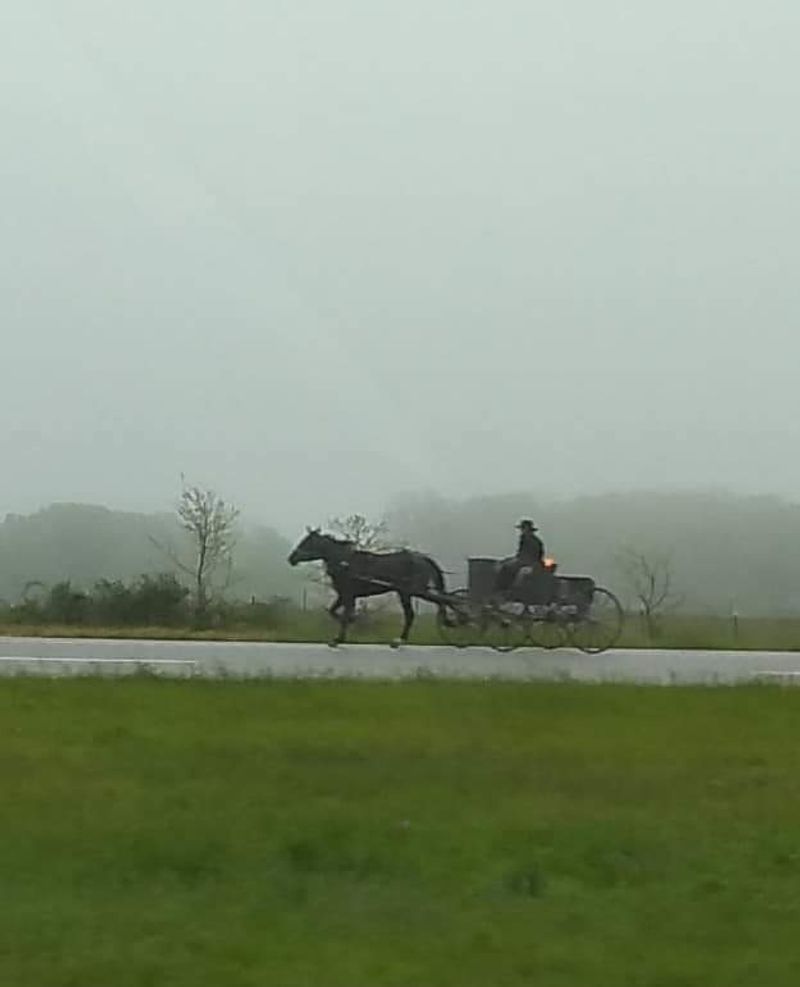
Few things prepare you for the first time you see a horse-drawn buggy rolling calmly down a Missouri road. In Seymour, that sight is completely ordinary, and it never stops being wonderful.
The local Amish community has been part of this region for generations. Their presence shapes everything from the roadside stands to the rhythm of daily life in town.
Amish families here follow traditional Old Order practices, which means no electricity, no motor vehicles, and a deep commitment to handcrafted work. Their farms are immaculate, their produce is fresh, and their woodwork is genuinely impressive.
What strikes you most is how naturally the two worlds coexist. English residents and Amish neighbors have built a relationship of mutual respect over many years.
You will find Amish-run stands along rural roads outside town, selling everything from baked goods to furniture. These are not tourist traps.
They are working businesses run by skilled people.
Unlike some Amish settlements in other states that have become heavily commercialized, Seymour’s community maintains a low-key, authentic character. That authenticity is exactly what makes this place worth visiting and worth understanding.
Walking Through the Heart of Downtown
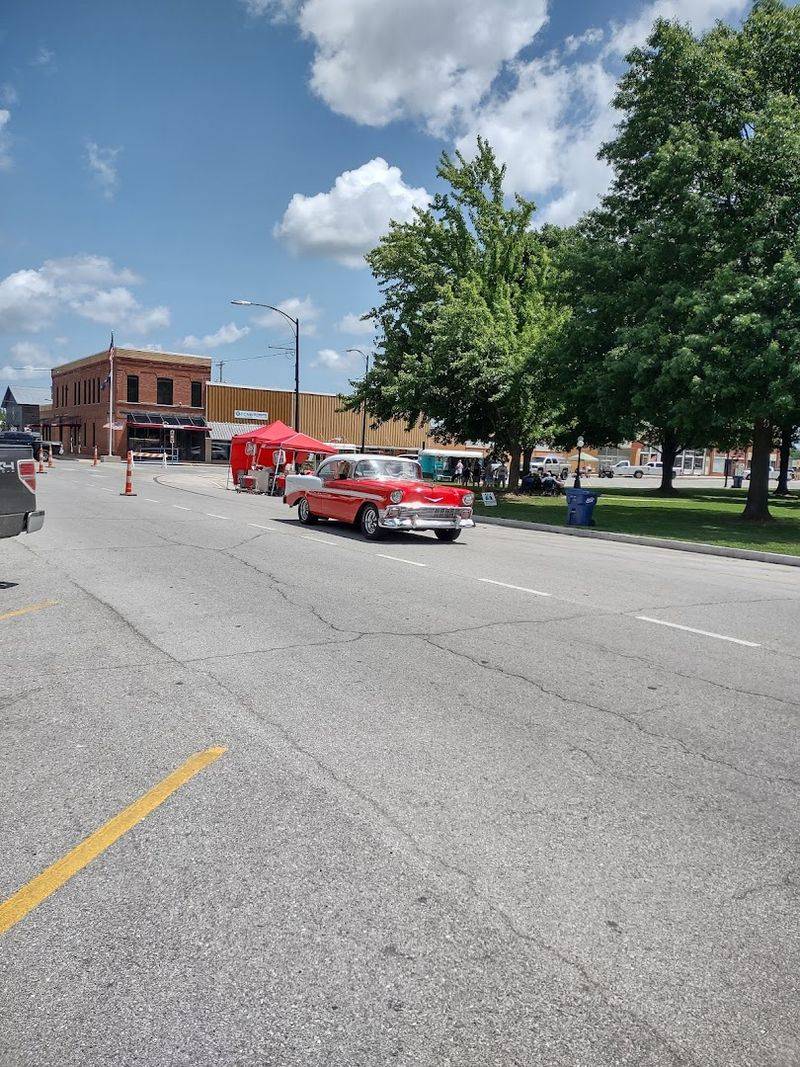
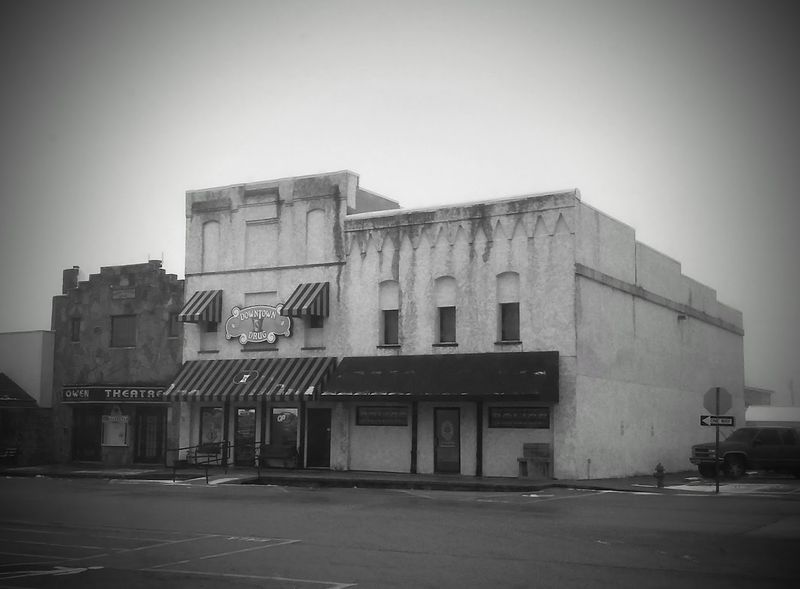
Downtown Seymour is small enough to walk in under twenty minutes, but it rewards a slower pace. Every block has something worth pausing for.
The main commercial strip runs along a few key blocks and features a mix of locally owned shops, a hardware store, a diner, and a few spots that feel like they have barely changed since the 1970s. That is not a criticism.
It is a compliment.
There is a realness here that polished tourist towns often lack. The signage is practical, the storefronts are honest, and the people behind the counters actually know their neighbors.
One of the best things about small downtown areas like this is that you are never just a customer. You are a visitor who gets treated like a person.
The post office, the local bank, and the small park nearby all contribute to a sense of civic pride that feels organic rather than performed. Nobody is putting on a show here.
Towns with similar populations have often lost their downtowns to big-box development along highways. Seymour has managed to hold onto its center, and that makes strolling through it feel like a small, satisfying act of time travel.
The Rhythm of Life on a Working Amish Farm
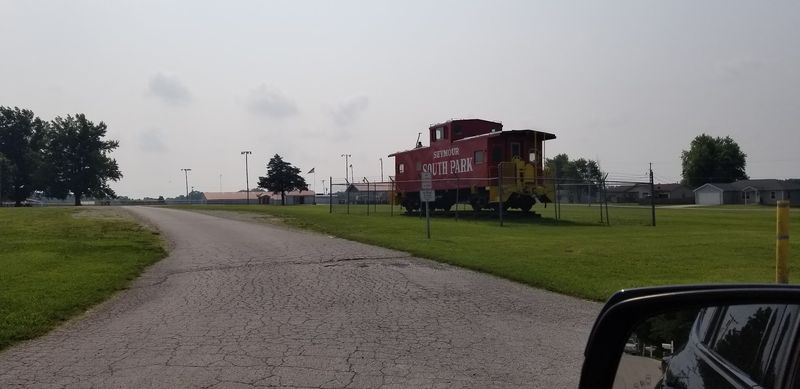
Waking up early takes on a whole new meaning when you are surrounded by working farms. In the countryside around Seymour, the day starts before sunrise and ends when the light runs out.
Amish farms in this area are a study in efficient, purposeful living. Every structure serves a function.
Every plot of land is carefully tended. Nothing is wasted, and nothing is decorative for its own sake.
Fields are plowed with horse-drawn equipment, and the results are surprisingly precise. Watching a team of draft horses work a field is one of those experiences that quietly rewires your understanding of what productivity actually looks like.
Gardens near the farmhouses produce vegetables, herbs, and fruits that end up at roadside stands or on family tables. The food grown here is seasonal, local, and handled with care from seed to table.
Barns in this region are often massive, well-maintained wooden structures that double as community gathering spaces during barn raisings and other shared work events.
Compared to industrial farming operations visible along highways in other states, the scale here feels human. It is agriculture practiced as a way of life rather than a business model, and the difference is visible in every detail.
Handmade Goods Worth Seeking Out
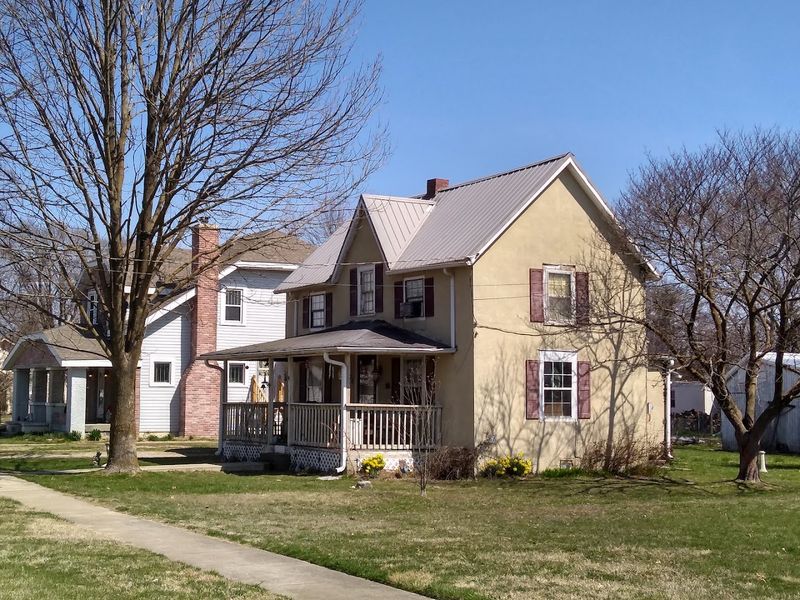
There is something deeply satisfying about holding an object made entirely by hand. In and around Seymour, that experience is available at almost every Amish roadside stand you pass.
Quilts are probably the most iconic item you will find. Amish quilts from this region are made using traditional patterns and hand-stitched with a level of detail that takes weeks or months to complete.
They are functional art pieces.
Wooden furniture is another specialty. Tables, chairs, storage chests, and rocking chairs are crafted from solid hardwoods using joinery techniques that prioritize durability over speed.
These are pieces built to last generations.
You will also find baked goods, jams, pickled vegetables, and handmade candles. Most of these items are priced fairly and reflect genuine labor rather than mass production markups.
Shopping here feels nothing like a mall or an online marketplace. There is no algorithm involved, no overnight shipping, and no return policy printed on a receipt.
What you get is a direct exchange between maker and buyer.
Craft markets in other states often feature mass-produced items dressed up as handmade. What you find around Seymour is the real thing, and experienced shoppers can absolutely tell the difference.
Outdoor Spaces and Natural Surroundings

Seymour sits in the Ozark highlands of southern Missouri, and the natural landscape around it is genuinely beautiful. Rolling hills, dense woodlands, and clear streams define the terrain in every direction.
The Ozarks are known for their rugged topography, and the area around Seymour reflects that character fully. You do not need to drive far to find a gravel road that winds through forest with no other vehicle in sight.
Hiking, fishing, and hunting are popular activities for residents and visitors alike. The region supports white-tailed deer, wild turkey, and various bird species that make birdwatching a surprisingly rewarding pastime here.
Fall is particularly spectacular in this part of Missouri. The hardwood forests turn shades of orange, red, and gold that rival anything you would find in New England, without the crowds or the inflated lodging prices.
Spring brings wildflowers along roadsides and creek banks, and the air carries a freshness that is hard to describe but easy to appreciate after a week in any city.
Outdoor enthusiasts who have spent time in the parks will find the Ozark landscape around Seymour equally rewarding but far less visited, which is part of what makes it so appealing to those who know where to look.
Local Food Culture and Where to Eat Simply
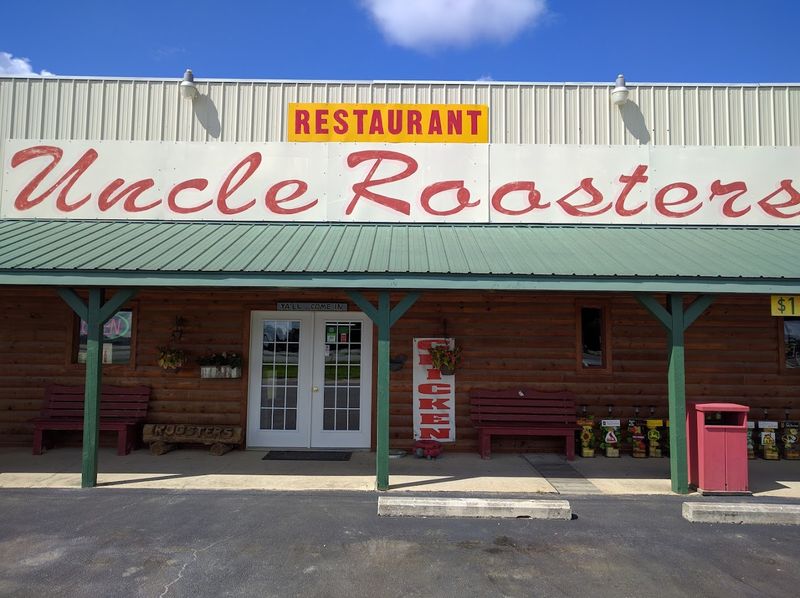
Food in Seymour is not about trends or celebrity chefs. It is about feeding people well with ingredients that come from nearby, prepared without unnecessary fuss.
The local diner scene here leans heavily on Midwestern comfort food. Biscuits and gravy, fried chicken, pork tenderloin sandwiches, and homemade pie are the kinds of dishes you will find on menus around town.
Portions are generous, service is friendly, and the coffee is always hot. These are not places trying to impress you with presentation.
They are trying to make sure you leave full and happy.
Amish-baked goods available at roadside stands add another layer to the local food experience. Fresh bread, cinnamon rolls, and fruit pies made without preservatives taste noticeably different from anything wrapped in plastic at a gas station.
Seasonal produce from local farms also makes its way into kitchens around town. Sweet corn in summer and apple products in fall are particular highlights.
Food culture in towns like this differs sharply from the restaurant scenes in larger cities or urban Missouri hubs. Here, eating is communal and practical.
A meal is not an event. It is a daily act of nourishment shared with people you probably already know by name.
What the Amish One-Room Schoolhouse Represents
Education in the Amish community around Seymour looks nothing like the school systems most people grew up with. And that contrast reveals something genuinely thought-provoking about values and priorities.
Amish children typically attend one-room schoolhouses through the eighth grade. After that, education shifts from classroom learning to practical apprenticeship within the family and community.
These schoolhouses are plain, functional buildings. No computers, no cafeteria, no gymnasium.
What they do have is an emphasis on reading, arithmetic, and the kind of applied knowledge that translates directly into adult responsibilities.
Teachers in Amish schools are often young community members themselves, sometimes only a few years older than their oldest students. The system relies on peer learning and community accountability rather than credentialed professionals.
The philosophy behind this model is that education should prepare children for the actual life they will lead, not a theoretical future. Whether you agree with that approach or not, it is internally consistent and clearly functional.
Public school systems in rural Missouri face constant challenges with funding and enrollment. The Amish school model sidesteps all of that by operating outside the public system entirely, funded and managed by the community it serves.
The Seasonal Calendar and Best Times to Visit

Timing a visit to Seymour well can make a real difference in what you experience. Each season here brings something distinct, and none of them are particularly bad.
Spring is fresh and green, with wildflowers appearing along roadsides and farm stands starting to open after winter. The air is cool in the mornings and warm by afternoon, which makes walking around town especially pleasant.
Summer is warm and humid, as is typical for southern Missouri. Farmers markets and produce stands are at their peak, and the surrounding forests are dense and full.
Early mornings are the best time to explore during summer months.
Fall is the showstopper. The Ozark foliage around Seymour turns brilliantly in October, and the harvest season means Amish stands are stocked with apple butter, pumpkins, dried herbs, and baked goods in abundance.
Winter is quiet and cold, but not without charm. The pace slows even further, and the community turns inward.
Visiting in winter means fewer other visitors, which suits those who prefer solitude.
Getting There and Navigating the Area
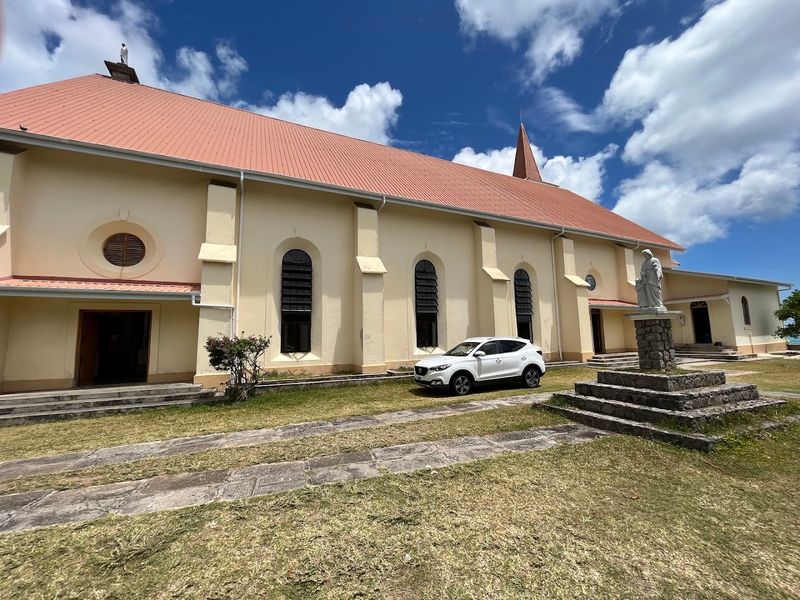
Seymour, Missouri sits along US Route 60, which makes it straightforward to reach from Springfield to the west or from Willow Springs to the east. The drive from Springfield takes roughly 45 minutes under normal conditions.
The town’s address falls within Missouri 65746, and its coordinates place it at approximately 37.15 degrees north latitude and 92.77 degrees west longitude. GPS navigation works reliably here, though cell service can be spotty on some rural roads outside town.
Most visitors arrive by car, and that is really the only practical option. There is no commercial air service nearby, and the regional bus network does not serve Seymour directly.
Once in town, everything is walkable. Parking is free and plentiful, which is a small but genuine pleasure compared to navigating urban areas.
For Amish farms and roadside stands outside the town center, a car is necessary. Many of these are located on gravel county roads that branch off from the main highway.
Community Events and Local Gatherings
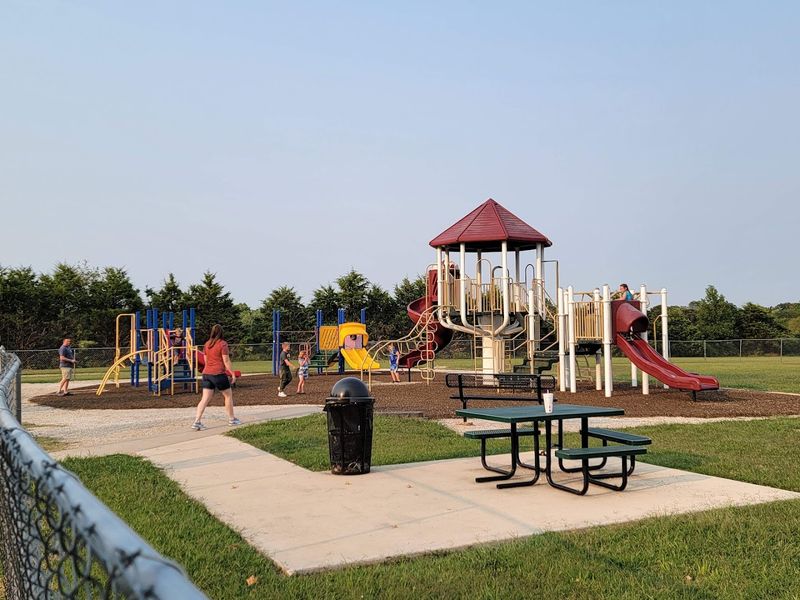
Small towns run on community events, and Seymour is no exception. Throughout the year, the town hosts gatherings that bring residents together and occasionally draw visitors from surrounding areas.
Seasonal festivals tied to harvest and agriculture are a natural fit for a town with such strong farming roots. Fall events in particular celebrate the Ozark harvest season with produce, crafts, and food prepared by local families and vendors.
The Amish community participates in its own set of communal events, including barn raisings, church gatherings, and community work days that are not public spectacles but are part of the social fabric of life here.
Local churches play a central role in community life for both Amish and non-Amish residents. Many town events are organized through or in partnership with congregations, which gives them a grassroots, volunteer-driven character.
School events, sports games, and seasonal parades round out the calendar and give the town a sense of ongoing civic rhythm. These are the kinds of events where everyone knows the participants personally.
Community life in small Missouri towns shares many of these same qualities. But Seymour adds the layer of Amish tradition to its social calendar, which gives local gatherings a character that feels genuinely unlike anywhere else.
Dear Reader: This page may contain affiliate links which may earn a commission if you click through and make a purchase. Our independent journalism is not influenced by any advertiser or commercial initiative unless it is clearly marked as sponsored content. As travel products change, please be sure to reconfirm all details and stay up to date with current events to ensure a safe and successful trip.
