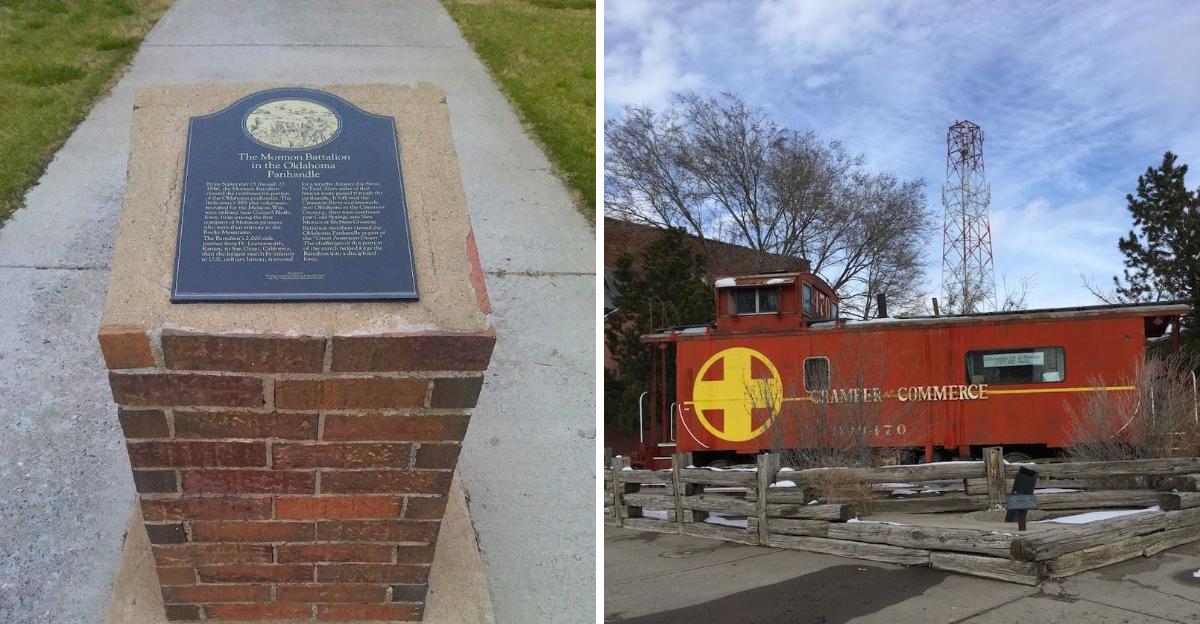
Out on the far edge of the Oklahoma Panhandle, the landscape opens up in a way that almost doesn’t feel real. This town sits near where five states meet, placing you within reach of Colorado, New Mexico, Texas, Kansas, and Oklahoma from one of the most remote corners of the region.
With a population of just over 1,100 people, this tiny county seat of Cimarron County punches well above its weight when it comes to history, scenery, and genuine Wild West character.
From Santa Fe Trail ruts still pressed into the earth to a sky so wide it feels almost cinematic, this is a surprising and rewarding destination for anyone drawn to real American history and wide-open spaces.
Where Five States Meet the Sky
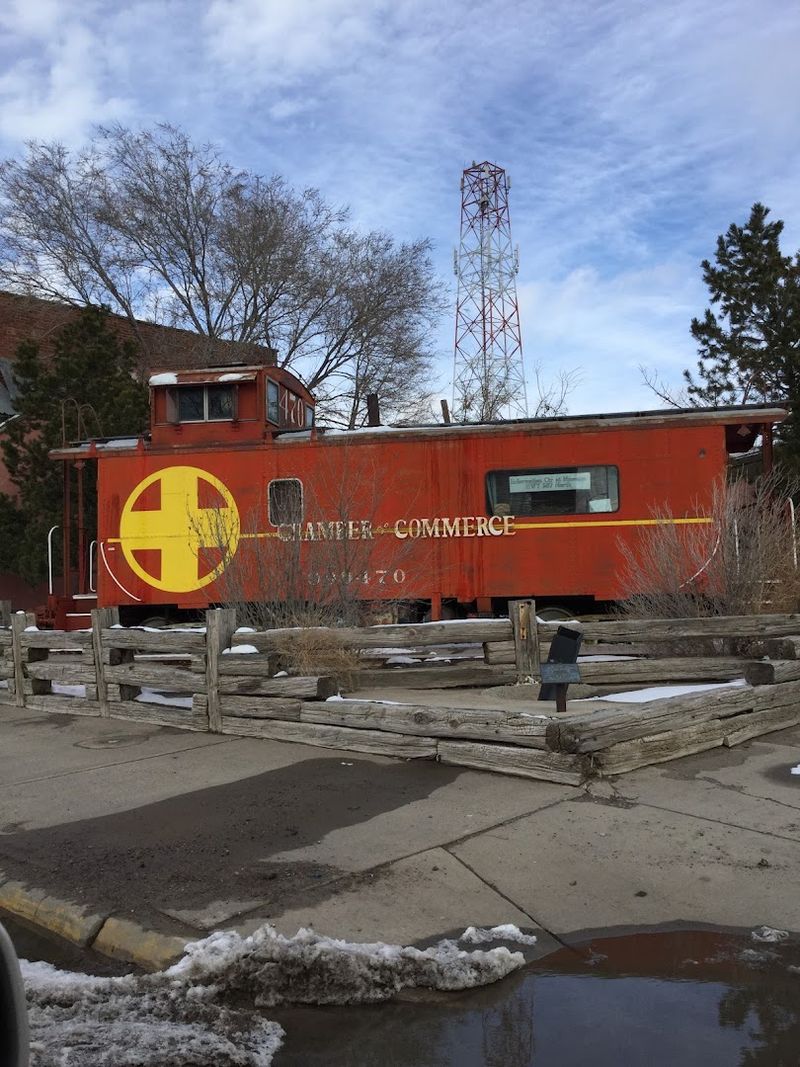
Not many places on earth let you stand in one spot and peer into five different states at the same time. Boise City, Oklahoma makes that possible, thanks to its location in the far western tip of the Oklahoma Panhandle.
The geography here is extraordinary. To the north, Kansas stretches out in a patchwork of golden fields.
Colorado rises to the northwest with distant mesa silhouettes. New Mexico sits to the southwest, and Texas sprawls to the south in classic Lone Star fashion.
This five-state vantage point is not just a party trick. It tells the story of how this corner of Oklahoma was carved out of competing territorial claims and political compromises in the 1800s.
Standing here on a clear morning, with the wind moving through the short-grass prairie and the horizon seemingly endless in every direction, the scale of the American West suddenly makes sense in a deeply personal way.
Few travel experiences offer this kind of raw, unfiltered geography. Boise City sits at the heart of it all, small in population but enormous in perspective.
The Story Behind the Town That Should Not Exist
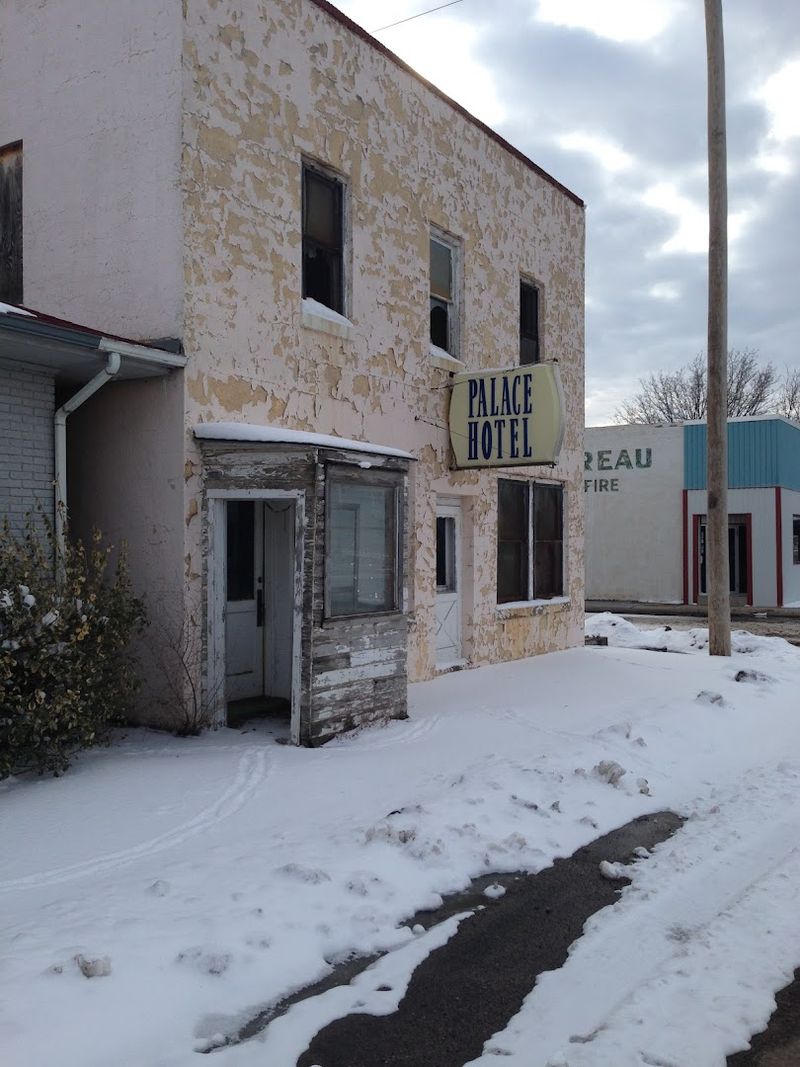
Boise City has one of the most unusual origin stories of any town in Oklahoma. It was essentially sold to settlers through a real estate scheme in 1908, with developers advertising it as a booming city with paved streets and modern amenities.
When buyers arrived, they found empty grassland. The promised city simply did not exist yet.
Rather than pack up and leave, many of those early settlers stayed and built the town themselves, brick by stubborn brick.
That gritty determination became the defining spirit of Boise City. The town grew slowly but steadily, becoming the county seat of Cimarron County, the westernmost and most isolated county in all of Oklahoma.
The early settlers faced brutal conditions, including scorching summers, bitter winters, and the constant challenge of farming in semi-arid land. Their resilience is woven into every corner of the town.
Knowing this backstory makes walking the quiet streets of Boise City feel genuinely meaningful. Every building, every block carries the weight of people who chose to stay and make something real out of nothing.
Santa Fe Trail Ruts Still Visible in the Earth
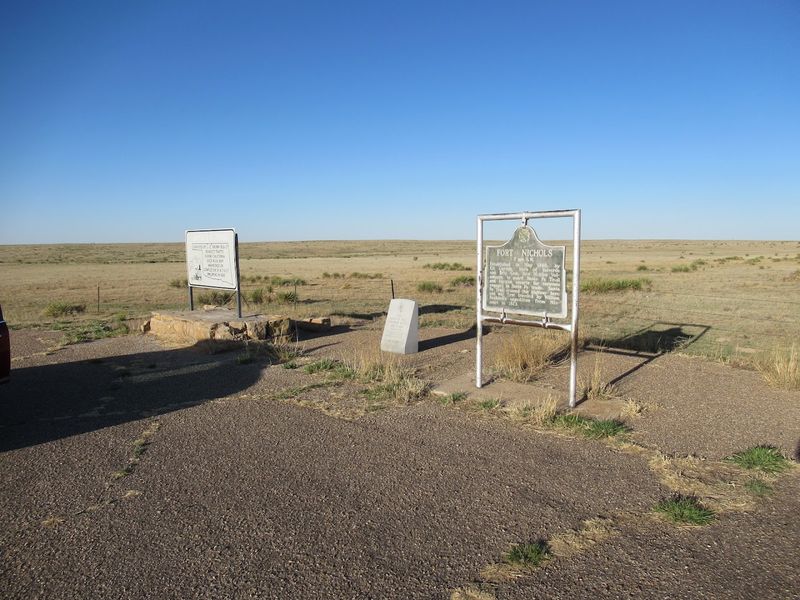
One of the most humbling things about visiting this part of Oklahoma is seeing the Santa Fe Trail ruts that are still pressed into the earth after nearly two centuries. History does not feel distant here.
It feels like it happened last week.
The Santa Fe Trail ran through the Cimarron Cutoff, which passed directly through what is now Cimarron County. Thousands of wagons, mules, and travelers moved through this corridor between the 1820s and the 1870s, heading toward Santa Fe in present-day New Mexico.
Those wagon wheels carved grooves into the land so deep and so frequent that the earth simply never recovered. In places, you can crouch down and run your hand along the shallow channels left by wooden wheels carrying goods, families, and dreams westward.
Several preserved trail sites exist within a short drive of Boise City. The landscape around them looks much the same as it did when traders and pioneers passed through, which makes the experience even more striking.
Standing beside those ruts connects you to a current of American movement and ambition that shaped the entire continent.
Black Mesa: Oklahoma’s Highest Point Within Reach
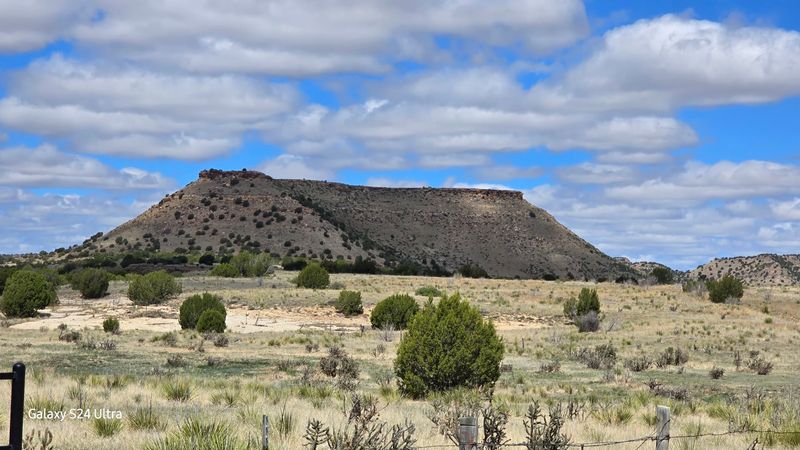
About 30 miles west of Boise City sits Black Mesa, the highest point in all of Oklahoma at 4,973 feet above sea level. Getting there requires a hike across open grassland, but the reward is one of the most dramatic landscapes in the entire state.
The mesa itself is a flat-topped formation of dark basalt lava, left behind by ancient volcanic activity that spilled down from the Jemez Mountains in New Mexico millions of years ago. That volcanic rock gives the mesa its distinctive dark color and its name.
The hike to the summit is roughly 4.2 miles round trip across relatively flat terrain. Along the way, you pass through shortgrass prairie dotted with yucca, prickly pear cactus, and the occasional pronghorn antelope moving swiftly across the plain.
At the top, a granite marker indicates the highest point in Oklahoma. The view from there is staggering, with three states visible and the sky stretching overhead in a vast, uninterrupted arc.
Black Mesa is the kind of place that makes you feel pleasantly small, and that feeling is worth every step of the hike.
The Dust Bowl Left Its Mark Here
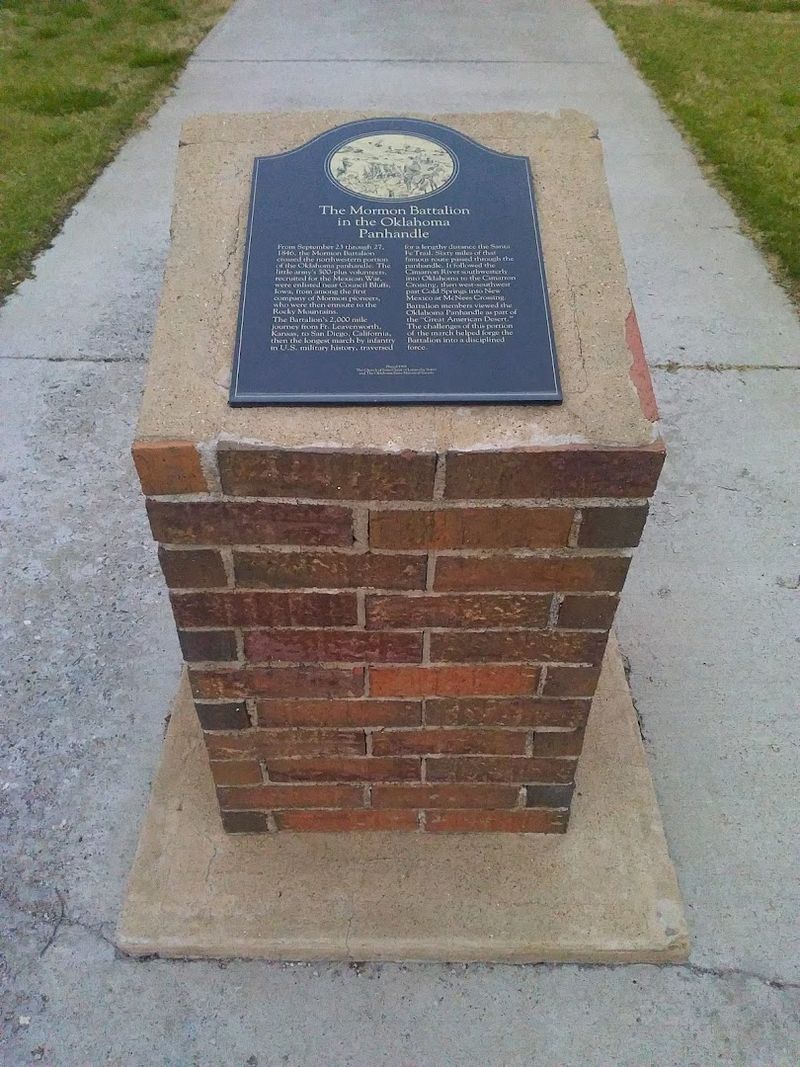
Boise City did not just witness the Dust Bowl. It lived through the worst of it.
During the 1930s, this corner of the Oklahoma Panhandle became ground zero for one of the most catastrophic environmental disasters in American history.
The combination of severe drought, poor farming practices, and relentless wind turned the topsoil into massive rolling clouds of dust called Black Blizzards. These storms were so thick and so tall that they blocked out the sun entirely for hours at a time.
Boise City was actually bombed accidentally by a U.S. Army Air Corps plane in 1943, which makes it one of the only towns in the continental United States to have been bombed during World War II.
A small marker in town commemorates the event with a surprisingly good sense of humor about the whole affair.
The Dust Bowl years emptied farms and broke families across Cimarron County. But the community held together, and understanding that chapter of local history gives Boise City a depth that most small towns simply do not have.
The land itself seems to remember those difficult years, quiet and weathered in a way that feels earned.
Wild West Outlaw Territory Just Outside Town
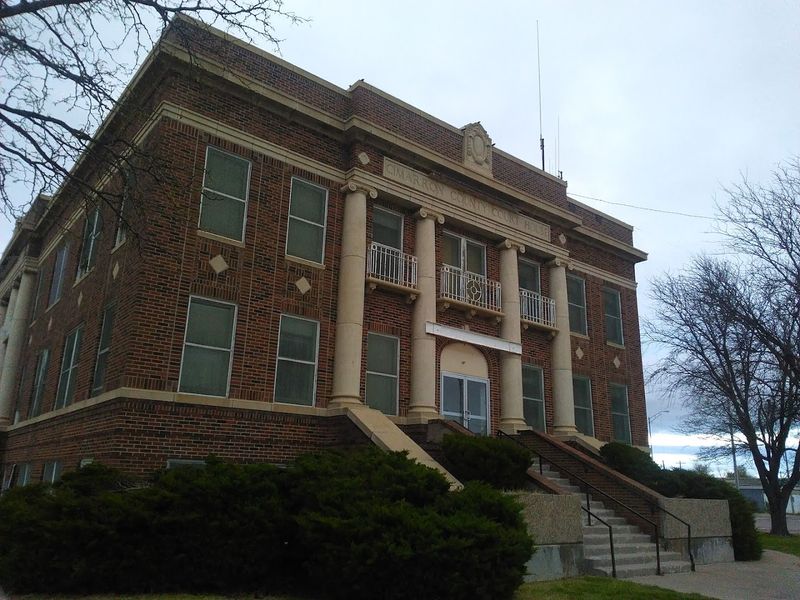
Before Oklahoma was a state, the Panhandle had no official government, no law enforcement, and no legal jurisdiction. For several years in the 1880s, this strip of land was literally called No Man’s Land, and it attracted outlaws, drifters, and people who preferred to live well outside the reach of any authority.
That Wild West reputation was well earned. Cattle rustlers, gunslingers, and fugitives from neighboring territories used the Panhandle as a refuge.
The absence of law made it both a dangerous and oddly free place to exist.
Boise City sits in the heart of that former outlaw corridor. Walking through the town square, it is easy to imagine what this landscape looked like when the only rule was the one you enforced yourself.
The Cimarron Heritage Center in Boise City does an excellent job of documenting this period. Exhibits cover the transition from No Man’s Land to organized territory, and the artifacts on display are genuinely fascinating for anyone interested in frontier history.
Few places in the American West carry that outlaw legacy as authentically as this quiet, unassuming corner of Oklahoma.
The Cimarron Heritage Center Is Worth Your Time
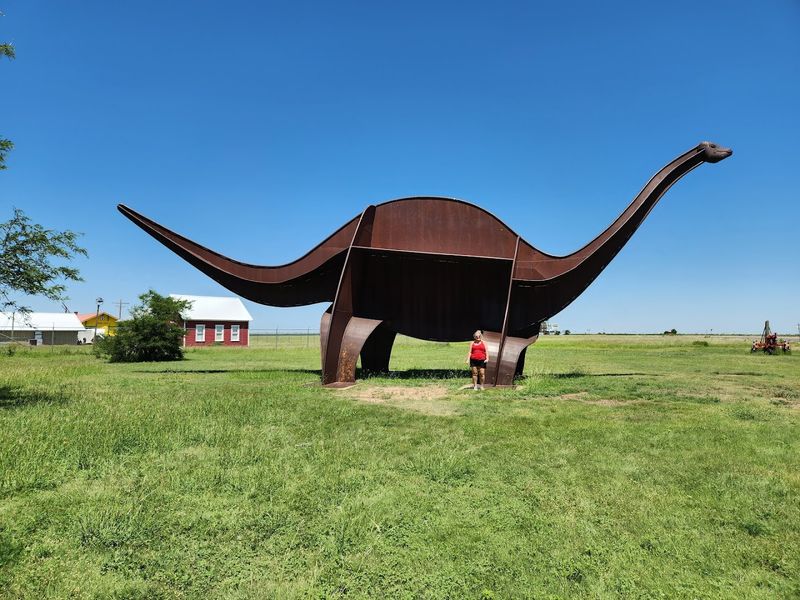
The Cimarron Heritage Center on U.S. Route 56 in Boise City, Oklahoma 73933 is a surprisingly rich local museum that covers everything from dinosaur fossils to Dust Bowl photographs to pioneer artifacts.
For a small-town institution, it packs a serious historical punch.
The museum is organized around the major chapters of Cimarron County history, moving from prehistoric life through the Native American presence, the Santa Fe Trail era, the No Man’s Land period, and into the 20th century.
One of the standout exhibits focuses on the paleontology of the region. Dinosaur tracks and fossils have been found throughout Cimarron County, and the museum presents those discoveries in an accessible and engaging way.
The Dust Bowl section is particularly moving, with period photographs, personal accounts, and everyday objects from families who weathered those brutal years on the plains. The weight of that era comes through clearly in every artifact.
Plan to spend at least an hour inside, and do not skip the outdoor exhibits, which include historic farm equipment and structures that give the collection even more texture and context.
A Sky Like Nowhere Else in Oklahoma
One of the most underrated reasons to visit Boise City is the sky. With almost no light pollution for miles in any direction, the night sky above the Oklahoma Panhandle is genuinely extraordinary, the kind of sky that makes city dwellers stop and stare with their mouths open.
On a clear night, the Milky Way stretches from one horizon to the other in a thick, glittering band that feels almost too vivid to be real. Stars that are invisible from most American cities blaze overhead in their thousands.
The daytime sky is equally impressive, in a completely different way. The flat terrain means the sky occupies the majority of your visual field at all times, and the cloud formations that build and shift across the Panhandle are some of the most dramatic I have ever seen anywhere.
Thunderstorms rolling in from the west in the afternoon are a particular spectacle, with towering cumulonimbus clouds building like slow-motion mountains on the horizon. Watching that kind of weather from open ground is genuinely thrilling.
The sky above Boise City is a destination in itself, and it costs absolutely nothing to look up and let it take your breath away.
Tips for Making the Most of Your Visit
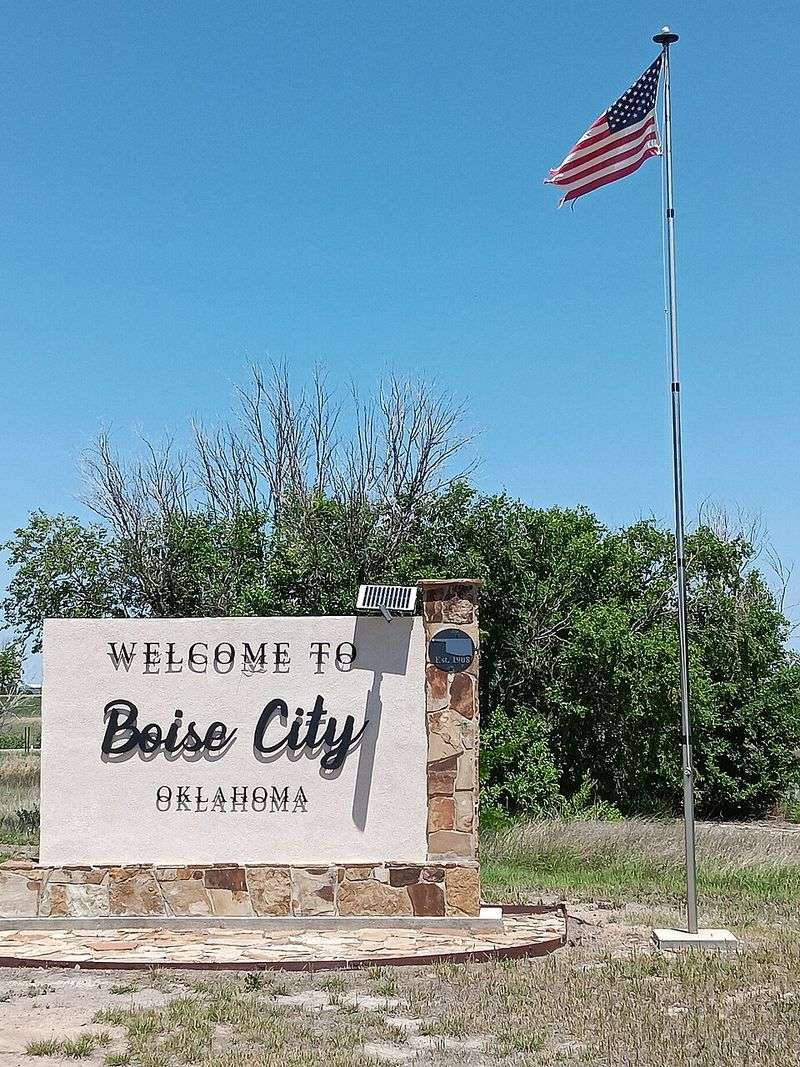
Getting to Boise City requires some planning, since it is one of the most remote county seats in the entire state of Oklahoma. The nearest larger city is Guymon, about 90 miles to the east, so arriving with a full tank of fuel and some food is a genuinely smart move.
The best time to visit is late spring or early fall, when temperatures are comfortable and the light is at its most beautiful. Summer can bring intense heat and afternoon thunderstorms, while winter occasionally delivers sharp cold and strong winds across the open plains.
Accommodation options in Boise City are limited but functional. A small motel in town provides a comfortable base for exploring the surrounding area over one or two nights, which is the ideal amount of time to cover the key sites.
Start early each day to make the most of the morning light, especially if you plan to hike Black Mesa. The trailhead is about 30 miles from town, and the early hours offer the best wildlife sightings and the most comfortable hiking temperatures.
Boise City rewards slow, curious travelers who are willing to look closely and let the landscape speak for itself at its own unhurried pace.
Dear Reader: This page may contain affiliate links which may earn a commission if you click through and make a purchase. Our independent journalism is not influenced by any advertiser or commercial initiative unless it is clearly marked as sponsored content. As travel products change, please be sure to reconfirm all details and stay up to date with current events to ensure a safe and successful trip.
