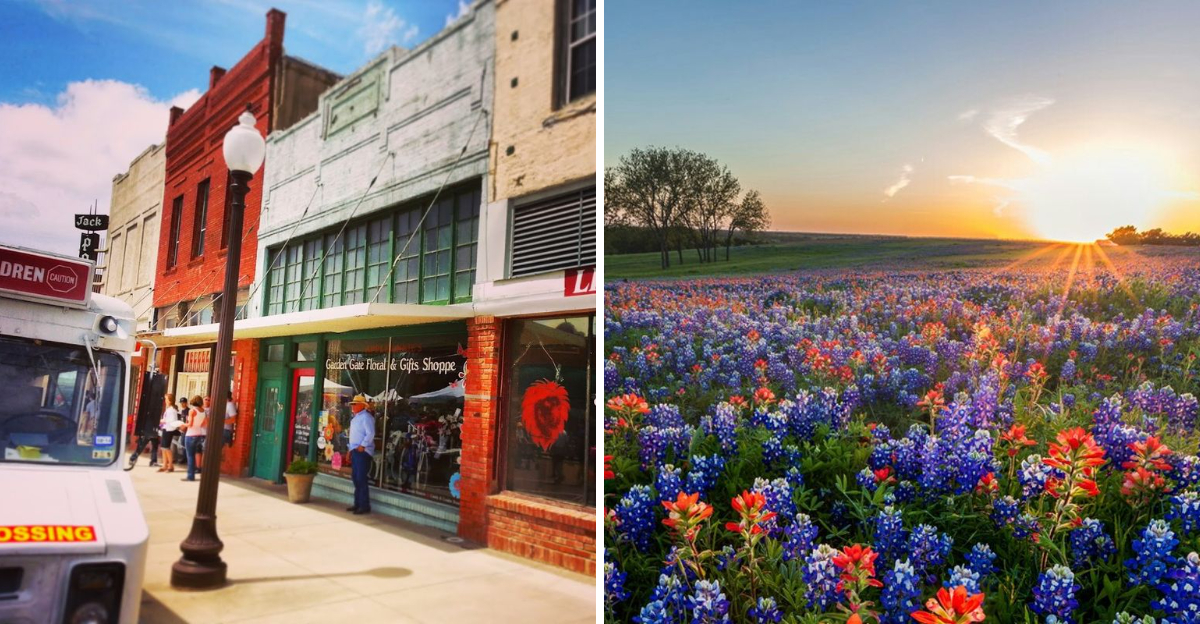
Spring does something special to this town, and it does not stay subtle about it.
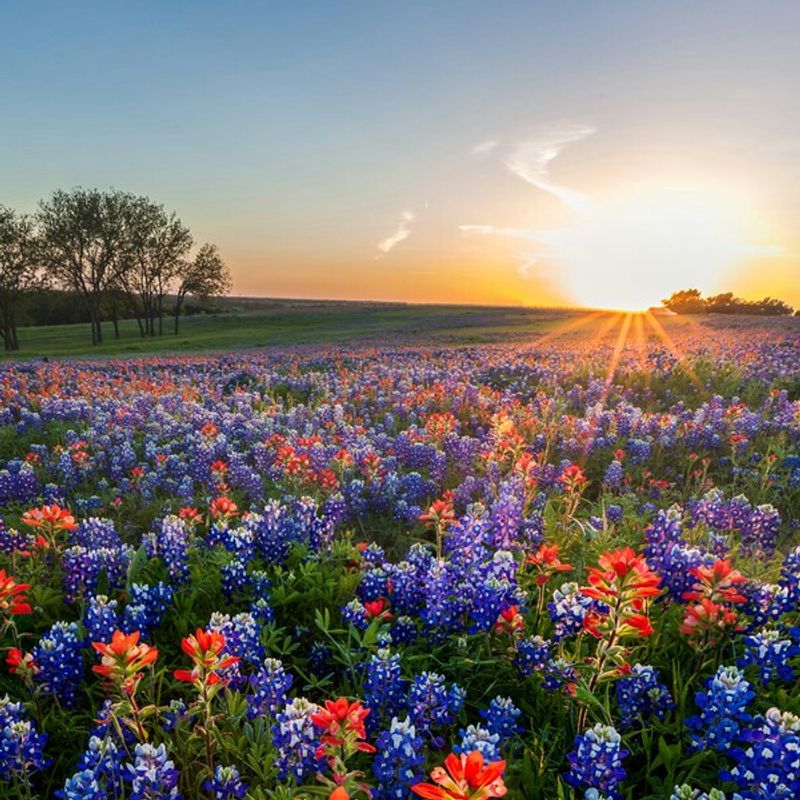
Bluebonnets take over the landscape, spreading across open fields and lining the roads like they planned it. What would normally be a quiet drive turns into something you actually want to slow down for.
People show up for the color, but end up staying for the atmosphere. Texas wildflower season hits differently here, and once you see it, it is easy to understand why it draws a crowd every year.
The Official Bluebonnet City of Texas
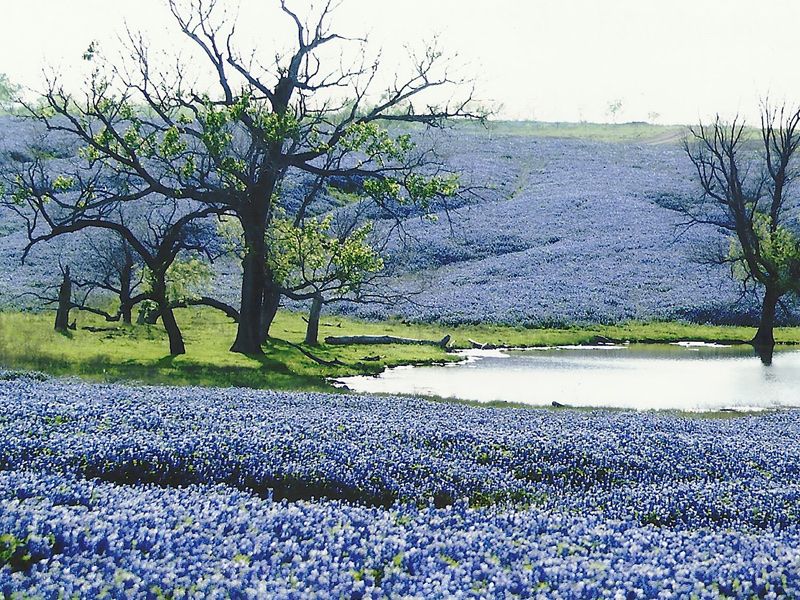
Ennis did not stumble into its fame accidentally. The Texas Legislature officially designated Ennis as the Bluebonnet City of Texas in 1997, a title that locals wear with quiet, genuine pride.
The designation was not just ceremonial either. It came with a real commitment to preserving and celebrating the natural bloom that transforms this corner of Ellis County every spring.
The bluebonnet is the state flower of Texas, and Ennis happens to sit in one of the most fertile corridors for its growth. The dark, clay-heavy Blackland Prairie soil here is almost perfectly suited for the plant.
Rainfall patterns and temperature swings in this part of North Texas create ideal conditions for a reliable, abundant bloom year after year.
What makes the designation feel earned is the community effort behind it. Local organizations, city officials, and volunteers all work together to maintain the trails and update visitors on bloom conditions.
It is not a passive honor. The town actively nurtures its relationship with these flowers, and that care shows every single April when the landscape transforms into something genuinely breathtaking.
The 40-Mile Bluebonnet Driving Trails
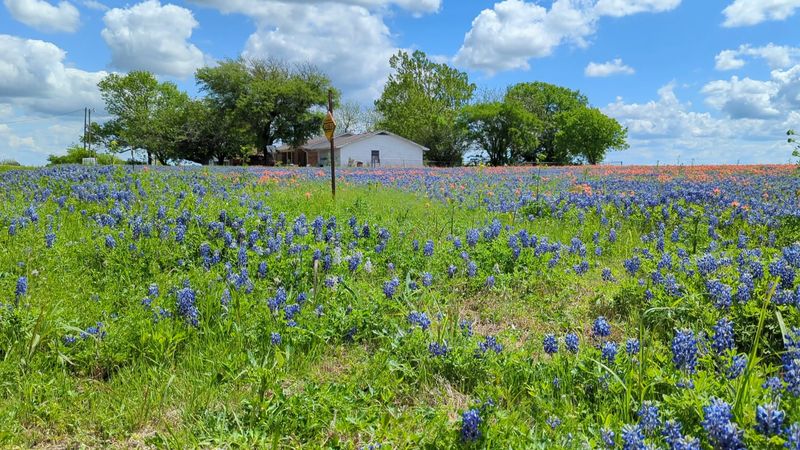
The best way to experience the bluebonnets in Ennis is behind the wheel, and the town has made that incredibly easy. Over 40 miles of mapped driving trails wind through the countryside surrounding Ennis, guiding visitors past the densest and most photogenic bluebonnet patches.
The trails run from April 1 through April 30, with peak bloom typically landing around the third week of the month.
Trail maps are available at the Ennis Welcome Center, located at 201 NW Main Street. The staff there updates visitors regularly on which sections of the trail are showing the strongest color, so you are not guessing.
I appreciated how organized the whole system felt, more like a curated experience than a casual drive.
The roads themselves are quiet and rural, passing farms, wooden fences, and open fields that feel genuinely unhurried. You set your own pace, stop wherever the view calls to you, and spend as much time as you want just soaking it in.
Some stretches feel almost impossibly beautiful, with bluebonnets pressing right up to the edge of the asphalt on both sides. Bring a camera and plan to use it constantly.
The Ennis Bluebonnet Trails Festival
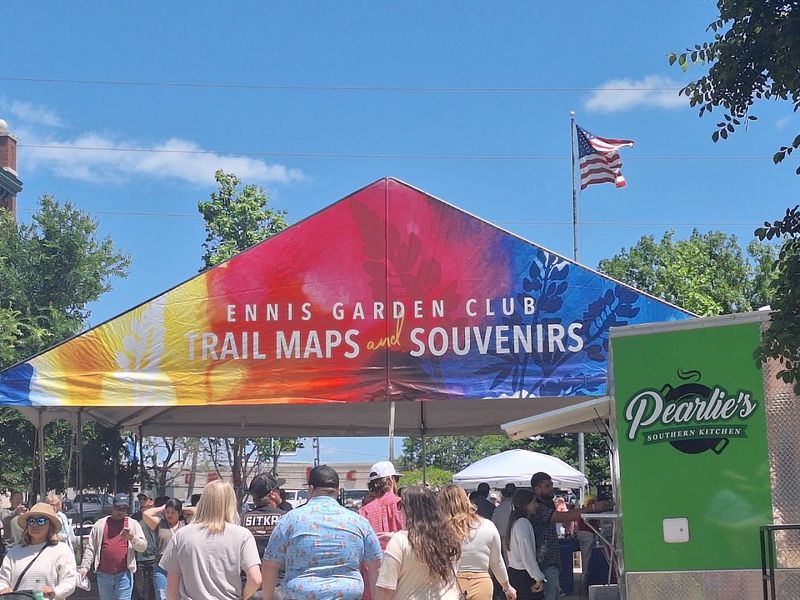
Every April, downtown Ennis fills up with something more than just flowers. The Ennis Bluebonnet Trails Festival turns the bluebonnet season into a full community celebration that draws visitors from across Texas and beyond.
The 2026 festival is scheduled for April 17 through 19, held right in the heart of downtown over three lively days.
Live music anchors the event, with performances spread across the weekend creating a constant, energetic backdrop to everything else going on.
Food vendors line the streets offering everything from classic Texas barbecue to festival favorites, and local artisans and shops set up booths that make it easy to find something worth taking home.
What strikes you most about the festival is how genuinely local it feels. This is not a manufactured tourist event.
Families from Ennis and neighboring towns show up, kids run around on the grass, and there is a warmth to the crowd that you do not always find at larger events. Admission is affordable for adults, and children 12 and under get in free.
It is the kind of weekend that reminds you small-town Texas still knows how to throw a party worth attending.
The Ennis Welcome Center
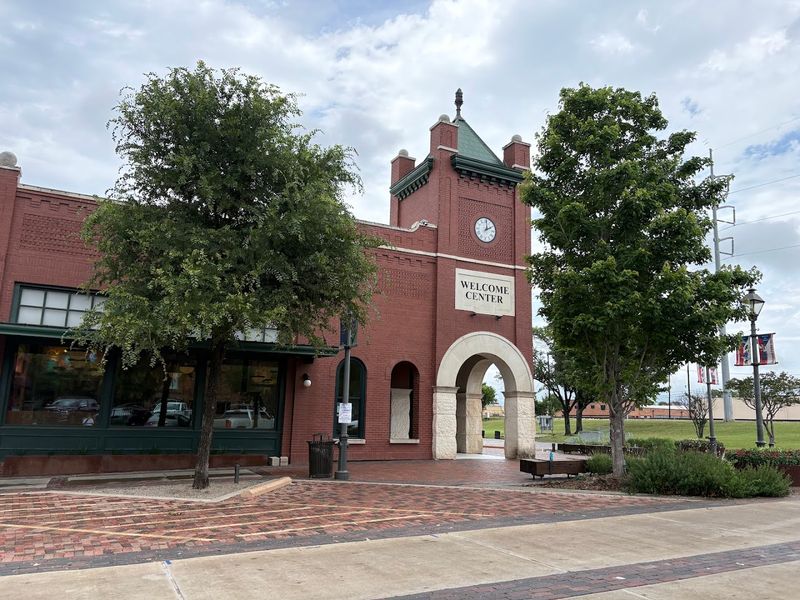
Before you head out onto the trails, a stop at the Ennis Welcome Center is genuinely worth your time. Located at 201 NW Main Street, this visitor hub becomes the nerve center of bluebonnet season every April.
The staff here tracks bloom conditions weekly and can point you toward the most vibrant stretches of trail on any given day, which makes a real difference when you only have a few hours to explore.
Trail maps are free and available at the front desk. The center also carries information on local restaurants, accommodations, and other attractions in the area, so you can plan your whole visit in one stop.
During April, the hours extend to accommodate the influx of visitors, running Monday through Friday from 8 am to 6 pm, Saturday from 9 am to 5 pm, and Sunday from 11 am to 4 pm, though it is closed on Easter Sunday.
The staff there genuinely seemed happy to talk about the flowers and the town. There is no rush, no scripted pitch.
Just real, helpful people who want your visit to go well. That kind of hospitality is part of what makes Ennis feel different from bigger, more tourist-heavy destinations.
Kachina Prairie: A Slice of Native Texas
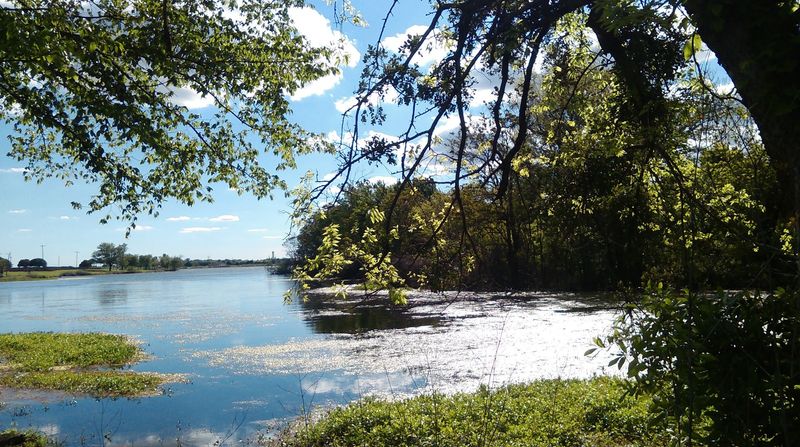
Not far from the main driving trails, Kachina Prairie offers something a little different from the roadside scenery. This 30-acre remnant of native Blackland Prairie is one of the few places in the region where you can see the original Texas landscape in something close to its natural state.
The Blackland Prairie once stretched across millions of acres of Central Texas, but most of it has been converted to farmland over the past century.
Kachina Prairie preserves a rare piece of that ecosystem, complete with native grasses, wildflowers, and the kind of quiet that feels increasingly hard to find. In spring, bluebonnets mix with other native species across the open ground, creating a patchwork of color that looks nothing like a manicured garden.
It feels wild in the best possible way.
The prairie is a good spot for slower exploration, ideal if you want to get out of the car and actually walk through the landscape rather than just photograph it from the road. Birdwatchers tend to love it here, since native prairies attract species you would not find in more developed areas.
It is a small but genuinely special corner of Ennis that rewards anyone curious enough to seek it out.
Lake Bardwell: Water, Trails, and Open Sky
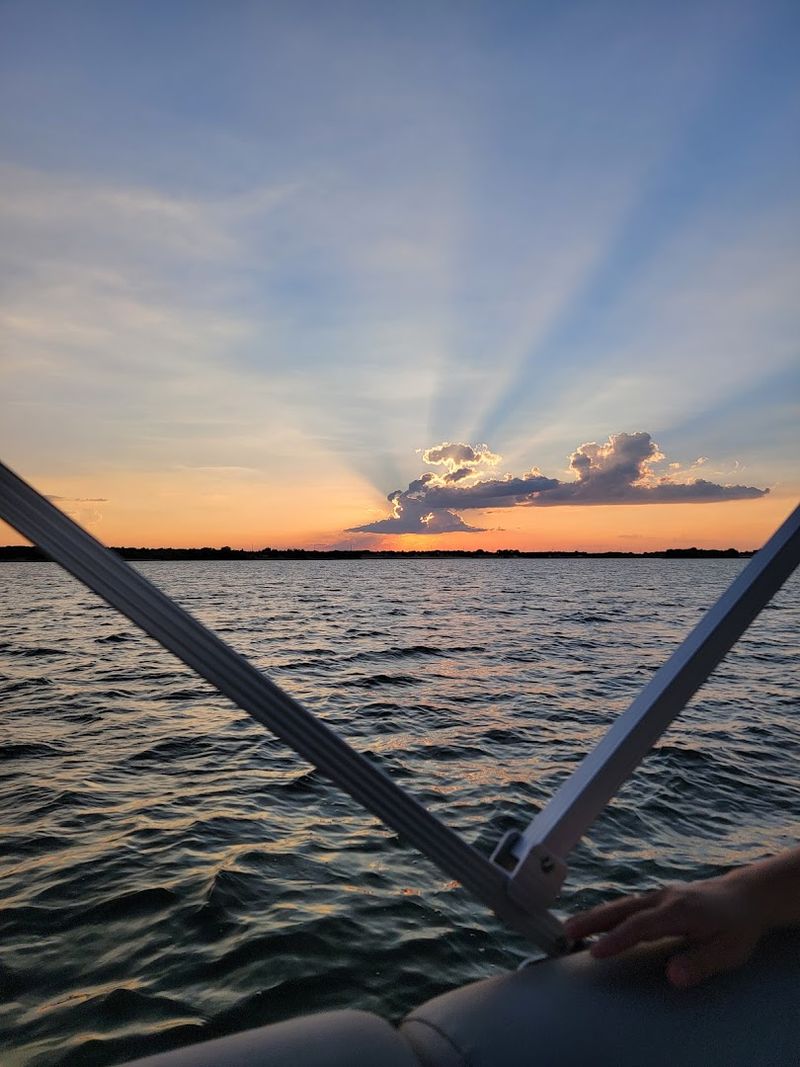
After spending a morning surrounded by bluebonnets, Lake Bardwell offers a natural next chapter to the day. This Army Corps of Engineers reservoir sits just outside Ennis and provides a completely different kind of outdoor experience.
The lake covers around 3,570 acres and is surrounded by parks and open land that invite you to slow down and stay a while.
Fishing is one of the main draws here, with bass, catfish, and crappie all present in the water. Boating is popular on weekends, and the shoreline trails give hikers a scenic loop with open views across the water.
I found the combination of the lake and the surrounding green landscape genuinely refreshing after the sensory overload of the flower trails.
There are camping facilities near the lake as well, which makes Lake Bardwell a solid option for visitors who want to extend their trip beyond a single day. Waking up near the water in spring, with the bluebonnet fields just a short drive away, is a pretty hard combination to beat.
It rounds out the Ennis experience in a way that feels natural rather than forced, adding depth to what might otherwise be a purely floral-focused visit.
Ennis Railroad and Cultural Heritage Museum
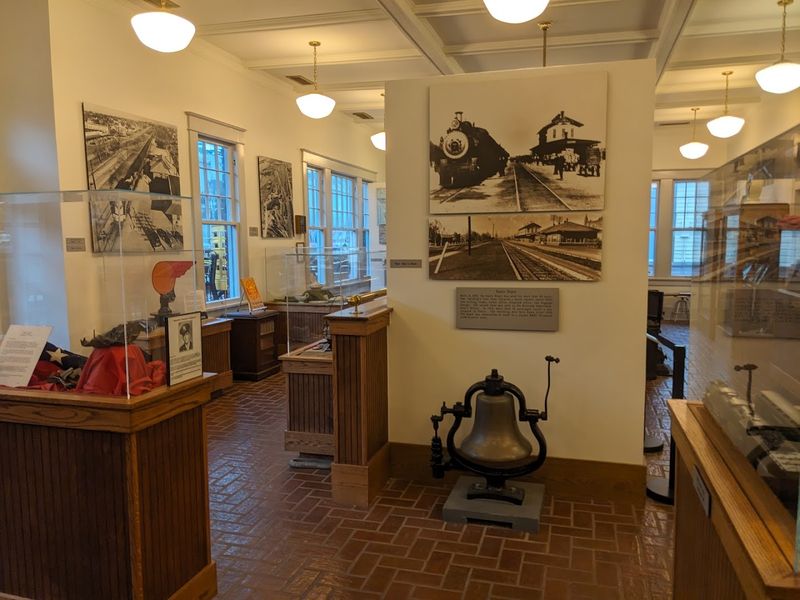
Ennis has more history than most people realize, and the Ennis Railroad and Cultural Heritage Museum is where a lot of that story lives.
The railroad played a defining role in the town’s development, and this museum preserves that legacy with exhibits that cover both the mechanical history of rail travel and the broader cultural fabric of the community.
The collection includes artifacts, photographs, and displays that trace Ennis from its early days as a railroad hub through its evolution into the town it is today.
For anyone interested in Texas history, it offers a genuinely engaging look at how small towns were shaped by the expansion of rail networks across the state in the 19th and early 20th centuries.
What I liked about the museum is that it does not try to compete with the bluebonnets. It simply offers a different kind of connection to Ennis, one rooted in people and industry rather than nature.
Visiting it gave me a stronger sense of the town’s character and made the whole trip feel more layered. It is a worthwhile stop, especially if you are the kind of traveler who wants to understand a place rather than just pass through it.
Best Times to Visit for Peak Bloom

Timing a trip to Ennis around the bluebonnet bloom is part science, part luck. The flowers typically peak around the third week of April, but weather plays a significant role in shifting that window earlier or later in any given year.
A wet winter followed by mild spring temperatures tends to produce the most dramatic displays. A dry spell or an early heat wave can shorten the season noticeably.
The Ennis Garden Club monitors bloom conditions throughout the month and provides weekly updates to the Welcome Center. Checking in before you drive down is a smart move, especially if you are coming from out of town.
Nobody wants to make a two-hour trip only to find the flowers already faded.
Early morning visits tend to offer the best light for photography and the coolest temperatures for walking around. Weekday mornings are noticeably quieter than weekends, which matters when the most popular trail sections get genuinely crowded in peak weeks.
If you have flexibility in your schedule, a Tuesday or Wednesday morning visit in mid-April is about as close to ideal as it gets. The flowers look incredible in soft morning light, and you will have more space to enjoy them without feeling rushed.
What to Eat and Where to Refuel in Ennis
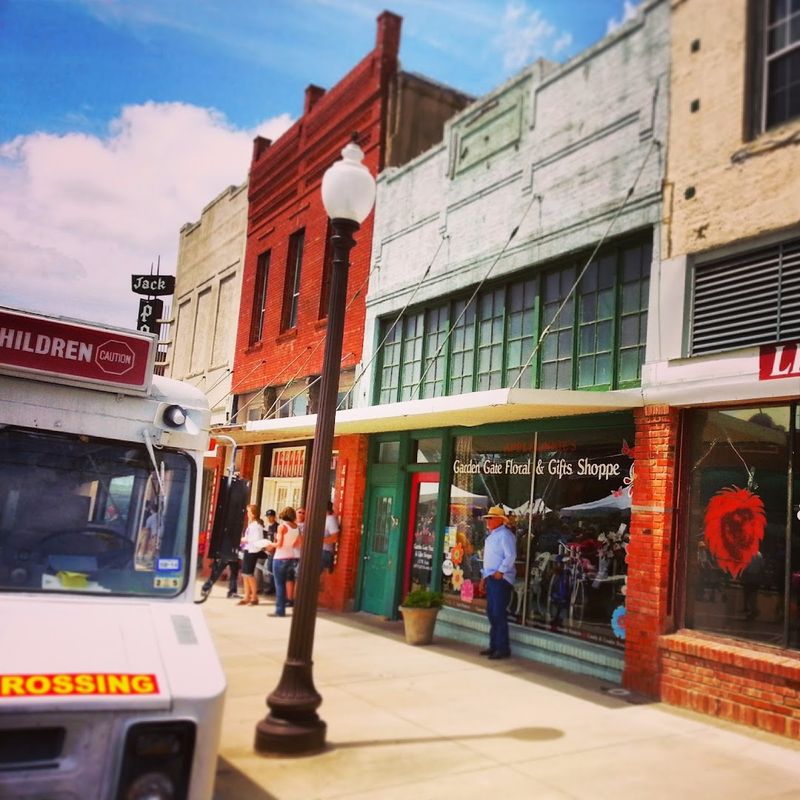
A full day on the bluebonnet trails works up a real appetite, and Ennis has enough dining options to keep you satisfied without having to drive far. The town’s food scene leans toward comfort food and Texas classics, with barbecue, home-style cooking, and casual diners making up the bulk of the options.
It is not a flashy culinary destination, but the food is honest and filling.
Local spots near downtown tend to fill up quickly on festival weekends, so arriving early or grabbing lunch before the midday rush is worth keeping in mind. The Welcome Center staff can point you toward current favorites and any seasonal spots that open up during April specifically for the influx of visitors.
Packing a picnic is also a genuinely good idea in Ennis. Many of the trail pulloffs and open areas along the driving route are perfect for spreading out a blanket and eating among the flowers.
There is something about having lunch in the middle of a bluebonnet field that no restaurant can replicate. A cooler in the trunk with simple snacks and drinks turns a driving tour into something that feels a lot more like an adventure than a sightseeing trip.
Why Ennis Stays With You Long After You Leave
Some places are beautiful and forgettable. Ennis is not one of them.
There is a combination of natural spectacle and small-town warmth here that tends to stick around in your memory long after the drive home. The bluebonnets are the headline, obviously, but the town itself adds a layer that makes the experience feel complete rather than one-dimensional.
People in Ennis are genuinely welcoming to visitors, in a way that does not feel performative. Conversations at the Welcome Center, chance encounters at a roadside pulloff, locals who wave as you walk through downtown during the festival.
It all adds up to something that feels more like a community sharing something it loves than a town cashing in on a tourist attraction.
I left Ennis with a camera full of photos I actually liked, a better understanding of why the Texas Hill Country and Blackland Prairie matter, and a strong urge to come back the following April. That is probably the most honest review I can give any destination.
When a place makes you want to return before you have even finished leaving, it has done something right. Ennis earns that feeling every spring without trying too hard.
Address: 201 NW Main Street, Ennis, Texas
Dear Reader: This page may contain affiliate links which may earn a commission if you click through and make a purchase. Our independent journalism is not influenced by any advertiser or commercial initiative unless it is clearly marked as sponsored content. As travel products change, please be sure to reconfirm all details and stay up to date with current events to ensure a safe and successful trip.
