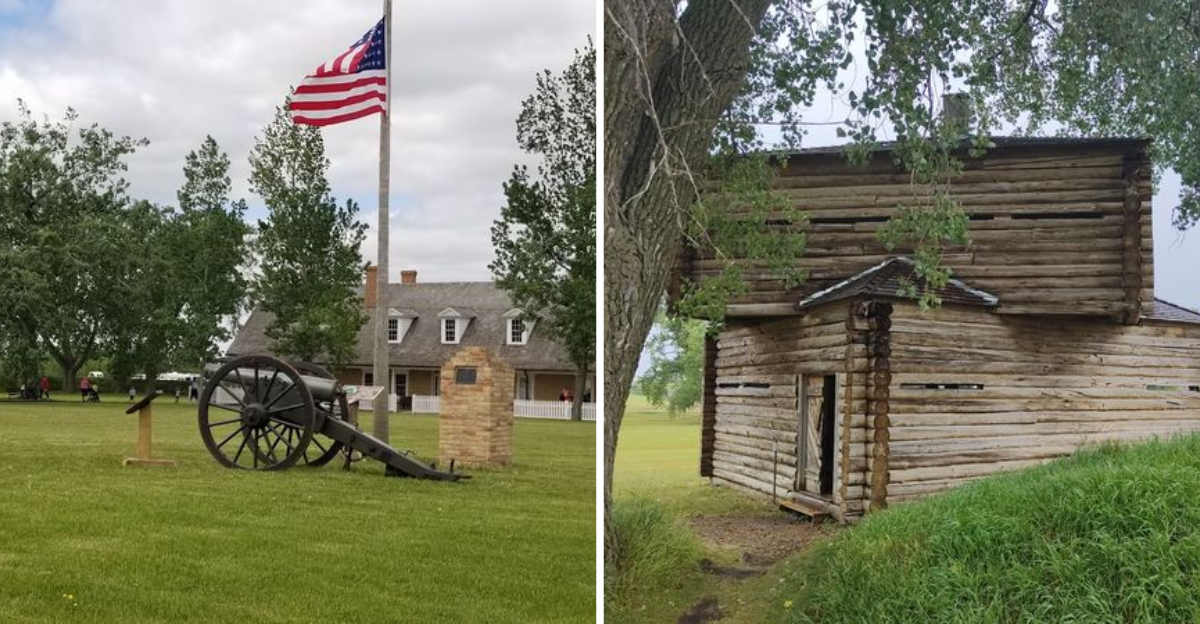
There is something about this place that gets under your skin the moment you arrive. The prairie stretches out in every direction in South Dakota, the wind moves through the tall grass, and the old stone buildings stand there like they have been waiting for you. Built as a military outpost back in the eighteen sixties, soldiers lived, worked, and passed away here for twenty five years.
Not from battle, but from illness, accidents, and brutal winters. Some of those men were shipped home in boxes, their service complete, their families waiting far away. A small cemetery on the grounds holds a quiet reminder of that.
A loop trail takes you right past it, and the walk feels different once you know whose names might be carved into those stones. Local stories say a few of those soldiers never made it home at all.
They are still here.
A Fort Built on the Edge of Everything
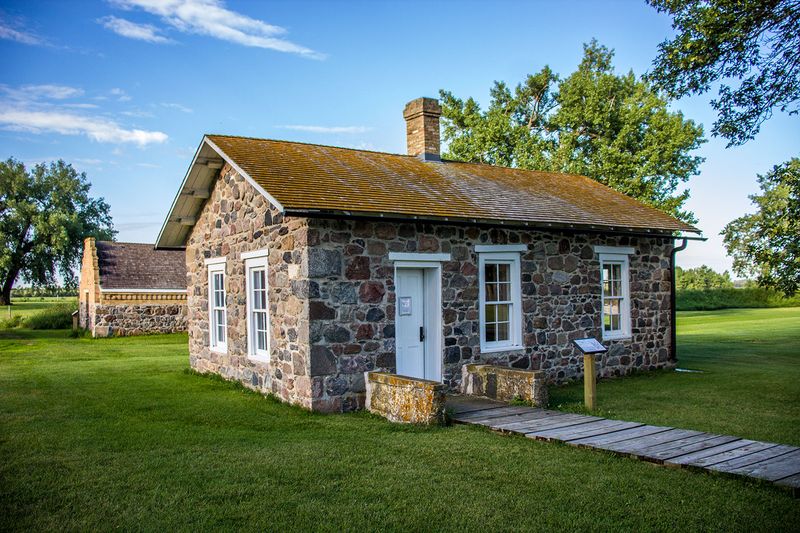
The first thing that strikes you about Fort Sisseton is how far it sits from anything resembling a city. Out here in Marshall County, the nearest town barely registers on a map, and that isolation was very much the point.
When the U.S. Army established this outpost in 1864, they needed a presence deep in Dakota Territory to protect settlers and government surveyors moving into land that had been Sioux territory for generations.
The fort was built just two years after the 1862 Sioux Uprising in Minnesota, a conflict that sent shockwaves across the region and made the federal government anxious about expansion. Soldiers were stationed here to keep the peace, though records show that not one shot was ever fired in anger at Fort Sisseton itself.
That fact is remarkable when you think about the tension that surrounded this place during its 25 years of operation.
What the soldiers faced instead was the land itself. Brutal winters, relentless wind, and a landscape that offered almost no shelter from the elements made daily life a serious challenge.
The buildings you see today were constructed from locally quarried quartzite, a tough pinkish stone that gave the fort its distinctive look and helped it survive to the present day.
Fort Sisseton is now a state park managed by South Dakota Game, Fish and Parks. The visitor center offers a small but genuinely interesting interpretive exhibit, and the self-guided tour of the restored buildings brings the history to life in a way that feels personal rather than textbook.
The Men Who Lived Here and Never Came Home
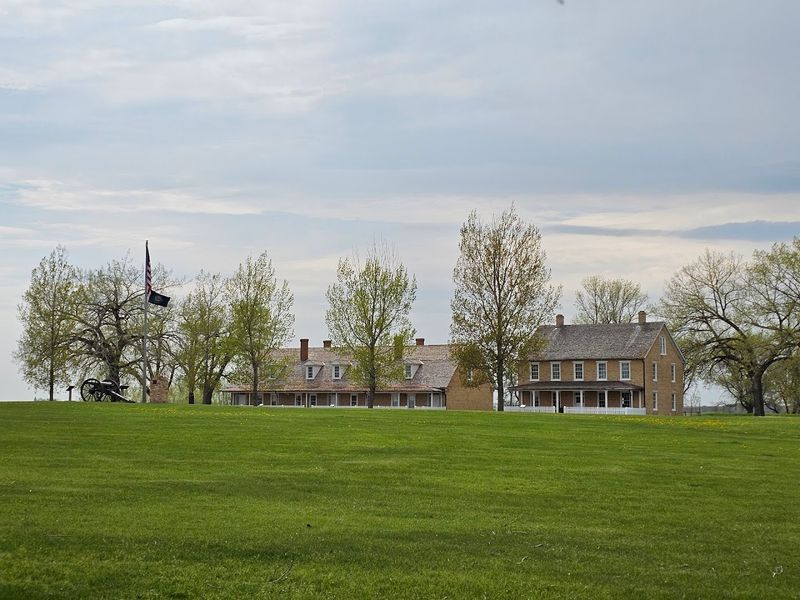
Life at Fort Sisseton was not glamorous. The men posted here were far from family, cut off from the comforts of any real town, and left to endure seasons that could swing from suffocating summer heat to brutal winter cold.
Many of them were young, some barely out of their teens, and they spent their days drilling, maintaining the fort, and watching a landscape that rarely changed.
Disease was a far greater threat than any enemy. Illness moved through military camps quickly, and a soldier who got sick out here had limited access to medical care.
Some passed from infections, some from accidents, and some from conditions that a doctor today would treat in an afternoon. The ones who ended tragically were often sent home in wooden boxes, returned to families in Iowa, Ohio, or New York who had not seen them in years.
Among those stationed here were members of Companies E and G of the 25th Infantry Regiment, known as the Buffalo Soldiers, who served at Fort Sisseton from 1884 to 1888. These were African American soldiers who served with distinction across the frontier, and their presence here is an important part of the fort’s story that often goes untold in mainstream histories.
The small cemetery on the fort grounds holds a quiet reminder of all this. A 1.3-mile loop trail takes you past nearby lakes and right by that cemetery, and the walk feels different once you know whose names might be carved into those stones.
Ghosts, Lore, and the Lady in White
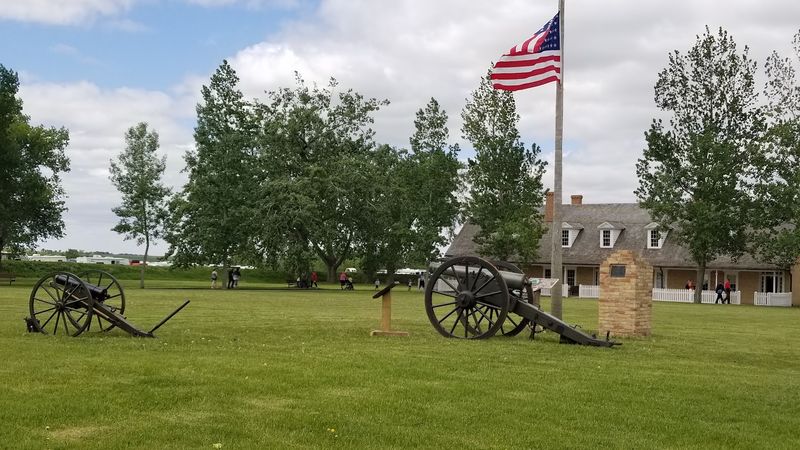
Not everyone who passed at Fort Sisseton made the journey home. Local lore has circulated for decades about presences felt and figures seen on the grounds after dark, and the stories are specific enough to raise the hair on the back of your neck.
One of the most frequently mentioned is a figure known simply as the Lady in White, a woman whose identity and story vary depending on who is telling it.
Another apparition tied to the fort is described as a Buffalo Soldier, a figure seen near the barracks area where the 25th Infantry was once stationed. Whether you believe in that kind of thing or not, there is something undeniably atmospheric about this place after sunset.
The stone walls hold the cold in a way that feels deliberate, and the wind across the prairie makes sounds that are easy to interpret as something more.
The lantern tours offered at Fort Sisseton lean into this history thoughtfully. One reviewer described the experience as having the perfect balance of ghost stories and genuine history, and that balance matters.
The guides do not sensationalize. They tell the stories that exist, acknowledge what is known and what is rumored, and let the fort do the rest of the work.
Before the Army arrived, this land was a Native American site where indigenous people lived and were buried, adding more layers to what already feels like a deeply storied piece of ground. The history here is genuinely layered, and the lantern tour is one of the best ways to feel all of it at once.
The Buffalo Soldiers of the Northern Plains
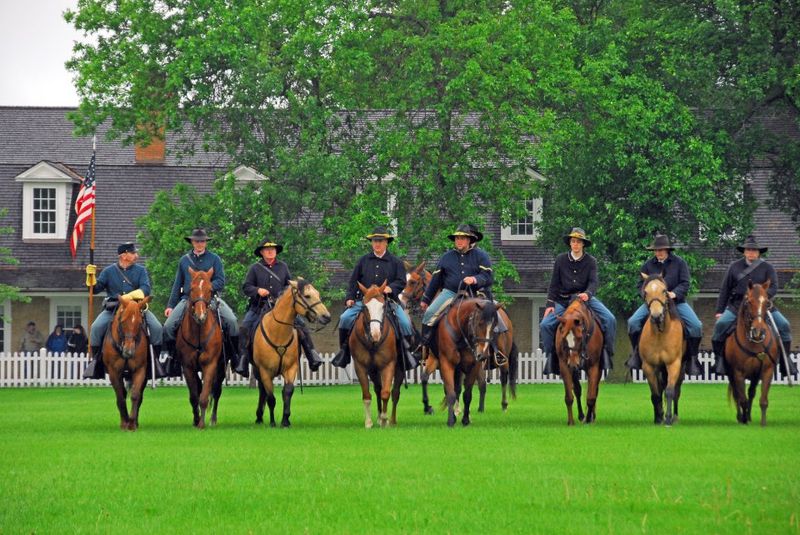
There is a chapter of Fort Sisseton’s history that deserves far more attention than it usually gets, and that is the four years when the Buffalo Soldiers called this place home. Companies E and G of the 25th Infantry Regiment were stationed here from 1884 to 1888, making Fort Sisseton one of the few sites in the northern plains with a documented Buffalo Soldier presence.
The 25th Infantry was one of four all-Black regiments created by Congress after the Civil War. These men served on the frontier during one of the most contested periods in American history, facing both the hardships of military life and the added weight of racial discrimination within the Army itself.
That they served with professionalism and loyalty under those conditions says something significant about their character.
At Fort Sisseton, their duties were largely the same as any other soldiers at the post, maintaining the grounds, performing drills, and keeping a watchful eye on the surrounding territory. The fort itself saw no combat during their tenure, which meant their days were filled with routine rather than action.
But the routine of frontier life in Dakota Territory was never truly ordinary.
Today, the Buffalo Soldiers are acknowledged in the fort’s interpretive materials, though there is always more story to tell. If you visit and take a guided tour, ask specifically about their time here.
The guides are knowledgeable, and this particular thread of history tends to open up into something much bigger than a single footnote on a placard.
Repatriation and the Long Road Home
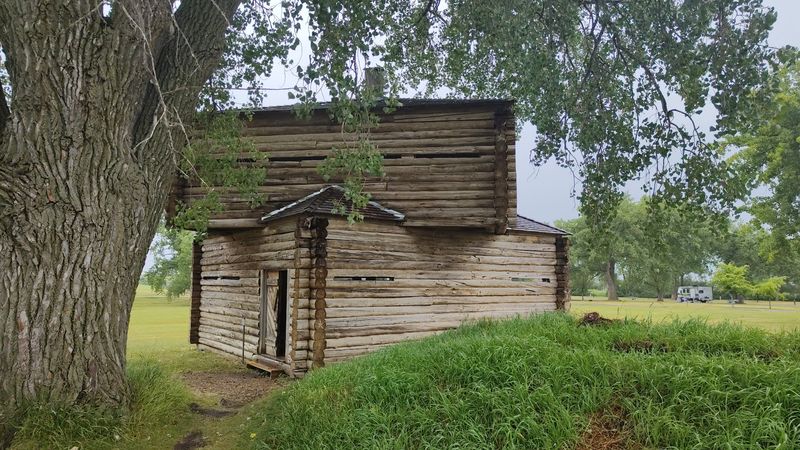
The phrase “returned in boxes” is not a metaphor anyone invented for dramatic effect. It reflects the very real and painful process of bringing fallen soldiers home, a practice that has continued through every American conflict from the Civil War to the present day.
South Dakota has been on the receiving end of that process more times than most people realize.
One documented example involves Sergeant First Class Arthur Francis Jewett, a soldier terminated in the Korean War whose remains were repatriated and returned to South Dakota in 2009 for burial in White Horse. His story took more than five decades to reach its conclusion, and it is a reminder that the journey home is sometimes extraordinarily long.
South Dakota is home to several national cemeteries, including Black Hills National Cemetery, Fort Meade National Cemetery, and Hot Springs National Cemetery. The Sisseton-Wahpeton Oyate Veterans Cemetery, located near Sisseton, serves tribal veterans and reflects the deep military service tradition within Indigenous communities in this region.
Fort Sisseton sits not far from Sisseton, and the connection between this old Army post and the veterans’ cemeteries in the surrounding area feels meaningful. The soldiers who served here were part of a long chain of service that stretches forward through every generation.
Some came home. Some came home late.
And if the stories are right, some are still out on the prairie, keeping watch over the stone walls they once called home.
Visiting Fort Sisseton Today: What to Expect
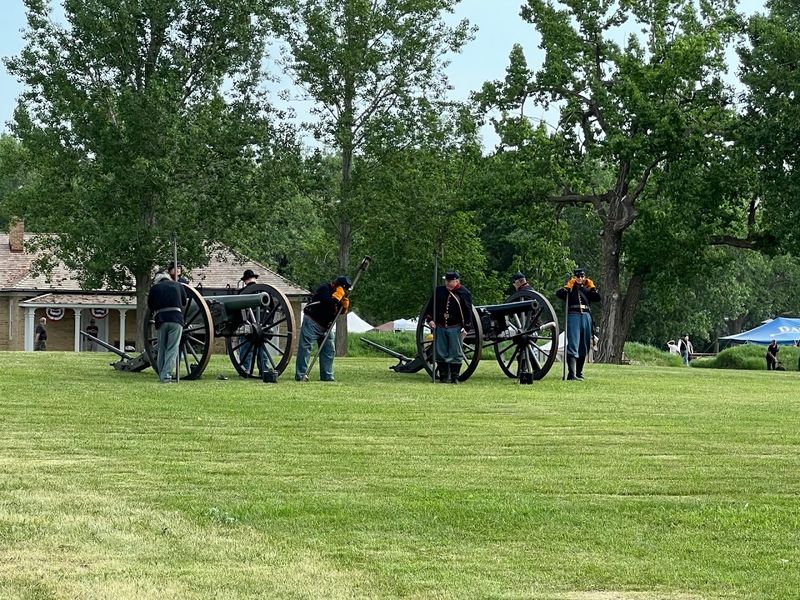
Fort Sisseton Historic State Park is genuinely one of those places that rewards a slow visit. The grounds are well-maintained, the buildings have been carefully restored, and the staff are the kind of people who actually love what they do.
It is open Friday through Thursday from 10 AM to 4 PM, so plan accordingly and call ahead if you are traveling a long distance, especially outside of summer months.
The campground is a real highlight for those who want to stay longer. Ten RV sites, tent sites, and small cabin rentals are available, and multiple visitors have noted how clean and quiet the facilities are.
Site 9E is apparently a favorite for its privacy and views. The shower facilities are located in the barn across from the campground, and they are reliably clean with plenty of hot water.
Throughout the year, the fort hosts a variety of events that bring history to life in hands-on ways. The June summer historical festival draws large crowds and features military reenactments, blacksmithing demonstrations, traditional crafts, and food vendors.
A Christmas celebration in winter includes wood-fired bread baking and a tree lighting that visitors consistently describe as memorable.
The 1.3-mile loop trail around the grounds passes lakes and the cemetery, and it is worth doing twice, once during the day for the scenery and once in the evening when the light changes everything. Fort Sisseton is not just a history lesson.
It is a place that stays with you long after you leave.
Address: 11907 434th Ave, Lake City, SD 57247
