
Pinball feels like pure nostalgia, flashing lights and clacking bumpers that pull in anyone who walks by. In South Carolina, though, that classic arcade game has been tied to an age rule that surprises a lot of visitors.
What looks like harmless fun can suddenly fall under a legal category you would never expect. The restriction dates back to an era when pinball was seen as a form of gambling, with lawmakers worried that kids would spend money chasing high scores and prizes.
Some local laws limited who could play, when, and where machines could be placed, especially in public venues.
Even though pinball is mostly seen as family-friendly entertainment today, traces of those rules still pop up in conversations and old ordinances.
Travelers often hear about the law as a quirky Southern fact, but it reflects a real chapter in how games were regulated. It is a reminder that even the most innocent pastimes can end up shaped by history, culture, and a surprisingly serious set of rules.
The Pinball Rule That Still Lives In South Carolina Code

You know that one line in the rulebook that somehow sticks around even when everything else changes? That is how the pinball statute in South Carolina feels when you step into a bright arcade and catch a small sign near the door.
The gist is simple enough, but it lands with this funny weight once you are already hearing flippers snap and chimes pop.
The law draws a boundary around who can play a machine that looks innocent and shiny.
Arcades in Myrtle Beach, Charleston, and little towns in the Lowcountry all live with this detail, even if most visitors never notice it. The machines hum, tokens clink, and then the fine print speaks up.
It is not about trophies or big payouts. It is about a definition that turns entertainment into a supervised lane you have to step into the right way.
When you see a tiny sign by the counter, that is the law waving hello. It is low key, not dramatic, and it sits there like a reminder from another time.
Staff will usually help you figure it out without turning it into a big scene.
Ask once, and you will get the version that fits the room and keeps the night rolling.
How “Under Eighteen” Became The Magic Number

Here is the part that trips people up, because it feels random until it suddenly does not. Under eighteen became a bright line that the state uses to separate casual play from something it once worried about.
The number gives operators a simple way to say yes or not yet without turning the counter into a debate.
It also gives parents a baseline when kids dart toward the shiny cabinet near the entrance.
Think of it like the state drew a chalk mark on the sidewalk and told arcades to keep feet on the right side. It sounds stiff, but in practice it is a quick nod and a quick move.
You might only notice when a staffer points you to a different game. Or when a friendly sign nudges you toward skee ball or a racing cabinet instead.
This matters most in busy coastal spots where families bounce in from the beach.
In quieter inland towns, it can feel like a footnote that still shapes which buttons get pressed.
If you are bringing teens, just ask at the counter before loading tokens. It saves you from that tiny stall where excitement meets a rule you did not expect.
The Simple Sentence In Law That Changes The Whole Arcade Vibe
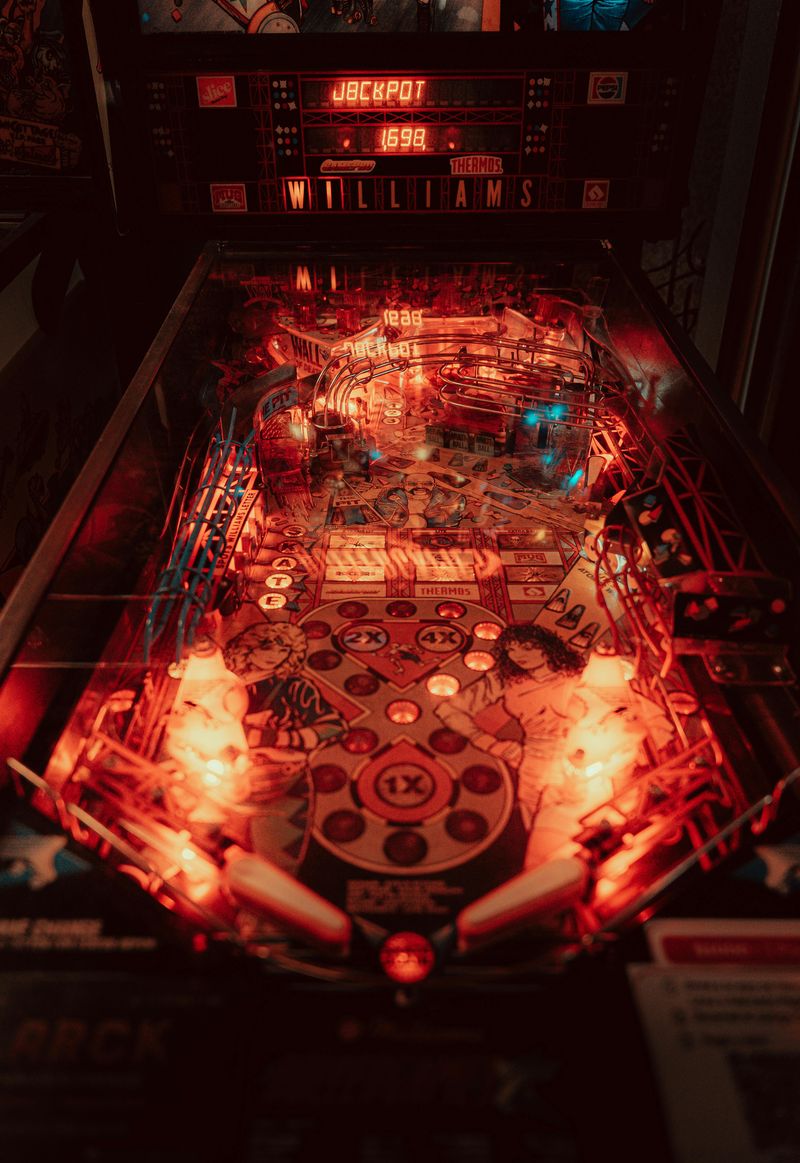
Wild how one plain sentence can tilt a whole room, right? The language is tidy, almost boring, and then it shifts how people flow through the machines like a gentle current.
Operators plan their floor layout so the age rule feels natural, not scolding.
You will see the flashier cabinets up front and the question mark ones tucked a little deeper.
It is never about catching people doing something wrong. It is about making sure the room keeps moving, nobody gets embarrassed, and the game keeps its innocence.
In South Carolina, that little line becomes a design choice. Signs go where eyes land first, and counters sit near the pinch points.
The best arcades treat it like stagecraft, with friendly nudges and quick alternatives.
A staffer will point to a different bank of lights and say try this one instead.
By the time you notice the law, you are already flipping on something else. The vibe recovers fast, because the fix is baked right into the layout.
Why Pinball Got Treated Like A Problem In The First Place
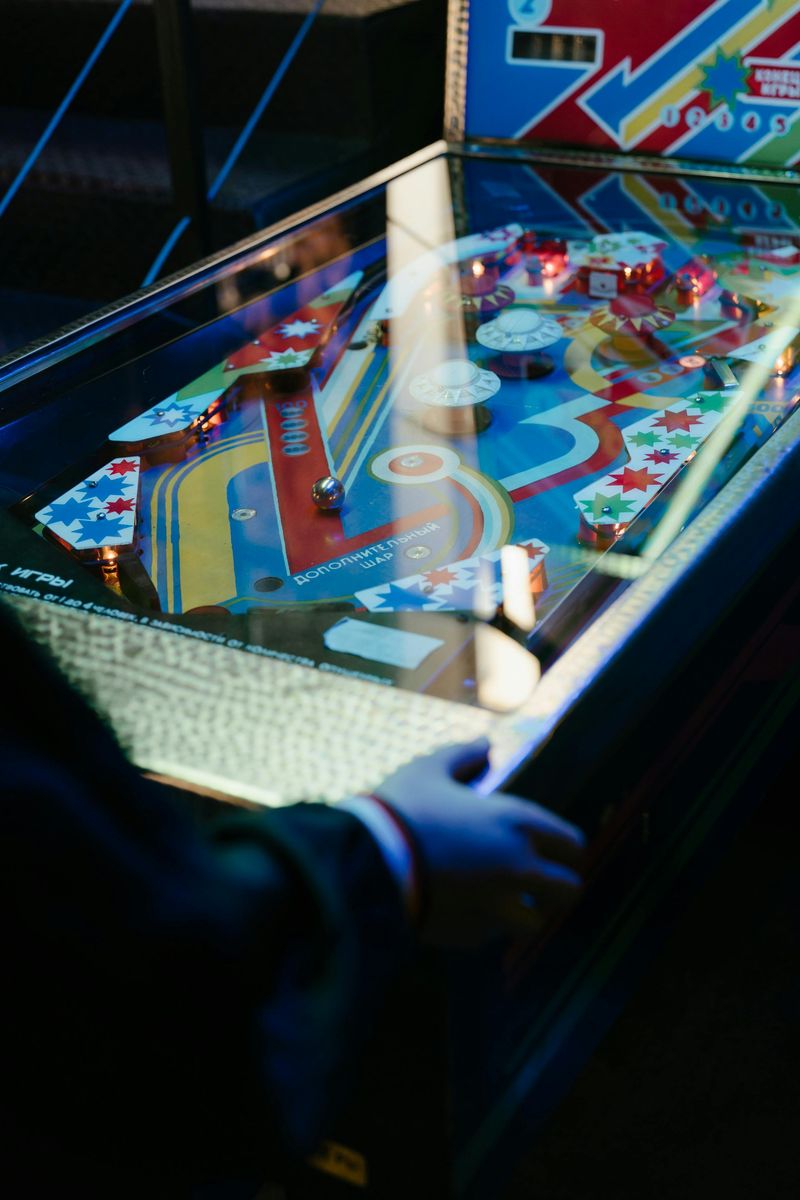
If you are wondering why a shiny cabinet needed a rule, the answer lives in old worries about chance and prizes. Pinball once looked like a doorway to something slippery, and the state did not want kids wandering through it.
Those worries settled into the code and stuck around like a stubborn sticker.
Even as machines turned skill heavy and family friendly, the caution kept its seat.
You can still feel the echo in places that prize tradition along the South Carolina coast. It is there in the measured tone of a posted notice and the careful placement of a machine.
No one is trying to rain on the sound of bumpers or that little thrill when the multiball hits. They are just keeping an old fence painted, because that is what the map still shows.
It reads old school, but it reshapes tiny choices in modern rooms.
Which machine goes where, who gets to take the first pull, how staff steer a conversation.
Understanding that backstory softens the surprise when you face the sign. It turns a why is this here moment into a nod and a shrug.
What This Means For Boardwalk Arcades And Family Spots
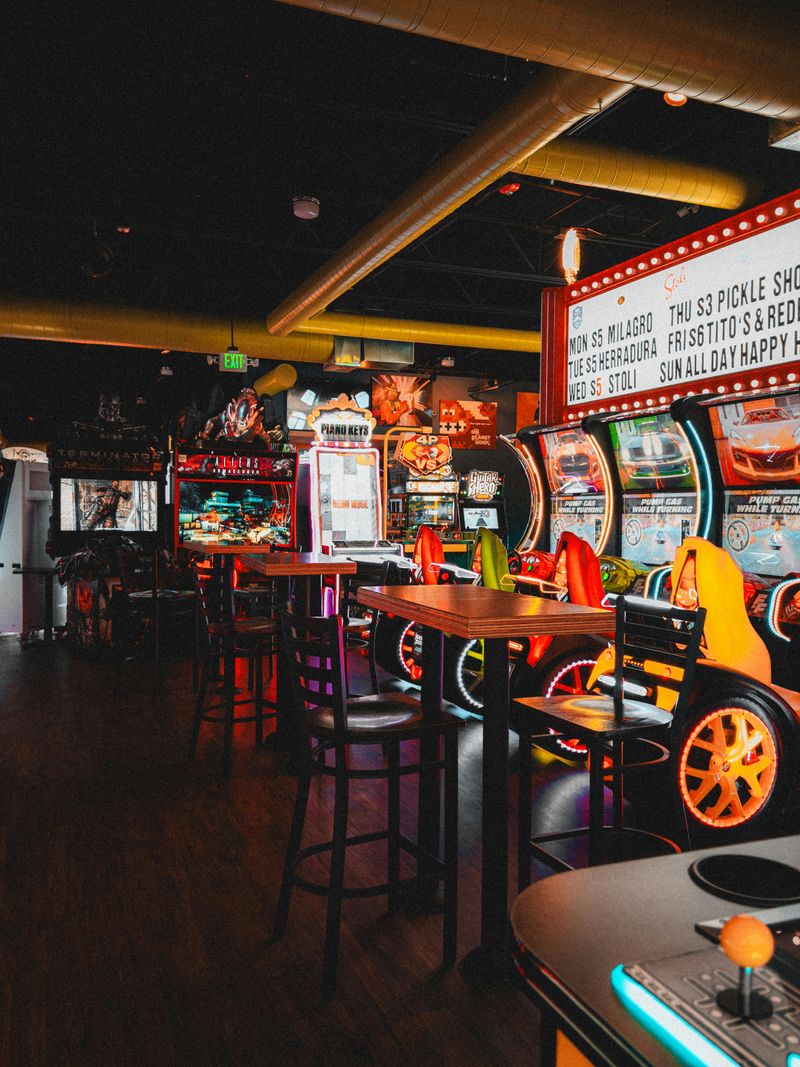
Walk the Myrtle Beach boardwalk and you will see how the rule plays out in real time. Families stream in, teens lead the charge, and staff quietly guide them toward the cabinets that skip the wrinkle.
Inside, the layout does a lot of heavy lifting so the rule never feels like a wall.
Race games line the aisles, prize pushers glow near the counters, and the question mark row sits off to the side.
In Charleston, smaller arcades tuck guidance by the prize desk so it is an easy ask. Nobody wants a spotlight moment when all you planned on was a few rounds before sunset.
This is where the South Carolina detail becomes travel practical. You look up, scan for the sign, and plan your tokens with a quick pivot if needed.
It keeps the night smooth, especially when a group has mixed ages.
You lose zero momentum if you steer early and pick the games with no asterisks.
You will still leave with ticket strands and warm glow memories. The law just nudges the route you take between cabinets.
How Operators Handle It Without Making A Scene
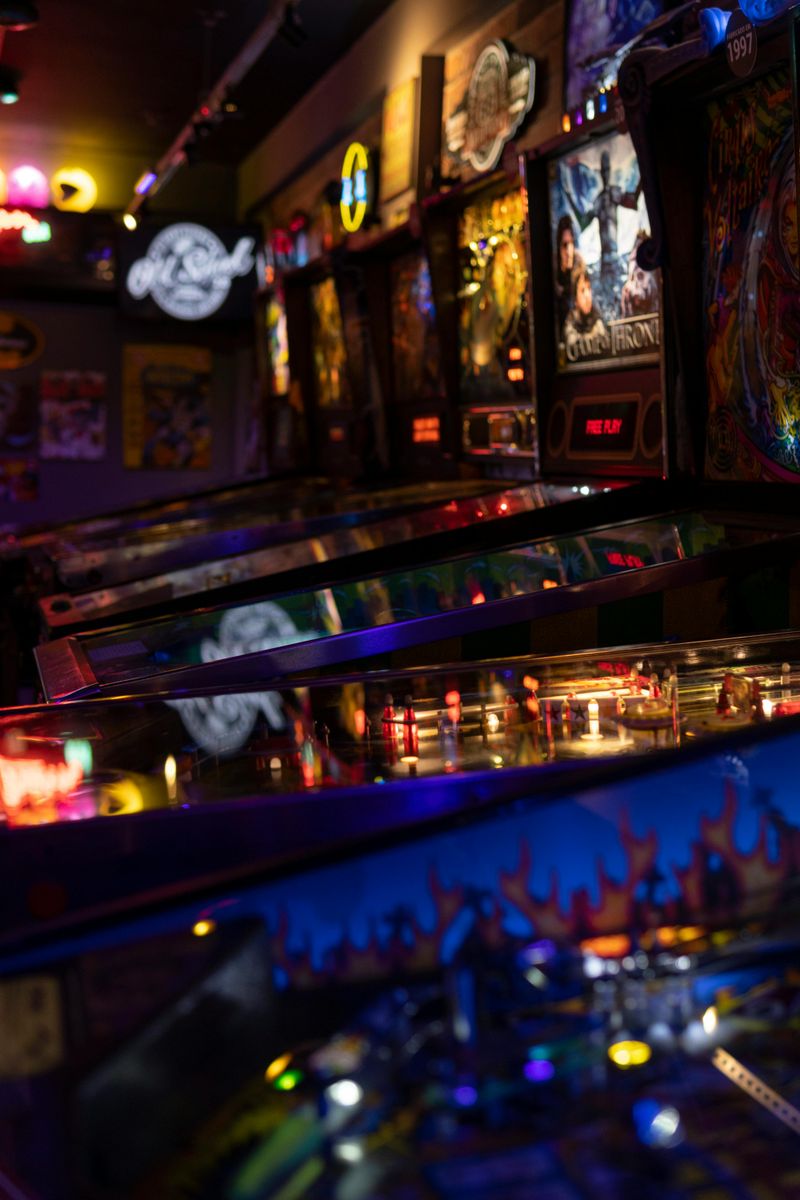
The best operators treat the rule like stage lighting you barely notice. They script the room so the cue lands softly and the fun keeps rolling without a hiccup.
Staff usually learn gentle phrases that redirect, not deny. Y
ou hear try this bank over here or that one is for later, and it lands with a smile.
Floor maps help a ton, because a simple arrangement does the talking. If the first glance lands on all clear machines, the rest takes care of itself.
Some places add color codes to little placards, just enough to guide eyes. It feels helpful, not stern, and it works even on a busy night near the pier.
In South Carolina, that style keeps visitors relaxed and willing to ask questions.
The whole room breathes better when nobody is worried about tripping a rule.
If you are unsure, step to the counter and ask before you tap in tokens. You will get a quick answer and probably a good tip on a sleeper cabinet you would have missed.
Why Most People Never Hear About The Rule Until They Do

Honestly, it stays under the radar because most trips glide right along. You walk in, chase lights, and never touch the one machine that has fine print attached to it.
When the rule finally matters, it is usually a tiny speed bump.
A quick chat at the counter, a pivot to a different cabinet, and you are back on the rails.
It is not a secret so much as a quiet house rule backed by state code. The sign is there, the staff know the drill, and the room keeps its balance.
South Carolina tends to handle it with a shrug and a smile. You can feel that ease along the coast, where the ocean sets the rhythm for nights like this.
If you are shepherding a crew with teens, it helps to give a quick heads up at the door. Saves everyone from that mid game pause that feels longer than it is.
Think of it as part of local rhythm rather than a roadblock.
Once you see it that way, the night flows the same, just on a slightly different lane.
How Enforcement Usually Plays Out In Real Life
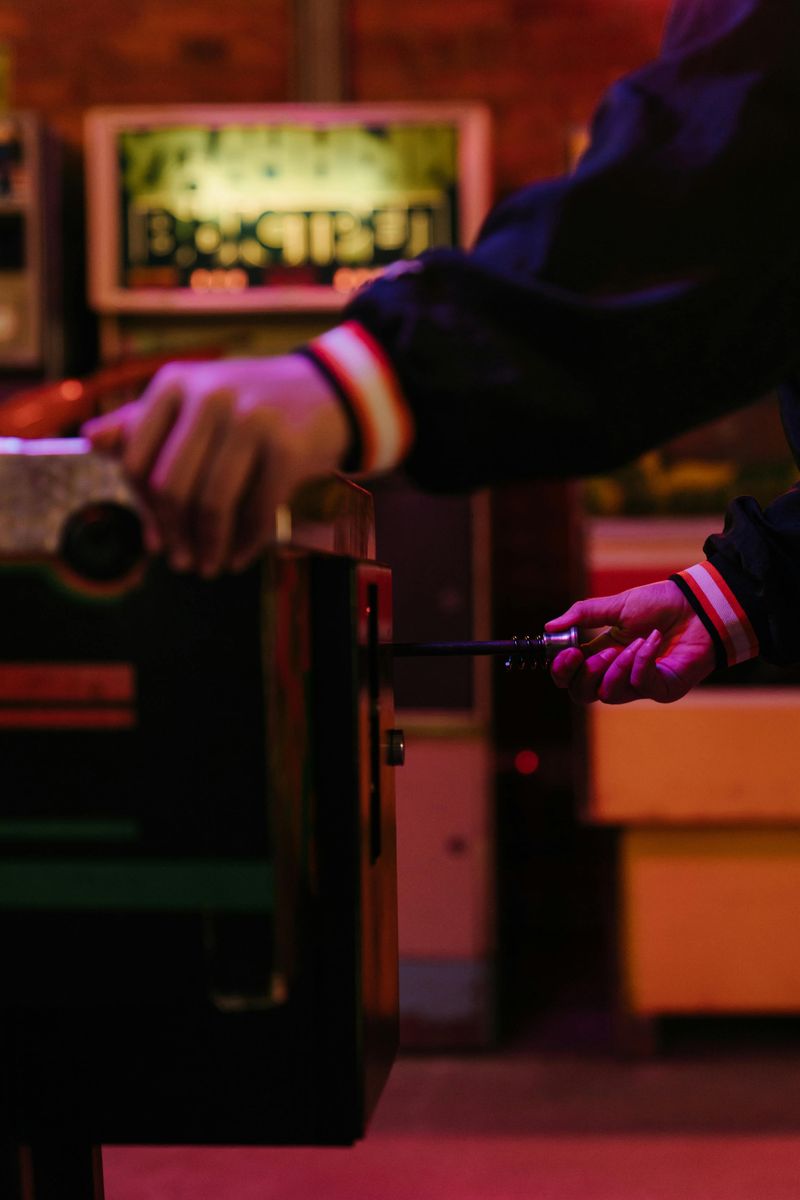
Nine times out of ten it is just a conversation. A staffer steps over, points to the sign, and walks you two steps to a different cabinet with the same buzz.
When it gets busier, the layout does the enforcement for them.
People follow light and sound, and the rule machine is not the first thing they see.
I have watched it in Myrtle Beach on a summer night and in a quiet inland town. Different rooms, same soft touch, same quick pivot that keeps the night intact.
It never turns into a lecture because nobody wants a lecture in an arcade. The tone stays warm and the guidance lands quick.
If you want to skip any chance of a stall, check in at the counter first.
You will get a yes lane, a maybe lane, and plenty of all clear options.
That is the South Carolina way with this one. Give people a path, keep the energy up, and let the bells do the rest.
The Big Takeaway For Visitors Chasing Classic Arcade Fun
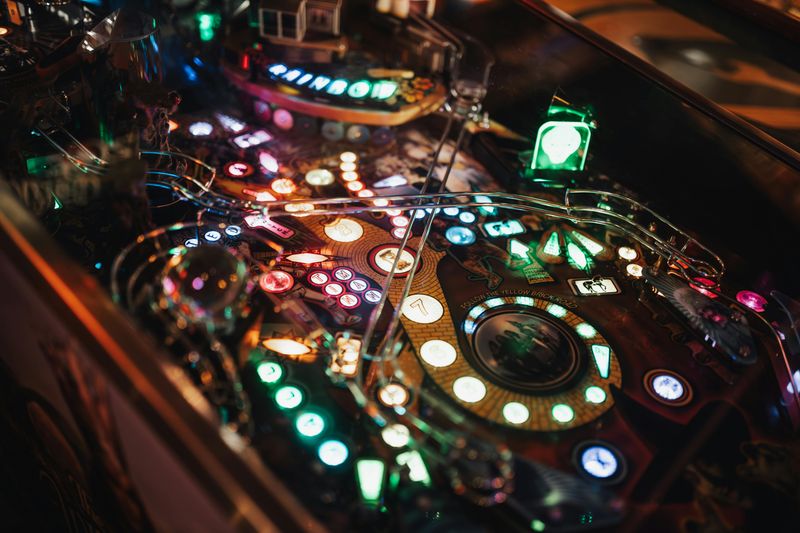
If you remember one thing, make it this simple move. Ask at the door which games are wide open, then spend your tokens on the banks that keep everyone in the mix.
The rule exists, sure, but it does not shrink the fun if you steer early.
Staff will meet you halfway and point you to machines that ring just as bright.
On the South Carolina coast, the rhythm is play first, adjust second. That tiny shift keeps the whole group smiling and the night loose.
You do not need to study code to have a good time. You just need a thirty second chat and a little attention to where the signs sit.
Let the law be background music you barely notice.
The story you take home is still the chase, the save, and that clean shot up the ramp.
And if someone asks later why the room was mapped the way it was, you will have the answer. It is just how arcades here keep the lights friendly and the flow easy.
Dear Reader: This page may contain affiliate links which may earn a commission if you click through and make a purchase. Our independent journalism is not influenced by any advertiser or commercial initiative unless it is clearly marked as sponsored content. As travel products change, please be sure to reconfirm all details and stay up to date with current events to ensure a safe and successful trip.
