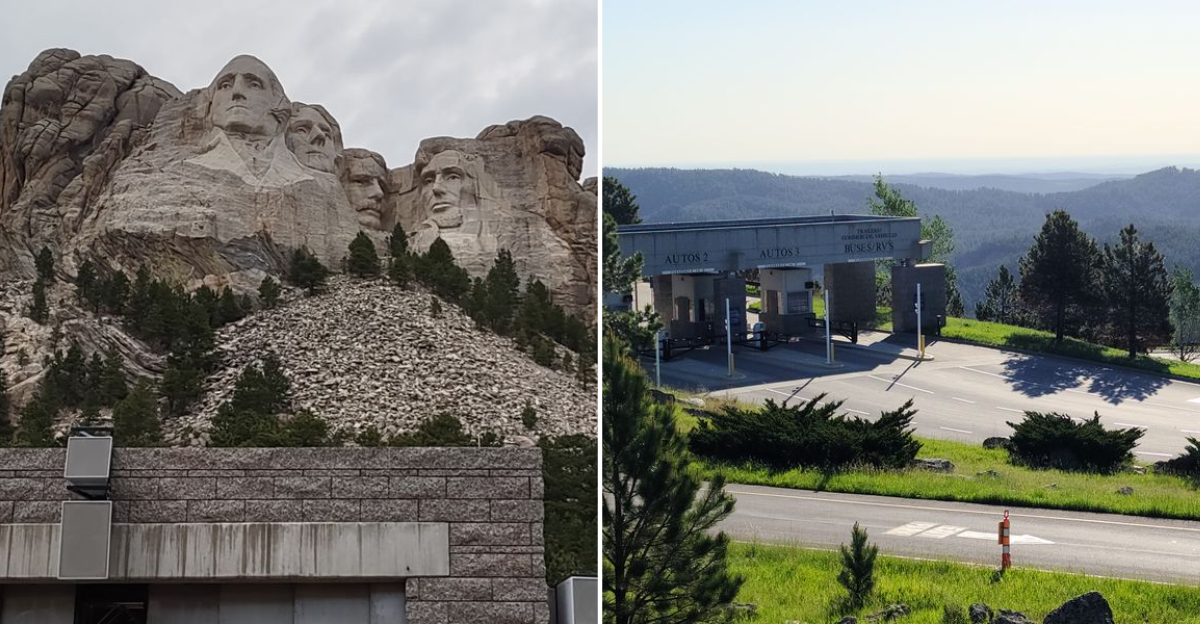
Have you ever been excited to see a famous landmark, only to realize the crowds made it hard to enjoy? That’s what’s happened to Mount Rushmore in South Dakota.
What was once a powerful, awe-inspiring monument carved into the Black Hills has turned into a bucket list stop that feels more like a tourist trap than a meaningful experience.
I remember my first visit, it was incredible to stand there and look up at the faces of Washington, Jefferson, Roosevelt, and Lincoln.
But even then, the parking lot was jammed, the gift shops were overflowing, and it felt like everyone was rushing to snap a photo and move on.
These days, the crowds are bigger than ever, and the atmosphere has shifted from reflective to chaotic.
Sure, Mount Rushmore is still impressive, but the sheer number of visitors has changed the vibe. So, how did this iconic landmark go from inspiring to overrun?
Let’s take a closer look at how tourism has reshaped one of America’s most recognizable monuments.
Turned From Regional Monument Into Global Bucket List
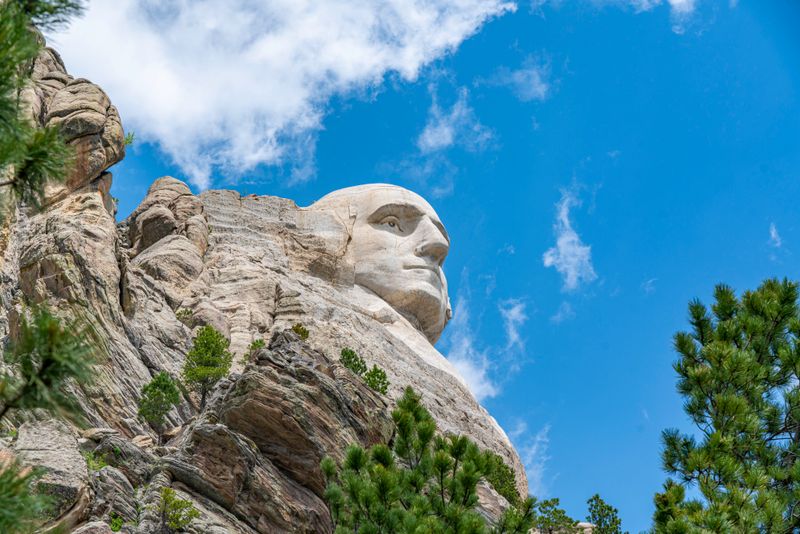
Here is how it sneaks up on you. Mount Rushmore started as a spark for western South Dakota tourism, then the images went everywhere and never left.
By the time you pull into 13000 SD-244, Keystone, SD 57751, USA, it feels less like a stop and more like a rite of passage.
I think the buzz is constant. You walk the Avenue of Flags and hear languages from all over, and there is this shared sense of arriving at something everyone already knows.
It is weirdly familiar and totally new at the same time.
That global fame changes the rhythm. Instead of wandering, you follow a current, from parking to terrace to photos to the exit ramp.
You still catch the carvings catching light, and it still hits.
I kept thinking about the Black Hills being both the stage and the background. The forest folds around the granite, but attention points forward.
The moment is focused and compressed, like a snapshot with a soundtrack.
If you want quiet, choose late or shoulder season. If you want the big communal “we made it,” come when it is lively.
Either way, the bucket list feeling is real and baked-in.
Crowds Changed The Sense Of Scale
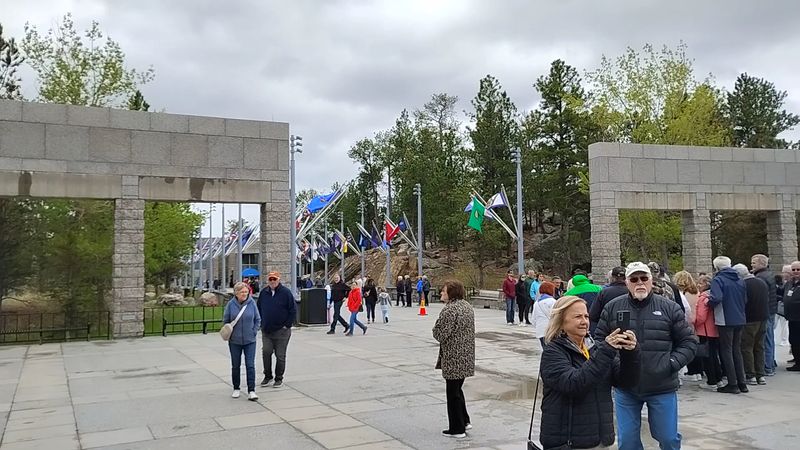
The faces look huge, of course, but the space around you feels tighter than the big-sky photos suggest. Crowds squeeze your field of view and shrink the perceived scale.
You end up measuring the monument by elbow room. The railing becomes the horizon.
Conversations replace wind through the pines, and you read expressions on strangers as much as granite details.
This is not a complaint, just a reality check. The managed layout funnels attention, so your eyes ping between the presidents and the next open spot.
It becomes an exercise in quick focus.
Step to the side if you can, even a few feet helps restore proportion. That is when the cliff and the engineering open back up in your head.
I liked catching a pause when a tour group moved on. For a breath, you hear the canyon tone return, then the flow resets, and the place gets small again.
Parking And Entry Became Part Of The Experience
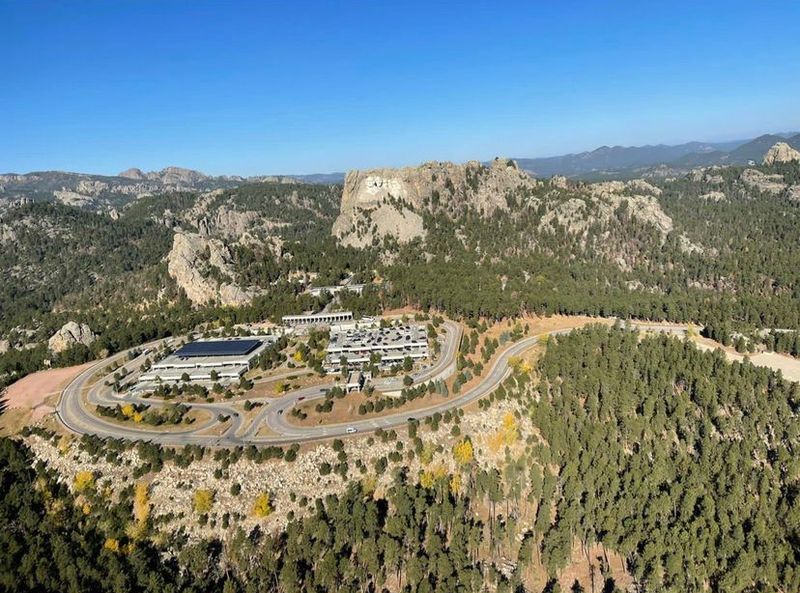
You do not just roll up anymore. The approach includes lanes, signs, and a structured routine that sets the tone before you see much granite.
It is efficient, but it adds a layer you can feel.
Parking becomes the prologue. You grab a ticket, find your level, and join a stairwell chorus moving toward the Avenue of Flags.
It is part of the story now, like a lobby before the show.
The highway slows before the turn. On peak days, the backup starts well down SD-244, and patience turns into your first souvenir.
Planning a time window helps more than you think, trust me.
I aim early or late. The traffic breathe-in, breathe-out pattern gets kinder at the edges.
You can actually hear the trees again when the garage is quiet.
Once inside, everything points you forward. The sightlines are deliberate, and the first full view comes like a reveal.
It works, but you are moving with a crowd rhythm you did not choose.
South Dakota road trips reward slack in the schedule. Build in space for the approach, for the lines, and for a slow exit.
The less you rush, the better the first look lands.
Viewing Time Is Shorter Than Expected
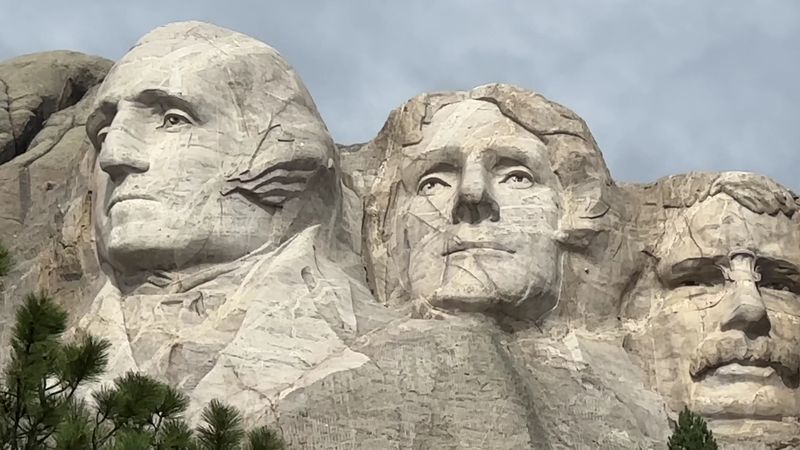
Here is the funny part: after all that build up, most people snap their photos and move on fast. The space, the pace, and the crowd flow nudge you into quick moments.
It is not that you cannot linger. It just feels like the terrace expects rotation, and your brain follows suit.
You take the shot, check it, take another, and drift.
I forced myself to breathe and count a little. A simple pause changed the visit.
Details sharpened, and the granite shadows got interesting again.
There are side paths and a small loop that help. Even a minor detour resets the tempo and buys some headspace, try that before calling it done.
Honestly, the highlight might be a second look after a short break. Step back from the terrace, circle, then return.
The scene feels new on the rebound.
The Avenue Of Flags Feels Like A Funnel
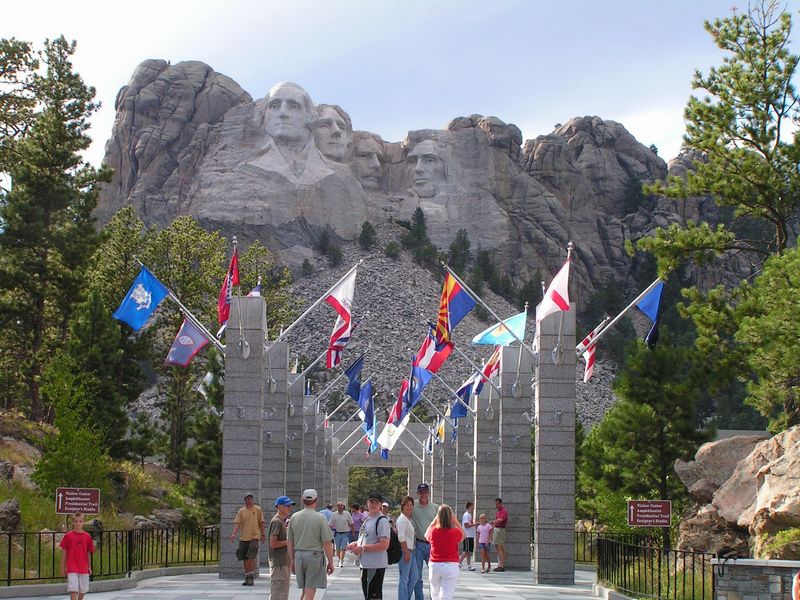
Walk that corridor and you will feel it. The flags are striking, sure, but the walkway now acts like a gentle conveyor belt straight to the terrace.
It photographs beautifully. The lines pull your eye hard toward the carvings, and people move with the geometry.
It is a smart design that also speeds you along.
If you want to slow down, hug the edges. Read the plaques, watch the light change on the poles, and give a nod to the breeze.
I think that little acts of attention break the funnel effect.
I caught kids counting flags and families pointing out home states. In those micro moments, the corridor becomes a meeting place again, and that is when it breathes.
The walkway is also where you notice pacing. You can feel the day’s pulse in how tight the flow gets.
Loose mornings, brisk middays, softer twilights.
When the corridor feels busy, step aside, let two waves pass, and reenter. You will get a better look at the monument beyond the frames.
It is a small move that changes the whole approach.
Nearby Keystone Became A Tourist Satellite
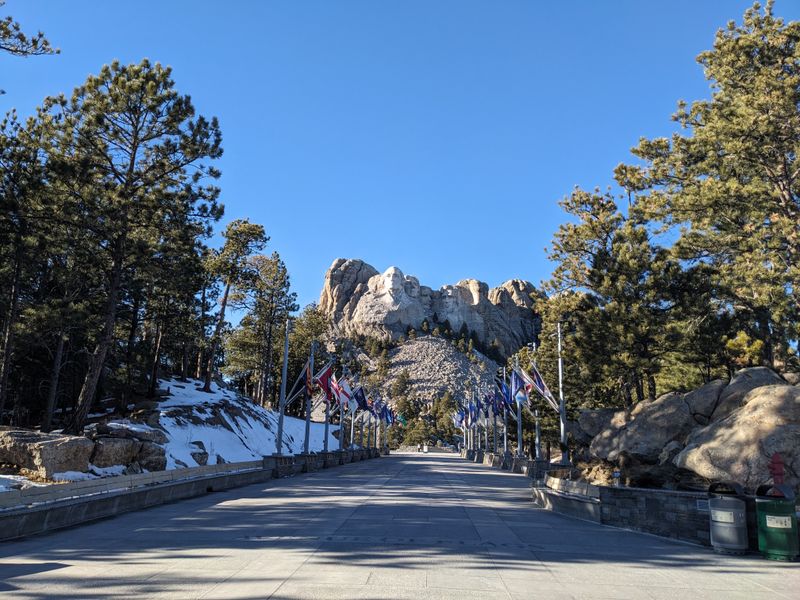
Keystone has a new heartbeat if you ask me. The town pivots around visitor energy now, with storefronts tuned to road trip moods and quick stops.
It is lively and a bit theatrical, which can be fun if you lean in.
You can wander the strip and people watch for an hour without trying. Themed facades and animated signs turn the street into a little stage.
It is very much a satellite of the monument.
Locals will tell you the old rhythm was slower. Everyday life shifted as the crowds settled in, and small town habits moved to the edges.
That change is baked into the vibe.
I like parking on a side street and walking the length. You pick up snippets of conversation and see road dust on license plates from far away.
It becomes a collage of travel stories.
If you want quiet, aim for early, and if you want buzz, later works. Either way, it is South Dakota doing its own version of a gateway town.
Natural Setting Took A Back Seat
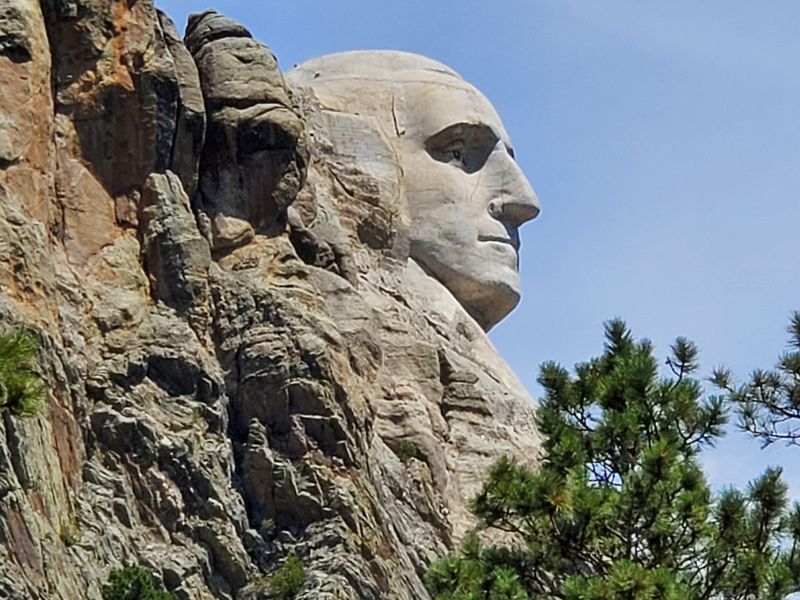
Step off the main route and the Black Hills whisper again. Pines lean in, granite smells like sun, and birds do their own commentary.
It feels like the land is reminding you it was here first.
The funny thing is how easy it is to miss. Most people check the terrace and move on, so the trails turn into little reset buttons.
Even a short walk changes the day.
I paused at a bend and watched clouds slide over the faces. The scene shifted from postcard to landscape again, and that move matters if you are craving some breathing room.
The forest texture is the secret sauce of South Dakota. You notice needles underfoot and the low hush of wind on rock.
You also notice your shoulders relax a notch.
If you are traveling with a crew, split the difference. Do the terrace together, then give everyone fifteen minutes on a side path.
Meet back with fresh eyes and better stories.
These quieter spots make the monument feel grounded. You remember you are in the Black Hills, not just at a landmark, and that context sticks longer than a quick photo burst.
Interpretive Messaging Became Simplified
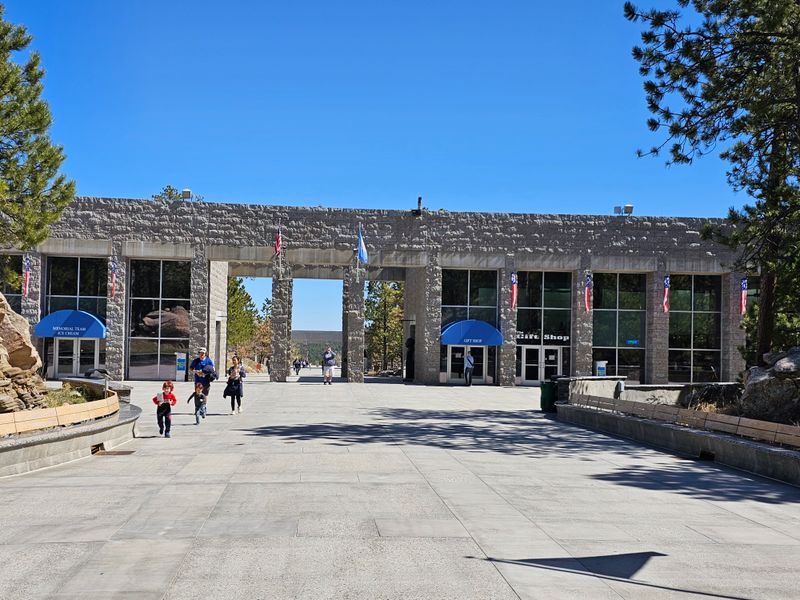
Inside the visitor center, the panels keep things clear and broad. The exhibits present the major beats with simple timelines and straightforward language.
It works for big audiences on a quick clock.
If you want depth, you have to linger. Read between the lines, watch the short films, and follow the smaller captions.
You can piece together a richer story that way.
The tradeoff is obvious. Accessibility wins, nuance trims at the edges, and most folks head out with headline knowledge.
That is the nature of a place tuned for flow.
I like pairing the exhibits with time outside. See the stone after the summaries, and the texture adds its own commentary.
The landscape gives details the panels cannot.
You can also bring your own questions. Look up more context before or after you go, and the visit connects to a bigger picture.
I think that extra step makes the memory stick.
Even with the simplified approach, the narrative still guides you. It lays a foundation for what you will see on the terrace, then the real granite does the rest in the light.
Seasonal Pressure Peaks In Summer
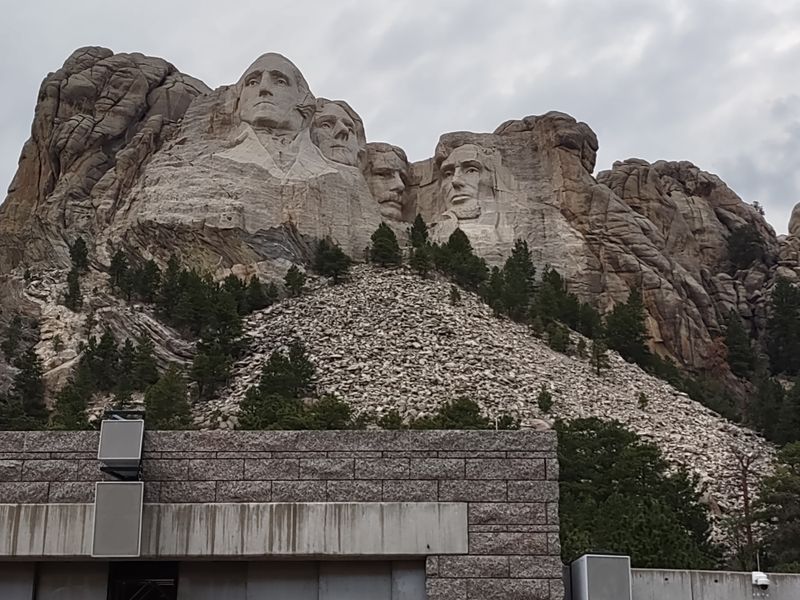
Timing shapes everything here. Summer turns the dial up with heat, lines, and a steady hum that never really drops.
The site becomes a well choreographed dance with big energy.
Flip the calendar and the mood softens. Winter and the shoulder seasons feel like a different place, with slower steps and longer breaths.
Locals lean toward those windows for good reason.
Either way, you are in South Dakota weather. Layers help, and so does patience.
The sky can change its mind quickly in the hills.
If you are set on summer, go early or near closing. The bookend hours are gentler and wash the granite in kinder light.
In the cooler months, the air gets sharp and clear. Sound carries differently, and the carvings feel crisper.
The terrace suddenly invites a longer stare.
Pick your season like you pick your playlist. Decide on high tempo or mellow, then let the timing set your expectations before you even turn onto SD-244.
The Evening Lighting Ceremony Feels Staged
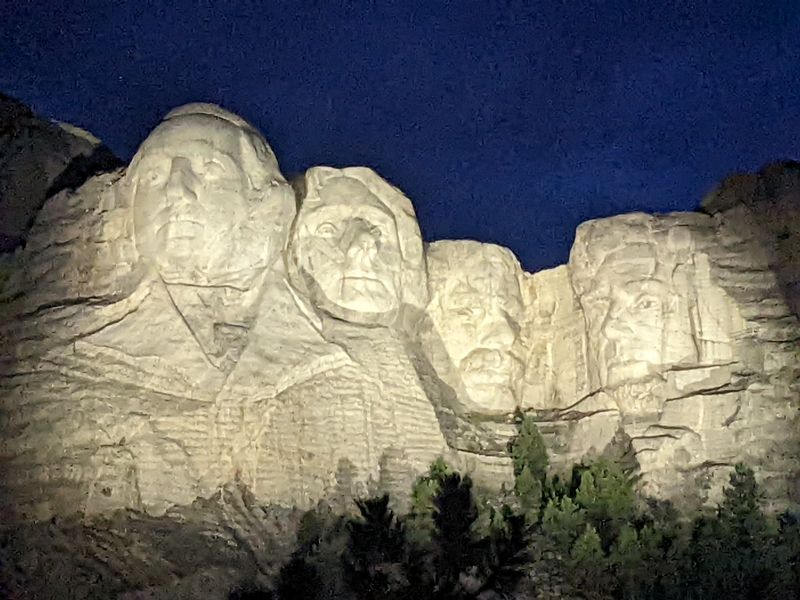
Night falls and the show feeling kicks in. The amphitheater fills, voices settle, and the program runs with a smooth script.
I would describe it as moving and also very organized.
The lighting reveal still lands. You can feel a hush spread and then a shared exhale.
It is powerful, even if the moment follows a predictable arc.
If you crave spontaneity, this will feel polished. If you like structure, it is satisfying and clear.
Either way, the granite glows and holds the mood.
I like sitting off to the side, because you get a wider read on the crowd and a clean angle for photos. Then the walk out under the pines cools everything down.
Bring a light layer when the air flips. Even in South Dakota summer, the hills can nibble at your warmth.
The walk back wakes you up in a good way.
End the night with a last look from the terrace edge. The faces stay bright against the dark, and the day folds shut.
It is curated, yes, but still memorable.
Surrounding Roads Absorb The Overflow
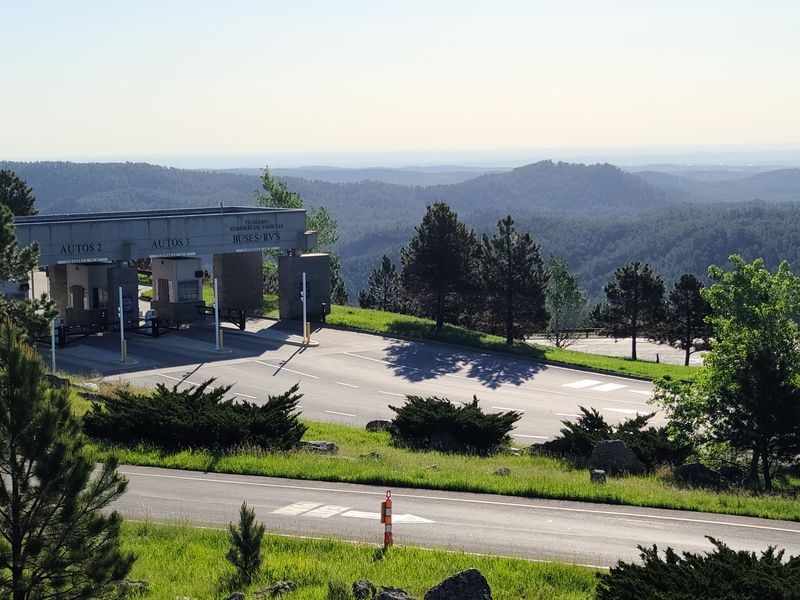
Drive the loop and you will feel the spillover. Traffic stacks on SD-244 and nearby routes, and the scenic curves turn into a slow glide.
The patience tax is real. You pace with brake lights, and the forest flickers by in little frames.
It becomes a different kind of sightseeing.
Plan alternate turns when you can, a detour toward quieter byways helps the mood. You still reach the same landmarks, just with a calmer pulse.
I like treating the drive as part of the visit. Put on a playlist that fits the landscape and let the speed be whatever it is.
You can still enjoy the ridgelines.
Remember that other Black Hills spots feel the ripple. Congestion near the monument nudges timing across the map, and flexibility wins the day.
On the way out, stop once for a short view away from the main pullouts. The road softens when you give it a breather, then the next curve feels wide again.
Still Iconic, But No Longer Intimate
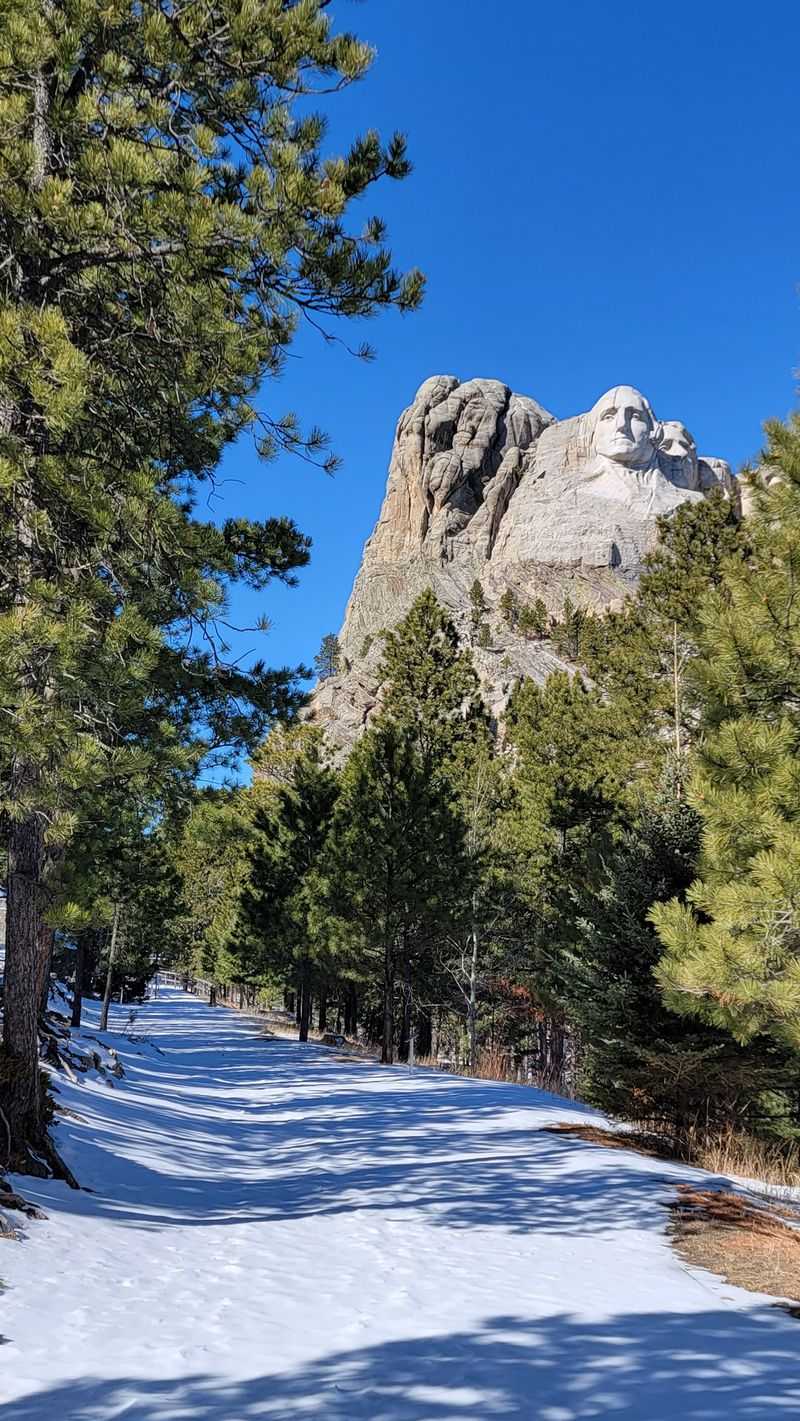
Let’s be honest: the landmark still hits you in the chest when you first see it, even after a thousand photos online. The difference now is the feeling around it.
That old sense of discovery has faded under the visitor tide. You check it off more than stumble upon it, and that changes the texture.
The awe is shared and scheduled, but iconic is iconic.
The faces hold a steady gaze, weathered and watchful, carved into the South Dakota backbone. The sight carries its own gravity.
So what do you do with that? You plan your visit with eyes open, and you shape your own moments in the spaces between.
In the end, the monument remains itself, crowds and all. It is less intimate, but not less meaningful.
You decide how much time and attention you give it.
