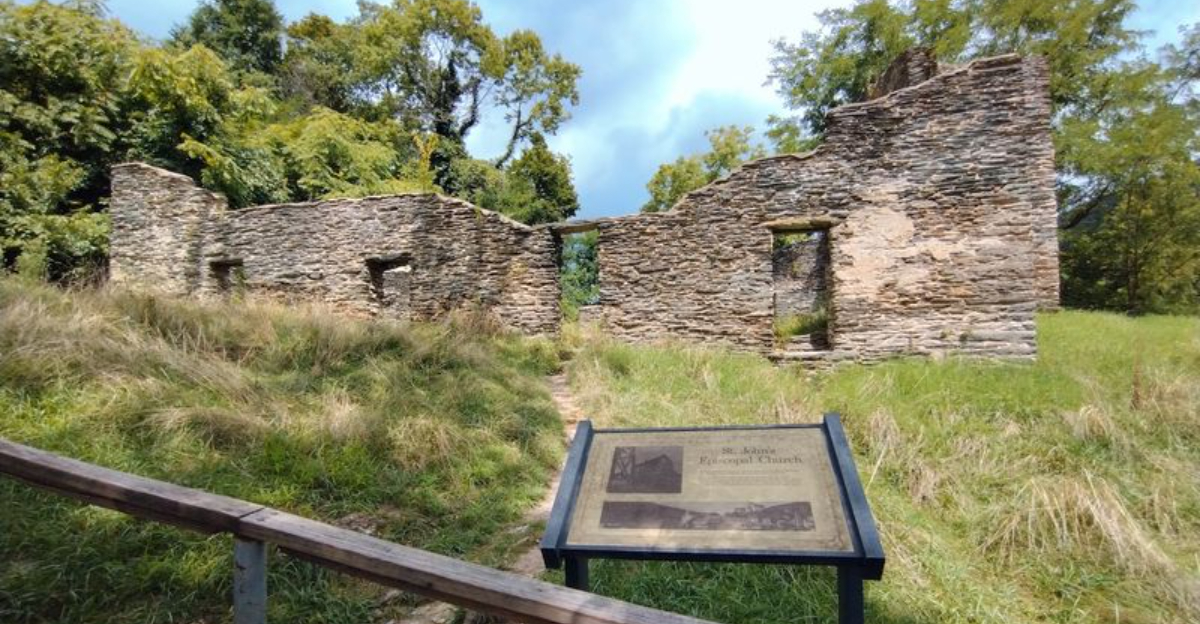
The stone walls of this West Virginia church have seen a lot. Built in 1852, it was a place of worship.
Then the Civil War came.
The building became a hospital for soldiers from both sides, and the walls absorbed the sounds of pain and healing.
The war left it scarred. Bullet holes still mark the stone.
After the conflict, the church was restored and served its congregation again until it was decommissioned in 1967.
Today, the ruins stand as a quiet monument.
You can walk among the crumbling walls and imagine the history that unfolded within them.
It is a peaceful spot now, but the echoes of the past are impossible to ignore.
West Virginia does not forget its history.
Where Soldiers Prayed and Healed
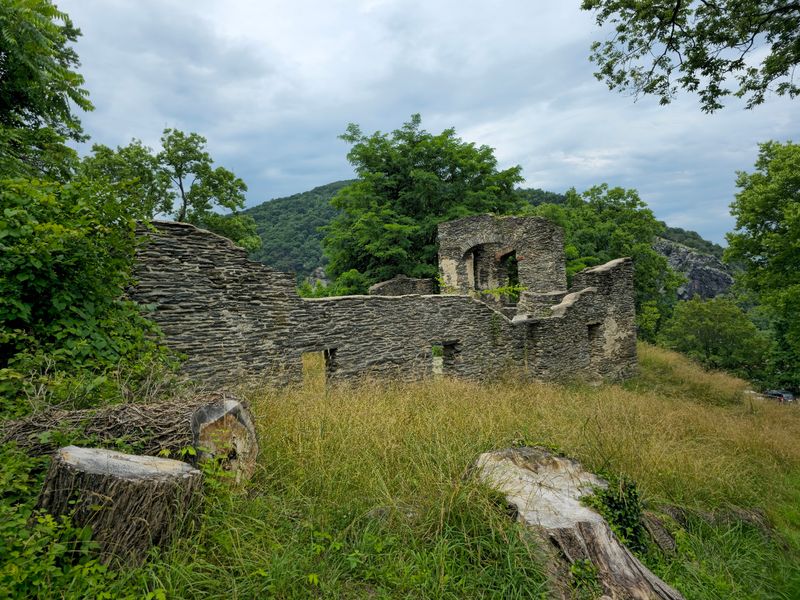
Standing inside the open shell, it is easy to forget that hymns once filled this space. Irish immigrant workers built the church between 1851 and 1852, giving the growing town of Harpers Ferry one of its earliest gathering places for worship.
Families came here on Sundays. Prayers, weddings, and quiet moments all happened between these same fieldstone walls that now hold nothing but air and sunlight.
Then the Civil War arrived and changed everything about how the building was used. The pews gave way to cots, and the church became a field hospital and barracks where wounded soldiers from both sides were carried in for care.
Comfort came in two forms here, medical and spiritual, often at the same hour. Men who had been strangers on a battlefield rested under one roof, listening to footsteps instead of sermons.
Walking through the gaps in the stone today, that double life feels close. A place built for peace ended up doing some of the hardest work of the war.
Hospital Walls That Refuse to Fall
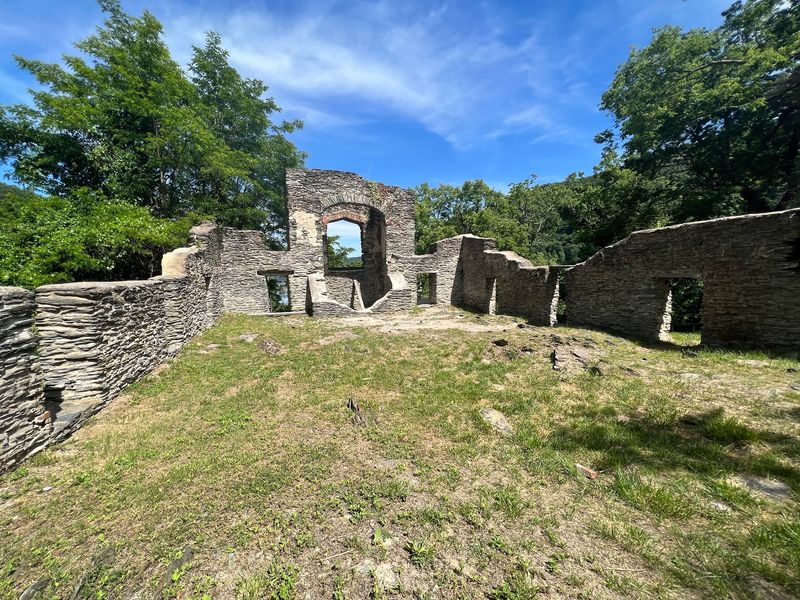
Durability is the quiet headline here. Harpers Ferry changed hands repeatedly during the Civil War, and the church took real damage as fighting rolled through the town again and again.
Yet the fieldstone masonry held. Whatever else fell away, the bones of the building stayed upright.
After the war ended, the congregation rebuilt, determined to bring their church back to life. Time, however, proved to be a slower and more stubborn opponent than artillery, and structural decay along with fire damage wore the building down over the following decades.
By 1895 the congregation moved to a newer building in the upper part of town, leaving these walls behind.
What remains now is a strange kind of victory. The stone stands with empty windows and broken edges, still tracing the shape of the original structure for anyone willing to look carefully.
Run your eyes along the seams and you can see how thick the walls were built. Whoever stacked these stones was clearly not planning for a short life.
The View That Makes Ruins Beautiful
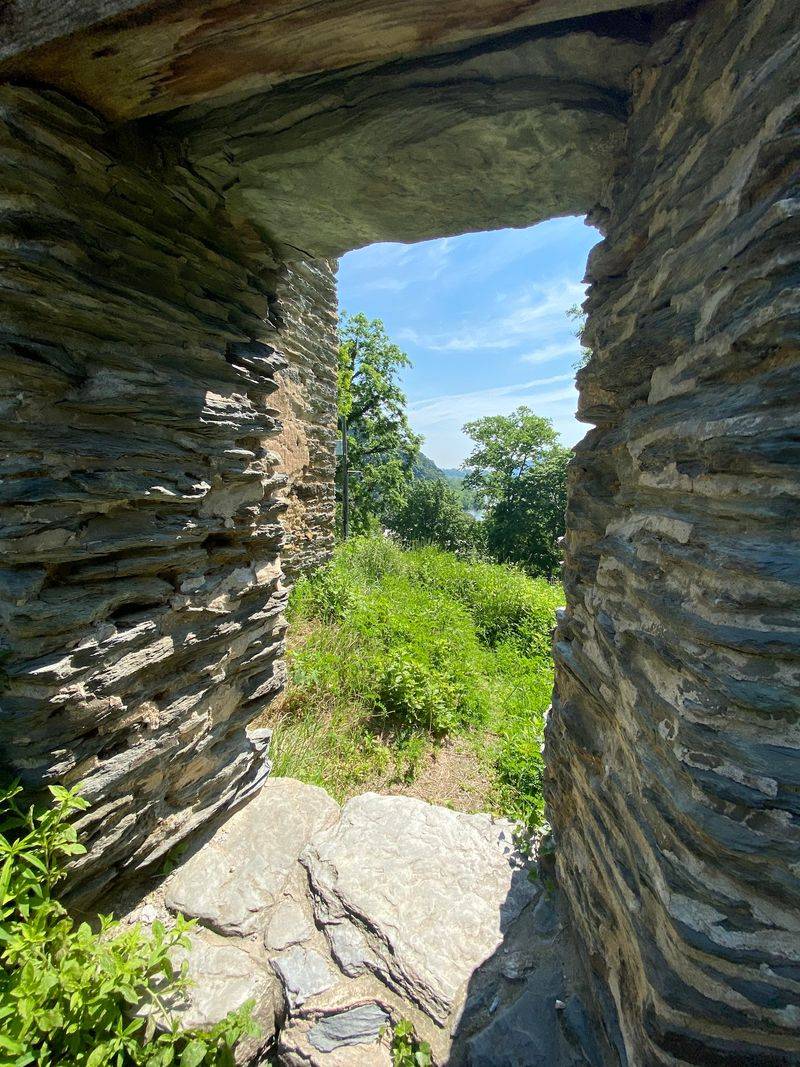
Half the magic here is what sits beyond the walls. The ruins rest along a footpath climbing from lower town toward Camp Hill, which means the elevation does you a favor before you even arrive.
From this shoulder of the hillside, the town rooftops spread out below.
The Potomac and Shenandoah rivers meet nearby, a view Thomas Jefferson once claimed was worth crossing the Atlantic to see. Standing among broken arches with that landscape stretching out feels a bit like nature and history agreeing to share a frame.
Every season rearranges the scene in its own way. Autumn floods the hills with color, winter snow settles into the stone crevices, and summer wraps the whole site in thick green.
Photographers seem to figure this out quickly, since the empty window openings work like natural picture frames.
Pause long enough and the ruins stop feeling sad. They start feeling like a balcony built by accident, offering one of the best long looks in town.
Harpers Ferry’s Haunting Stone Reminder
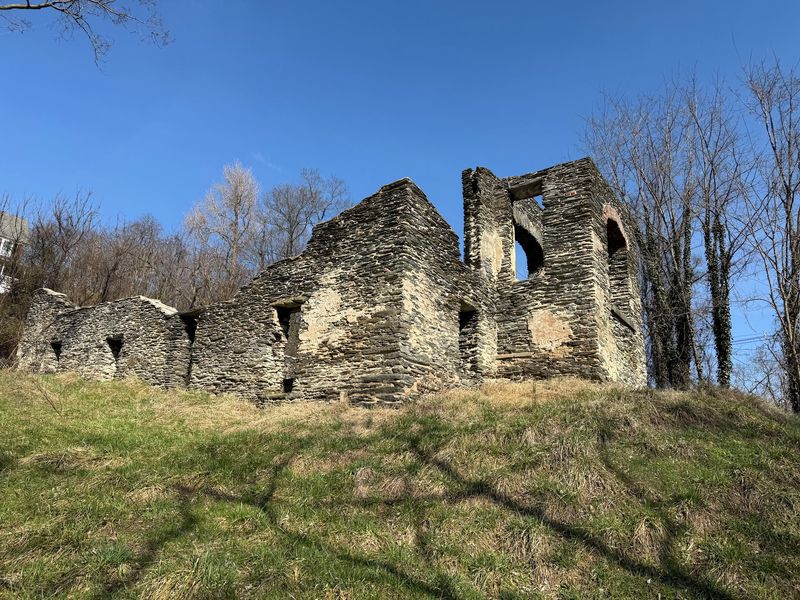
Some ruins feel decorative, and some feel like they are still thinking about something. These stones fall squarely into the second group.
As one of the earliest churches raised in Harpers Ferry, the building marks a moment when Irish immigrant families were putting down real roots in a young industrial town.
Its later role as a Civil War hospital ties the site directly to one of the heaviest chapters in American history. Damage from that period never fully disappeared, and the weathered facade carries the evidence in plain sight.
Missing roof, open sky, uneven stone edges. The whole picture invites a slower kind of thinking.
Visitors often go quiet without meaning to, which says something about the atmosphere. There is no barrier of glass or velvet rope between you and the past here, just rough stone and whatever the wind is doing that day.
Come early or late and the light does half the storytelling for you, stretching long shadows across the ground where floorboards once creaked.
A Church That Survived War, Not Time
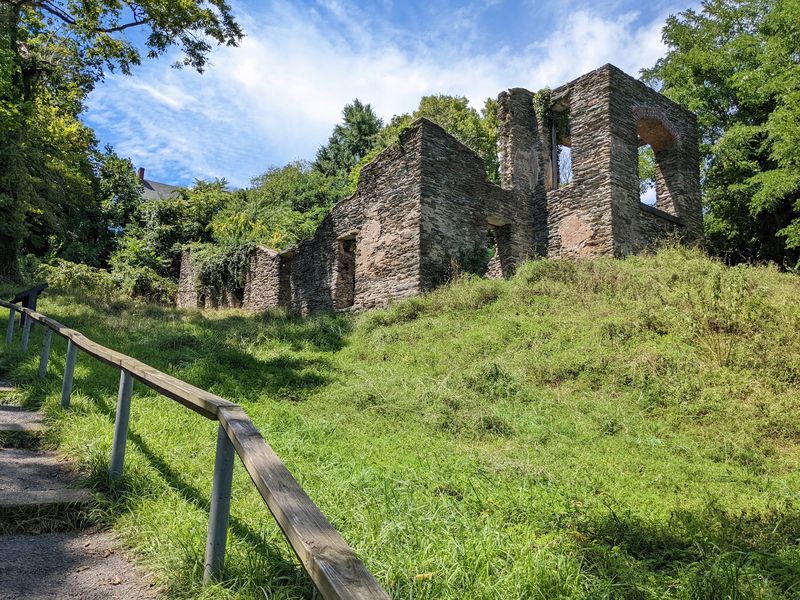
Irony sits heavy on this hillside. A building that took cannon fire and wartime occupation eventually lost its fight against something far quieter, which was simple decay.
The congregation repaired the church after the Civil War, proving the structure had survived the worst of the fighting.
Repairs, though, could only stretch so far. Structural problems piled up over the years, fires added more damage, and maintaining an aging stone building became harder with each decade.
In 1895 the congregation relocated to a new home in the upper part of town, and the old walls were left to the weather.
From that point forward, the transformation into ruins happened slowly and steadily. Rain, frost, and roots did what artillery never managed to finish.
Today the rear of the building is essentially gone while the front section stands as the most complete portion. Weeds carpet the interior floor, softening the whole space in a way that feels almost intentional.
It is a reminder that survival and permanence are two very different things.
Built in 1852, Wounded in 1861
Nine years. That is roughly how long this church got to be an ordinary church before history came knocking with terrible timing.
Completed in 1852 by skilled Irish immigrant builders, the building served a growing community that had every reason to expect decades of quiet Sundays ahead.
For that short stretch, life inside followed a normal rhythm. Services, community gatherings, and the everyday business of a young congregation filled the calendar.
Then 1861 arrived and Harpers Ferry became one of the most contested spots in the region, changing hands over and over as armies moved through.
The building suffered accordingly. Damage accumulated as the town absorbed repeated occupations and fighting, and the church shifted from a house of worship into a wartime resource.
Reading those two dates together tells the whole story faster than any plaque could. Built in one decade, wounded in the next, and never quite the same afterward.
Standing there with the numbers in mind makes the stone feel a lot less abstract.
The Church That Became a Ward
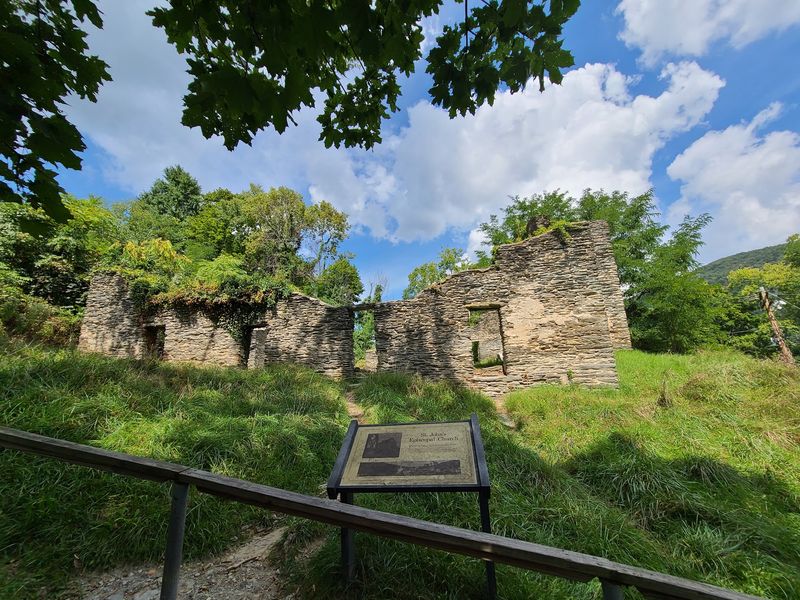
Imagine cots where pews used to sit. During the Civil War, the sanctuary was converted into a working hospital ward and barracks, and the change would have been immediate and complete.
Space that once echoed with singing filled instead with the sounds of care and recovery.
Buildings across Harpers Ferry were pressed into military service during the conflict, but a church makes the contrast especially sharp. Wounded soldiers needed shelter, and thick stone walls offered exactly that.
Medical staff worked in cramped conditions, using whatever the building provided.
Standing in the open interior today, the floor is nothing but weeds and packed earth, which somehow makes it easier to picture rows of makeshift beds. The broken doorways on each side let you walk straight through where stretchers once passed.
Nothing dramatic marks the spot, and that restraint works in its favor.
These walls absorbed one of the hardest jobs of the war, and they still hold their shape well enough to let visitors imagine it clearly.
Stabilized by the Park Service, Still Standing
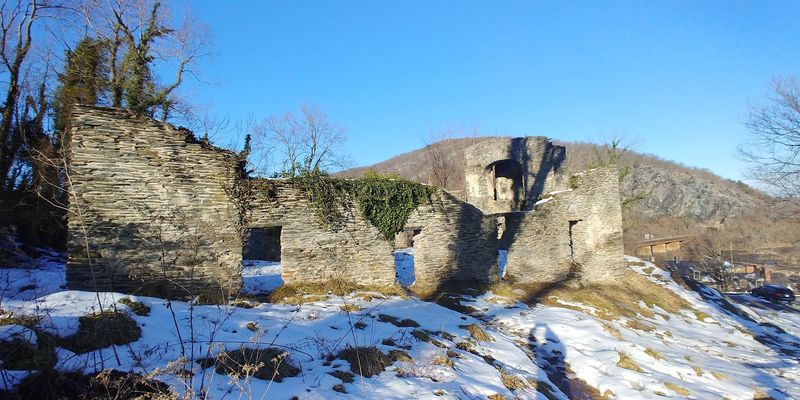
Ruins do not maintain themselves, and this site has had steady help. The National Park Service has managed stabilization and preservation work here since 1959, treating the remaining walls as a resource worth protecting rather than a pile of old rock.
That commitment is the reason anything is left to visit.
Original fieldstone walls were once fully faced with mortar, and keeping that masonry intact takes ongoing attention. Stabilization efforts focus on holding the structure together without erasing its weathered character.
Trail management also plays a part, guiding foot traffic and discouraging climbing on the fragile stone.
Visitors benefit directly from all of it. The site stays open around the clock, sits just a short walk up from lower town, and asks nothing more than respect for the railing.
Stick to the paths and let the walls stay standing for the next round of curious travelers.
Quiet, unglamorous preservation work like this rarely gets applause, but it is exactly what keeps a place like this alive.
Gothic Arches That Saw War
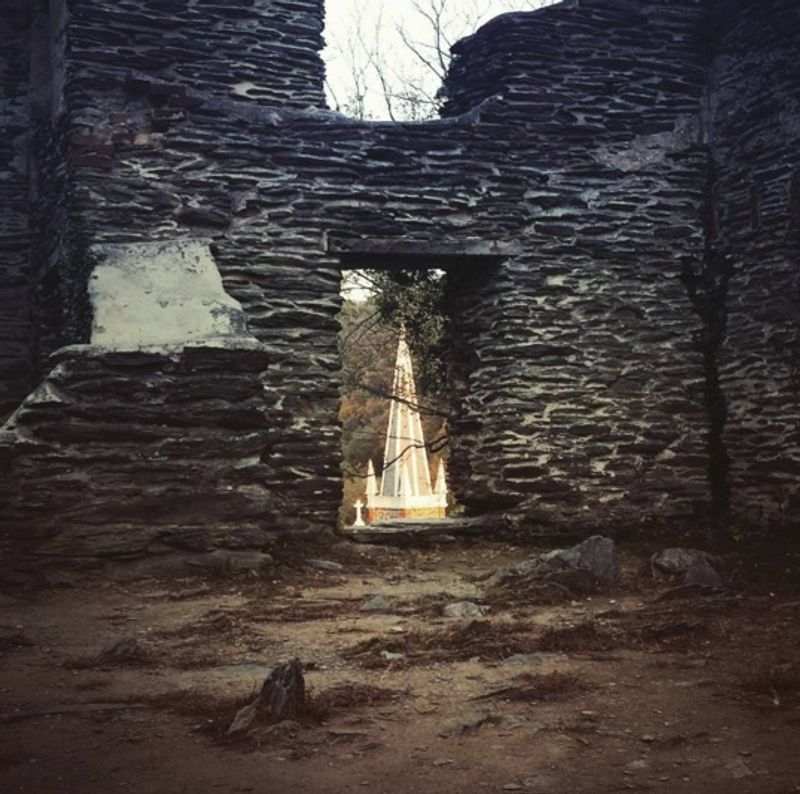
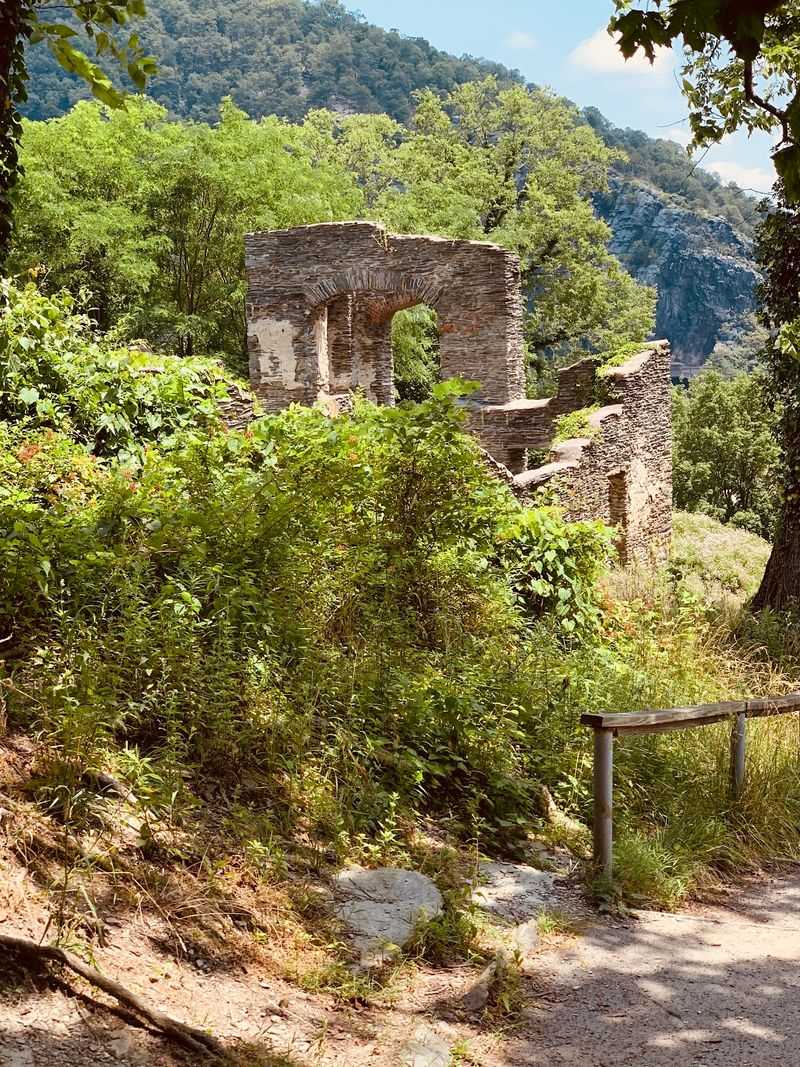
Look up at the surviving openings and the architecture starts speaking. Arched shapes cut into the stone hint at a design meant to lift the eye upward, the sort of detail common in Episcopal churches of the mid-1800s.
Much of the original interior detail is long gone, lost to fire and decades of weather.
What remains is the framework, and the framework is enough. Tall openings that once held glass now hold nothing but branches and sky, which gives them an unexpected second life as picture frames.
The front section, where the pulpit likely stood, survives in the best condition.
These same arches were in place when the building served as a wartime hospital, meaning they witnessed both the singing and the suffering. Stone does not remember, but it does record, and every chipped edge is part of the record.
Photographers tend to linger here for good reason. Morning light slipping through the openings turns plain gray stone into something genuinely striking.
One of Harpers Ferry’s Earliest Churches
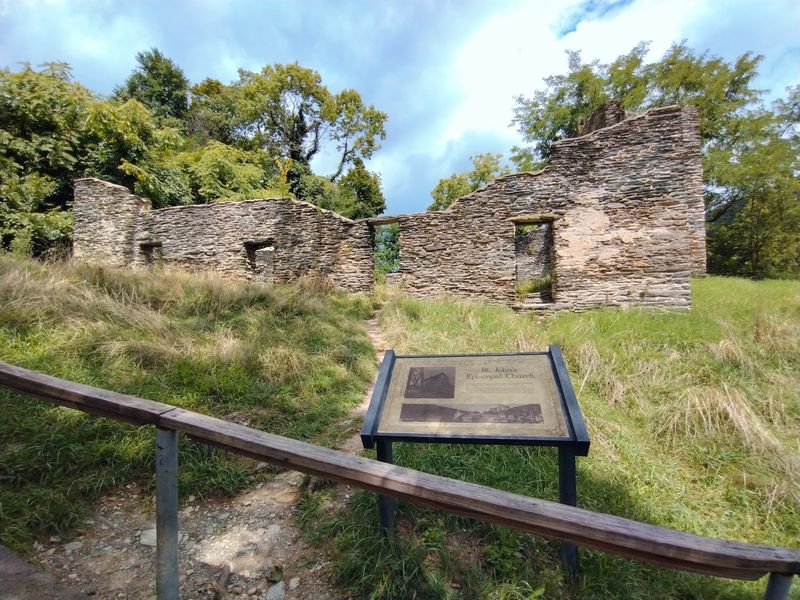
Founding stories matter, and this one belongs near the beginning of Harpers Ferry’s. Built in 1851 and 1852, the church counted among the first five established in a town that was growing fast on the back of industry and river traffic.
Irish immigrant labor raised the walls, adding another layer to who shaped this community.
Churches served as anchors in early Harpers Ferry, providing structure and gathering space for families settling into a busy, sometimes chaotic place. Being among the earliest gives these ruins a foundational role in the town’s timeline.
Everything that followed, including the war years, arrived after this building was already part of daily life.
Reaching it takes only a short climb up stone steps from lower town, tucked behind the newer church along the footpath toward Camp Hill. The walk is brief and the payoff is generous.
Open every hour of every day, the site rewards early risers and late wanderers alike.
Address: Church St, Harpers Ferry, WV 25425
