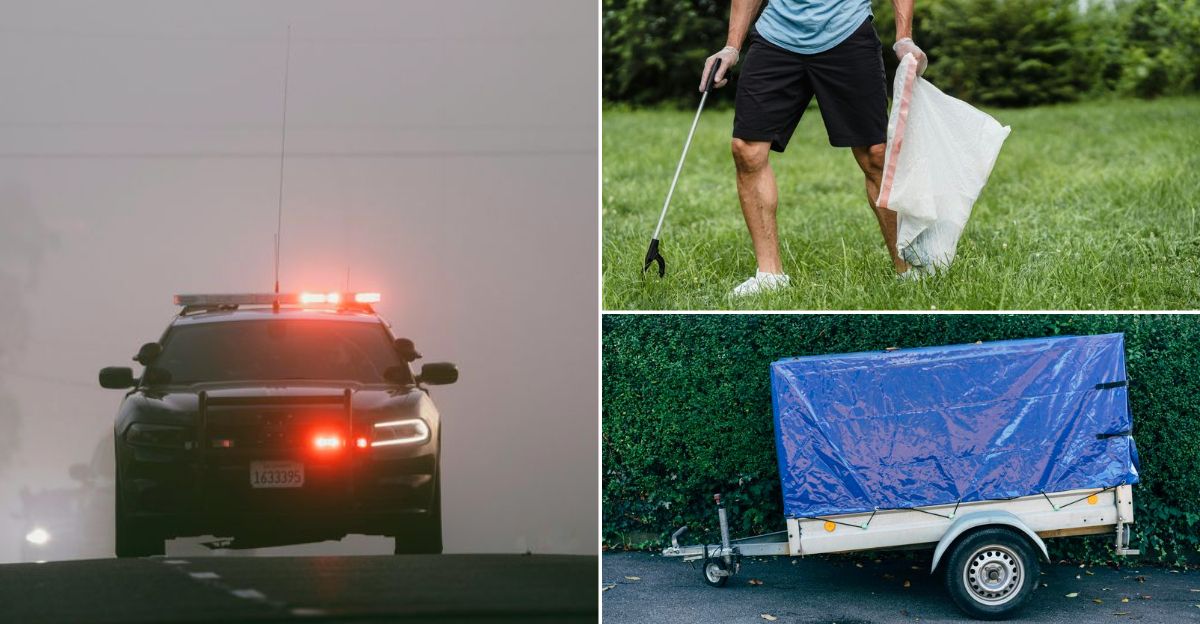
Did you know you could technically break a law in Arkansas without even trying? Some of the state’s rules are so strange and outdated that tourists trip over them simply by living their normal lives.
From quirky regulations involving animals and vehicles to odd restrictions on public behavior, these laws often sound like folklore until you see them cited in legal lists and local trivia.
Most are rarely enforced today, but they still linger in the books, ready to confuse visitors and amuse locals who grew up hearing about them.
These peculiar rules offer a peek into Arkansas’s past, when lawmakers tried to address very specific problems that now feel almost comical.
For travelers, discovering them becomes part of the fun, adding a layer of surprise and humor to any road trip through the Natural State.
1. Phone Texting While Driving

I know the impulse to fire off a quick text at a red light, but in Arkansas the phone has to stay put while you are driving. If a message pings, let it wait or pull over somewhere safe.
Even tapping to read a notification can look like texting to an officer.
The vibe here is safety first, because two-lane roads twist and curve.
Navigation is fine when it is hands-free, so set it before you roll. If you need to change something on the fly, ask your passenger or take the next exit.
Think of towns like Conway or Bentonville, where traffic stacks up fast. One glance down is all it takes to miss a lane change or a cyclist.
On rural stretches, the temptation grows because the road feels empty. That is when deer pop out or the pavement narrows without warning.
If you must handle the phone, park in a lot or a turnout.
You will save yourself stress and keep trip stories focused on the fun parts, not the ticket.
2. Headlights When Wipers Are On
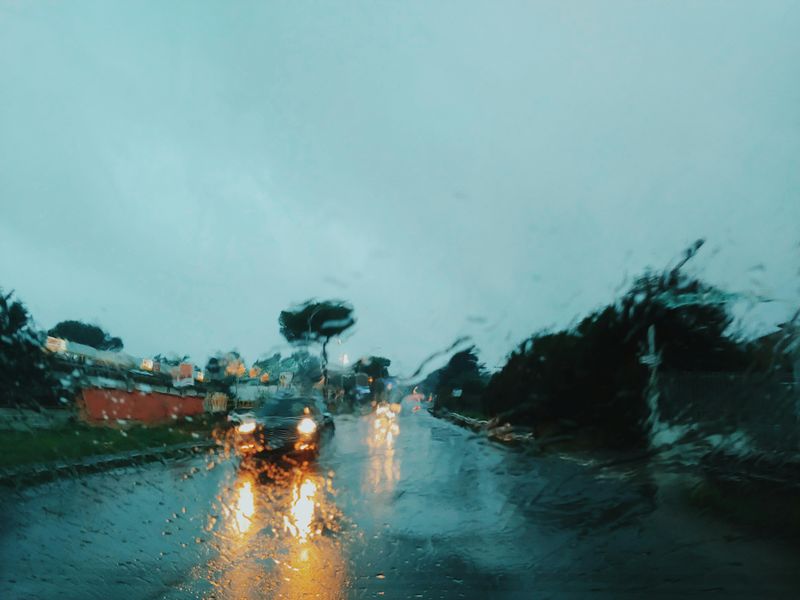
Rain sneaks in fast in Arkansas, and the second those wipers start moving, your headlights should be on. It is about being seen as much as seeing.
Foggy mornings around the Ouachitas can turn a gray car invisible.
Headlights cut the haze so the pickup behind you does not crowd your bumper.
Automatic lights do not always catch the drizzle. Give the switch a nudge and you are set.
Think less about rules and more about courtesy. Drivers coming the other way want that little flash of awareness on a wet bend.
If the rain lets up and the wipers stop, you can go back to normal. Until then, lights on means you blend smoothly with the flow.
It feels small, but it keeps everyone aligned.
Your future self will thank you when a sudden sheet of water hits and your lights are already there.
3. Move Over For Stopped Flashing-Light Vehicles
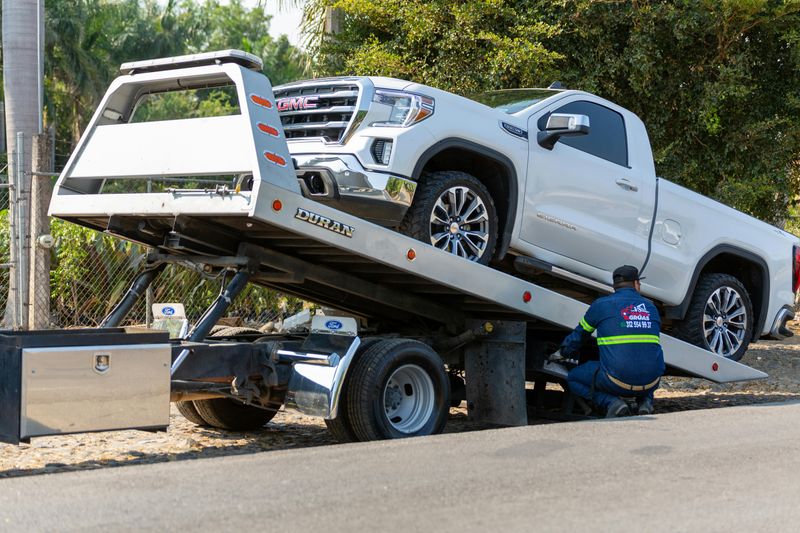
See flashing lights on the shoulder? Slide over a lane if you can, or slow way down if you cannot.
This is not just for police. Tow trucks, highway crews, and utility vehicles all count in Arkansas.
Out near Jonesboro or along I-49, shoulders can be tight.
Give those crews a working bubble and you will feel the tension drop.
If traffic blocks your move, ease off the gas and pass with space. Your patience buys their safety.
It helps to plan a touch earlier. Spot the lights, signal, and drift rather than dart.
The rule keeps roadside scenes calm instead of chaotic. You get through cleanly, and someone changing a tire gets to go home on time.
4. Seat Belts For Driver And Front Seat
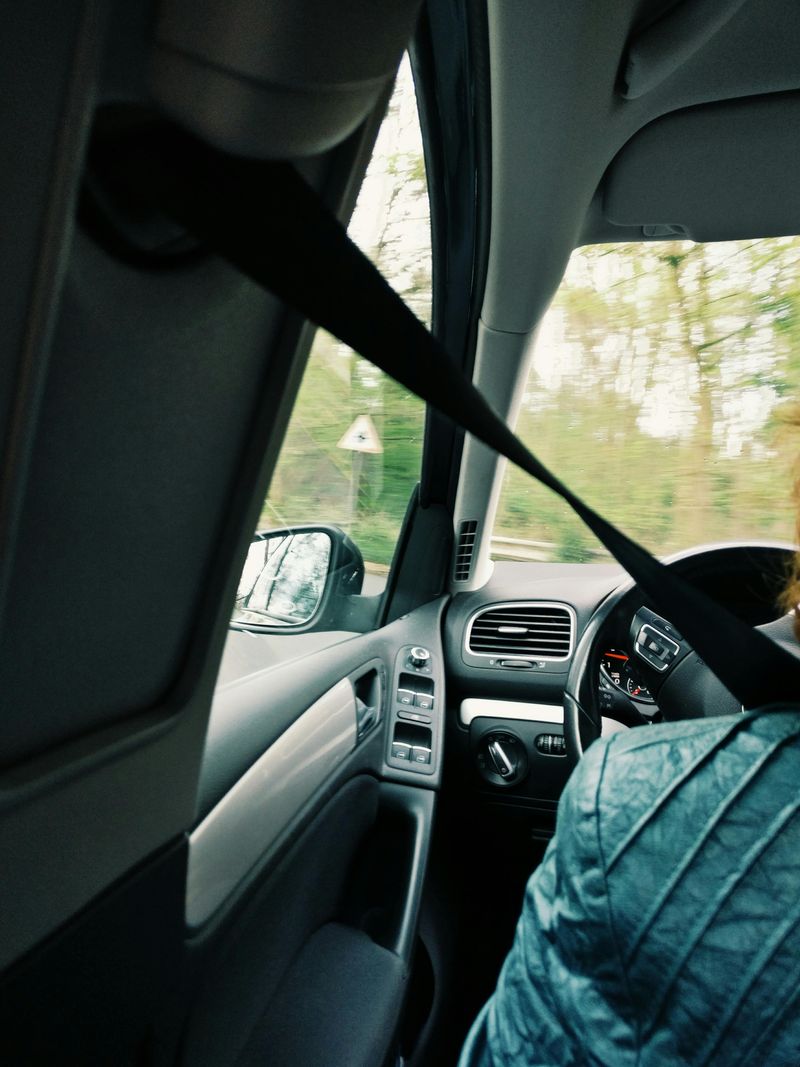
Buckle up the second you sit down in the front seat, even if you are just hopping across Fayetteville.
Arkansas expects the driver and front passenger to be clipped in and adjusted right.
The shoulder strap should sit across the chest, not tucked behind your arm. Loose or twisted belts are not doing their job.
If the car moves, the belt should be on. Save the shrug for after you park.
In older cars, make sure the latch clicks and stays clicked. If it sticks, give it a second and try again.
Short drives count because most surprises happen nearby. You will forget about the belt in two blocks anyway.
Tourists sometimes unbuckle to snap a quick photo.
Hand the camera to the person in back or wait for a pull-off, and you are instantly good with Arkansas and your common sense.
5. Child Safety Seat Basics
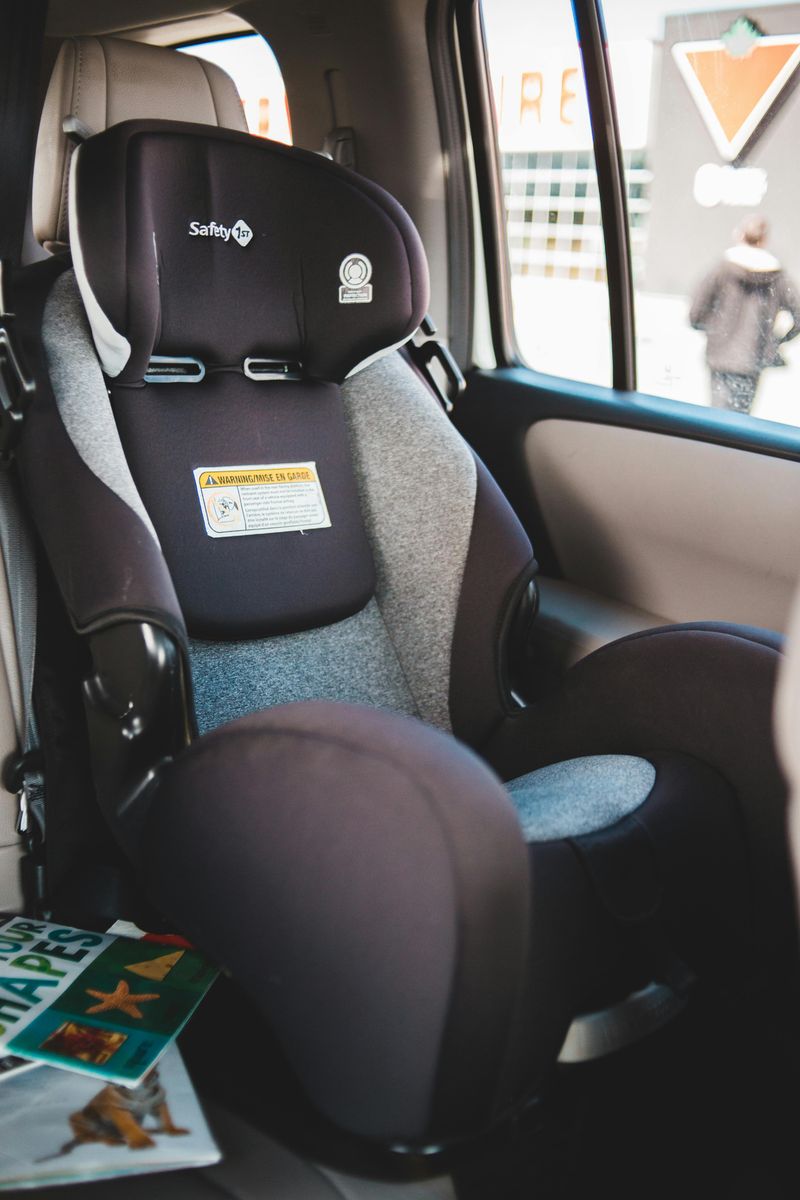
If you are traveling with kids, the cutoff rules in Arkansas sneak up on people. Under a certain age and weight, they need a proper child safety seat that fits both the kid and the vehicle.
Do a quick check of the harness height before rolling out of Little Rock.
The straps should be snug at or just above the shoulders depending on the seat type.
LATCH anchors make installation easier, but not every spot allows them. Use the manual and pick a seating position that matches the system.
When in doubt, swing by a fire station or a fitting event. A few minutes of guidance can turn guesswork into confidence.
Road trips twist through hills, and naps will happen. A correctly reclined seat keeps heads from flopping forward on those slow curves.
Bring the kid’s usual blanket or toy after you lock the harness.
Comfort helps, but the rule is restraint first, then chill, which fits Arkansas and your stress level both.
6. Window Tint Limits
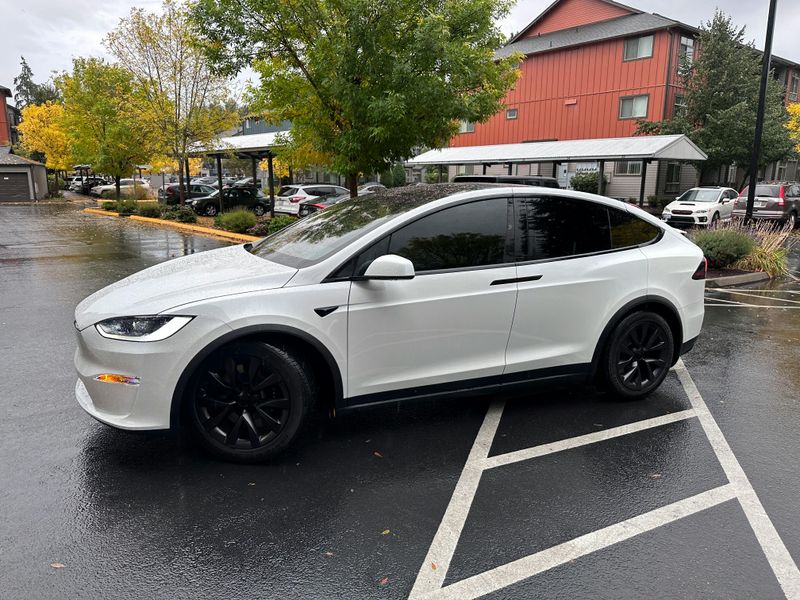
Dark tint looks sharp until it does not match Arkansas light transmission rules.
The front side windows and windshield areas have specific limits that catch travelers by surprise.
If you rented a car, you are probably fine. Personal rides with aftermarket film can drift into the too-dark zone.
Visibility is the whole point. Officers need to see inside enough for safety during stops.
Think of it like sunglasses etiquette. Too dark indoors feels weird, and driving is a moving room with risks.
Shops in state know the numbers and the meters used to check.
If you are bringing your own car through, do a quick measurement before the trip.
On cloudy days, illegal tint hides in plain sight. Then the sun pops out over the Arkansas River and suddenly your windows tell a different story, which is not the one you want to explain.
7. Hazard Lights While Driving
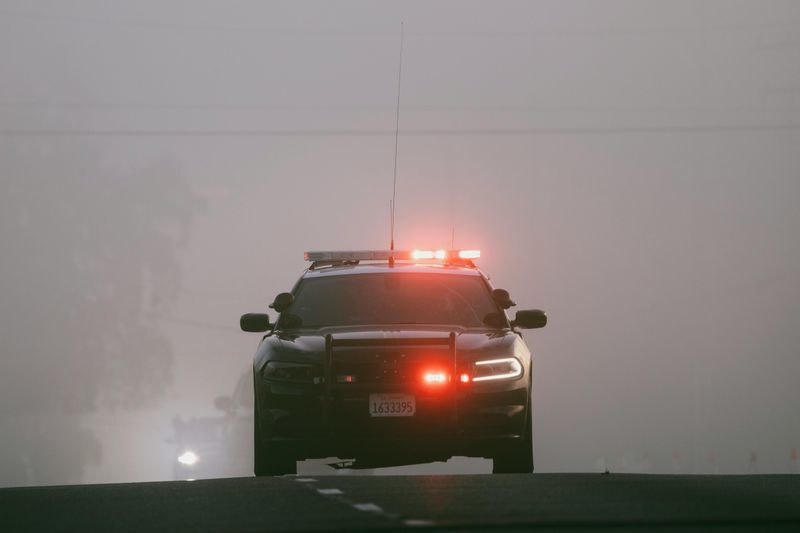
Hazards are for when something is wrong, not for cruising through rain like they are extra headlights. Arkansas leans on the idea that hazards signal a stopped or immediate issue.
If you need them, pull to a safe spot and click them on.
Rolling with hazards can confuse drivers who are trying to read your next move.
In storms, use your regular headlights. They were designed for that exact job.
If you are creeping because of a flat or a sudden problem, move off the lane. Then the flashers make sense and people give you room.
It is a clarity thing. Drivers here watch signals closely to sort out narrow lanes and quick turns.
The cleaner your message, the calmer the flow. Save hazards for real trouble and Arkansas roads will make more sense immediately.
8. No-Stop Zones Near Hydrants And Crosswalks

Downtown blocks in Arkansas love a sneaky hydrant right where you want to idle. Do not stop or park close to those or inside crosswalks even for a quick selfie.
Intersections get similar space rules to keep sight lines clean.
If your bumper creeps in, you shrink visibility for everyone crossing.
Look for faded curb paint and posted signs. Even without paint, the hydrant still claims its bubble.
When in a rush, swing around the block once. The extra minute beats a horn blast or a ticket.
Small towns like Eureka Springs pack tight corners. A few feet the wrong way and a fire truck cannot angle in.
Stop where the lane is legal, then walk back for the photo.
You will see more of the Arkansas brickwork and murals anyway, which is the fun part.
9. Stopping On Rural Highways
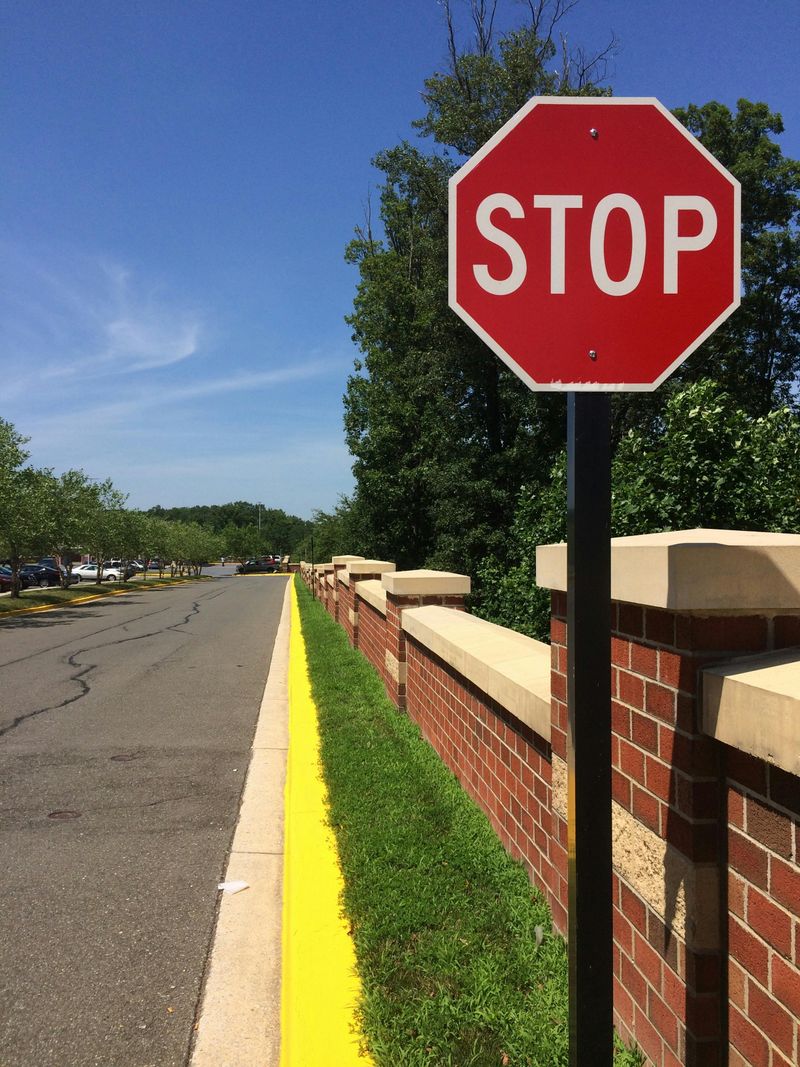
Out in the quiet parts of Arkansas, stopping on the travel lane is a no-go unless you absolutely have to.
The safe habit is to get completely off the paved or main-traveled section when practical.
Those shoulders are there for breakdowns and breathers. Use them fully so passing traffic has room.
If the shoulder looks soft after rain, roll slow. You want tires on firm ground before you hop out.
Flip your hazards once you are off. Then check mirrors before opening a door.
Wildlife and blind hills turn a simple pause into a surprise scene.
Better to be clear and visible from both directions.
Give yourself the width of a car and a half if possible. It keeps you calm while you reorient the map or retie a roof strap somewhere in beautiful Arkansas countryside.
10. Walking On Controlled-Access Highways
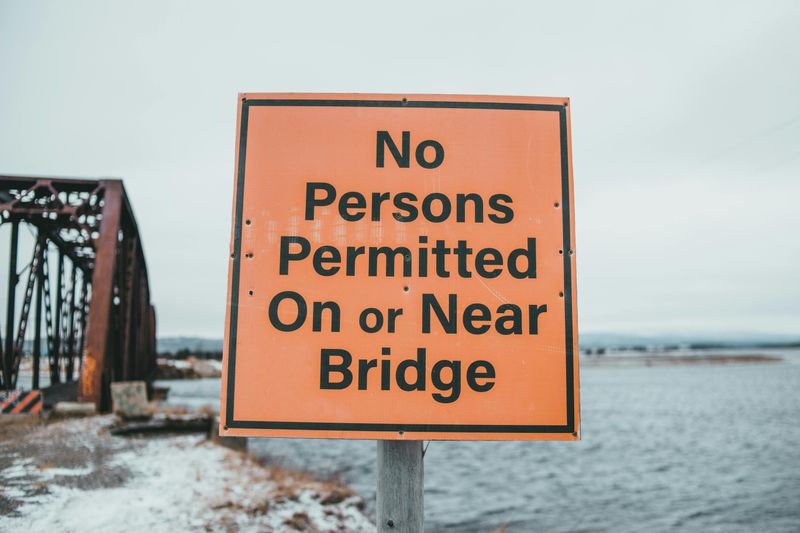
Pedestrians and controlled-access highways in Arkansas do not mix except in very limited situations.
If you miss your exit and think about walking, just do not.
These roads are built for speed and long sight lines. Feet on the shoulder interrupt everything drivers expect to see.
If your car dies, stay in the vehicle if safe and call for help. Walking for gas belongs to old road stories, not current plans.
Look for the next ramp, not a gap in the barrier. Patrols are quick to intervene for everyone’s safety.
In cities like North Little Rock, ramps stack like puzzle pieces.
Trying to cross on foot turns that puzzle into a hazard.
Stick to frontage roads and sidewalks where they exist. Your timeline barely changes, and Arkansas traffic keeps humming without a scare.
11. Litter Rules With Cleanup Options

Arkansas takes litter personally, and honestly, the roads look better for it.
If something flies out of your car, you are responsible for the mess.
Courts can fold cleanup into the consequences. That twist surprises visitors who are used to just paying and moving on.
Keep a trash bag in the door pocket. When windows are down, secure loose wrappers so the wind does not volunteer them.
Picnic stops and trailheads post reminders right at the exit. Read them once and your routine locks in.
It feels old-school, but it works. Ditches stay clear, and creeks run clean through places you actually want to photograph.
Treat it like borrowing a porch from Arkansas for a day.
Leave it tidy and the state keeps welcoming you back with those mellow, tree-lined drives.
12. Covering Loads When Hauling Trash
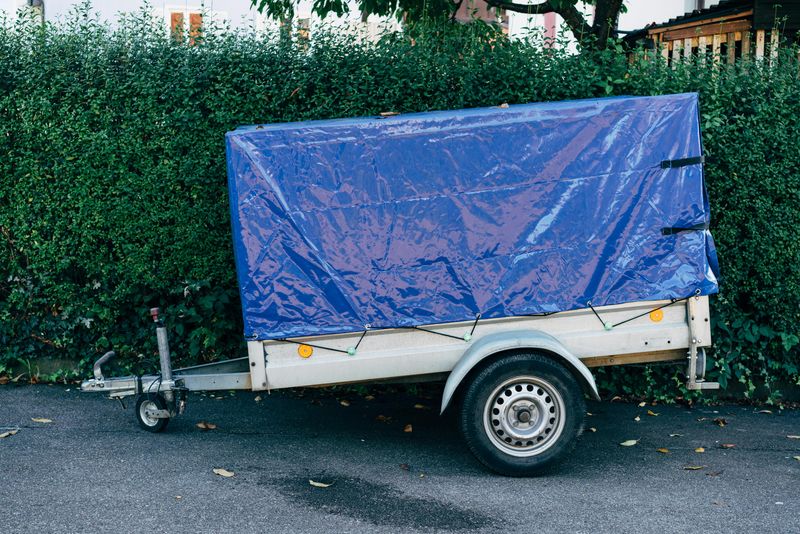
If you are hauling trash or yard debris, Arkansas expects you to keep it from flying out. A tarp or net and a couple of straps make the whole thing effortless.
Even small pieces turn into fast projectiles on a downhill.
Cover once and you stop a dozen little problems at the source.
Before rolling, tug each corner of the tarp. Loose edges chatter, then lift.
Strap the middle so the wind does not balloon the cover. Think drum tight, not guitar string tight.
Transfer stations and city drop sites notice good setups. You glide through while others rework their load in the lot.
The road behind you stays clean, and drivers are not dodging cups or leaves.
It is one of those Arkansas rules that feels like courtesy wrapped in common sense, which is exactly why it sticks.
Dear Reader: This page may contain affiliate links which may earn a commission if you click through and make a purchase. Our independent journalism is not influenced by any advertiser or commercial initiative unless it is clearly marked as sponsored content. As travel products change, please be sure to reconfirm all details and stay up to date with current events to ensure a safe and successful trip.
