
Florida draws millions of visitors each year with its sun-drenched beaches, world-famous theme parks, and vibrant cultural scene stretching from Miami’s art deco districts to the Gulf Coast’s emerald waters.
But beneath the palm trees and vacation excitement lies a peculiar legal landscape that continues to surprise unsuspecting tourists.
One strange Florida law remains particularly notorious for catching visitors completely off guard, leading to awkward encounters, unexpected fines, and bewildering stories shared long after the vacation ends.
Understanding this unusual regulation before your trip can save you from becoming another cautionary tale in the Sunshine State’s colorful legal history.
The Unmarried Woman Parachuting Prohibition

Tucked away in Florida’s dusty legal archives sits one of the strangest laws ever written, a regulation that sounds like it belongs in a comedy sketch rather than actual legislation.
According to Florida statute, unmarried women are technically prohibited from parachuting on Sundays.
Yes, you read that correctly.
This bizarre law specifically targets single women who want to jump out of perfectly good airplanes on the Christian Sabbath, though married women apparently face no such restriction.
The origins of this peculiar prohibition remain murky, with legal historians speculating it emerged during an era when Sunday activities were heavily regulated for religious reasons.
Many Southern states enacted so-called blue laws restricting various Sunday activities, but Florida’s parachuting provision stands out for its oddly specific gender and marital status requirements.
Tourists planning skydiving adventures in Florida rarely encounter enforcement of this antiquated regulation.
Modern skydiving operations throughout the state welcome customers regardless of gender, marital status, or day of the week.
Popular drop zones near Orlando, Tampa, and Miami conduct Sunday jumps without checking marriage certificates at the door.
The law remains technically on the books despite being widely ignored and almost certainly unconstitutional under current equal protection standards.
Legal experts agree that any attempt to enforce this statute today would immediately face successful court challenges.
Nevertheless, the law’s continued existence creates amusing confusion for visitors researching Florida regulations before their vacation.
Imagine planning your bachelorette party skydiving adventure only to discover this strange legal quirk during your internet search.
The absurdity highlights how outdated laws often linger in state codes long after society has moved beyond the attitudes that created them.
Florida lawmakers have occasionally discussed cleaning up such archaic statutes, but the process requires legislative time and energy that typically gets directed toward more pressing matters.
Meanwhile, this curious prohibition serves as a conversation starter and a reminder of how dramatically social norms have shifted over the decades.
For tourists, the takeaway is simple: feel free to schedule that Sunday skydiving experience regardless of your relationship status.
Just be prepared to share this bizarre legal footnote with your fellow jumpers as you soar above Florida’s stunning landscape.
The law may catch you off guard when you first hear about it, but it certainly will not stop your adventure.
Understanding Florida’s Blue Law Heritage

Florida’s strange parachuting law did not emerge in isolation but rather as part of a broader tradition of blue laws that once regulated Sunday activities across America.
These religiously motivated statutes aimed to preserve the Sabbath as a day of rest and worship by restricting commercial activities and various forms of recreation.
During the late 19th and early 20th centuries, Florida joined many other states in enacting comprehensive Sunday regulations that touched nearly every aspect of public life.
Stores faced restrictions on what they could sell, theaters remained closed, and certain recreational activities were strictly forbidden.
The parachuting prohibition for unmarried women likely represented an attempt to maintain traditional gender roles while also enforcing Sabbath observance.
Women’s activities faced particularly intense scrutiny during this period, with laws often reflecting paternalistic attitudes about proper feminine behavior.
As decades passed and American society became increasingly secular and egalitarian, most blue laws gradually disappeared through repeal or simple non-enforcement.
However, the legislative process of formally removing outdated statutes moves slowly, leaving peculiar relics like the parachuting law scattered throughout Florida’s legal code.
Tourists exploring Florida today encounter a state that has thoroughly embraced seven-day-a-week commerce and recreation.
Beach activities, theme park visits, shopping expeditions, and adventure sports operate without regard to traditional Sabbath restrictions.
Miami’s vibrant Sunday brunch scene, Orlando’s theme parks packed with weekend crowds, and Key West’s perpetual party atmosphere demonstrate how completely Florida has moved beyond its blue law past.
Yet these legal fossils persist in the background, occasionally surfacing to surprise researchers, journalists, and curious travelers.
Understanding this historical context helps explain why such an absurd law exists in the first place.
It reflects a bygone era’s values rather than any contemporary legal philosophy.
For visitors, this heritage provides fascinating insight into how American culture has evolved.
The disconnect between what laws technically say and how society actually functions reveals the dynamic nature of legal systems.
Florida’s landscape has transformed dramatically since these regulations were written, growing from a relatively rural Southern state into a diverse, cosmopolitan destination welcoming millions of international visitors annually.
The persistence of outdated laws serves as a quirky reminder that legal codes require constant maintenance to reflect current values and realities.
Next time you enjoy a Sunday activity in Florida without restriction, you can appreciate how far social progress has brought us from the days when such activities required legal permission.
Modern Enforcement Reality

Despite technically remaining on the books, Florida’s unmarried woman parachuting prohibition exists only as a legal ghost with zero practical enforcement in modern times.
No law enforcement agency in the state dedicates resources to monitoring the marital status of Sunday skydivers.
Police officers have far more pressing concerns than whether the woman floating down from 10,000 feet happens to be wearing a wedding ring.
The practical reality for tourists is that this law poses absolutely no risk to your vacation plans or your criminal record.
Skydiving facilities throughout Florida operate professionally regulated businesses that comply with federal aviation regulations and modern safety standards rather than archaic Sunday statutes.
These operations welcome all customers equally, focusing on proper training, equipment maintenance, and weather conditions rather than outdated legal curiosities.
Legal experts emphasize that attempting to enforce such a law today would violate multiple constitutional protections including equal protection under the Fourteenth Amendment and possibly religious freedom principles.
Any prosecutor bringing charges under this statute would face immediate dismissal and likely professional embarrassment.
Courts have consistently struck down gender-based legal distinctions that lack substantial justification, and this parachuting prohibition clearly fails any rational basis test.
Furthermore, marital status discrimination in access to recreational activities cannot survive modern constitutional scrutiny.
The law’s continued existence represents legislative inertia rather than any genuine legal threat.
Florida’s legislature periodically considers omnibus bills to remove outdated statutes, but these cleanup efforts compete with budget debates, policy initiatives, and other priorities that seem more urgent to lawmakers.
Removing a law that nobody enforces simply does not generate the political pressure necessary to move it up the legislative agenda.
For tourists, this situation creates an interesting paradox where technically illegal activities occur thousands of times without consequence.
Sunday skydiving operations near popular destinations like Cocoa Beach, Clewiston, and Sebastian welcome unmarried female jumpers every week without incident.
The disconnect between written law and lived reality demonstrates how legal systems function through a combination of formal rules and informal social practices.
Visitors can confidently book their adventure activities without worrying about this peculiar prohibition.
The only catching off guard happens when someone discovers the law exists, not when anyone attempts to enforce it.
Travel forums and social media occasionally feature surprised posts from tourists who stumbled across this regulation during vacation research.
The resulting confusion quickly gets resolved by locals and experienced travelers who explain the enforcement reality.
Consider it a fun fact to share rather than a genuine legal concern for your Florida adventure.
Planning Your Florida Skydiving Experience

Florida offers some of the most spectacular skydiving locations in the United States, with year-round favorable weather and breathtaking views that make the experience truly unforgettable.
Coastal drop zones provide stunning vistas of turquoise waters meeting white sand beaches, while inland facilities offer perspectives on the state’s lakes, forests, and unique geography.
Popular skydiving centers operate near major tourist destinations, making it convenient to add this thrilling adventure to your Florida vacation itinerary.
Near Orlando, several facilities cater to theme park visitors looking to add genuine adrenaline to their trip beyond roller coasters and water slides.
The Space Coast area offers the unique opportunity to potentially spot Kennedy Space Center from the air during your descent.
Tampa Bay region drop zones provide gorgeous views of the Gulf Coast’s emerald waters and barrier islands.
South Florida operations near Miami and the Keys deliver tropical paradise perspectives that create once-in-a-lifetime photo opportunities.
First-time jumpers typically begin with tandem skydiving, where you are securely harnessed to an experienced instructor who handles all technical aspects of the jump.
This allows you to focus on enjoying the experience rather than worrying about deployment procedures or navigation.
Most facilities require participants to be at least 18 years old and meet certain weight restrictions for safety reasons.
Medical conditions that affect consciousness, blood pressure, or bone integrity may disqualify participants, so honest health disclosure is essential.
Booking in advance is strongly recommended, especially during peak tourist seasons when slots fill quickly.
Many operations offer video and photo packages so you can capture your adventure to share with friends and family back home.
Weather plays a crucial role in skydiving operations, with wind speeds, cloud cover, and precipitation all affecting jump schedules.
Florida’s afternoon thunderstorms during summer months mean morning jumps often provide the most reliable conditions.
Facilities maintain strict safety protocols and will postpone jumps when conditions are not ideal, even if that disappoints eager participants.
Your safety always takes precedence over schedule convenience.
Expect to spend several hours at the drop zone for your experience, including training, gear fitting, waiting for your aircraft, the flight to altitude, and the jump itself.
Comfortable clothing and secure shoes are essential, as you will be moving around the facility and experiencing significant wind during freefall.
Leave jewelry and loose items behind to avoid losing them during your adventure.
The exhilaration of freefalling at 120 miles per hour before your parachute deploys creates memories that last far longer than any theme park ride.
Floating peacefully under canopy while surveying Florida’s landscape from thousands of feet provides a perspective few visitors ever experience.
Other Peculiar Florida Laws Tourists Encounter
Florida’s legal code contains numerous other bizarre regulations that occasionally catch tourists by surprise, creating a collection of head-scratching statutes that seem to defy logical explanation.
While the unmarried woman parachuting law stands out for its absurdity, it shares shelf space with equally strange legal companions.
For example, Florida law technically prohibits singing in a public place while wearing a swimsuit.
Beach karaoke enthusiasts take note: your beachside performance could theoretically land you in legal trouble, though enforcement remains non-existent in practice.
Another curious statute forbids unmarried couples from living together and engaging in lewd cohabitation, a law that would criminalize a significant portion of Florida’s current population if anyone bothered enforcing it.
These morality-based regulations reflect outdated social attitudes that have long since disappeared from mainstream American culture.
Animal-related laws add another layer of strangeness to Florida’s legal landscape.
Parking your elephant at a parking meter requires you to pay the same fee as you would for a vehicle.
While elephant transportation is admittedly rare in modern Florida, the law’s existence suggests some interesting historical circumstances that prompted its creation.
Doors on public buildings must open outward rather than inward, a regulation that actually serves important safety purposes following tragic nightclub fires, making it one of the few strange-sounding laws with solid practical justification.
Local ordinances add even more peculiarity to the mix.
Some municipalities maintain regulations about clothesline visibility, fence heights, and lawn maintenance that can surprise property renters unfamiliar with local expectations.
Cape Coral technically prohibits parking a pickup truck in your driveway or in front of your house, though this residential aesthetic rule faces sporadic enforcement at best.
Key West once banned chickens within city limits, though the famous free-roaming fowl eventually gained protected status as part of the island’s quirky character.
These legal oddities serve as conversation starters and local color rather than genuine restrictions on tourist behavior.
Visitors can relax knowing that common-sense conduct will keep them well within legal boundaries regardless of what obscure statutes technically say.
The gap between written law and practical enforcement demonstrates how legal systems evolve more slowly than the societies they govern.
Florida’s legislature faces constant demands for new laws addressing contemporary issues, leaving little time for systematic review of outdated regulations.
As a result, legal codes accumulate layers of historical sediment that occasionally surface to amuse or confuse modern readers.
For tourists, these strange laws provide entertaining stories to share but require no actual compliance in your vacation planning.
Focus on legitimate safety regulations, traffic laws, and basic courtesy rather than worrying about whether your beachside singing violates some forgotten statute.
Why Outdated Laws Persist

Understanding why absurd laws remain on the books requires examining how legislative processes work and what priorities drive lawmakers’ attention.
State legislatures operate under constant time pressure, balancing budget negotiations, policy debates, constituent services, and campaign activities within limited session schedules.
Florida’s legislature meets for 60-day regular sessions annually, creating intense competition for floor time and committee attention.
Removing outdated laws requires someone to sponsor cleanup legislation, shepherd it through committee reviews, secure floor votes in both chambers, and obtain the governor’s signature.
This process consumes political capital that legislators often prefer to spend on initiatives that generate positive publicity or address pressing constituent concerns.
Nobody wins elections by campaigning on their success removing forgotten parachuting prohibitions from the legal code.
Voters care about education funding, infrastructure improvements, tax policy, and environmental protection rather than legislative housekeeping.
Additionally, omnibus bills that remove multiple outdated statutes can become controversial if any single provision generates opposition from groups with vested interests in maintaining the status quo.
A comprehensive cleanup bill might stall completely if even one removed law upsets an influential constituency or advocacy organization.
This dynamic encourages legislators to avoid the entire issue rather than risk political complications over laws that nobody enforces anyway.
Legal scholars have long advocated for systematic law revision commissions that regularly review statutes and recommend eliminations, but these bodies require funding and staff support that competes with other budget priorities.
Some states maintain more active revision processes than others, with varying degrees of success in keeping legal codes current and coherent.
Florida has periodically undertaken revision efforts, but the sheer volume of state statutes makes comprehensive review a daunting task.
The legal profession generally tolerates these outdated laws because they pose no practical problems.
Prosecutors do not charge people under unenforceable statutes, and judges would dismiss any such charges that somehow materialized.
Defense attorneys do not need to worry about clients facing prosecution under forgotten regulations.
The system functions adequately despite the legal code’s cluttered condition.
For tourists, this legislative reality means strange laws will likely continue surprising visitors for years to come.
Each generation discovers these peculiar provisions anew, sharing them on social media and travel forums with fresh amazement.
The laws serve as harmless curiosities that add character to Florida’s already colorful reputation.
Rather than viewing outdated statutes as problems requiring urgent solutions, we can appreciate them as historical artifacts that illuminate how dramatically society has changed.
They remind us that legal systems must constantly adapt to evolving values and circumstances.
The parachuting prohibition that once seemed reasonable to some legislators now appears absurd, demonstrating genuine progress in gender equality and individual freedom.
What Actually Matters for Florida Visitors
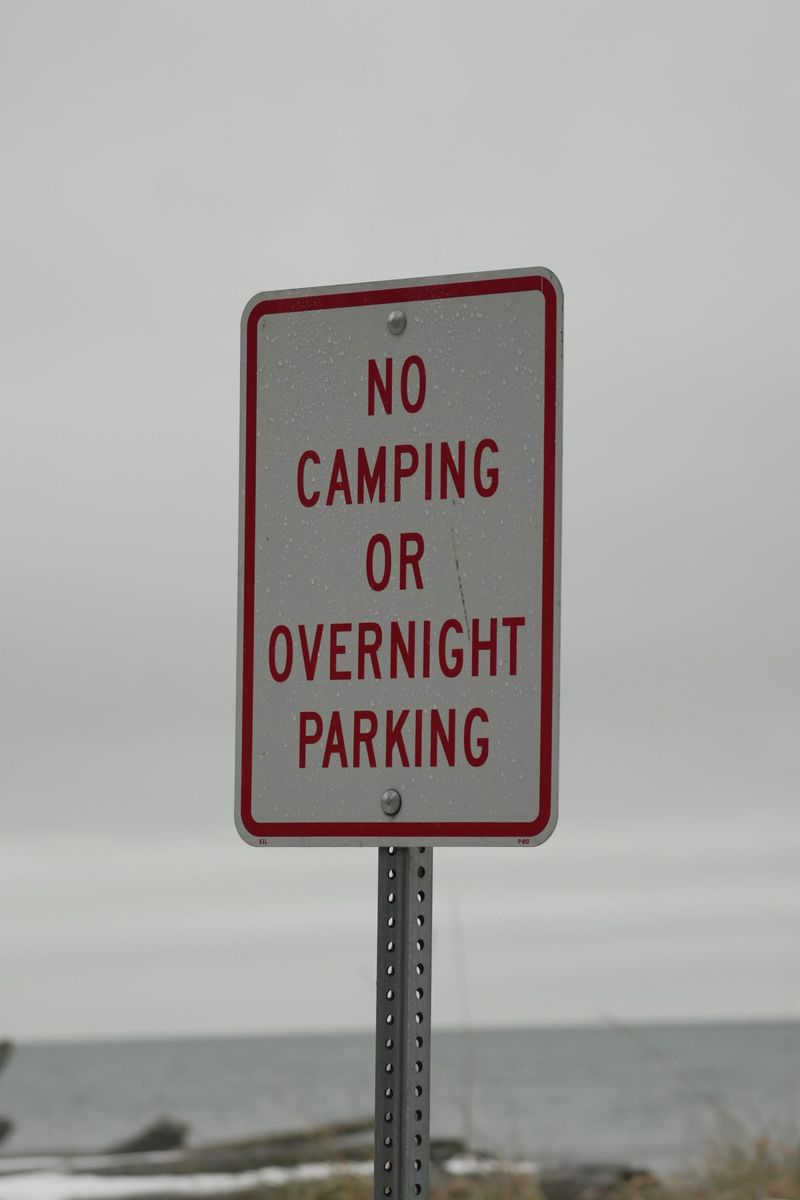
While strange historical laws provide entertaining conversation topics, tourists should focus attention on regulations that actually affect your Florida vacation experience and safety.
Beach safety rules vary by location but generally include restrictions on alcohol consumption, glass containers, and hours when beaches close to public access.
Many Florida beaches prohibit alcohol entirely, while others allow it only in specific designated areas.
Glass containers face near-universal bans to prevent dangerous broken glass in the sand where people walk barefoot.
Lifeguard instructions must be followed immediately, as these professionals understand local water conditions, rip current risks, and marine life concerns that visitors might not recognize.
Flag warning systems use colors to communicate ocean conditions, with double red flags indicating water closure due to dangerous conditions.
Swimming during double red flag warnings can result in actual citations and fines, unlike forgotten parachuting prohibitions.
Wildlife protection laws carry serious penalties and deserve careful attention throughout your Florida visit.
Sea turtle nesting season brings specific beach restrictions including lighting regulations and prohibited areas to protect vulnerable hatchlings.
Manatees enjoy protected status, making harassment or touching these gentle marine mammals a federal offense with substantial fines.
Feeding wild alligators is strictly prohibited and genuinely dangerous, yet tourists occasionally attempt this foolish activity with predictably bad results.
Traffic laws in Florida include some provisions that surprise visitors from other states.
Right turns on red lights are generally permitted after stopping unless signs specifically prohibit them.
Florida’s move-over law requires drivers to shift lanes or slow down significantly when passing stopped emergency vehicles, tow trucks, or service vehicles with flashing lights.
Texting while driving is illegal, and law enforcement actively enforces this safety regulation.
Theme park regulations focus primarily on safety and guest conduct, with detailed rules about ride restrictions, prohibited items, and behavior expectations.
These private property rules carry the force of contract law through your admission ticket agreement.
Violation can result in removal from the park without refund.
Vacation rental regulations have evolved significantly in recent years, with various municipalities enacting licensing requirements and occupancy limits.
Renters should ensure their accommodations comply with local ordinances to avoid disruptions during their stay.
Fishing requires proper licensing even from shore or piers in most circumstances, with separate regulations for freshwater and saltwater fishing.
Size limits, bag limits, and seasonal restrictions protect fish populations and apply to tourists just as strictly as to residents.
Understanding and following these practical regulations ensures your Florida vacation remains enjoyable, legal, and safe.
These laws exist for good reasons and receive active enforcement, unlike the amusing historical curiosities that typically catch tourists off guard only through surprise rather than actual legal consequences.
Embracing Florida’s Quirky Legal Legacy

Rather than viewing strange laws as frustrations or obstacles, visitors can embrace them as part of Florida’s unique character and colorful history.
Every destination has quirks that distinguish it from everywhere else, and these legal oddities contribute to the Sunshine State’s distinctive personality.
Florida has cultivated a reputation for the unexpected, from bizarre news stories to unusual wildlife encounters to laws that make you question what historical circumstances possibly prompted their creation.
This unpredictability forms part of the state’s appeal, attracting visitors who appreciate destinations with strong character and memorable stories.
Sharing your discovery of the unmarried woman parachuting prohibition makes for great vacation storytelling, whether posting on social media or entertaining friends back home with Florida tales.
These conversations often lead others to research their own state’s forgotten laws, creating entertaining comparisons and discussions about legal evolution.
The parachuting law serves as an accessible entry point for broader conversations about gender equality, religious influence on legislation, and how societies change over time.
Teachers have used such examples to engage students in discussions about legal history and constitutional principles.
Journalists regularly compile lists of strange state laws, with Florida’s contributions reliably generating reader interest and social media engagement.
From a practical vacation perspective, these outdated regulations pose zero threat to your plans while adding an element of humor to your Florida research.
Discovering the parachuting prohibition while planning your skydiving adventure creates a moment of confusion followed by laughter once you understand the enforcement reality.
This emotional journey from surprise to amusement encapsulates the spirit of exploration that makes travel rewarding beyond just seeing new places.
Florida rewards visitors who approach it with curiosity and a sense of humor about its contradictions.
The state combines natural beauty with artificial attractions, sophisticated culture with unabashed kitsch, and modern development with preserved wilderness.
Strange laws fit perfectly within this eclectic mix, adding intellectual curiosity to complement the sensory experiences of beaches, theme parks, and cuisine.
As you plan your Florida adventure, remember that the best travel experiences often include unexpected discoveries and moments that catch you off guard in delightful ways.
The unmarried woman parachuting prohibition represents exactly this type of surprise, a detail that makes your trip more memorable even though it has no practical impact whatsoever.
Your vacation memories will include not just the places you visited and activities you enjoyed but also the quirky facts you discovered along the way.
Years from now, you might forget specific restaurant meals or which beach you visited on which day, but you will likely remember learning about Florida’s bizarre parachuting law.
That lasting impression demonstrates how small details can significantly enhance travel experiences.
So embrace the strangeness, enjoy your Sunday skydiving regardless of marital status, and appreciate Florida’s wonderfully weird legal heritage as part of what makes the Sunshine State truly one of a kind.
Dear Reader: This page may contain affiliate links which may earn a commission if you click through and make a purchase. Our independent journalism is not influenced by any advertiser or commercial initiative unless it is clearly marked as sponsored content. As travel products change, please be sure to reconfirm all details and stay up to date with current events to ensure a safe and successful trip.
