Hawaii is paradise on Earth, with its golden beaches, crystal-clear waters, and warm island breezes that make you forget about everything back home. But before you pack your sunscreen and flip-flops, you should know that the Aloha State has some surprising rules that might catch visitors off guard.
Some of these laws are meant to protect the environment, while others preserve local culture, but breaking them could turn your dream vacation into an expensive headache. It’s not just about being respectful – it’s about understanding the rhythm of island life.
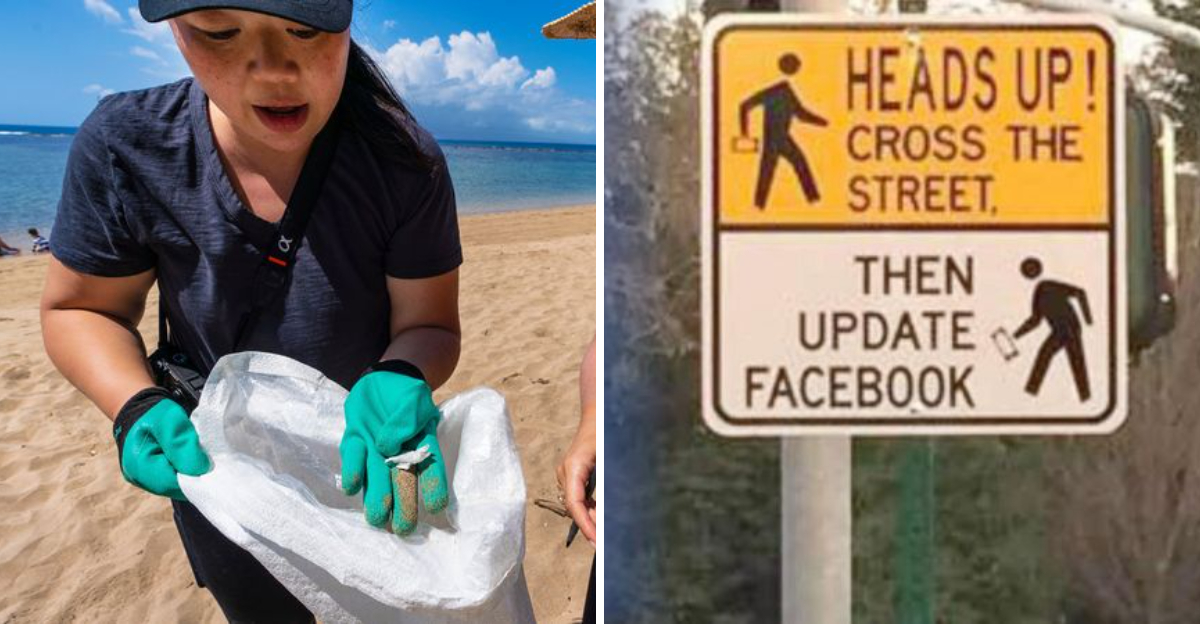
From beach etiquette to wildlife boundaries, these rules help keep Hawaii beautiful and balanced. So before you dive into the waves or snap that perfect sunset selfie, it’s worth brushing up on what’s allowed and what’s not.
1. Don’t Touch or Harass Sea Turtles
Hawaiian green sea turtles, known locally as honu, are protected under both state and federal laws. Getting too close, touching, or feeding these ancient creatures can result in serious fines up to $100,000 and even jail time.
These magnificent animals have been swimming in Hawaiian waters for millions of years and hold deep cultural significance for Native Hawaiians.
When you spot a sea turtle resting on the beach or gliding through the waves, maintain at least 10 feet of distance on land and three feet in the water. Resist the urge to snap a selfie with them or reach out for a quick touch. Their survival depends on humans respecting their space.
Many beaches post signs reminding visitors about these protections, and local volunteers often monitor popular turtle spots. If you see someone harassing wildlife, report it to authorities.
Watching these peaceful creatures from a respectful distance is just as rewarding and keeps you on the right side of the law while helping preserve Hawaii’s natural treasures for future generations.
2. Taking Sand from the Beach is Prohibited
Pocketing a jar of Hawaiian sand as a souvenir might seem harmless, but it’s actually illegal and can result in hefty fines. Each year, tons of sand disappear from Hawaiian beaches, contributing to serious erosion problems that threaten coastlines and marine habitats. State law protects beach sand, rocks, and coral to preserve these natural wonders.
The rule applies to all types of sand, whether it’s the famous black volcanic sand of Punaluu Beach or the white coral sand of Waikiki. Some people believe there’s a curse associated with taking lava rocks or sand from Hawaii, with many tourists mailing items back after experiencing bad luck. While that’s just island lore, the legal consequences are very real.
Airport security sometimes checks luggage for sand and rocks, and getting caught means paying fines and possibly facing criminal charges. Instead of taking physical souvenirs, capture memories through photographs. Local gift shops sell legally sourced sand in small vials if you really want a keepsake that won’t land you in trouble or harm the islands.
3. Feeding Wildlife Can Get You Fined
Tossing bread crumbs to fish or sharing your sandwich with beach birds might feel like a fun vacation moment, but Hawaii takes wildlife feeding seriously.
State regulations prohibit feeding most wild animals, including fish, birds, and monk seals, with violations resulting in fines ranging from hundreds to thousands of dollars. The reasoning is solid because human food disrupts natural behaviors and can make animals dependent or aggressive.
Fish that get used to handouts often lose their natural foraging skills and become vulnerable to predators. Birds that rely on tourist snacks may stop migrating or breeding properly. Even worse, some human foods are toxic to wildlife or cause serious digestive problems.
At popular snorkeling spots, you’ll notice signs warning against feeding fish, though some visitors ignore them. Marine life that becomes accustomed to humans can bite or swarm swimmers expecting food. Enjoy observing Hawaii’s incredible wildlife in their natural state without interfering.
Your restraint helps maintain the delicate balance of island ecosystems and ensures animals remain wild and healthy for years to come.
4. Removing Coral is Strictly Forbidden
Coral might look like pretty rocks, but these are actually living organisms that form the foundation of entire marine ecosystems. Hawaiian law strictly prohibits taking, breaking, or damaging coral, whether it’s alive or appears dead on the beach.
Penalties can reach $5,000 per violation, and in some cases, federal charges apply since many coral species are protected under the Endangered Species Act.
Coral reefs take decades or even centuries to grow, and they provide crucial habitat for countless fish species while protecting coastlines from erosion. Even picking up a small piece of dead coral contributes to reef degradation.
Climate change and ocean acidification already threaten these fragile structures without tourists adding to the problem.
Snorkelers and divers should be especially careful not to stand on, kick, or grab coral while exploring underwater. Sunscreen chemicals also harm coral, so choose reef-safe products before entering the water. Hawaii’s coral reefs are breathtaking natural cathedrals worth protecting.
Admire their beauty through your mask or camera lens, and leave everything exactly where you found it.
5. Billboard Advertising is Banned Statewide
While not directly a beach law, Hawaii’s billboard ban affects your entire island experience, including drives to coastal destinations.
Since 1927, Hawaii has prohibited billboard advertising to preserve the natural beauty of the islands. This makes Hawaii one of only four states with such restrictions, and visitors immediately notice the difference when scenic highways remain uncluttered by commercial signage.
The law reflects Hawaiian values of respecting the land and maintaining the islands’ visual appeal. Imagine driving along the coast to your favorite beach without giant advertisements blocking mountain views or ocean vistas. This regulation helps keep Hawaii feeling like paradise rather than an overdeveloped tourist trap.
Businesses can still advertise through other means, but the landscape stays pristine and focused on natural wonders. Some visitors don’t even realize this is unusual until they return home and notice how cluttered mainland highways appear.
This thoughtful approach to development shows how Hawaii prioritizes environmental beauty over commercial interests. When you’re heading to the beach, you’ll appreciate seeing coconut palms and volcanic peaks instead of fast food logos towering overhead.
6. Sunscreen Restrictions Protect Marine Life
Starting in 2021, Hawaii became the first state to ban the sale of sunscreens containing oxybenzone and octinoxate, chemicals proven to damage coral reefs and harm marine ecosystems.
While you won’t get arrested for wearing the wrong sunscreen, shops can’t sell products with these ingredients, and visitors should come prepared with reef-safe alternatives to avoid sunburn and protect the ocean.
Studies show these chemicals cause coral bleaching, disrupt fish reproduction, and accumulate in marine food chains. With millions of tourists visiting Hawaiian beaches annually, the amount of sunscreen washing into the ocean was staggering. The ban represents a bold step toward environmental protection that other destinations are now copying.
Look for mineral-based sunscreens containing zinc oxide or titanium dioxide, which provide excellent protection without harming marine life. Many Hawaiian hotels now provide complimentary reef-safe sunscreen in their lobbies.
You can also wear rash guards and UV-protective clothing to minimize sunscreen use altogether. Protecting your skin and the ocean simultaneously is a win for everyone, ensuring future generations can enjoy Hawaii’s spectacular underwater worlds just as you do today.
7. Monk Seal Disturbance Carries Heavy Penalties
Hawaiian monk seals are among the world’s most endangered marine mammals, with only about 1,400 individuals remaining. Federal and state laws make it illegal to approach, disturb, or harass these animals, with penalties reaching $50,000 and up to a year in prison.
When a monk seal hauls out on the beach to rest, officials often rope off the area and volunteers stand guard to ensure beachgoers keep their distance.
These seals need beach time to regulate their body temperature and rest between hunting trips in deep water. Human interference can cause them to abandon pups or return to the ocean before they’ve recovered enough energy. Mothers with newborns are especially sensitive to disturbance.
If you encounter a monk seal, stay at least 50 feet away and never position yourself between the animal and the water. Keep dogs leashed and quiet since barking can stress seals terribly. Taking photos from a safe distance is fine and actually helps researchers monitor populations.
Respecting these gentle creatures gives them the best chance of recovering from the brink of extinction while you enjoy an unforgettable wildlife encounter.
8. Plastic Bag Ban Affects Beach Trips
Hawaii has implemented strict plastic bag bans across all counties to combat ocean pollution and protect marine life. While this isn’t enforced with fines for tourists carrying bags, you won’t find plastic bags at checkout counters in grocery stores or shops near beaches.
Planning ahead with reusable bags makes your beach day smoother and helps keep Hawaiian shores clean.
Plastic pollution devastates ocean ecosystems, with bags often mistaken for food by sea turtles and other marine animals. Thousands of plastic fragments wash up on Hawaiian beaches daily, despite cleanup efforts. The bag ban significantly reduces this problem while encouraging more sustainable habits among residents and visitors alike.
Bring sturdy reusable totes for carrying beach gear, snacks, and wet swimsuits. Many hotels provide complimentary beach bags for guests to use during their stay. Local markets sell beautiful woven bags that make perfect souvenirs while serving a practical purpose.
Embracing this eco-friendly approach helps preserve the very beauty that brought you to Hawaii in the first place. Clean beaches and healthy oceans benefit everyone who loves island paradise.
9. “No Texting While Trekking” – Honolulu’s Pedestrian Phone Ban
Think twice before checking your phone while crossing the street in Honolulu, it’s actually illegal. Known as the “Distracted Walking Law,” this ordinance prohibits pedestrians from looking at electronic devices while in crosswalks.
The goal is to reduce accidents caused by inattentive walking, especially in busy tourist areas. First-time offenders can face fines starting at $35, with repeat violations climbing to $99. It doesn’t matter if you’re texting, scrolling, or snapping a selfie – if you’re in a crosswalk, eyes up.
Locals call it “eyes on the road, not on the feed,” and it’s enforced more often than you’d expect. Tourists unfamiliar with the rule often get caught while navigating with maps or posting beach pics.
So before you update your Instagram story mid-stride, wait until you’re safely on the sidewalk. Your vacation snaps can wait – your safety (and wallet) will thank you.
10. “Don’t Ruffle Feathers in State Parks” – Bird Harassment Is a Crime
In Hawaii’s state parks, even bothering the birds can get you in trouble. State law prohibits disturbing, chasing, or harassing wildlife, including native birds. These animals are protected under both state and federal regulations, and violations can result in fines or even criminal charges.
Feeding, approaching, or making loud noises to scare birds is considered harassment. The rule helps preserve fragile ecosystems and protect endangered species from stress and habitat disruption. Tourists sometimes unknowingly break this law while trying to get close-up photos or tossing snacks.
Rangers patrol popular parks and may issue citations for disruptive behavior. Signs posted throughout parks remind visitors to observe wildlife respectfully and from a distance.
So if you’re hiking through a scenic trail and spot a feathered friend, admire quietly – Hawaii’s birds deserve peace too.
Dear Reader: This page may contain affiliate links which may earn a commission if you click through and make a purchase. Our independent journalism is not influenced by any advertiser or commercial initiative unless it is clearly marked as sponsored content. As travel products change, please be sure to reconfirm all details and stay up to date with current events to ensure a safe and successful trip.
