Maryland is home to some of the most unusual laws in America, many of which can leave visitors scratching their heads in confusion.
From restrictions on what you can hunt with to rules about washing your car, these legal oddities reflect the state’s unique history and local priorities.
Whether you’re planning a trip to Baltimore or exploring the Chesapeake Bay, knowing these strange regulations can help you avoid unexpected fines and legal troubles.
1. No Selling Chicks Near Easter in Baltimore
Baltimore takes its animal welfare seriously, especially around the holidays. The city code specifically bans selling or giving away chickens or ducks younger than three weeks old near Easter time.
This law exists because people often buy cute baby birds as Easter gifts without thinking about long-term care. Many of these animals end up abandoned or mistreated when they grow larger and less adorable.
If you’re visiting Baltimore during spring, resist the urge to buy those fluffy yellow chicks you might see. Breaking this rule can result in fines and legal complications for both sellers and buyers.
2. No Swearing While Driving in Rockville
Rockville has an ordinance against public profanity that’s strict enough to apply to drivers on public streets. If you let loose a stream of curse words loud enough for others to hear, you could face legal consequences.
This reflects Montgomery County’s emphasis on maintaining public decorum and civility. The law targets audible profanity that disrupts the peace or offends passersby on the street.
Road rage is common everywhere, but in Rockville, you’ll want to keep your windows up and your language clean. Even tourists can be cited for violating this unusual ordinance during traffic frustrations.
3. Ferrets Cannot Be Used for Hunting
Maryland state law includes a highly specific prohibition against using ferrets to hunt rabbits or any other game animals. While ferrets are extremely effective hunters, the practice is completely banned here.
This regulation exists within Maryland’s detailed hunting statutes and targets a method that was once popular but is now considered inappropriate. Ferrets can chase prey from burrows, making them valuable hunting companions in some regions.
Hunters visiting from states where ferreting is legal should leave these furry helpers at home. Violating Maryland’s hunting regulations can result in hefty fines and the loss of hunting privileges throughout the state.
4. Washing Your Car in the Street is Prohibited
Many Maryland municipalities, including Rockville and Montgomery County, have ordinances that make washing your car in the street a code violation. The soapy water running into storm drains is classified as an illicit discharge under environmental regulations.
These laws protect local waterways from detergent chemicals and pollutants that harm aquatic ecosystems. Storm drains lead directly to rivers and the Chesapeake Bay without treatment.
Tourists renting homes or staying in residential areas should use commercial car washes instead. Even a quick rinse in your driveway could technically violate local codes if the water runs into the street.
5. Complex Sunday Hunting Restrictions Vary by County
Maryland’s Sunday hunting laws are notoriously complicated and change dramatically based on which county you’re in. What’s legal in one area might be completely prohibited just miles away across a county line.
The rules also vary depending on what type of animal you’re hunting and the time of year. Deer hunting regulations differ from fox hunting rules, and some counties allow no Sunday hunting whatsoever.
Out-of-state hunters should research specific county regulations thoroughly before planning a Sunday hunting trip. These blue laws reflect Maryland’s historical religious traditions and continue to confuse visitors who assume hunting rules are consistent statewide.
6. Improper Use of Vending Machines in Baltimore
Baltimore has a surprisingly detailed ordinance against using vending machines for anything other than their intended purpose. Inserting non-coin objects to trick the machine or using it in creative unauthorized ways violates city code.
This level of regulatory specificity shows how seriously Baltimore takes property rights and commercial equipment protection. The law addresses vandalism and theft attempts that might not be covered by broader statutes.
While most tourists wouldn’t dream of tampering with vending machines, it’s interesting that Baltimore felt the need to create such a specific law. Breaking this rule could result in fines or even criminal charges depending on the circumstances.
7. Unlawful Vehicle and Animal Hitching Rules
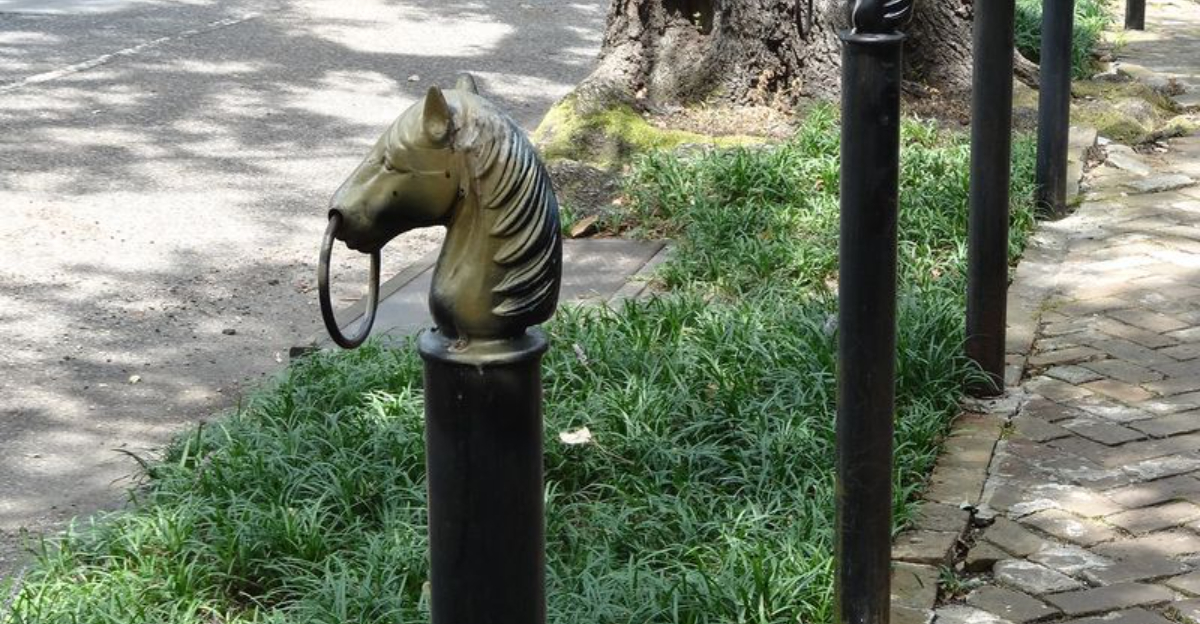
Baltimore historically maintained extremely detailed regulations about hitching animals to public property. While the famous alligator hitching story is likely urban legend, the underlying laws about securing animals were genuinely specific and complex.
These ordinances controlled where, how, and for how long you could tie up horses and other animals on city streets. They reflected a time when animal-drawn transportation was common and required careful regulation.
Though largely outdated, these laws remain part of Baltimore’s legal record and occasionally surprise legal historians. Modern visitors are unlikely to encounter these rules unless they’re participating in historical reenactments or special events involving animals.
8. Strict Shellfish License Requirements
Maryland’s Chesapeake Bay heritage means shellfish laws are incredibly strict and numerous. Regulations govern catching, selling, and shucking oysters and crabs with surprising complexity that catches recreational boaters off guard.
Required licenses vary based on whether you’re harvesting for personal use or commercial sale. Shell size restrictions, harvest methods, and seasonal limitations all carry specific legal requirements and penalties.
Tourists planning to catch crabs or oysters should thoroughly research current regulations before dropping a line. What seems like innocent recreational fishing can quickly become a legal violation if you don’t follow Maryland’s detailed shellfish laws to the letter.
9. Restrictions on Horse-Drawn Vehicle Speed and Parking
Older Baltimore ordinances included remarkably detailed rules governing horse-drawn vehicles, including speed limits, parking locations, and cargo restrictions. These laws specified exactly how fast carriages could travel through different neighborhoods and where they could legally stop.
While largely historical, these regulations remain part of the city’s official legal record. They provide fascinating insight into 19th and early 20th-century urban transportation management.
Modern tourist carriage rides in Baltimore must still follow some adapted versions of these rules. The specificity and detail of the original ordinances surprise anyone who reads through Baltimore’s complete historical code books.
10. Highly Specific Littering Fines by Item Type
While littering is illegal everywhere, Maryland counties impose highly specific fines that vary dramatically based on what type of trash you discard. Plastic bags, cigarette butts, and fishing line each carry different penalty amounts and legal classifications.
This detailed approach to public sanitation law reflects Maryland’s environmental priorities and concern for waterway protection. The Chesapeake Bay ecosystem is particularly vulnerable to specific types of pollution.
Tourists from states with simpler littering laws are often shocked by the complexity and severity of Maryland’s system. Reading the fine print on park signs reveals just how seriously the state takes different categories of waste disposal violations.
Dear Reader: This page may contain affiliate links which may earn a commission if you click through and make a purchase. Our independent journalism is not influenced by any advertiser or commercial initiative unless it is clearly marked as sponsored content. As travel products change, please be sure to reconfirm all details and stay up to date with current events to ensure a safe and successful trip.
