South Dakota might be famous for Mount Rushmore and wide-open prairies, but it also has some head-scratching laws that catch visitors off guard.
Many of these unusual rules have been on the books for decades, and while some seem downright silly today, they’re still technically enforceable.
Whether you’re planning a road trip through the Badlands or a weekend in Sioux Falls, knowing these quirky regulations can save you from an awkward conversation with local authorities and make for some entertaining stories back home.
1. Movies Showing Police Officers in a Negative Light
South Dakota once had a law on the books that prohibited showing films depicting police officers being struck, beaten, or treated disrespectfully.
This regulation emerged during an era when communities worried about maintaining respect for law enforcement and preventing copycat behavior. Though rarely enforced today, it reflects historical attitudes about media influence and public order.
The law was particularly relevant during the early days of cinema when concerns about movie content ran high. Lawmakers believed that negative portrayals might encourage disrespect or violence toward officers.
Modern movie theaters across South Dakota now screen all types of films without restriction, from action-packed thrillers to complex dramas exploring law enforcement challenges. Visitors can enjoy first-run movies in cities like Rapid City and Sioux Falls without worrying about this outdated statute.
The state’s theaters offer comfortable seating, great sound systems, and all the latest releases, making movie night a perfect activity after exploring Mount Rushmore or the Badlands during your South Dakota adventure.
2. Fireworks Sales Restrictions
South Dakota maintains specific regulations about when and where fireworks can be sold, which sometimes surprises tourists planning Fourth of July celebrations. The state allows fireworks sales during certain periods before major holidays, but the dates and locations are strictly controlled to prevent accidents and fires.
These rules become especially important given South Dakota’s dry climate and grassland environment, where a single spark can trigger devastating wildfires.
Many visitors don’t realize that tribal lands may have different fireworks regulations than state lands. What’s legal on a reservation might not be permissible just a few miles away on state property.
If you’re visiting during summer holidays, check local ordinances before purchasing or setting off any fireworks. Many towns host professional displays that offer spectacular shows without legal risk. Cities like Rapid City and Brookings put on impressive Independence Day celebrations that light up the prairie sky.
These community events provide entertainment, safety, and a chance to celebrate alongside locals who know the best spots for viewing and the safest ways to enjoy the festivities.
3. Sunday Hunting Restrictions
For generations, South Dakota prohibited hunting on Sundays, a law rooted in religious observance and the tradition of setting aside one day for rest.
This blue law remained in effect until relatively recently, when the state began allowing Sunday hunting for certain species during specific seasons. The change reflected evolving attitudes about recreation and land use, but some restrictions still apply.
Hunters visiting from other states often don’t realize that Sunday hunting regulations differ depending on the season and game species. What’s permitted in autumn deer season might not be allowed during spring turkey season.
Before planning your hunting trip, check the current South Dakota Game, Fish and Parks regulations carefully. The state offers incredible hunting opportunities across its diverse landscapes, from pheasant-rich farmlands to deer-filled forests. Local sporting goods stores and visitor centers can provide updated information about seasons, licenses, and Sunday-specific rules.
Respecting these regulations ensures you’ll have a successful, legal hunt while enjoying South Dakota’s abundant wildlife and stunning natural beauty that draws sportsmen from across the country year after year.
4. Disturbing a Muskrat House
Believe it or not, South Dakota law specifically protects muskrat houses from disturbance. These dome-shaped lodges, built from cattails and mud along wetland edges, serve as critical shelter for muskrats during harsh prairie winters.
Destroying or disturbing these structures can result in fines, as they’re considered important to the state’s wetland ecosystem and fur-bearing animal populations.
Many tourists exploring South Dakota’s lakes and marshes don’t recognize muskrat houses and might accidentally damage them while photographing wildlife or exploring shorelines. The law exists to protect both the animals and the wetland habitats that benefit countless other species.
When hiking near water, observe these fascinating structures from a respectful distance. Muskrats play an important role in maintaining healthy wetlands, which in turn support ducks, geese, and other wildlife that make South Dakota a birdwatcher’s paradise.
The state’s wetlands offer stunning scenery and incredible wildlife viewing opportunities, especially during migration seasons. Bring binoculars, stay on designated paths, and enjoy observing these industrious rodents and their architectural achievements without interfering with their homes or violating this protective statute.
5. Hotels Must Provide Clean Sheets
While this sounds like common sense rather than a strange law, South Dakota specifically requires hotels to provide clean and sanitary linens to guests.
This regulation became necessary during the early tourism boom when standards varied wildly between establishments. The law ensures that every visitor, whether staying in a luxury hotel or a budget motel, receives basic hygiene standards.
What makes this law notable is its specificity and the fact that it needed to be written down at all. It reflects a time when consumer protection laws were just developing and travelers had little recourse against unsanitary conditions.
Today, South Dakota’s hospitality industry takes pride in exceeding these minimum standards. From charming bed-and-breakfasts in the Black Hills to modern chain hotels in Sioux Falls, you’ll find clean, comfortable accommodations throughout the state.
Many establishments go far beyond legal requirements, offering premium bedding, daily housekeeping, and thoughtful amenities. When planning your South Dakota adventure, you can rest assured that lodging standards are high and that this particular law is one you’ll benefit from without even realizing it exists on the books.
6. Mercury Thermometer Sales Ban
South Dakota joined other states in banning the sale of mercury fever thermometers, a regulation that protects public health and the environment. Mercury is highly toxic, and when old thermometers break, the liquid metal can contaminate homes, water supplies, and ecosystems. This law requires retailers to sell only digital or other mercury-free alternatives.
Tourists might not think about thermometer regulations while packing for their trip, but if you need one during your visit, you’ll only find safer digital versions in South Dakota stores. This progressive environmental law demonstrates the state’s commitment to protecting its pristine landscapes and water resources.
The regulation particularly matters in a state where outdoor recreation drives tourism and where clean rivers and lakes are treasured resources. South Dakota’s commitment to environmental protection ensures that future generations can enjoy the same natural beauty that attracts visitors today.
Whether you’re camping in Custer State Park or staying in a vacation rental, you’ll appreciate knowing that even small consumer products are regulated with health and environmental safety in mind, making South Dakota a responsible steward of its remarkable natural heritage.
7. Bicycle Light Requirements
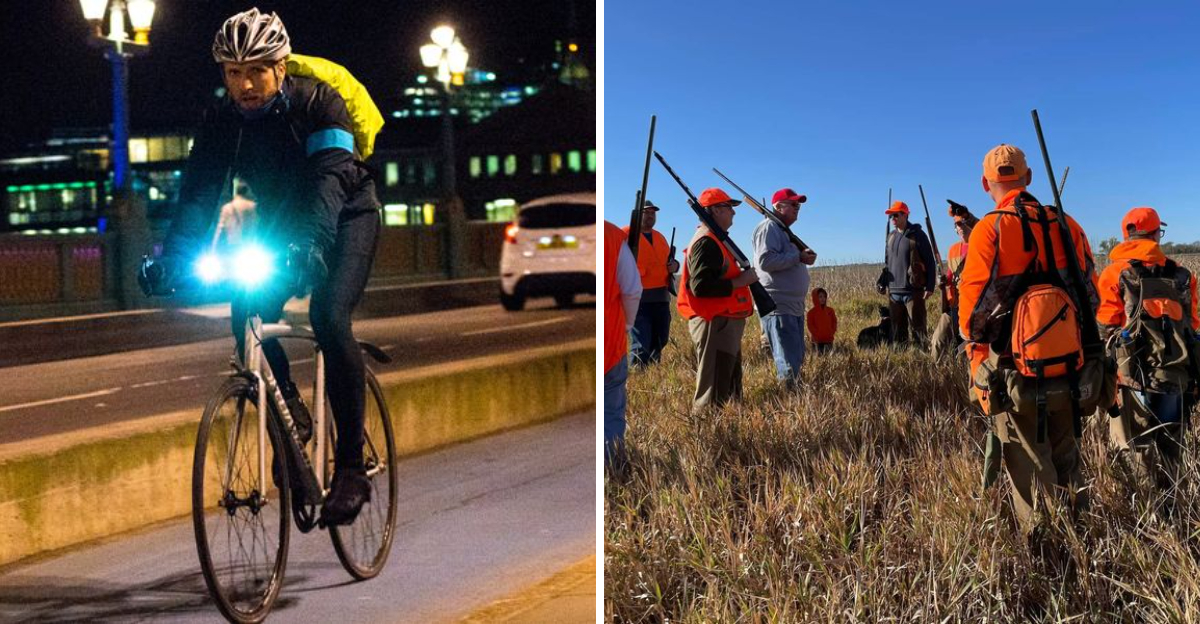
South Dakota law requires bicycles ridden at night to have proper lighting, including a white front light visible from at least 500 feet and a red rear reflector.
While this seems straightforward, many tourists who bring bikes for trail riding don’t realize these requirements apply everywhere, not just on roads. The law aims to prevent accidents and ensure cyclists remain visible to drivers and other trail users.
The state’s extensive bike trails, including sections of the Mickelson Trail through the Black Hills, attract cycling enthusiasts from around the country. Riders often underestimate how quickly darkness falls in the prairie, especially during summer when people stay out enjoying the scenery.
Before setting out on evening rides, equip your bicycle with proper lights and reflectors. Local bike shops in towns like Deadwood and Hill City sell affordable lighting systems and can advise you on legal requirements.
Following this law not only keeps you legal but significantly improves your safety on both roads and trails. South Dakota’s cycling routes offer breathtaking views and memorable experiences, made even better when you’re properly equipped and visible to others sharing these beautiful spaces.
8. Scattering Tacks on Highways
South Dakota takes its highway safety seriously, maintaining a specific law against scattering tacks, nails, or other sharp objects on roadways.
Given the state’s vast network of rural highways and the importance of tourism traffic, this regulation protects both residents and the thousands of visitors who drive through annually. Violating this law can result in significant fines and even criminal charges if injuries occur.
The law became particularly important during the early automobile era when tire technology was less advanced and a single nail could strand travelers miles from help. Today, it remains relevant as South Dakota’s highways carry everything from family vacations to commercial trucking.
While most tourists would never intentionally scatter debris on roads, the law also covers accidental situations like unsecured loads dropping materials. When hauling equipment, supplies, or souvenirs, make sure everything is properly secured before hitting the highway.
South Dakota’s scenic byways, including the Needles Highway and Wildlife Loop Road, deserve to remain safe and debris-free for everyone. Taking a few extra minutes to secure your load protects other travelers and helps you avoid legal trouble during your prairie state adventure.
Dear Reader: This page may contain affiliate links which may earn a commission if you click through and make a purchase. Our independent journalism is not influenced by any advertiser or commercial initiative unless it is clearly marked as sponsored content. As travel products change, please be sure to reconfirm all details and stay up to date with current events to ensure a safe and successful trip.
