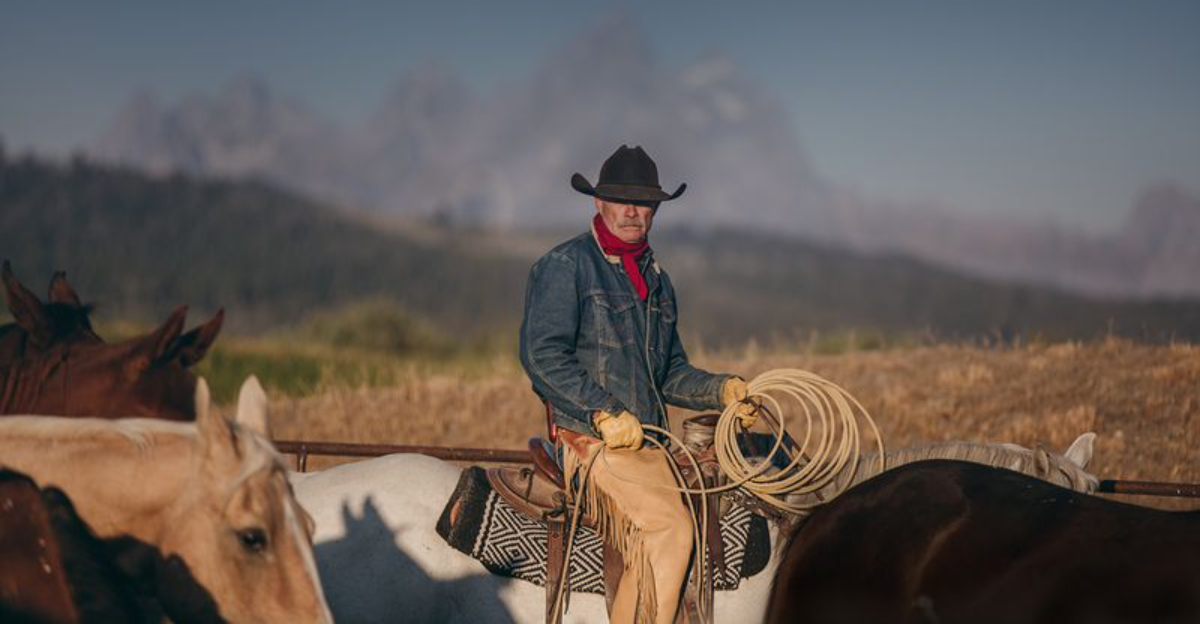
If you’re heading across Wyoming, keep your camera down, close every gate behind you, and whatever you do – don’t insult a cowboy. Around here, even ordinary behavior can earn you a fine. Big skies and bigger stories hang over open ranges, where friendly towns swap gossip with the wind and laws feel like postcards from another century. Here are 10 strange Wyoming laws that can turn the most innocent tourist moments into outlaw territory.
No Taking Pictures of Rabbits in June
Somewhere between a dusty roadside myth and a true relic, Wyoming allegedly once frowned on photographing rabbits in June. The truth: an old wildlife-permit rule that tangled photography with hunting regulations has long since hopped away, but the legend persists like a sagebrush ghost. Roll into a diner and mention it, and someone will swear their uncle’s friend’s cousin got warned by a ranger.
As you crest a ridge and spot a jackrabbit striking a calendar pose, you’ll instinctively lower your camera, just in case. Then you’ll laugh, because this law is more folklore than fine. Still, it tells a story about protecting wildlife during sensitive seasons – and how rules echo across time.
Snap thoughtfully, avoid harassing critters, and remember: out here, the wind carries rumors faster than Wi?Fi.
No Showering on Wednesdays in Cheyenne
Ask three Cheyenne locals about the “no Wednesday showers” ordinance, and you’ll get five answers and a lot of laughter. It likely started as a misread newspaper clipping or a jokey retelling of water-rationing days, then stuck to the city’s lore like hard water on tile.
Nobody’s enforcing it, and you won’t see officers sniffing around the bath aisle. Still, the story works wonders for breaking the ice at a counter seat while your burger sizzles. Consider it a reminder that frontier towns collect tall tales as eagerly as they collect antlers.
If it were real, you’d find a line at the car wash on Thursdays long enough to rival I?25. Bathe freely, traveler – just don’t hog all the hot water at the motel.
No Fishing with a Firearm
Pull into a high-country lake and you’ll see a sign that reads like a punchline: no firearm fishing. It’s not parody – in Wyoming, shooting fish is illegal, a mix of animal welfare, safety, and keeping fair chase fair. Tempting as it may be to reenact a cartoon, bullets and water don’t mix, and you’ll win no points with game wardens.
Bring lures, flies, or the trusty nightcrawler; leave the bang-bang to the range. Besides, part of the magic is in the cast, the patience, and the trout that almost got away. I met a ranch hand who swore his cousin tried it once – he now fishes the boring, legal way and eats better for it.
Reel, don’t recoil; it’s the Wyoming way.
Don’t Tattoo a Horse to Hide Its Identity
Stop at any ranch gate and you’ll feel it: horses here aren’t just animals – they’re heritage. Wyoming law takes that seriously, making it illegal to tattoo or alter a horse’s markings to hide identity. It’s the modern echo of the old horse-thief hangover, a practical guard against rustling dressed up as veterinary mischief.
At a branding barbecue, I heard a weathered breeder talk about bloodlines like family trees and brands like signatures. He said, “Change a horse’s face, you change its story,” and you understood why the statute has teeth.
So admire the glossy coats and star blazes, but don’t mess with marks. Out here, stealing a name is nearly as bad as stealing a saddle.
No Big Hats in Theaters
In a state where hats mean personality, the theater rule is an irony worth tipping to: obstructive headwear is banned. It’s old-fashioned courtesy dressed as ordinance, born when vaudeville lights met ten-gallon silhouettes.
Catch a rodeo concert or a small-town play, and you’ll appreciate the logic when a crown of felt eclipses Act Two. Most folks will swap for a smaller brim or hold the Stetson in their lap without complaint. The West prizes manners that don’t need a sheriff.
Consider it Wyoming’s version of airplane armrest diplomacy. Keep your panoramic sunsets for outside; indoors, give the folks behind you a fair view of the show.
Always Close the Gate Behind You
Drive a gravel road, open a wire gate, and you’ve just shaken hands with Wyoming’s unwritten constitution: if you open it, close it. This one’s not quaint; it’s enforceable, and leaving a gate ajar can mean cattle on the highway and a fine on your conscience.
Ranchers read tracks like headlines and will know exactly whose tires rolled through. I learned fast after a friendly-but-firm lecture from a woman in spurs who could out-stare a thunderhead. It’s simple trail etiquette with legal teeth – respect the herd, the fence, and the person who strung it in the wind.
Click the latch, test it twice, and drive on. Freedom here rides alongside responsibility.
Use a Legal Brand for Livestock
Brands in Wyoming are poetry written in iron – and every poem is registered. Slap an unapproved brand on cattle and you’re not just playing cowboy; you’re flirting with criminal charges. Stop by the county brand office and you’ll find ledgers thicker than trail bibles, each symbol guarded like a family crest.
At a summer branding, smoke curls up, coffee boils black, and the inspector’s eye is sharper than a spur rowel. Travelers don’t need a brand, only respect for the ones that are.
If you’re photographing the ritual, ask permission and mind the dust. Out here, a crooked brand reads like a forged signature, and no one takes kindly to forged stories.
Don’t Disrespect the Word “Cowboy”
Is there a statute about insulting “cowboy”? Not exactly – but the cultural law might be stronger than paper. In Wyoming, “cowboy” is job description, identity, and state pride rolled into one dusty syllable. Crack a cheap joke and you’ll hear forks pause over chicken-fried steak at the diner.
Better approach with curiosity: ask about calving season, rodeo scars, or that belt buckle the size of a skillet. You’ll learn the word means work done right when no one’s watching. No fine awaits your sarcasm, but you’ll miss out on the best stories west of the Missouri.
Tip your hat linguistically and otherwise, and doors – and gates – open.
Every Business Must Have a Front Door
Frontier buildings once morphed like tumbleweeds, but modern Wyoming prefers an obvious entrance. Building and accessibility codes require public businesses to have a clear, usable front door – not a mystery alley handshake. It’s less a quirk than a safety sermon: easy egress means quick exits when lightning strikes, literally or bureaucratically.
On Main Street, that means doors with proper hardware, signage you can spot at dusk, and routes a wheelchair can glide through without wrestling a rug. You’ll notice it when storms roll off the Rockies and everyone ducks in for coffee; nobody wants to play “find the handle” in a hail squall.
The Old West may love saloon drama, but the new West loves clear paths.
Don’t Mess with Livestock Identification
Wyoming tracks hooves like a librarian tracks first editions. Ear tags, brands, bills of sale – they’re the breadcrumbs that keep cattle moving honestly from pasture to plate. Tampering with tags or paperwork will land you in hotter water than a branding pot.
Visitors usually glimpse this world at a fair or branding day, where tradition shakes hands with regulation and everyone argues which coffee is stronger. If you photograph, mind the animals and keep fingers off anything official-looking.
Identification isn’t red tape; it’s the thread that ties ranches to markets and neighbors to trust. You don’t need to memorize statutes – just don’t pocket a tag, spoof a mark, or “borrow” a brand.
Dear Reader: This page may contain affiliate links which may earn a commission if you click through and make a purchase. Our independent journalism is not influenced by any advertiser or commercial initiative unless it is clearly marked as sponsored content. As travel products change, please be sure to reconfirm all details and stay up to date with current events to ensure a safe and successful trip.
