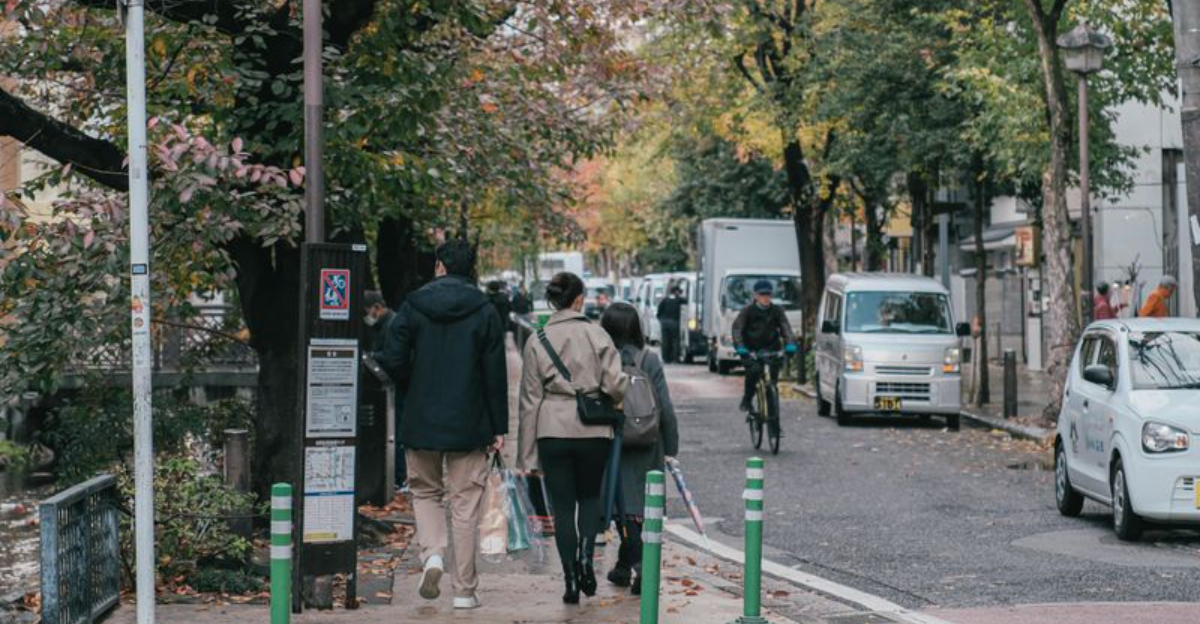
Oklahoma sits in the heart of America’s South Central region, where wide prairies meet rolling hills and the sky stretches endlessly above red earth landscapes.
Travelers flock here for its rich Native American heritage, cowboy culture, vibrant cities like Oklahoma City and Tulsa, and stunning natural wonders from the Wichita Mountains to the Ozark foothills.
But beyond the friendly smiles and hospitality, Oklahoma harbors some truly bizarre laws that most visitors have no idea exist.
You might be breaking the law while doing something completely ordinary, and these strange regulations will make you wonder what lawmakers were thinking when they wrote them into the books.
Making Ugly Faces at Dogs

Have you ever walked past a cute dog and couldn’t resist pulling a silly face at it?
In Oklahoma, this innocent interaction could technically land you in legal trouble.
One of the state’s most peculiar laws states that making faces at a dog is illegal, though the exact reasoning behind this regulation remains a mystery to most residents and visitors alike.
Perhaps lawmakers worried that teasing animals might provoke aggressive behavior, or maybe someone had a particularly bad experience with an offended canine.
Whatever the origin, this law remains on the books even though enforcement seems virtually nonexistent in modern times.
Oklahoma’s landscapes provide endless opportunities to encounter dogs, from ranch working animals to city pets being walked through downtown districts.
The state’s friendly atmosphere means people often interact warmly with animals they meet, and most Oklahomans would laugh if you mentioned this particular statute.
Still, technically speaking, sticking your tongue out or crossing your eyes at someone’s pup could be considered a violation.
The law doesn’t specify what constitutes an “ugly” face, leaving interpretation wide open to debate.
Would a simple smile count, or does it require exaggerated features and contorted expressions?
Nobody really knows, and thankfully, police officers have far more important matters to address than monitoring human-canine facial exchanges.
Visitors should feel free to admire Oklahoma’s many dogs without excessive worry about their expressions.
The state welcomes animal lovers, and most interactions between tourists and local pets happen without incident or legal consequence.
However, this law serves as a perfect example of how outdated regulations can linger in legal codes long after their original purpose has been forgotten.
Next time you’re strolling through Bricktown in Oklahoma City or exploring the historic streets of Guthrie, you might think twice before making that goofy face at an adorable golden retriever.
Or you might just go ahead and do it anyway, knowing that this particular law ranks among the least enforced in the entire state.
Either way, it makes for a great conversation starter about Oklahoma’s quirky legal history.
Whale Hunting Prohibition

Oklahoma proudly maintains a law against whale hunting, which might seem reasonable until you remember one crucial fact about the state’s geography.
Oklahoma sits squarely in the middle of the North American continent, hundreds of miles from the nearest ocean in any direction.
The closest saltwater lies in the Gulf of Mexico, roughly 400 miles south of the state’s border with Texas.
Despite this obvious geographical impossibility, Oklahoma lawmakers felt compelled to officially ban the hunting of whales within state boundaries.
The law raises countless questions about its origins and purpose, with no clear historical record explaining why anyone thought this legislation was necessary.
Perhaps it was included as part of a broader wildlife protection package copied from coastal states, or maybe it was someone’s idea of legislative humor.
Some legal experts suggest it might have been added to prevent loopholes in interstate commerce laws regarding whale products.
Oklahoma does have numerous lakes and rivers, including the massive Lake Eufaula and Lake Texoma, but these freshwater bodies could never support ocean-dwelling mammals.
The Arkansas River winds through Tulsa, and the Red River forms part of the southern border, but neither could accommodate a whale even if someone tried to transport one there.
Visitors exploring Oklahoma’s beautiful waterways need not worry about encountering any cetaceans during their fishing trips or boat tours.
The state’s aquatic wildlife includes catfish, bass, and various other freshwater species perfectly suited to the local environment.
This absurd law highlights how legal codes can accumulate strange provisions over decades and centuries without regular review and removal.
Many states carry similar outdated or geographically impossible laws that simply never get repealed because they cause no actual problems.
For tourists visiting Oklahoma’s scenic lakes like Grand Lake O’ the Cherokees or exploring the Chickasaw National Recreation Area, rest assured that whale hunting won’t be a temptation.
The closest you’ll come to marine mammals in Oklahoma is perhaps at the Oklahoma City Zoo, where educational exhibits teach visitors about ocean ecosystems.
This peculiar law serves as a reminder that legal systems everywhere contain oddities and anachronisms that persist simply because nobody bothers to clean them up.
So when you’re enjoying water sports on one of Oklahoma’s many beautiful reservoirs, you can laugh about the fact that you’re technically protected by anti-whaling legislation in one of America’s most landlocked states.
Hypnotizing Minors Without Parental Consent

Stage hypnosis shows have entertained audiences for generations, with performers demonstrating the power of suggestion through dramatic demonstrations.
In Oklahoma, however, hypnotists must be extremely careful about who they invite onstage for their acts.
State law specifically prohibits hypnotizing anyone under 18 years old without explicit written consent from their parents or legal guardians.
This regulation exists to protect minors from potentially harmful psychological experiences or exploitation by unscrupulous performers.
While most stage hypnosis is harmless entertainment, lawmakers apparently worried about the vulnerability of young minds to suggestive influence.
Visitors attending entertainment venues in Oklahoma City, Tulsa, or Norman might encounter hypnotist shows at theaters, comedy clubs, or special events.
These performances typically involve audience volunteers who participate in amusing scenarios while supposedly under hypnotic suggestion.
Professional hypnotists working in Oklahoma must carefully verify ages before selecting participants, adding an extra layer of complexity to their performances.
The law applies not just to entertainment hypnosis but also to therapeutic hypnotherapy practices, where practitioners must obtain parental permission before treating minors.
This makes sense from a medical ethics standpoint, ensuring parents remain informed about any psychological interventions their children receive.
For families visiting Oklahoma with teenagers, this means your kids won’t be randomly hypnotized at a show without your knowledge and approval.
The law provides peace of mind that performers must respect parental authority and child safety regulations.
Breaking this law could result in serious legal consequences for hypnotists, including potential criminal charges depending on the circumstances.
Oklahoma takes the protection of minors seriously across many areas of law, and this particular statute reflects that commitment.
Most legitimate hypnotists appreciate having clear legal guidelines that protect both themselves and their audiences from potential liability issues.
If you’re traveling through Oklahoma and considering attending a hypnosis show, you’ll notice performers explicitly stating age requirements and requesting identification from volunteers.
This careful screening process stems directly from Oklahoma’s specific legal requirements regarding minors and hypnotic suggestion.
The law also prevents impromptu street hypnotists or amateur practitioners from experimenting on young people without proper oversight and parental involvement.
While it might seem like an oddly specific regulation, it addresses legitimate concerns about psychological influence and child welfare in entertainment contexts.
So if you’re visiting Oklahoma with your family and encounter a hypnotist show, don’t be surprised when they carefully check ages and request parental consent forms for younger audience members.
Disturbing a Hibernating Bear

Oklahoma’s southeastern corner features rugged mountain terrain where black bears roam freely through dense forests and remote wilderness areas.
The Ouachita Mountains and surrounding regions provide perfect habitat for these magnificent creatures, and their population has been growing steadily in recent decades.
State law explicitly prohibits disturbing hibernating bears, a sensible safety regulation that protects both humans and wildlife.
Waking a bear from hibernation could trigger defensive aggression, putting anyone nearby at serious risk of injury or worse.
Bears enter hibernation during winter months to conserve energy when food becomes scarce, retreating to dens in hollow trees, caves, or thick brush.
Most visitors to Oklahoma never encounter bears because these animals typically avoid human contact and inhabit remote areas far from major tourist destinations.
However, hikers exploring places like Beavers Bend State Park or the Winding Stair Mountains should remain aware of bear presence and respect their space.
The law against disturbing hibernating bears makes perfect sense from both safety and conservation perspectives.
Interrupting hibernation forces bears to expend precious energy reserves during a time when food isn’t available, potentially threatening their survival.
Additionally, a startled bear emerging from hibernation might attack perceived threats before fully waking and assessing the situation rationally.
Wildlife experts emphasize that bears deserve respect and distance, especially during vulnerable periods like hibernation or when raising cubs.
Oklahoma’s bear population remains relatively small compared to states like Montana or Alaska, but it’s growing as habitat conservation efforts succeed.
Tourists visiting southeastern Oklahoma should store food properly, make noise while hiking to avoid surprising bears, and never approach bear dens or suspected hibernation sites.
The law technically applies year-round since determining whether a specific bear is hibernating at any given moment would be nearly impossible without disturbing it.
Rangers and wildlife officers take violations seriously because they endanger both the person breaking the law and the protected wildlife.
Most people would never intentionally wake a hibernating bear, but the law covers situations where someone might stumble upon a den and foolishly investigate.
Photographers seeking wildlife shots need to be especially careful about maintaining safe distances and respecting animal behavior patterns.
Oklahoma’s commitment to wildlife protection extends beyond bears to include numerous species native to the state’s diverse ecosystems.
If you’re planning outdoor adventures in Oklahoma’s more remote regions, educate yourself about bear safety and behavior before heading into the wilderness.
The law serves as a reminder that we share these beautiful natural spaces with wild animals that deserve our respect and protection.
Wearing Boots to Bed
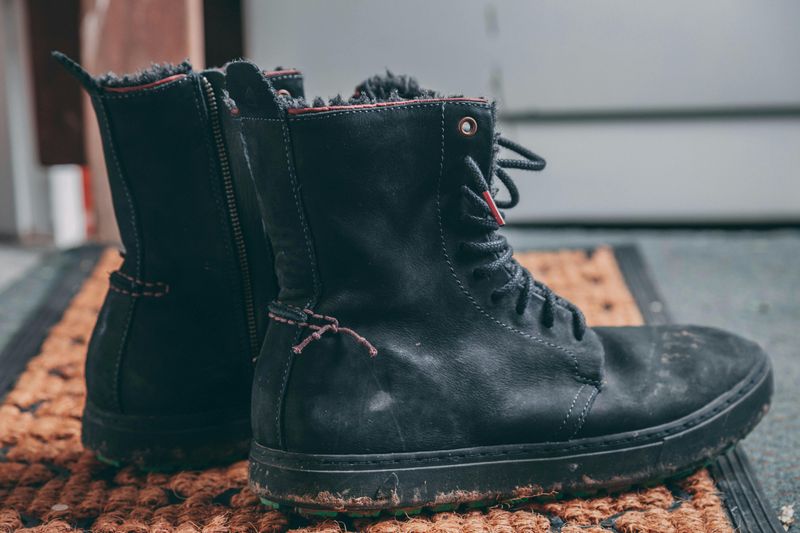
Cowboy culture runs deep in Oklahoma, where Western heritage shapes everything from fashion to festivals and daily life.
Boots are practically standard footwear across the state, worn by ranchers, businesspeople, and style-conscious residents alike.
However, one peculiar law supposedly prohibits wearing your boots to bed, though finding the actual statute proves surprisingly difficult.
This regulation might be more urban legend than actual law, but it persists in collections of strange state statutes nonetheless.
The supposed reasoning behind this law remains mysterious, with various theories attempting to explain its origin.
Some suggest it was a health regulation designed to keep beds clean during an era when people tracked considerable dirt indoors.
Others speculate it might have been a hotel rule that somehow got misinterpreted as a state law over time.
Oklahoma’s ranching heritage means many residents own multiple pairs of boots, from working ranch boots to fancy dress boots for special occasions.
The idea that someone might sleep in their boots seems impractical and uncomfortable, making the need for such a law questionable.
Visitors staying in Oklahoma hotels, motels, or bed and breakfast establishments need not worry about removing their boots before lying down for a nap.
No enforcement mechanism exists for this alleged law, and nobody checks bedrooms to ensure compliance with footwear regulations.
The persistence of this story in lists of strange Oklahoma laws speaks to the state’s strong cowboy identity and boot-wearing culture.
It’s the kind of law that sounds plausible enough to believe, even if actual evidence of its existence remains elusive.
Many Oklahomans have heard of this law and enjoy sharing it with visitors as an example of the state’s quirky legal history.
Whether real or imagined, it contributes to Oklahoma’s colorful reputation and provides entertainment value at gatherings.
The state’s Western heritage is celebrated at numerous events throughout the year, including rodeos, cattle drives, and cowboy culture festivals.
At these events, you’ll see boots of every style and description, worn with pride by people of all ages and backgrounds.
Oklahoma’s boot stores offer impressive selections, from traditional leather work boots to elaborate custom designs featuring intricate stitching and exotic materials.
Visitors often purchase boots as souvenirs, taking home a piece of authentic Western culture to remember their Oklahoma experience.
If this boot-wearing law does exist somewhere in Oklahoma’s legal code, it certainly ranks among the least enforced regulations in state history.
Feel free to wear your boots as long as you like during your Oklahoma visit, though you’ll probably find them more comfortable off your feet when sleeping.
The law, real or not, serves as a charming reminder of Oklahoma’s Western roots and the important role boots play in the state’s cultural identity.
Spitting on the Sidewalk

Public health concerns in the late 19th and early 20th centuries led many American cities and states to enact laws against spitting in public places.
Oklahoma maintains such a regulation, prohibiting spitting on sidewalks within city limits throughout the state.
These laws originated during tuberculosis epidemics when disease transmission through saliva posed a serious public health threat.
Before modern medicine understood disease transmission fully, spitting was far more common and socially acceptable than it is today.
Lawmakers recognized that expectorating on public walkways could spread illness, leading to widespread anti-spitting ordinances.
Oklahoma’s version of this law remains on the books despite tuberculosis no longer representing the widespread threat it once did.
Modern visitors to Oklahoma’s cities probably don’t think about spitting on sidewalks anyway, as social norms have evolved considerably since these laws were written.
The regulation applies specifically to sidewalks, which were considered particularly problematic because people walked on them constantly, potentially tracking contamination everywhere.
Downtown areas in Oklahoma City and Tulsa feature beautiful brick sidewalks and pedestrian-friendly streets where such laws technically still apply.
Enforcement of anti-spitting laws has declined dramatically over the decades, though they could theoretically still be invoked if someone behaved particularly offensively.
The law reflects a time when public health infrastructure was less developed and preventive measures required more direct behavioral regulations.
Today, visitors walking through the Bricktown Entertainment District or exploring the historic Blue Dome District in Tulsa need not worry excessively about this law.
Common courtesy and basic hygiene practices have replaced legal enforcement as the primary deterrent to spitting in public spaces.
Oklahoma’s cities have invested heavily in creating attractive, clean downtown environments that encourage walking and outdoor activities.
These beautification efforts make the anti-spitting law seem even more relevant in spirit, if not in active enforcement.
Nobody wants to encounter unsanitary conditions while enjoying a pleasant stroll through urban shopping districts or historic neighborhoods.
The law serves as a reminder that public spaces belong to everyone and should be kept clean and pleasant for all to enjoy.
Other states maintain similar regulations, many dating back to the same public health concerns that motivated Oklahoma’s version.
Legal scholars consider these laws interesting examples of how historical health crises shaped modern legal codes in ways that persist long after the original threat has passed.
While visiting Oklahoma, you can safely assume that basic respectful behavior will keep you well within legal boundaries regarding public conduct.
The anti-spitting law rarely comes up in actual enforcement, but it exists as part of the broader framework of public health and decency regulations.
So enjoy your walks through Oklahoma’s charming downtown areas, historic districts, and pedestrian zones without worrying too much about this particular statute.
Molesting an Automobile

Oklahoma law includes a statute about molesting automobiles, which sounds far more scandalous than its actual meaning.
In legal terminology, molest means to interfere with or disturb something, not the more serious connotation the word carries in modern usage.
The law prohibits tampering with, damaging, or interfering with vehicles that don’t belong to you, essentially covering vandalism and theft-related activities.
This statute protects car owners from having their vehicles disturbed, damaged, or stolen by making such actions explicitly illegal.
Oklahoma’s car culture runs strong, with Route 66 running directly through the state and classic car shows happening regularly throughout the year.
The Mother Road, as Route 66 is affectionately known, passes through numerous Oklahoma towns including Tulsa, Oklahoma City, and smaller communities that celebrate their highway heritage.
Vintage automobiles hold special significance in Oklahoma, where car enthusiasts maintain impressive collections and participate in cruise nights and automotive events.
The law against molesting automobiles ensures that these prized possessions remain protected from interference by unauthorized individuals.
Visitors admiring classic cars at shows or parked along Route 66 should look but not touch unless given explicit permission by the owner.
The statute covers various activities including attempting to break into vehicles, tampering with parts, damaging paint or body work, or any other interference.
Oklahoma takes property rights seriously, and vehicles represent significant investments that deserve legal protection from vandalism and theft.
The unfortunate modern connotation of the word molest makes this law sound far stranger than its straightforward protective purpose.
Many states use similar archaic legal language that sounds odd to contemporary ears but made perfect sense when originally written.
Car theft and vandalism remain real concerns everywhere, and Oklahoma’s statute provides legal tools for prosecuting offenders who target vehicles.
Rental car agencies, parking lots, and automotive businesses throughout Oklahoma rely on such laws to protect their inventory and customer vehicles.
Tourists driving through Oklahoma can feel confident that legal protections exist to safeguard their vehicles from interference while parked or traveling.
The law applies equally to all automobiles, from brand-new trucks to vintage classics cruising along historic Route 66.
Oklahoma’s automotive heritage includes not just classic cars but also a strong truck culture, with many residents driving pickups for work and recreation.
The state’s wide-open spaces and rural areas make vehicles essential for transportation, increasing the importance of laws protecting automotive property.
When exploring Oklahoma’s many attractions, you’ll notice the pride residents take in their vehicles, keeping them clean and well-maintained.
This car culture makes the law against molesting automobiles particularly relevant, even if the terminology sounds antiquated and unintentionally humorous.
So admire the beautiful cars you’ll see throughout Oklahoma, but remember to keep your hands to yourself and respect others’ property.
Fish Whispering

Oklahoma’s many lakes, rivers, and streams provide exceptional fishing opportunities that draw anglers from across the region.
Lake Texoma, Grand Lake, and countless other water bodies teem with bass, catfish, crappie, and other species that make fishing a beloved Oklahoma pastime.
One particularly strange alleged law suggests that whispering to fish while fishing is illegal, though verification of this statute proves nearly impossible.
The concept of fish whispering presumably refers to attempts to lure fish through soft vocal sounds or conversations directed at the water.
Whether anyone ever actually tried this technique seriously or whether the law represents pure fiction remains unclear.
Fishing regulations in Oklahoma are extensive, covering everything from license requirements to size limits and seasonal restrictions for various species.
The Oklahoma Department of Wildlife Conservation maintains detailed rules designed to protect fish populations and ensure sustainable recreational fishing.
However, nowhere in official documentation does a specific prohibition against whispering to fish appear, suggesting this law might be more legend than reality.
The story persists in collections of strange state laws, perhaps because it captures something amusing about the relationship between anglers and their quarry.
Fishermen often develop superstitious beliefs about what attracts or repels fish, from lucky lures to special techniques passed down through generations.
The idea that someone might try whispering to fish isn’t entirely absurd, even if scientific evidence suggests fish respond more to vibrations than actual sounds.
Oklahoma’s fishing culture emphasizes patience, skill, and respect for the natural environment rather than gimmicks or unusual techniques.
Visitors who obtain proper fishing licenses can enjoy world-class angling throughout the state without worrying about their conversation volume.
Many fishing guides operate on Oklahoma’s premier lakes, offering expertise about local conditions, productive spots, and effective techniques for landing trophy fish.
These professionals focus on proven methods rather than questionable practices like fish whispering, whatever that might actually entail.
The alleged law adds color to Oklahoma’s reputation for quirky legal codes, even if it lacks foundation in actual statutes.
Fishing remains one of Oklahoma’s most popular outdoor activities, with excellent access points and facilities throughout the state.
State parks like Beavers Bend, Robbers Cave, and Roman Nose offer beautiful settings for fishing combined with camping and other recreational opportunities.
Whether you prefer bank fishing, boat fishing, or wading into streams, Oklahoma provides diverse options for anglers of all skill levels.
The state’s commitment to wildlife management ensures healthy fish populations and quality experiences for residents and visitors alike.
So feel free to talk, sing, or whisper all you want while fishing Oklahoma’s waters, as no actual law prohibits vocal interaction with potential catches.
Just remember to follow real fishing regulations regarding licenses, limits, and seasons to ensure your Oklahoma fishing adventure stays legal and enjoyable.
Dear Reader: This page may contain affiliate links which may earn a commission if you click through and make a purchase. Our independent journalism is not influenced by any advertiser or commercial initiative unless it is clearly marked as sponsored content. As travel products change, please be sure to reconfirm all details and stay up to date with current events to ensure a safe and successful trip.
