Road trips through Wyoming promise wide skies, quiet snowfields, and quirky stories that stick with you long after the odometer resets.
Tucked among the legends is a real statute that once made winter snapshots of wildlife a legal gray zone, and it still sparks curiosity at trailheads and small town museums.
You will leave with sharper eyes for local context, plus a few conversation starters for your next scenic pullout.
Keep reading, because the truth behind the so called rabbit photo rule is stranger than the punchline.
The Jackrabbit Just Stared: An Innocent Photo That Was Once Outlaw Territory
Imagine standing on the shoulder of a quiet Wyoming byway, where snow muffles sound and the sagebrush holds frost like sugar, making the silence feel vast and ancient beneath the enormous sky.
A jackrabbit stops against the pale horizon, ears tall and still, and your camera feels like a natural extension of your breath, prepared to capture the subtle drama of the high plains winter.
The scene looks harmless, yet history whispers that a shutter click once carried unexpected weight, suggesting a forgotten chapter in the state’s relationship with visitors and wildlife.
Travel invites moments like this, where curiosity meets place and place answers with a story, often revealing historical quirks that are both surprising and enlightening.
The Cowboy State has a habit of pairing big landscapes with even bigger lore, and this tale sits right at that intersection, highlighting how human law interacts with the uncompromising reality of nature.
You are not just looking at wildlife, you are stepping into a narrative written by cold months and cautious lawmakers, who sought to protect animals during their most vulnerable season.
That innocent composition, snow against sky, becomes a doorway into a century-old rulebook you never expected to open, revealing the depth of Wyoming’s commitment to conservation.
The memory turns from a simple photo into a breadcrumb trail through Wyoming’s legal past, encouraging a deeper understanding of the land and its governing principles.
The road rolls on, but the rabbit lingers in your mind, symbolizing a moment when a casual action was once defined by serious regulation.
In a state that prizes open range and clear horizons, the idea of regulating a snapshot feels surreal, underscoring the unexpected lines that were once drawn for preservation.
Still, the law drew lines that shaped how visitors behaved in winter, establishing boundaries that prioritized the animal’s welfare over the photographer’s desire.
Understanding those lines changes how you see the next footprint in the drift, adding a layer of historical consciousness to your appreciation of the natural environment.
The story encourages modern road-trippers to look beyond the surface beauty and consider the deep, often surprising, history embedded in the landscape.
The Truth Behind the Legend: Wyoming’s Wildlife Permit Rule
Was it truly illegal to photograph a rabbit in January, or did rumor outrun reality, creating a simple narrative from a complex legislative act?
The answer sits between literal text and practical enforcement, housed in an early-20th-century Wyoming law that required a permit to photograph game animals in winter months, a provision aimed at commercial activity.
The intent targeted commercial exploitation, yet the language cast a wider shadow over even casual snapshots, leaving room for misinterpretation by the public and press alike.
Imagine arriving from out of state and learning that your new hobby could require a permit you never planned to seek, immediately changing your perception of your spontaneous adventure.
The fear was not about bunnies, it was about protecting animals during their most vulnerable season, ensuring that no commercial gain led to the undue harassment of winter-stressed creatures.
That nuance rarely fits into a catchy headline, but it matters for travelers who value accuracy, preferring factual context over sensationalized folklore.
Records from that era show a conservation mindset shaped by limited knowledge and tougher winters, driving lawmakers toward cautious, broad protective measures.
Lawmakers leaned on broad rules to prevent any activity that might stress wildlife, taking an abundance-of-caution approach to natural resource management.
Your modern eye sees overreach, their moment saw precaution, a reflection of the different economic and ecological concerns of a century ago.
The legend survives because it reduces complexity to a single surprising image, a camera meeting a rabbit under a cold sky, which is a powerful and easy story to remember.
The truth is more layered, but no less fascinating, offering a glimpse into the legislative struggles of early conservation efforts in the American West.
Reading the original statute adds depth to a story that still circulates at visitor centers across Wyoming, transforming a simple piece of trivia into a historical learning opportunity.
Why January? The Hidden Logic of Winter Conservation
Winter defines rhythm in Wyoming, shaping both wildlife behavior and human travel plans, making the period from late fall to early spring the most critical time for animal survival.
January through early spring brings scarce forage, cold winds, and a fragile energy budget for animals that face daily tradeoffs, forcing them to conserve every calorie.
Any added disturbance, even a gentle approach, can push those margins, potentially resulting in the use of vital energy needed for warmth and survival.
Conservation in that context becomes a practice of subtraction, fewer footsteps, fewer engines, fewer reasons for animals to flee, prioritizing stillness and respect.
Old rules leaned into that idea by chilling activity during the hardest months, establishing a temporary, seasonal zone of protection against human disturbance.
Modern visitors can still honor the logic with slower movements and longer lenses, adopting an ethic of non-intrusion that aligns with the spirit of the old law.
Think of the landscape as a quiet room where every sound echoes, meaning that even a small action can have a disproportionate impact on the wary animals nearby.
Your presence, your silhouette, even the glint of a lens can startle a wary rabbit, causing it to expend energy in a non-essential flight response.
Space becomes the most respectful gift you can offer, giving the animal a wide, comfortable perimeter where it can remain undisturbed.
The winter stillness that draws you in also protects nesting grounds and travel corridors, serving as an invisible shield for the ecosystem’s most vulnerable elements.
Routes across drifts and wind crusts are lifelines that should not be rerouted by curiosity, emphasizing the need for travelers to stick to established roads and paths.
With awareness, the photograph still happens, and the animal keeps its calm, allowing for ethical observation that benefits both the traveler and the wildlife.
When Folklore Becomes Fact
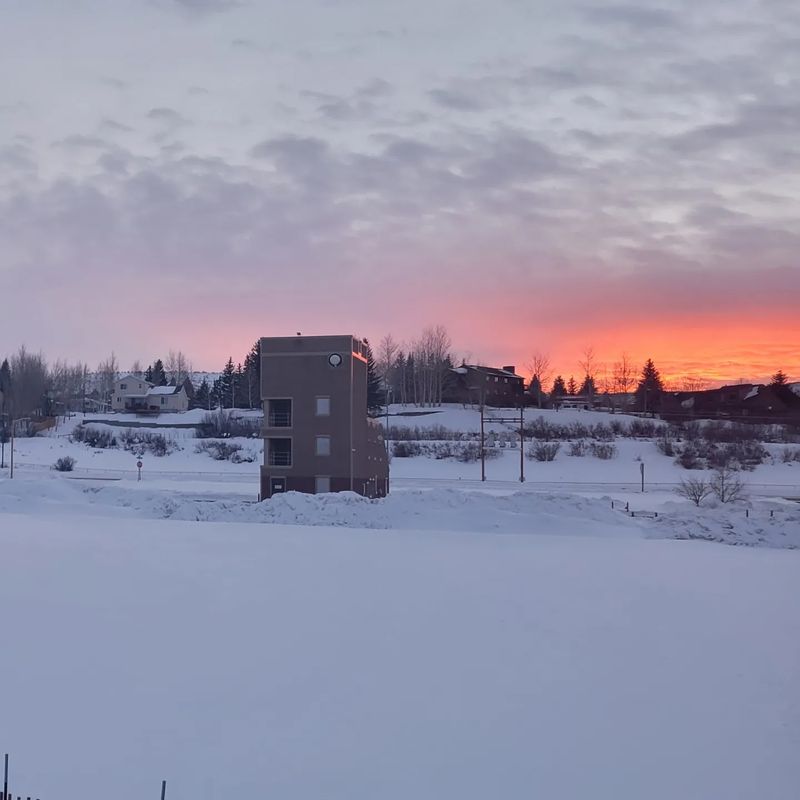
Weird laws spread because they surprise you into sharing them, offering a quick, entertaining glimpse into a locale’s idiosyncratic past that is easy to repeat.
A rabbit, a camera, and a winter date stamp make a tidy package for headlines, providing all the necessary elements for an easily digestible and slightly unbelievable anecdote.
The details blur, the punchline stays sharp, and the story migrates from diner counter to travel blog, becoming a self-sustaining piece of cultural trivia.
Folklore thrives where truth is specific but complicated, allowing imagination and simplification to fill the gaps left by missing context.
The original statute existed, carried a permit requirement, and targeted sensitive months, yet context gets trimmed for speed, creating a more sensational, but less accurate, account.
Your curiosity fills the gaps with imagination, and soon the myth sounds definitive, losing its original nuance and specific legislative intent.
Travel brings a chance to check the source material, a fun challenge for those who enjoy historical investigation beyond surface-level facts.
You can ask a librarian, browse an archive, or read a digitized session law, transforming a pullout stop into an act of local scholarship.
The fun grows when accuracy beats novelty, providing a deeper satisfaction that comes from understanding the real story behind the legend.
Wyoming welcomes questions because its history is textured and proud, featuring a genuine narrative that is much more interesting than the simplified myth.
The rabbit tale is one thread in a larger fabric of frontier law and evolving science, reflecting the state’s long process of defining itself.
You leave with a clearer story that still feels delightfully odd, one that you can share with the rich historical context it deserves.
From Bunnies to Bars: Other Head-Scratching Wyoming Ordinances
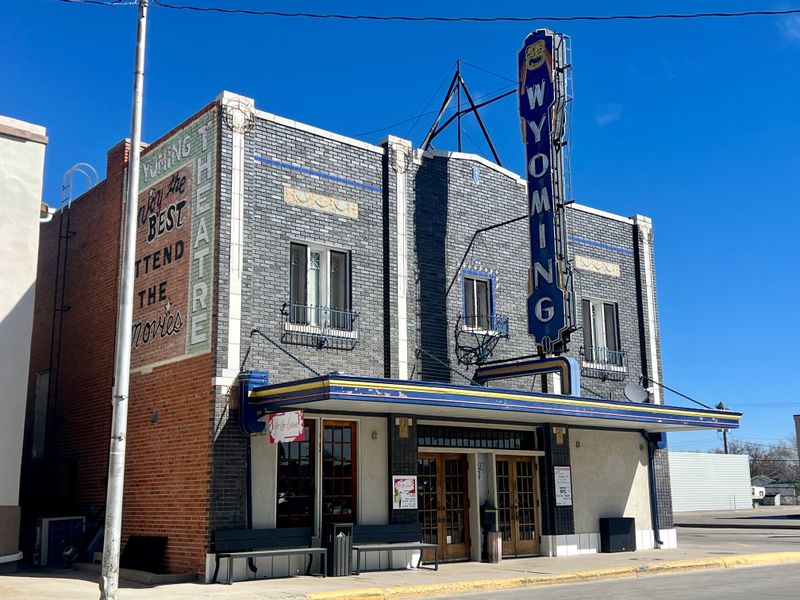
Rabbits are not the only stars of Wyoming’s legal lore, which is rich with surprising legislative artifacts that reflect past societal norms.
Old ordinances mention unusual fishing methods, quirky theater etiquette, and community rules that now read like time capsules, showcasing the priorities of an earlier generation.
Each one mirrors the priorities of a town managing noise, safety, and shared space, providing a window into the challenges of community building in the West.
Imagine a marquee flickering over a quiet street while ushers once minded practical concerns like sightlines, ensuring a communal viewing experience that worked for everyone.
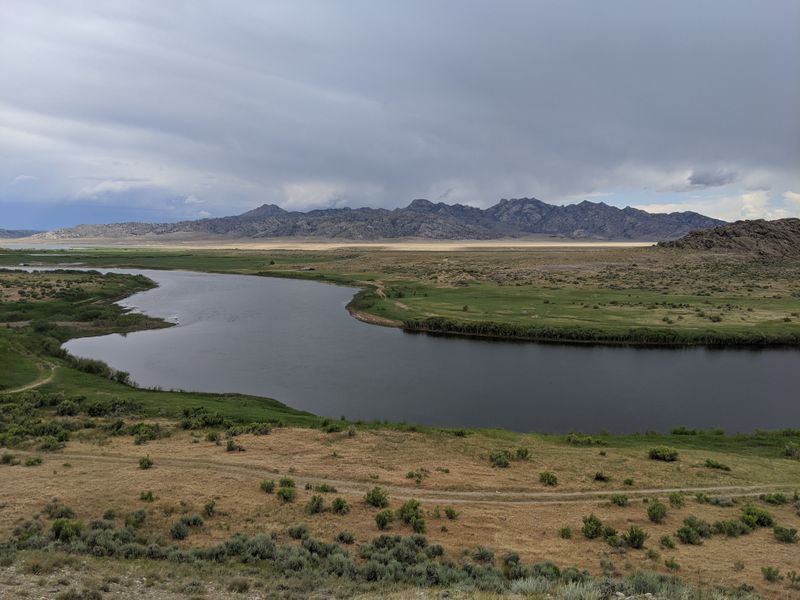
Picture anglers debating fair methods along a windy river where gear choices shaped local custom, establishing norms around natural resource use and ethics.
The specifics feel strange until you see the local problem they tried to solve, which grounds the unusual rule in a specific, understandable context.
Traveling here turns small print into scenery, suggesting that the most intriguing parts of a place are often found in the overlooked details of its past.
Historic theaters, civic halls, and museum displays hold traces of the debates that shaped daily life, offering physical evidence of the historical conversation.
You are reading culture as much as code, discerning the values and anxieties of the community through its legal framework.
When you visit Wyoming, let curiosity guide you past the headline and into the archive, seeking the context that gives these odd laws their true meaning.
Staff at local museums can point to exhibits that unpack these relics without romanticizing them, providing a sober yet engaging view of the past.
The result is a grounded take that respects both community memory and modern practice, connecting today’s visitor with the historical lived experience.
Lessons for the Modern Road-Tripper: Know the Context, Not Just the Code
Road trips work best when curiosity sets the itinerary, but a little preparation ensures that curiosity is informed and respectful of the landscape.
Laws on the books tell one story, but conversations with locals reveal the unwritten parts that shape daily life, offering invaluable insights into current conditions and local sensitivities.
You learn which roads drift shut early and which trails hold wildlife in winter shade, knowledge that can save time and prevent an unsafe situation.
Before pointing a lens, take a minute to observe, allowing the scene to settle and the wildlife to become accustomed to your presence from a distance.
Watch for animal tracks that show recent movement, and note wind direction that carries scent and sound, using natural cues to inform your approach.
Small choices reduce stress on animals and improve your own view, ensuring you get a better, more ethical photograph while minimizing your impact.
Visitor centers across Wyoming share seasonal updates that keep your plans realistic, providing current information on closures and wildlife activity.
Staff know conditions that apps miss, and their advice can steer you to quieter overlooks, away from over-stressed areas and into more rewarding experiences.
The result is a calmer day for both traveler and resident wildlife, fostering a sustainable relationship with the environment.
Context also prevents missteps that become viral misunderstandings, ensuring that your actions are interpreted correctly by those who live there.
The rabbit tale reminds you that enforcement and intent rarely fit into a punchy line, and that real understanding requires a deeper look.
Respect grows from seeing the whole picture, not just the headline, making you a better and more welcome visitor to the state.
The Rabbit Is Free (But Still Needs Space)
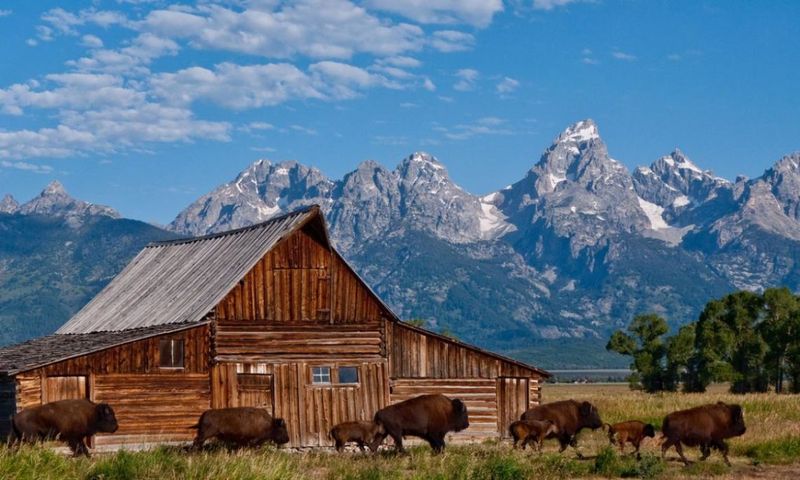
Every town stores its personality in little rules and long memories, which are often the most delightful parts of the travel experience.
You can spark great conversations by asking about famous oddities at museums, libraries, and visitor centers, using local lore as a guide to community history.
The answers often point you toward murals, historic plaques, and quiet rooms filled with archives, transforming a simple inquiry into a multi-layered discovery.
Research becomes part of the trip, not just prep, engaging you with the destination’s past in an active, rewarding way.
A quick search at the local public library website or county records can surface scanned ordinances and news clippings, giving you direct access to primary sources.
You read the real words and compare them to the legend you heard on the road, becoming a discerning historian of your own journey.
Wyoming makes this especially rewarding because local institutions take pride in clear storytelling, ensuring that their history is accurately and proudly presented.
Exhibits explain context without turning it into trivia, prioritizing education and understanding over simple entertainment.
You leave with a map of ideas as well as places, feeling intellectually enriched by your exploration.
Seek out walking tours that highlight civic buildings and old theaters, as architecture often speaks volumes about past community structure and values.
The architecture frames the policies that once guided everyday life, revealing how the built environment reflected legal and social norms.
Today, there is no special ‘rabbit photography in January’ permit regime for ordinary visitors; modern rules focus on hunting seasons and harassment, so travelers simply follow standard wildlife and access regulations.
The story still matters because it teaches the value of space and timing, which are eternal principles of ethical wildlife viewing.
A respectful distance keeps animals calm and your memory cleaner, honoring the conservation ethic the old law was meant to uphold.
Think of every encounter as a brief loan from the landscape, reminding you that your privilege to observe is temporary and conditional.
You look, you appreciate, and you leave things exactly as you found them, adhering to the fundamental principle of ‘leave no trace’.
Dear Reader: This page may contain affiliate links which may earn a commission if you click through and make a purchase. Our independent journalism is not influenced by any advertiser or commercial initiative unless it is clearly marked as sponsored content. As travel products change, please be sure to reconfirm all details and stay up to date with current events to ensure a safe and successful trip.
