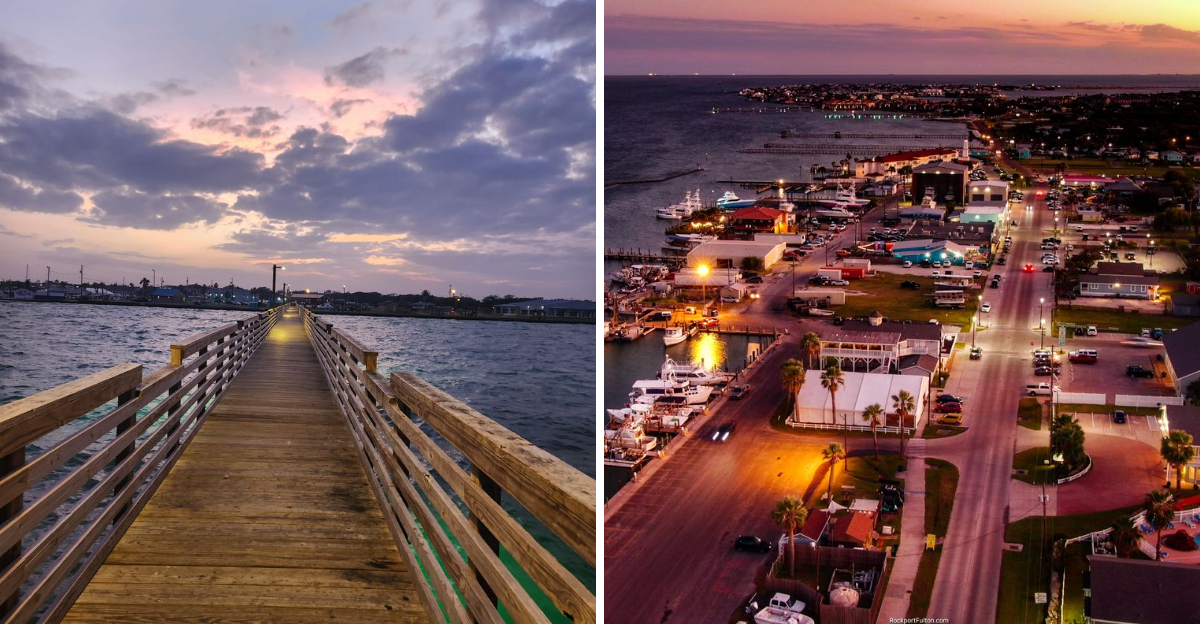
I have a soft spot for places that do absolutely nothing flashy, and Fulton delivers on that promise right away. No neon signs, no competing beach bars, no one trying to sell you a souvenir you did not ask for.
Just water, piers, and a breeze that refuses to hurry. The first thing I noticed was how quiet it felt.
Not awkward quiet. Peaceful quiet.
Families were fishing off the pier like they had all day, pelicans skimmed the surface like they were on patrol, and the waves kept their own slow rhythm. I found a spot near the water and realized I had stopped checking my phone without even meaning to.
Fulton Beach is not trying to impress anyone, and somehow that is exactly what makes it work.
A Shoreline That Belongs to the Locals
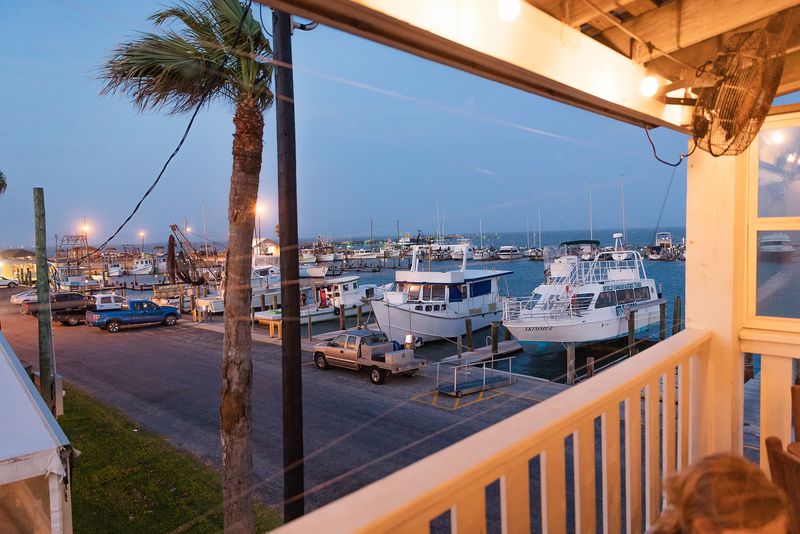
Walking along Fulton Beach for the first time, I noticed something unusual. There were no rows of beach chairs or rental stands lining the sand.
Instead, people were spread out naturally, some casting lines into the surf, others simply sitting and watching the horizon.
The beach itself isn’t wide or dramatic. It’s modest, with soft sand that shifts under your feet and shallow water that stretches out for what feels like forever.
Kids wade in up to their knees without worry, and the waves are more like gentle rolls than crashes.
What makes it special is the lack of noise. No loudspeakers, no crowds jostling for space.
Just the sound of gulls and the occasional splash of a fish breaking the surface. You can walk for a long stretch and only pass a handful of people, most of them locals who know the tides by heart.
It’s not a postcard-perfect beach, and that’s exactly why it works. There’s no pretense here, no effort to be anything other than what it is: a quiet place to breathe, reset, and remember what the coast used to feel like before it became a destination.
The Fishing Piers That Define the Town
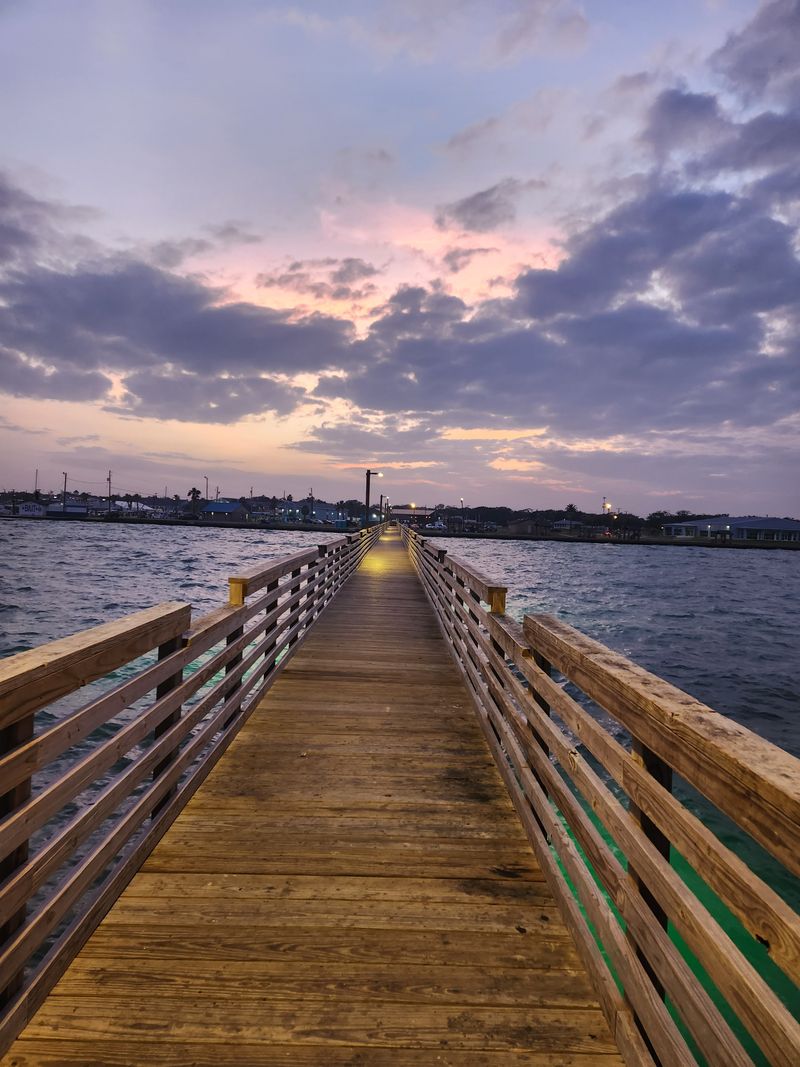
Fishing isn’t just a pastime in Fulton. It’s woven into the fabric of the place.
The piers here are simple structures, weathered by salt and sun, and they’re always occupied by someone with a rod in hand.
I spent an afternoon watching people fish, and what struck me was the patience. No one seemed in a hurry.
A man in a faded cap told me he’d been coming to the same spot for twenty years, and he didn’t care if he caught anything or not. It was the ritual that mattered.
The piers are free to use, and you’ll see families teaching kids how to bait a hook, older couples sitting side by side in folding chairs, and solo anglers who seem lost in thought. The catch of the day might be redfish, speckled trout, or flounder, depending on the season.
There’s something grounding about standing on a pier with the water beneath you and the sky stretching wide. It’s not about the fish.
It’s about slowing down and being present, something Fulton seems to teach without saying a word.
Birdwatching Without the Crowds
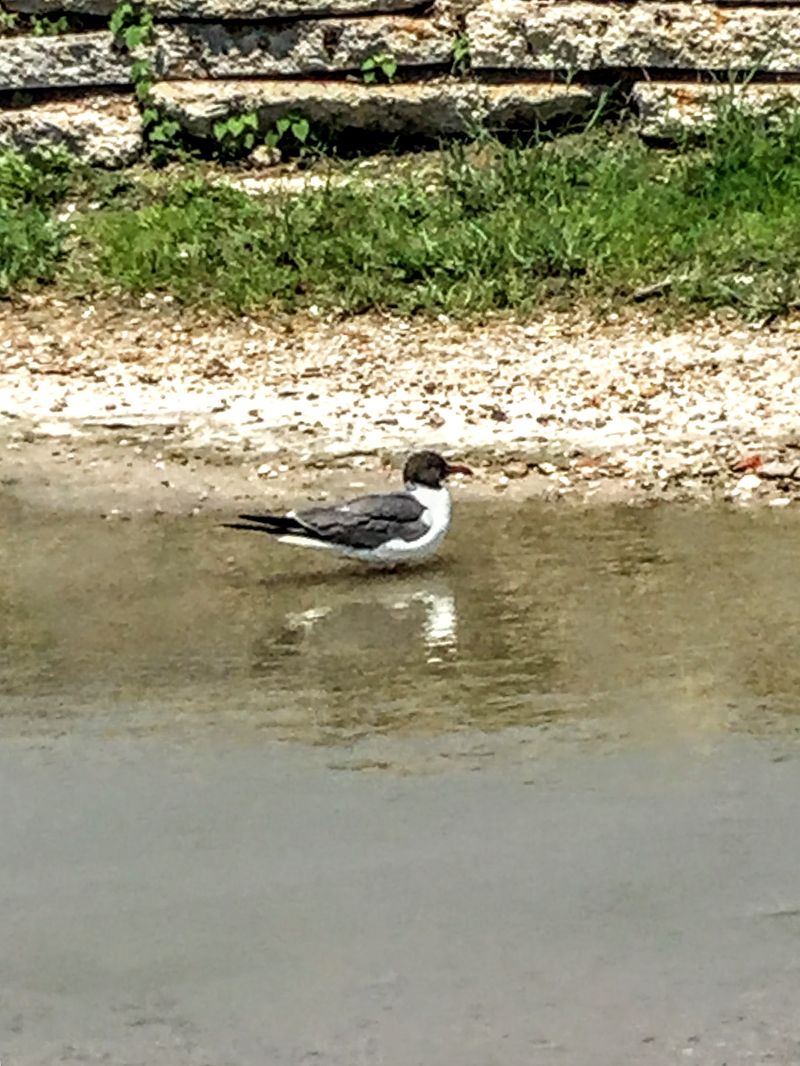
Fulton sits along a flyway that draws birds from across the continent, and yet somehow it remains a secret among serious birdwatchers. I’m not an expert, but even I could appreciate the variety: pelicans, herons, egrets, and roseate spoonbills with their shocking pink feathers.
The best spots are along the marshy edges where the bay meets the land. You don’t need binoculars, though they help.
Birds here are used to people and don’t startle easily. I watched a great blue heron stand motionless in the shallows for what felt like ten minutes before it struck at a fish.
What makes birdwatching here different is the lack of organized tours or crowded platforms. You can pull off the road, walk a short path, and find yourself alone with the birds.
The quiet amplifies every sound: the rustle of wings, the splash of water, the distant call of a gull.
It’s easy to lose track of time here. The birds move at their own pace, and you find yourself matching it, breathing slower, noticing more.
It’s a reminder that nature doesn’t need to be packaged to be profound.
The Harbor That Still Works
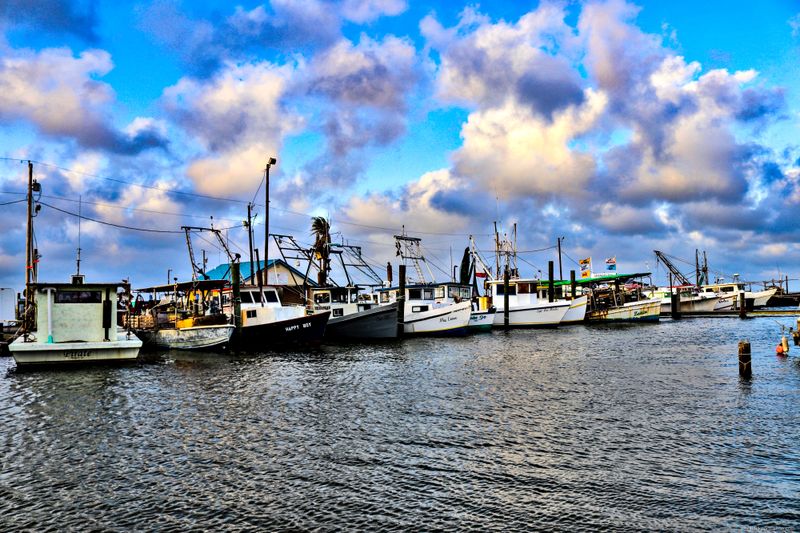
Fulton Harbor isn’t picturesque in the polished sense. It’s a working harbor, where shrimp boats and fishing vessels come and go, and the smell of brine and diesel hangs in the air.
But that’s exactly what makes it real.
I walked along the docks one morning and watched crews unload their catch, sorting through bins of shrimp and fish with practiced efficiency. No one paid much attention to me.
This wasn’t a place designed for tourists; it was a place designed to function.
The boats themselves tell stories. Some are freshly painted, others show years of wear, their hulls scarred by countless trips out to the Gulf.
Nets hang drying in the sun, and pelicans perch on pilings, waiting for scraps.
There’s a raw honesty to the harbor. It doesn’t try to be charming, but it is.
You get a sense of the rhythm of the town here, the early mornings and long days, the connection between the water and the people who make their living from it. It’s a glimpse into a way of life that’s becoming rare along the Texas coast.
Sunsets That Don’t Need a Filter
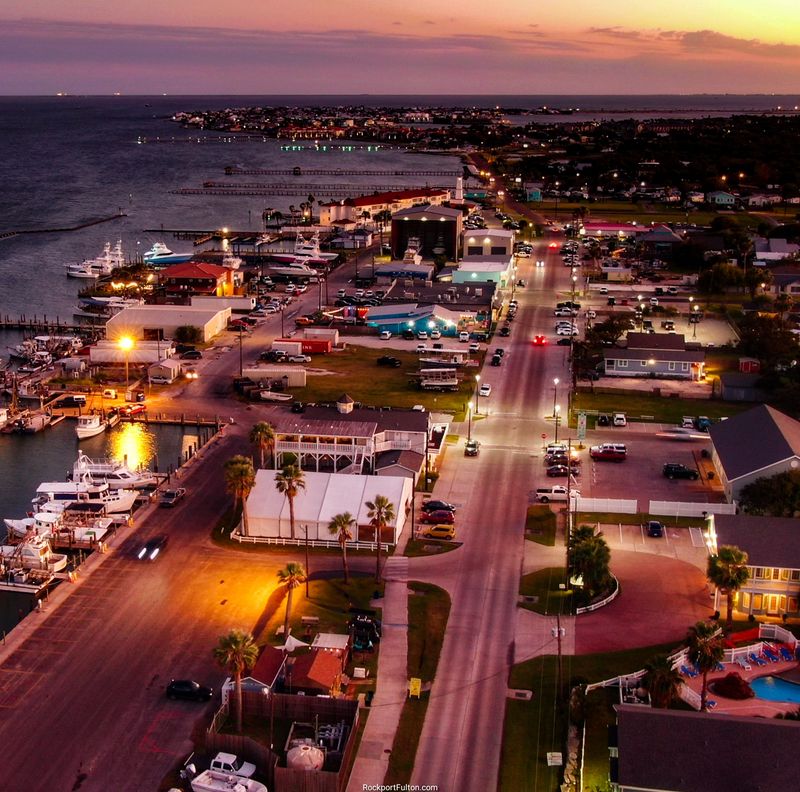
I’ve seen sunsets in a lot of places, but the ones in Fulton have a quality that’s hard to describe. Maybe it’s the flat horizon or the way the water reflects the sky, but the colors seem deeper here, more saturated.
The best spot is anywhere along the beach or the bay. You don’t need to hunt for a view.
Just find a place to sit and wait. The sun drops slowly, turning the sky from blue to gold to pink, and the water mirrors every shade.
What I liked most was the lack of performance. No one was posing for photos or trying to capture the perfect shot.
People just watched, quietly, as the light changed. A few kids played in the surf, their laughter the only soundtrack.
As the sun finally dipped below the horizon, the sky glowed for a few more minutes, a soft purple that faded into dusk. It felt like a gift, something offered freely without expectation.
In a world that’s constantly trying to sell you something, that kind of simplicity is rare and worth savoring.
Kayaking Through Quiet Waters
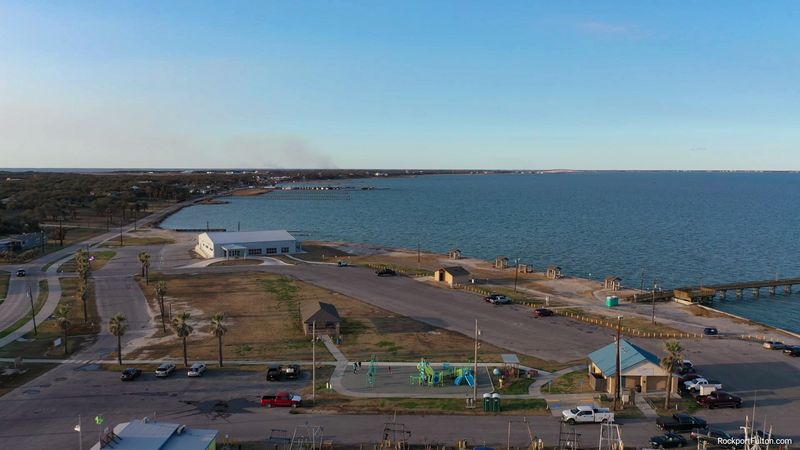
Renting a kayak and paddling out into the bay was one of those spontaneous decisions that turned into a highlight. The water is calm and shallow, perfect for beginners or anyone who just wants to glide along without much effort.
From the kayak, you see Fulton from a different angle. The shoreline looks even quieter, the houses and piers small against the wide sky.
I passed through patches of marsh grass where herons stood like statues, and I could see fish darting beneath the surface.
The best part was the silence. Out on the water, away from the road, the only sounds were the dip of the paddle and the occasional call of a bird.
It felt like the bay was holding its breath, and I was part of that stillness.
You don’t need to go far to feel like you’ve escaped. Even a short paddle takes you into a different world, one where time moves slower and the usual distractions fade away.
It’s the kind of experience that stays with you long after you’ve pulled the kayak back onto shore.
Local Flavor Without the Fuss
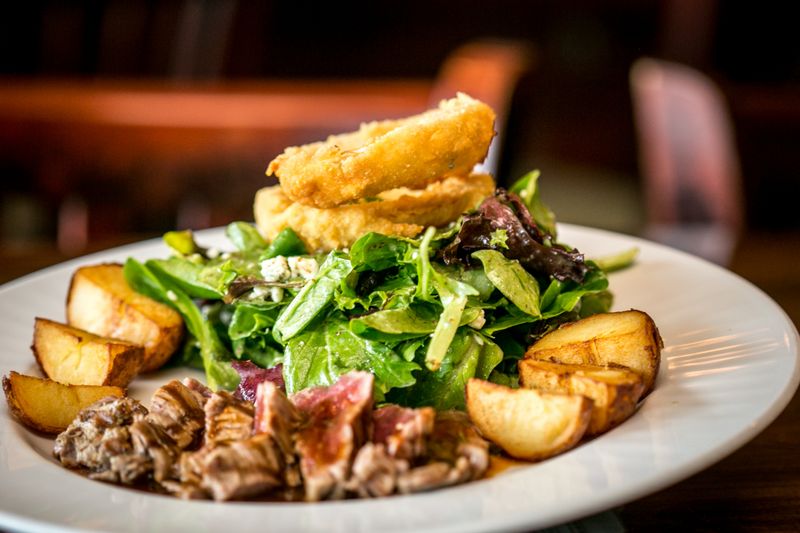
Fulton doesn’t have a long list of restaurants, but the ones it has are the kind of places where locals eat regularly, and that tells you everything you need to know. The focus is on fresh seafood, simply prepared, without a lot of fuss.
I stopped at a spot where the menu was handwritten on a chalkboard, and the tables were picnic-style, some inside, some out. The shrimp were local, caught that morning, and they tasted like the ocean in the best way.
No heavy sauces, no complicated presentations, just good food done right.
What I appreciated was the lack of pretension. The staff were friendly without being overly chatty, and the atmosphere was relaxed.
Families sat next to solo diners, everyone welcomed equally. You could tell this was a place people came to because they liked it, not because it was trendy.
Eating here felt like being let in on a secret. The food was excellent, the setting unpretentious, and the experience genuine.
It’s the kind of meal you remember not because it was fancy, but because it was real.
A Beach Town That Moves at Its Own Pace
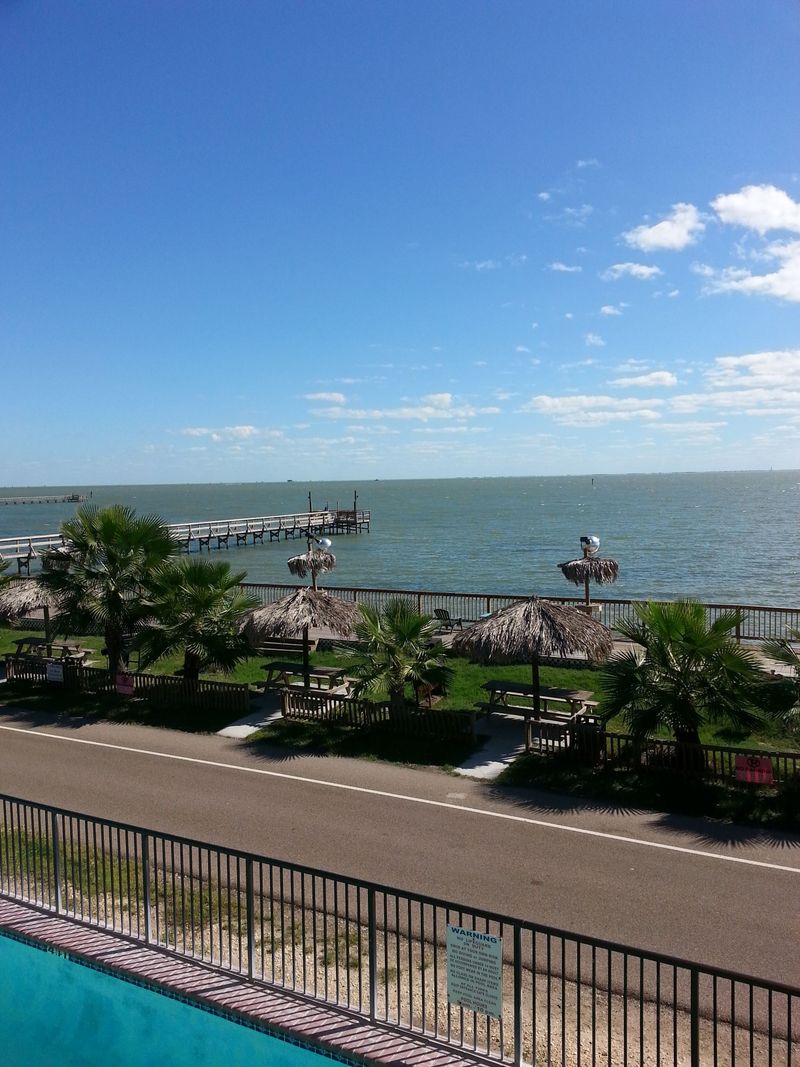
One of the first things I noticed in Fulton was the pace. People walked slower, talked slower, and seemed in no hurry to be anywhere.
It wasn’t laziness; it was a deliberate choice to move through life at a rhythm that felt human.
The town itself is small, just a handful of streets and a few scattered businesses. There’s no downtown strip lined with shops, no boardwalk attractions.
What you see is what you get: a place where people live, not a place engineered for visitors.
I spent time just walking around, noticing the details. Homes with weathered siding and boats parked in driveways.
A dog sleeping in the shade of a porch. A hand-painted sign advertising bait.
Nothing flashy, nothing forced.
It’s easy to feel like an outsider in a town this small, but I didn’t. People nodded as I passed, offered directions when I looked lost, and didn’t ask a lot of questions.
There was a quiet acceptance, a sense that everyone was welcome as long as they respected the rhythm of the place. That’s a rare quality, and it’s one of the things that makes Fulton feel like a refuge.
The Kind of Place That Stays With You
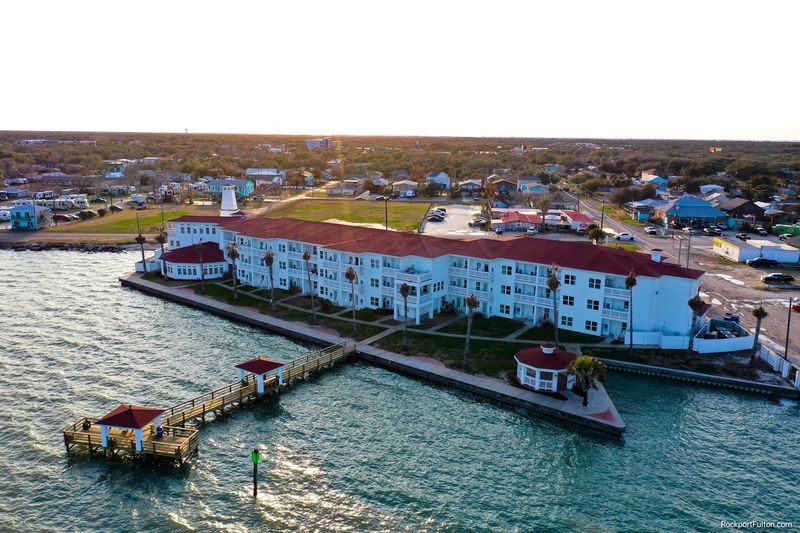
I didn’t expect Fulton to linger in my mind the way it has. It’s not dramatic or flashy.
There’s no single landmark that defines it. But something about the place got under my skin in the best way.
Maybe it’s the way the town feels lived-in rather than curated. Or the way the people seem content with what they have, without constantly chasing more.
There’s a groundedness here that’s hard to find in a world obsessed with growth and attention.
I found myself thinking about Fulton weeks after I left, remembering the sound of the waves, the patience of the fishermen, the way the light changed over the water. It wasn’t about what I did there; it was about how the place made me feel.
Fulton doesn’t try to impress you. It simply exists, offering itself quietly to anyone willing to slow down and pay attention.
That kind of authenticity is increasingly rare, and it’s something worth protecting. If you’re looking for a place that still feels untouched, where you can breathe and think and just be, Fulton is waiting.
It won’t shout for your attention, but it will reward you if you give it.
Practical Details for Your Visit
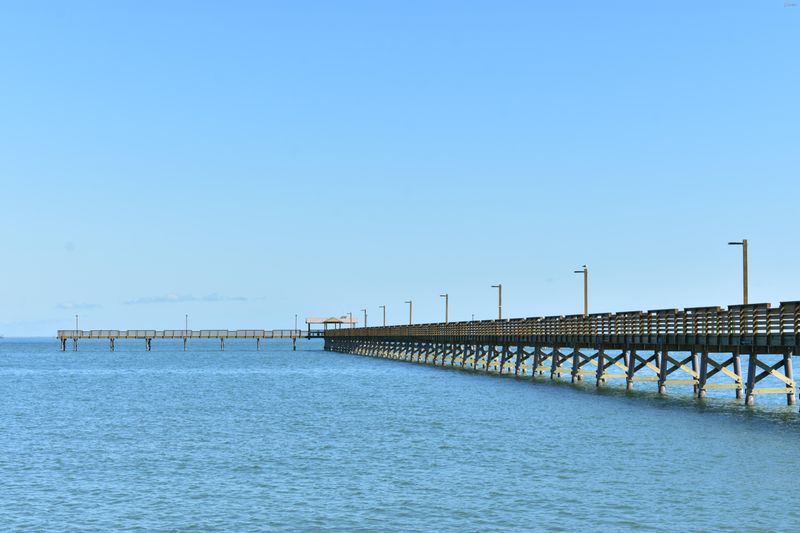
Getting to Fulton is straightforward. The town sits along the Texas coast, just north of Rockport, about a three-hour drive from San Antonio or four hours from Houston.
The roads are easy, and once you arrive, everything is within a few minutes’ reach.
There aren’t a lot of hotels in Fulton itself, but you’ll find options nearby in Rockport or Aransas Pass. Some visitors prefer to rent a small beach house or cottage, which gives you a more local feel and a place to cook your own meals if you want.
The best time to visit depends on what you’re looking for. Spring and fall offer mild weather and fewer people.
Summer can be hot and humid, but the water is warm and the beaches are at their most inviting. Winter is quiet and cool, perfect for birdwatching and long walks.
Bring sunscreen, a hat, and comfortable shoes for walking. If you plan to fish, you can rent gear locally.
Most importantly, bring a willingness to slow down and let the town set the pace. Fulton rewards patience, and the more you relax into its rhythm, the more you’ll take away from the experience.
Address: 1000 Main St, Fulton, TX 78358
Dear Reader: This page may contain affiliate links which may earn a commission if you click through and make a purchase. Our independent journalism is not influenced by any advertiser or commercial initiative unless it is clearly marked as sponsored content. As travel products change, please be sure to reconfirm all details and stay up to date with current events to ensure a safe and successful trip.
