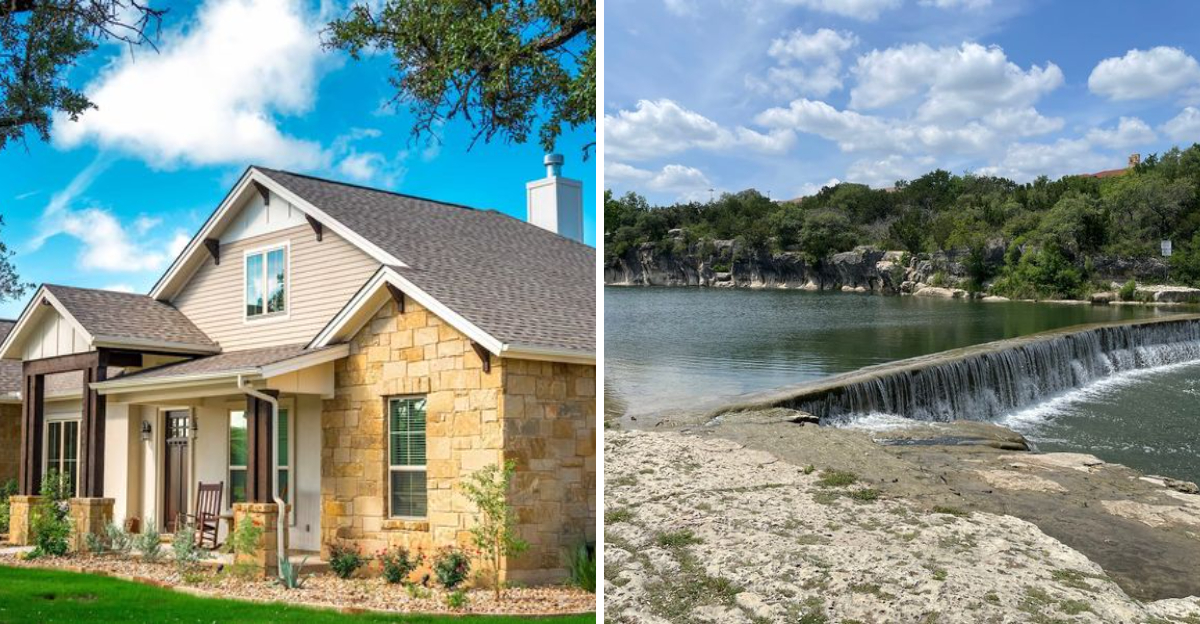
A place that has changed so much that lifelong locals barely recognize it is a story playing out across Texas. This town was once a quiet, sleepy spot with a charming downtown and a slower pace of life.
Now it is growing fast, and the old landmarks are being surrounded by new developments. The main street has new shops and restaurants, and the outskirts are filling up with housing.
Locals remember the way things used to be and sometimes have a hard time keeping up with the changes. It is a reminder of what happens when a hidden gem is discovered.
Texas is growing, and not everyone is prepared for the transformation. This town is a prime example.
The future is coming fast.
From Small Town to Boomtown, the Population Explosion That Changed Everything
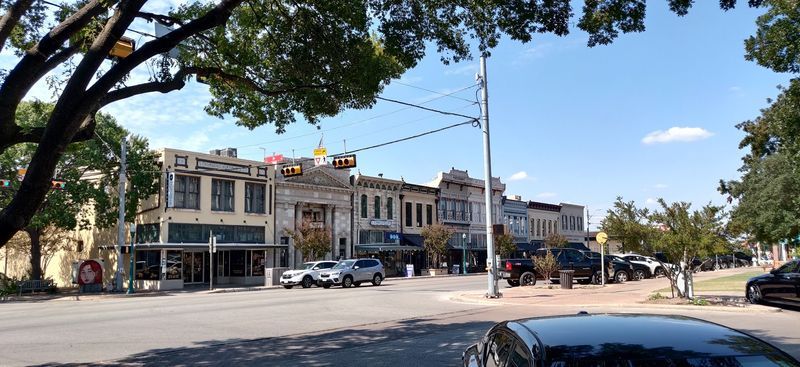
Numbers rarely tell the full story, but in Georgetown’s case, they come pretty close.
The city’s population has grown by more than 67% since the 2020 census, pushing it well past 100,000 residents and earning it the title of fastest-growing city in the U.S. for cities over 50,000 people, not just once, but for multiple years in a row.
That kind of growth doesn’t happen quietly. Long-time locals describe driving down roads they’ve known for decades only to find brand-new traffic lights, roundabouts, and strip malls where open fields used to be.
The disorientation is real and completely understandable.
Back in 2010, Georgetown had roughly 47,000 residents. By the mid-2020s, that number had more than doubled.
Projections suggest the city could reach 115,000 by 2026, with no signs of slowing down anytime soon.
What makes this growth especially striking is how fast it happened. A 10.5% increase in one year, followed by a 14.4% jump the next, is not typical for any city.
Those are numbers you’d expect from a place riding a gold rush, not a Central Texas town known for its Victorian architecture and charming courthouse square.
For newcomers, Georgetown feels like an exciting opportunity. For families who’ve lived here for generations, it can feel like watching a beloved old photograph slowly get replaced by something unrecognizable.
Both reactions make perfect sense, and both are part of Georgetown’s complicated new reality.
The Austin Effect, Why So Many People Are Heading North
Austin’s explosive growth didn’t stay inside Austin’s borders. It spilled outward, and Georgetown, sitting just 30 miles north along I-35, was perfectly positioned to catch the overflow.
People priced out of Austin, or simply exhausted by its traffic and congestion, started looking north, and what they found in Georgetown felt like a dream.
Lower housing costs, quieter streets, and a genuine small-town feel made Georgetown an easy sell. The commute to Austin was manageable, especially for remote and hybrid workers who only needed to make the drive a few days a week.
The tech and healthcare sectors booming in the greater Austin metro also played a huge role. Jobs multiplied, and workers needed somewhere affordable to live.
Georgetown offered exactly that, at least for a while, before its own housing market started heating up in response to demand.
New employers began setting up directly in Georgetown too. Companies like Pegatron Corporation chose the city for major facilities, reducing the need to commute to Austin at all.
That shift transformed Georgetown from a bedroom community into a destination city with its own economic gravity.
The irony isn’t lost on longtime residents. Georgetown was once the place people moved to in order to escape growth.
Now it faces the same pressures that drove those newcomers out of Austin in the first place. The cycle of Texas urban sprawl has officially arrived, and Georgetown is right at the center of it.
Sun City Texas, the Retirement Community That Reshaped a Whole City
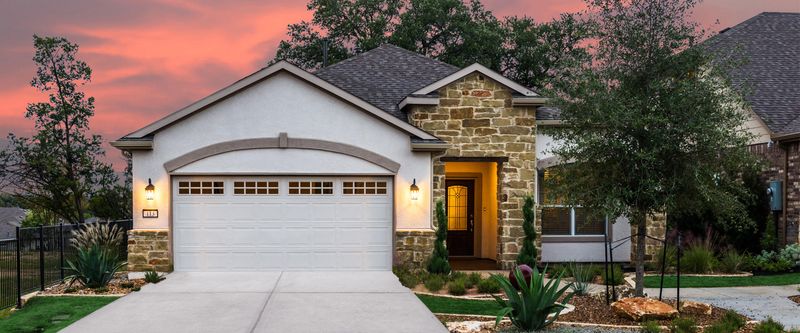
Not all of Georgetown’s growth came from young families chasing Austin’s job market. A massive retirement community called Sun City Texas quietly became one of the most influential forces shaping the city’s identity, demographics, and economy.
Sun City Texas is a sprawling active adult community designed for residents aged 55 and older. It’s enormous, with thousands of homes, multiple golf courses, recreation centers, and an entire social infrastructure built around the idea of retirement done right.
It brought tens of thousands of retirees into Georgetown, many from out of state.
That shift changed everything from local politics to restaurant menus. The needs and preferences of a large retiree population influenced how the city spent money, what kinds of businesses opened, and even how new roads were planned.
Georgetown’s character began reflecting this demographic in ways both subtle and obvious.
For younger longtime residents, the change felt noticeable. The town they remembered as a place for families and college students gradually took on a different rhythm.
Quieter mornings, more golf carts on the roads, and a different kind of civic energy became part of everyday life.
Sun City isn’t going anywhere, and neither is its influence. The community continues to grow, and retirees keep choosing Georgetown for its safety, amenities, and Central Texas charm.
It’s a fascinating case study in how one planned development can reshape an entire city’s personality over the course of just two decades.
The Historic Downtown Square, a Beloved Anchor in a Sea of Change
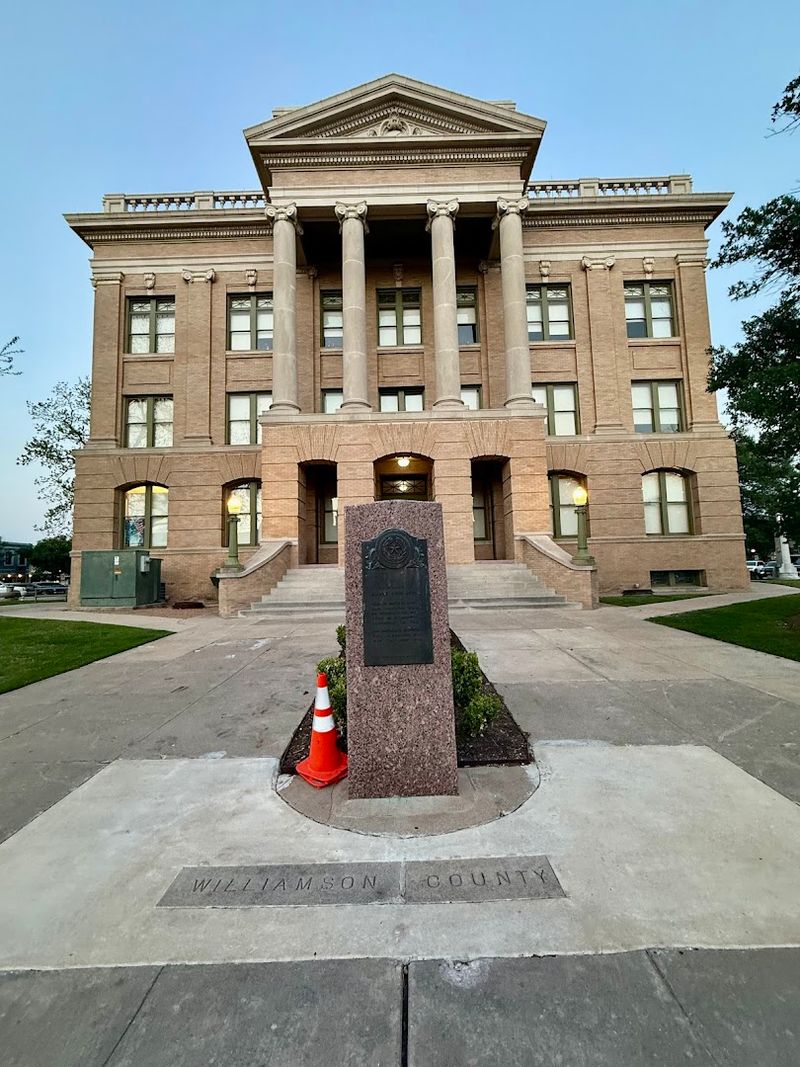
Some things in Georgetown have refused to budge, and the downtown square is the best example of that stubborn, wonderful resistance.
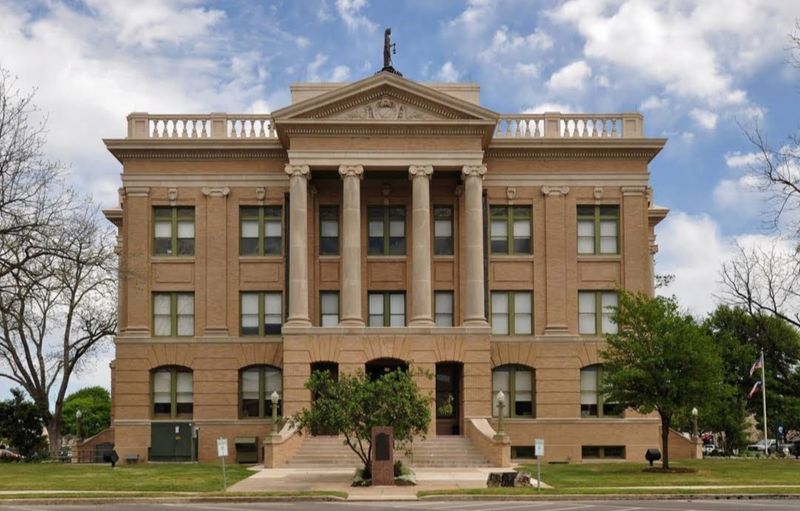
The Williamson County Courthouse sits at the center of it all, a grand Victorian-era building that has watched the city grow from a frontier settlement into a modern boomtown without losing an ounce of its dignity.
The square is still the heart of Georgetown for many residents, old and new alike. Local boutiques, coffee shops, and restaurants line the surrounding streets, offering a browsing experience that feels genuinely different from the chain-heavy developments sprouting up on the city’s edges.
There’s texture here, history you can almost touch.
First Fridays bring the square to life with vendors, live music, and crowds that spill onto the sidewalks. It’s one of those events that reminds you Georgetown still has a pulse beneath all the construction dust.
Families, retirees, and newcomers mix together in a way that feels organic and warm.
Preserving the square has been a priority for the city, and it shows. The architecture has been carefully maintained, and new development in the immediate area has been kept tasteful.
That level of care signals that Georgetown isn’t entirely willing to trade its identity for growth at any cost.
For longtime locals feeling disoriented by everything else that’s changed, the square remains a reliable anchor. It’s the place where Georgetown’s past and present still manage to coexist, if sometimes a little uneasily.
Address: 100 W 7th St, Georgetown, TX 78626
New Neighborhoods Everywhere, What Happens When Fields Become Subdivisions
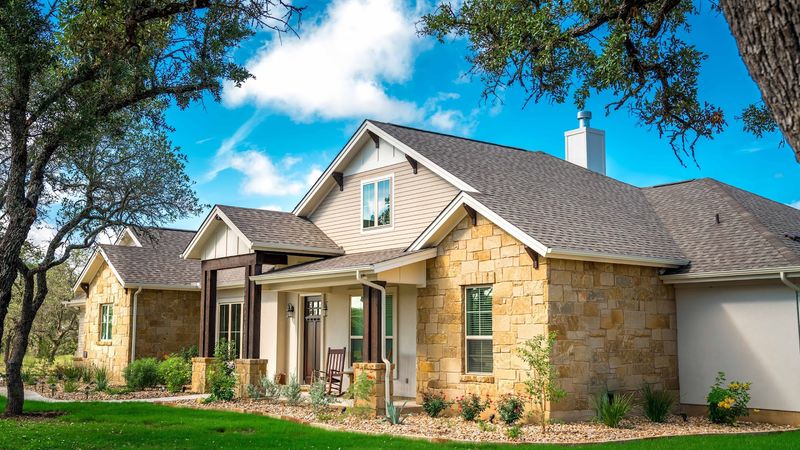
Drive any direction out of Georgetown’s core and you’ll almost certainly hit a new subdivision. Massive planned communities with names that evoke nature, heritage, or a vague sense of Texas pride have been popping up on every edge of the city.
The pace of construction has been genuinely hard to keep up with, even for people who live here.
Two of the biggest developments reshaping the landscape are Heirloom Georgetown and the Southwestern University Five Sixty district. Heirloom covers 620 acres and Five Sixty spans 560 acres, each bringing thousands of residential units alongside commercial and retail spaces.
Together, they represent a fundamental reshaping of Georgetown’s physical footprint.
For people who remember those fields as places to hike, hunt, or just enjoy the open Texas sky, the transformation stings a little. The land didn’t just change, it disappeared under concrete and cul-de-sacs.
That’s a hard thing to process when your memory of a place is tied to its open spaces.
New residents, of course, see it differently. They see opportunity, community, and a fresh start in a city that still feels more manageable than Austin.
Their excitement is completely valid, even if it sits awkwardly alongside the grief of longtime locals.
The city is trying to manage this tension through its 2030 Comprehensive Plan, which aims to balance new development with the preservation of existing neighborhoods and community character. Whether that plan succeeds is something Georgetown will be living with for years to come.
Roads, Water, and the Invisible Infrastructure Holding It All Together
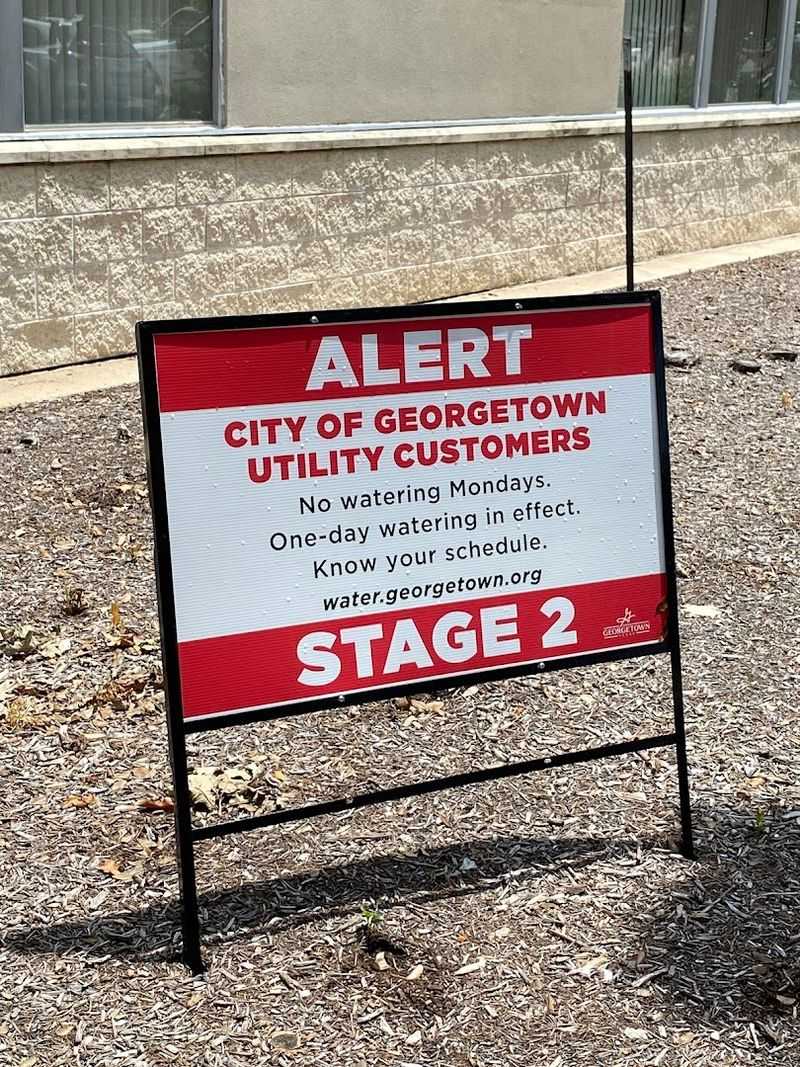
Growing a city by 67% in just a few years sounds exciting until you realize that roads, pipes, and water treatment plants don’t grow automatically alongside the population. Georgetown has been scrambling to keep its infrastructure in pace with demand, and the challenge has been enormous.
The city committed to a $291 million infrastructure plan to address the most pressing needs.
Road projects like the Southwest Bypass and the Mays Street extension have been undertaken to ease the traffic pressure that comes with tens of thousands of new residents all needing to get somewhere at the same time.
Water is an even bigger concern. Georgetown’s water demand is projected to outpace its current supply by 2030 without new sources.
The city has already secured a groundwater agreement to help bridge that gap, but the pressure to plan ahead is constant and urgent. In Texas, water isn’t something you can improvise.
For residents, the infrastructure strain shows up in everyday inconveniences. Longer commutes, construction detours, and occasional service hiccups are part of life in a city growing faster than its systems can handle.
It’s frustrating, but it’s also a sign of how much demand Georgetown is managing.
City leaders have adopted a “growth pays for growth” philosophy, meaning new development is expected to fund the infrastructure it requires. It’s a smart approach in theory, and Georgetown is working hard to make it work in practice as the growth shows no signs of letting up anytime soon.
The Housing Market Shift, Affordability Dreams and Rising Realities
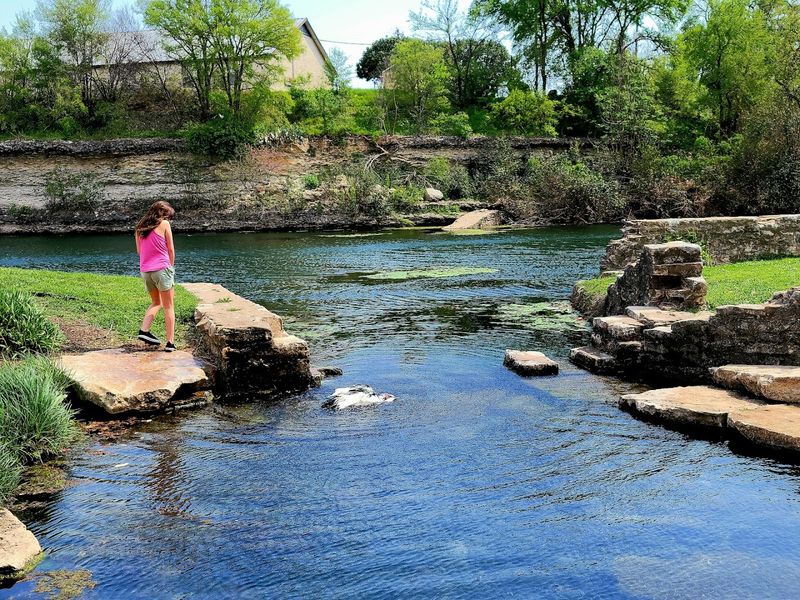
Georgetown once offered something genuinely rare in Central Texas: affordable housing within reasonable distance of Austin. That reputation drew thousands of families, retirees, and young professionals who couldn’t make the numbers work anywhere closer to the city.
For a while, it felt almost too good to be true.
Then the demand caught up with the supply. Home prices climbed steadily, and the median sale price hovered around $415,000 in early 2026.
That’s still more approachable than Austin’s core market, but it’s a far cry from the bargain Georgetown once represented. The affordability window narrowed considerably.
Some long-term residents found themselves effectively priced out of their own city. People whose families had lived in Georgetown for generations suddenly couldn’t afford to buy a home there, which added a painful dimension to the already complex feelings about the city’s transformation.
There has been a recent shift toward more entry-level construction, with builders offering homes in the $350,000 to $450,000 range to capture buyers who might otherwise look elsewhere.
Homes are also sitting on the market longer, averaging around 68 days, which suggests the frenzied pace of the pandemic-era boom has cooled somewhat.
The housing story in Georgetown is still being written. Prices may stabilize, new inventory may ease the pressure, or demand may simply keep outpacing supply.
Either way, the days of Georgetown as a hidden affordable gem feel like a chapter that has already closed, even if the next chapter hasn’t fully revealed itself yet.
A Dining Scene Growing Up Fast, From Local Diners to New Flavors
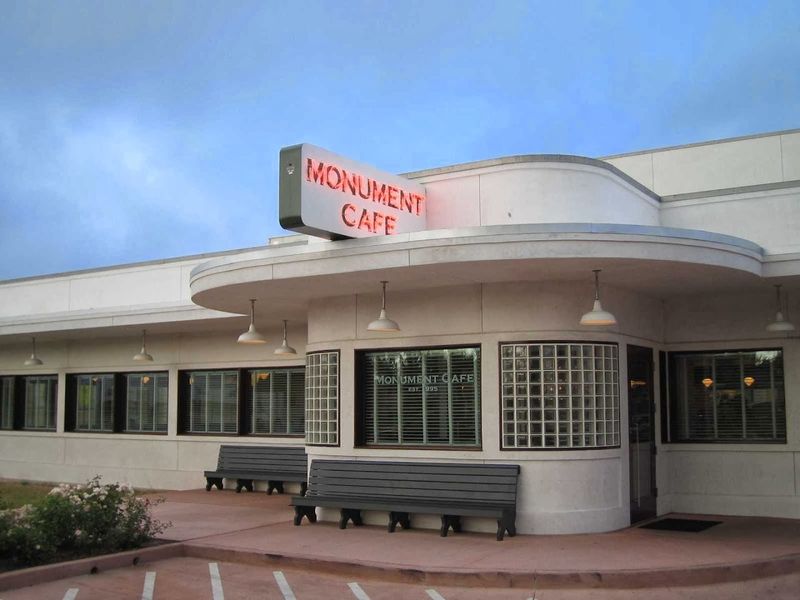
Georgetown’s food scene used to be easy to summarize. A handful of beloved local spots, a few chain restaurants on the main commercial strip, and the kind of diner culture that made you feel like a regular after just two visits.
That version of Georgetown still exists, but it’s now surrounded by so much more.
New restaurants have been opening at a pace that mirrors the city’s population growth. Cuisines that would have felt out of place in Georgetown a decade ago are now showing up in newly developed commercial areas.
The variety is genuinely impressive, and it reflects the diverse backgrounds of the thousands of new residents who’ve moved in.
The downtown square remains the best place to experience Georgetown’s original dining personality. Spots hidden into historic storefronts offer menus built around local ingredients and recipes with actual history behind them.
Sitting outside on the square with a meal feels like a small act of resistance against the homogenizing forces of rapid growth.
For food lovers, the expansion is mostly a welcome development. More options mean more reasons to explore, and Georgetown’s newer commercial corridors have attracted some genuinely talented chefs and restaurateurs who saw opportunity in a growing city with hungry new residents.
The tension, as always, is whether the local flavor survives the flood of new development. Georgetown has shown real commitment to its downtown identity, and that gives reason for cautious optimism that the city’s dining soul won’t get completely swallowed by chain restaurants and food courts.
What Georgetown Is Fighting to Keep, Character, Community, and a Sense of Home
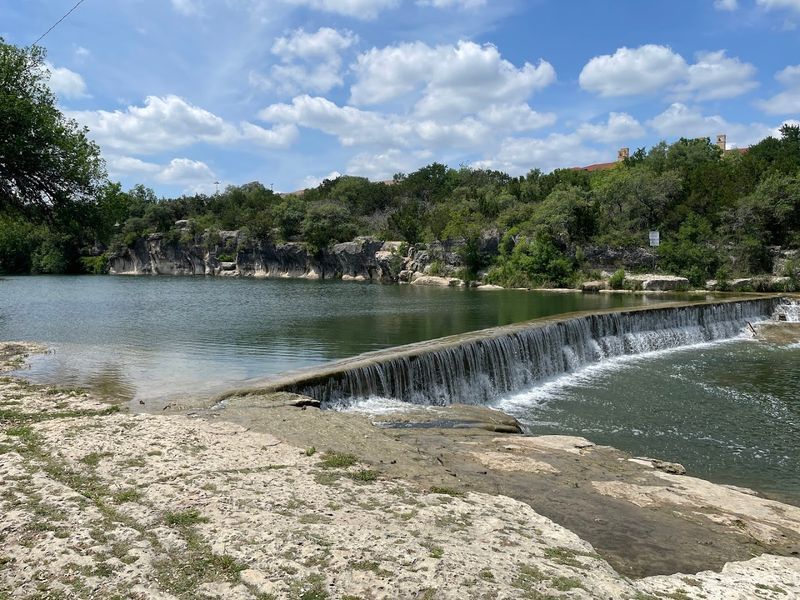
Beneath all the growth statistics and construction timelines, there’s a quieter story happening in Georgetown. It’s the story of a city actively wrestling with its own identity, trying to figure out how to grow without losing the soul that made people want to move here in the first place.
The city’s 2030 Comprehensive Plan isn’t just a zoning document. It’s a statement of intent, a signal that Georgetown’s leaders understand what’s at stake.
The plan focuses on balanced land use, reinvestment in existing neighborhoods, and protecting the historic character that gives Georgetown its distinctive personality. Whether it succeeds will depend on consistent follow-through over years of pressure from developers and market forces.
Community events still draw people together in ways that feel genuinely connected rather than manufactured.
The downtown square’s monthly gatherings, local school traditions, and neighborhood associations all serve as threads holding the social fabric together even as the physical landscape shifts around them.
Long-time residents I’ve spoken with carry a complicated mix of pride and grief about Georgetown’s transformation. They’re proud that their city is thriving, that people want to come here, that Georgetown is on the map in a way it never was before.
But they also mourn the quieter version of home that existed before the bulldozers arrived.
Georgetown’s challenge isn’t unique in Texas, but it may be one of the most visible examples of a city trying to manage explosive growth with intention and care. The outcome is still uncertain, but the effort itself says something meaningful about what this community values.
