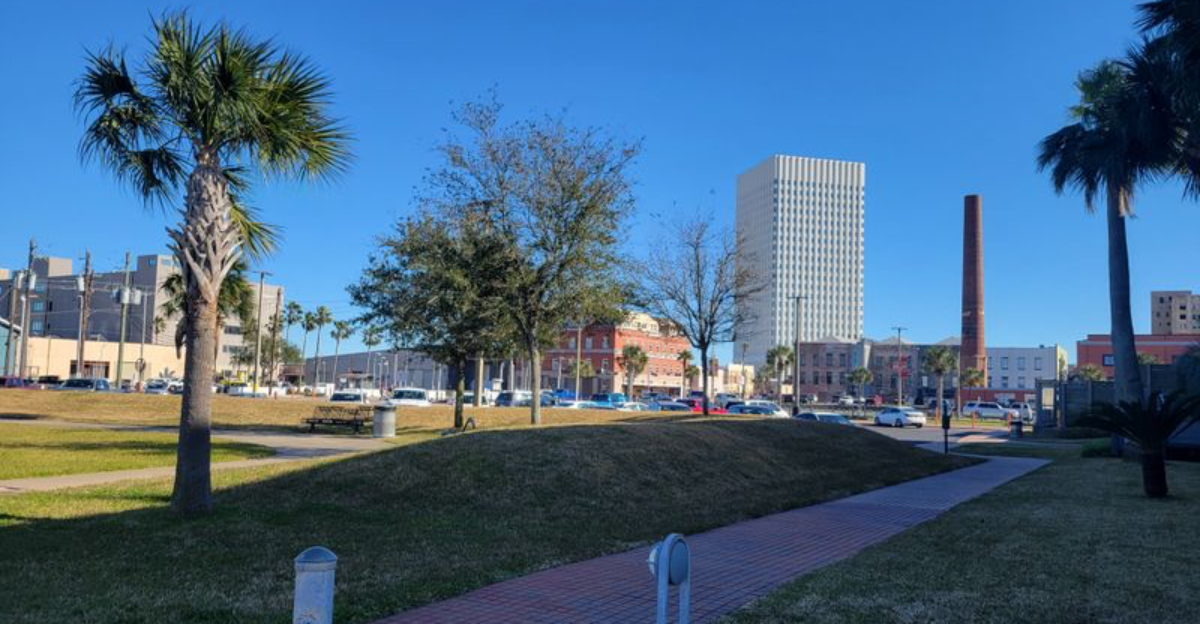
You arrive in Galveston, Texas, ready for beaches, breezes, and that easy island rhythm, then stumble on a rule that turns a casual pause into a pricey mistake.
The city’s charm hides a maze of ordinances that still shape how you walk, sit, and play along the Gulf.
Knowing the quirks keeps your trip smooth, your budget intact, and your mood set to vacation.
Stick with me, and you will cruise the island streets with confidence, not citations.
Galveston’s Charm, Where History Meets Legal Hazard
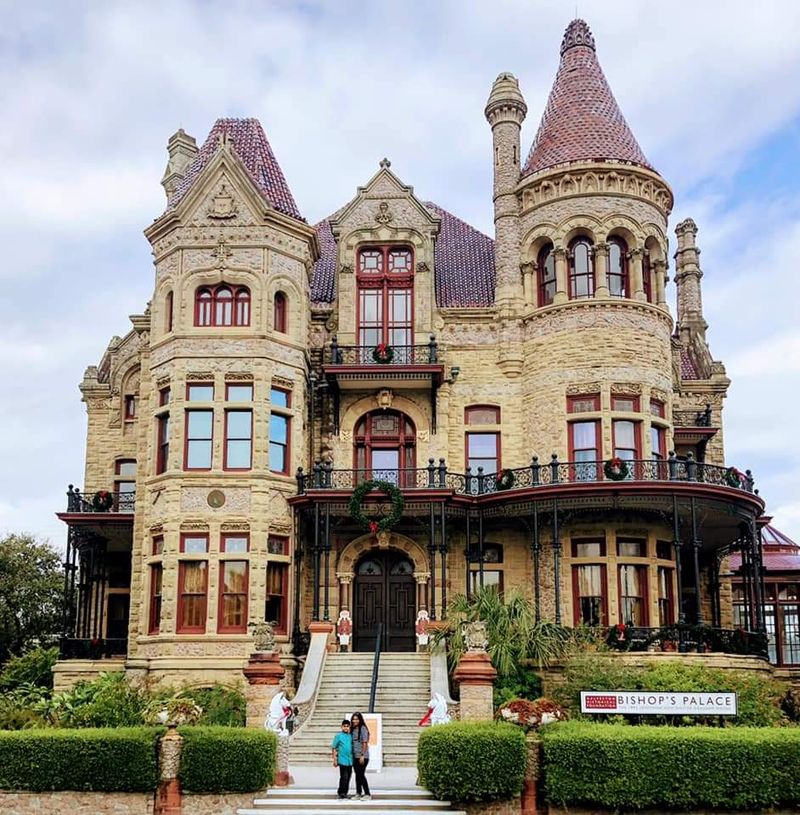
The island city of Galveston, Texas, greets you with iron lace balconies, pastel cottages, and the steady hush of the Gulf rolling over wide sandbars.
You catch yourself slowing down along The Strand Historic District at 2300 Strand St, Galveston, TX, where storefronts glow with period detail and the sidewalks feel like a living museum.
The mood invites lingering, yet this is where small choices can collide with big rules that still carry teeth.
It surprises many visitors that pausing in the wrong spot, or parking yourself on a curb, can turn a chilled afternoon into a lesson in municipal code.
Galveston’s laws blend practical crowd control with vestiges of older eras that survived rewrites and remain available for enforcement.
You see the past preserved in brick and gingerbread trim, and you feel it in regulations that expect movement through narrow walks and festival corridors.
Exploring responsibly means reading the room, noticing posted signs, and using benches, plazas, and designated rest areas when you need a breather.
You will find seating along Saengerfest Park at 2302 Strand St, Galveston, TX, and in small pocket squares that keep foot traffic flowing.
The city wants you to enjoy the architecture, the murals, and the maritime breeze, just not from a curb that blocks a stroller or wheelchair.
That balance is Texas pragmatic, all hospitality on the surface, with clear rules underneath to keep a busy island humming.
The $500 Risk, The Sidewalk Sitting Ban
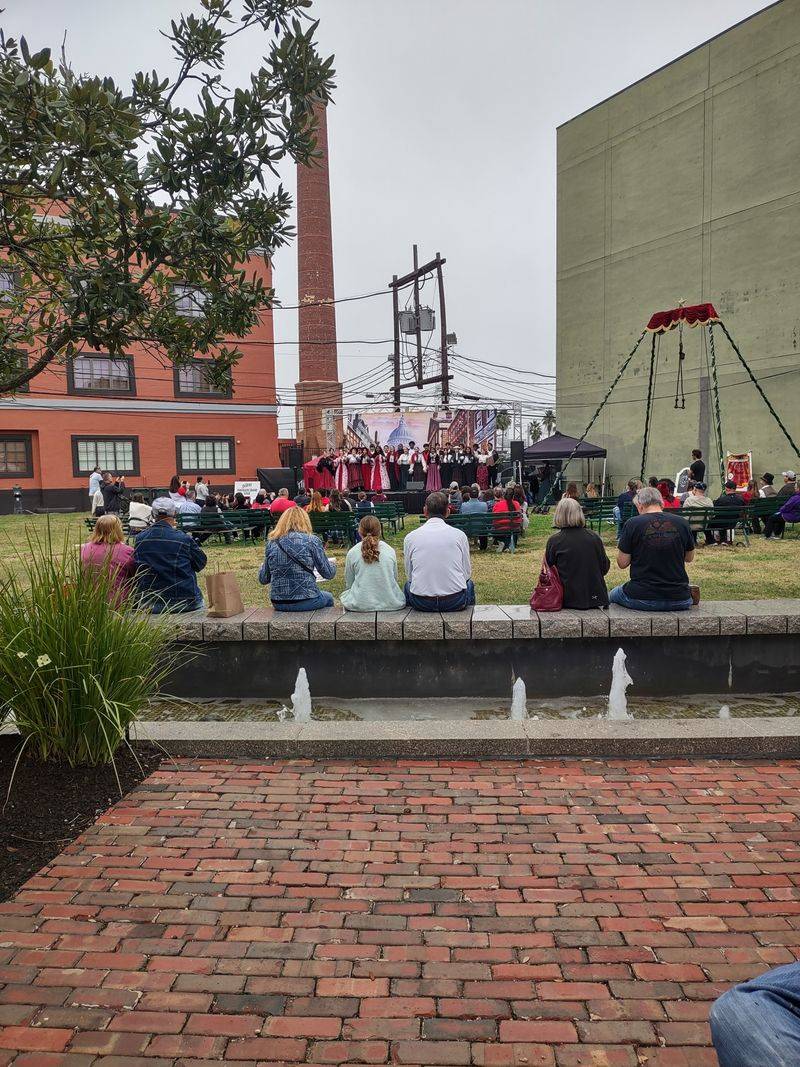
The ordinance that surprises travelers most is not a literal ban on sitting, but a rule against obstructing sidewalks, curbs, or right-of-way in busy areas like The Strand and Postoffice Street Arts District.
Violations of city code can carry fines under general municipal penalty rules, but citations typically focus on situations where foot traffic is blocked or safety is affected.
If you need a rest, aim for benches, pocket parks, or the seawall steps near Seawall Blvd and 23rd St, Galveston, TX.
Officers focus on clear obstructions rather than quiet moments, but enforcement does happen when walkways clog and safety is at risk.
The important detail is that enforcement targets blockage, not harmless short pauses, and the expectation is simply to avoid creating congestion in narrow historic corridors.
You avoid trouble by tying shoes at a bench, stepping into a plaza, or choosing a cafe patio with visible seating.
The message is simple, keep pathways clear so strollers, wheelchairs, and tour groups can move without sudden stops.
On festival days, you will see signs and barriers that hint at stricter oversight around intersections and storefront stoops.
Use railings and seating zones designed for pauses, and you will keep your itinerary, and your wallet, intact.
Think of the rule as a right-of-way protection measure rather than a blanket restriction on sitting, and you will stay aligned with how officers apply it day to day.
Plan micro breaks, pick shaded benches, and enjoy the scenery from legal perches that frame the island’s best views.
Managing the Crowds, Why the Ban Exists
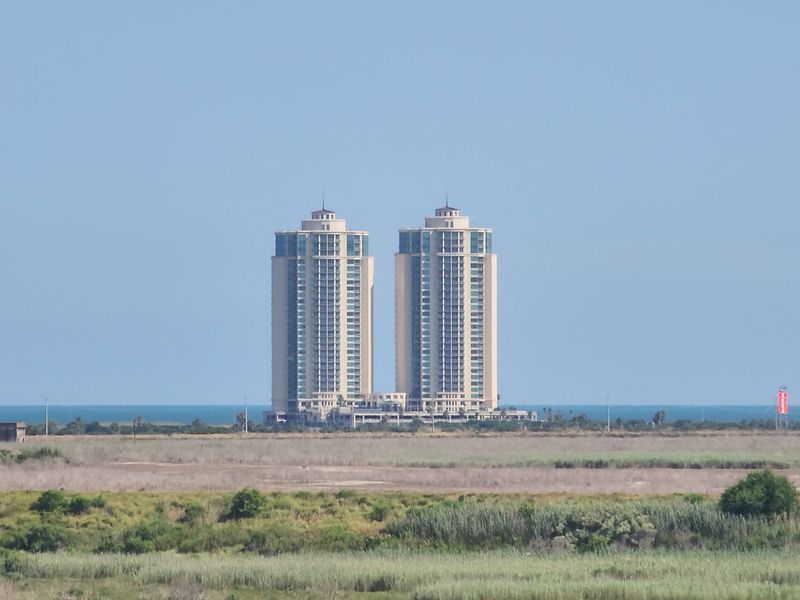
The sidewalks in historic Galveston were laid for a quieter era, and the city’s popularity turned those narrow paths into daily parade routes.
During peak hours near Saengerfest Park at 2302 Strand St, Galveston, TX, one person on a curb can ripple into a bottleneck that forces risky street step-offs.
Emergency access, storefront visibility, and ADA movement all suffer when improvised seating appears in tight corridors.
The ordinance curbs pileups so guides, families, and mobility devices can glide past corners and doorways without sudden dodges.
It also helps businesses by keeping entrances open and sightlines clear for visitors scanning signs and displays.
On the seawall near 2328 Seawall Blvd, Galveston, TX, the rule protects the constant stream of joggers, cyclists, and beachgoers crossing at lights.
The policy is not anti visitor, it is pro flow, a practical way to share limited space during special events.
You still get places to pause, from shaded squares to marked seating that blends with the district’s historic look.
When you think of it as crowd choreography, the regulation feels less odd and more like backstage work that makes your day easier.
Texas hospitality thrives when movement stays smooth, and this is one of the tools that keeps the rhythm steady.
A Relic of the Road, No Driving on Broadway on Sunday Morning
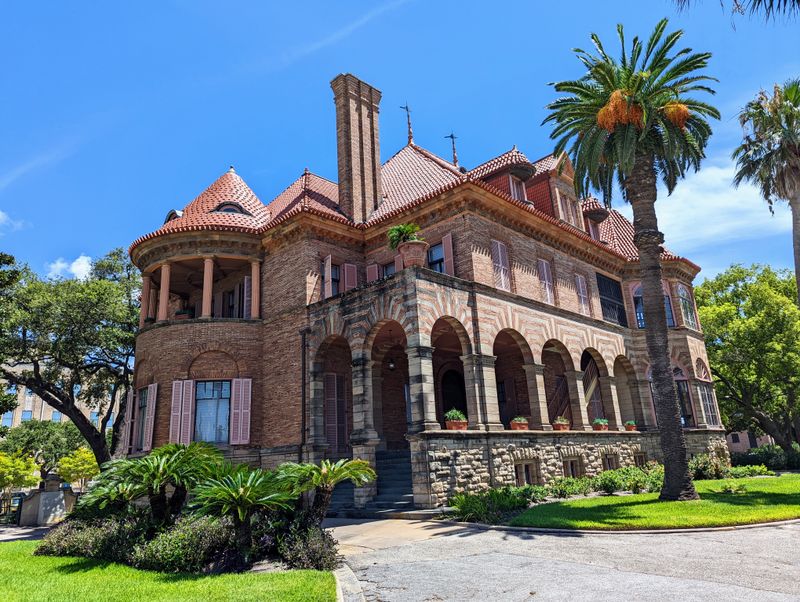
The lore around old blue laws in Galveston lingers, and tales often point to Broadway Avenue J at Broadway St and 25th St, Galveston, TX, as a corridor once restricted on quiet Sunday mornings.
Archival oddities reference motor car limits that reflected a slower civic pulse and a preference for calm near churches.
Today, normal traffic patterns rule, and drivers follow modern signals and posted signs along the live oak lined boulevard.
The story matters because it shows how the city archives still shape conversation about what is on the books and what is memory.
Historical regulations appear in news clippings and collections, yet those curiosities rarely survive as active enforcement tools.
When you hear a claim that sounds like a museum piece, check the current code and local notices for the final word.
Broadway remains a grand axis, leading from the rise of the seawall into neighborhoods of stately homes and civic buildings.
As you drive, you will see medians, monuments, and porches that whisper of eras when wheels turned far slower.
Let the legend add color, not anxiety, and trust the present day signage that governs your route.
Texas history is never far from the curb, but your best guide is the rules posted today, not the rumors of yesterday.
Watch Where You Tie Up, The Ban on Unusual Animals
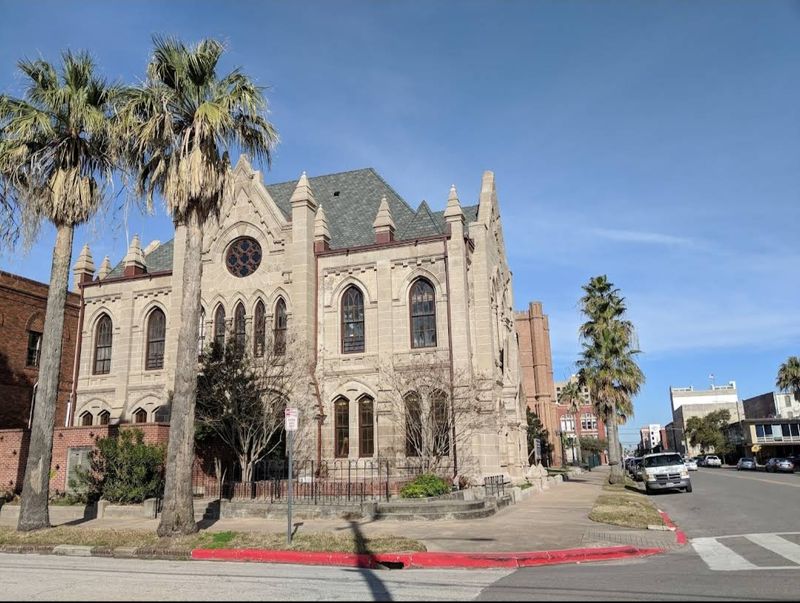
Galveston regulates the presence of large animals in dense business districts, and private riders face restrictions if they bring horses or similar animals onto busy downtown streets.
The goal is safety for pedestrians and drivers along tight corridors near The Strand and Market Street at 2501 Market St, Galveston, TX.
Commercial carriage operations follow permits and routes, while private riders face prohibitions that keep hooves off busy pavement.
Animals spook at horns, sirens, and festival crowds, and the ordinance reduces risk of collisions and sidewalk blockages.
Designated events sometimes include managed animal elements, yet those are controlled and supervised with city oversight.
If you travel with animals, contact city offices before arrival and confirm what is allowed inside the limits.
Stable boarding and trail riding live off island, where space and surfaces fit better than brick streets and narrow lanes.
For photos, seek murals, courtyards, and public art instead, such as the pelican sculptures near 22nd St and Strand, Galveston, TX.
You still get that Texas postcard without risking a citation or creating a hazard under festival lights.
Keep the romance on camera, not in traffic, and let the city’s compact core work as it was designed.
The Camper’s Costly Mistake, Fines for Beach Camping
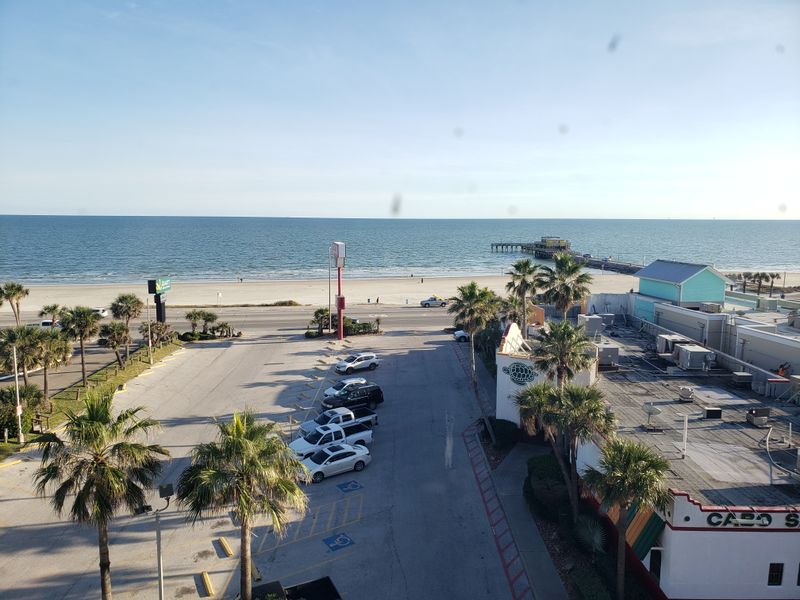
Overnight camping on many public beaches in Galveston is restricted, and rules vary by zone along Seawall Blvd and island access points.
The city prioritizes safety, sanitation, and turtle habitat protection, which clashes with tents pitched after hours on busy stretches.
Sleeping setups draw enforcement on managed beaches like East Beach at 1923 Boddeker Rd, Galveston, TX.
Farther west, different jurisdictions and park areas manage access with posted signs that you should read before dusk.
Galveston Island State Park at 14901 FM3005, Galveston, TX, offers designated camping that follows reservations and quiet hours.
Public areas near the seawall focus on day use, with clear expectations about pack in and pack out behavior.
If you want sunrise views, book a legal campsite or choose early arrival with a simple beach setup.
Rangers and city staff check for compliance to protect wildlife and keep emergency lanes unobstructed.
It is easier to plan ahead than to fold a tent under flashing lights and a pointed reminder about the code.
Texas coastline trips stay carefree when you match your lodging plan to official spaces built for overnights.
The Oddity of Glue Fumes, A Peculiar Public Nuisance Law
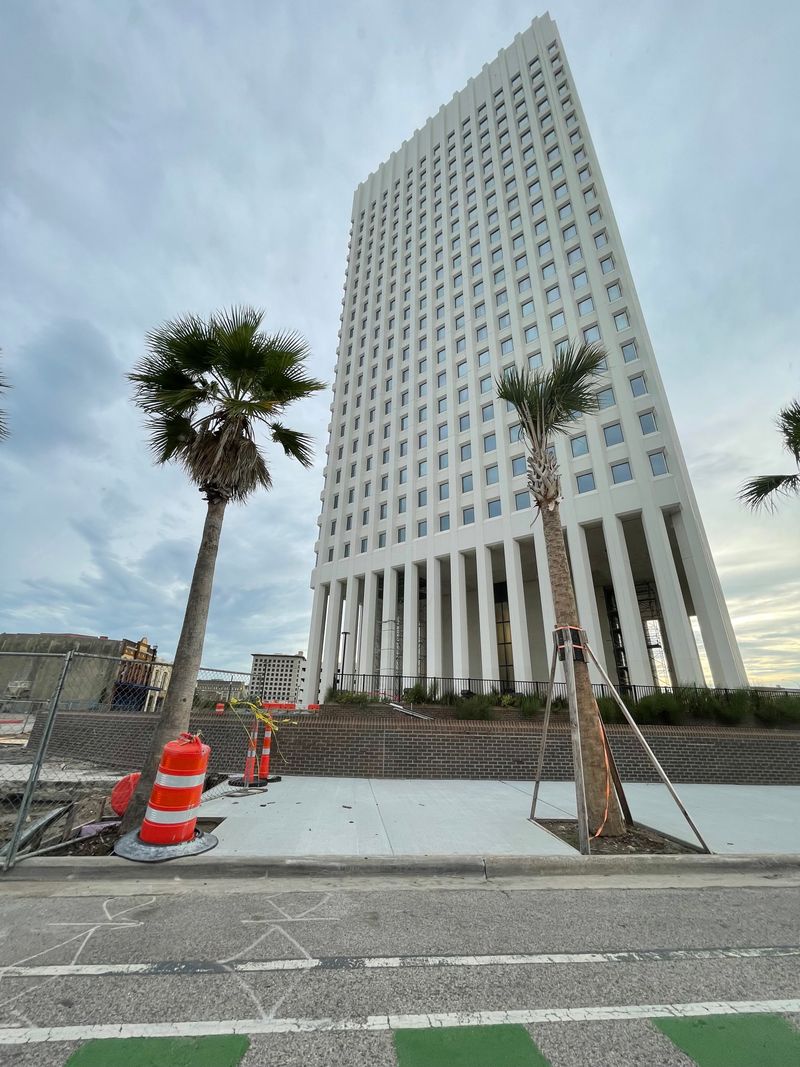
Among the stranger rules sometimes mentioned in connection with Galveston is a prohibition on inhaling certain chemical fumes, which comes from Texas-wide laws on abusable volatile chemicals that also apply inside the city.
The ordinance targets misuse of substances like model glue in public contexts, a relic of an older wave of safety concerns.
You probably will never cross paths with this rule during a beach weekend, yet it exists in the legal backdrop.
Its presence illustrates how cities accumulate targeted measures that address specific problems from distinct decades.
When you read the code, you see granular definitions that show how lawmakers aimed at behavior, not casual craft supplies.
For travelers, the takeaway is simple, public health and public peace carry strong weight in local policy.
Enforcement tends to track complaints, context, and surrounding conduct, not innocent activity with hobby kits.
This kind of line item sits beside broader nuisance standards that keep parks and promenades pleasant.
If a statute sounds oddly specific, it likely answered a past issue that left a long shadow on the books.
Texas cities keep these tools available, even when they only surface as cautionary footnotes in modern guides.
Permit to Party, The Quirky Park Drinking Rule
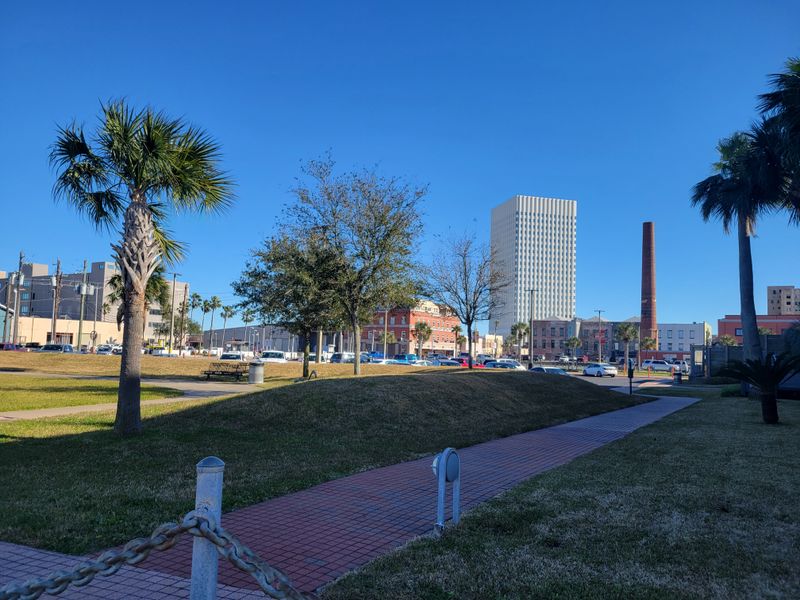
City parks in Galveston balance open recreation with firm rules, and event organizers navigate permits that govern gatherings and conduct.
Open containers and intoxication laws apply in public spaces such as Menard Park at 2222 28th St, Galveston, TX.
For sanctioned events, organizers work with the Parks and Recreation Department to secure approvals that define boundaries and behavior.
The key for visitors is understanding that casual park hangouts follow one set of expectations, while permitted events follow another.
Signs at park entries lay out hours, prohibited items, and contact details for questions about special use.
If you attend a festival, you will notice controlled areas, security, and site plans that keep pathways clear and neighbors comfortable.
Without a permit, activities that disturb peace or block access invite intervention from staff or police.
With a permit, the same space can host stages, tents, and seating arranged to protect lawns and infrastructure.
When in doubt, check the city website or call before planning a large meetup that pushes beyond a simple picnic.
It is the Texas way to combine celebration with courtesy, using paperwork to keep the party safe and the park pristine.
The Fine Print, When Old Laws Are Still Enforceable
Visitors often ask which quirky rules are real, which are myths, and which still see daylight when crowds swell.
The short answer is that city specific ordinances controlling sidewalks, parks, and beaches are the ones you will meet first.
The rest sit in the background, occasionally cited, but usually overshadowed by practical regulations tied to safety and access.
You can check current language through the City of Galveston website at 823 Rosenberg St, Galveston, TX, the seat of local services.
Look for sections on public conduct, right of way use, and special event permits that affect everyday decisions.
News releases and event notices also flag temporary changes that tighten rules during festivals and construction.
When an officer mentions a code section, ask for the reference and the nearest compliant alternative, such as a bench or plaza.
That approach keeps your day moving and shows good faith while you adjust plans to match the environment.
Most issues resolve with relocation to a legal spot that preserves flow and safety for others.
Texas courtesy goes both ways, and clarity usually follows when you meet rules with a calm question.
Conclusion, Enjoy Galveston, But Keep Moving
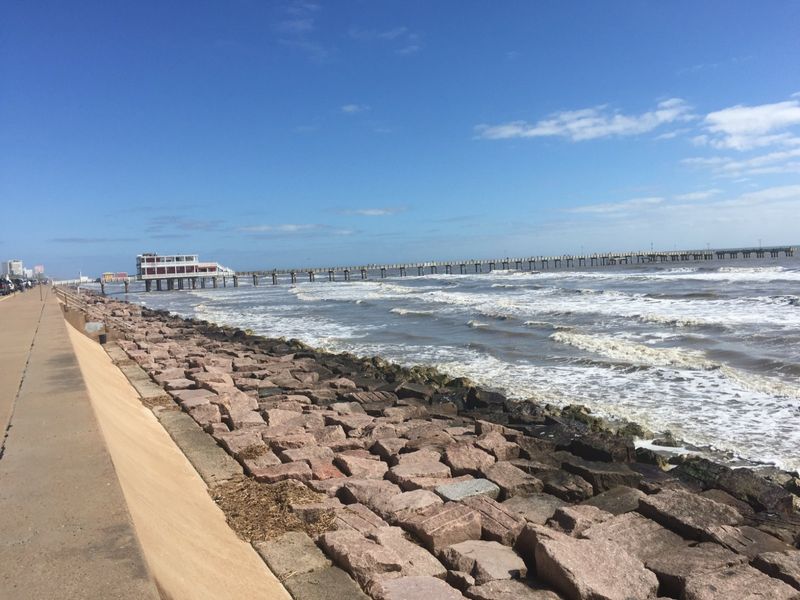
Galveston rewards curiosity, and the best way to see it is to wander with eyes up and feet light.
Use benches, park seating, and seawall steps rather than curbs and stoops when you want a quick pause.
Respect posted signs in The Strand, on Seawall Blvd, and at beaches from Stewart Beach at 201 Seawall Blvd, Galveston, TX, to East Beach.
Crowd friendly habits turn a rulebook into background music that never interrupts your day.
Ask a ranger or officer for the nearest legal spot if you feel unsure about where to sit or linger.
Plan breaks, hydrate, and keep the route flexible so you never feel forced to camp on a walkway.
The island’s color comes through in porches, murals, and Victorian trim that shine when sidewalks stay clear.
Texas pride lives in that blend of welcome and order that keeps an old city working for modern crowds.
Carry the etiquette with you, and the trip stays easy, breezy, and free of surprises.
Leave with photos, not fines, and let Galveston call you back for another relaxed lap around the Gulf.
Dear Reader: This page may contain affiliate links which may earn a commission if you click through and make a purchase. Our independent journalism is not influenced by any advertiser or commercial initiative unless it is clearly marked as sponsored content. As travel products change, please be sure to reconfirm all details and stay up to date with current events to ensure a safe and successful trip.
