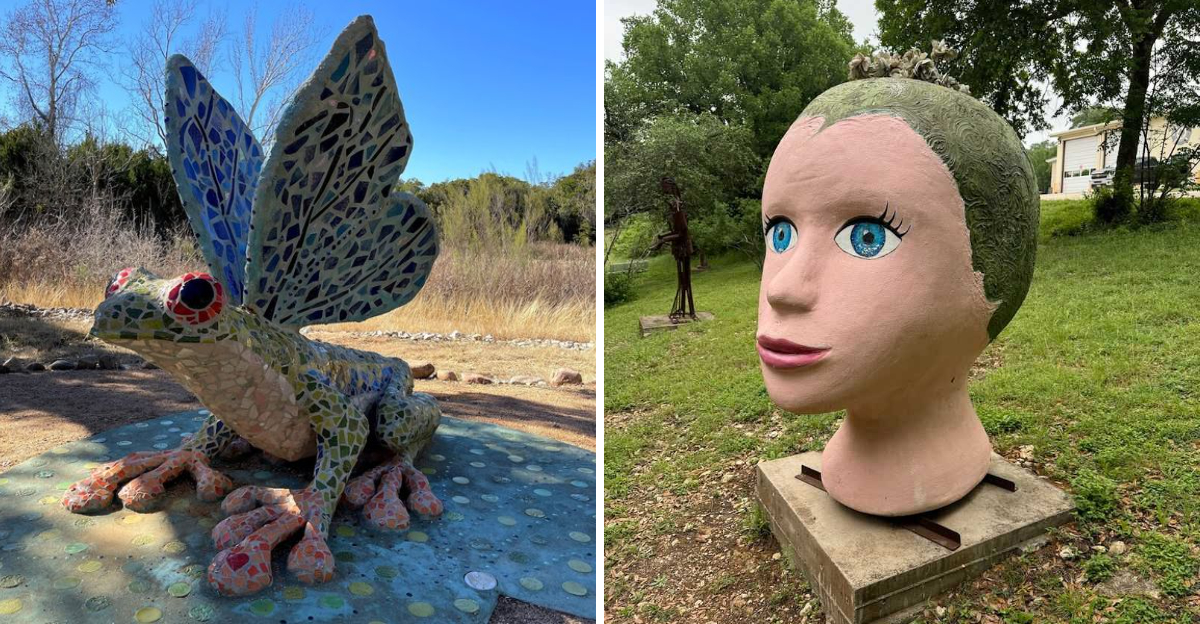
You are just driving along, nothing unusual, and then suddenly there is a giant sculpture off the side of the road.
Then another one. And another.
At that point, you are not just passing through anymore, you are slowing down and trying to figure out what you just stumbled into.
It feels a little random in the best way, art showing up where you least expect it. Texas has a way of doing that, turning an ordinary drive into something you end up remembering.
The Open-Air Gallery That Defies Expectations
Most art galleries have white walls, hushed voices, and a certain kind of pressure to act impressed. This place throws all of that out the window.
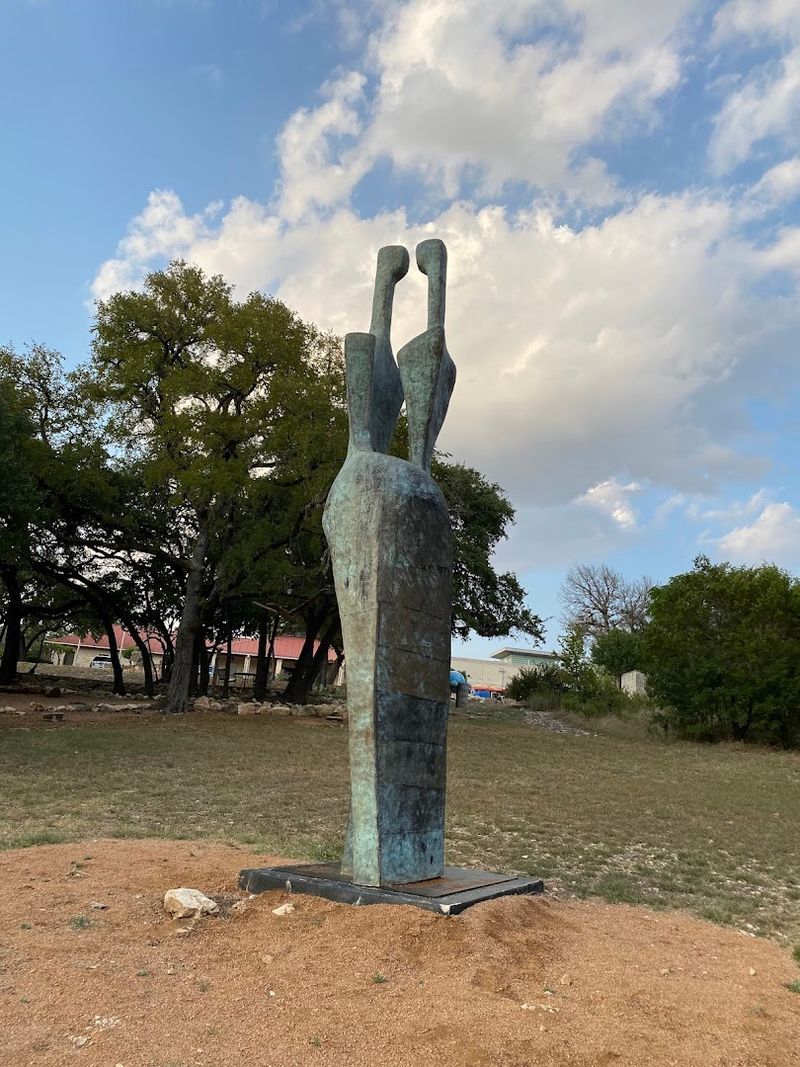
The Bee Cave Arts Foundation Sculpture Park operates entirely outdoors, with sculptures scattered across seven lush acres that feel more like a nature walk than a museum visit.
The scale alone is what gets you first. Some pieces tower above your head, casting long shadows across the grass in the afternoon sun.
Others sit low and quiet near the water, asking you to crouch down and really look.
What makes this gallery format work so well is the breathing room. You move at your own pace, double back when something catches your eye, and sit on a bench without anyone hurrying you along.
There is no audio guide, no velvet rope, and no admission fee. Admission is completely free, every single day from sunrise to sunset.
It is a genuinely democratic art experience, and that generosity makes the whole visit feel even better. Families, solo visitors, and dog walkers all share the same space without it ever feeling crowded or curated to the point of being sterile.
Seven Acres of Texas Hill Country Magic
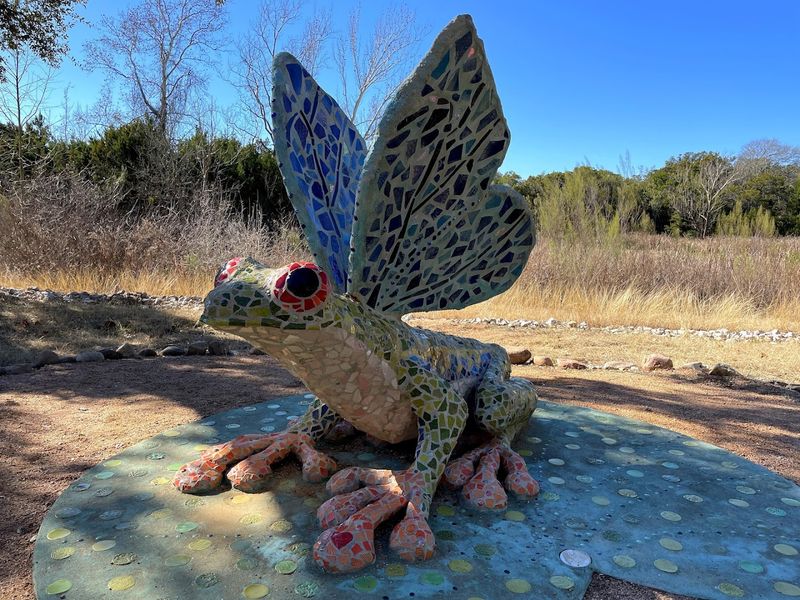
Seven acres sounds like a lot until you are actually walking through it and realize every corner holds something new. The land at Bee Cave Arts Foundation Sculpture Park has been thoughtfully shaped to complement the art rather than compete with it.
Native grasses, flowering shrubs, and over twenty species of local plants line the paths in a way that feels natural rather than manicured.
The terrain gently rises and dips, which means the sculptures reveal themselves gradually as you move through the space. You might catch a glimpse of something tall and angular through a cluster of cedar trees before the full piece comes into view.
That slow reveal is part of what makes the park feel almost theatrical.
Texas Hill Country has a particular kind of beauty that is understated and rugged. The park leans into that aesthetic rather than fighting it.
Rough stone textures, weathered metals, and organic forms echo the landscape around them. On a clear morning, with the light hitting the pond just right and a breeze moving through the native grasses, this place genuinely feels like one of the most peaceful spots in the entire Austin area.
The Spring-Fed Pond That Steals the Show
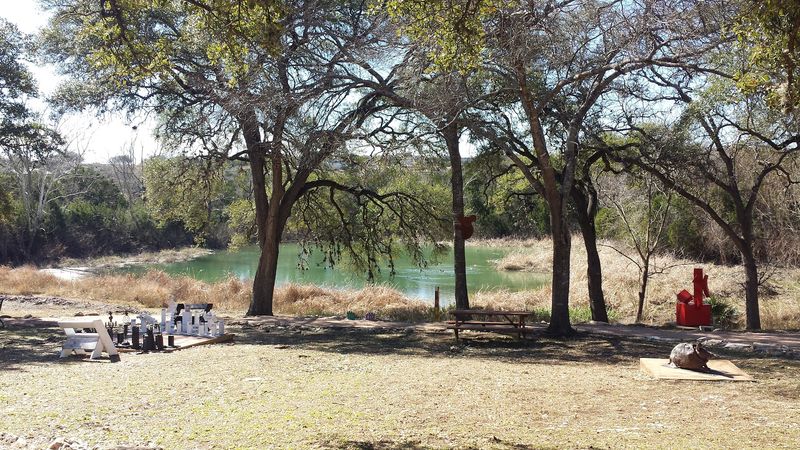
Nobody told me about the pond, and stumbling onto it was one of those small travel moments that sticks with you. Hidden into the lower section of the park, the spring-fed pond acts as a natural mirror, reflecting the sculptures and sky above it in shifting, watery versions of themselves.
It is genuinely beautiful.
The water draws wildlife too. Dragonflies hover near the surface.
Birds move through the reeds at the edges. On a warm Texas afternoon, the pond area has a cooler, more sheltered feel than the open lawns higher up.
Several sculptures are positioned near the water with obvious intention, their reflections becoming part of the artwork itself. A piece that looks strong and angular from above becomes something softer and more fluid when you see it mirrored in the water below.
That interplay between solid art and its liquid reflection is one of the more unexpected pleasures the park offers. Bring a wide-angle lens if you are into photography, because the pond shots are genuinely frame-worthy.
Even if you are not a photographer, just sitting near the water for a few minutes is enough to reset whatever stress you brought with you.
The Artists and the Vision Behind the Sculptures
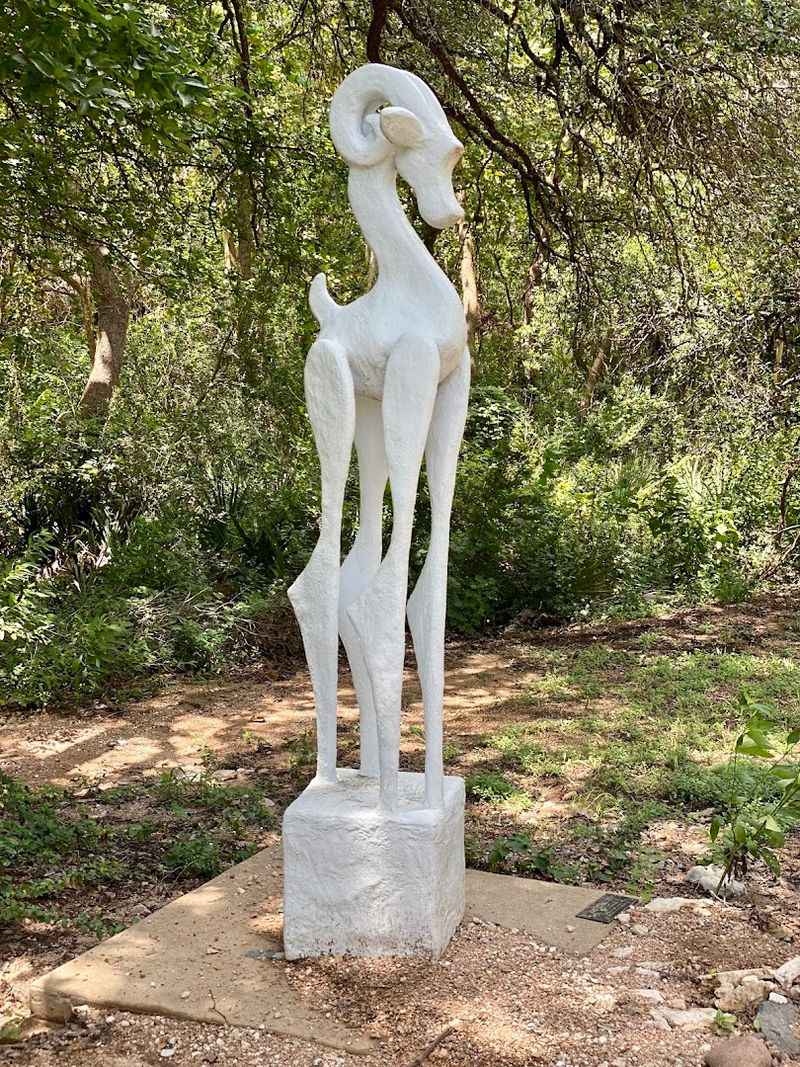
The Bee Cave Arts Foundation does not just collect sculptures and arrange them in a field. There is real curatorial intention behind every piece in the park.
In August 2025, the collection expanded with eight new sculptures sourced from artists across the United States, all curated by Colin McIntyre.
McIntyre is an Austin-based artist with a reputation for large-scale, site-specific metal work. His previous projects include pieces at the Austin Nature and Science Center and the Houston Center for Contemporary Craft, so he understands how art and environment can inform each other.
That expertise shows in how the newer additions feel at home in the landscape rather than dropped into it. Each sculpture seems to have been placed with an awareness of sight lines, natural light, and the way a visitor might approach it.
Some pieces reward a slow circle around them, revealing different forms from different angles. Others demand you step back to appreciate their full scale.
The mix of permanent and rotating works means the park is never quite the same twice, which gives returning visitors a genuine reason to come back. Local and national voices share the same ground here, which gives the collection a richness that feels both rooted and wide-reaching.
Free Admission and Why That Actually Matters
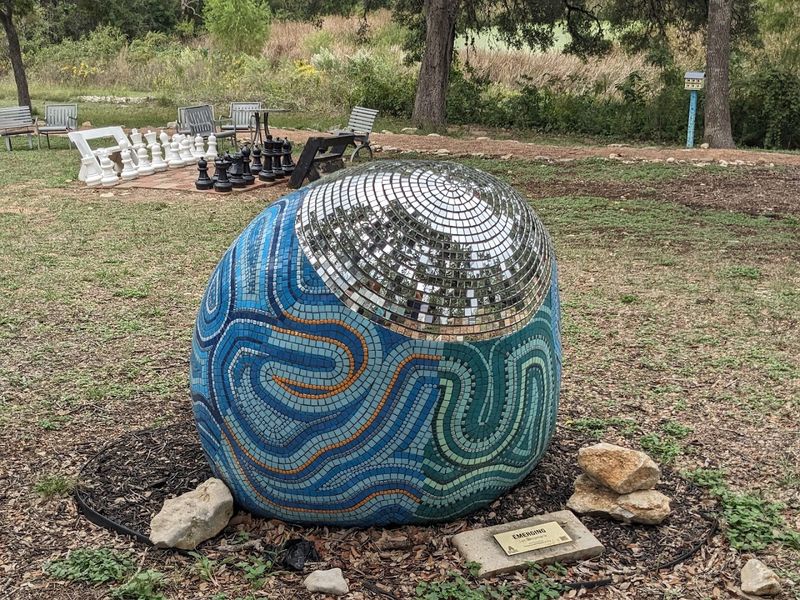
Free art is not always easy to find, especially when the quality is this high. The Bee Cave Arts Foundation Sculpture Park charges nothing to enter, and that decision shapes the entire experience in ways that are worth thinking about.
There is no financial barrier between a curious kid and a genuinely world-class piece of sculpture.
That openness invites a different kind of visitor mix. You see grandparents walking slowly with young grandchildren.
You see teenagers on their own, genuinely engaged with pieces that would cost serious money to view in a private gallery. The lack of admission also means you can visit for twenty minutes or two hours without feeling like you need to justify the cost of the ticket.
Sunrise to sunset, every single day of the year. That kind of access is rare.
It means early morning light, golden hour photography, and midweek solitude are all on the table. The Foundation clearly believes that public art should be public in the most literal sense, and the result is a park that feels genuinely welcoming rather than exclusive.
In a world where so many cultural experiences come with a price tag, this place is a quiet but meaningful statement about what art is actually for.
Bringing the Dog Along for the Art Walk
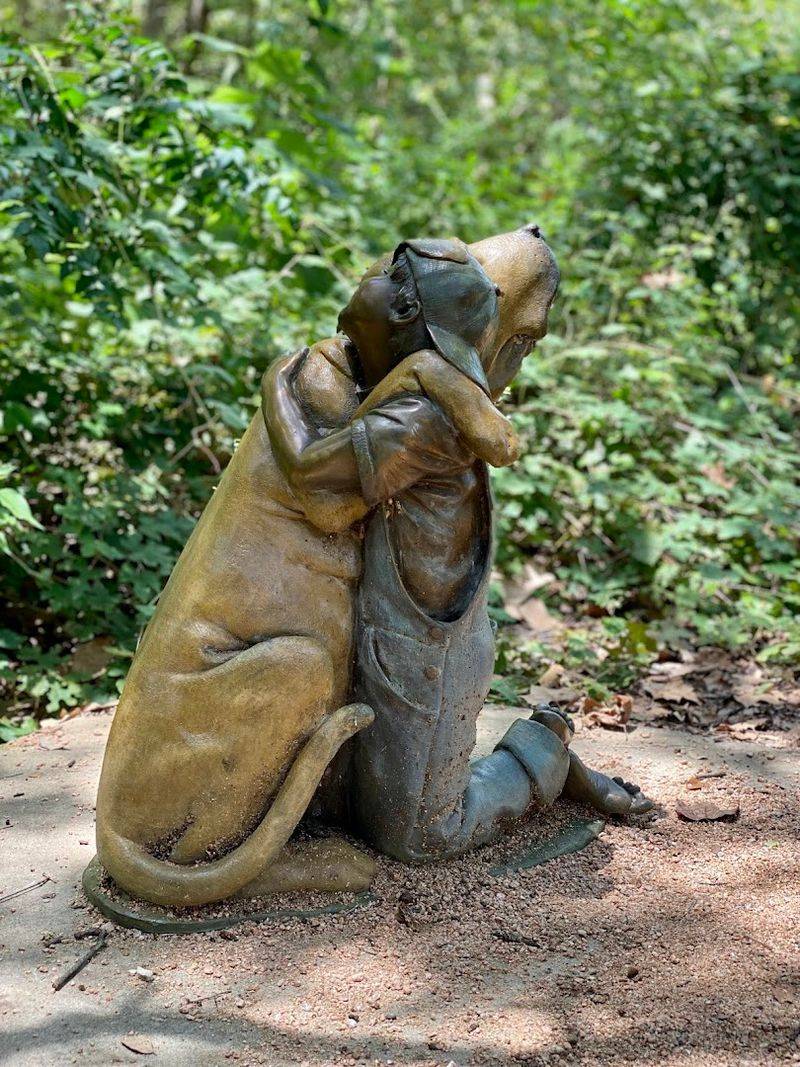
Leashed dogs are welcome at the Bee Cave Arts Foundation Sculpture Park, and that single policy turns an already good outing into a great one. Texas summers are tough on dogs and owners alike, but the tree cover and pond area make this park more manageable than a lot of open outdoor spaces in the region.
Dogs seem to respond to the park in their own way. The varied terrain, the water smells near the pond, and the interesting textures of the sculptures all seem to hold their attention.
Watching a curious dog sniff around the base of a tall abstract metal form while its owner gazes up at the piece is one of those quietly funny, quietly sweet moments that the park seems to produce naturally.
Practically speaking, bring water for your dog and wear comfortable shoes, because the paths are not always paved and the ground can be uneven in places. Early morning visits work best in summer, when the temperature is still reasonable and the light is soft and golden.
The park is one of those rare spots where the whole family, including the four-legged members, can have a genuinely enjoyable time without anyone feeling left out or bored.
What the Drive Along Highway 71 Actually Feels Like
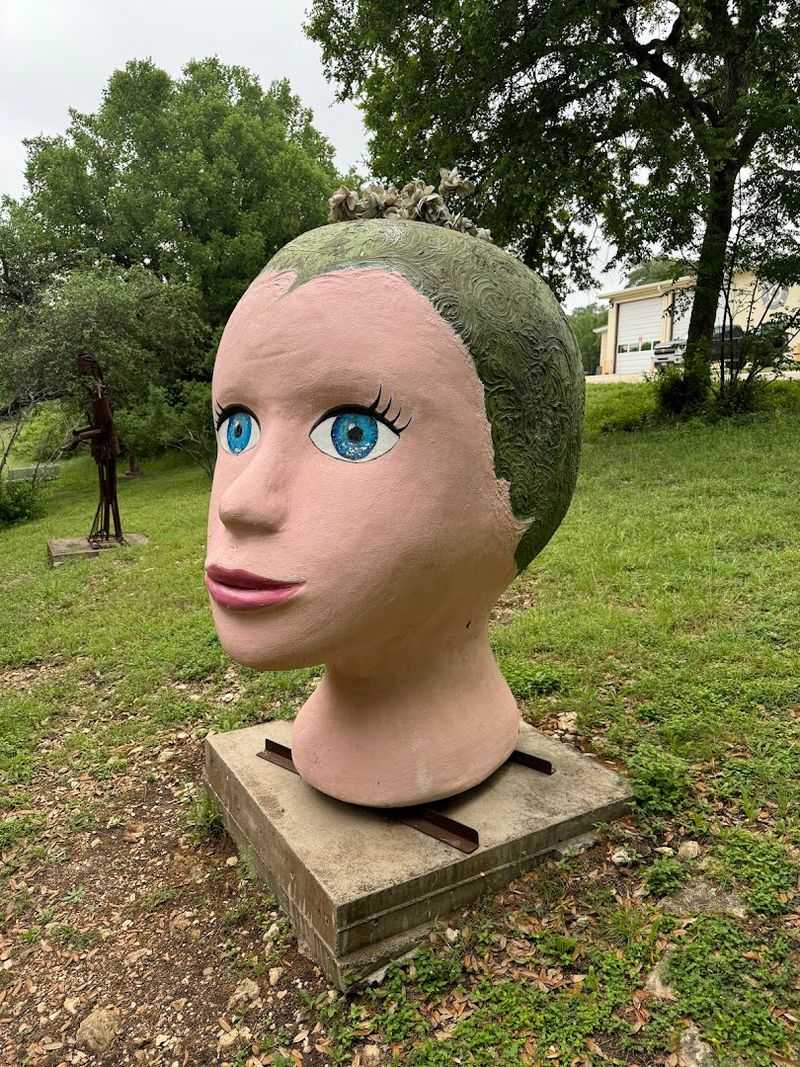
State Highway 71 between Austin and Bee Cave is the kind of road that makes you glad you chose to drive rather than fly. The landscape opens up as you head west from the city, and the Hill Country starts asserting itself in the form of cedar-covered ridges and wide limestone outcroppings along the roadside.
The sculpture park sits right along this stretch, and the approach feels appropriately dramatic. You are driving through open Texas landscape, and then suddenly there are large-scale artworks visible from the road.
It is a genuinely startling and delightful thing to see for the first time.
The contrast is part of what makes the location work so well. If the park were hidden inside a city arts district, it would be impressive.
Out here, against the raw backdrop of Texas Hill Country, it feels almost surreal in the best possible way. The drive itself is about twenty to thirty minutes from central Austin, which is short enough to be an easy day trip but long enough to feel like you have actually gone somewhere.
Pull off the highway, park the car, and give yourself at least an hour. You will probably end up staying longer than you planned.
Permanent vs. Rotating Works: A Park That Keeps Changing
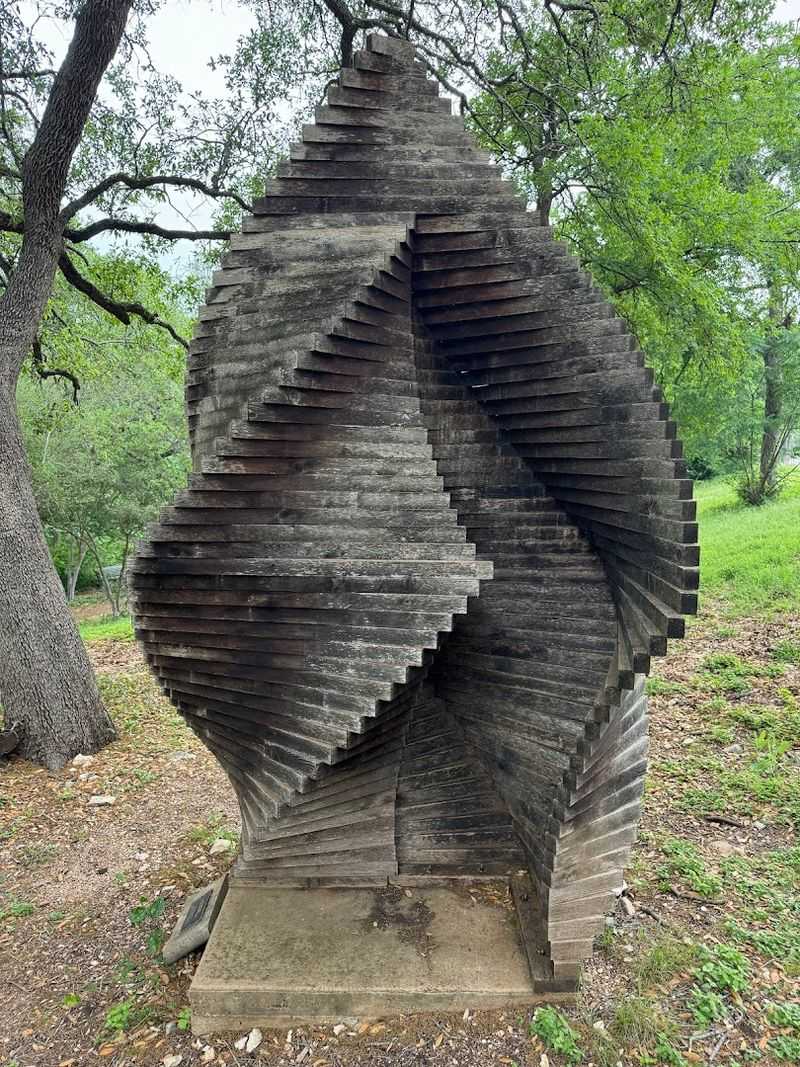
One of the more interesting things about the Bee Cave Arts Foundation Sculpture Park is that it is never quite finished. The collection includes both permanent works that anchor the space and rotating pieces that come and go, keeping the experience fresh for anyone who visits more than once.
That combination is smart curatorial thinking. Permanent works give the park a sense of identity and continuity.
You start to recognize certain pieces as landmarks, using them to navigate the grounds or to measure how far you have walked. The rotating works add surprise and keep the park in a state of creative evolution.
The August 2025 expansion added eight new sculptures, which is a significant addition to any outdoor collection. Spread across seven acres, new pieces can genuinely change the feel of a section of the park, opening up new sight lines or creating unexpected conversations between old and new works.
For regular visitors, that kind of ongoing change is a real reason to return. For first-timers, it means whatever you see on your visit is likely unique to that particular moment in the park’s life.
There is something quietly exciting about that, like catching a band during an especially good tour.
Native Plants and the Landscape That Holds It All Together
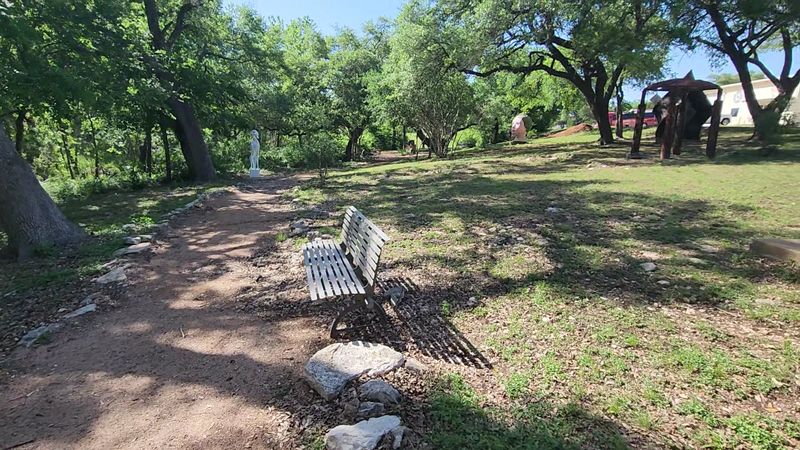
Over twenty species of native plants grow throughout the Bee Cave Arts Foundation Sculpture Park, and they do more than just look pretty.
Native plants support local pollinators, require less water than ornamental landscaping, and have a texture and color palette that feels genuinely Texan in a way that imported garden plants simply do not.
Walking through sections of the park where native grasses grow tall around the base of a sculpture gives the whole experience a slightly wilder, more immersive quality. The art does not feel like it is sitting in a manicured garden.
It feels like it grew here, or was discovered here, which is a much more interesting feeling.
Seasonal changes also affect the plant life in ways that shift the park’s mood. Spring brings wildflower color.
Summer deepens the greens. Fall introduces warmer tones in the grasses.
Each season offers a genuinely different visual experience without anything about the park itself changing. The Foundation’s commitment to native planting is also a quiet environmental statement, one that aligns with the broader ethos of public art that serves and respects its community.
The plants and the sculptures feel like they are in conversation with each other, and both are better for it.
Planning Your Visit: Practical Tips for Getting the Most Out of It
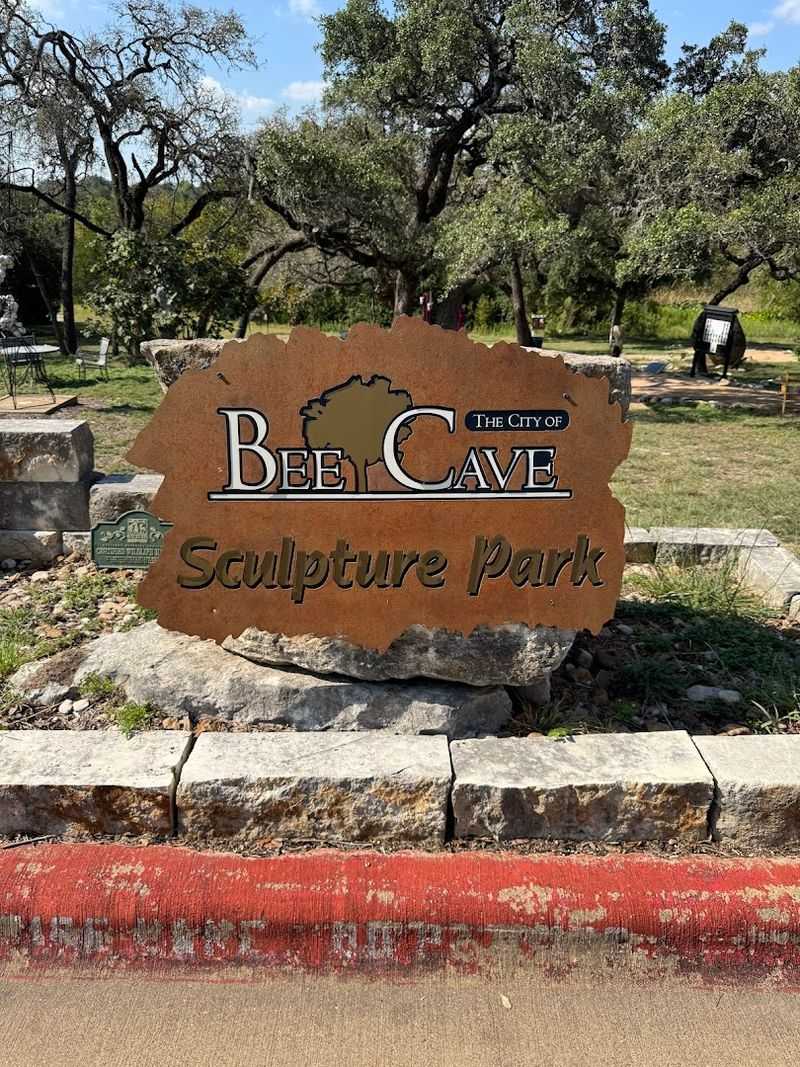
Getting to the Bee Cave Arts Foundation Sculpture Park is straightforward. The address is 13333 State Hwy 71, Bee Cave, TX 78738, and it is easily accessible from central Austin in about half an hour.
Parking is available on-site, which makes logistics simple for families or groups.
The park is open daily from sunrise to sunset, so the timing of your visit is entirely up to you. Early mornings offer softer light and cooler temperatures, especially in summer.
Late afternoons bring long golden shadows that make the sculptures look especially dramatic against the Texas sky.
Comfortable walking shoes are a good idea since some paths are unpaved. Sunscreen and a water bottle are worth bringing in warmer months.
If you have a dog, bring a leash and extra water for them too. The park does not have a cafe or gift shop on-site, so plan accordingly if you want to make a longer outing of it.
Several restaurants and coffee spots are available nearby in the Bee Cave and Lakeway areas.
Dear Reader: This page may contain affiliate links which may earn a commission if you click through and make a purchase. Our independent journalism is not influenced by any advertiser or commercial initiative unless it is clearly marked as sponsored content. As travel products change, please be sure to reconfirm all details and stay up to date with current events to ensure a safe and successful trip.
