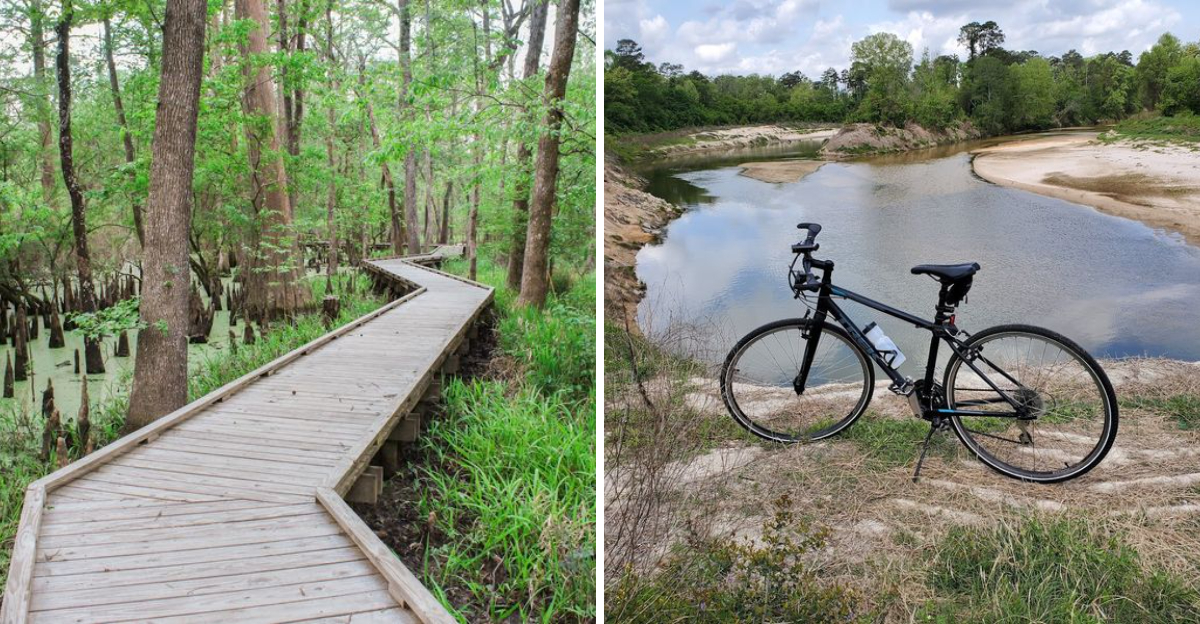
A greenway that offers a peaceful escape surrounded by trees is a community treasure. This Texas spot provides a tranquil setting for walking, biking, or jogging, far from the noise of the city.
The trails are well-maintained and offer a chance to connect with nature. A person can enjoy the fresh air and the calming sounds of the forest.
It is a great place for exercise and relaxation. The greenway is accessible and welcoming to all fitness levels.
A visit is a reminder of the importance of green spaces. It is a perfect place for a solo outing or a family adventure.
This is a spot to clear the mind and enjoy the outdoors.
Discovering the Extent of Nature’s Embrace
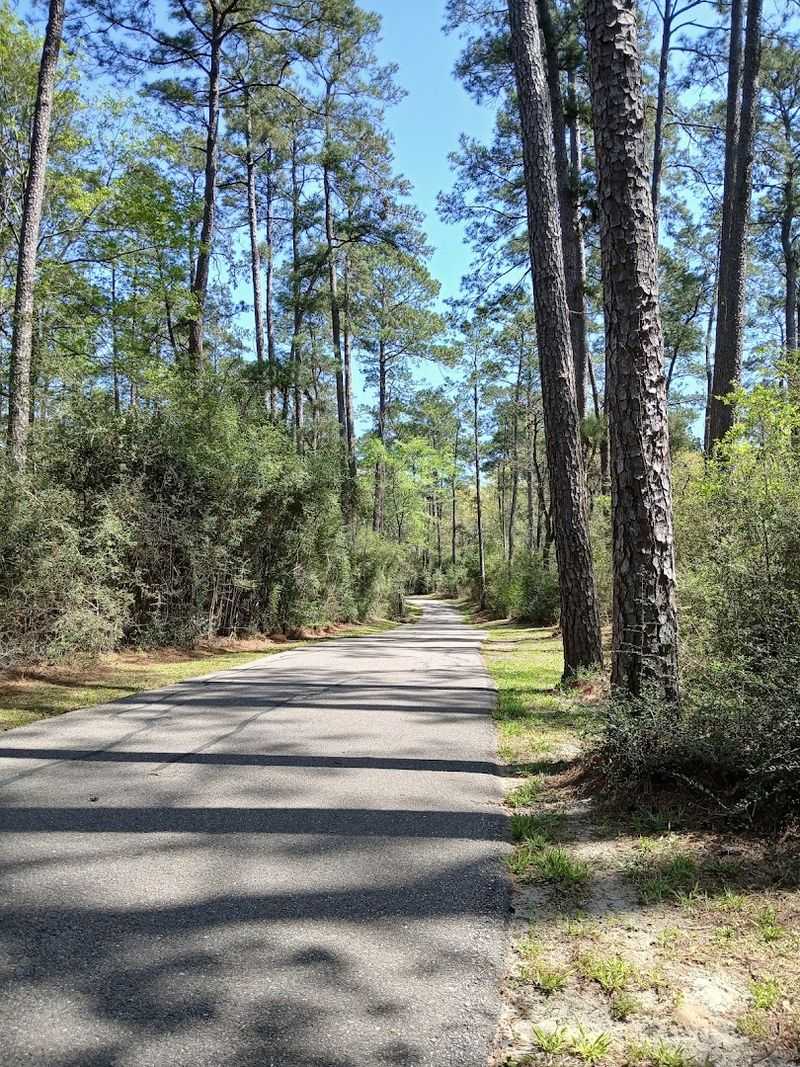
The scale of Spring Creek Greenway genuinely caught me off guard the first time I looked at a trail map. This project is designed to stretch over 40 miles, weaving from Highway 249 in Tomball all the way to US 59 in Kingwood.
That is not a weekend stroll, that is a full-on adventure waiting to unfold.
More than just a trail, the greenway encompasses over 12,000 acres of protected land, all dedicated to preserving the natural character of this region.
It traces Spring Creek along the border between Harris and Montgomery counties, creating a continuous natural link between communities that might otherwise feel disconnected from nature.
Currently, significant portions are open and welcoming visitors. A standout 14.5-mile segment connects Dennis Johnston Park east all the way to Highway 59 and Interstate 69.
That alone gives you enough trail to explore for several visits without repeating a single step.
What surprised me most was how seamlessly this wild space exists alongside busy suburban neighborhoods. You can be driving through a developed area one minute and completely surrounded by ancient trees the next.
The transition feels almost magical.
Harris County and Montgomery County have worked together alongside conservation organizations to make this vision a reality. Their commitment shows in every well-maintained path and every preserved stretch of floodplain forest.
Knowing this much effort went into protecting the land makes every visit feel a little more meaningful.
A Verdant Tapestry of Trees and Wildlife
The air inside the greenway carries a scent you cannot find anywhere else, damp soil, mossy bark, and something faintly sweet from the flowering understory. It hits you right away and immediately tells your brain to slow down.
I took a deep breath and just stood there for a moment, genuinely grateful.
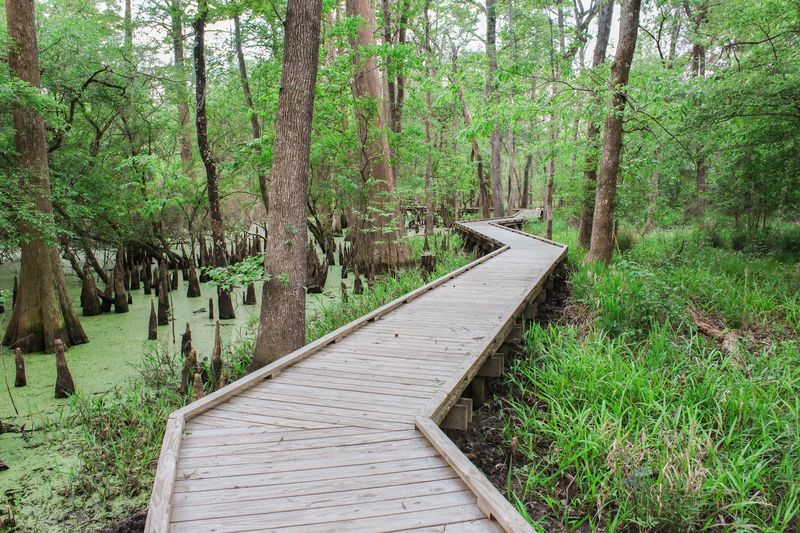
The tree diversity here is remarkable. Centuries-old bald cypress trees, some reportedly as old as 400 years, rise dramatically near the Stahl Preserve, their roots curling into the creek like ancient fingers.
Sycamores, magnolias, and white oaks fill in the rest of the canopy, creating layers of green that shift and shimmer with every breeze.
Walking beneath these trees, you get a real sense of how long this forest has been here. These are not young, planted trees.
They are survivors, and being among them feels humbling.
The dense understory also provides critical habitat for smaller creatures, insects, amphibians, and native plants that depend on this kind of old-growth environment.
Conservation efforts have helped keep invasive species from overtaking the native vegetation, which means the forest stays authentic and ecologically rich.
Even on a cloudy day, the greenway manages to feel luminous. Light filters through gaps in the canopy, landing in soft patches on the trail below.
It creates a kind of natural atmosphere that no park design could ever fully replicate. This is a forest that grew on its own terms, and it shows beautifully.
Paths for Every Pace
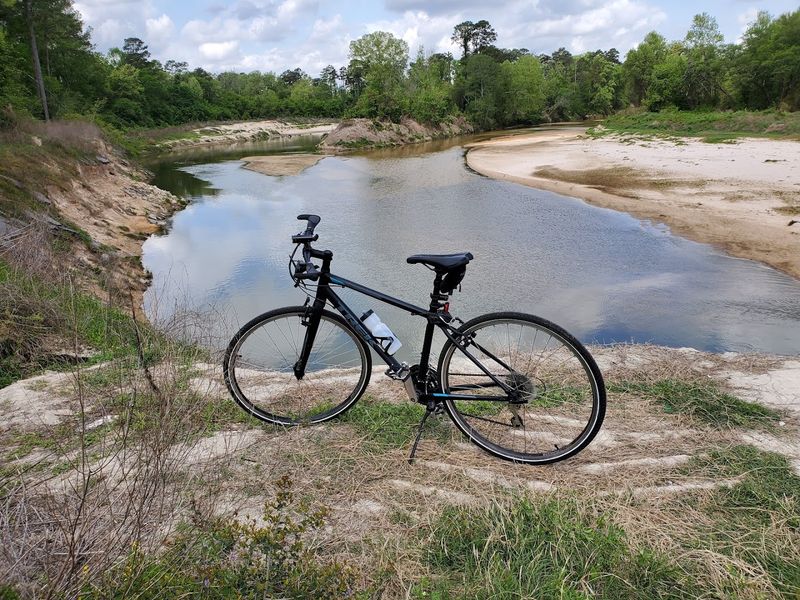
Not every trail system manages to feel welcoming to everyone, but Spring Creek Greenway pulls it off with ease. The main path is a well-maintained 10-foot-wide paved surface, smooth enough for road bikes and comfortable for anyone pushing a stroller or rolling along in a wheelchair.
It is genuinely inclusive in the best way.
For those who prefer something a little less polished, natural surface trails branch off into the forest, offering dirt paths, rooted terrain, and sandy stretches that feel much more like a wilderness hike. Equestrians use some of these sections too, which adds a certain old-world charm to the experience.
I spotted serious runners tracking their splits, older couples walking hand in hand, teenagers on mountain bikes, and parents letting their little ones run ahead on the wider sections. The trail accommodates all of them without feeling crowded or chaotic.
Trail markers are clear and helpful, making it easy to navigate even if you are new to the area. Distances are posted at regular intervals, which is useful whether you are training for something or just trying to gauge how far you have wandered.
The variety of surfaces means you can tailor your experience to your mood. Some days call for a long, smooth bike ride with a podcast in your ears.
Other days, you want to crunch through leaves on a dirt path and pretend you are somewhere deep in the wilderness. Spring Creek Greenway lets you do both without driving to two different locations.
Whispers of Tranquility Along Spring Creek
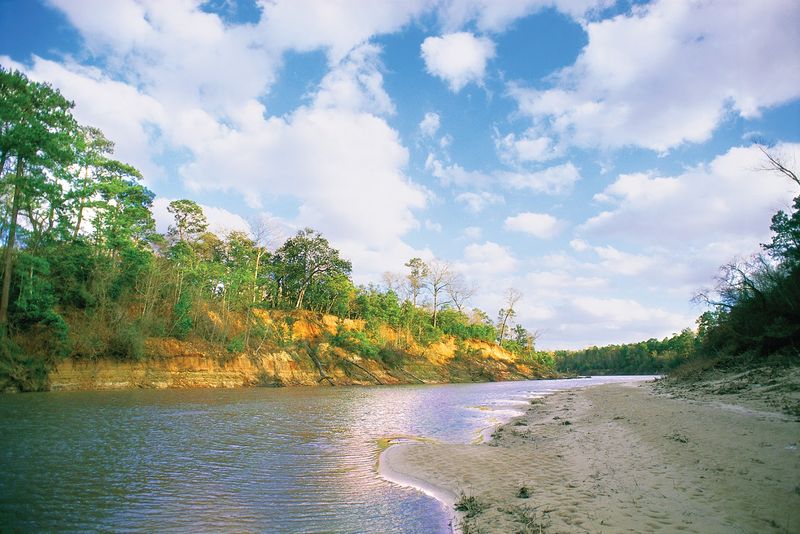
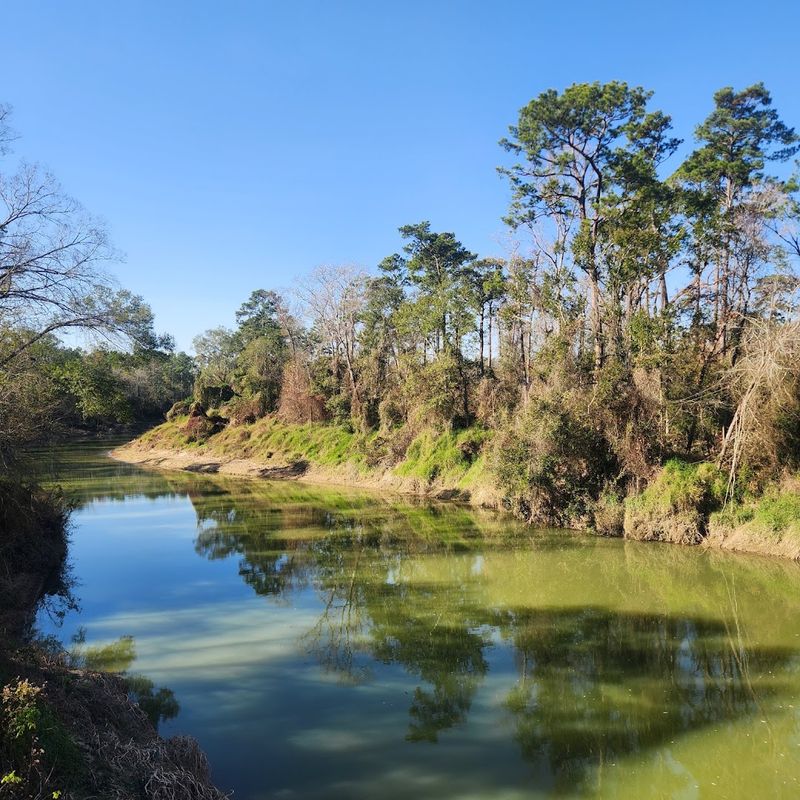
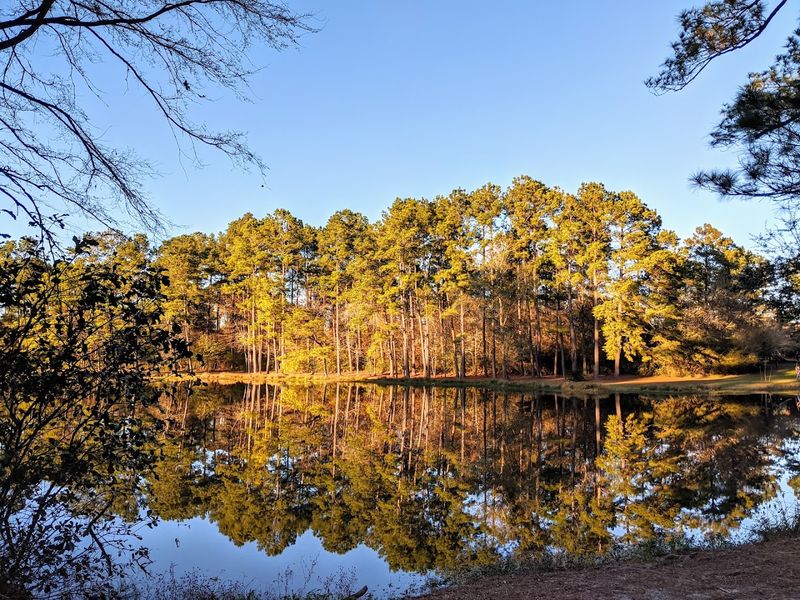
Spring Creek itself is the quiet heartbeat of the entire greenway. The water moves slowly in most places, catching light through the trees and creating reflections that look almost too pretty to be real.
I found a sandy bank near one of the trail bends and sat there for a while, not doing anything in particular, just listening.
The creek’s banks shift between soft white sand and tangled root systems, giving each section a slightly different personality. Some spots feel open and sun-warmed, perfect for a short rest.
Others are shaded and cool, with the kind of deep green stillness you usually have to hike miles into the backcountry to find.
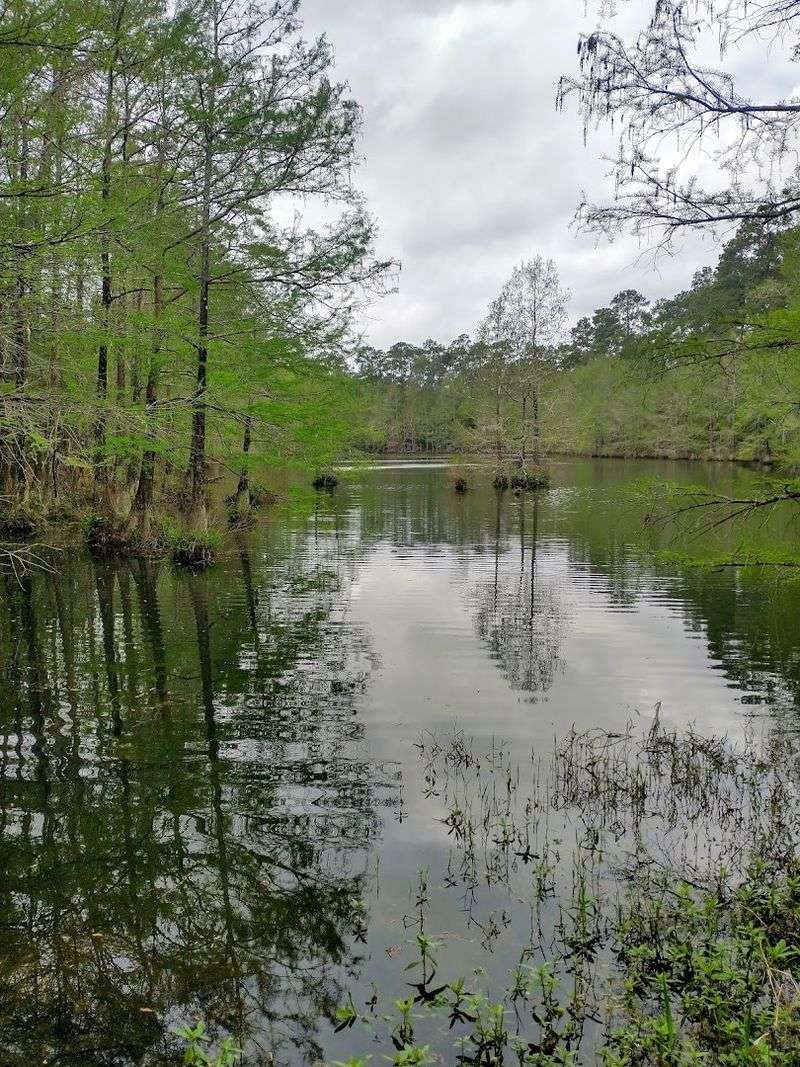
Spring-fed oxbow lakes appear along parts of the route, some surprisingly deep and strikingly clear. These pockets of still water add a dreamlike quality to the landscape, especially in the early morning when mist sits low above the surface.
There is something genuinely restorative about spending time near moving water. The sound alone seems to lower your heart rate.
Pair that with the forest canopy overhead and the absence of road noise, and you have a combination that is hard to beat for mental reset.
Families often stop at the sandy creek edges to let kids wade and explore. It feels less like a scheduled outdoor activity and more like the kind of spontaneous afternoon adventure that becomes a memory.
That easy, unplanned quality is part of what makes the greenway so special and worth returning to again and again.
A Haven for Winged Wonders and Forest Dwellers
Wildlife spotting at Spring Creek Greenway feels less like a planned activity and more like a series of happy surprises. You round a bend in the trail and suddenly a great blue heron is standing at the creek’s edge, completely unbothered by your presence.
It is one of those small moments that reminds you nature is still very much in charge here.
Chickadees and woodpeckers are regulars in the forest interior, their calls bouncing between the trees and giving the whole place a lively, layered soundtrack. Herons and egrets patrol the waterways with their signature slow-motion elegance.
And if you are patient and a little lucky, bald eagles have been spotted soaring above the canopy.
On the ground, the story gets even richer. Gray foxes, raccoons, white-tailed deer, and the occasional bobcat move through the dense understory.
Coyotes are present too, though they tend to stay well out of sight during daylight hours.
Amphibians thrive in the wetter sections of the greenway, and native butterfly species use the open meadow areas and wildflower patches near some trailheads. The biodiversity here is genuinely impressive for a place so close to a major metropolitan area.
Bringing a pair of binoculars makes the experience even richer. A basic field guide to Texas birds hidden in a backpack turns a casual walk into something more intentional and rewarding.
The greenway does not disappoint wildlife enthusiasts, whether you are a seasoned naturalist or just someone who gets excited seeing a turtle sunning on a log.
Interactive Learning at the Nature Center

Hidden within the greenway, the Spring Creek Greenway Nature Center adds a whole different dimension to a visit. It is the kind of place where kids suddenly stop running and start asking really good questions.
The live wildlife exhibits have a way of doing that to people of all ages.
Up-close encounters with native snakes, owls, and even alligators are on offer inside the center. These are not behind thick glass with dim lighting.
The exhibits are accessible and designed to spark genuine curiosity. I found myself leaning in closer than expected, genuinely fascinated.
Educational programs run throughout the year, covering topics like local ecology, birding basics, and native plant identification. Story time sessions in the wildlife room cater to younger visitors, while critter chats and beginner birding hikes appeal to older kids and adults.
There is always something happening that connects people more deeply to the land they are walking through.
The Nature Center also serves as a great starting point if you are visiting for the first time and want some context before hitting the trails. Staff members are knowledgeable and genuinely enthusiastic about the ecosystem they work within.
That kind of energy is contagious.
For families especially, pairing a trail walk with a Nature Center visit makes for a full and satisfying day.
The two experiences complement each other perfectly, one gives you the broad, open feeling of moving through nature, and the other gives you the detail and knowledge to truly appreciate what you saw out there.
Gateway Parks, Your Starting Points
One of the most practical things about Spring Creek Greenway is that getting onto the trail does not require any special preparation or navigation skills. Multiple well-marked access points are spread across the corridor, each with its own character and set of amenities.
You can pretty much choose your adventure based on what you are in the mood for.
Jesse H. Jones Park and Nature Center in Humble is one of the most popular entry points, and for good reason.
It offers well-maintained facilities, clear trail connections, and a welcoming atmosphere that works for first-time visitors and regulars alike. Pundt Park in Spring is another strong option, featuring a lake and canoe launch that adds a water-based dimension to your outing.
Dennis Johnston Park, also in Spring, includes nature trails and fitness stations, making it a great choice for anyone who wants to mix trail time with a workout. The Spring Creek Pkwy Trailhead near US 59 in Humble offers a more straightforward entry if you just want to get moving without any extra stops.
Further along the corridor, the Montgomery County Preserve near The Woodlands and the City Place Nature Preserve provide quieter, less trafficked access points.
These spots tend to attract visitors looking for a more solitary experience, which is easy to find once you move a few minutes away from the parking area.
No matter which gateway you choose, the trail system beyond it is consistent in quality and well-connected.
Seasons of Beauty
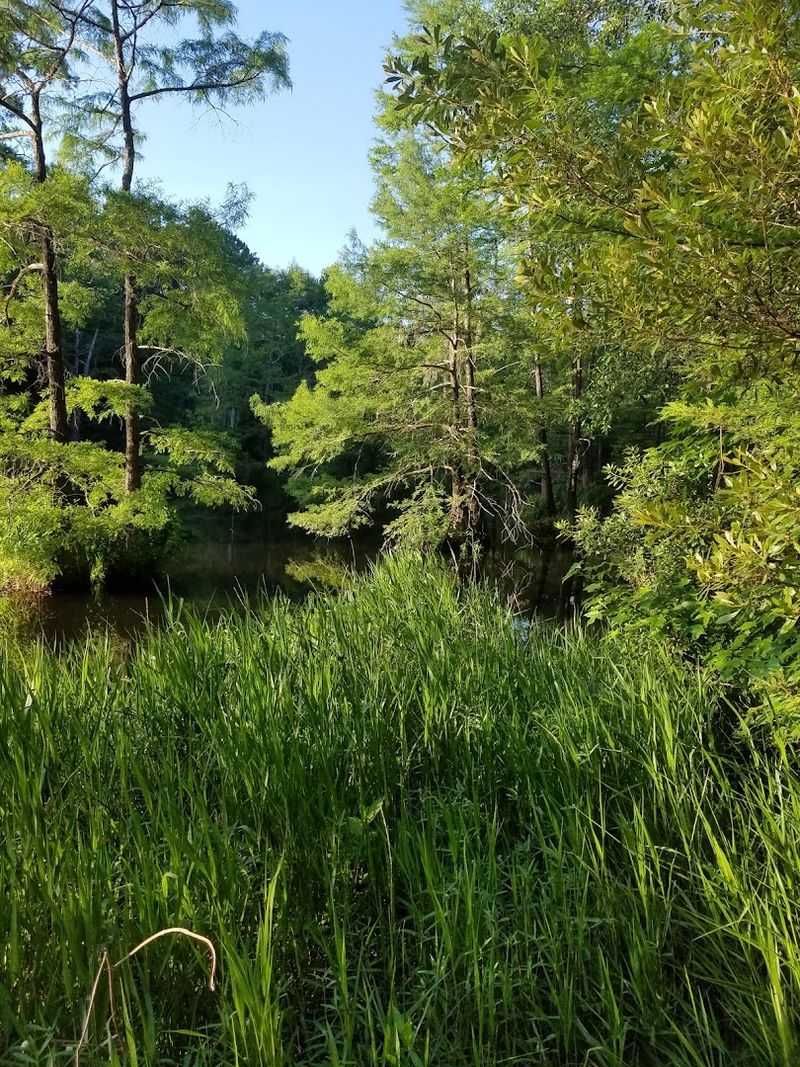
Every season brings a different version of Spring Creek Greenway, and honestly, each one has something worth showing up for.
Spring is when the forest practically hums with new energy, fresh leaves unfurling, wildflowers pushing up along the trail edges, and birdsong reaching its most enthusiastic peak.
It is hard not to feel upbeat walking through it.
Fall is equally spectacular. The canopy shifts through shades of amber, rust, and gold, and the cooler temperatures make longer walks genuinely enjoyable.
The light in October and November hits the trees at a lower angle, casting long golden beams across the trail that feel almost cinematic.
Summer brings humidity, no question about it, but the thick tree cover keeps trail temperatures noticeably lower than open areas nearby. Starting early in the morning makes a big difference.
Bringing water and wearing light, breathable clothing turns a potentially sweaty slog into a perfectly pleasant shaded walk.
Winter visits offer something quieter and more contemplative. Without the full leaf canopy, you can see further into the forest and spot birds that are easier to miss during the leafy months.
The greenway has a stripped-back, honest beauty in the colder months that long-time visitors tend to appreciate.
Checking trail conditions before heading out is always a smart move, especially after heavy rain, since some natural surface sections can get muddy. The paved sections remain accessible year-round regardless of weather.
Whatever month you visit, the greenway has a way of delivering exactly what you did not know you needed that day.
A Legacy of Conservation
The Spring Creek Greenway did not happen by accident. Behind every preserved acre and every maintained trail segment is a long-standing commitment from multiple partners who understood early on how rare and valuable this corridor truly is.
Harris County, Montgomery County, and organizations like the Bayou Land Conservancy have been central to keeping this land protected.
The greenway’s primary ecological function is preserving Spring Creek’s natural floodplain. Floodplains are often the first areas lost to development, yet they are among the most biologically important landscapes in any region.
Protecting them here means the forest, the creek, and everything living within them remain intact for generations to come.
Conservation work also involves ongoing habitat restoration, invasive species management, and water quality monitoring. These are not glamorous tasks, but they are what keeps the greenway functioning as a true ecological corridor rather than just a scenic walking path.
The science behind the preservation is as impressive as the landscape itself.
Community involvement plays a role too. Volunteer events, educational outreach, and partnerships with local schools help build a culture of stewardship around the greenway.
When people understand what they are walking through, they tend to care for it differently.
Visiting the greenway feels like participating in something larger than a single afternoon outdoors. Every footstep on that trail is a small vote for the kind of future where wild, forested spaces exist alongside cities rather than disappearing beneath them.
That is a legacy worth supporting, and Spring Creek Greenway makes it easy to be part of it.
Address: Spring Creek Pkwy Trailhead at 59, Humble, TX 77338.
