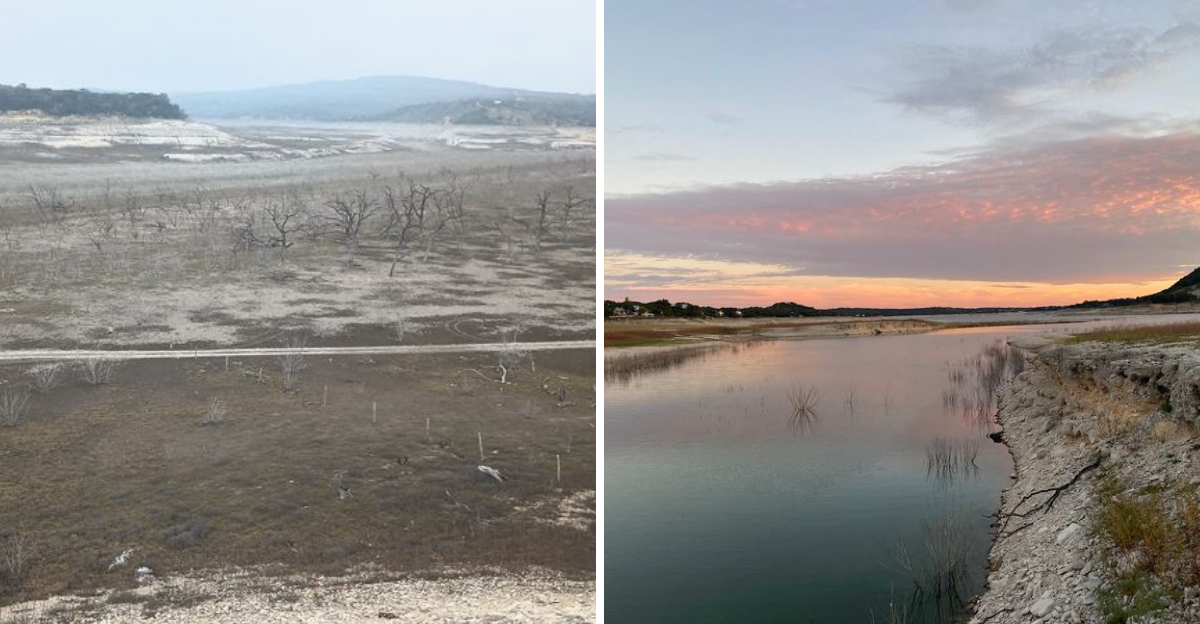
Not every Texas lake tells a carefree story.
This one has been shrinking to levels that are hard to ignore, exposing shoreline that used to sit underwater and changing the entire look of the landscape. What was once a go-to spot for boating and weekends now feels noticeably different.
The shift has people paying attention for the wrong reasons. Texas has seen dry spells before, but when a lake starts disappearing like this, it becomes more than just a seasonal change.
A Lake Built Over a Century Ago and What It Was Meant to Do
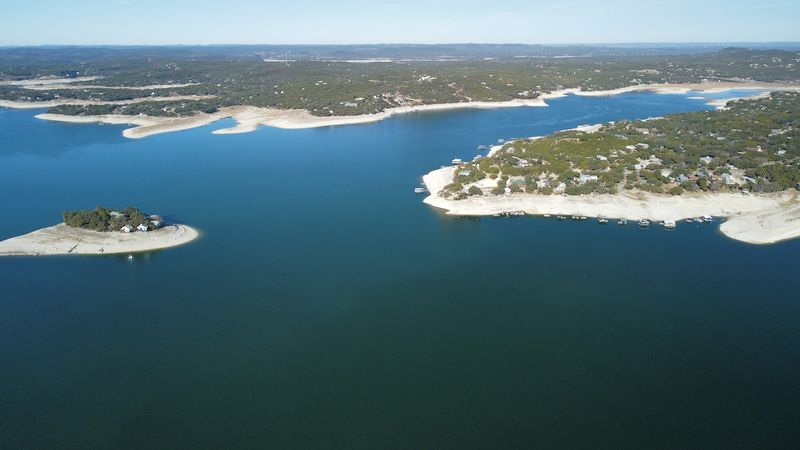
Most people do not realize that Medina Lake has been around since 1913, making it one of the oldest reservoirs in Texas. It was built with a clear purpose: to store water for irrigation, support local industries, supply municipalities, and give the surrounding Hill Country a reliable water source year-round.
That is over a century of service from a single body of water.
The dam that holds the lake back was an engineering achievement for its time. Constructed from local stone and built to withstand the unpredictable Texas weather, the Medina Dam still stands today as a reminder of how seriously early Texans took water management.
Back then, the region was growing fast and farmers needed a dependable supply to keep crops alive through the dry summers.
Understanding the lake’s original purpose helps explain why its current condition feels so alarming. This was never just a recreational spot.
It was infrastructure. It was survival.
Watching it shrink to nearly nothing is not just sad for weekend boaters; it signals a breakdown in a system that communities have relied on for generations. The history of Medina Lake is the history of water planning in South Texas.
How the Drought Pushed Medina Lake to Its Breaking Point
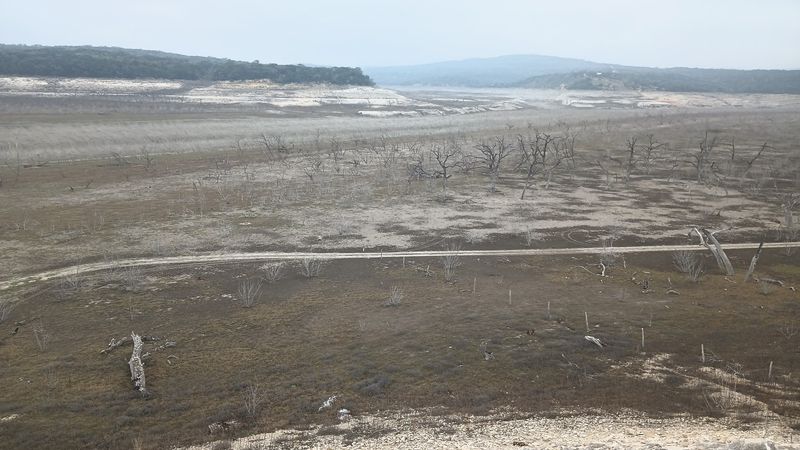
Drought is not a new concept for Texas, but what has happened to Medina Lake over the past several years goes well beyond a dry season. Persistent, relentless drought conditions have hammered the Hill Country region repeatedly, and the lake has had almost no time to recover between dry spells.
By April 2025, the reservoir was sitting at a staggering 2.1% capacity, a number that barely registers as a functional water supply.
To put that in perspective, imagine a bathtub filled to the very brim and then picture it drained until only a thin film of water coats the bottom. That is roughly what 2.1% looks like in practice.
The exposed lakebed became a surreal landscape of cracked mud, stranded docks, and boats that had nowhere to float.
Experts have been clear that occasional rainfall is not enough to fix this. Sustained, heavy precipitation over multiple years is what it would take to meaningfully refill the lake.
Short bursts of rain, like the July 2025 storms that briefly pushed levels to 6.5%, offer temporary relief but no real solution. The drought has exposed just how fragile this reservoir really is when the skies stay dry for too long.
The Local Economy Feels the Sting of a Shrinking Lake
A lake at 2.1% capacity does not just look bad. It costs people real money.
Medina Lake has long been an anchor for the local economy in surrounding communities like Lakehills, Mico, and Pipe Creek. Marinas, vacation rentals, bait shops, and waterfront restaurants have all built their livelihoods around the assumption that the lake would be there, full and accessible, season after season.
When the water drops that dramatically, the ripple effects hit fast. Boat ramps become useless ramps to nowhere.
Rental cabins sit empty because there is no lake view to speak of. Businesses that depend on weekend traffic from San Antonio see their customer base shrink along with the shoreline.
Some small operators have had to close or significantly scale back their operations.
Farmers in the region have faced their own version of this crisis. Many who relied on Medina Lake water for irrigation have had to scramble for alternative sources, which is both expensive and logistically complicated.
The agricultural roots of this community run deep, and losing reliable lake access has forced some families to rethink how they manage their land entirely. The economic damage is quiet but very real.
Wildlife and Plants Caught in the Middle of a Water Crisis
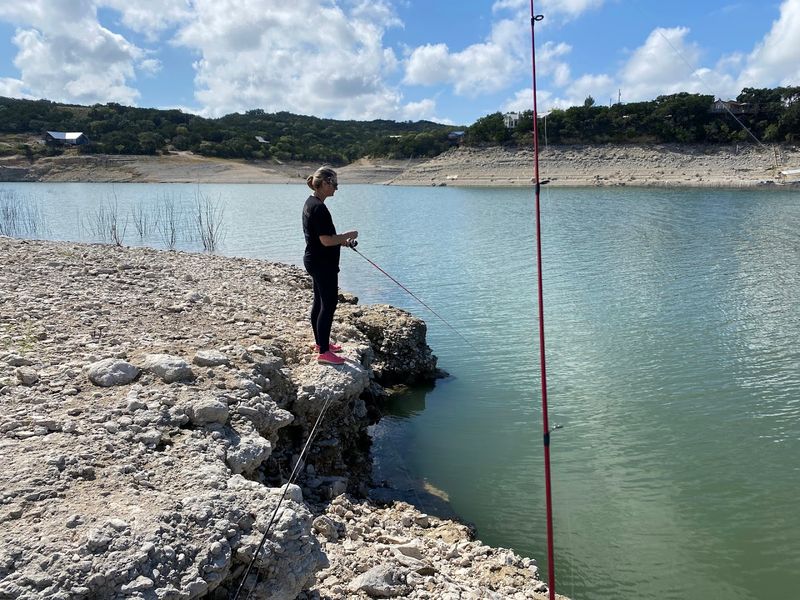
The ecological toll of Medina Lake’s decline is something that does not always make headlines, but it deserves serious attention. Aquatic wildlife depends on stable water levels to survive, breed, and feed.
When a reservoir drops as dramatically as Medina Lake has, entire food chains get disrupted in ways that take years to recover from, even after the water returns.
Fish populations have taken a hard hit. Shallow, warming water concentrates fish in smaller areas, increases competition for resources, and raises the risk of disease.
Native plant species that stabilize the shoreline and provide habitat for birds and small mammals have dried out and died back as the water retreated. The lake’s edges, once lush and green, have been replaced in many spots by cracked, bare earth.
Migratory birds that historically used Medina Lake as a stopover point have had less to work with each year. The Hill Country ecosystem is deeply interconnected, and a shrinking lake sends shockwaves through that system in ways that are not always immediately visible.
Restoring the lake’s water level will help, but rebuilding the ecological balance around it is a longer and more complicated process than simply waiting for rain to fall.
Water Restrictions and the Search for Real Solutions
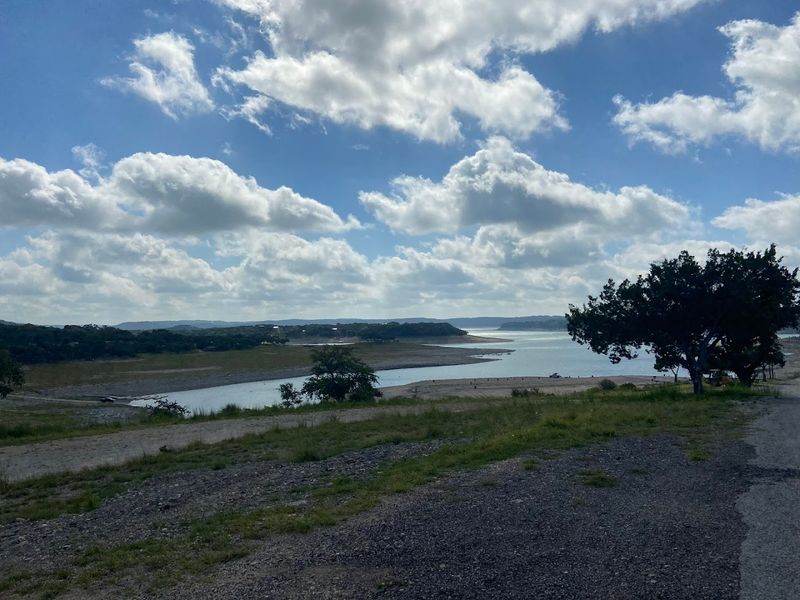
Living near a lake that is nearly empty has forced surrounding communities into some difficult conversations about water use. Local authorities have implemented water restrictions in response to the crisis, limiting how residents and businesses can use what little supply remains.
These measures are necessary, but they also come with real inconvenience for everyday people trying to manage their homes and properties.
The search for longer-term solutions has been ongoing, though none of them are simple or cheap. Some proposals involve improving water infrastructure to reduce loss through evaporation and leakage.
Others focus on better drought preparedness planning at the regional level, including more aggressive conservation programs and incentives for residents to reduce their overall water footprint.
Experts have been consistent in saying that the only true fix is sustained rainfall over multiple years, which is not something anyone can engineer or schedule. That reality has pushed communities to think more seriously about resilience rather than just recovery.
Building a future around a lake that may continue to fluctuate wildly requires a different kind of planning than what worked in the 20th century. The conversations happening around Medina Lake right now could shape water policy across Texas for decades to come.
What It Actually Looks Like to Visit Medina Lake Right Now
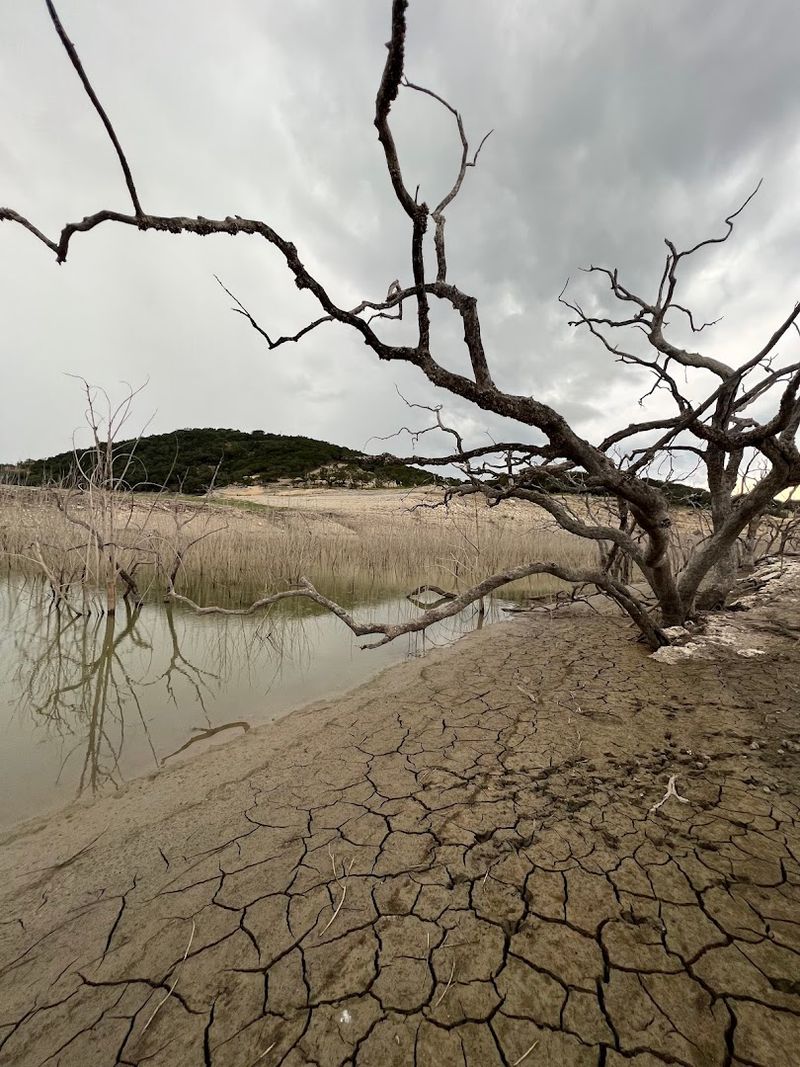
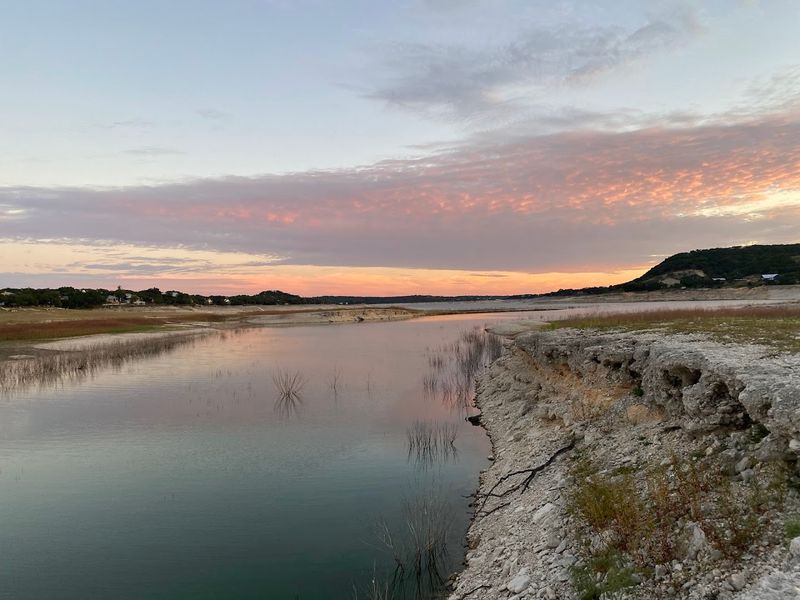
Visiting Medina Lake in its current state is a genuinely strange experience. There is still beauty in the Hill Country landscape surrounding it, with cedar and oak trees rolling across the hills and the sky doing what Texas skies do best.
But the lake itself feels like a ghost of something that used to be much bigger and much more alive.
What remains of the water sits in isolated pools and shallow stretches that barely connect to each other. Boat ramps end in dry, cracked mud.
Old dock pilings stand in open air where they once sat several feet underwater. There is something almost archaeological about it, like the landscape is revealing things that were never meant to be seen.
Some visitors come specifically because of the drama of it, drawn by the eerie spectacle of a nearly empty reservoir in a landscape that was clearly built around a full one. It is not a recreational visit in the traditional sense.
There is no swimming or boating to speak of. But it is thought-provoking in a way that a full, sparkling lake never quite is.
Seeing Medina Lake like this makes you think about water, drought, and climate in a way that no news article really can.
The Brief Comeback That Gave People Hope and Then Faded
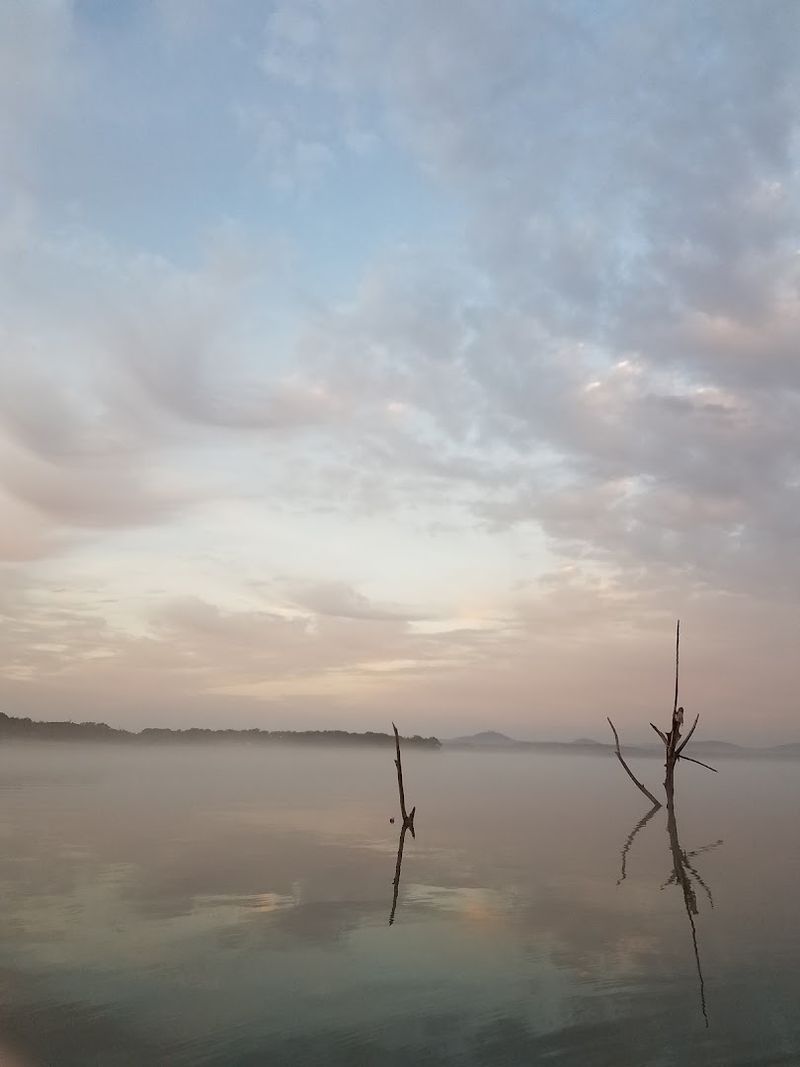
July 2025 brought some welcome news to the Medina Lake community. A stretch of significant rainfall pushed the reservoir up to 6.5% capacity, which sounds modest but felt enormous to people who had been watching the lake nearly vanish.
For a few weeks, there was genuine optimism that the trend might be reversing. Locals talked about it the way people talk about a long-awaited break in the heat.
By February 2026, though, the level had settled back down to 4.4%, still an improvement over the historic low but a reminder that brief rain events do not solve a structural drought problem. The lake had absorbed the rain but could not hold the momentum.
Without consistent, prolonged precipitation, every small gain risks being slowly erased by evaporation and continued demand.
That cycle of hope and retreat is emotionally exhausting for people who live and work around the lake. Each rain event raises expectations, and each dry stretch that follows brings them back down.
The brief comeback of mid-2025 was real and meaningful, but it also illustrated just how far the lake still has to go. Getting from 6.5% to a genuinely healthy level is not a matter of one good storm season; it is a multi-year project that depends entirely on weather no one can predict.
Why Medina Lake Still Matters and What the Future Might Hold
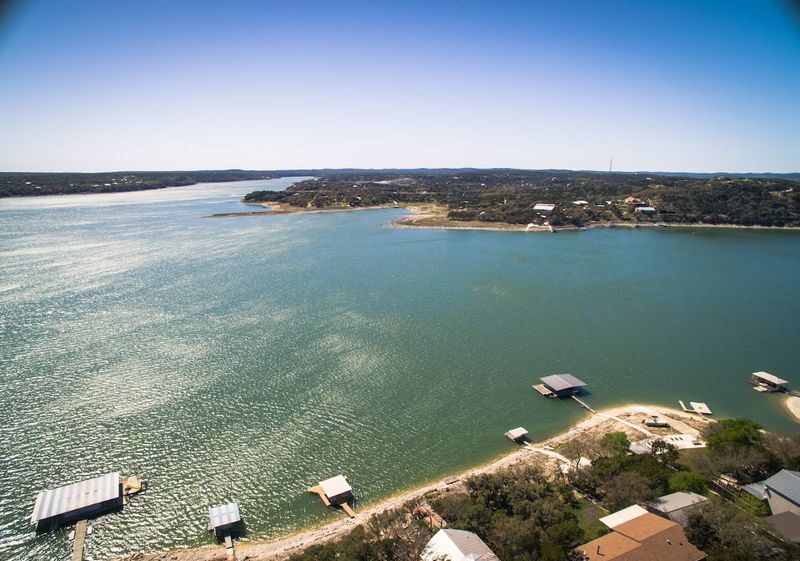
Even at a fraction of its capacity, Medina Lake still matters deeply to the people and ecosystems that depend on it. The reservoir represents more than a recreational amenity.
It is a water management resource that has served South Texas for over a hundred years, and the infrastructure built around it, from irrigation channels to municipal supply systems, does not simply disappear when the lake goes low.
The future of Medina Lake is genuinely uncertain, and that uncertainty is part of what makes it such an important story for all of Texas. Climate patterns suggest that the Hill Country will continue to experience intense drought cycles interspersed with heavy but irregular rainfall.
Managing a reservoir under those conditions requires updated strategies, smarter conservation, and honest public conversations about what water security actually looks like going forward.
There is still something worth fighting for here. The lake has survived over a century of Texas weather, and with the right investments in infrastructure and conservation, it could continue to serve the region for generations more.
Visiting Medina Lake right now, even in its diminished state, is a reminder of what is at stake. Water is not a backdrop to life in Texas.
It is the whole story.
Dear Reader: This page may contain affiliate links which may earn a commission if you click through and make a purchase. Our independent journalism is not influenced by any advertiser or commercial initiative unless it is clearly marked as sponsored content. As travel products change, please be sure to reconfirm all details and stay up to date with current events to ensure a safe and successful trip.
