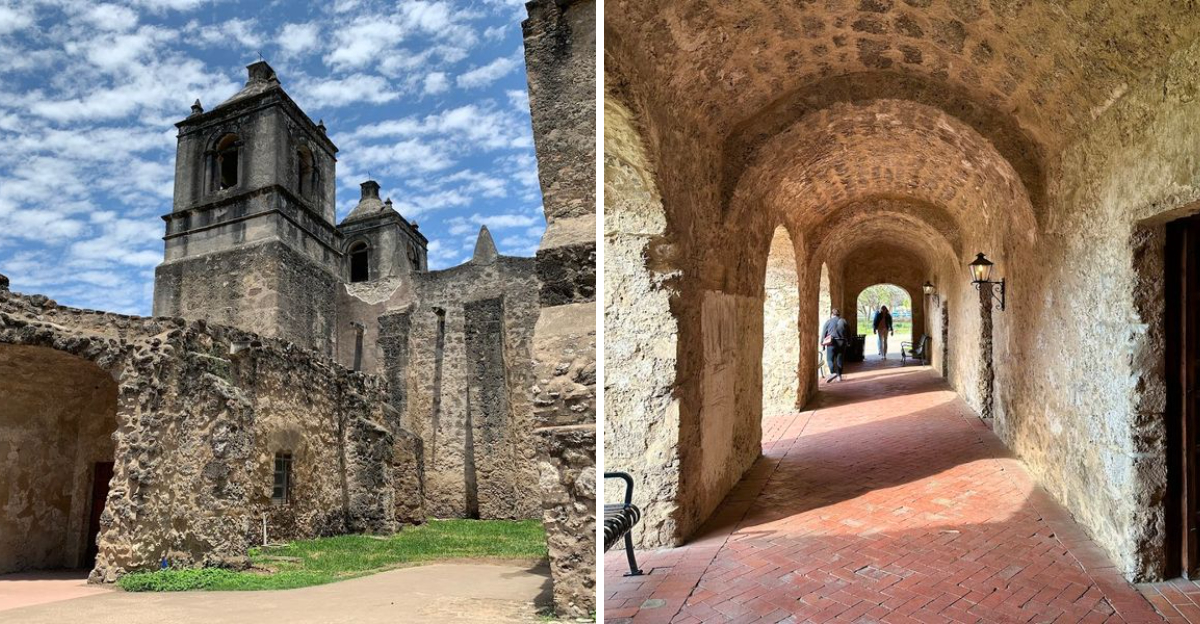
Standing here, it is hard to believe how long these walls have been in place. The details alone make you slow down and take a closer look.
The structure holds onto its original character, with stone walls, faded frescoes, and features that have remained intact for generations. Light moves across the surfaces in a way that highlights just how much history is still present.
It feels less like something preserved and more like something that has simply endured.
Places like this carry a different kind of weight. Texas holds historic landmarks like this where the past is not just remembered, it is still visible in every detail.
In Texas, sites like this offer a rare chance to see history exactly where it happened.
The Oldest Unrestored Stone Church in the United States
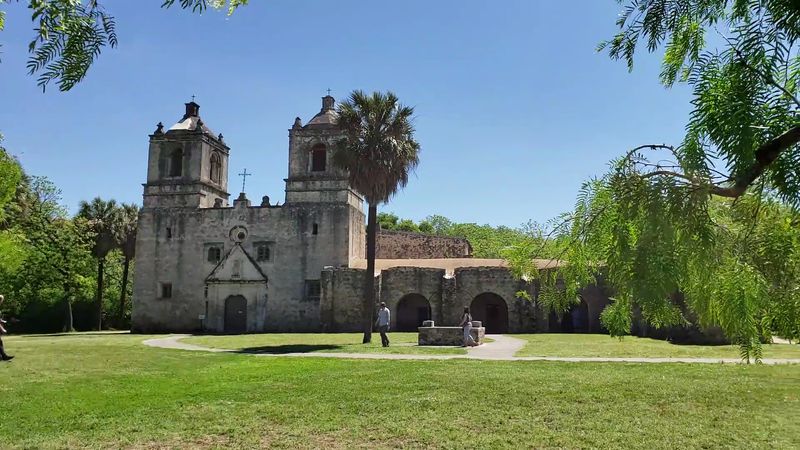
Most historic buildings get heavily renovated over the years, losing pieces of their original character along the way. Mission Concepción never went through that process, and that is exactly what makes it so extraordinary.
The limestone walls you see today are the same walls that Franciscan friars built centuries ago, standing firm through Texas storms and the slow march of time.
Completed in 1755, this church is officially recognized as the oldest unrestored stone church in the United States. That title is not just a fun fact for trivia night.
It means that when you run your hand along those rough stone walls, you are genuinely touching history that has not been tampered with or rebuilt.
There is something quietly powerful about that. Other famous historic sites around the country have been reconstructed or heavily repaired, but Concepción remains largely as it was.
The thick limestone blocks were quarried locally and laid with remarkable precision. Seeing it for the first time, I could not help but feel a deep respect for the craftsmanship that has kept this structure standing for nearly three centuries.
It is a rare and humbling experience.
The Story Behind the Franciscan Friars Who Built It
Before the walls went up and before the frescoes were painted, there was a group of determined Franciscan missionaries who made this all happen.
They arrived in the region in 1716, driven by a mission to introduce Christianity to local Native American communities and build a sustainable colonial settlement along the way.
It was an ambitious undertaking by any standard.
The friars relocated the mission to its current spot in San Antonio in 1731, drawn by the reliable waters of the San Antonio River. They worked alongside indigenous residents to construct the church, convento, granary, and living quarters that formed the full mission complex.
The project took decades of coordinated effort and deep communal labor.
What strikes me most about this history is how layered it really is. The mission represented a collision of two very different worlds, one Indigenous and one Spanish colonial, and the resulting community was complex, often difficult, and genuinely unique.
The building itself is the physical record of that story. Every stone block and hand-carved detail reflects the hands and intentions of people who lived lives dramatically different from our own.
Understanding that context makes visiting Concepción feel much more meaningful.
The Remarkable Original Frescoes Still Visible Today
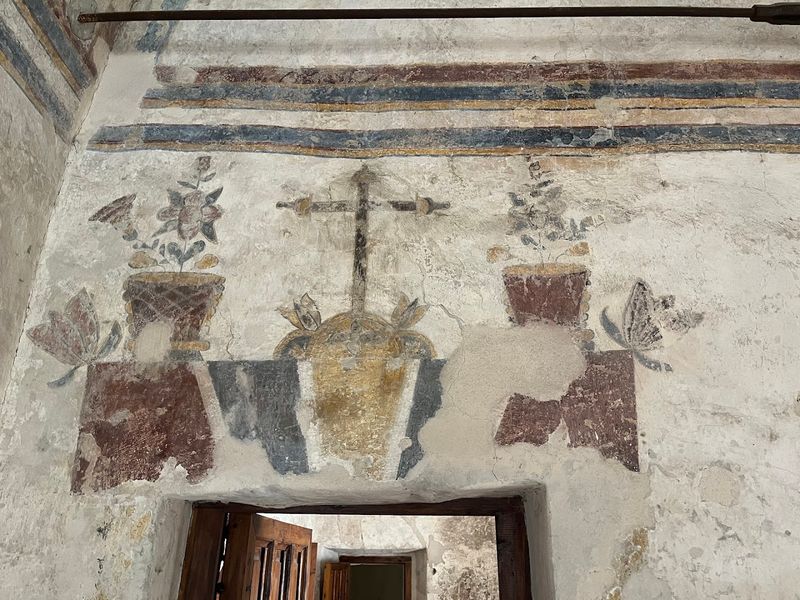
Few things in this mission hit quite as hard as the moment you spot the frescoes. They are faded, yes, and some sections are barely there anymore, but the fact that they exist at all is genuinely astonishing.
These painted decorations were applied directly to the stone walls and ceilings sometime in the mid-1700s, and portions of them have survived without any major restoration effort.
The designs include geometric patterns, floral motifs, and religious imagery that once covered much of the church interior and parts of the exterior facade.
Researchers and historians have used ultraviolet light and other tools to study what the original color scheme looked like, and the results suggest the mission was once brilliantly vibrant, almost theatrical in its decoration.
Seeing those remnants in person feels like catching a whisper from another century. I stood in the dim interior of the church, looking up at the traces of red and ochre still clinging to the stone, and thought about the artist or artists who applied those pigments by hand so long ago.
Nobody knows their names. But their work is still here, still visible, still quietly telling a story that refuses to disappear entirely.
That is nothing short of remarkable.
The Cruciform Design and Twin Bell Towers
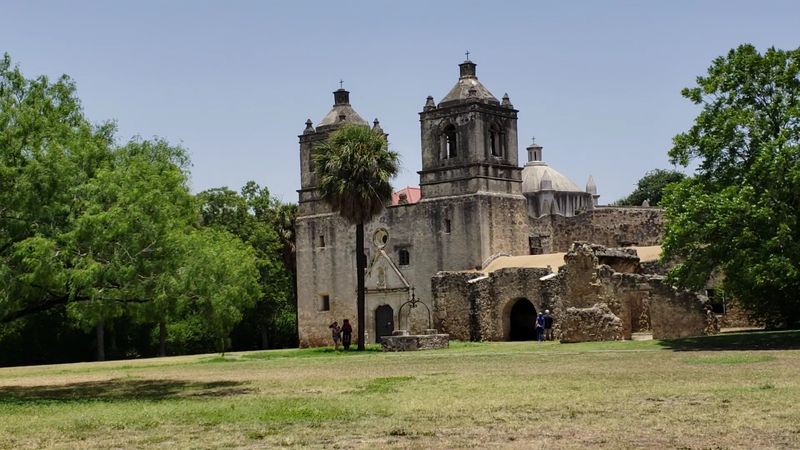
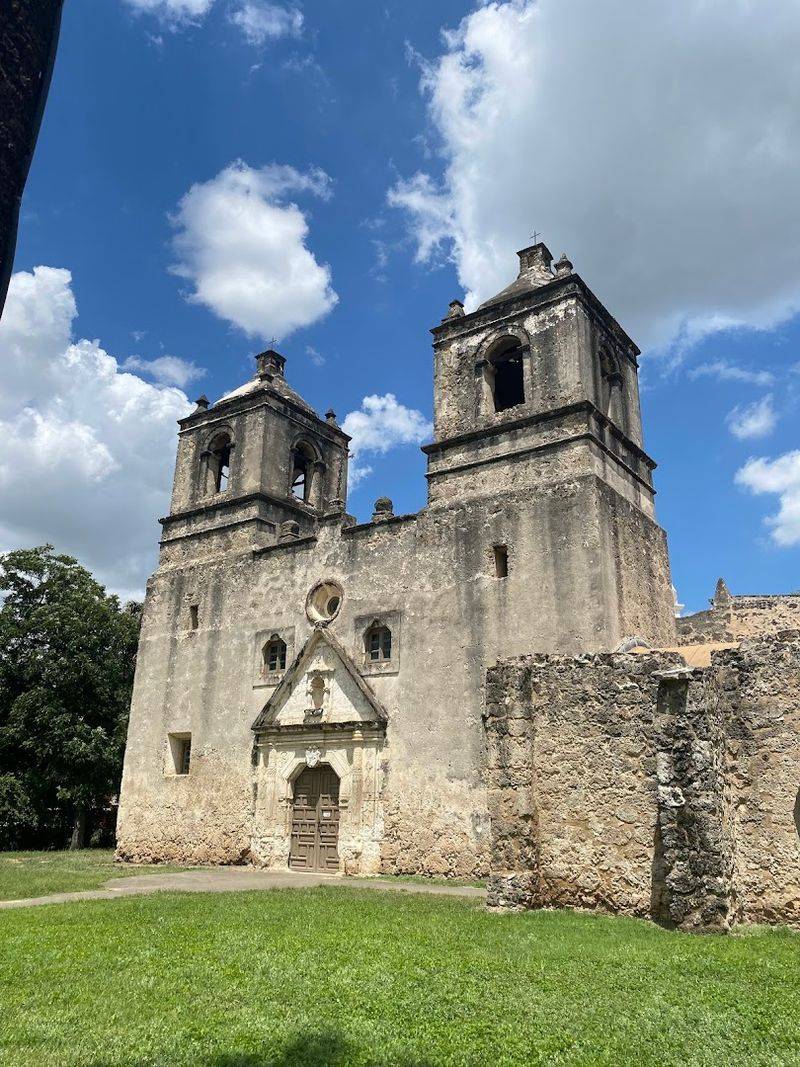
Architecture fans are going to have a genuinely great time at Mission Concepción. The church was designed in a cruciform shape, meaning it forms a cross when viewed from above, which was a common layout in Spanish colonial religious buildings of that era.
The central dome sits right above the intersection of the nave and transept, flooding the interior with soft natural light.
The twin bell towers flanking the main entrance are probably the most recognizable feature from the outside. They rise symmetrically above the facade, giving the church a bold and confident presence that you can spot from a distance down Mission Road.
The stonework on the towers shows real attention to detail, with carved decorative elements framing the arched openings.
Inside, the vaulted ceiling and dome create an acoustic quality that feels almost meditative. Even on a busy visitor day, the church interior has a natural hush to it.
I spent a good chunk of time just sitting in one of the wooden pews, looking up at the dome and trying to absorb the fact that this space has been used for worship continuously for centuries. The architecture does not just look impressive.
It feels purposeful, like every design choice was made with both beauty and meaning in mind.
The Acequias That Kept the Community Alive
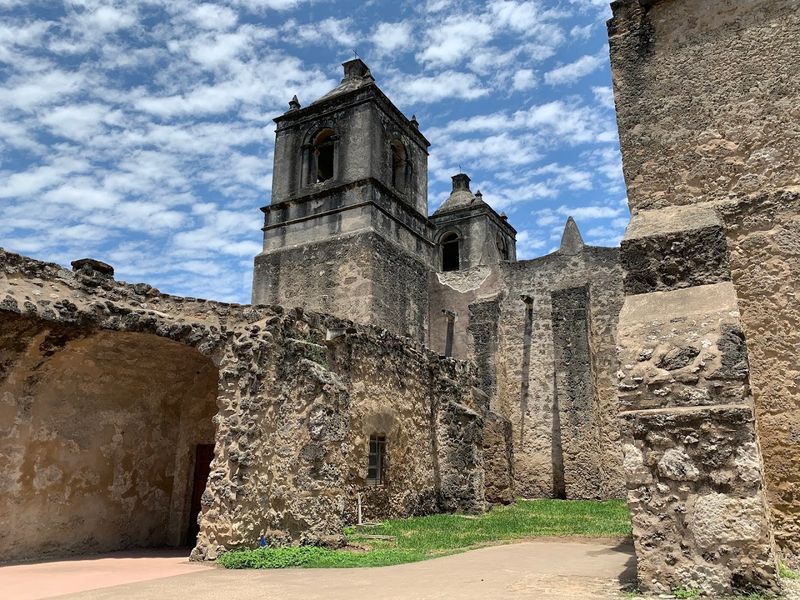
A mission in the desert southwest could not survive on faith alone. It needed water, and the Franciscan friars who settled at Concepción understood that very well.
They constructed an elaborate system of acequias, which are hand-dug irrigation ditches, to channel water from the San Antonio River directly to the mission complex and surrounding fields.
These channels were engineering achievements for their time. They allowed the mission community to grow crops, raise livestock, and sustain a population that included both the friars and the indigenous residents who lived and worked within the compound.
The acequia system was so effective that it became the backbone of agriculture in the entire San Antonio region for generations.
You can still see remnants and interpretive markers related to the acequia system when you visit the mission today. It is one of those details that does not get as much attention as the frescoes or the bell towers, but it deserves real appreciation.
Without that water infrastructure, none of the rest of the story happens. The mission thrives, the community grows, the church gets built, all because someone figured out how to move water reliably across a dry Texas landscape.
That kind of practical ingenuity is genuinely impressive.
The Full Mission Complex: Church, Convento, and More
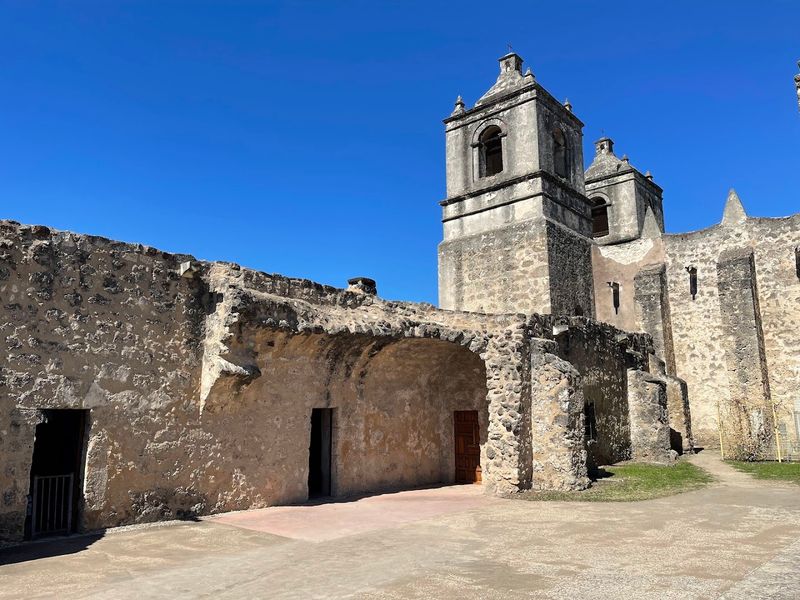
Most visitors come for the church, and that makes total sense. But the mission complex at Concepción is actually much larger than just the main building.
The grounds include the convento, which served as the residence and workspace for the Franciscan priests, along with the ruins of a granary and the remains of living quarters that once housed indigenous community members.
Walking through the full compound gives you a much better sense of how self-contained and organized mission life actually was. This was not just a church.
It was essentially a small town, with designated spaces for cooking, storage, prayer, education, and daily labor. The layout was intentional and reflected a very specific vision of how colonial mission society should function.
The convento in particular is worth exploring slowly. Some rooms are open for viewing, and the thick-walled construction keeps the interior noticeably cooler than the Texas sun outside, which feels like a small gift on a warm afternoon.
I wandered through the arched doorways and tried to picture the daily rhythms of life here in the 1700s. The scale of the operation becomes clear when you see all the pieces together.
It was ambitious, complex, and deeply human in its contradictions.
Part of the San Antonio Missions National Historical Park
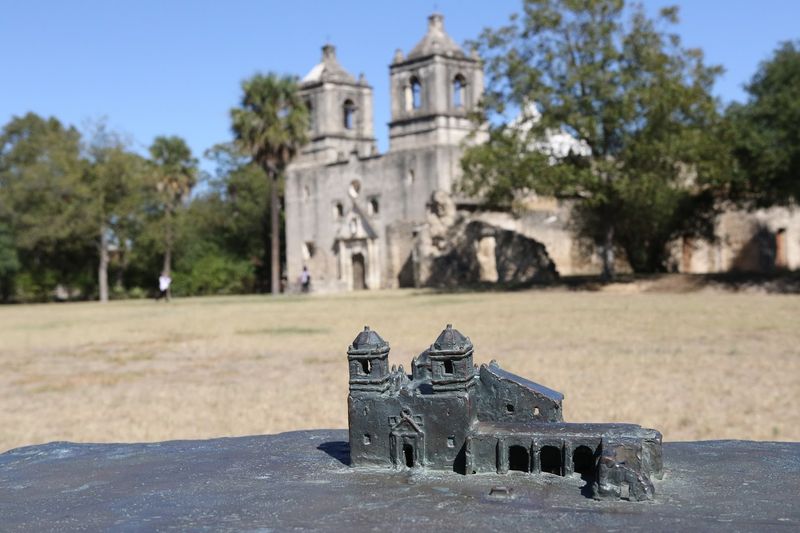
Mission Concepción does not stand alone in the historical landscape of San Antonio. It is one of five missions that together form the San Antonio Missions National Historical Park, a UNESCO World Heritage Site that stretches along the San Antonio River south of downtown.
The park is the only one in the United States to hold that particular designation.
The other missions in the park are Mission San José, Mission San Juan, Mission Espada, and the famous Alamo, which is managed separately but closely connected in spirit and history. Together, these five missions represent the most complete collection of Spanish colonial missions anywhere in North America.
That is a genuinely impressive distinction.
Visiting Concepción as part of a broader mission trail experience is something I would strongly recommend. The National Park Service maintains excellent visitor facilities at each site, and there is a trail system that connects the missions by foot or bike if you are feeling adventurous.
Rangers and interpretive staff at each location are knowledgeable and genuinely enthusiastic about sharing the history. The whole trail takes a full day to do properly, and it is one of those days that stays with you long after you get back home.
Visiting the Mission: What to Expect When You Arrive
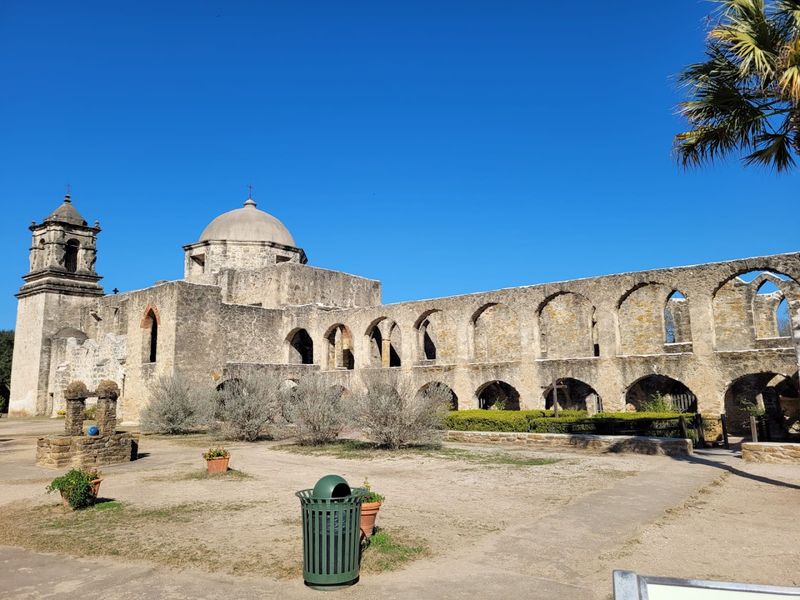
Arriving at Mission Concepción is refreshingly straightforward. The site is open to the public daily from 9:00 AM to 5:00 PM, and admission is completely free, which makes it one of the best value historical experiences you can have in all of Texas.
Parking is available on-site and is generally easy to find, even on busy weekend days.
The grounds are well-maintained and easy to navigate on foot. Informational panels throughout the complex provide historical context at every major point of interest, so even if you arrive without any background knowledge, you will leave feeling genuinely informed.
Guided tours are available and offer a deeper layer of storytelling that the panels alone cannot quite capture.
One practical tip worth mentioning: wear comfortable shoes, because the grounds involve some uneven terrain, especially around the older ruins sections. Bringing water is also smart, particularly during the hotter months when San Antonio can get intensely warm.
I visited on a clear weekday morning and found the experience wonderfully unhurried. The light was beautiful on the stone facade, and there was a quietness to the place that felt almost protective, like the thick walls were keeping the modern world at a respectful distance.
An Active Parish With Centuries of Continuous Worship
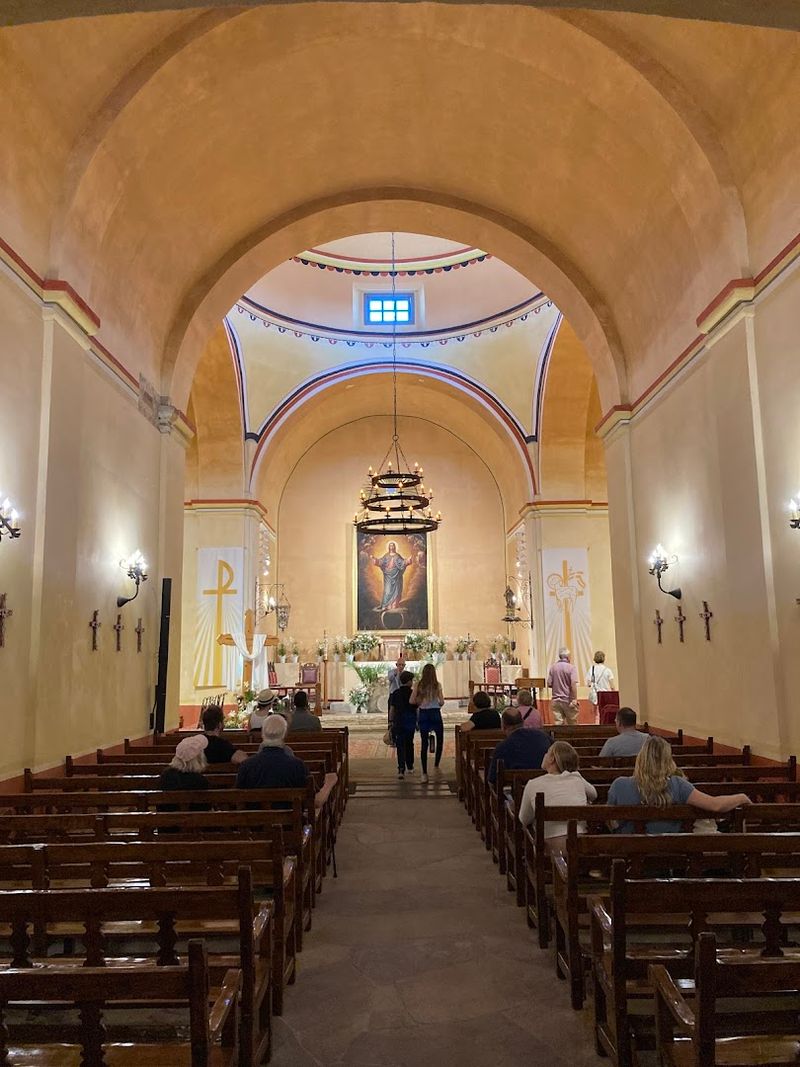
One of the most quietly moving facts about Mission Concepción is that it is not just a museum piece. It is a living, functioning Catholic parish that has maintained an unbroken tradition of worship since the mission era.
Sunday Mass is held on the premises, and the congregation that gathers there is part of a spiritual lineage stretching back nearly three centuries.
That continuity is genuinely rare. Many historic churches around the world have been converted into museums or cultural centers, which is valuable in its own way.
But there is something profoundly different about a place that still serves its original purpose. The prayers being said inside those stone walls today echo the prayers that were said there in the 1750s.
If you happen to visit on a Sunday morning, the experience of hearing the Mass inside that ancient church is something that tends to stay with people regardless of their personal beliefs.
The acoustics of the domed ceiling, the filtered light, and the visible age of every surface around you create a sensory atmosphere unlike anything you will find in a modern building.
It is a reminder that some places carry meaning that accumulates over time rather than fading with it.
Why Mission Concepción Deserves a Spot on Every Texas Itinerary
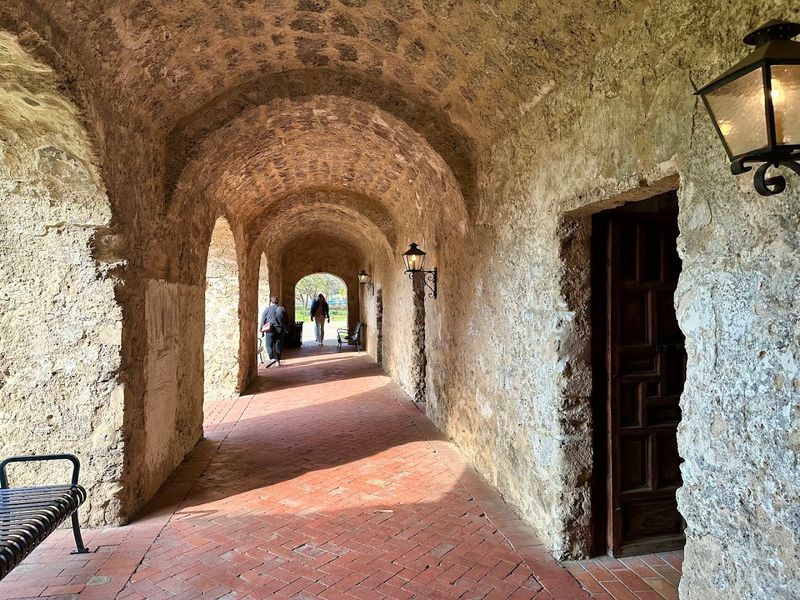
Texas has no shortage of impressive historical sites, but Mission Concepción occupies a category almost entirely its own. The combination of age, architectural integrity, surviving original artwork, and active community use makes it genuinely unlike anything else in the state.
It earns its place on any serious Texas travel list without needing any promotional spin.
The mission is also incredibly accessible. It sits just a few miles south of downtown San Antonio, making it an easy addition to any trip that already includes the River Walk, the Alamo, or the Pearl District.
You could realistically spend a focused two to three hours here and come away feeling like you genuinely understood something about this city that most visitors never get to.
What I keep coming back to, thinking about my visit, is how the place manages to feel both monumental and intimate at the same time. The scale is human-sized, not overwhelming, but the history contained within those walls is enormous.
You do not need to be a history buff or an architecture enthusiast to feel the weight of it. You just need to show up, slow down, and pay attention.
Mission Concepción will do the rest.
Address: 807 Mission Rd, San Antonio, TX 78210.
Dear Reader: This page may contain affiliate links which may earn a commission if you click through and make a purchase. Our independent journalism is not influenced by any advertiser or commercial initiative unless it is clearly marked as sponsored content. As travel products change, please be sure to reconfirm all details and stay up to date with current events to ensure a safe and successful trip.
