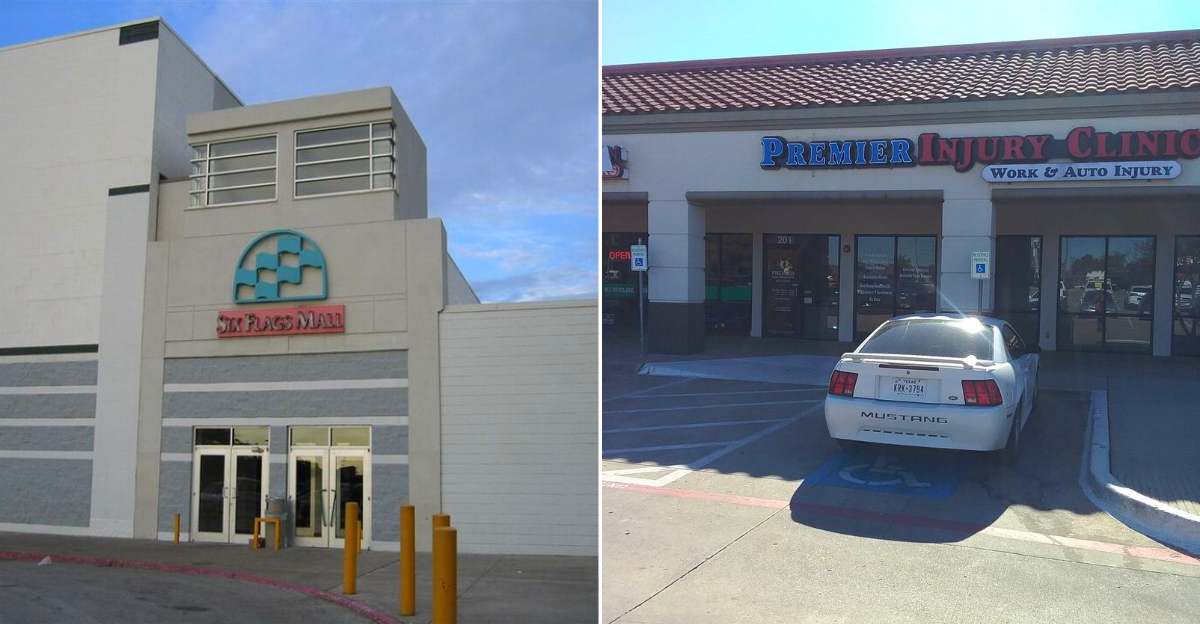
Let me pitch you a small, nostalgic detour next time we roll through Arlington, Texas.
There is a place that once buzzed with chatter and footsteps, and now it sits in that quiet space between memory and reuse.
I am talking about Six Flags Mall on East Road to Six Flags Street, a roadside dream that chased highway traffic and then lost the race.
If you like stories that still linger in the air, you will want to walk this one with me.
A Mall Built For The Highway Era
So here is the setup in plain words.
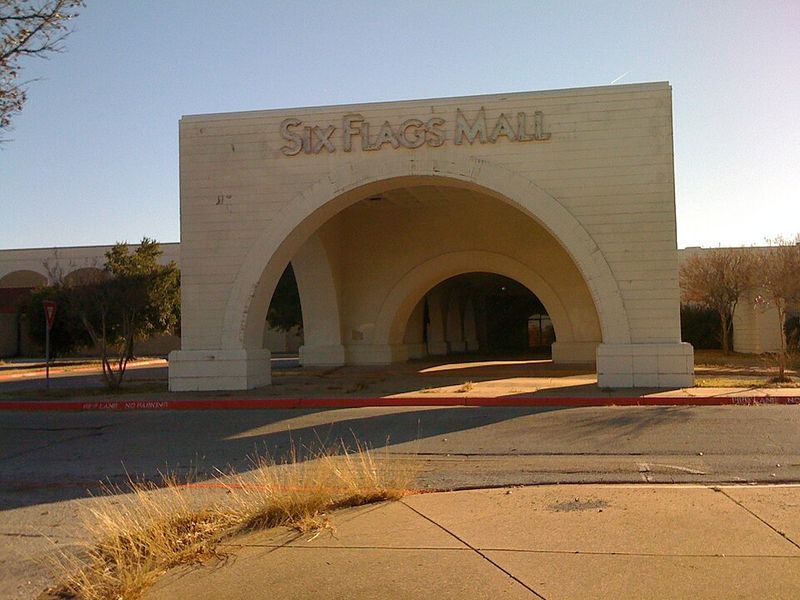
Six Flags Mall sat at 2911 E Road to Six Flags St, Arlington, Texas, lined up with the highway like it was made to be seen from the fast lane.
You could practically hear blinker clicks from cars peeling off the exit.
The whole place was designed to catch momentum.
Big anchors faced wide parking fields, and the entrances felt like gates to a busy day.
You did not plan your life around it because it was just there whenever the urge hit, which was the point.
Texas was growing outward, and roadside retail felt like the future.
The mall leaned into that promise with corridors shaped for crowds and skylights ready to pour in weekend sun.
It looked confident in the kind of way only a place near a theme park and major road can manage.
What grabs me now is how ordinary it seemed back then.
Regular people doing regular errands, with the whole thing humming along like background music.
That is how you miss the moment when the song starts to fade.
If we swing by today, you can still read the logic in the layout.
The frontage still whispers about traffic and timing and optimism.
It is a reminder that convenience can be a tide, and tides move.
When Roadside Shopping Ruled
Remember when a mall off the highway felt like a plan, not a backup plan?
That was the vibe here along E Road to Six Flags St in Arlington.
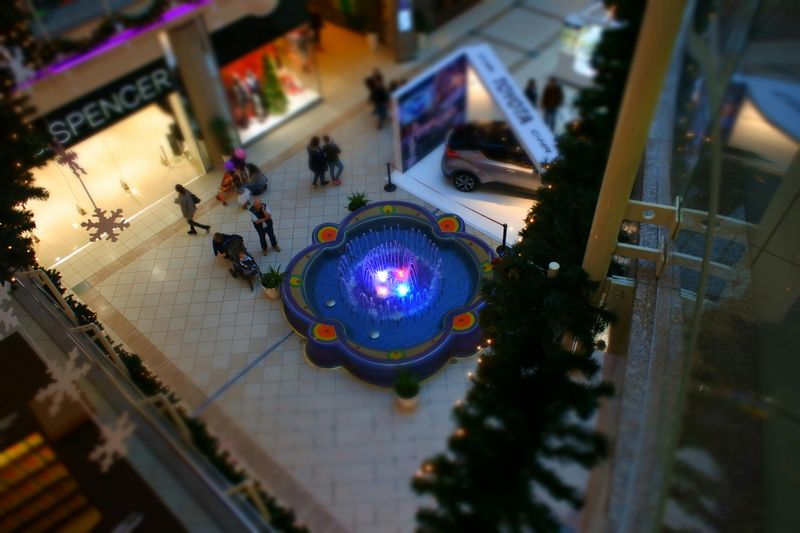
You exit, you park, you drift into cool air and fluorescent calm.
Corridors stretched in easy lines.
Benches broke up the rhythm just enough for people watching.
The anchors called from opposite ends, like magnets pulling you down the tile.
Back then, roadside shopping meant velocity.
You rode the current of cars, then slowed down inside with a windowed ceiling and a map that actually made sense.
It felt efficient without feeling rushed.
Six Flags Mall thrived on that sweet spot between destination and convenience.
The theme park traffic did its part, tossing visitors into the mix.
Locals folded in around them, steady as routine.
Walking there now, the rulebook seems visible.
Build near the road, grab attention, make the inside feel calmer than the drive.
For a long stretch, that formula worked.
The Stores That Once Drew Crowds
Here is what sticks in my head when I think of Six Flags St in Arlington.
Big storefronts with bright lights, then smaller shops feeding off the glow.
The anchors set the pace while the in-between spaces carried the chatter.
You wandered from a wide entrance to a quiet corner in just a few turns.
Shoe stores mirrored each other across the hall like a dare.
There was always a kiosk waiting to sell you something you did not know you wanted.
These places had personalities.
Some loud, some kind, some just steady.
That mix held the crowds together like gravity.
What they sold mattered less than how it felt to browse without a clock.
You tried things, and compared.
You did slow laps with no urgency.
If we had walked it together back then, I would have said the same thing.
This place knows how to keep you moving.
It is funny how movement can hide the first signs of a stall.
How Retail Slowly Shifted Away
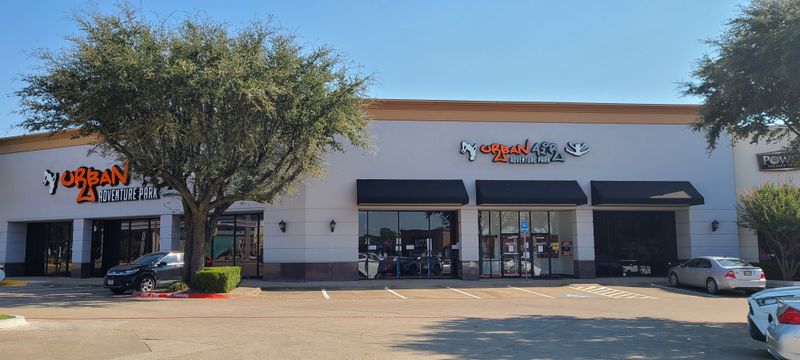
You know that feeling when a playlist starts skipping.
That is how the change arrived here.
Not abrupt, just a slow drift.
Retail followed new neighborhoods.
Shopping centers grew closer to fresh rooftops and newer roads.
Big boxes pushed out toward wider parking fields and simpler in and out.
Inside the mall, you could sense the thinning.
A gate down here, a dark window there, and still the music playing overhead like nothing was wrong.
Staff kept the floors shining, because habits do not quit easily.
Meanwhile, the internet crept into the errands.
The drive started to feel optional instead of routine.
People skipped the highway and skipped the hallways too.
By the time you saw it clearly, it was already the new normal.
Momentum flipped without a real headline. That is how drift works.
The Quiet Day The Doors Closed
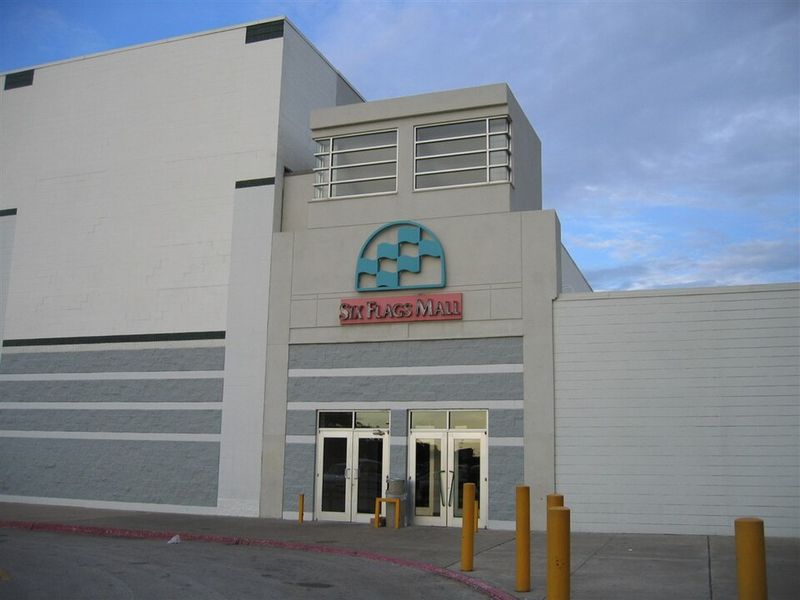
Closures do not feel dramatic when you are standing in the parking lot.
They feel like a breath that does not come back.
At the entrance on E Road to Six Flags St, even the air felt still.
There were signs on the doors and that hollow sound when you pull a handle that does not give.
The glass reflected a wide sky and a few cars just passing through.
Nothing shouted about a last day.
What do you do with a memory that no longer has an open door.
You take a photo.
You say you will remember the floor pattern and somehow you do.
It is not sad in a heavy way.
It is more like the end of a long phone call with a friend who moved away.
You hang up and keep their voice for later.
Driving off, the building looked exactly the same.
The difference was invisible and total.
That is how closure feels in real time.
What Still Remains On The Site
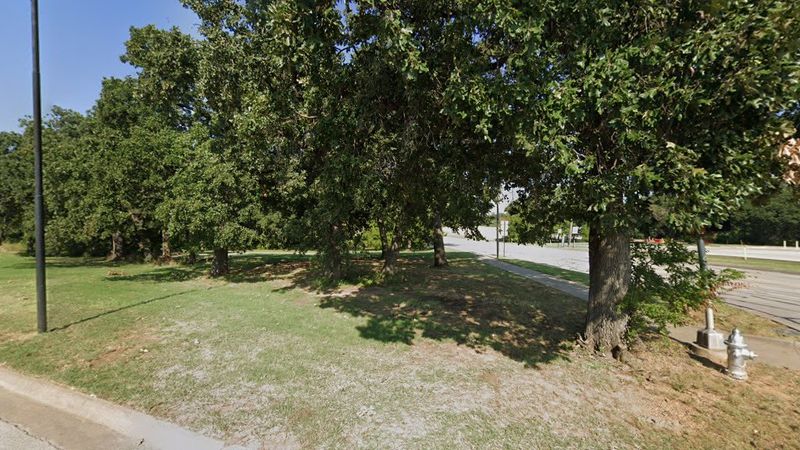
If we swing by now, you will see pieces of a story still standing.
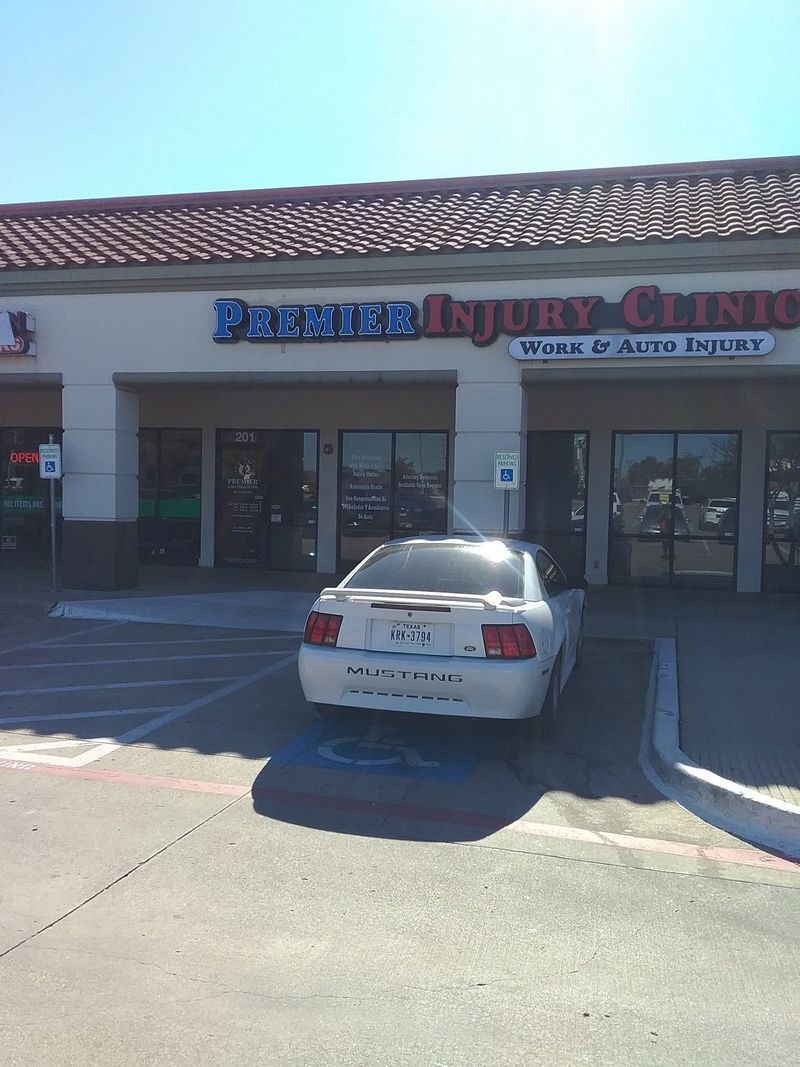
The address is 2911 E Road to Six Flags St, and parts of the old footprint serve a new purpose.
Some sections have been reused, reshaped, or folded into civic life.
The bones are familiar even with changes.
Long lines, and big lots.
A horizon that still looks like retail, even when it is not.
There is a calm that was never here before.
No hurry. No lists in your head while you search for a door.
Honestly, I like visiting places that own their next chapter without pretending nothing changed.
This site does that well.
It stands in daylight and lets the past be part of the present without competing.
If you walk the edges and squint a little, you can map the halls in your head.
You can line up old photos with corners that still match.
That is enough to feel connected without getting stuck.
Why Location Wasn’t Enough
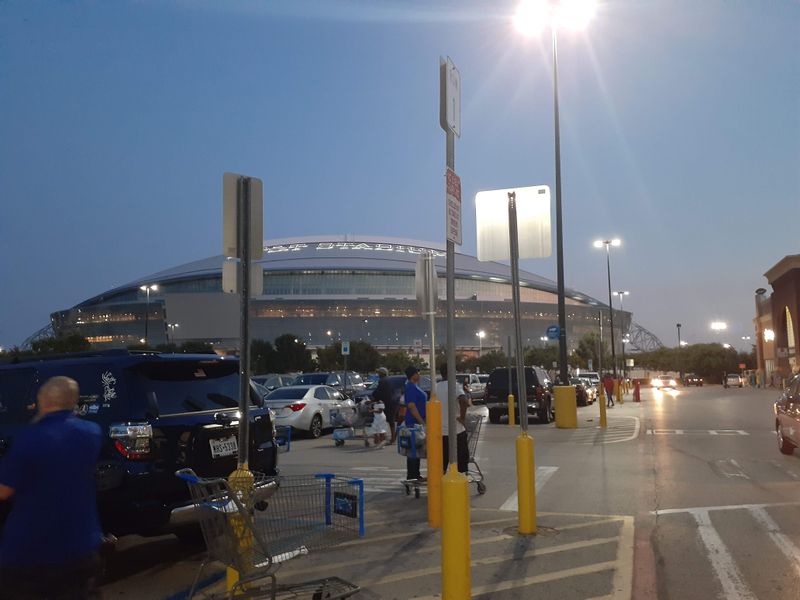
On paper, this spot looked unstoppable.
Highway visibility, and nearby attractions.
But location is just the stage.
The script changed.
Retail began favoring simpler stops and online clicks, and the big indoor loop lost its pull.
Staying relevant means adapting fast.
A huge building cannot pivot the way a small center can.
It is like turning a ship when the channel keeps shifting.
Texas growth rolled north and south and everywhere else.
New corridors lit up.
The old one held its shape while the energy slid around it.
So yes, the map looked right. The timing did not.
That is the whole story in three clean lines.
Why This Mall Marks A Turning Point
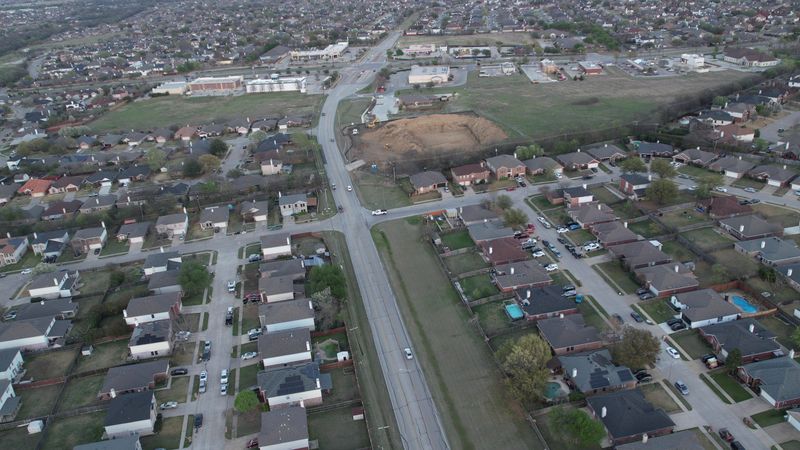
Here is the part I keep circling back to.
Six Flags Mall at 2911 E Road to Six Flags St in Arlington is not just a closed building.
It is a signpost on how shopping changed across the state and beyond.
Roadside confidence used to be enough.
Build big, stay visible, count the cars.
Then everything shifted to convenience without corridors.
What makes this a turning point is how clearly you can read the change.
Stand outside and you can feel the before and after.
Both truths sit in the same light.
Texas keeps inventing new retail shapes, and that is fine.
Malls like this took the first steps so newer models could learn.
The lesson is not dramatic.
It is simple. Follow people, not roads.
That is the whole guidebook right there, and it fits in a pocket.
Dear Reader: This page may contain affiliate links which may earn a commission if you click through and make a purchase. Our independent journalism is not influenced by any advertiser or commercial initiative unless it is clearly marked as sponsored content. As travel products change, please be sure to reconfirm all details and stay up to date with current events to ensure a safe and successful trip.
