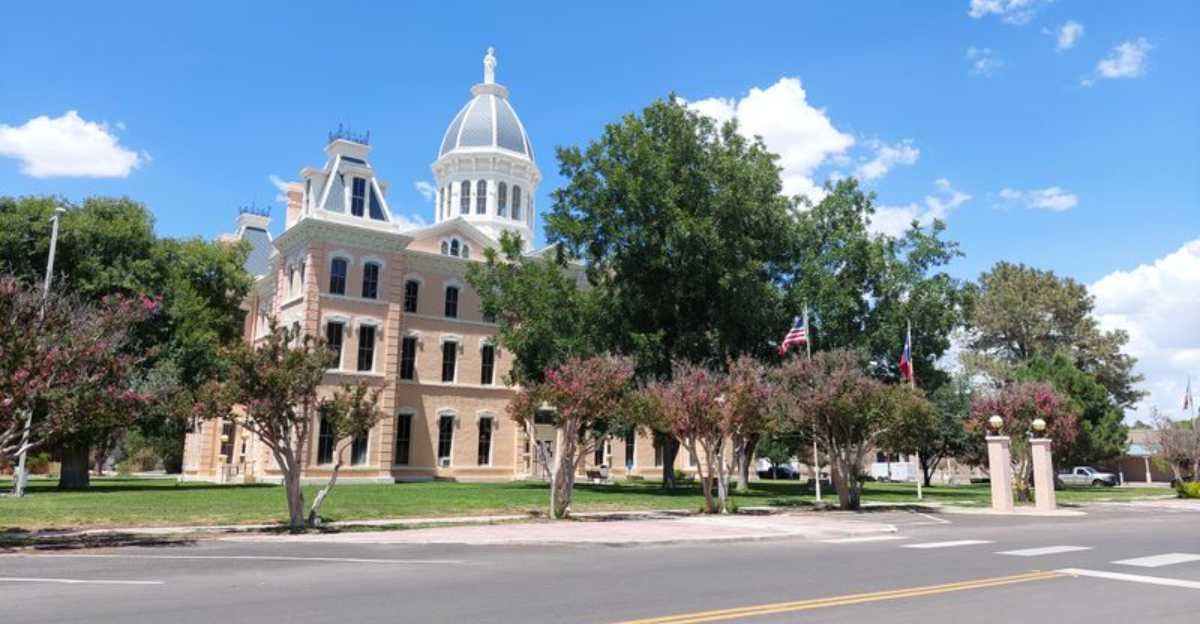
Marfa, Texas sits in the middle of the Chihuahuan Desert, about 200 miles southeast of El Paso, and for decades many people drove right past it without a second glance.
This tiny town of fewer than 2,000 residents seemed like just another dusty stop on the long stretch of highway through West Texas.
But something magical happened when artists, writers, and curious travelers started discovering what locals had known all along: Marfa holds a special kind of beauty that reveals itself slowly, like a secret whispered only to those patient enough to listen.
Today, this once-overlooked desert community has become one of the most fascinating destinations in the American Southwest, drawing visitors from around the world who come seeking art, mystery, stunning landscapes, and an atmosphere unlike anywhere else on Earth.
The Chinati Foundation’s Mind-Bending Art Installations
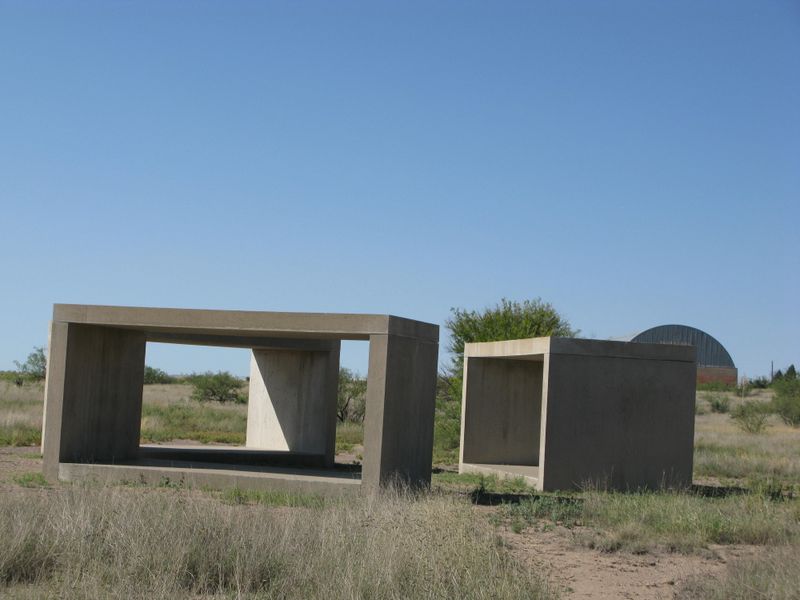
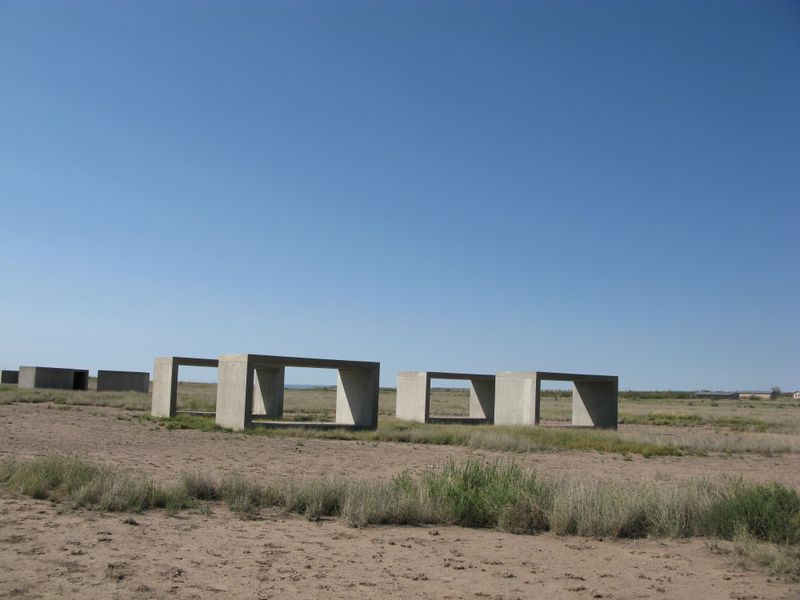
Artist Donald Judd fell in love with Marfa in the 1970s and transformed an abandoned military base into one of the world’s most remarkable contemporary art museums.
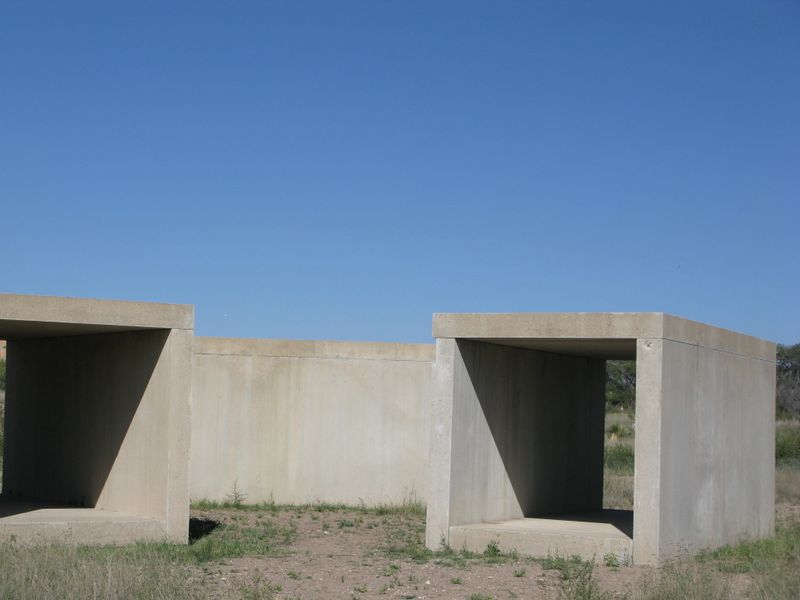
The Chinati Foundation sprawls across 340 acres of desert land, where enormous concrete boxes, aluminum sculptures, and artillery sheds filled with reflective works create an experience that challenges everything you thought you knew about art galleries.
Walking through these installations feels less like visiting a museum and more like exploring another dimension where art and landscape merge into something completely new.
The permanent collection includes 100 aluminum works that shimmer in the Texas sunlight, casting shadows that change throughout the day as the sun moves across the sky.
Fifteen concrete structures stretch across the property, each one carefully positioned to frame views of the surrounding mountains and desert.
Inside the converted artillery sheds, you’ll find 100 milled aluminum pieces that reflect light in ways that seem almost magical, creating an atmosphere of quiet contemplation.
Visiting requires booking a guided tour in advance, but the experience is worth every bit of planning.
Tours last several hours because there’s simply so much ground to cover, and guides share fascinating stories about Judd’s vision and the painstaking process of creating these massive works.
The foundation represents everything that makes Marfa special: ambitious creativity, respect for the natural environment, and a willingness to do things differently than anywhere else.
Standing among these installations with nothing but desert stretching to distant mountains, you’ll understand why artists and travelers find this place so captivating.
The Mysterious Marfa Lights Viewing Area
About nine miles east of town on Highway 90, a special viewing platform offers front-row seats to one of America’s strangest natural phenomena.
The Marfa Lights have puzzled observers for more than a century, appearing as glowing orbs that dance, split, merge, and disappear across the desert horizon.
Scientists have proposed theories ranging from atmospheric reflections to mineral deposits, but no explanation has fully solved the mystery of these ghostly lights.
Native Americans knew about these lights long before settlers arrived, and stories about them have been passed down through generations of local families.
Some nights the lights appear bright and active, moving in ways that seem almost playful or deliberate.
Other nights they stay hidden, leaving visitors staring hopefully into the darkness.
The viewing area is free and open 24 hours a day, with informational plaques explaining the history and various theories about what causes the phenomenon.
Benches and a covered pavilion make it comfortable to wait and watch, especially during the cooler evening hours when the lights most commonly appear.
Bringing binoculars can help you see the lights more clearly when they do show up.
Whether you witness the lights or not, the viewing area offers spectacular sunset views and a chance to experience the vast openness of the West Texas desert.
The silence out there feels almost physical, broken only by occasional passing vehicles and the wind moving through desert grasses.
This mysterious attraction perfectly captures Marfa’s ability to blend natural wonder with unexplained magic.
Prada Marfa: The Desert’s Most Fashionable Mirage
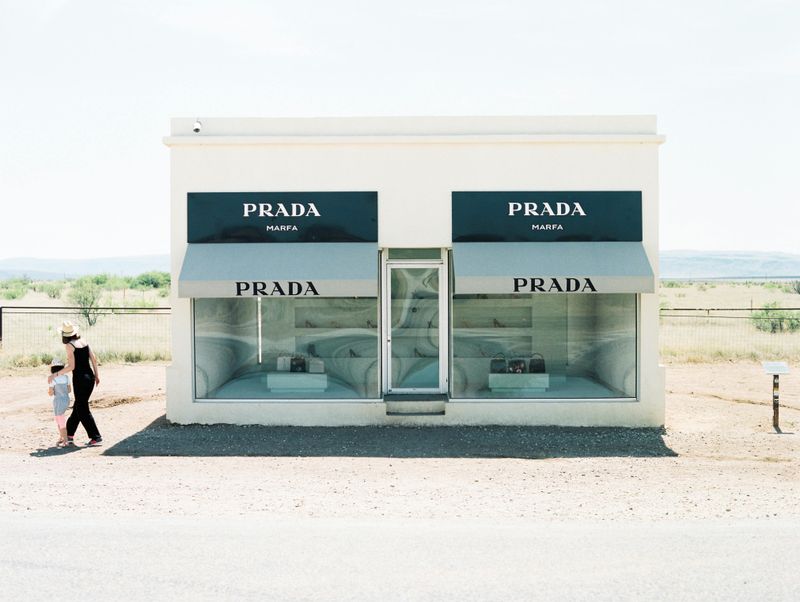
Twenty-six miles northwest of Marfa on Highway 90, a perfectly designed luxury boutique stands completely alone in the middle of nowhere.
Prada Marfa looks exactly like a high-end fashion store, complete with display windows showcasing designer handbags and shoes, except it never opens and you can’t buy anything.
Artists Elmgreen and Dragset created this permanent sculpture in 2005 as a commentary on consumerism and the collision between commercial culture and remote landscapes.
The building’s isolation makes it even more striking, surrounded by nothing but desert, distant mountains, and endless sky.
Photographers love this spot because the contrast between luxury fashion and harsh desert environment creates images that feel surreal and thought-provoking.
The installation has become so famous that it needs constant protection from vandals who try to break in or damage the structure.
Local volunteers and art organizations work together to maintain and repair it whenever necessary, treating it as an important cultural landmark.
Visiting Prada Marfa requires a short drive from town, but the journey itself becomes part of the experience as you travel through increasingly remote landscape.
There’s no official parking area, just a wide shoulder where visitors pull over to take photos and admire the unexpected sight.
The best time to visit is early morning or late afternoon when the light creates dramatic shadows and the temperature is more comfortable.
This quirky installation represents Marfa’s reputation as a place where art appears in unexpected locations and challenges conventional ideas about where creativity belongs.
The Historic Hotel Paisano and Its Hollywood Connection
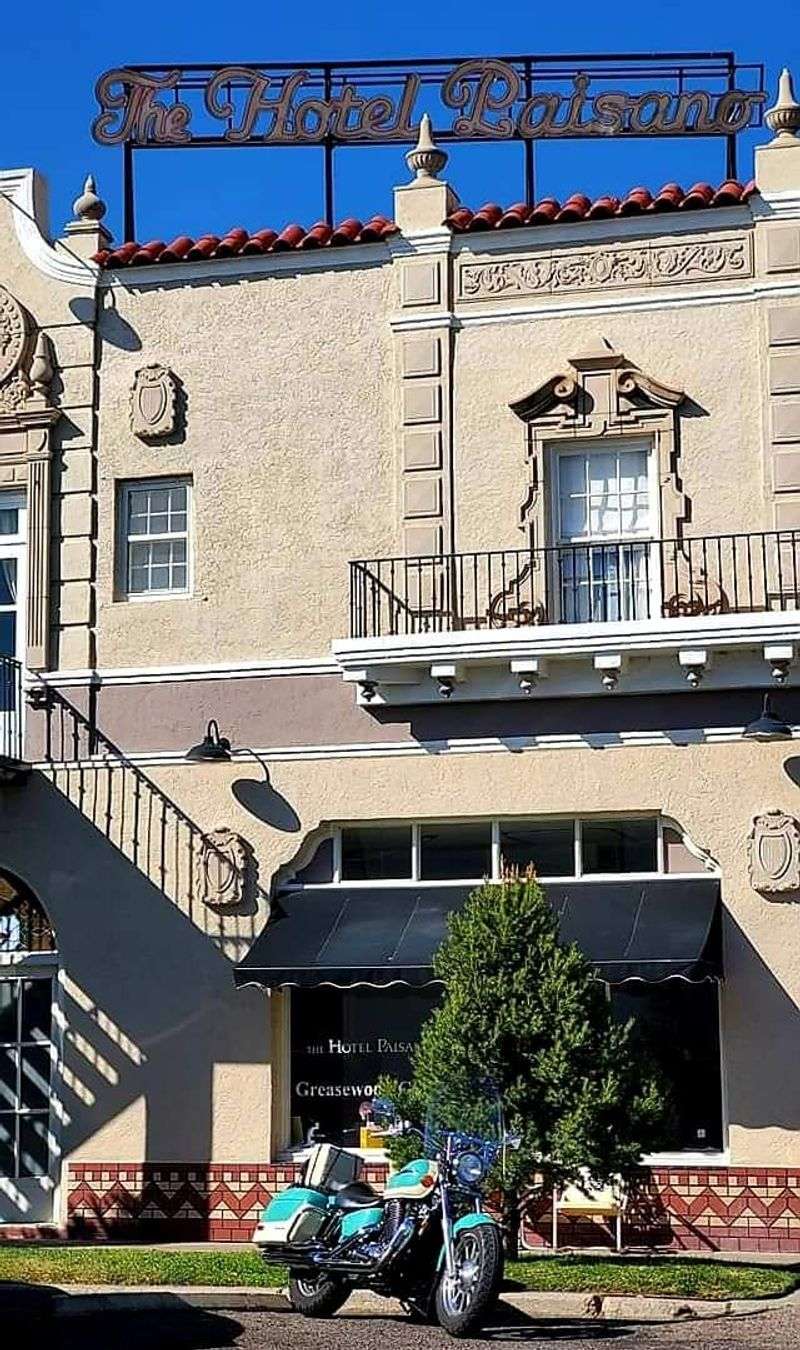
Built in 1930, Hotel Paisano stands as Marfa’s most elegant landmark, with Spanish Colonial Revival architecture that transports visitors to another era.
The hotel gained fame in 1955 when it served as headquarters for cast and crew filming the classic movie Giant, starring James Dean, Elizabeth Taylor, and Rock Hudson.
Walking through the lobby today, you can still see photographs and memorabilia from that legendary production, including images of the stars relaxing between takes.
The hotel maintains much of its original character, with courtyards, fountains, and period details that honor its nearly century-old history.
Staying here means sleeping in the same building where Hollywood royalty once gathered, sharing stories and cocktails after long days filming in the desert heat.
The on-site restaurant, Jett’s Grill, takes its name from James Dean’s character and serves excellent food in a dining room decorated with movie posters and vintage photographs.
Even if you’re not staying overnight, stopping by for a meal or drink lets you soak up the atmosphere and imagine what Marfa was like during its brief moment as a Hollywood filming location.
The hotel’s location at 207 North Highland Avenue puts you right in the heart of downtown, within easy walking distance of galleries, shops, and restaurants.
Rooms blend historic charm with modern comfort, offering a perfect base for exploring the surrounding area.
Hotel Paisano represents an important piece of Marfa’s transformation from isolated ranch town to cultural destination.
Its survival and continued operation show how this community values its heritage while embracing its new identity as an arts hub.
The Ballroom Marfa’s Cutting-Edge Cultural Programming
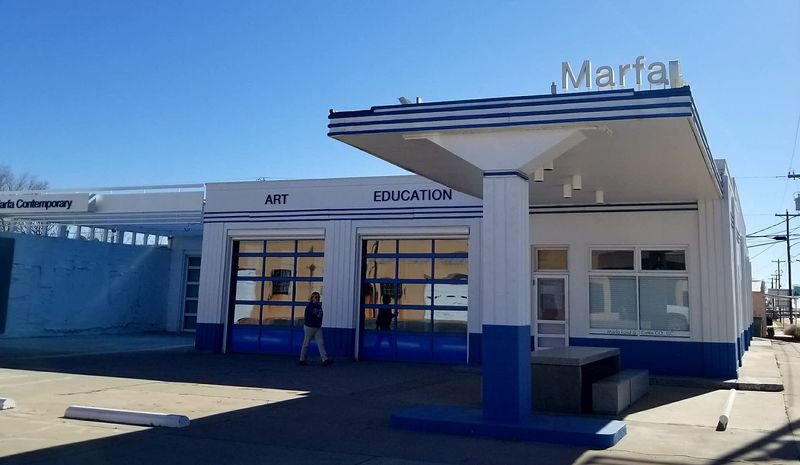
Despite its name, The Ballroom Marfa has nothing to do with dancing and everything to do with pushing boundaries in contemporary art, music, and performance.
This nonprofit cultural space opened in 2003 and quickly established itself as one of the most adventurous arts organizations in Texas, hosting exhibitions, concerts, film screenings, and the annual Marfa Myths festival.
The programming reflects a fearless approach to creativity, bringing together visual artists, musicians, writers, and performers from around the world.
Past events have included everything from experimental sound installations to thought-provoking exhibitions exploring social and political themes.
Marfa Myths, held each spring, transforms the town into a multi-day celebration of music and culture, with performances ranging from indie rock to avant-garde electronic music.
The festival attracts visitors from across the country who come to experience cutting-edge performances in this unlikely desert setting.
Throughout the year, The Ballroom presents exhibitions that change regularly, always offering something new and often challenging viewers to think differently about art and culture.
The organization also commissions outdoor projects and site-specific works that engage with Marfa’s unique landscape and community.
Admission to exhibitions is free, making this world-class programming accessible to everyone regardless of budget.
The Ballroom Marfa occupies a simple building that belies the ambitious work happening inside its walls.
Checking their schedule before visiting ensures you don’t miss special events or exhibitions during your stay.
This venue embodies Marfa’s commitment to supporting serious artistic practice while remaining welcoming and unpretentious.
Food Shark: Mediterranean Magic in the Desert
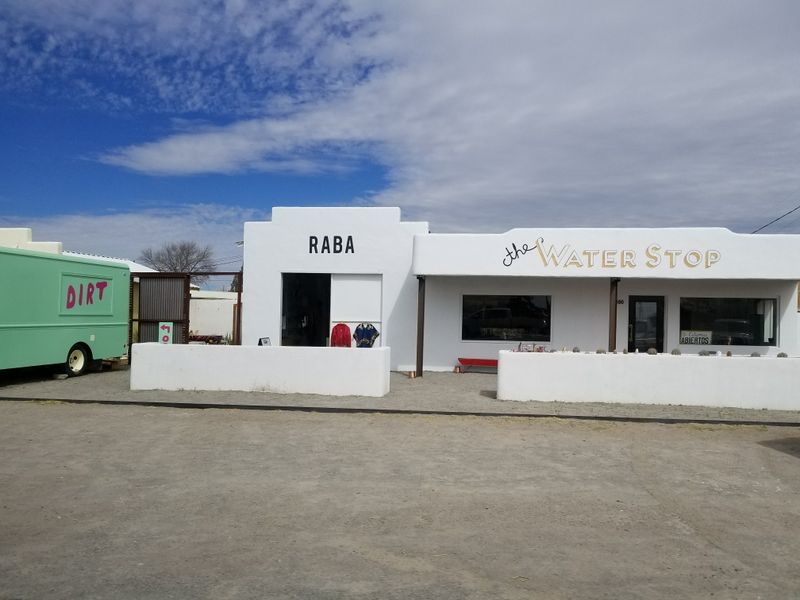
Tucked behind a building on West San Antonio Street, a humble food trailer serves some of the most delicious and unexpected meals you’ll find anywhere in West Texas.
Food Shark specializes in Mediterranean-inspired cuisine, offering wraps, salads, and daily specials that somehow taste even better when eaten at picnic tables under the desert sun.
Chef and owner Amanda has created something truly special here, combining fresh ingredients, bold flavors, and genuine hospitality in a completely casual setting.
The menu changes based on what’s available and what inspires the kitchen that day, but favorites include the marfalafal wrap and various creative salads bursting with flavor.
Lines can get long during peak lunch hours, but the wait is always worth it, and standing in line gives you a chance to chat with other visitors and locals.
The outdoor seating area has a relaxed, communal vibe where strangers often end up sharing tables and swapping travel stories.
Finding Food Shark requires a bit of local knowledge since it’s not on the main street, but that sense of discovery adds to the experience.
Hours can be irregular, so checking their social media before heading over helps avoid disappointment.
The trailer’s colorful paint job and hand-painted signs reflect the playful creativity that defines so much of Marfa’s culture.
Eating here isn’t just about the food, though the food is genuinely excellent.
It’s about experiencing the kind of authentic, unpretentious local spot that makes a place feel real rather than manufactured for tourists.
Food Shark proves that world-class dining doesn’t require white tablecloths or fancy buildings, just passion, skill, and good ingredients.
The Davis Mountains Scenic Loop Drive
Just north of Marfa, the Davis Mountains rise dramatically from the desert floor, offering some of the most spectacular driving in the entire state.
The scenic loop takes you through changing landscapes where desert grasslands give way to pine forests and rocky peaks that seem impossible in this part of Texas.
Highway 166 and Highway 118 form a roughly circular route that can be driven in a few hours, though you’ll want to stop frequently to take in views and explore.
The mountains create their own microclimate, slightly cooler and wetter than the surrounding desert, supporting vegetation you wouldn’t expect to find in West Texas.
Wildlife including deer, javelinas, and numerous bird species make their homes in these mountains, and patient observers often spot animals along the roadside.
Several pullouts and overlooks provide perfect spots for photography, picnicking, or simply sitting quietly and absorbing the landscape’s beauty.
The drive takes you through Fort Davis, a charming small town with its own attractions including a well-preserved historic fort and the McDonald Observatory.
Visiting the observatory adds another dimension to your trip, with daytime solar viewing and nighttime star parties that reveal the incredible dark skies of this region.
The mountains appear different depending on time of day and season, with morning light creating soft pastels and afternoon sun bringing out dramatic contrasts.
Fall brings golden grasses and comfortable temperatures, while spring wildflowers add splashes of color to the landscape.
This drive reminds visitors that Marfa’s appeal extends far beyond its art galleries and quirky installations.
The natural beauty surrounding the town is equally compelling and offers a perfect counterpoint to the human-made attractions.
Marfa’s Minimalist Architecture and Design Aesthetic
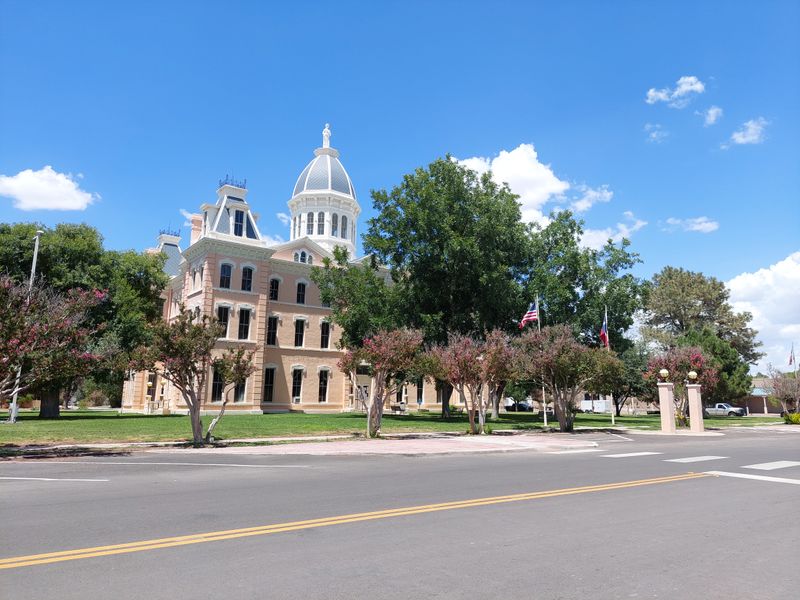
Walking through Marfa’s streets reveals an uncommonly cohesive design sensibility that sets this town apart from typical small Texas communities.
The architectural aesthetic leans heavily toward minimalism, with clean lines, simple materials, and a restrained color palette that complements rather than competes with the surrounding landscape.
Donald Judd’s influence extends beyond the Chinati Foundation to the town itself, as he renovated numerous buildings and encouraged an approach to design that emphasized simplicity and honesty.
Many businesses and residences embrace this aesthetic, creating a visual harmony that feels deliberate yet organic.
Adobe-style buildings painted in earth tones sit alongside modernist structures with large windows that frame views of mountains and sky.
Even new construction tends to respect this understated approach, avoiding the visual clutter that characterizes many American towns.
The result is a place where architecture enhances rather than distracts from the natural beauty of the setting.
Small details matter here, from carefully chosen door colors to the way buildings relate to the street and to each other.
This attention to design creates an environment that feels intentional and thoughtful, making even a simple walk around town into an aesthetic experience.
Photographers and design enthusiasts find endless inspiration in the play of light and shadow on simple building facades.
The minimalist approach also reflects practical wisdom about building in a harsh desert climate, where simple forms and durable materials make the most sense.
Marfa’s architectural character proves that small towns don’t have to accept generic development patterns, and that thoughtful design improves quality of life for residents and visitors alike.
Stargazing Under Some of America’s Darkest Skies
Marfa’s remote location and sparse population create conditions perfect for one of the most awe-inspiring activities available to modern travelers: seeing the night sky as our ancestors saw it.
Light pollution from cities has robbed most Americans of the chance to witness truly dark skies, but out here the Milky Way stretches overhead in a brilliant band of light.
On clear nights, thousands of stars become visible, along with planets, satellites, and occasional meteor showers that streak across the darkness.
The experience of lying on the ground and watching the sky can be genuinely transformative, reconnecting you with the vastness of the universe in a way that’s impossible in light-polluted areas.
Many visitors report that stargazing in Marfa changes their perspective, making everyday concerns feel smaller and less urgent.
The best viewing happens on moonless nights away from town lights, though even in downtown Marfa the stars are far more visible than in cities.
Bringing a blanket or reclining chair makes extended viewing more comfortable, and a star chart or astronomy app helps identify constellations and planets.
Fall and winter offer the clearest skies, though summer nights bring warm temperatures that make it comfortable to stay outside for hours.
Some hotels and vacation rentals in the area specifically cater to stargazers, offering outdoor spaces designed for sky viewing.
The nearby McDonald Observatory offers professional-led star parties with powerful telescopes, but you don’t need any equipment to enjoy Marfa’s night skies.
Simply stepping outside and looking up reveals wonders that most people have never seen.
This free, accessible activity reminds us that some of the best travel experiences don’t cost anything except time and attention.
The Vibrant Local Gallery and Studio Scene
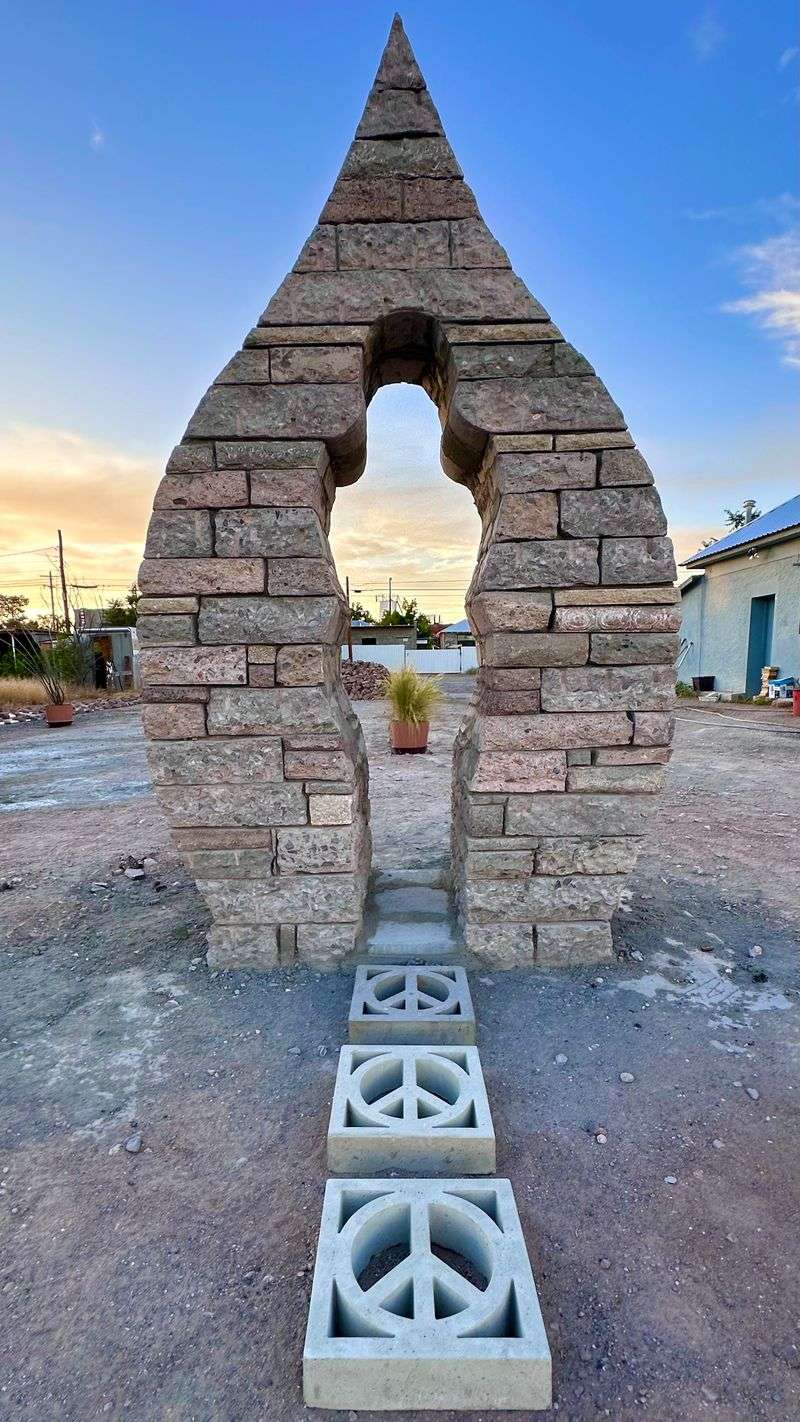
Beyond the famous Chinati Foundation, Marfa supports dozens of smaller galleries and artist studios that give the town its creative energy.
These spaces range from professionally run galleries showing established artists to experimental venues where emerging creators test new ideas.
Wandering from gallery to gallery becomes a way to experience contemporary art in an intimate, accessible setting far removed from the intimidating atmosphere of big-city art institutions.
Many galleries occupy renovated storefronts along Highland Avenue and surrounding streets, their large windows offering glimpses of the work inside.
Gallery owners and staff are typically happy to discuss the art and artists, creating opportunities for genuine conversation about creativity and ideas.
The work on display reflects diverse perspectives and media, from traditional painting and sculpture to video installations and conceptual pieces.
Some galleries focus on artists connected to Marfa and West Texas, while others bring in work from around the world.
Exhibition openings, usually held on weekend evenings, become social events where locals and visitors mingle over wine and conversation.
Attending an opening offers insight into Marfa’s tight-knit creative community and the serious engagement with art that defines the town.
Several artist studios welcome visitors by appointment, providing rare chances to see working spaces and talk directly with creators about their practice.
Gallery hours can be unpredictable, with some spaces open only on weekends or by appointment, so flexibility helps when planning your gallery tour.
This grassroots arts scene complements the major institutions and shows that Marfa’s creative culture extends throughout the community rather than being concentrated in a few famous locations.
Dear Reader: This page may contain affiliate links which may earn a commission if you click through and make a purchase. Our independent journalism is not influenced by any advertiser or commercial initiative unless it is clearly marked as sponsored content. As travel products change, please be sure to reconfirm all details and stay up to date with current events to ensure a safe and successful trip.
