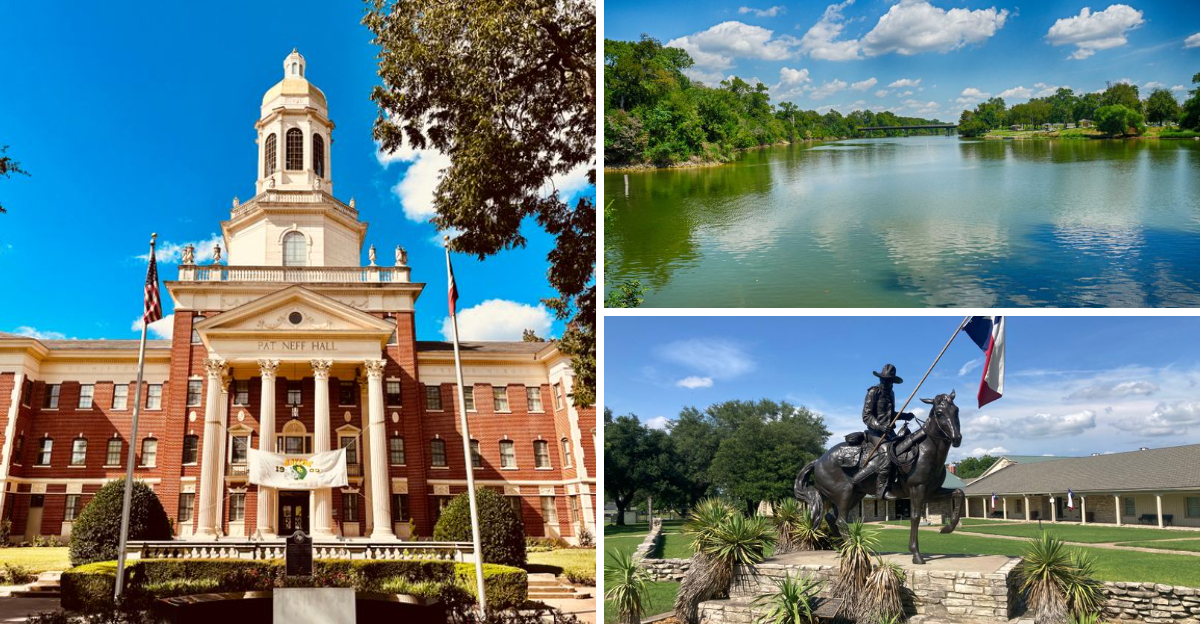
Nestled along the banks of the Brazos River in Central Texas, Waco has become one of the state’s most talked-about destinations, sparking passionate opinions from visitors and residents alike.
Some travelers fall head over heels for its small-town charm mixed with big-city attractions, while others find themselves scratching their heads wondering what all the fuss is about.
This polarizing city offers everything from prehistoric fossils to modern pop culture landmarks, creating an experience that either captures your heart or leaves you curious about the hype.
Whether you’re drawn by the promise of unique museums, beautiful green spaces, or the chance to explore a town that’s reinvented itself in recent years, Waco delivers an adventure that’s impossible to ignore.
Magnolia Market at the Silos
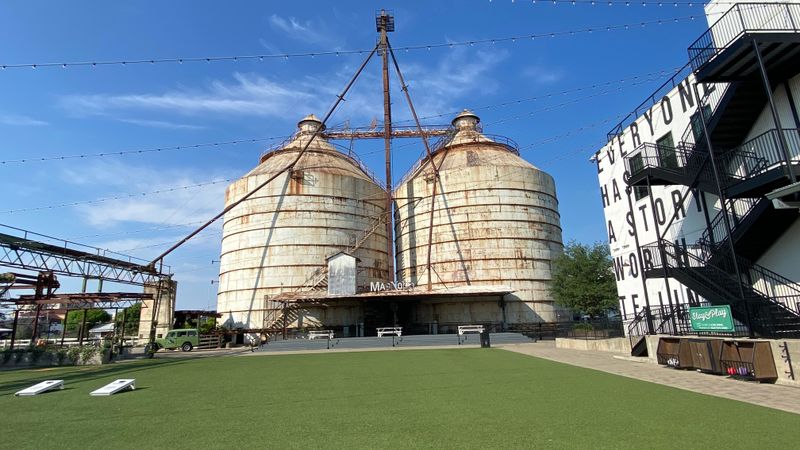
Waco’s transformation from a quiet riverside town to a bustling tourist destination owes much to this sprawling shopping complex that draws millions of visitors each year.
The property features two enormous grain silos that have been converted into a landmark destination, surrounded by gardens, food trucks, and retail spaces filled with home goods and lifestyle products.
Walking through the grounds feels like stepping into a carefully curated world where rustic charm meets modern design sensibilities.
The market sits at 601 Webster Avenue, where visitors can spend hours browsing through displays of furniture, kitchen items, and seasonal decorations.
Wide lawns provide space for families to spread out blankets and enjoy treats from the various food vendors scattered throughout the property.
Children can play in designated areas while adults explore the retail spaces or simply soak in the atmosphere.
Garden enthusiasts appreciate the thoughtfully designed landscaping that changes with the seasons, offering photo opportunities year-round.
Spring brings blooming flowers that frame the iconic silos, while fall transforms the space with pumpkins and autumn foliage.
The attention to detail extends to every corner of the property, from the vintage-inspired signage to the carefully selected plants.
Critics argue the crowds can be overwhelming, especially during peak tourist seasons when parking becomes challenging and lines stretch long.
Some visitors feel the experience is more about commercial appeal than authentic Texas culture.
Yet supporters counter that the market has breathed new life into downtown Waco, creating jobs and attracting other businesses to the area, ultimately benefiting the entire community in ways that extend far beyond the property itself.
Cameron Park and Its Stunning River Views
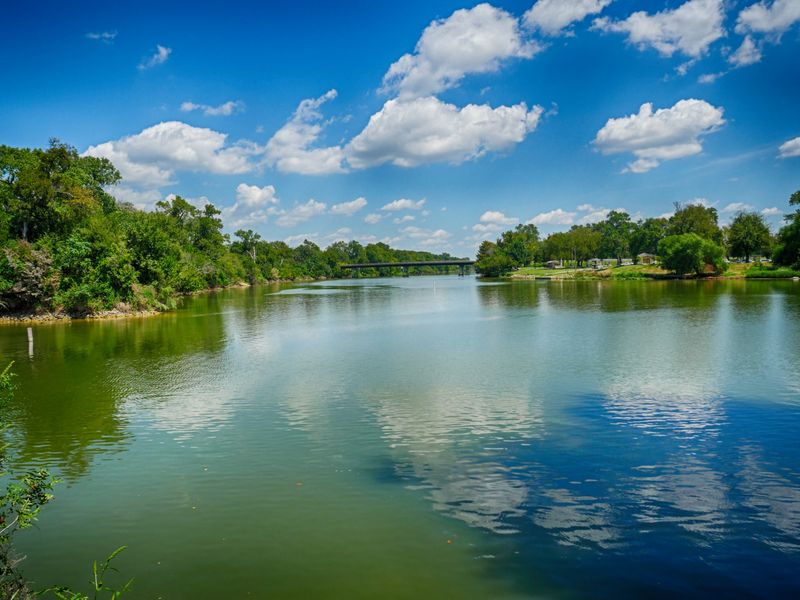
Stretching across 416 acres along the Brazos River, Cameron Park ranks among the largest municipal parks in Texas and offers an escape into nature without leaving city limits.
Massive limestone cliffs rise dramatically above the water, creating a landscape that feels more like a state park than an urban green space.
The park’s extensive trail system winds through diverse terrain, from riverside paths to steep climbs that reward hikers with panoramic views.
Mountain bikers flock to the technical trails that challenge riders with rocky descents and tight switchbacks carved into the hillsides.
The trail network has gained recognition among cycling enthusiasts across the region, drawing weekend warriors and serious athletes alike.
Beginners can stick to easier routes near the river, while experienced riders tackle the advanced sections that test both skill and endurance.
Families discover hidden picnic spots tucked beneath towering pecan trees, where the sound of rushing water provides a natural soundtrack to outdoor meals.
Some visitors complain about the lack of clear signage on certain trails, which can lead to confusion for first-time explorers.
The park’s rugged character means facilities are limited in some areas, disappointing those expecting more developed amenities.
However, nature lovers argue this untamed quality is precisely what makes Cameron Park special, preserving a slice of wild Texas landscape in the heart of an increasingly developed city.
Waco Mammoth National Monument
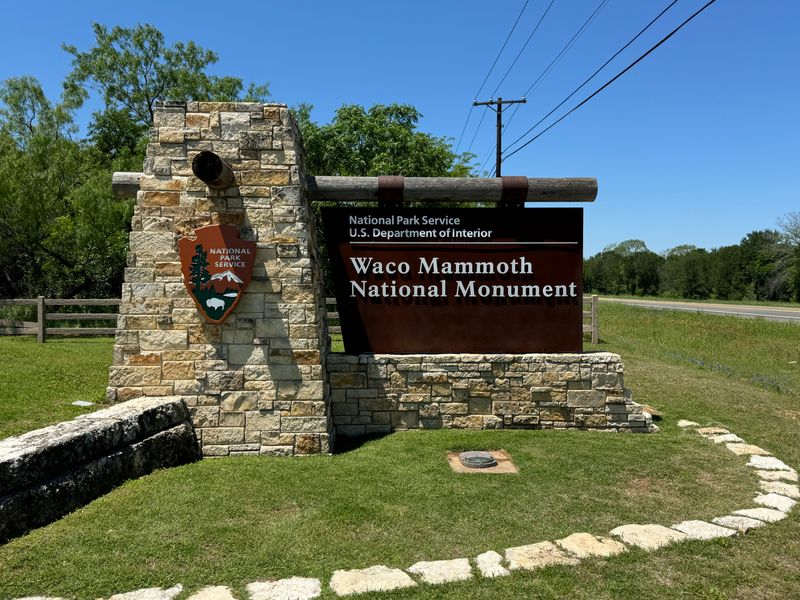
Few places let you stand beside the actual spot where Ice Age giants took their last steps, but this paleontological site preserves the bones of Columbian mammoths exactly where they were discovered.
The nursery herd, consisting of females and juveniles, perished together roughly 67,000 years ago, their remains creating a snapshot of prehistoric life in Central Texas.
A climate-controlled building now protects the dig site, allowing visitors to observe the fossils in their original positions.
Rangers lead tours through the facility, explaining how flooding likely trapped the mammoths and how their bones remained hidden until a local man searching for arrowheads stumbled upon them in 1978.
The story of the discovery adds a layer of local intrigue to the scientific significance of the find.
Interactive displays help visitors understand the size and behavior of these massive creatures that once roamed the Texas landscape.
The site, located at 6220 Steinbeck Bend Drive, represents the nation’s only recorded discovery of a nursery herd of Columbian mammoths.
Beyond the main dig shelter, walking trails wind through the property, offering glimpses of the Bosque River and the type of terrain these ancient animals once inhabited.
Skeptics sometimes express disappointment at the relatively small size of the facility, expecting a larger museum experience.
The rural location, several miles from downtown, requires dedicated travel time that not all visitors want to invest.
Still, archaeology buffs and families with curious children find the authentic dig site more compelling than any reconstruction could be, appreciating the opportunity to witness genuine scientific preservation in action.
Dr Pepper Museum and Free Enterprise Institute
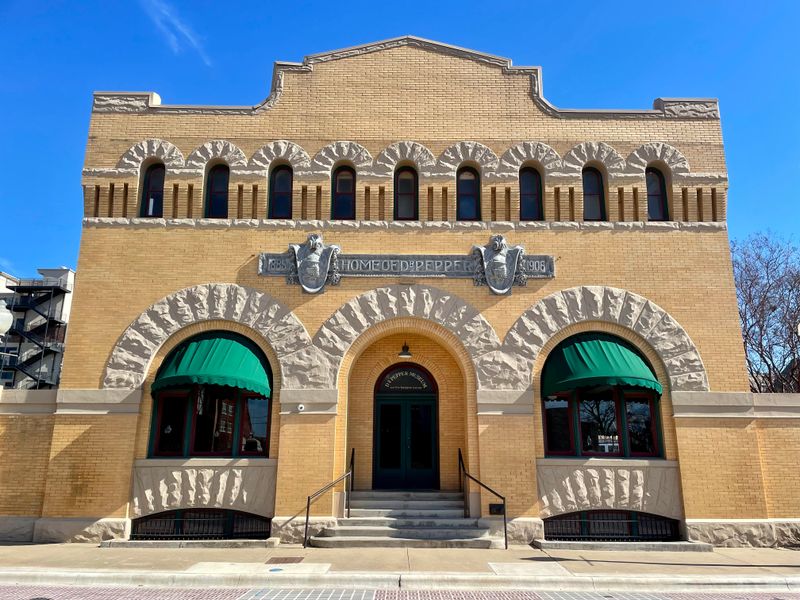
Long before craft beverages became trendy, a pharmacist in Waco created a unique fountain drink that would become one of America’s most recognizable soft drinks.
The museum occupies the original 1906 bottling plant at 300 South 5th Street, where brick walls and vintage equipment transport visitors back to the early days of the soda industry.
Three floors of exhibits trace the drink’s evolution from local curiosity to international brand.
Interactive displays let visitors explore the science behind carbonation and the art of flavor mixing that goes into creating the distinctive taste.
The old-fashioned soda fountain on the first floor serves floats and treats made with the famous beverage, allowing guests to taste history in a fun, nostalgic setting.
Memorabilia collections showcase decades of advertising campaigns, revealing how marketing strategies changed across generations.
The building itself deserves attention, with its architectural details reflecting the optimism of early 20th-century industrial design.
Original machinery stands as testament to the ingenuity of early bottlers who solved complex production challenges with mechanical innovation.
Guided tours provide deeper context about the role of free enterprise in American business development, connecting one product’s success to broader economic themes.
The focus on a single product, however beloved, doesn’t appeal to everyone seeking diverse cultural experiences.
Yet for fans of American pop culture, business history, or simply those who grew up enjoying the fizzy beverage, the museum offers a surprisingly engaging look at how a local invention achieved global recognition through determination and clever marketing.
Texas Ranger Hall of Fame and Museum
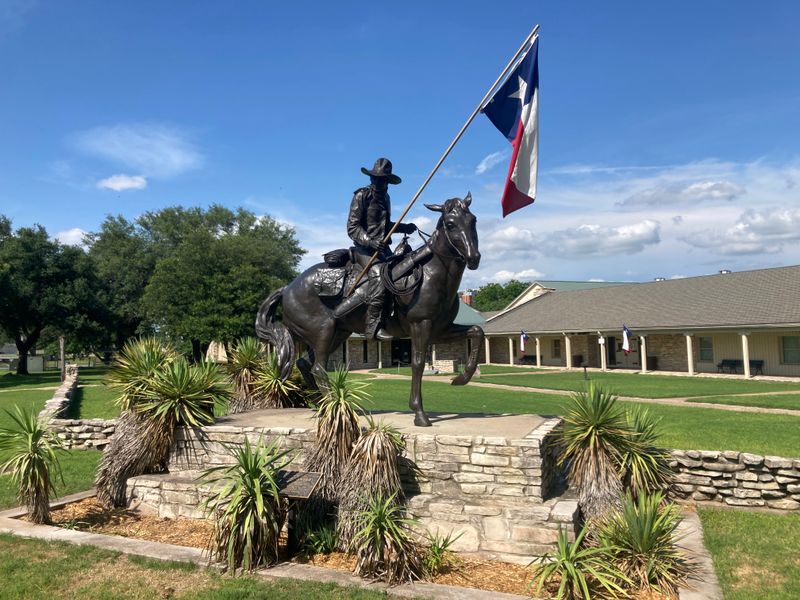
Before Hollywood turned them into legends, the Texas Rangers were real lawmen facing genuine dangers on the frontier and beyond.
This museum at 100 Texas Ranger Trail honors the storied law enforcement agency with exhibits spanning nearly two centuries of service.
Visitors encounter authentic badges, weapons, and personal items that belonged to Rangers who shaped Texas history through their courage and, sometimes, their controversial actions.
Displays chronicle famous cases and notorious outlaws, bringing to life the challenges of maintaining order across vast, often lawless territories.
Vintage photographs show Rangers from different eras, their faces reflecting the serious nature of their duties.
The museum doesn’t shy away from complex aspects of Ranger history, acknowledging both heroic moments and problematic episodes that deserve honest examination.
Interactive elements engage younger visitors while detailed text panels satisfy history enthusiasts seeking deeper information.
The Hall of Fame section pays tribute to Rangers who distinguished themselves through exceptional service, preserving their memories for future generations.
Critics note that some exhibits present a romanticized view of frontier justice that glosses over harsh realities and conflicts with indigenous peoples and Mexican communities.
The museum’s focus on law enforcement may not interest everyone, particularly international visitors unfamiliar with Texas history.
However, those fascinated by the Old West, law enforcement evolution, or Texas identity find the museum provides valuable context for understanding how the state’s self-image was shaped by these legendary lawmen and the myths surrounding them.
Brazos River and Its Recreational Opportunities

Flowing through the heart of Waco, the Brazos River serves as both a geographical landmark and a playground for outdoor enthusiasts seeking water-based adventures.
The river’s name, derived from Spanish meaning arms of God, reflects its historical importance to settlers who relied on its waters for survival.
Today, kayakers and paddleboarders navigate its currents, discovering the city from a completely different perspective than street-level exploration provides.
Several access points make launching watercraft convenient, with rental operations catering to visitors who don’t own equipment.
Fishing enthusiasts cast lines for catfish, bass, and other species that thrive in the river’s ecosystem.
Riverside parks provide spots for bank fishing, making the activity accessible even to those without boats.
The river’s role in shaping Waco’s geography becomes apparent from the water, where limestone formations and tree-lined shores create natural beauty that contrasts with the urban development visible in the distance.
Water quality concerns occasionally arise, particularly after heavy rains when runoff affects clarity and safety.
Some sections lack adequate facilities or maintained access points, frustrating would-be river users.
The river’s depth and current can be unpredictable, requiring caution and respect from anyone venturing onto the water.
Nevertheless, for those seeking outdoor recreation that connects them to the natural forces that shaped Central Texas, the Brazos offers experiences that remind us why rivers have always been central to human settlement and enjoyment.
Cameron Park Zoo and Its Global Collection

Tucked within Cameron Park’s acreage, this 52-acre zoo brings creatures from across the globe to Central Texas, creating habitats that mimic their native environments.
Lions lounge in spaces designed to evoke African savannas, while Asian elephants roam yards that provide both physical and mental stimulation.
The zoo’s commitment to naturalistic exhibits means animals have room to display normal behaviors, making visits more educational and ethically comfortable for conservation-minded guests.
The zoo’s layout follows a logical path through different climate zones and continents, helping visitors understand biodiversity and the varied adaptations animals develop.
Keeper talks scheduled throughout the day provide insights into animal care and individual personalities of resident creatures.
Seasonal events, from summer camps to special holiday programs, give repeat visitors new reasons to return beyond simply viewing animals.
Some animal welfare advocates question whether any zoo, regardless of quality, can truly meet the complex needs of wild species.
The Texas heat poses challenges for both animals and visitors during summer months, when even shaded areas offer limited relief.
Admission costs can add up for larger families, making regular visits financially difficult.
Yet supporters argue that zoos like this one play crucial roles in breeding programs for endangered species and in inspiring the next generation of conservationists through direct encounters with animals they might otherwise only see in books or screens.
Historic Downtown Waco and Its Revival
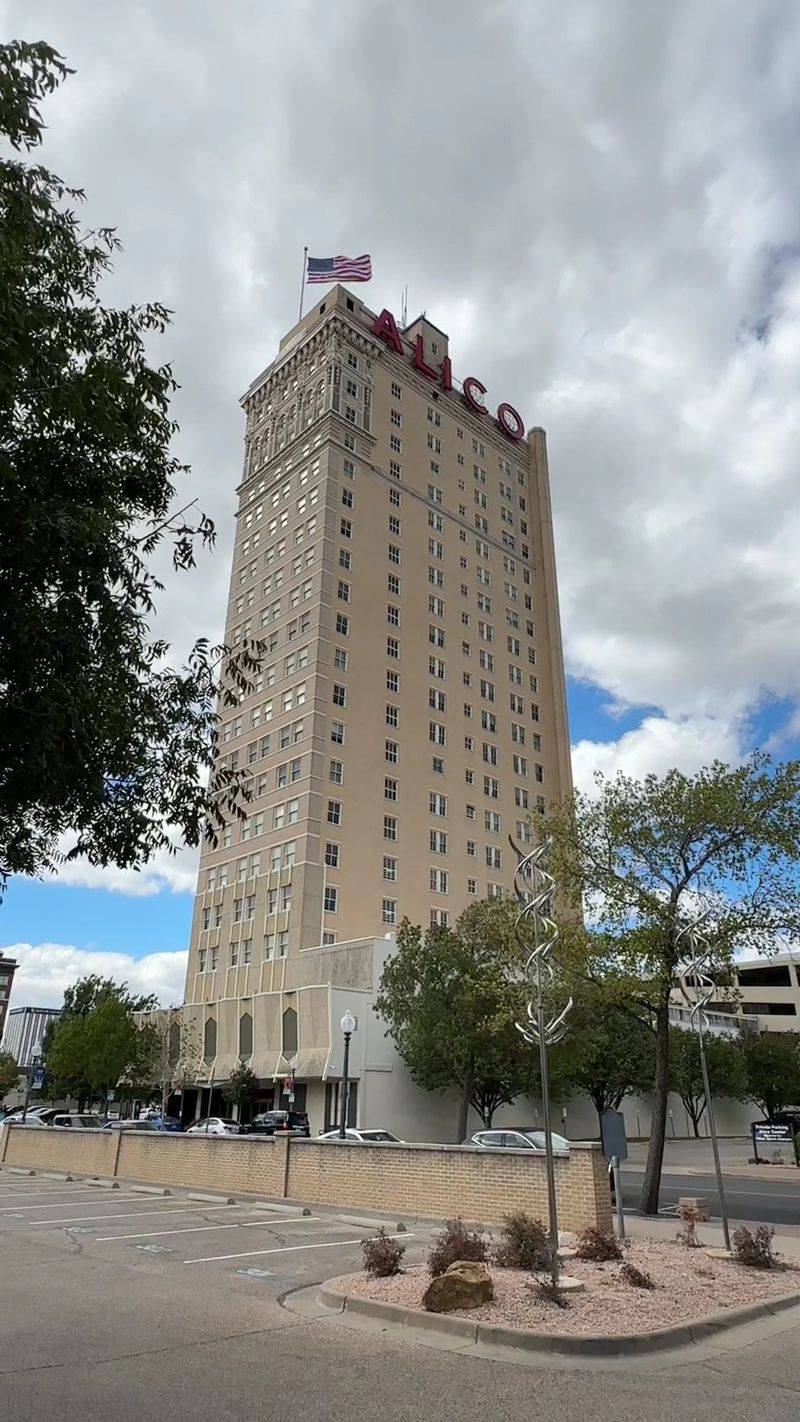
Walking through downtown Waco reveals layers of history written in architecture, from 19th-century storefronts to mid-century buildings that reflect different eras of prosperity and struggle.
Recent years have brought remarkable transformation as entrepreneurs opened restaurants, boutiques, and entertainment venues in previously vacant spaces.
The revitalization represents both opportunity and tension, as longtime residents navigate changes that have dramatically altered the neighborhood’s character and affordability.
Historic buildings now house modern businesses that respect original features while updating interiors for contemporary use.
Public art installations add color and whimsy to streetscapes, turning ordinary corners into photo opportunities and conversation starters.
Murals celebrate Waco’s history and culture, while sculptures provide focal points in small parks and plazas.
The Waco Suspension Bridge, completed in 1870, stands as the downtown area’s most iconic landmark, its cables and towers creating a picturesque connection across the Brazos River.
Gentrification concerns shadow the downtown renaissance, as rising property values and rents price out longtime businesses and residents.
Some critics argue the new development caters primarily to tourists and affluent newcomers rather than serving existing community needs.
Parking challenges and construction disruptions frustrate those trying to navigate the changing landscape.
However, proponents emphasize that economic investment has created jobs, preserved historic structures that might otherwise have deteriorated beyond repair, and given young people reasons to stay in or return to Waco rather than seeking opportunities elsewhere.
Baylor University and Its Campus Beauty
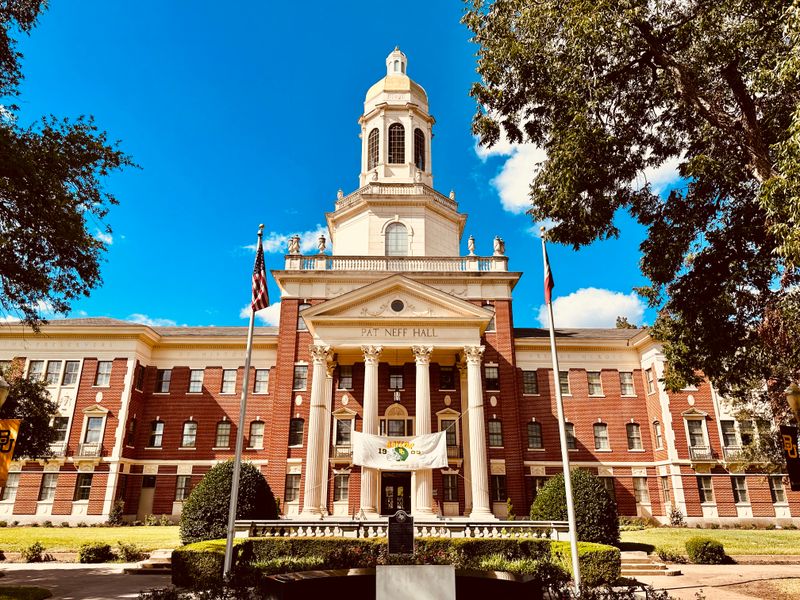
Sprawling across 1,000 acres, Baylor University’s campus combines Gothic Revival architecture with modern facilities, creating an environment that honors tradition while embracing progress.
Founded in 1845, the university represents one of Texas’s oldest institutions of higher learning, its presence shaping Waco’s identity and economy for generations.
Visitors can stroll through campus even without university business, enjoying public spaces and architectural landmarks that tell stories of academic ambition.
Pat Neff Hall’s distinctive tower rises as a campus landmark visible from various points around Waco, its bells marking time for students rushing between classes.
Game days transform the campus and surrounding areas as fans flood in wearing green and gold, creating an electric atmosphere that either thrills or overwhelms depending on your perspective.
The McLane Stadium, positioned along the Brazos River, offers stunning views that make it one of college football’s most scenic venues.
Even non-sports fans can appreciate the architectural achievement and the role athletics play in Texas culture.
The university’s religious affiliation and conservative culture don’t align with everyone’s values, potentially making some visitors uncomfortable.
Campus tours focus heavily on student recruitment, which may not interest casual tourists simply exploring Waco.
Security measures and parking restrictions can make spontaneous campus visits challenging.
Nevertheless, the university’s historical significance, beautiful grounds, and cultural contributions make it an important part of understanding Waco’s character and the forces that have shaped this complex Central Texas community.
The Changing Food Scene and Local Flavors

Waco’s culinary landscape has evolved dramatically, moving beyond traditional Texas fare to embrace diverse flavors and dining concepts that reflect both local roots and global influences.
Family-owned taquerias serve breakfast tacos that fuel morning routines, their recipes passed down through generations and perfected over decades.
Food trucks cluster in designated areas, offering everything from barbecue to fusion cuisine that experiments with unexpected flavor combinations.
Local farmers markets connect growers directly with consumers, fostering relationships that strengthen community bonds while providing access to fresh, seasonal produce.
Coffee culture has blossomed with independent roasters and cafes creating gathering spaces where conversations flow as freely as espresso.
These establishments often showcase local art, host acoustic music performances, and generally serve as informal community centers.
The emphasis on locally sourced ingredients and scratch cooking reflects broader food movement trends while supporting regional agriculture.
Rising prices at newer establishments put quality dining experiences out of reach for some longtime residents, creating economic divides around something as basic as food.
Visitors expecting big-city restaurant diversity may find options limited compared to larger metropolitan areas.
Service quality varies widely, with some establishments struggling to meet demand during peak tourist seasons.
Yet food enthusiasts argue that Waco’s evolving dining scene represents one of its most exciting transformations, offering flavors and experiences that surprise those who arrive with low expectations, proving that good food can emerge from unexpected places when passion and skill combine.
Dear Reader: This page may contain affiliate links which may earn a commission if you click through and make a purchase. Our independent journalism is not influenced by any advertiser or commercial initiative unless it is clearly marked as sponsored content. As travel products change, please be sure to reconfirm all details and stay up to date with current events to ensure a safe and successful trip.
