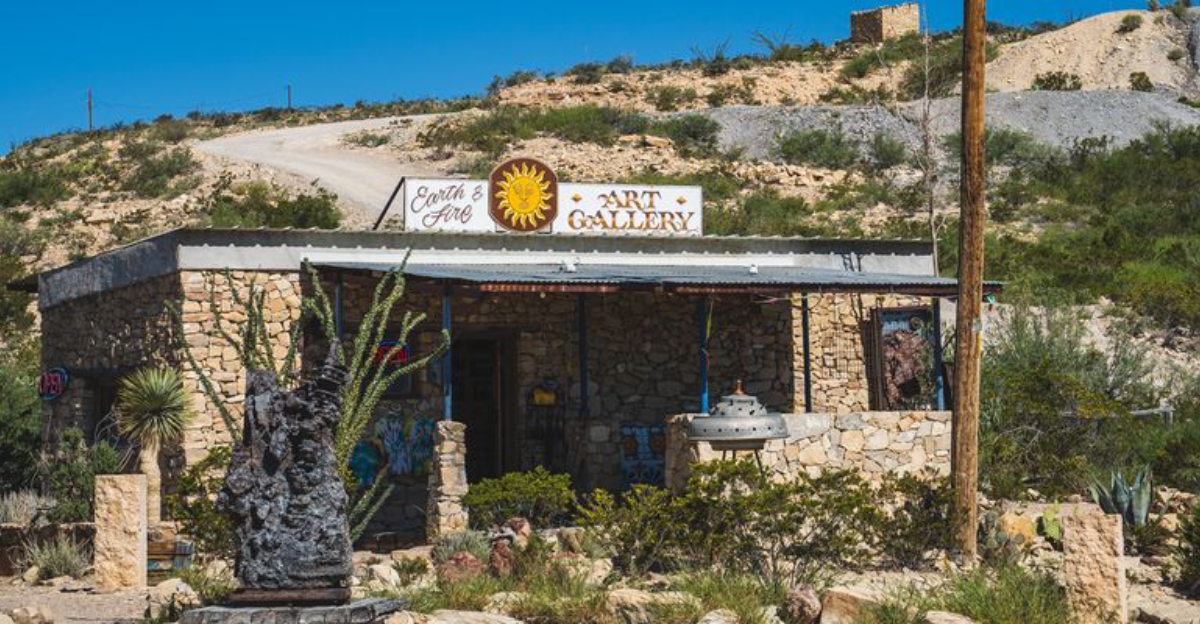
Tucked away in the far southwestern corner of Texas, near the Rio Grande and the border with Mexico, lies Terlingua, a ghost town that time seems to have bypassed entirely.
This remote settlement in Brewster County was once a thriving quicksilver mining community, but today it stands as one of the most isolated and eerily quiet destinations in the entire Lone Star State.
With its crumbling adobe ruins, vast desert landscapes, and population that barely registers on any census, Terlingua offers travelers a glimpse into a Texas that exists far from the bustling cities and tourist-packed attractions.
The silence here is so profound that visitors often describe it as a place the modern world forgot to update on its maps, making it a truly unique destination for those seeking solitude and authentic frontier history.
The Ghost Town History That Whispers Through Crumbling Walls
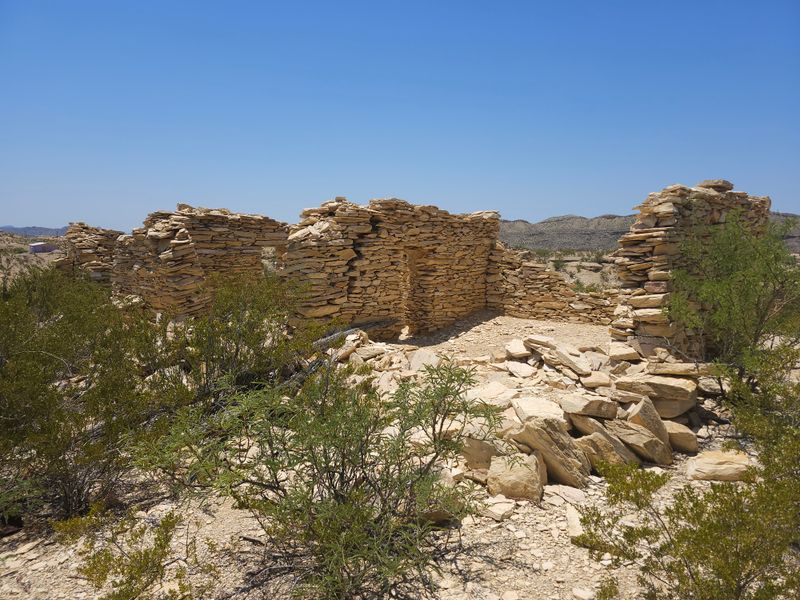
Walking through the original Terlingua ghost town feels like stepping onto a movie set where the actors never arrived.
The remnants of the Chisos Mining Company buildings stand like silent sentinels, their walls slowly returning to the desert earth from which they were built.
During its heyday in the early 1900s, Terlingua was the most productive quicksilver mining operation in North America, employing hundreds of workers and their families.
The cinnabar ore extracted here was processed into mercury, a valuable commodity used in everything from thermometers to gold extraction.
By the 1940s, the mines had been exhausted and the company town was abandoned, leaving behind a hauntingly beautiful landscape of deteriorating structures.
Today, visitors can wander freely among the ruins of the old company store, the jail, and numerous workers’ homes that dot the hillside.
The Terlingua Cemetery, still maintained and occasionally used, sits on a hill overlooking the ghost town, its weathered headstones telling stories of miners, families, and the harsh realities of frontier life.
Many graves are marked only with piles of rocks or simple wooden crosses, while others feature elaborate ironwork that has somehow survived decades of desert weather.
Photographers flock here during golden hour when the low sun casts dramatic shadows across the ruins and illuminates the Chisos Mountains in the distance.
The silence among these structures is so complete that you can hear your own heartbeat, broken only occasionally by the wind whistling through empty window frames.
Desert Landscapes That Stretch Beyond Imagination
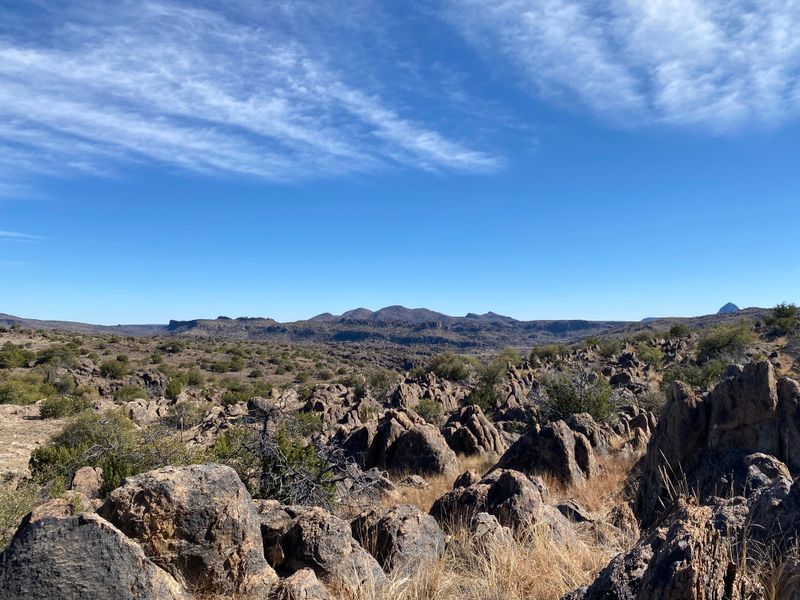
Terlingua sits at the edge of the Chihuahuan Desert, one of the most biologically diverse desert ecosystems in the world.
The landscape here defies the stereotype of deserts as barren wastelands, instead revealing a complex tapestry of life adapted to extreme conditions.
Ocotillo plants raise their spiny arms toward impossibly blue skies, while prickly pear cacti spread across the rocky ground in sprawling colonies.
During spring, if winter rains have been generous, the desert explodes in unexpected color as wildflowers carpet the ground between the thorny vegetation.
The terrain around Terlingua is characterized by dramatic elevation changes, with flat desert basins giving way suddenly to rugged hills and distant mountain ranges.
The Chisos Mountains, visible from almost everywhere in Terlingua, change color throughout the day from purple-blue in early morning to fiery orange at sunset.
Driving the roads around Terlingua means traversing landscapes so empty and vast that other vehicles become rare sightings worth noting.
The sense of scale here can be disorienting for visitors accustomed to tree-lined horizons, as sight lines extend for dozens of miles in every direction.
At night, the absence of light pollution transforms the sky into a planetarium display, with the Milky Way clearly visible as a luminous river across the heavens.
This remoteness and natural beauty make Terlingua a destination for those seeking to disconnect from modern life and reconnect with landscapes that remain largely unchanged for millennia.
The Starlight Theatre Where Community Gathers Under Open Skies
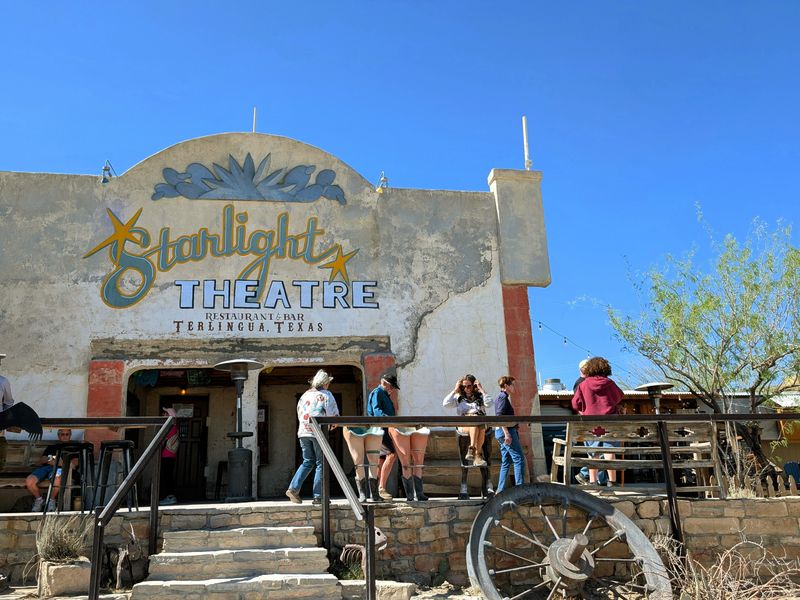
In a town with more ruins than residents, the Starlight Theatre stands as Terlingua’s beating heart and primary gathering place.
This quirky restaurant and bar occupies a restored old movie theater building, complete with original tin ceiling and walls decorated with an eclectic collection of local art, vintage signs, and memorabilia.
The Starlight Theatre Restaurant & Saloon is located at 631 Ivey Road, Terlingua, Texas 79852, right in the heart of the ghost town.
The menu features hearty Tex-Mex fare and American comfort food, with generous portions that satisfy hungry travelers who have driven hours through empty desert to reach this remote outpost.
But the real draw here is not just the food but the atmosphere and the characters you will encounter.
Locals, park rangers, river guides, artists, and travelers from around the world gather at the Starlight’s long bar, swapping stories and forming unlikely friendships.
Live music performances happen regularly, with touring musicians and local talent taking the small stage to play everything from country and folk to rock and blues.
The outdoor patio, strung with lights and offering views of the surrounding desert and mountains, becomes especially magical as the sun sets and the temperature drops to comfortable levels.
During peak season, finding a table can require some patience, but the wait gives you time to explore the ghost town ruins that surround the restaurant.
The Starlight represents everything that makes Terlingua special: a place where isolation breeds community, where strangers become friends, and where the modern world feels wonderfully far away.
Big Bend National Park’s Gateway to Wilderness
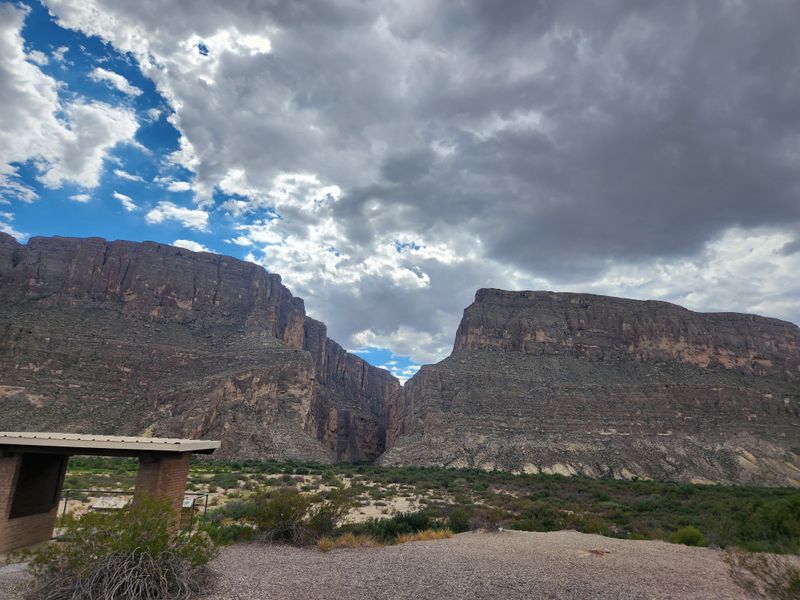
Terlingua serves as the unofficial gateway to Big Bend National Park, one of the most remote and least visited national parks in the United States.
The park entrance is just a short drive from Terlingua, making the ghost town an ideal base camp for exploring Big Bend’s 801,163 acres of protected Chihuahuan Desert wilderness.
Many visitors choose to stay in Terlingua rather than inside the park because it offers more dining and lodging options, despite being outside the official park boundaries.
Big Bend is famous for its dramatic landscapes, including the Chisos Mountains, deep canyons carved by the Rio Grande, and desert vistas that seem to extend forever.
Hiking trails range from easy nature walks to challenging backcountry routes that take you deep into wilderness areas where you might not see another person for days.
The park is also one of the best places in the United States for stargazing, with some of the darkest night skies in the country.
Wildlife viewing opportunities abound, with roadrunners, javelinas, and various lizard species commonly spotted, while lucky visitors might glimpse mountain lions, black bears, or the park’s small population of Mexican black hawks.
The Rio Grande forms the park’s southern boundary, creating a natural border with Mexico and offering opportunities for river trips through spectacular canyons.
Spring and fall are the most popular times to visit, when temperatures moderate and wildflowers bloom, but winter brings its own austere beauty and summer attracts hardy souls who do not mind the heat.
Terlingua’s proximity to this wilderness wonderland makes it an essential stop for any Big Bend adventure.
The Rio Grande River Flowing Along Ancient Borders
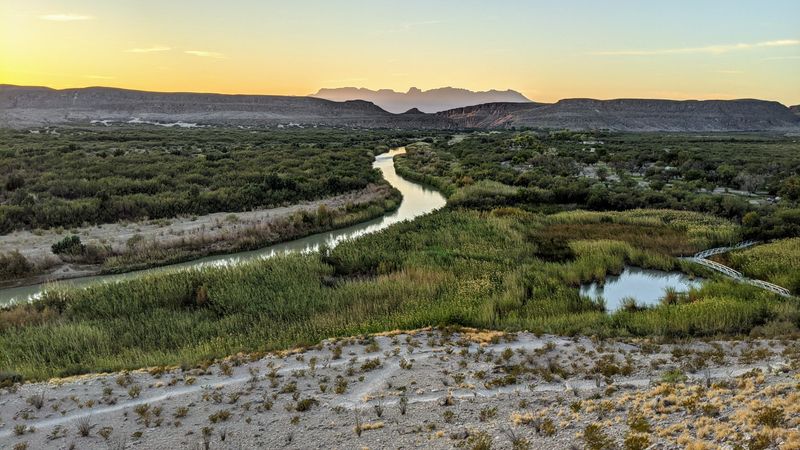
Just south of Terlingua, the Rio Grande cuts through the desert landscape, creating a natural boundary between the United States and Mexico.
This legendary river, which flows over 1,800 miles from the Colorado Rockies to the Gulf of Mexico, reaches some of its most scenic and remote sections near Terlingua.
The river has carved spectacular canyons through the limestone and volcanic rock, including Santa Elena Canyon where sheer walls rise 1,500 feet above the water.
Rafting and canoeing trips on the Rio Grande offer unique perspectives on the landscape and provide access to areas unreachable by vehicle.
Several outfitters based in the Terlingua area offer guided float trips ranging from half-day excursions to multi-day expeditions through remote canyons.
The river’s flow varies dramatically depending on rainfall and releases from upstream reservoirs, sometimes running swift and full, other times reduced to a trickle between stagnant pools.
Cottonwood trees and other riparian vegetation line the river’s banks, creating ribbons of green that contrast sharply with the surrounding desert and provide habitat for birds and other wildlife.
The international boundary here feels remarkably casual compared to other border areas, with the Mexican village of Santa Elena visible from the U.S. side and locals historically crossing back and forth for trade and family visits.
Hot springs bubble up along certain stretches of the river, creating natural bathing spots where you can soak while watching the sun set over the canyon walls.
The Rio Grande near Terlingua represents both a barrier and a connection, a place where two countries meet and where the desert’s harshness is tempered by life-giving water.
Artist Community Thriving in Unlikely Isolation
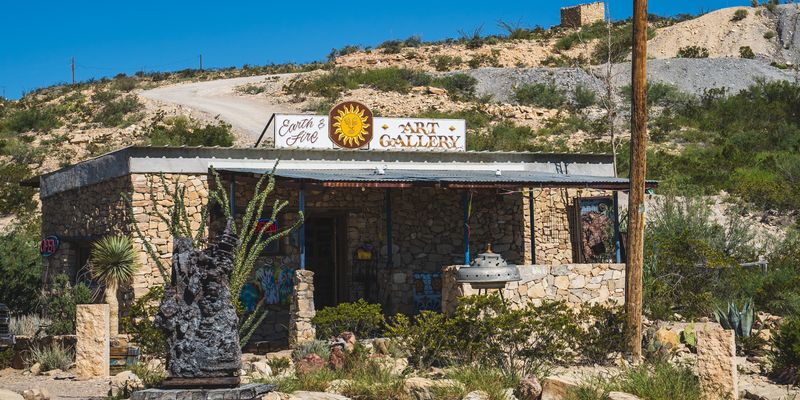
Despite its remoteness and tiny population, Terlingua has developed a surprising reputation as an artist colony and creative refuge.
Painters, sculptors, writers, and musicians have been drawn to this isolated corner of Texas, finding inspiration in the dramatic landscapes and freedom from urban distractions.
The harsh beauty of the desert, the quality of the light, and the sense of timelessness that pervades Terlingua provide endless creative fuel for artists working in various mediums.
Small galleries and studios dot the area, often operating on irregular schedules that reflect the relaxed pace of life here.
Many artists live in Terlingua part-time, escaping here during the cooler months to work intensively before returning to more conventional lives elsewhere.
Others have made permanent homes in the area, constructing studios from salvaged materials or converting old mining buildings into living and working spaces.
The artistic community here tends toward the unconventional, attracting people who value independence and solitude over commercial success and mainstream recognition.
Photography is particularly popular given the stunning landscapes and the incredible quality of light at different times of day and seasons.
Local artwork often features desert themes, ghost town imagery, and the unique character of life on the edge of civilization.
The creative spirit extends beyond visual arts to include musicians who perform at the Starlight Theatre and other venues, writers working on novels and poetry, and craftspeople producing everything from pottery to metalwork.
This artistic presence adds another layer to Terlingua’s identity, transforming it from merely a ghost town into a living community where creativity flourishes in unexpected places.
Extreme Solitude and the Sound of Silence
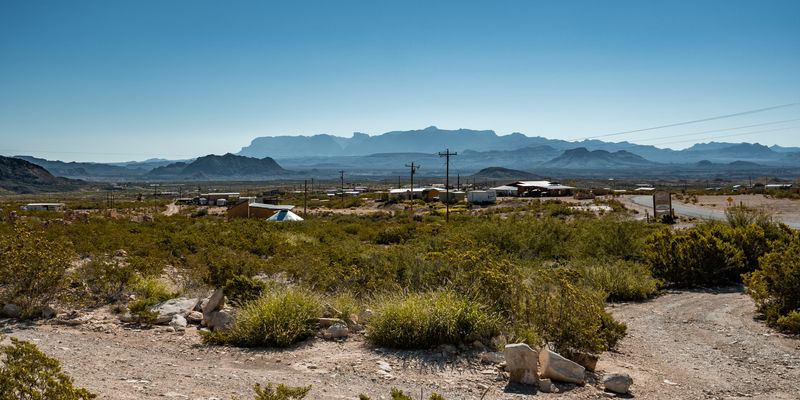
Perhaps the most striking feature of Terlingua is not what is there but what is absent: noise, crowds, traffic, and the constant hum of modern civilization.
The silence here is so profound that it takes most visitors time to adjust, as our ears have become conditioned to expect background noise at all times.
Standing in the ghost town or out in the surrounding desert, you can experience a quality of quiet that simply does not exist in populated areas.
This silence is not empty but rather full of subtle sounds that usually go unnoticed: the whisper of wind through ocotillo branches, the distant cry of a hawk, the crunch of gravel under your own footsteps.
The nearest city of any size is hours away, and even the nearest small towns are separated from Terlingua by vast stretches of uninhabited land.
Cell phone service is unreliable at best, and internet connectivity remains spotty, forcing visitors to disconnect from digital life whether they planned to or not.
This isolation can feel unsettling at first, especially for people accustomed to constant connectivity and the security of knowing help is always nearby.
But many visitors report that after a day or two, the solitude becomes profoundly restorative, offering a chance to hear their own thoughts and reconnect with a slower pace of life.
The extreme remoteness means that services we take for granted elsewhere simply do not exist here: no hospitals, no chain stores, no police stations nearby.
This self-reliance and acceptance of isolation attracts a particular type of person to Terlingua, whether as a resident or a visitor seeking something fundamentally different from everyday life.
Seasonal Extremes and Desert Weather Patterns
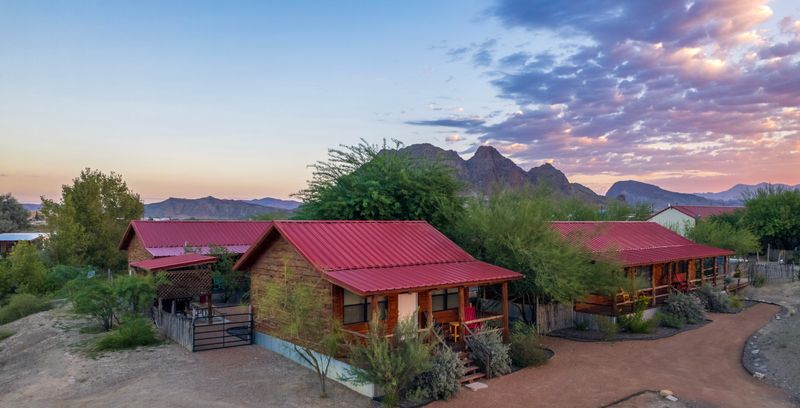
Terlingua’s climate is characterized by extremes that shape every aspect of life and travel in the area.
Summer temperatures regularly exceed 100 degrees Fahrenheit, with the sun beating down mercilessly from cloudless skies and the desert floor radiating stored heat long after sunset.
During these brutal months, the town becomes even quieter as many part-time residents flee to cooler climates and visitor numbers drop to hardy souls who do not mind the heat.
Winter brings a completely different experience, with nighttime temperatures occasionally dropping below freezing and daytime highs remaining comfortable for outdoor activities.
The shoulder seasons of spring and fall offer the most pleasant weather, with warm days, cool nights, and occasional rainfall that brings the desert to life.
Rain, when it comes, often arrives dramatically in the form of thunderstorms that sweep across the desert with spectacular lightning displays and brief, intense downpours.
These storms can transform dry washes into raging torrents within minutes, creating flash flood conditions that make certain roads temporarily impassable.
The lack of humidity means that temperature swings of 40 or 50 degrees between day and night are common, requiring visitors to pack layers even in summer.
Wind is a constant presence, sometimes gentle but often strong enough to raise dust devils and sandblast exposed skin.
The extreme weather conditions have shaped both the landscape and the culture of Terlingua, favoring hardy plants, resilient wildlife, and people who appreciate nature’s power rather than trying to control it.
Understanding and respecting these seasonal patterns is essential for anyone planning to visit or survive in this unforgiving but magnificent environment.
Authentic Frontier Living in the Twenty-First Century
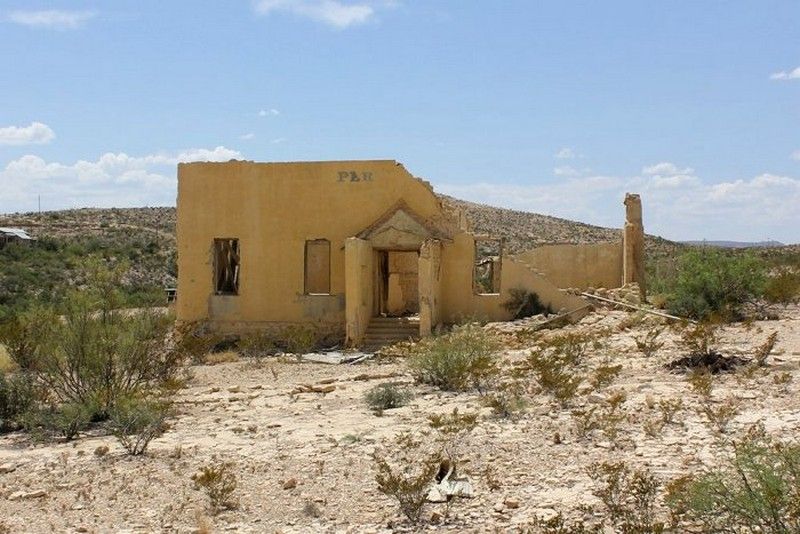
Living in Terlingua today means embracing a lifestyle that has more in common with the frontier past than with contemporary American life.
Many residents live off-grid, relying on solar panels for electricity, hauling water from town, and using propane for cooking and heating.
The challenges of daily life here include extreme isolation, limited services, harsh weather, and the need for self-sufficiency in ways that most Americans have not experienced for generations.
Yet people continue to choose Terlingua, drawn by the freedom, the beauty, and the opportunity to live on their own terms away from regulations and social expectations.
The population is a mix of retirees seeking peace, artists needing inspiration, park employees working at Big Bend, river guides, and various individuals who simply prefer solitude to society.
Community bonds run deep despite the small population, with neighbors helping each other with everything from vehicle repairs to medical emergencies.
The nearest grocery store with substantial selection is over an hour away, meaning that shopping trips require planning and residents learn to make do with what they have on hand.
Mail delivery happens, but not to individual homes, with residents picking up their post from a central location.
Medical care requires a long drive to Alpine or even farther for serious issues, making good health and careful risk management essential survival skills.
Despite these challenges, or perhaps because of them, Terlingua residents often speak of their home with fierce pride and deep affection, recognizing that they have found something increasingly rare: a place where human presence sits lightly on the land and where the rhythms of nature still dictate the pace of life.
Dear Reader: This page may contain affiliate links which may earn a commission if you click through and make a purchase. Our independent journalism is not influenced by any advertiser or commercial initiative unless it is clearly marked as sponsored content. As travel products change, please be sure to reconfirm all details and stay up to date with current events to ensure a safe and successful trip.
