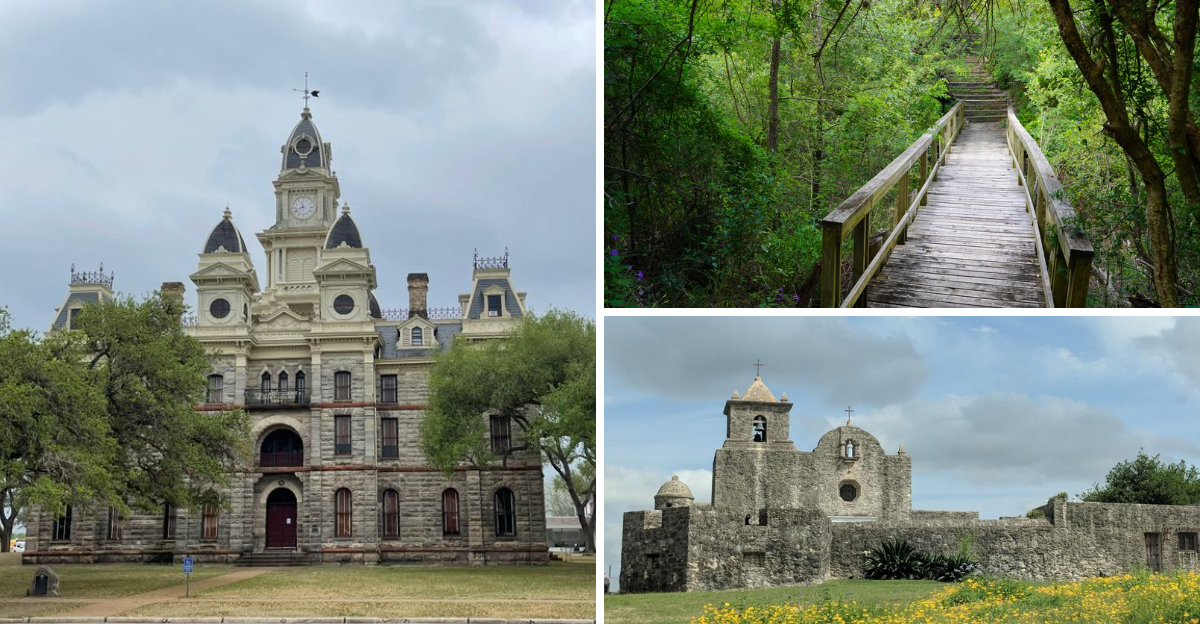
Goliad caught me off guard. I came expecting a quick stop to see a mission and maybe snap a photo or two, and instead I found myself slowing way down.
This town does not present history neatly wrapped with a bow. It just exists alongside you.
Cannons still sit where they were meant to defend, stone walls still feel worn for a reason, and the stories locals tell sound less like lessons and more like memories they inherited. What makes Goliad stick is how personal it feels.
You are not looking at history from behind glass. You are walking through it, eating in it, standing exactly where everything changed.
Goliad does not try to impress you. It lets the weight of what happened here speak for itself, and that quiet confidence is what makes the visit unforgettable.
Presidio La Bahia: The Fort That Witnessed Texas Independence
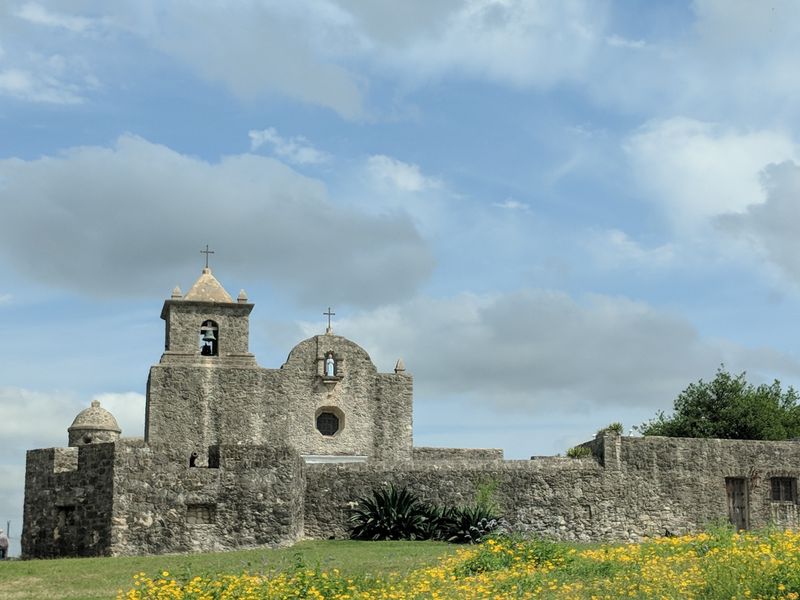
Standing before the massive stone walls of Presidio La Bahia, you can almost hear the footsteps of Spanish soldiers who once guarded this strategic outpost. Built in 1749, this isn’t just any old fort.
It’s the only fully restored Spanish presidio in North America, and boy, does it have stories to tell. The fortress played a crucial role during the Texas Revolution, serving as a military stronghold that changed hands between Mexican and Texan forces multiple times.
Walking through the chapel where Colonel James Fannin and his men spent their final hours before the tragic Goliad Massacre sends chills down your spine. The fort’s thick limestone walls still bear scars from battles fought nearly two centuries ago.
You can climb the ramparts, peek through gun ports, and imagine what life was like for soldiers stationed here in the 1800s.
The museum inside houses fascinating artifacts including weapons, uniforms, and personal items that belonged to both Spanish soldiers and Texas revolutionaries. Don’t miss the beautiful chapel with its ornate altar and stunning religious artwork that has survived since colonial times.
Located at 217 US-183, this living monument offers guided tours that bring history to life in ways textbooks never could.
Goliad State Park: Nature Meets History
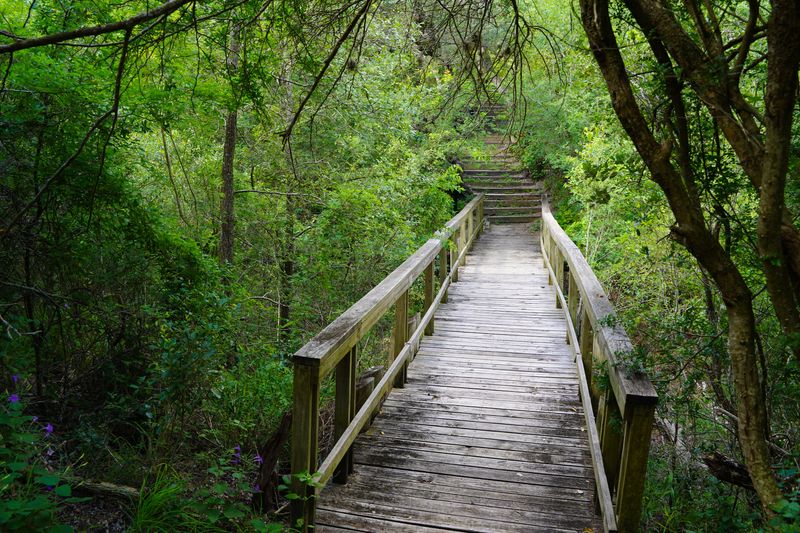
Nature lovers and history buffs unite at Goliad State Park, where 188 acres of gorgeous Texas landscape blend perfectly with centuries-old Spanish colonial architecture. The park wraps around the ruins of Mission Nuestra Señora del Espíritu Santo de Zúñiga, giving you the best of both worlds.
Imagine hiking through shady oak groves in the morning, then exploring ancient mission walls in the afternoon.
The San Antonio River meanders through the park, creating perfect spots for fishing, picnicking, or just listening to the water flow while birds sing overhead.
Camping here feels magical because you’re literally sleeping on ground that witnessed Spanish missionaries converting Native Americans and teaching them trades like blacksmithing and weaving.
The park’s well-maintained trails take you past historic structures and through native Texas vegetation that hasn’t changed much since the 1700s.
Kids absolutely love the Junior Ranger program that turns history lessons into treasure hunts and adventure challenges. The reconstructed mission workshop shows how colonists crafted everything from leather goods to pottery using traditional methods.
You’ll find the park at 108 Park Road 6, where modern amenities like clean restrooms and picnic tables make your historical adventure comfortable. Pack a lunch, bring your camera, and prepare to spend a full day where past and present shake hands.
Fannin Memorial Monument: A Towering Tribute
Rising 85 feet into the South Texas sky, the Fannin Memorial Monument demands your attention and respect. This massive granite structure marks the spot where Colonel James Fannin and over 340 Texan soldiers were executed on Palm Sunday in 1836, an event that became known as the Goliad Massacre.
The monument isn’t just impressive because of its size. It’s powerful because it represents one of the darkest and most motivating moments in Texas history.
General Sam Houston famously rallied his troops at San Jacinto with the cry “Remember Goliad!” alongside “Remember the Alamo!”
The memorial’s stark beauty against the Texas landscape creates a somber atmosphere that makes you pause and reflect. Surrounding the monument, you’ll find the mass grave where these brave men were laid to rest, marked by a simple but moving inscription.
The site includes interpretive panels that explain the events leading up to the massacre and its impact on the Texas Revolution. Visiting at sunset adds an extra layer of emotion as golden light bathes the monument and long shadows stretch across the ground.
Located on East of Presidio La Bahia on, Lopez Rd, this memorial receives fewer visitors than it deserves, making your experience feel personal and intimate. Bring tissues because this place hits different when you truly understand the sacrifice these men made.
Market House Museum: Downtown’s Hidden Treasure
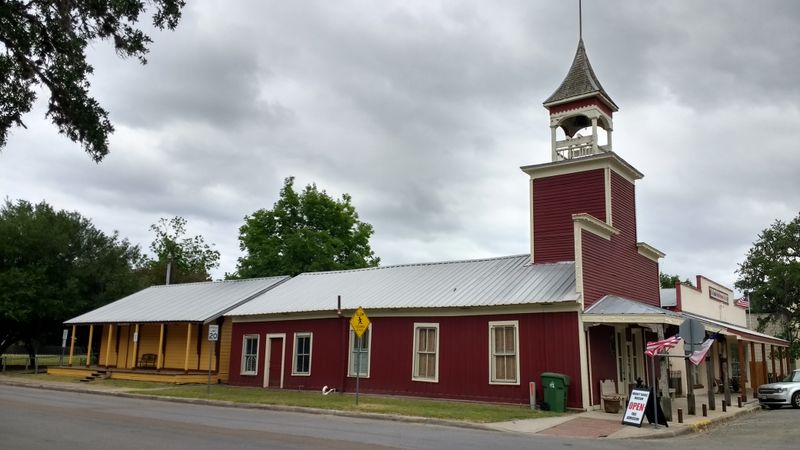
Tucked right on the town square, the Market House Museum might look small from the outside, but it packs more fascinating artifacts and stories per square foot than museums ten times its size.
This charming building served as Goliad’s market house in the late 1800s, where locals bought everything from fresh produce to dry goods.
Today it houses an incredible collection of items that paint a vivid picture of life in Goliad through the centuries.
You’ll find everything from Native American arrowheads and Spanish colonial tools to Victorian-era clothing and early Texas ranching equipment. The museum volunteers are usually longtime Goliad residents who know family stories and local legends that never made it into history books.
They’re eager to share tales about the items on display, adding personal touches that make history feel real and relatable.
One particularly interesting exhibit showcases the town’s role in early Texas cattle drives and the evolution of ranching in the region.
Another section displays photographs of Goliad from the 1800s and early 1900s, and comparing them to present-day views shows how much has changed yet how much has stayed wonderfully the same.
Located at 205 South Market Street, admission is free though donations are appreciated. The museum operates on limited hours, so call ahead to make sure it’s open before you visit.
Mission Espíritu Santo: Where Faith Built Community
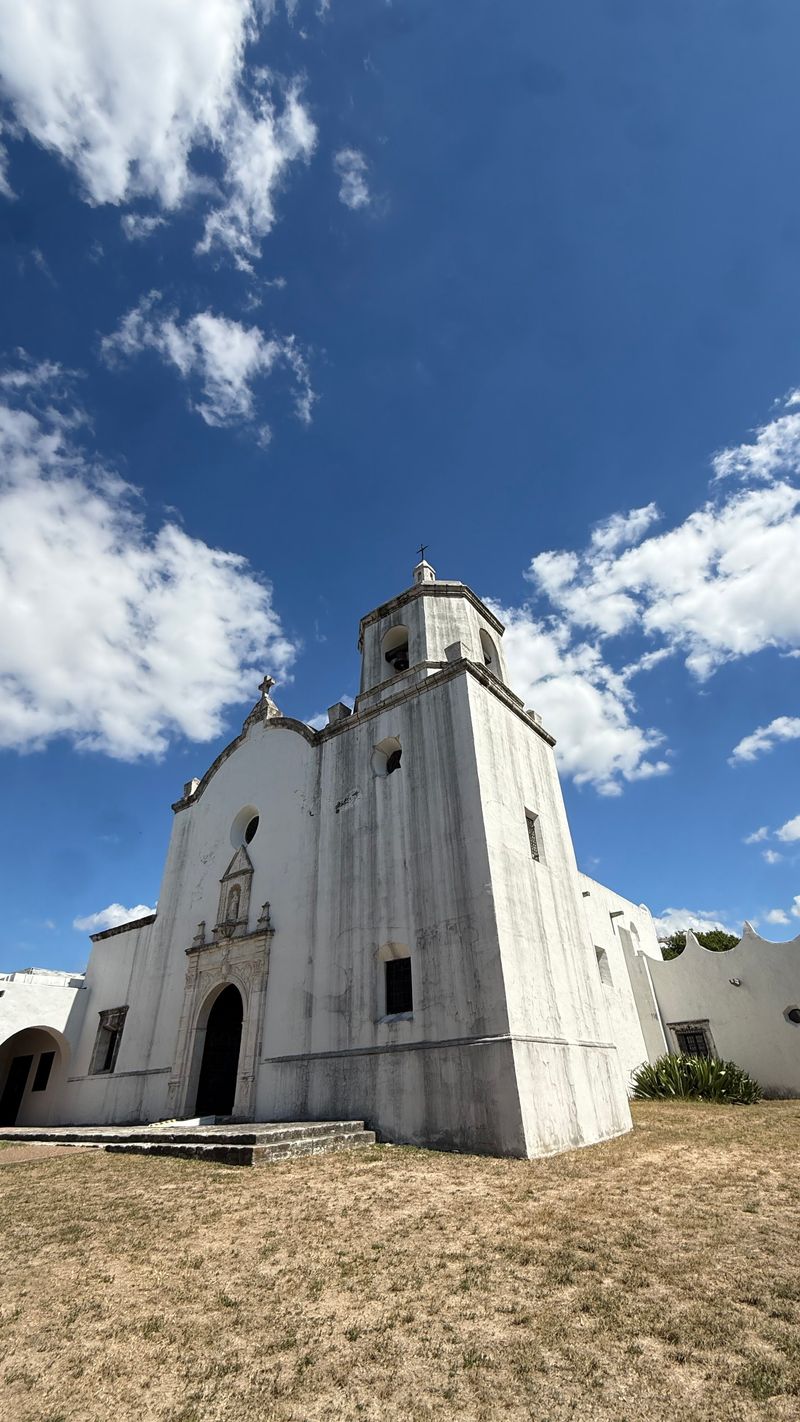
Mission Espíritu Santo stands as a beautiful reminder of when Spanish missionaries arrived in Texas hoping to convert Native Americans and establish permanent settlements. Originally founded in 1722 near the coast, the mission moved several times before settling at its current location within Goliad State Park in 1749.
The reconstructed church and surrounding buildings give you a genuine feel for mission life during the Spanish colonial period.
What makes this mission special is how it focused on ranching and agriculture rather than just religious conversion. The padres taught local tribes cattle ranching, farming techniques, and various crafts that helped them thrive in the harsh Texas environment.
Walking through the mission grounds, you can see the workshops where Native Americans learned blacksmithing, weaving, and carpentry skills that transformed them into successful ranchers and craftsmen.
The mission church itself features gorgeous stone architecture with thick walls designed to stay cool in brutal Texas summers. Inside, you’ll find religious artifacts and artwork that survived centuries of Texas weather and history.
The peaceful courtyard invites quiet reflection, and it’s easy to imagine missionaries and Native American converts gathering here for prayers and community meals.
Information plaques throughout the site explain daily life, religious practices, and the mission’s important role in establishing the Texas ranching industry that still thrives today.
Address: 108 Park Rd 6, Goliad, Texas
Goliad County Courthouse: Architectural Beauty in Action
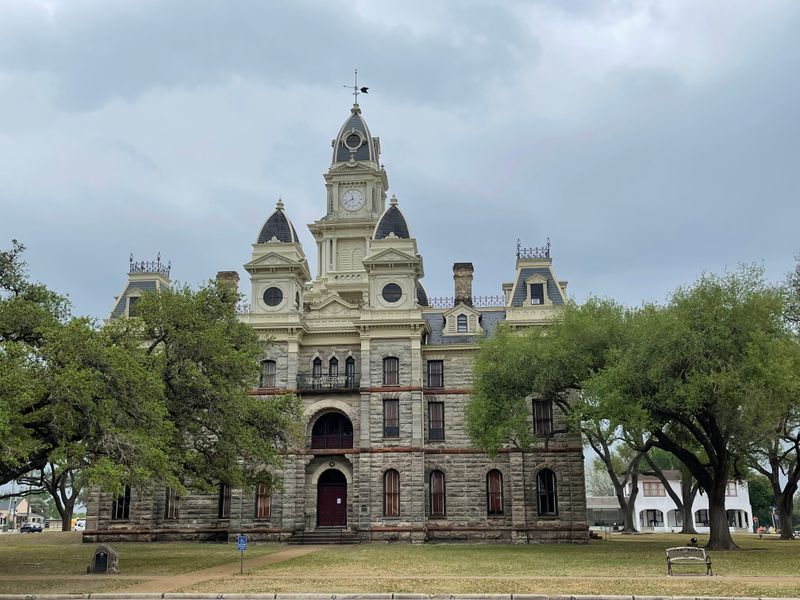
Dominating the town square since 1894, the Goliad County Courthouse represents everything people love about classic Texas architecture. This stunning limestone structure features Romanesque Revival style with a beautiful clock tower that has kept time for the community for over a century.
Unlike many historic courthouses that have been converted to museums, this one still functions as the county’s working courthouse, meaning justice is literally still being served in a building that witnessed Texas grow from frontier territory to modern state.
The exterior showcases intricate stonework, arched windows, and decorative details that modern buildings just don’t have anymore. Local craftsmen quarried the limestone from nearby sites and hand-carved many of the architectural elements that make this building so special.
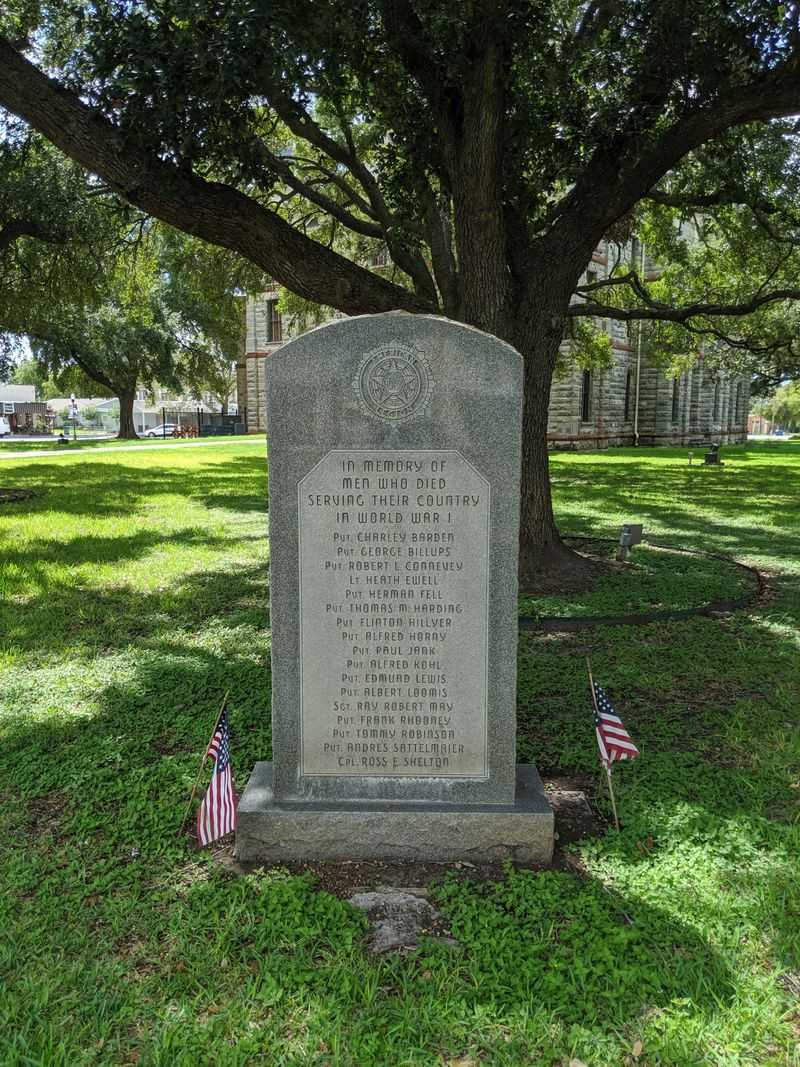
The courthouse lawn features old oak trees perfect for shady picnics and several historical markers that tell stories about Goliad’s past.
During weekdays, you can step inside to admire the interior’s original woodwork, vintage light fixtures, and historic courtroom where county business has been conducted for generations. The building anchors the town square, which hosts community events, farmers markets, and holiday celebrations throughout the year.
Surrounding the courthouse, you’ll find locally-owned shops and cafes that maintain the small-town charm Goliad is famous for. Grab a bench under the trees and just soak in the atmosphere of a town that honors its past while embracing its present.
Address: 127 N Courthouse Square, Goliad, Texas
Hanging Tree: The Oak That Holds Dark Secrets
Not all historical sites are about glory and triumph. Some remind us of justice’s harsh realities in frontier Texas.
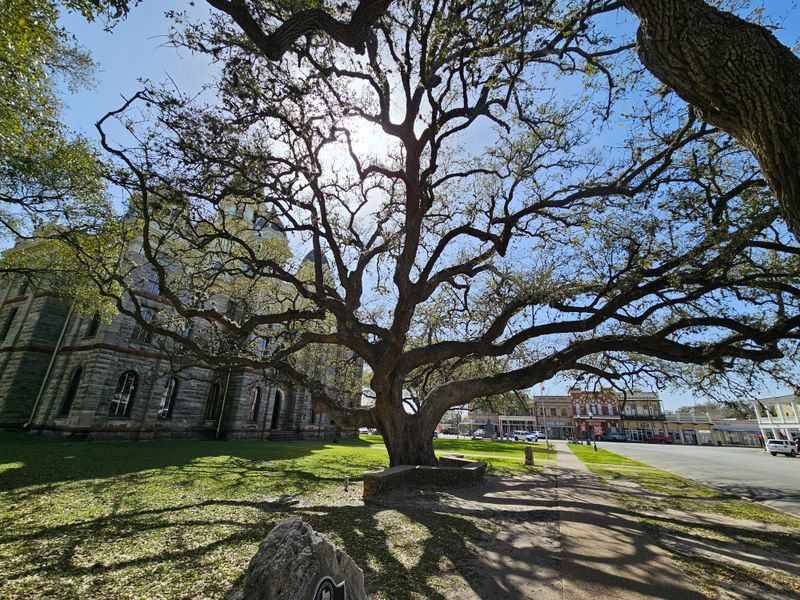
The Hanging Tree stands on the courthouse square as a grim reminder of Old West law enforcement when trials were swift and punishments immediate. This massive oak tree reportedly served as Goliad’s execution site in the 1800s, where outlaws and criminals met their fate at the end of a rope.
Local legends claim several notorious characters breathed their last beneath these spreading branches, though exact numbers and names have been lost to time and embellished through generations of storytelling.
The tree itself is impressively old, its thick trunk and enormous canopy providing shade that courthouse visitors appreciate without always knowing the tree’s dark history.
Historical markers near the tree share what’s known about its role in frontier justice.
Standing beneath those ancient branches creates an eerie feeling, especially when you consider how public executions once drew crowds of townspeople who viewed hangings as both justice and entertainment.
The tree has witnessed Goliad transform from rough frontier town to peaceful modern community.
Today it serves as a conversation starter about how much society’s views on crime and punishment have evolved. The tree also reminds us that history includes uncomfortable truths alongside heroic tales, and preserving both helps us understand how far we’ve come as a civilization.
Angel of Goliad Monument: Honoring a Heroine
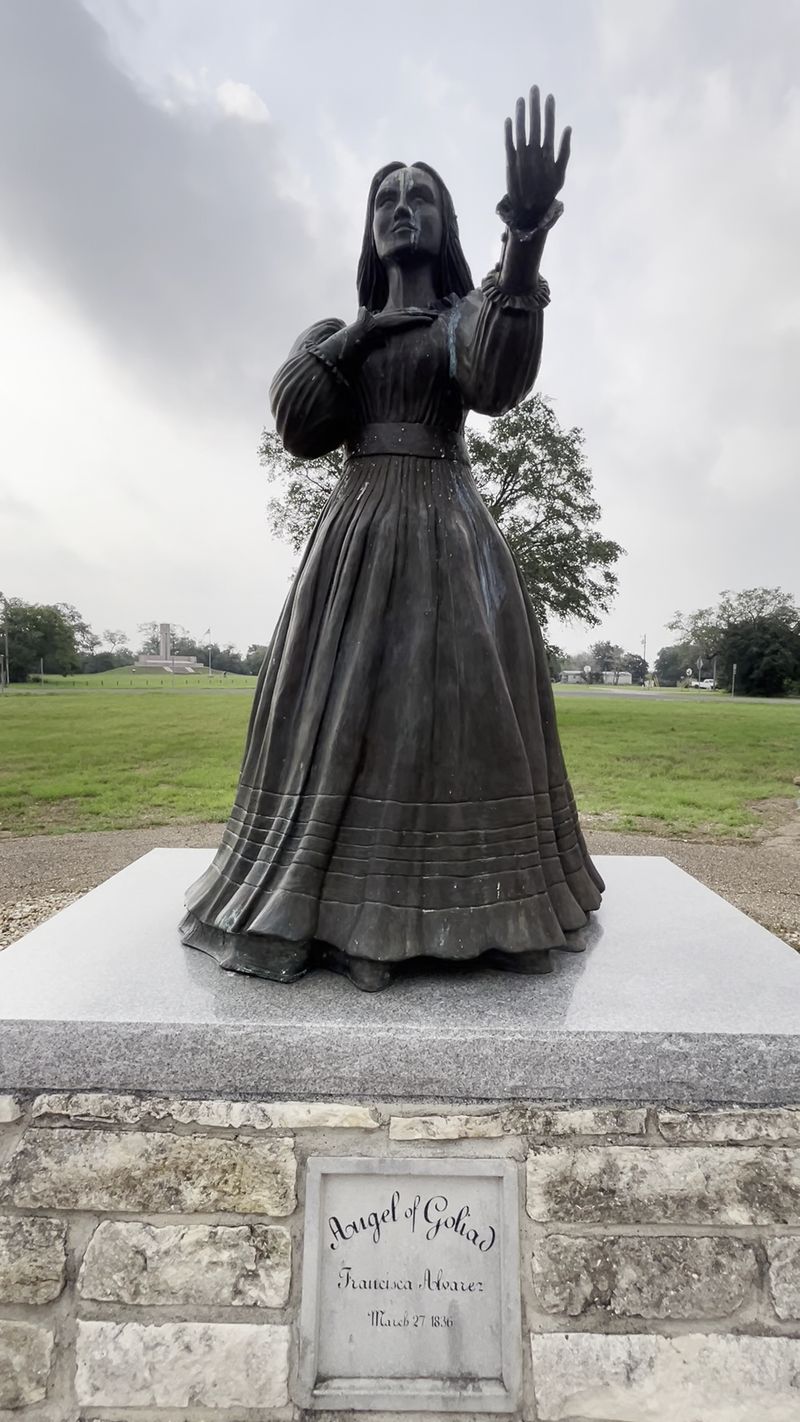
Heroes come in unexpected forms, and Francisca Alvarez proved that courage knows no gender or nationality. The Angel of Goliad Monument honors this remarkable woman who risked everything to save Texas soldiers from execution during the Goliad Massacre.
While most of Fannin’s men were killed, about 28 to 30 soldiers survived thanks to Francisca’s brave intervention. She pleaded with Mexican officers to spare doctors, interpreters, and skilled workers, arguing they could be useful to the Mexican army.
Her quick thinking and persuasive arguments saved lives that otherwise would have been lost on that tragic Palm Sunday in 1836. The monument depicts Francisca as she was remembered by survivors, a woman of strength and compassion who saw human beings rather than enemy soldiers.
Her story reminds us that even during brutal conflicts, individual acts of mercy can shine through darkness.
The survivors she saved went on to fight at San Jacinto and help build the Republic of Texas, meaning her actions literally changed the course of Texas history. The monument stands as proof that one person’s courage can make an enormous difference.
Visiting this memorial adds depth to your understanding of the Goliad Massacre by showing that even in humanity’s darkest moments, heroes emerge from unexpected places. Francisca Alvarez deserves to be remembered alongside famous Texas Revolution figures, and this monument ensures her legacy lives on.
Address: 217 US-183, Goliad, Texas
Historic Downtown District: Small Town Charm Preserved
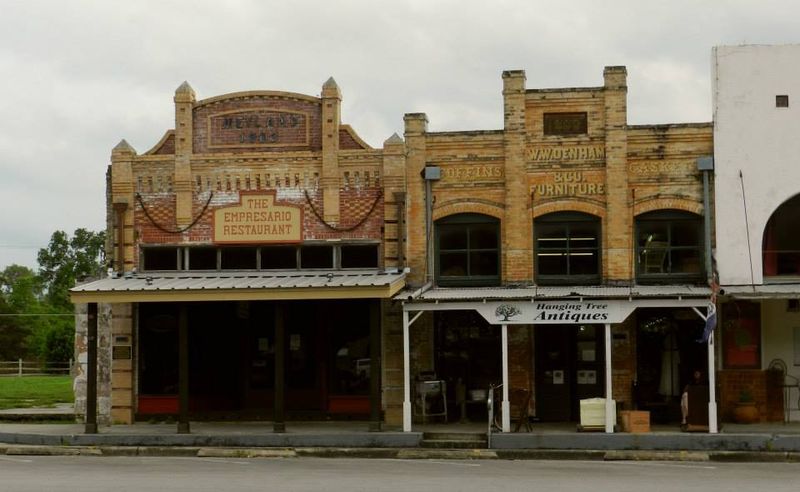
Walking through Goliad’s historic downtown feels like stepping into a slower, gentler time when people knew their neighbors and local businesses were the heart of community life.
The downtown district surrounding the courthouse square maintains its 19th-century character with beautifully preserved buildings housing family-owned shops, cafes, and businesses.
Unlike downtowns in many small Texas towns that have faded away, Goliad’s remains vibrant and welcoming.
You’ll find antique stores packed with treasures from bygone eras, gift shops selling Texas-themed souvenirs and locally-made crafts, and friendly cafes serving up home-cooked meals that taste like your grandmother made them.
The owners often work their own counters and love chatting with visitors about Goliad’s history and the best local attractions.
Their personal recommendations beat any travel guide because they know hidden gems tourists usually miss.
The downtown area hosts seasonal events like Christmas parades, Fourth of July celebrations, and farmers markets that bring the whole community together. Historic plaques mark significant buildings and sites throughout the district, turning a simple stroll into an educational adventure.
Several buildings date back to the 1800s and feature original architectural details like pressed tin ceilings and vintage storefronts. Take your time exploring because rushing through downtown Goliad defeats the whole purpose.
This is a place to slow down, chat with locals, and remember why small-town Texas holds such a special place in people’s hearts.
Coleto Creek Reservoir: Modern Recreation in Historic Territory
Sometimes you need a break from heavy history lessons, and Coleto Creek Reservoir delivers exactly that. Located just outside Goliad, this 3,100-acre lake offers fantastic fishing, boating, camping, and wildlife watching in beautiful South Texas countryside.
The reservoir was created in the 1970s, making it relatively young compared to Goliad’s other attractions, but the land around it witnessed the same historical events that shaped the town.
Anglers love the reservoir because it’s loaded with catfish, bass, and crappie that bite year-round. The lake’s irregular shoreline creates numerous coves and inlets perfect for exploring by kayak or canoe.
Birders flock here too because the area attracts incredible variety of waterfowl, wading birds, and raptors throughout the year. The park surrounding the lake offers campsites ranging from primitive tent spots to full RV hookups, letting you choose your comfort level.
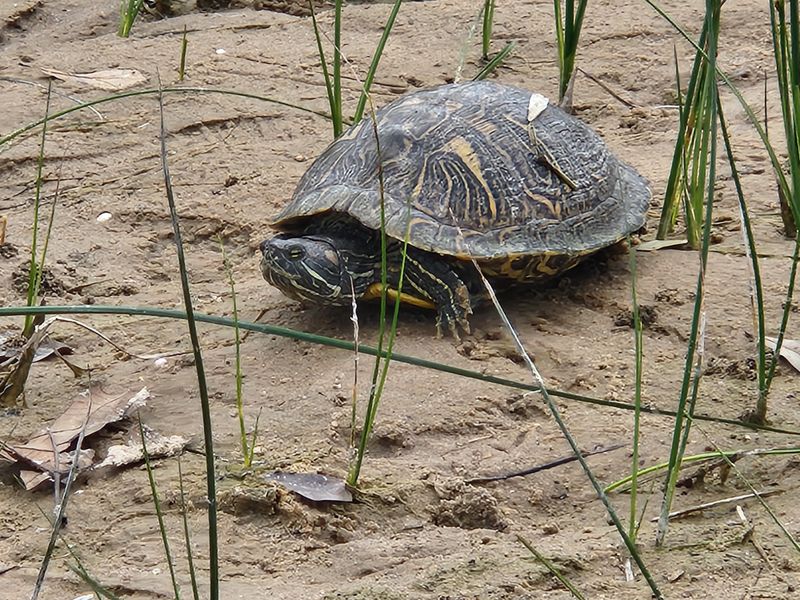
Hiking trails wind through native Texas vegetation where you might spot deer, wild turkeys, or armadillos going about their business. The reservoir’s location between the Gulf Coast and inland Texas makes it a stopping point for migrating birds, so spring and fall bring spectacular viewing opportunities.
After days of touring missions and monuments, an afternoon fishing or paddling on peaceful water feels absolutely perfect. The reservoir proves that Goliad offers more than just history.
It’s also a place where modern Texans create their own memories in landscapes their ancestors once roamed. Pack your fishing gear and outdoor equipment because this spot deserves a full day of your Goliad adventure.
Dear Reader: This page may contain affiliate links which may earn a commission if you click through and make a purchase. Our independent journalism is not influenced by any advertiser or commercial initiative unless it is clearly marked as sponsored content. As travel products change, please be sure to reconfirm all details and stay up to date with current events to ensure a safe and successful trip.
