The pickups and dirt roads of these once-quiet Texas towns are now sharing pavement with bulldozers, master-planned communities, and traffic jams that no one saw coming a decade ago.
Sprawling exurbs, like Celina, are suddenly bursting at the seams as people seek affordability near big cities, transforming sleepy main streets into bustling hubs overnight.
Even historic rural hamlets are feeling the heat, as the relentless urban expansion redefines the boundaries between country and city. This isn’t just a construction boom; it’s a full-blown identity shift happening faster than the welcome signs can be updated.
From new stoplights to packed school districts, the evidence of rapid change is everywhere you look.
1. Celina
There is a particular kind of electricity you feel in Celina these days, a buzz that hums through every new street and freshly paved cul-de-sac. Not long ago, this was a small farming community sitting quietly above the Dallas-Fort Worth sprawl.
Now it holds the title of the fastest-growing city in the entire United States by percentage, which is not something a town north of Frisco gets to say every day.
Its population has nearly quadrupled since 2020, reaching over 64,000 residents by mid-2025. That kind of growth does not happen by accident.
Celina has attracted families with its highly rated schools, master-planned communities, and a genuine sense of neighborhood pride that bigger cities often lose.
The Dallas North Tollway extension has made commuting far more manageable, and the arrival of major retailers has added real convenience to daily life. You can still find traces of the old town square and the agricultural roots that shaped this place for generations.
Those quiet corners feel almost surreal next to the gleaming new subdivisions spreading across the plains.
What strikes me most about Celina is how intentional the growth feels. Community events still draw big crowds, local schools are celebrated, and neighbors actually know each other.
For anyone watching Texas change in real time, Celina is the most dramatic example on the map right now. It is a town that looked up one morning and found itself at the center of something much bigger than anyone had planned.
2. Princeton
Princeton sits about thirty miles east of Dallas, and for a long time it felt like one of those towns you passed through on the way to somewhere else. That reputation is changing fast.
Between July 2024 and July 2025 alone, Princeton recorded an 18.1% population increase, and its total headcount has more than doubled since 2020.
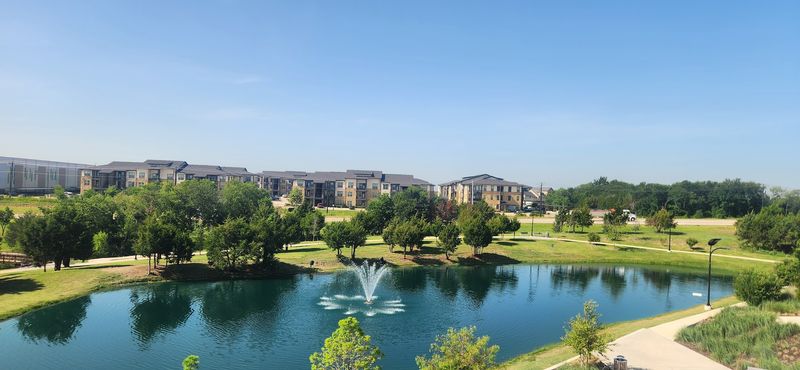
Affordability is a huge part of the story here. When housing prices in Plano and McKinney started climbing beyond reach for many families, Princeton quietly offered a reasonable alternative without sacrificing proximity to major employment centers.
Parks, good schools, and a community-first atmosphere sealed the deal for thousands of newcomers.
The downtown area still has that small-town heartbeat, with local businesses holding their own alongside the wave of new development pushing outward. There is something refreshing about a place that has not lost its original character even as construction crews work overtime on its edges.
The people here tend to be friendly in that genuinely unhurried Texas way.
What makes Princeton interesting to visit is the contrast. You can grab a meal at a family-run spot that has been there for decades, then drive five minutes and find yourself in a brand-new neighborhood that barely existed two years ago.
That tension between old and new gives the town a layered feeling that is hard to find in places that grew more gradually. Princeton is proof that affordability and ambition can absolutely coexist.
3. Melissa
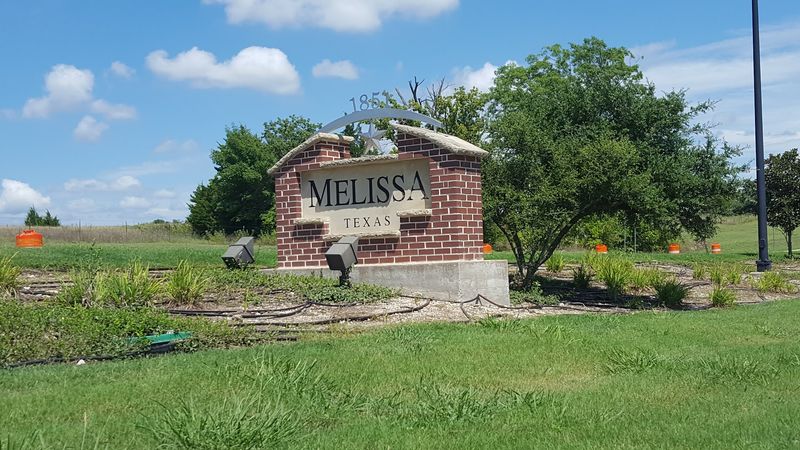
Melissa used to be the kind of town where everyone knew your name mostly because there were not that many names to know. It sat quietly in Collin County, surrounded by farmland, with a population that stayed modest for years.
Then something shifted, and the numbers started climbing with surprising speed.
By mid-2025, Melissa had grown by 14.5% in just one year, pushing its population close to 30,000 residents. For a town that once felt almost invisible on the regional map, that is a remarkable leap.
The growth here has been driven by families seeking affordable homes within reasonable distance of the DFW job market, and Melissa has delivered on that promise consistently.
The school district has earned strong marks from parents, and that reputation travels fast in communities where education is a top priority.
New parks, retail options, and community spaces are filling in around the residential expansion, giving the town a more complete feel than many fast-growing suburbs manage in their early years.
There is still a warmth to Melissa that larger neighbors sometimes struggle to maintain. Local events bring people together, and the sense of being part of something new and exciting is genuinely palpable when you spend time here.
I noticed it almost immediately on my last visit, just in the way people talked about their town with a mix of pride and mild disbelief. Melissa is growing up fast, and it seems to be handling the pressure with real grace.
4. Anna
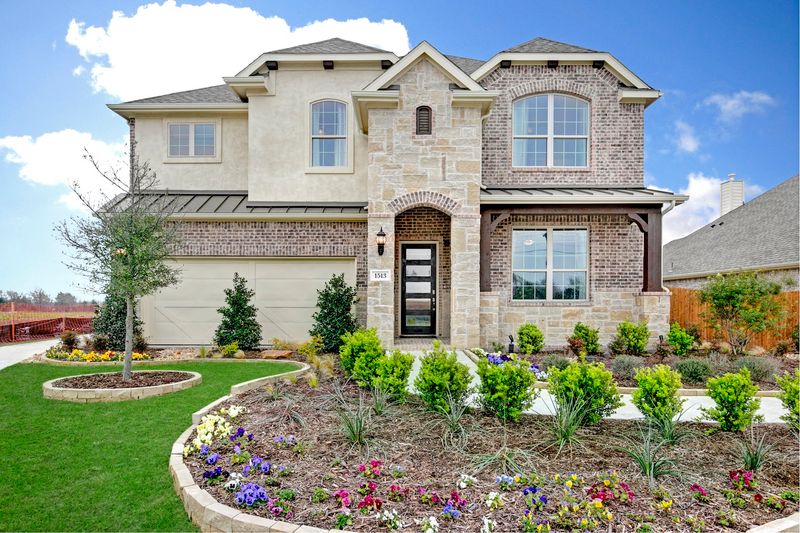
Anna occupies that sweet spot that so many Texas families are searching for right now: close enough to the city to stay connected, far enough away to breathe.
Sitting just north of McKinney in Collin County, it recorded a 10.2% population increase between July 2024 and July 2025, bringing its total to over 35,000 residents.
The appeal is straightforward and hard to argue with. Anna offers affordable housing, good schools, and modern amenities without the traffic congestion and noise that come with living inside a major urban center.
For young families especially, that combination is almost irresistible. The town has been smart about welcoming growth while still investing in the infrastructure needed to support it.
New neighborhoods have sprouted across the landscape with impressive speed, but Anna has also worked to preserve the community character that made it appealing in the first place.
Local parks are well-maintained, and there is a genuine investment in public spaces that residents can actually use and enjoy together.
Spending time in Anna feels a bit like watching a town figure itself out in real time, which is oddly compelling. The original downtown still has personality, and the newer sections feel thoughtfully designed rather than just thrown together.
That balance is harder to achieve than it looks, and Anna seems to be pulling it off. Whether you are considering a move or just passing through, it is worth slowing down and noticing how much life is filling up this corner of North Texas.
5. Forney
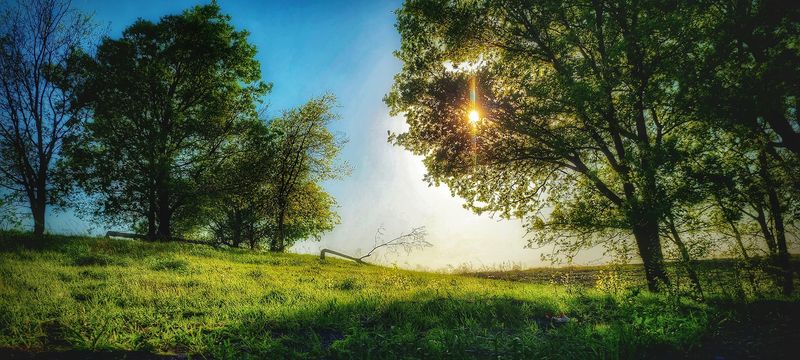
East of Dallas, just past the city limits where the landscape starts to open up, Forney has been quietly building something impressive. For years it was overshadowed by the flashier growth stories to the north and west of the metroplex.
But Forney has been doing its own thing, and the results are hard to ignore now.
The town has attracted a steady flow of families priced out of closer-in suburbs, and it has responded with new neighborhoods, improved roads, and expanded services that make daily life genuinely comfortable. The school district is a major selling point, and local pride in the community runs deep.
People here root for each other in a way that feels authentic rather than performed.
What I find interesting about Forney is how it has managed to grow without completely erasing what came before. The historic downtown still has a pulse, with local shops and restaurants that remind you this place had a life long before the subdivisions arrived.
That layer of history gives the town a texture that purely new developments often lack entirely.
The surrounding landscape is part of the charm too. Open fields and sky in every direction remind you that you are still in Texas, even as the town itself becomes more suburban by the year.
Forney is not trying to become the next Frisco. It seems more interested in being the best version of itself, which is a quietly admirable goal for any growing community navigating this much change this quickly.
6. Greenville
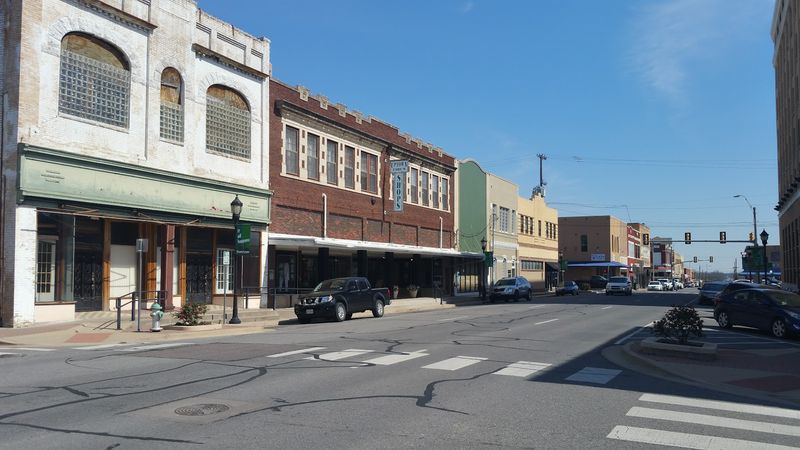
Greenville carries a different kind of change story compared to the outer-ring suburbs multiplying around Dallas. It is not just about new subdivisions and tollway extensions.
The change happening here feels more layered, more rooted in a community rediscovering its own potential after years of being overlooked.
Found about an hour northeast of Dallas, Greenville has a proud industrial history and a downtown that still has real bones. Recent years have brought renewed investment, new businesses testing the waters, and a younger demographic moving in and shaking things up in the best possible way.
The energy shift is noticeable if you pay attention.
The cost of living here is genuinely low by Texas standards, and that affordability has started attracting remote workers and small business owners who want more space and lower overhead without completely leaving the DFW orbit. That demographic shift is subtle but meaningful.
It changes the conversations happening in local coffee shops and at city council meetings.
Greenville also benefits from a strong sense of local identity that some faster-growing towns struggle to maintain. There is history here, and the people who have lived here for decades are not shy about sharing it.
That institutional memory acts as a kind of anchor as the town evolves. I found Greenville to be one of those places that rewards a slow visit, where you notice more the longer you stay.
The change here is not just physical. It feels personal, like a community deciding to believe in itself again.
7. Seguin
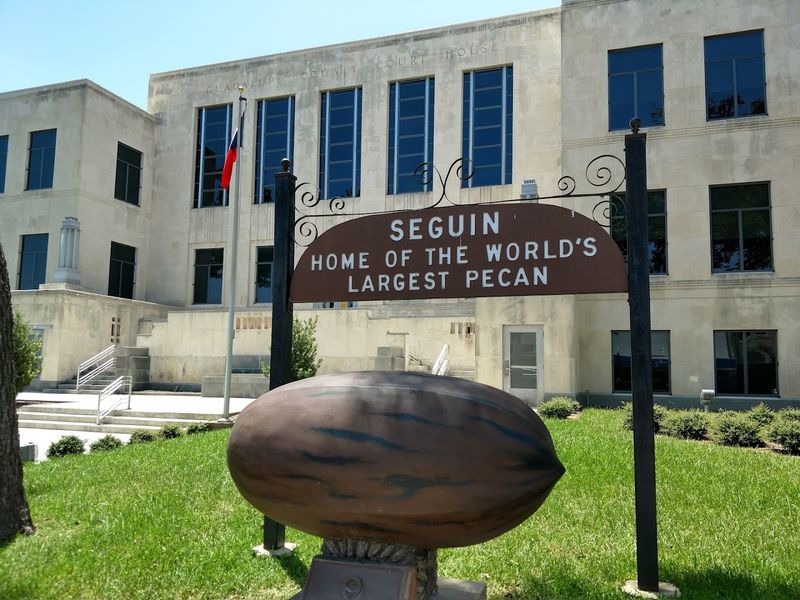
Seguin sits between San Antonio and Austin in a corridor that has become one of the most economically active stretches in the entire state.
For a town with deep German immigrant roots and a history tied to pecan farming and manufacturing, the pace of change happening here right now is something genuinely new.
The town has benefited enormously from its location along Interstate 10, which connects it to two of Texas’s largest job markets. Companies have taken notice, and industrial and commercial investment has picked up significantly in recent years.
That economic activity brings workers, and workers bring families, and families bring the kind of demand that reshapes a town from the inside out.
The historic downtown square still anchors community life beautifully. The old Guadalupe County Courthouse is one of those buildings that stops you in your tracks, and the surrounding streets have a walkable, lived-in quality that newer developments often cannot replicate.
Local restaurants and shops hold their own here, which is a good sign for the town’s long-term character.
What makes Seguin particularly interesting is the mix of old Texas pride and genuine openness to what is coming next. Longtime residents and newcomers seem to coexist with less friction than you might expect in a town changing this quickly.
There is room here for both the pecan festival crowd and the new tech-adjacent workers settling into modern apartments nearby. That kind of balance is not easy to strike, and Seguin seems to be managing it with a certain easy confidence.
8. New Braunfels
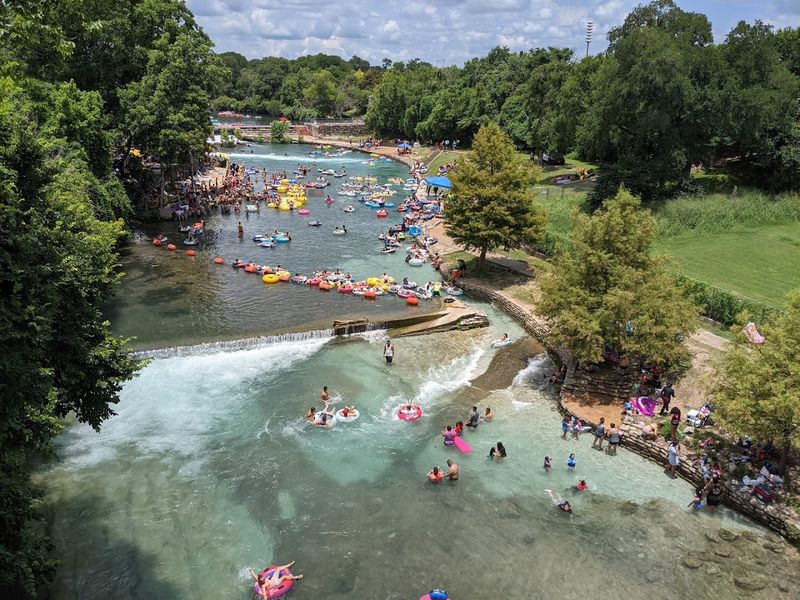
New Braunfels has been on people’s radar for a while, but the speed of its transformation over the past several years has caught even longtime observers off guard.
Nestled between San Antonio and Austin along the I-35 corridor, it has become one of the most in-demand communities in the entire state, and the growth shows no signs of slowing.
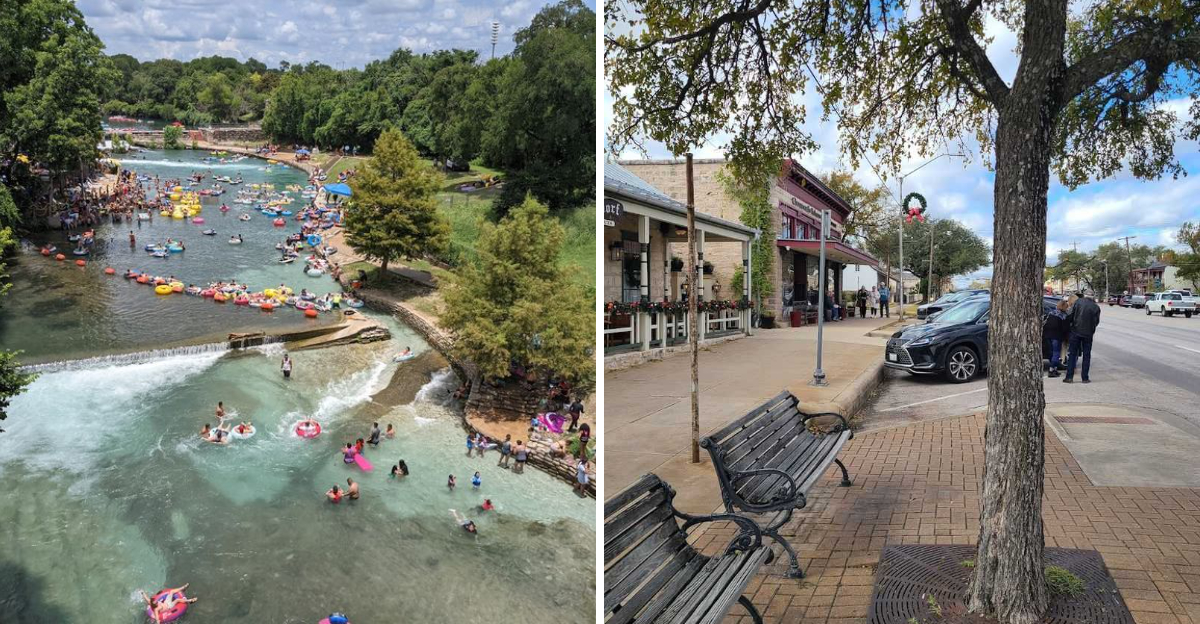
The Comal River runs right through the heart of town, and that natural feature has always drawn visitors. But what used to be a seasonal tourism bump has evolved into something more permanent.
People who came to float the river on a summer weekend started thinking about what it would be like to actually live here. Many of them eventually made the move.
New Braunfels offers a rare combination of natural beauty, genuine Hill Country character, and access to two major metros. The historic Gruene district just outside town adds another layer of charm, with its dance hall and antique shops pulling in visitors year-round.
That tourism base has helped support a local economy diverse enough to absorb rapid population growth without completely losing its identity.
The challenge for New Braunfels now is managing all of this momentum without letting the things that made it special get buried under development. From what I have seen, the town is aware of that tension and working hard to navigate it thoughtfully.
The old German heritage still peeks through on the main square, and that cultural continuity matters more than people sometimes realize when a place is growing this fast.
9. Fredericksburg
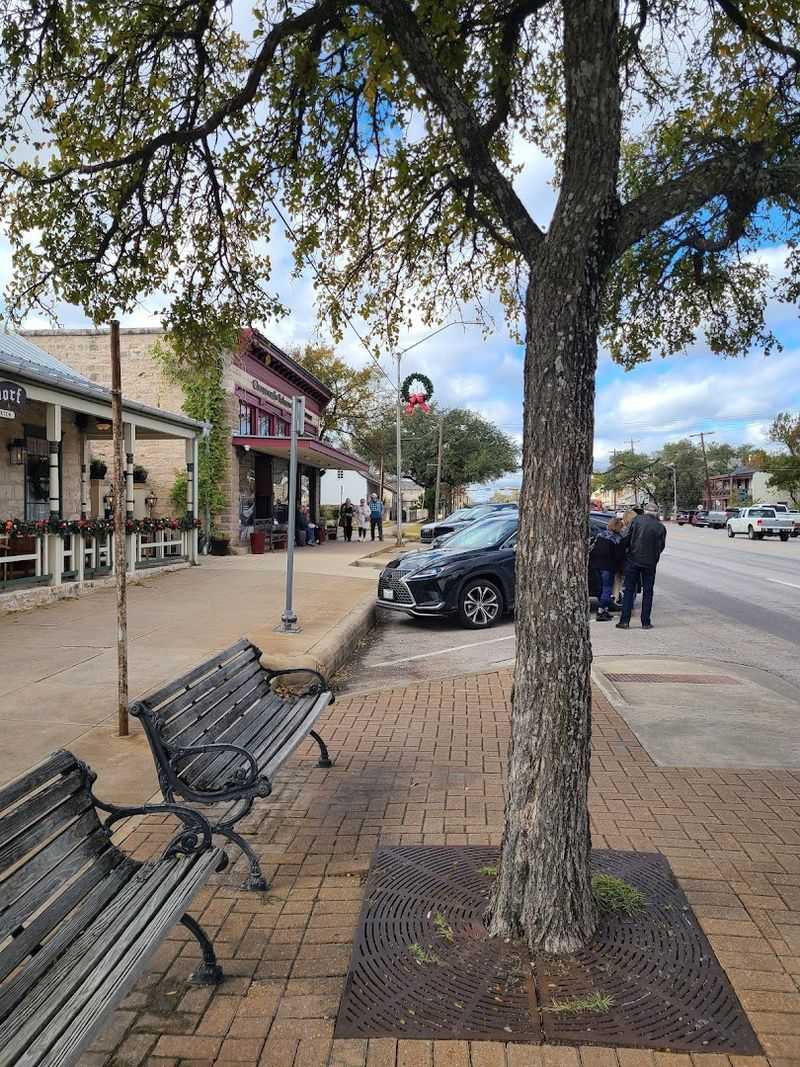
Fredericksburg has always had a loyal following, but the attention it is receiving now operates on a completely different scale.
This Hill Country gem, famous for its peach orchards, German heritage, and proximity to stunning natural scenery, has become one of the most visited small towns in Texas, and the ripple effects of that popularity are reshaping the community in real time.
Main Street still has that irresistible charm, lined with boutiques, bakeries, and historic buildings that reflect the town’s nineteenth-century German settler roots. But behind that postcard-perfect facade, Fredericksburg is navigating the pressures that come with being discovered by the wider world.
Property values have climbed sharply, and the character of the local economy has shifted considerably.
New businesses have moved in alongside established ones, and the surrounding countryside has seen a wave of boutique lodging and outdoor hospitality ventures that cater to visitors seeking a Hill Country escape.
The landscape itself, rolling hills covered in wildflowers and live oak, remains breathtaking and largely intact, which is something the community clearly values and protects.
What strikes me about Fredericksburg is how self-aware it seems about the changes underway. There are genuine conversations happening among residents about what the town wants to be and how to preserve what makes it worth visiting in the first place.
That kind of civic reflection is actually encouraging to witness. Fredericksburg is not just growing.
It is actively deciding what kind of growth it wants, which is a distinction that matters enormously for its future.
10. Boerne
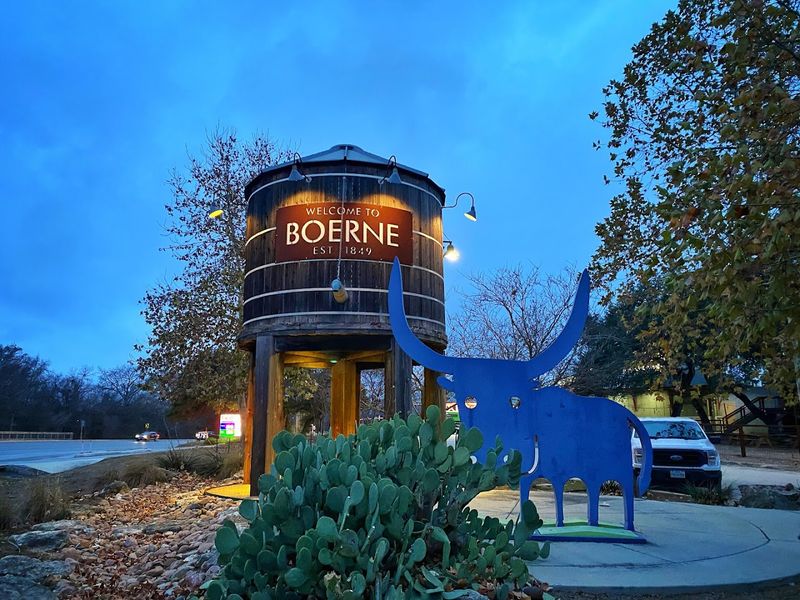
Just north of San Antonio along the I-10 Hill Country corridor, Boerne has been growing with a confidence that matches its increasingly polished reputation. It used to be primarily known as a quiet retreat for San Antonio residents looking for weekend antiques and creek-side picnics.
Now it is a full-time destination for families relocating in serious numbers.
The combination of excellent schools, relative affordability compared to San Antonio’s most desirable neighborhoods, and that unmistakable Hill Country atmosphere has made Boerne genuinely hard to resist.
New residential developments have pushed outward from the historic core, and commercial growth along the highway has followed closely behind.
The town is visibly busier than it was even five years ago.
Main Plaza still anchors the downtown experience beautifully. The Cibolo Creek running through town adds a natural focal point that residents and visitors both gravitate toward, especially in the late afternoon when the light hits the cypress trees just right.
That kind of setting does not go unnoticed by people searching for a place to plant roots.
Boerne has been thoughtful about maintaining its historic character even as growth accelerates around it. The old limestone buildings on the main street still stand, and local businesses continue to hold their own against the chain options expanding along the commercial corridors.
That balance is something the community seems genuinely invested in protecting. For anyone curious about what managed Hill Country growth looks like, Boerne is one of the more instructive examples you will find right now in Texas.
11. Kerrville
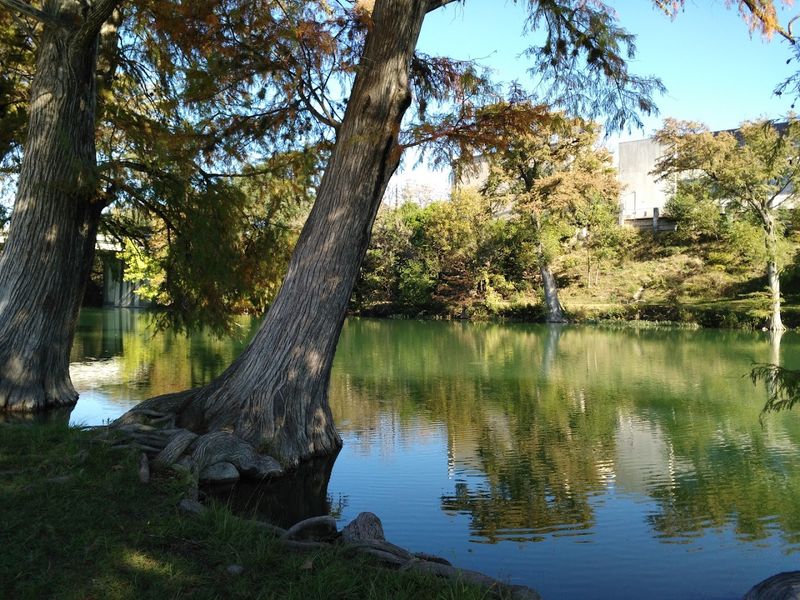
Kerrville occupies a stretch of the Guadalupe River that feels almost impossibly scenic, and for a long time that scenery was its primary calling card. Artists came for the light.
Retirees came for the pace. Families came in the summer for the camps scattered across the surrounding hills.
But something more significant has been building here over the past few years.
The town is experiencing a wave of newcomers that goes beyond the traditional Kerrville visitor. Remote workers, young families, and entrepreneurs have been arriving in numbers that are noticeably reshaping the local economy and the feel of the community.
The appeal is easy to understand. Kerrville offers natural beauty, a genuine small-city infrastructure, and a quality of life that is difficult to find at this price point anywhere else in Texas.
The Guadalupe River is still the emotional center of life here, with parks and trails along the banks drawing residents out on any given afternoon. The arts community remains vibrant and visible, which gives Kerrville a cultural texture that purely residential boomtowns often lack.
Local galleries, live music venues, and community events reflect a place that values creativity alongside commerce.
What is changing most noticeably is the sense of possibility in the air. New restaurants are trying things that would not have found an audience here a decade ago.
New businesses are testing concepts that suggest a growing confidence in the local market. Kerrville is still deeply itself, but it is also clearly becoming something more, and watching that evolution unfold is one of the more quietly exciting things happening in the Texas Hill Country right now.
12. Hutto
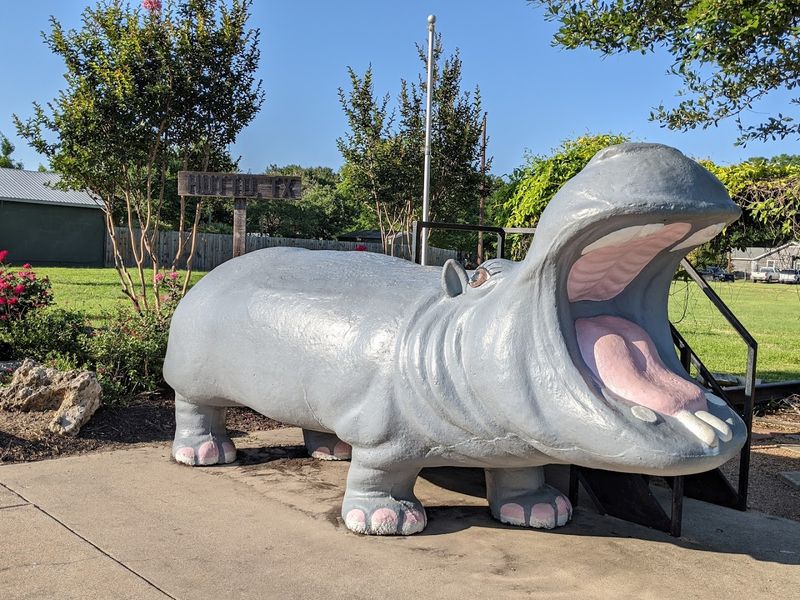
Hutto has a hippo as its official mascot, and that quirky detail perfectly captures the town’s personality: unexpected, a little offbeat, and far more substantial than it first appears.
Hutto is northeast of Austin, and has been absorbing growth from the Austin metro with impressive speed, recording a 9.4% population increase from 2023 to 2024 alone.
The proximity to major tech and manufacturing investments in the region has been a significant driver. As Austin itself became increasingly expensive, Hutto emerged as an affordable alternative that still kept workers within reasonable reach of the major employment corridors.
That positioning has paid off dramatically, and the town now has a momentum that feels self-sustaining.
A dynamic downtown area has been developing with genuine intention. New restaurants, local shops, and community spaces have given Hutto a heart that purely residential suburbs often struggle to build.
The town seems aware that livability depends on more than square footage and school ratings, and the investment in public life reflects that understanding.
What I appreciate about Hutto is how it wears its growth without pretension. There is no attempt to become something it is not.
The hippo statues scattered around town are a small but telling sign of a community comfortable with its own identity, even as everything around it changes. New residents arrive and seem to get absorbed into the local personality rather than overwriting it.
That kind of cultural resilience is genuinely rare in a town growing this fast, and it gives Hutto a distinctly appealing character that sets it apart from its neighbors.
13. Fulshear
Fulshear sits west of Houston in Fort Bend County, and the numbers attached to its growth story are genuinely staggering. From 2015 to 2023, the city experienced a 736% population increase.
By mid-2025, it ranked as the second-fastest growing city in the entire United States, with its population reaching over 64,000 residents after a 21% jump in just one year.
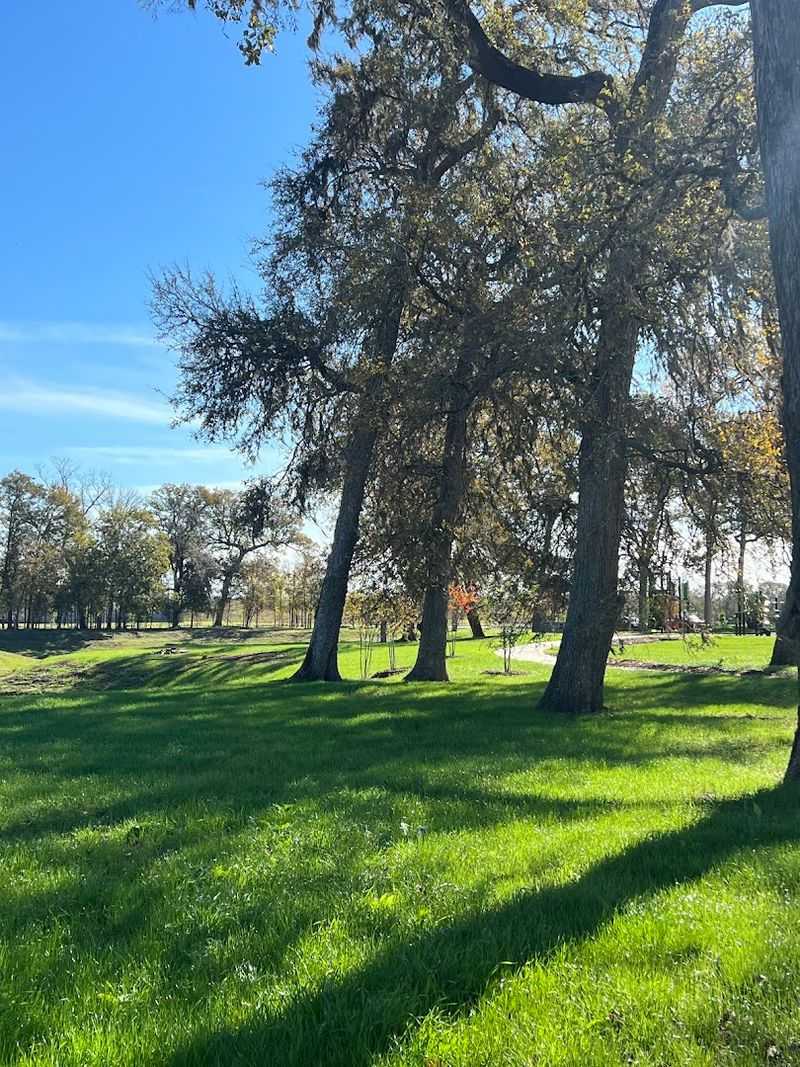
Those statistics are almost hard to process, but spending time in Fulshear makes them feel real. Master-planned communities stretch across what was recently open farmland, and the infrastructure supporting them is impressively well-organized.
Wide roads, manicured parks, and highly regarded schools within the Katy ISD have made Fulshear enormously attractive to families seeking suburban comfort with access to Houston’s job market.
The town manages to feel calmer and more spacious than you might expect given the scale of development. That is partly by design.
The planning behind Fulshear’s growth has emphasized green space, trails, and community amenities in ways that give residents a genuine quality of life rather than just a place to park a house.
What Fulshear represents in the broader Texas growth story is the power of intentional suburban development done at extraordinary scale. It is not a place with deep historical layers or an eccentric local character.
It is something different: a community being built in real time with real purpose, by real families who chose it deliberately. There is something almost fascinating about watching a town essentially materialize from scratch and become home to tens of thousands of people within a single decade.
