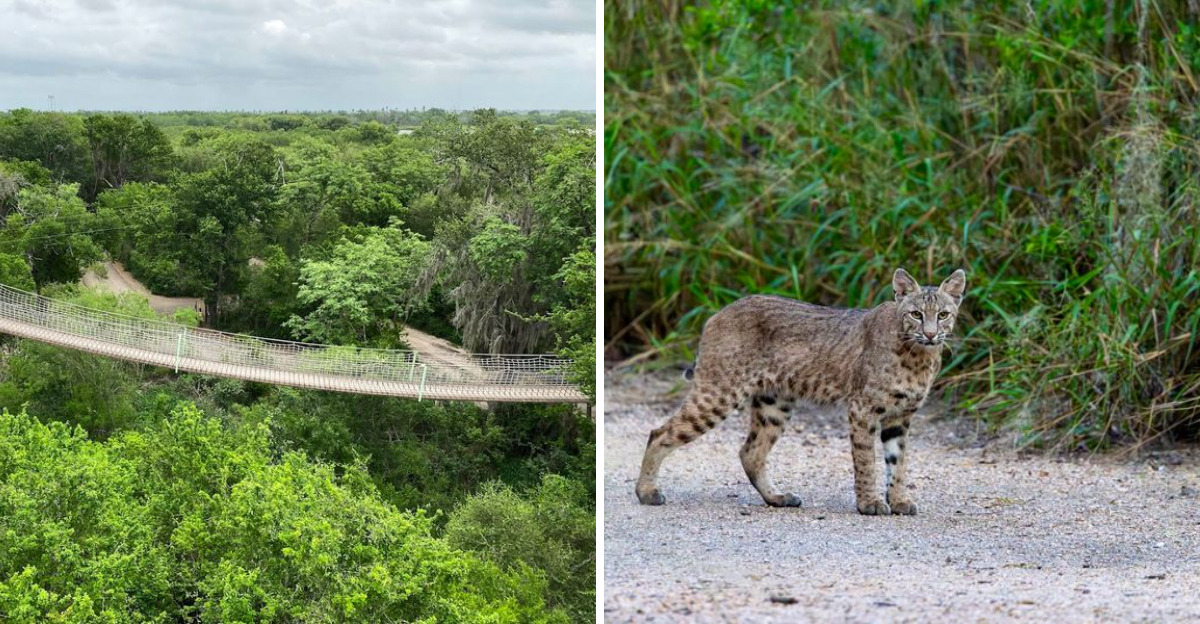
Most nature walks keep you close to the ground. This one lifts you above it.
An elevated boardwalk rises high enough to give you a completely different view, stretching out over dense greenery where birds, branches, and movement unfold at eye level instead of below your feet. It changes how you notice everything.
The experience feels quiet but never empty, with wildlife, shifting light, and long sightlines that make you slow down without trying. Texas has plenty of trails, but very few let you see the landscape from this angle.
The 40-Foot Observation Tower
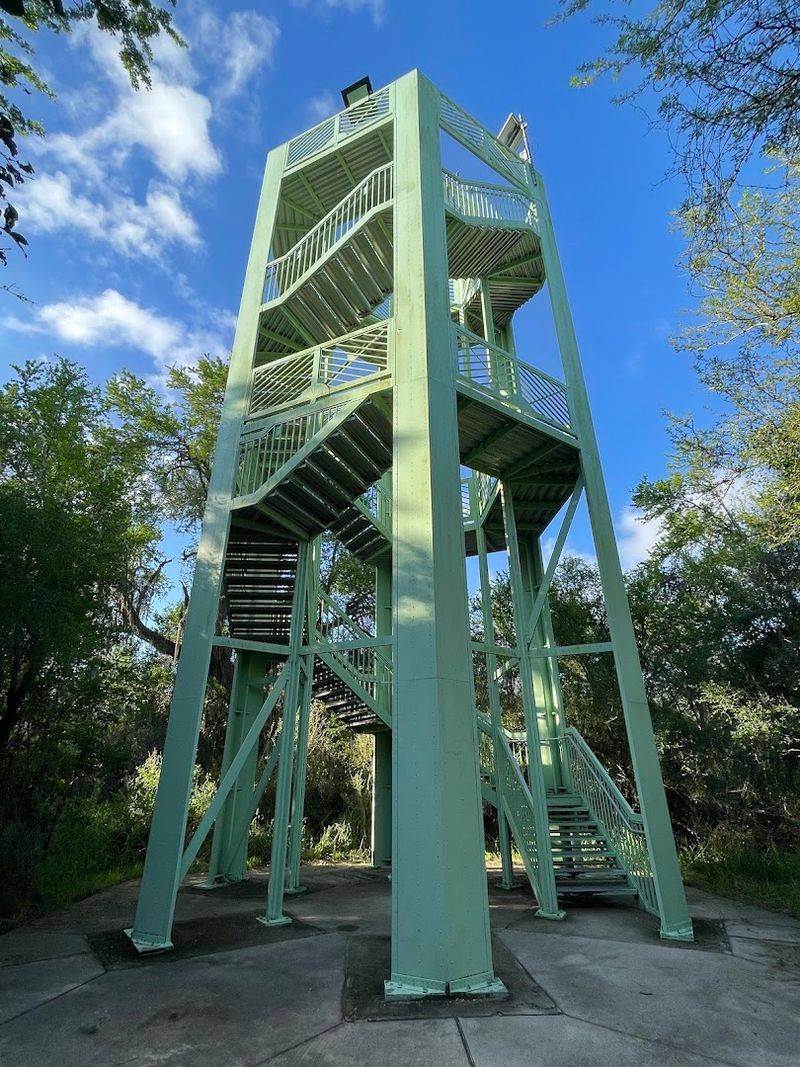
If the canopy boardwalk gives you a taste of the treetops, the 40-foot observation tower serves the full meal. Climbing to the top earns you a sweeping panoramic view of the entire refuge, the Rio Grande floodplain, and on clear days, a glimpse of Mexico just across the river.
The perspective from up there genuinely reframes how you understand the landscape below.
The climb itself is straightforward, a series of wooden stairs that wind upward in a structure that feels solid and well-built. Once at the top, the openness hits you.
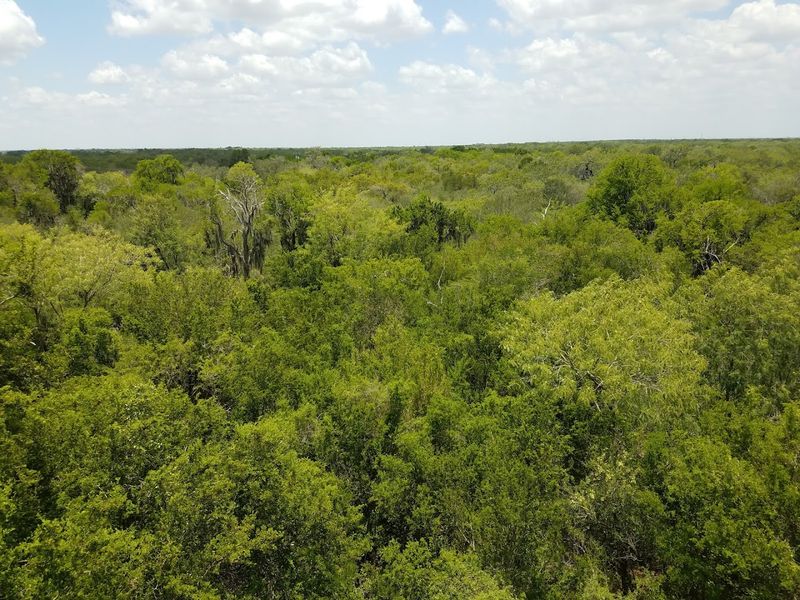
The dense forest canopy spreads out in every direction, interrupted only by the glint of water and the occasional burst of color from a bird in flight.
Photographers particularly love the tower for golden hour shots when the light turns warm and the shadows stretch long across the canopy. Wildlife spotters use it to scan for hawks, herons, and other large birds that prefer open airspace.
Even if you are just there for the view, the tower delivers something genuinely memorable. Pack water before the climb since the South Texas sun can be intense even on mild days.
The 18-Foot-High Canopy Boardwalk
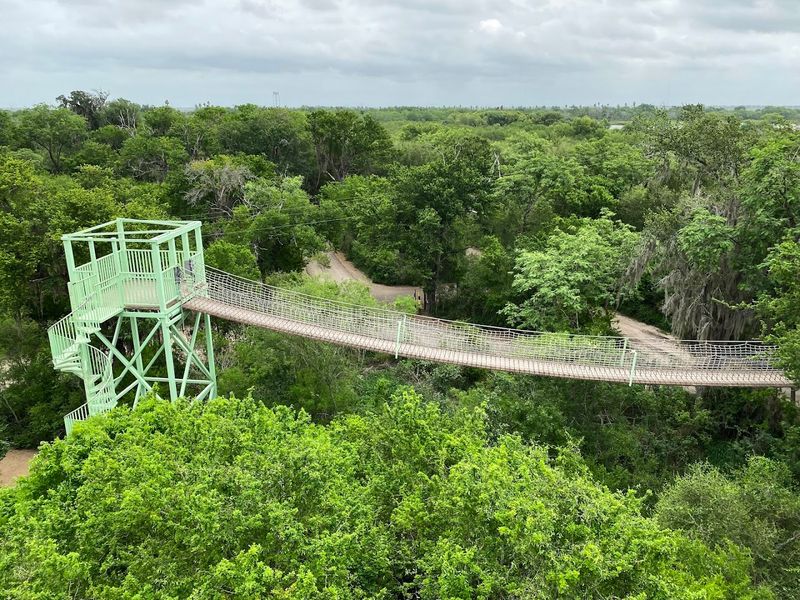
Most trails keep you grounded, but this one sends you skyward. The canopy boardwalk at Santa Ana National Wildlife Refuge climbs to 18 feet above the forest floor, putting you eye-level with branches, birds, and a world most visitors only glimpse from below.
It is genuinely one of the more surprising experiences a Texas nature trail can offer.
Up there, the sounds change. The rustling leaves feel closer, the birdsong wraps around you, and the usual trail noise fades beneath the canopy.
You start noticing details you would have missed entirely at ground level, like the way light filters through the subtropical foliage or how a Green Jay perches just a few feet away without flinching.
The boardwalk sways gently as you walk, which adds a little adventure to the experience. It is sturdy and well-maintained, so even nervous first-timers settle in quickly.
Families with older kids tend to love it, and photographers find the elevated angle opens up shot compositions they cannot get anywhere else in the refuge. Plan to linger here longer than you think you will.
Birdwatching Paradise With Over 400 Species
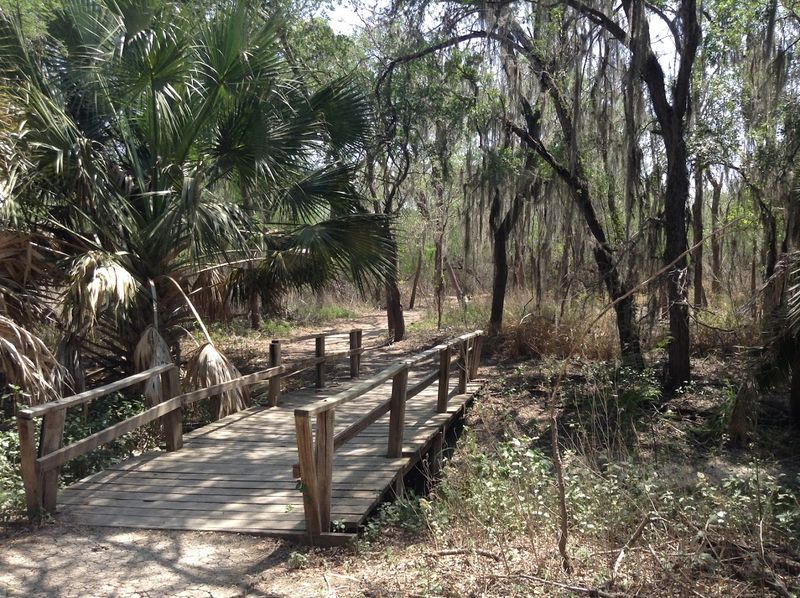
Few places in the United States can claim 400 bird species, and Santa Ana is one of them. The Rio Grande Valley sits at a natural crossroads for migratory birds traveling between North and South America, which makes this refuge one of the most productive birdwatching spots on the continent.
Serious birders travel from across the country just to tick new species off their lists here.
The variety is staggering. You might spot a Buff-bellied Hummingbird hovering near a flower, then turn around to find a Plain Chachalaca strutting across the trail like it owns the place.
Rare visitors from Mexico occasionally drift across the border, which keeps even experienced birders on their toes.
Beginners are just as welcome here. The trails are well-marked and the birds are often bold enough to observe without needing high-powered equipment.
Renting or borrowing binoculars before your visit is a smart move, though plenty of species come close enough to appreciate with the naked eye. The visitor center staff can point you toward the best spots for whatever species you are hoping to find that day.
Over 300 Butterfly Species in One Refuge
Butterflies do not usually steal the spotlight from birds, but at Santa Ana, they absolutely compete for your attention. With more than 300 species documented within the refuge, this place holds a remarkable concentration of butterfly diversity that attracts lepidopterists and casual nature lovers alike.
The subtropical climate of the Rio Grande Valley creates conditions that support species rarely found anywhere else in the United States. Some of these butterflies drift up from Mexico and Central America, making Santa Ana one of the few places north of the border where you can spot truly tropical species.
Malachite butterflies, White Peacocks, and various sulphurs float through the undergrowth in numbers that feel almost dreamlike.
Fall is generally considered peak butterfly season, though impressive numbers can be found almost any time of year thanks to the mild climate. The Malachite Trail, a short paved loop near the visitor center, was actually named after the Malachite butterfly and is a great starting point for anyone hoping to observe them up close.
Bring a field guide or download a butterfly identification app before your visit. You will be glad you did once the wings start appearing around every bend.
The Malachite Trail: An ADA-Accessible Adventure
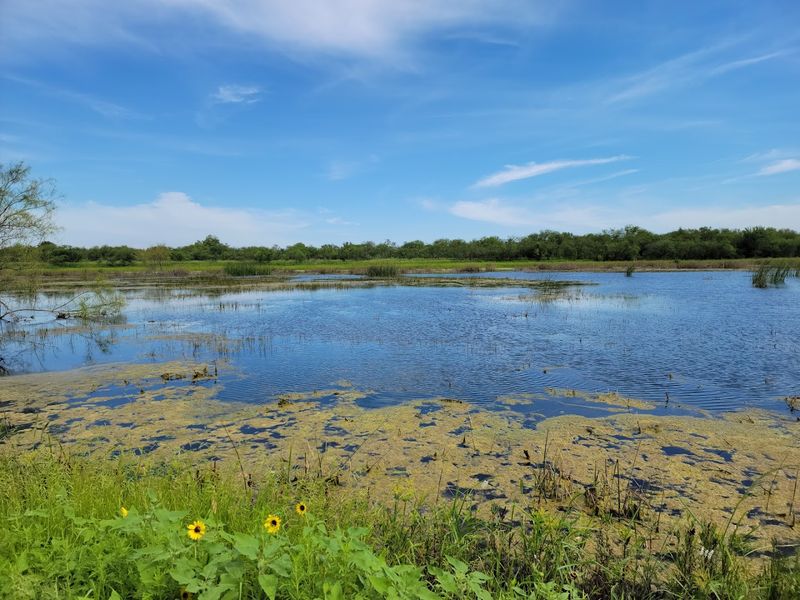
Not every trail at Santa Ana requires hiking boots and a high endurance level. The Malachite Trail is a 0.2-mile paved boardwalk that anyone can enjoy, whether you are pushing a stroller, using a wheelchair, or simply prefer a gentler pace through the refuge.
It is one of those thoughtful design choices that makes a natural space feel genuinely welcoming to everyone.
The trail loops around a scenic pond and features benches and picnic tables placed at intervals, so you can sit, watch, and absorb the surroundings without rushing. Great Blue Herons often wade along the water’s edge, and turtles sun themselves on partially submerged logs with an admirable lack of urgency.
Even experienced hikers who plan to tackle longer trails often start here as a warm-up. The short distance is deceptive because the wildlife activity around the pond can keep you occupied far longer than the trail length suggests.
Named after the Malachite butterfly, which does occasionally flutter through this area, the trail offers a concentrated slice of what makes Santa Ana special. It is calm, beautiful, and accessible in every sense of the word.
Guided Nature Tram Tours Through the Refuge
Sometimes the best way to experience a place is to let someone else do the navigating. The guided nature tram tours at Santa Ana run Wednesday through Saturday at 11 AM and 2 PM, rolling visitors through areas of the refuge that are harder to reach on foot.
A knowledgeable guide narrates the journey, pointing out wildlife, explaining the ecology, and answering questions along the way.
The tram covers ground efficiently without sacrificing the sense of discovery. You might roll past a thicket where a Least Grebe is nesting, or pause near a flowering tree where hummingbirds are feeding.
The guides know the refuge well and have a talent for spotting things that most visitors walk right past.
For first-time visitors especially, the tram tour is a smart investment of time. It gives you a broad orientation of the refuge’s geography and ecosystems before you head out on the trails independently.
Families with younger children find it particularly useful since it keeps everyone moving and engaged without requiring long stretches of walking. Arrive a few minutes early since spots can fill up quickly, especially during peak migration season in spring and fall.
12 Miles of Trails Through Subtropical Wilderness
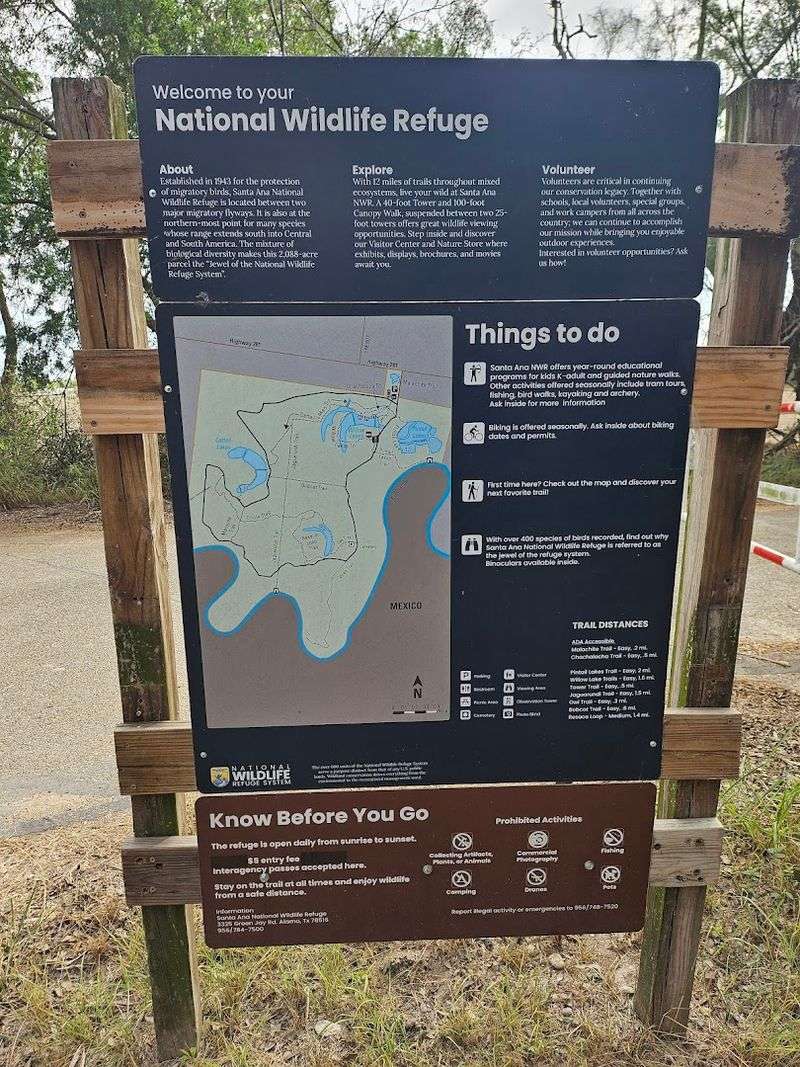
Twelve miles of trails sounds like a lot until you start walking and realize you want to explore every single one. Santa Ana’s trail network winds through a remarkable range of habitats, from dense woodland to open grassland to resaca wetlands, offering a different experience around nearly every corner.
The variety keeps things interesting even on a long visit.
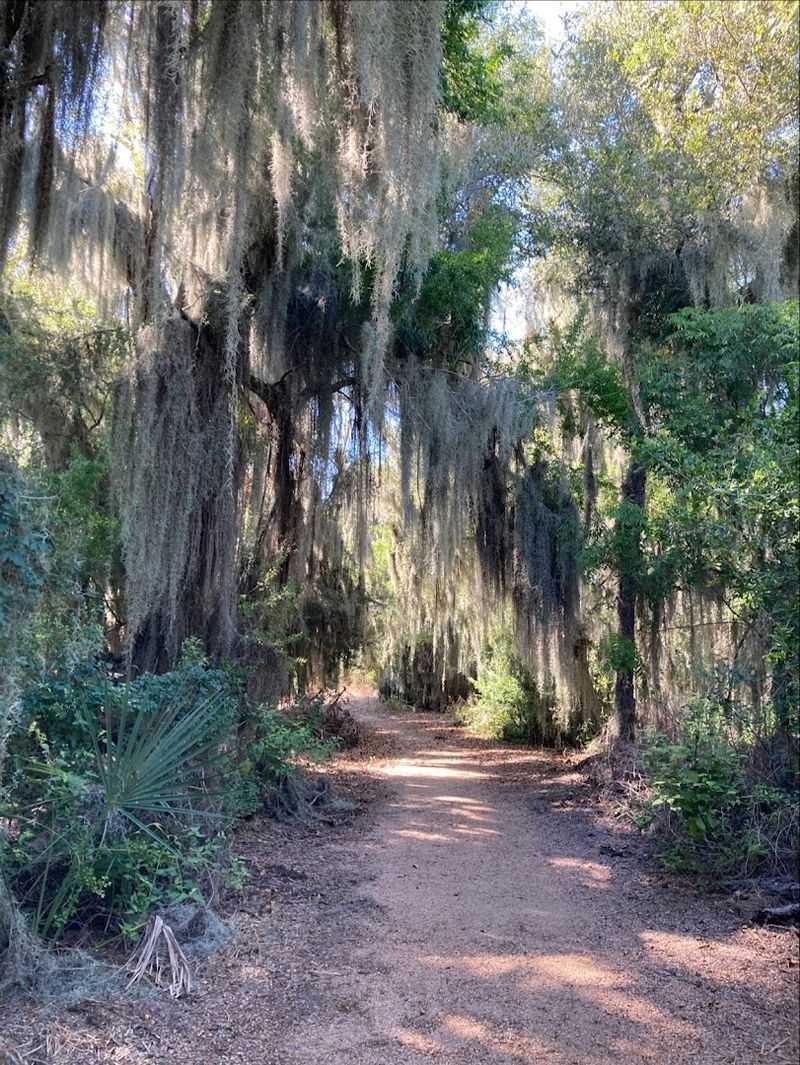
Some trails are short and easy, perfect for a quick morning walk before the heat builds. Others push deeper into the refuge where the forest closes in overhead and the sounds of the outside world fade completely.
The longer routes reward patience with quieter, less-visited pockets of the refuge where wildlife behaves as if no one is watching.
Trail maps are available at the visitor center and are worth picking up before you head out. The paths are generally well-marked, but the dense vegetation can make junctions feel ambiguous at times.
Wearing comfortable closed-toe shoes is a good call since the terrain varies, and the subtropical undergrowth occasionally reaches across the path. Carry water, apply sunscreen, and give yourself more time than you think you need.
The trails have a way of slowing you down in the best possible way.
A Biodiversity Hotspot Established in 1943
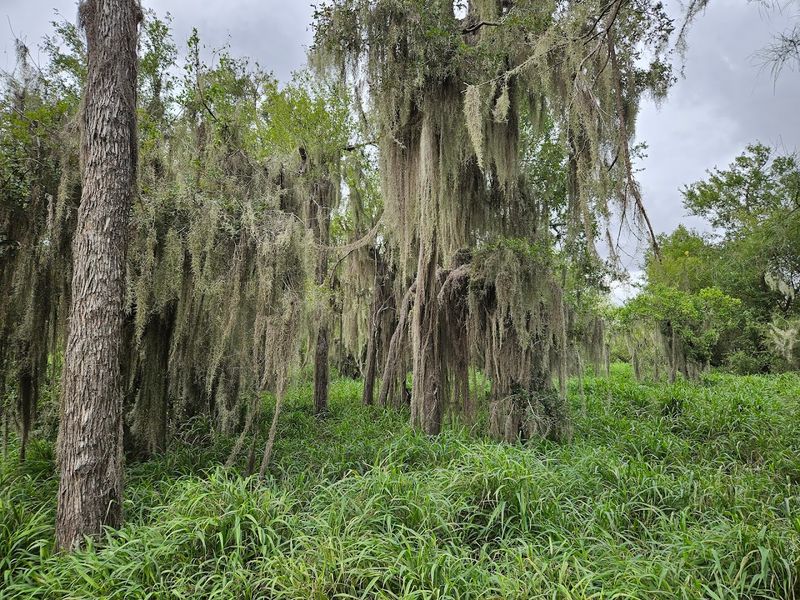
Santa Ana was established in 1943, which means this refuge has been protecting its remarkable ecosystem for over eight decades. The original mission was straightforward: preserve critical habitat for migratory birds traveling the Central Flyway.
What grew from that mission is one of the most biodiverse wildlife refuges in the entire United States.
The location is key. The Rio Grande Valley sits at the convergence of multiple ecological zones, where temperate North America meets tropical Mexico.
That overlap creates conditions where species from both regions coexist, producing a biological richness that is genuinely rare. Researchers and conservationists have studied this area for generations, and new observations still surface regularly.
Visiting with even a basic understanding of the refuge’s history adds texture to the experience. You start to appreciate that the towering ebony trees and the dense stands of anacua and brasil shrubs exist because someone made the decision to protect them before development could erase them.
That context makes the whole place feel more meaningful. The refuge is a living reminder that conservation decisions made decades ago continue to pay dividends in biodiversity, beauty, and opportunity for everyone who visits today.
Planning Your Visit: What to Know Before You Go
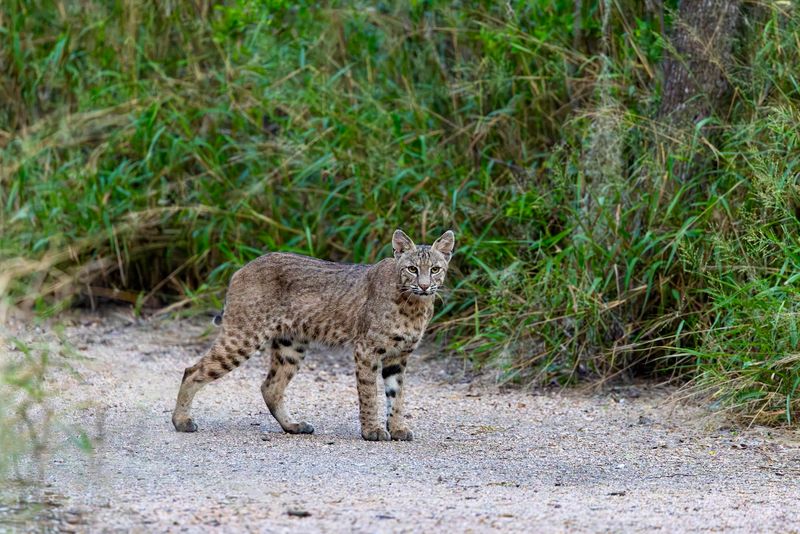
Getting the most out of Santa Ana starts with a little preparation. The refuge is open seven days a week from sunrise to sunset, which gives early risers a real advantage since dawn is when bird and wildlife activity peaks.
The visitor center operates Tuesday through Saturday from 9 AM to 4 PM and is a genuinely useful stop before hitting the trails.
The staff at the visitor center are knowledgeable and enthusiastic. They can tell you which trails are most productive that day, where recent rare bird sightings have occurred, and what butterfly species are currently active.
That kind of real-time local knowledge is hard to replicate with any amount of online research.
Wear light, breathable clothing since the South Texas humidity can be significant, especially from late spring through early fall. Bug spray is a practical necessity rather than an optional extra.
A hat and sunscreen round out the essentials. The refuge sits on the northern edge of Alamo, Texas, making it easy to combine with a broader Rio Grande Valley road trip.
Whenever you go, give yourself a full morning or afternoon at minimum. This is not a place that rewards rushing.
Address: 3325 Green Jay Road, Alamo, Texas.
Dear Reader: This page may contain affiliate links which may earn a commission if you click through and make a purchase. Our independent journalism is not influenced by any advertiser or commercial initiative unless it is clearly marked as sponsored content. As travel products change, please be sure to reconfirm all details and stay up to date with current events to ensure a safe and successful trip.
