
Tucked away in the Cuyamaca Mountains of San Diego County sits Julian, California 92036, a charming historic town where apple pies reign supreme and old-fashioned hospitality never goes out of style.
This census-designated place with a population of 1,768 has transformed from a bustling gold rush settlement into Southern California’s sweetest destination.
When autumn arrives and apple season peaks, thousands of visitors make the winding mountain drive to taste what locals already know; Julian’s pies are legendary.
From mom-and-pop bakeries perfecting recipes passed down through generations to orchards offering fresh-picked fruit, this California Historical Landmark proves that sometimes the smallest towns create the biggest flavors.
Apple Pie Heritage Dating Back to the 1870s
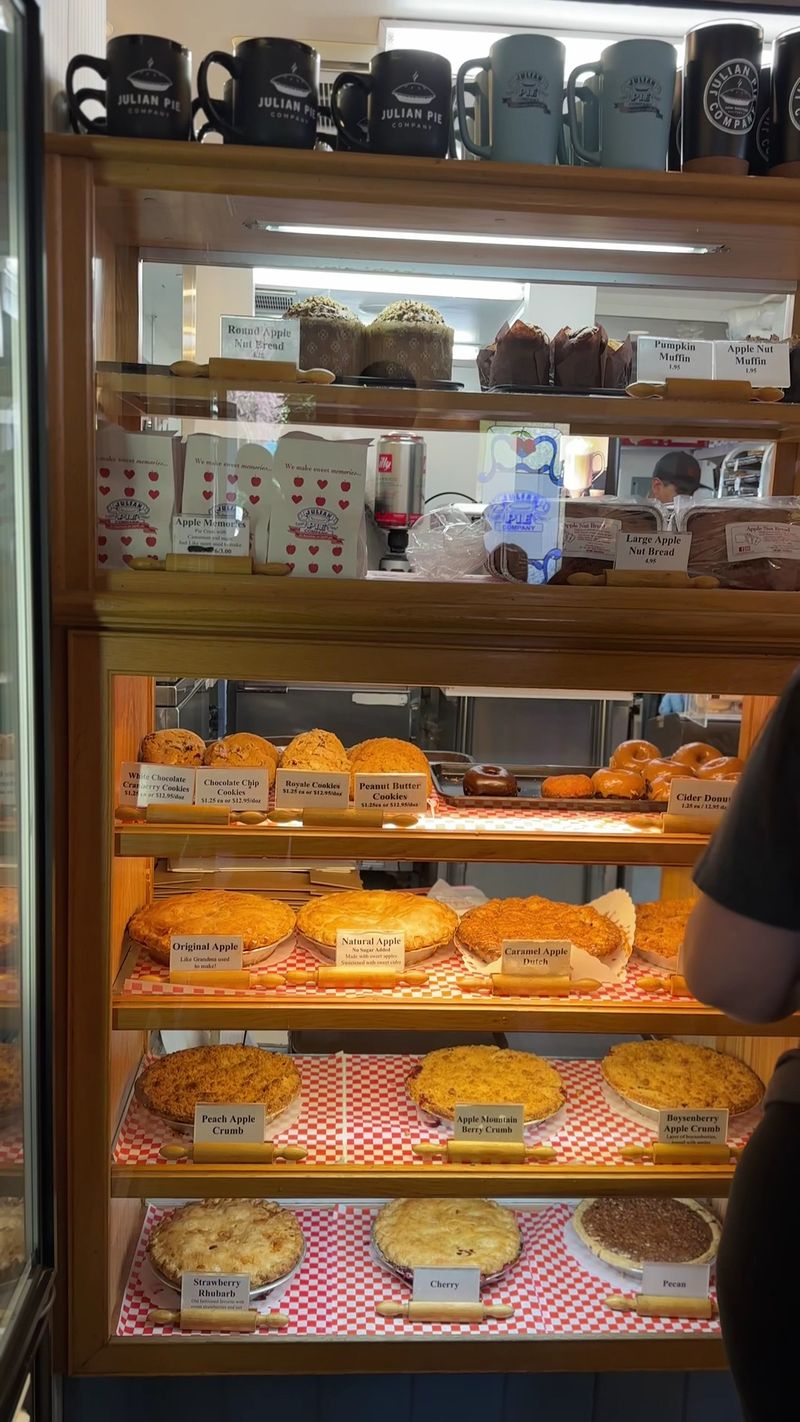
Gold miners stumbled upon Julian in 1869, but it was the apple trees planted shortly after that created the town’s lasting treasure.
When the gold ran out by the 1880s, farmers discovered the mountain climate and soil conditions were absolutely perfect for growing crisp, sweet apples.
Smart orchardists realized they could turn their abundant harvests into something even more valuable than precious metals; mouthwatering pies that would draw visitors for generations.
The tradition started small, with farm wives baking pies to sell at roadside stands along the dusty mountain roads.
Word spread quickly throughout Southern California about these incredible desserts made with freshly picked fruit.
By the mid-1900s, Julian had firmly established itself as the go-to destination for anyone craving authentic, homemade apple pie.
Today, the town proudly celebrates over 150 years of apple-growing history.
Multiple bakeries compete in the friendliest rivalry imaginable, each claiming their recipe produces the ultimate pie experience.
Visitors often debate whether they prefer Dutch crumble topping or traditional double crust.
Some swear by the classic cinnamon-spiced filling, while others champion creative variations with caramel or berry blends.
What everyone agrees on is that Julian’s pies taste different, better; than anywhere else.
The combination of high-altitude growing conditions, time-tested recipes, and genuine pride in craftsmanship creates something truly special.
Walking down Main Street during peak season, the aroma of baking pies fills the mountain air.
It’s a scent that has welcomed travelers for well over a century, making Julian’s pie heritage an edible piece of California history.
Mom’s Pies and the Famous Bakery Competition
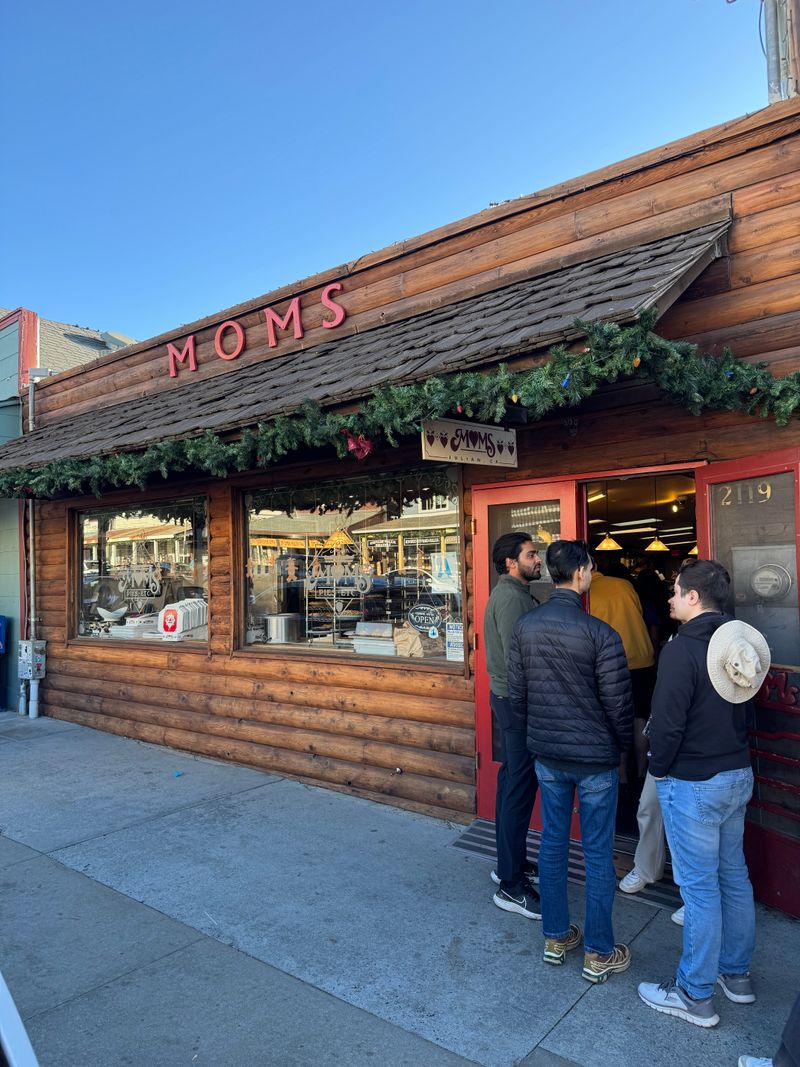
Mom’s Pies at 2119 Main Street, Julian, California 92036, has been serving hungry visitors since 1984, creating a legacy built on butter, apples, and love.
Stepping inside feels like entering your grandmother’s kitchen, if your grandmother happened to bake several hundred pies daily.
The display cases overflow with golden-crusted beauties, each one hand-crafted using recipes that owner Julie Rodefer has perfected over decades.
But Mom’s isn’t alone in Julian’s competitive pie scene.
The Julian Pie Company, Apple Alley Bakery, and several other establishments create a delicious rivalry that benefits everyone with taste buds.
Each bakery guards their secret recipes like treasure maps, adding signature touches that distinguish their pies from competitors.
Some use specific apple varieties grown in particular Julian orchards.
Others swear by special spice blends or unique crust techniques passed down through family lines.
During busy weekends, lines snake out bakery doors as pie pilgrims patiently wait their turn.
Smart visitors arrive early or call ahead to reserve whole pies, especially during the fall harvest season when demand skyrockets.
The friendly competition pushes each bakery to maintain incredibly high standards.
Nobody wants to be the shop that disappointed a customer who drove over an hour through mountain curves.
This pressure creates consistent excellence across Julian’s bakery scene.
Interestingly, the bakery owners genuinely respect each other despite competing for the same customers.
They’ll often direct overflow crowds to neighboring shops rather than turn people away empty-handed.
This community spirit reflects Julian’s small-town values where everyone succeeds together.
Pick-Your-Own Orchards Surrounding the Town
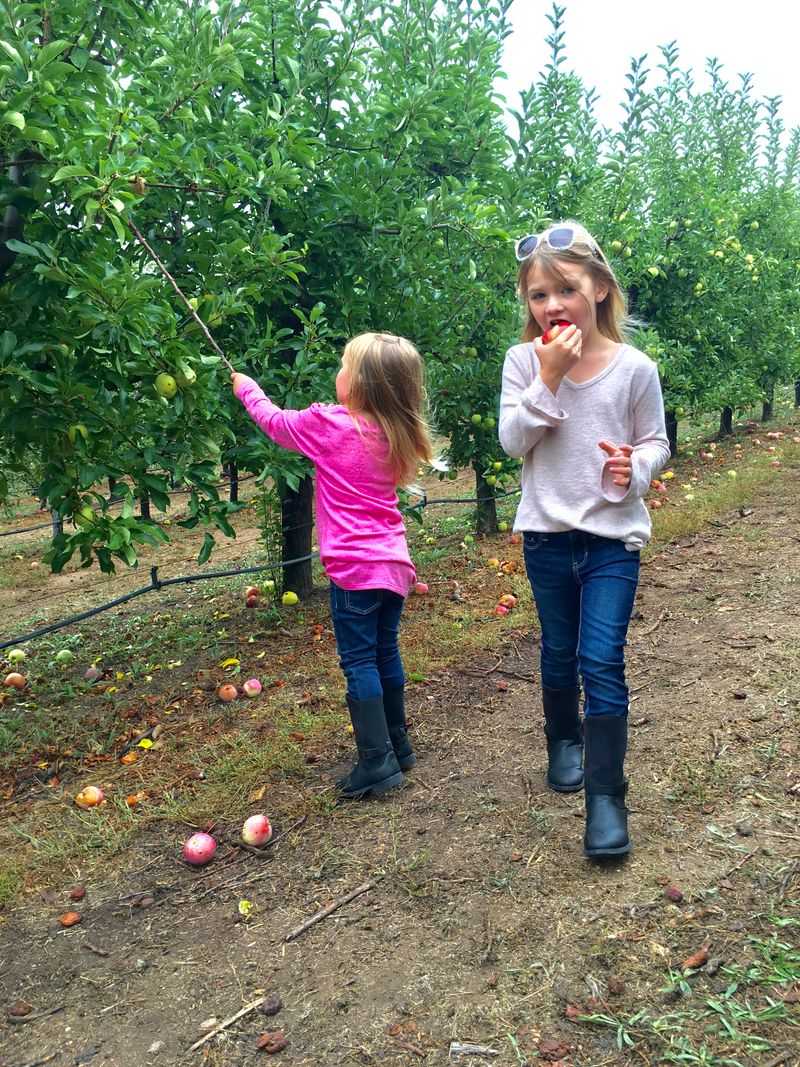
Nothing compares to biting into an apple you just plucked from a tree yourself, still warm from the mountain sunshine.
Julian’s surrounding hillsides are dotted with working orchards that welcome visitors during harvest season, typically running from September through November.
Calico Ranch, Menghini Winery’s orchard, and several other farms offer pick-your-own experiences that connect city dwellers with agricultural traditions.
Families arrive with empty baskets and leave with pounds of crisp Granny Smiths, sweet Fujis, and heritage varieties you won’t find in supermarkets.
The experience teaches kids where food actually comes from, creating memories far more valuable than the apples themselves.
Parents appreciate the affordable entertainment; most orchards charge by the pound, making it budget-friendly compared to typical tourist attractions.
The mountain setting adds natural beauty to the practical activity of fruit gathering.
Rows of trees stretch across rolling hills, with views extending to distant peaks on clear days.
Photographers find endless inspiration in the combination of rustic farm buildings, laden branches, and dramatic landscapes.
Orchard owners often share fascinating details about apple cultivation at 4,200 feet elevation.
The cool nights and warm days create ideal conditions for developing complex flavors and satisfying crunch.
Many Julian apples taste noticeably better than lowland varieties because of these unique growing conditions.
After filling baskets, visitors can purchase fresh-pressed cider, apple butter, and other orchard products.
Some farms offer pre-picked apples for those who prefer convenience over the hands-on experience.
Either way, taking home Julian-grown fruit means you can attempt baking your own pie using the same ingredients the famous bakeries rely on.
Annual Apple Days Festival Celebration
Every autumn, Julian transforms into festival central when Apple Days arrives, bringing two consecutive weekends of celebration in September and October.
What started as a small harvest celebration in the 1950s has grown into Southern California’s premier fall event, attracting over 40,000 visitors annually.
Main Street closes to vehicle traffic, becoming a pedestrian paradise lined with craft vendors, food stalls, and entertainment stages.
Local artisans sell handmade jewelry, woodwork, pottery, and countless apple-themed creations.
Musicians perform bluegrass, country, and folk music that perfectly matches the mountain town atmosphere.
Of course, pie remains the undisputed star of the festival.
Bakeries extend their hours and boost production to meet insane demand, often selling out completely by mid-afternoon.
Pie-eating contests challenge contestants to devour entire pies at record speed, creating hilarious spectacles for onlookers.
The festival also includes a classic car show, because nothing says Americana quite like vintage automobiles parked near historic buildings.
Families pose for photos next to gleaming hot rods and restored trucks that look like they drove straight out of the 1950s.
Kids enjoy carnival games, face painting, and the chance to pet farm animals at agricultural displays.
Local organizations set up information booths, sharing Julian’s rich history and promoting preservation efforts.
The festival creates a sense of community celebration that feels increasingly rare in modern California.
Neighbors reconnect, visitors discover new favorite traditions, and everyone leaves with apple-scented memories.
Hotels and bed-and-breakfasts book solid months in advance for Apple Days weekends.
Smart planners make reservations in early summer or resign themselves to day-tripping from San Diego.
Historic Main Street Architecture and Charm

Walking down Julian’s Main Street feels like stepping onto a movie set, except everything is authentically preserved rather than artificially constructed.
Many buildings date back to the 1870s and 1880s, constructed during the gold rush boom when miners flooded the area.
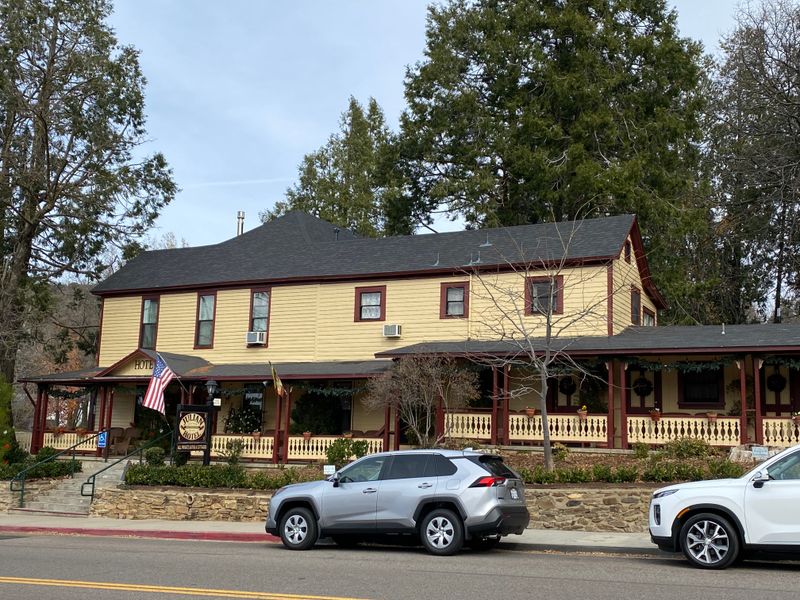
The Julian Hotel, built in 1897, still welcomes overnight guests who want to experience Victorian-era accommodations with modern comforts added discreetly.
Wooden sidewalks and false-front buildings maintain the Old West aesthetic that makes Julian feel special.
Unlike some California towns that demolished historic structures for parking lots, Julian residents fiercely protected their architectural heritage.
This commitment earned the town designation as an official California Historical Landmark.
Antique shops occupy buildings that once housed general stores and saloons.
The Eagle and High Peak Mine, open for tours, shows visitors actual tunnels where prospectors once searched for fortune.
These authentic historical sites provide educational value alongside the entertainment of pie-eating.
The town’s compact size makes exploring easy without exhausting yourself.
You can walk from one end of the commercial district to the other in about ten minutes, though most visitors take considerably longer because they keep stopping to peek in shop windows.
Photographers adore Julian’s photogenic qualities, especially during golden hour when sunlight bathes the wooden buildings in warm tones.
The mountain backdrop adds dramatic scenery that flatland towns simply cannot match.
Seasonal changes bring different visual appeals; spring wildflowers, summer greenery, autumn colors, and occasional winter snow dusting the peaks.
Local business owners take pride in maintaining period-appropriate storefronts.
You won’t find garish modern signage disrupting the historical ambiance.
Mountain Climate Perfect for Apple Growing
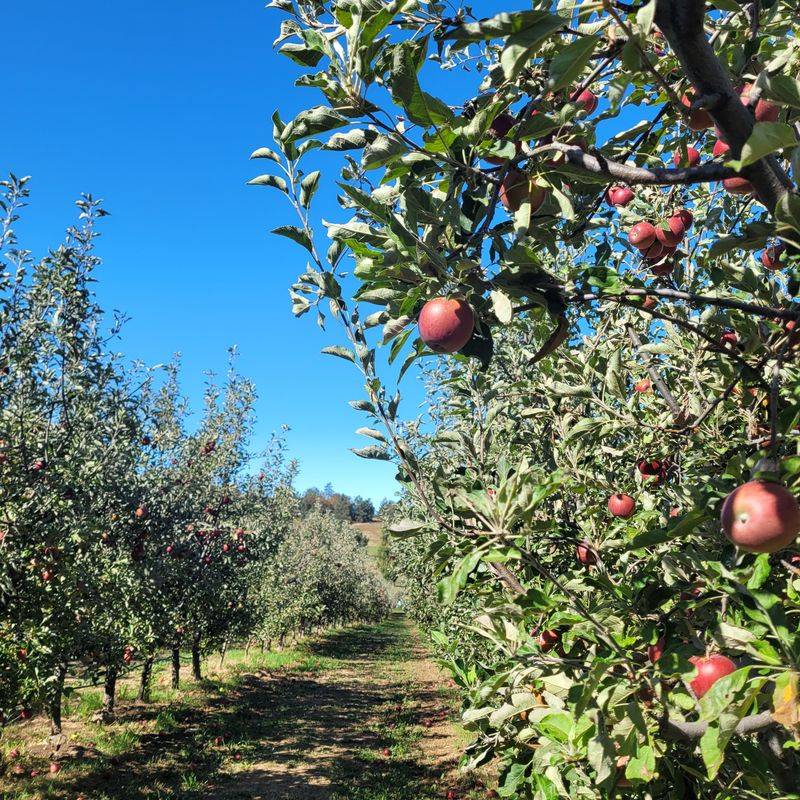
Geography and climate conspired to make Julian ideal for apple cultivation, creating conditions that commercial growers in warmer regions cannot replicate.
Sitting at approximately 4,200 feet elevation in the Cuyamaca Mountains, Julian experiences four distinct seasons unusual for Southern California.
Winter temperatures drop low enough to provide the chill hours apple trees require for proper fruiting.
Spring brings moderate warmth that encourages blossoming without the scorching heat that can damage delicate flowers.
Summer days warm up nicely but cool down at night, creating the temperature swings that develop complex fruit flavors.
Autumn arrives with crisp mornings perfect for harvest activities and pie-baking weather.
The mountain soil, enriched by decomposed granite and organic matter, provides excellent drainage while retaining necessary moisture.
Apple trees thrive in these conditions, producing fruit with exceptional flavor, texture, and sugar content.
Many Julian apples develop more intense taste profiles than their lowland cousins because the trees work harder in the challenging mountain environment.
Rainfall patterns also favor apple cultivation here.
Julian receives more precipitation than the surrounding desert valleys, reducing irrigation needs during critical growing periods.
The relatively low humidity helps prevent many fungal diseases that plague apple orchards in damper climates.
Growers can often use fewer chemical treatments, resulting in cleaner fruit that health-conscious consumers appreciate.
These natural advantages explain why Julian’s apple industry survived when easier, more profitable crops might have tempted farmers elsewhere.
The land itself demanded apples, and generations of orchardists listened.
Today, climate change brings concerns about shifting growing conditions.
However, Julian’s elevation provides some buffer against warming trends affecting lower-altitude agricultural regions.
Cozy Bed and Breakfasts for Weekend Getaways

Spending the night in Julian transforms a day trip into a genuine escape from urban stress and digital overload.
The town offers numerous bed and breakfasts, each with distinct personality and charm that chain hotels cannot match.
Many occupy lovingly restored Victorian homes where creaky floorboards and antique furnishings add character rather than signaling neglect.
Innkeepers typically serve elaborate homemade breakfasts featuring, you guessed it; apple-based dishes like Dutch babies, fritters, and coffee cake.
Guests enjoy these meals in cozy dining rooms where conversation flows easily among strangers who quickly become temporary friends.
The intimate scale of these establishments creates community that large resorts deliberately avoid.
Room rates remain surprisingly reasonable compared to coastal California destinations.
Couples seeking romantic weekends appreciate fireplaces, claw-foot tubs, and the absence of television in many rooms.
Without constant screen distractions, visitors actually talk to each other, read books, or simply enjoy mountain silence.
Several bed and breakfasts offer themed rooms celebrating different historical periods or design styles.
You might sleep in a room decorated with mining memorabilia or one featuring French country elegance.
The variety means repeat visitors can experience different accommodations on each trip.
Location matters when choosing lodging.
Some properties sit right on Main Street, allowing guests to walk everywhere without driving.
Others occupy quieter locations on the town’s outskirts, offering more privacy and expansive views.
Stargazing from Julian’s dark-sky location reveals constellations invisible from light-polluted cities.
Many visitors report sleeping better in Julian’s cool mountain air.
The combination of physical activity, fresh air, and absence of urban noise creates perfect conditions for deep, restorative rest.
Year-Round Activities Beyond Apple Season
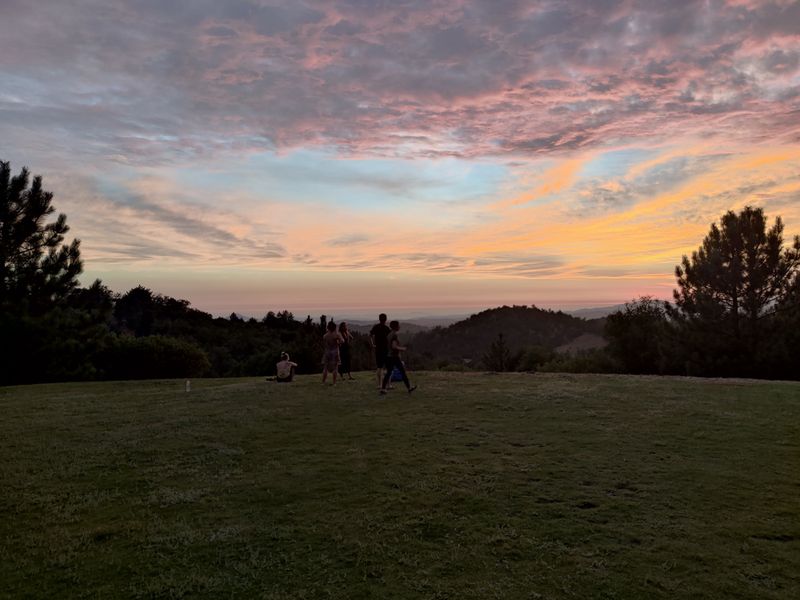
Smart travelers know that Julian offers attractions extending far beyond autumn’s apple frenzy.
Winter occasionally brings snow to the mountains, transforming the town into a magical wonderland that San Diego County residents rarely experience.
Kids from coastal communities arrive wide-eyed at the novelty of actual snowflakes, building tiny snowmen on Main Street medians.
Local shops remain open year-round, providing shopping opportunities without the harvest-season crowds.
Spring wildflower season paints the surrounding hillsides in vibrant colors, attracting hikers and nature photographers.
Trails in nearby Cuyamaca Rancho State Park offer everything from easy nature walks to challenging backcountry treks.
The park’s 25,000 acres contain diverse ecosystems ranging from oak woodlands to conifer forests.
Summer brings comfortable temperatures that feel like air conditioning compared to the desert valleys below.
Families escape the heat by spending weekends in Julian’s naturally cooled environment.
The town hosts various events throughout the year, including a holiday parade and summer concerts.
Wineries and cideries around Julian welcome visitors for tastings, adding adult beverage options to the family-friendly pie scene.
These establishments have grown significantly in recent years, creating a wine country atmosphere in unexpected mountain territory.
Antique hunters browse shops packed with vintage treasures, from furniture to collectibles.
Gold panning demonstrations let kids try their luck at finding tiny flakes in mountain streams.
The Julian Pioneer Museum, located in a historic blacksmith shop, displays artifacts telling the area’s fascinating story.
Admission costs just a few dollars, making it an affordable educational stop.
Basically, Julian functions as a four-season destination rather than a one-trick pony dependent solely on apple harvest timing.
Community Pride and Small-Town Hospitality
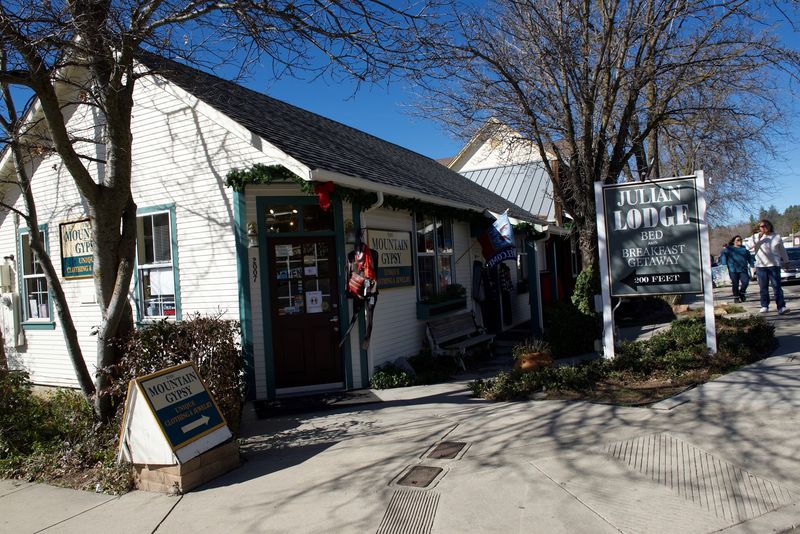
Perhaps Julian’s most magical ingredient isn’t found in any pie recipe; it’s the genuine warmth of people who chose to build lives in this mountain community.
Shopkeepers remember repeat customers by name and ask about their families.
Locals volunteer countless hours maintaining the town’s character and organizing events that benefit everyone.
This isn’t calculated customer service training; it’s authentic small-town culture that increasingly rare in modern America.
Residents fiercely protect Julian from overdevelopment that could destroy what makes it special.
They’ve resisted chain restaurants and big-box stores that would bring convenience at the cost of character.
When wildfires threatened the area in 2003, the community rallied together, demonstrating resilience and mutual support.
Neighbors helped neighbors rebuild, and visitors returned to show solidarity through tourism dollars.
The town’s population of 1,768 means everyone knows everyone, creating social accountability that encourages good behavior.
Business owners cannot afford to treat customers poorly when word spreads instantly through such a tight-knit community.
This natural quality control ensures consistently positive visitor experiences.
Local schools educate children who often represent fourth or fifth generations of Julian families.
This continuity preserves institutional knowledge about the area’s history and traditions.
Young people who leave for college often return, choosing Julian’s quality of life over big-city career opportunities.
Community events bring everyone together regardless of age or background.
The annual Fourth of July parade, holiday celebrations, and volunteer fire department fundraisers create shared experiences that strengthen social bonds.
Visitors sense this authentic community spirit immediately upon arrival.
It’s reflected in the carefully tended gardens, the preserved architecture, and the pride evident in every interaction.
Dear Reader: This page may contain affiliate links which may earn a commission if you click through and make a purchase. Our independent journalism is not influenced by any advertiser or commercial initiative unless it is clearly marked as sponsored content. As travel products change, please be sure to reconfirm all details and stay up to date with current events to ensure a safe and successful trip.
