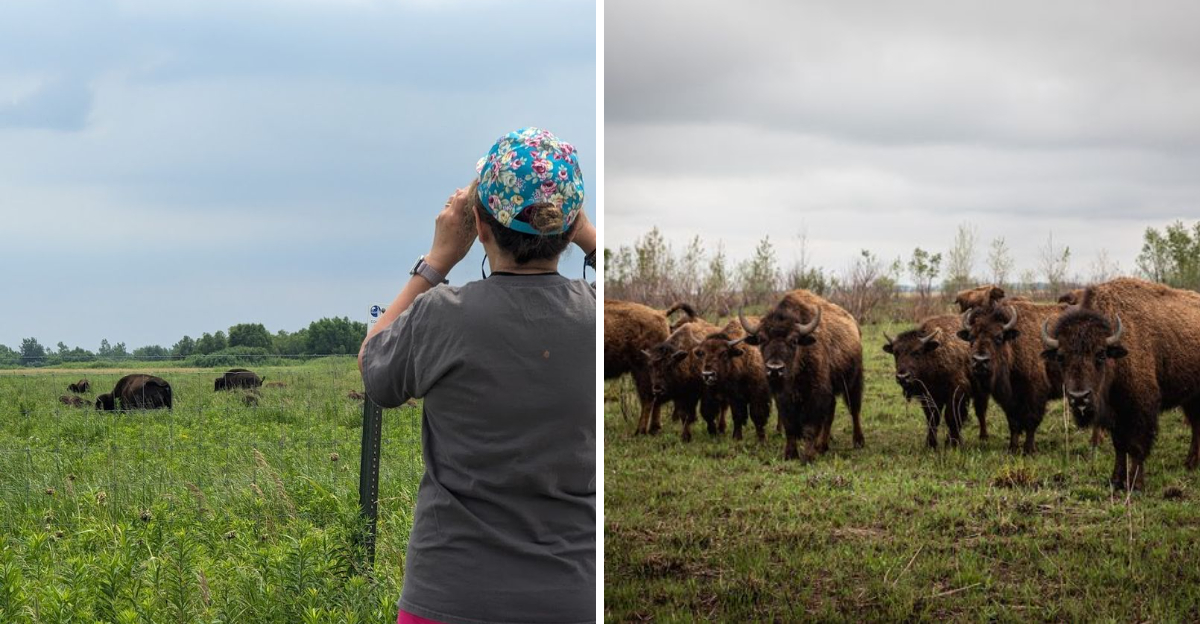
I never expected to find a wild bison herd roaming freely in the middle of Indiana, but that is exactly what I discovered near the small town of Morocco. Kankakee Sands, managed by The Nature Conservancy, is one of those places that quietly blows your mind the moment you arrive.
Spanning over 10,000 acres of restored tallgrass prairie, wetlands, and savanna, it’s a landscape that feels both timeless and alive. At its heart, a living, breathing bison herd has called this land home since 2016, moving with a freedom that’s rare in the modern world.
Walking among these giants; or even just spotting them from a distance; reminds you of the raw, untamed beauty that still exists in unexpected corners of our country. If you’ve been sleeping on this slice of northwestern Indiana, these seven reasons will convince you to make the trip sooner rather than later.
A Real, Living Bison Herd Roaming 1,000 Acres
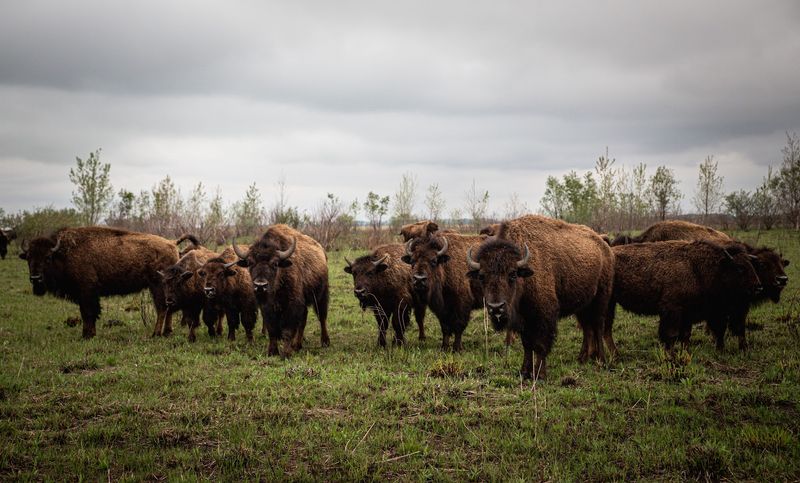
Seeing a bison up close in Indiana feels like something out of a dream, but at Kankakee Sands it is completely real. The Nature Conservancy reintroduced bison to this stretch of northwestern Indiana prairie in October 2016, and the herd has thrived ever since.
On any given visit, you might spot dozens of these massive animals grazing across the open landscape, their dark coats standing out against the golden grasses.
The bison viewing area along S 400 W in Morocco gives visitors a dedicated spot to scan the pasture. Raised observation platforms and mounted binoculars are available on site, making it easier to spot the herd even when they are roaming farther out.
Volunteers are sometimes present and are genuinely knowledgeable, happy to share facts about bison behavior and prairie ecology.
One tip worth remembering: the herd moves constantly, so patience pays off. Some visitors have found the bison grazing right alongside the road, while others needed to drive the perimeter to locate them near the southern watering hole on hot days.
Either way, watching these animals move freely across restored Indiana prairie is something you will not forget anytime soon. Bring binoculars and a zoom lens if you have one.
Free Admission and Genuinely Accessible Amenities
One of the most refreshing things about Kankakee Sands is that it costs absolutely nothing to visit. The bison viewing area is free and open to anyone who wants to spend a few hours outside without worrying about ticket prices or reservation windows.
That alone makes it an easy yes for families, solo travelers, and anyone passing through on a road trip.
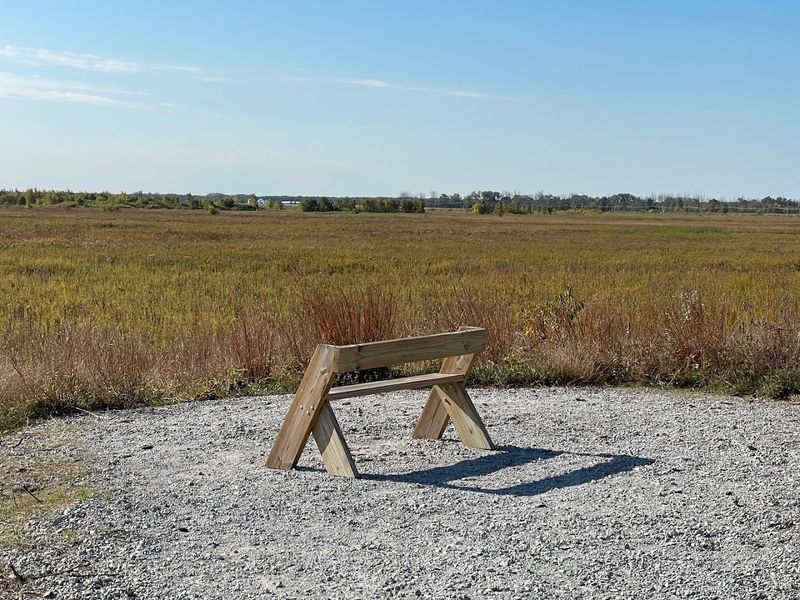
The facilities have also seen meaningful upgrades in recent years. A newly installed observation platform now gives visitors an elevated view over the prairie, and the restrooms on site are clean and well-maintained, which is something regulars genuinely appreciate.
There is a small parking lot, picnic benches, and shaded seating near the viewing area, making it comfortable for longer visits.
Accessibility has clearly been a priority. The updated amenities are designed to welcome visitors of varying mobility levels, so more people can enjoy the experience without barriers.
Whether you are bringing young kids, older relatives, or just want a relaxed afternoon outside, the setup here is thoughtful and welcoming. The combination of free entry, clean facilities, and real wildlife viewing makes Kankakee Sands one of the most underrated outdoor destinations in the entire state of Indiana.
It is the kind of place that surprises you with how much it offers without asking anything in return.
Miles of Scenic Trails Through Restored Prairie and Savanna
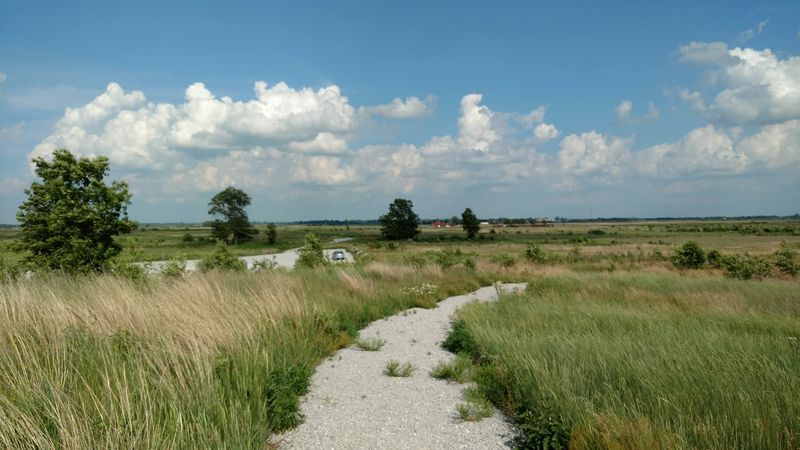
Beyond the bison viewing area, Kankakee Sands has a solid network of trails that wind through some of the most beautifully restored landscapes in the Midwest. The Grace Teninga Discovery Trail is a two-mile loop that takes you deep into the heart of the prairie, where wildflowers, native grasses, and birds surround you on all sides.
It is the kind of walk that slows you down in the best possible way.
The Conrad Station Savanna Trail stretches 1.6 miles through a recovering oak savanna, a rare ecosystem that once covered much of Indiana before European settlement. Walking through it feels like stepping into a quieter, older version of the state.
The Wet Prairie Trail offers a one-mile loop through seasonally flooded grasslands, which attract an impressive variety of bird species throughout the year.
For those who enjoy shorter outings, the Milkweed Trail and Monarch Trail are gentle paths designed around pollinator education, with informational signs along the way explaining the relationship between monarch butterflies and native milkweed plants. Trail conditions can vary by season, and some paths may be temporarily closed when bison are actively grazing nearby.
Checking the website before your visit is always a good idea. Sturdy shoes are recommended, especially after rain, when sections of the trail can get muddy and uneven underfoot.
A Front-Row Seat to Prairie Restoration in Action
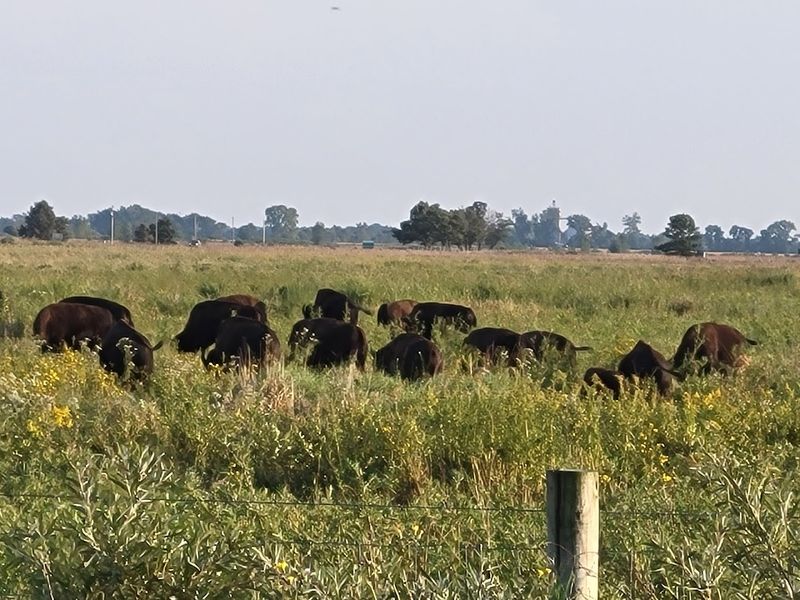
What makes Kankakee Sands more than just a pretty piece of land is the active, ongoing restoration work happening across its more than 10,000 acres. The Nature Conservancy has been working for decades to bring back the native tallgrass prairie, savanna, and wetland ecosystems that once dominated this part of Indiana.
Visiting here means you are witnessing real conservation in progress, not just a snapshot of what the land used to look like.
The preserve maintains a greenhouse where volunteers help grow native prairie plants before they are transplanted back into the landscape. Visitors who stop by during volunteer days can actually participate in that process, getting their hands in the soil and contributing directly to the restoration effort.
It is a surprisingly grounding experience, especially for anyone who cares about what Indiana looked like before the plow changed everything.
Controlled burns are another important tool used here to mimic the natural fire cycles that kept tallgrass prairie healthy for thousands of years. If you visit in late winter or early spring, you might catch the landscape in the smoky aftermath of a recent burn, with new green growth already pushing up through the black soil.
That cycle of fire and renewal is one of the most honest things about this place. Kankakee Sands does not pretend the land restores itself.
It shows you exactly how much work that takes.
Outstanding Wildlife and Bird Watching Opportunities
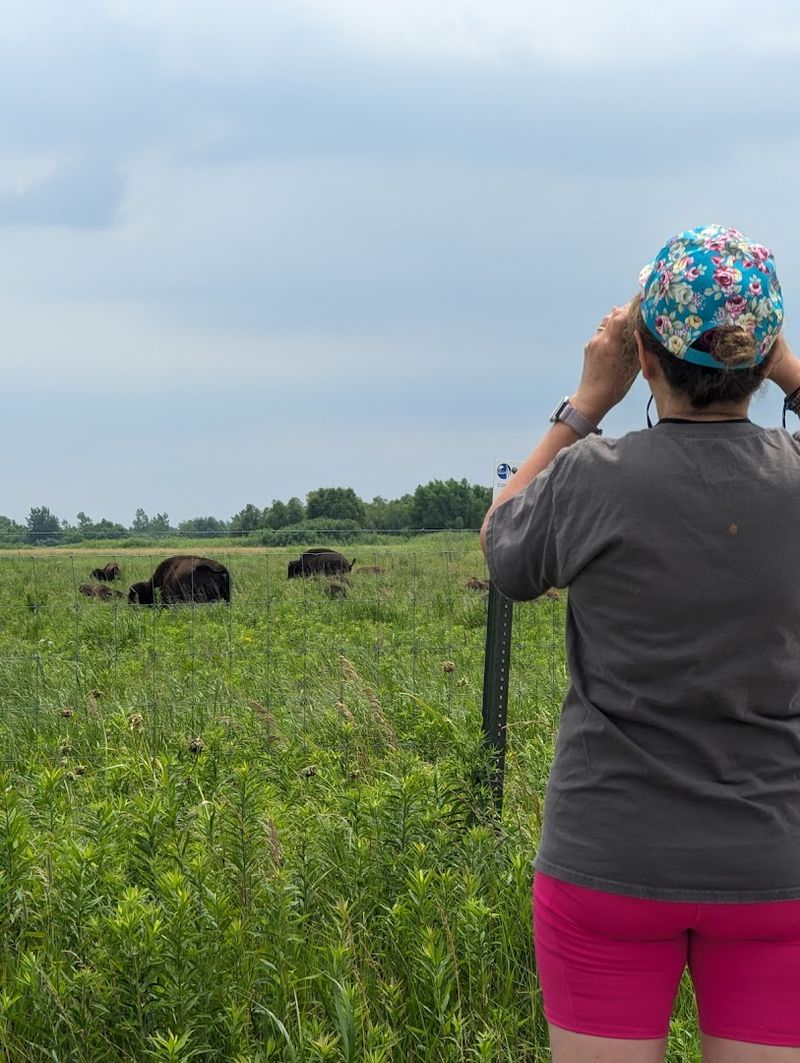
Bison get most of the attention at Kankakee Sands, and rightfully so, but the wildlife experience here goes well beyond the herd. The mix of prairie, savanna, and wetland habitats creates ideal conditions for an enormous variety of bird species, and serious birders have taken notice.
Visitors regularly spot sandhill cranes, red-tailed hawks, great blue herons, and a rotating cast of migratory shorebirds depending on the season.
Owls are another draw, with short-eared owls sometimes hunting over the open prairie during late afternoon hours in winter. The preserve is also known for its populations of bobolinks and dickcissels, grassland songbirds that have become increasingly rare across Indiana as native prairie habitat has disappeared.
Hearing a dickcissel sing from the top of a tall grass stem is one of those small, specific joys that birders travel hours to experience.
Beyond birds, the preserve supports populations of white-tailed deer, coyotes, fox, and a rich community of insects including monarch butterflies, which depend on the milkweed plants that grow abundantly throughout the preserve. Fall migration brings particularly dramatic numbers of monarchs through the area as they move south toward Mexico.
Visiting during different seasons genuinely changes what you will find here, which gives Kankakee Sands real replay value for nature lovers and photographers who want to document the land across the full year.
Volunteer and Educational Programs for All Ages
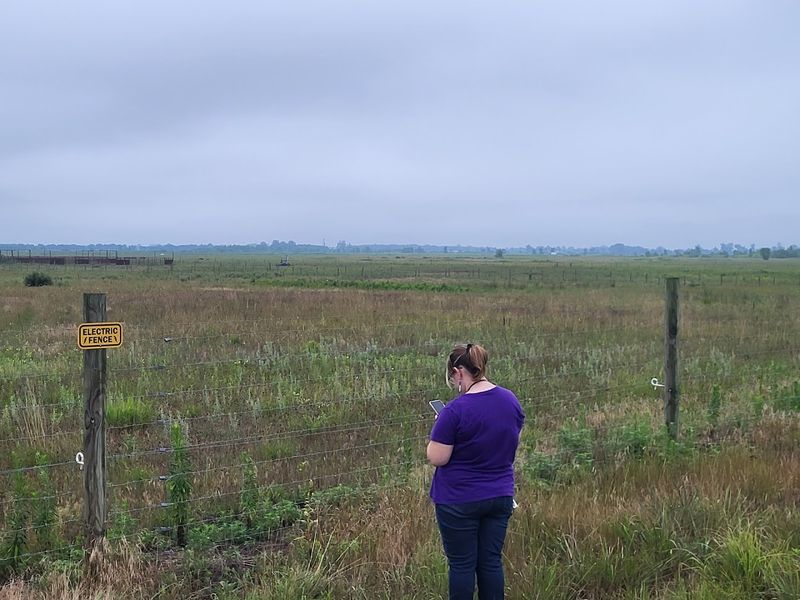
Kankakee Sands is not the kind of place that just lets you wander through and leave. The Nature Conservancy has built a genuinely active volunteer and education program here that welcomes people of all ages and experience levels.
Whether you want to spend a morning planting native species in the greenhouse or join a guided walk to learn about prairie ecology, there is usually something happening that goes beyond passive sightseeing.
School groups, scout troops, and community organizations regularly partner with the preserve for hands-on learning experiences. Volunteers who have participated in greenhouse planting days consistently describe the experience as one of the most satisfying ways to spend a Saturday morning in northern Indiana.
The staff and regular volunteers are knowledgeable, warm, and genuinely enthusiastic about sharing what they know with newcomers.
For families with curious kids, the informational boards posted throughout the viewing area and trailheads offer an accessible introduction to prairie science, bison ecology, and the history of land restoration in Indiana. You do not need any background knowledge to get something meaningful out of a visit here.
The preserve meets you where you are and gives you the tools to understand what you are looking at. That educational generosity is part of what makes Kankakee Sands feel like more than just a nature preserve.
It feels like a community resource that genuinely wants to be used and appreciated.
A Perfect Day Trip from Chicago or Indianapolis
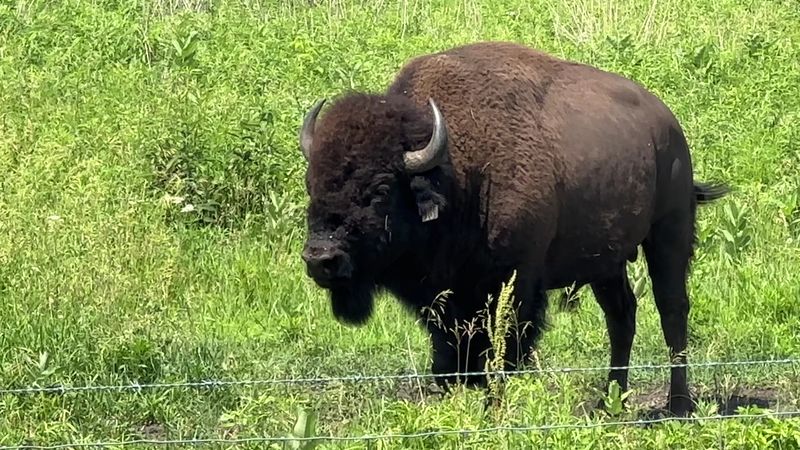
Morocco, Indiana is not a place most people put on their radar, but its location makes it surprisingly easy to reach from two major metro areas. Kankakee Sands sits roughly 90 minutes south of Chicago and about two hours northwest of Indianapolis, which puts it well within day trip range for millions of people who have never heard of it.
The drive through flat northwestern Indiana farmland has its own quiet charm, especially when the fields are in full summer color.
After a morning at the bison viewing area and a walk on one of the trails, the surrounding region offers a few options for rounding out the day. The town of Morocco itself is small but genuine, with that unhurried small-town feel that is harder to find every year.
Nearby, Willow Slough Fish and Wildlife Area at 4316 E. 900 N. in Morocco offers additional outdoor recreation including fishing, hunting, and wildlife observation across thousands of acres of managed wetland and upland habitat.
For those who want to extend the trip, Jasper-Pulaski Fish and Wildlife Area at 5822 N. Fish and Wildlife Lane in Medaryville is about 30 minutes east and is one of the best places in the country to witness the fall sandhill crane migration.
Pairing Kankakee Sands with a visit to Jasper-Pulaski in October or November creates a full day of genuinely spectacular Indiana wildlife experiences that most people outside the state have never even imagined.
Dear Reader: This page may contain affiliate links which may earn a commission if you click through and make a purchase. Our independent journalism is not influenced by any advertiser or commercial initiative unless it is clearly marked as sponsored content. As travel products change, please be sure to reconfirm all details and stay up to date with current events to ensure a safe and successful trip.
