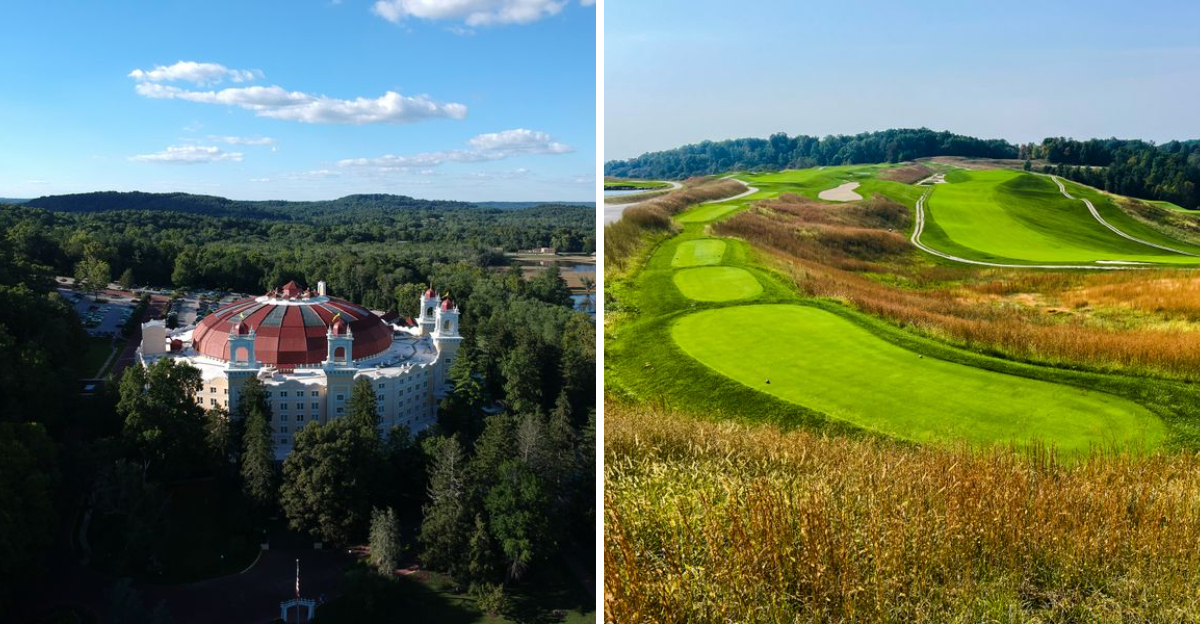
Tucked away in southern Indiana lies a small town with a big secret that has amazed visitors for over a century.
West Baden Springs may have fewer than 600 residents, but it holds one of the most breathtaking architectural wonders in the entire Midwest.
The famous dome that towers over this quiet community was once the largest free-spanning dome in the world, and it still leaves people speechless when they first step inside.
This charming town offers far more than just its incredible centerpiece, with natural springs, fascinating history, and peaceful surroundings that make it a perfect getaway.
Whether you love architecture, enjoy exploring quirky small towns, or just want to escape the everyday rush, West Baden Springs delivers an unforgettable experience.
The combination of stunning design, rich stories, and welcoming atmosphere creates a destination unlike any other in Indiana.
Pack your bags and get ready to discover why this tiny town deserves a spot on your travel list.
The Magnificent Historic Dome That Defies Belief

Walking into the West Baden Springs Hotel feels like stepping into a dream where architecture breaks all the rules.
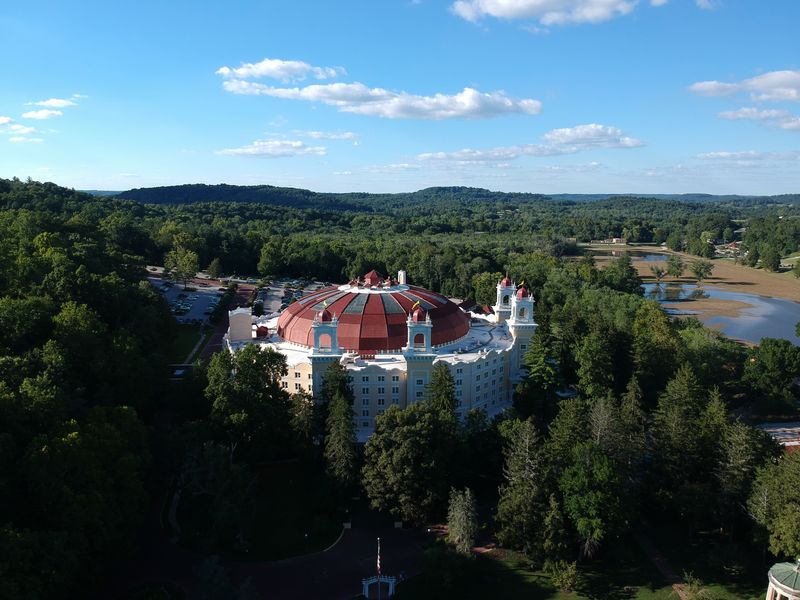
The atrium dome stretches 200 feet across without a single support column blocking the view, creating an open space that seems impossible even by today’s standards.
When it was completed in 1902, this engineering marvel held the title of the world’s largest free-spanning dome, surpassing even famous European structures.
Lee Sinclair, a wealthy entrepreneur, built this masterpiece as part of a luxury resort that attracted wealthy visitors from across the country.
The dome’s design challenged every engineering principle of its time, and many experts doubted it could actually be constructed.
Yet it stands today as proof that ambition and innovation can create something truly extraordinary.
Natural light pours through the dome’s glass panels, illuminating the elegant interior with a warm glow that changes throughout the day.
The atrium floor features beautiful tile work, comfortable seating areas, and lush plants that create a garden-like atmosphere under the soaring ceiling.
Visitors often spend hours simply sitting and gazing upward, trying to understand how something so massive can appear so graceful.
The hotel has been carefully restored to its original grandeur, with every detail reflecting the luxury and craftsmanship of the early 1900s.
Guided tours explain the fascinating engineering techniques used to build the dome and share stories about the famous guests who once walked these halls.
Even if you don’t stay overnight, the hotel welcomes visitors who want to experience this architectural wonder firsthand.
Photography enthusiasts find endless angles and lighting conditions that make the dome look different with each shot.
The space hosts special events, holiday decorations, and seasonal displays that add new dimensions to an already spectacular setting.
Natural Mineral Springs With Healing Traditions
Long before the famous hotel was built, Native Americans and early settlers knew about the special waters bubbling up from deep underground in this area.
The mineral springs contain unique combinations of sulfur, iron, and other minerals that people believed could cure various ailments and restore health.
These natural springs put West Baden on the map and transformed it from a quiet settlement into a destination for wellness seekers.
During the late 1800s and early 1900s, thousands of visitors traveled to West Baden specifically to drink and bathe in the mineral water.
Doctors actually prescribed trips to the springs as legitimate medical treatment, and many guests reported feeling better after their stays.
The water has a distinctive taste that comes from its mineral content, and you can still sample it today at certain locations around town.
The springs themselves are fascinating geological features that connect to underground aquifers formed millions of years ago.
Water travels through layers of rock and soil, picking up minerals along the way before emerging at the surface.
The temperature and flow of the springs remain remarkably consistent throughout the year, regardless of weather conditions above ground.
While modern medicine has moved beyond relying on mineral springs for treatment, the tradition of wellness and relaxation continues at West Baden.
The historic hotel incorporates spa services that honor the healing heritage while offering contemporary treatments.
Visitors can learn about the spring’s history through interpretive displays and historical markers scattered throughout the town.
The springs represent an important chapter in American health and tourism history, showing how natural resources shaped community development.
Walking the same paths where people once came seeking cures creates a tangible connection to the past and reminds us how much our understanding of health has evolved.
Small-Town Charm That Feels Like Stepping Back in Time
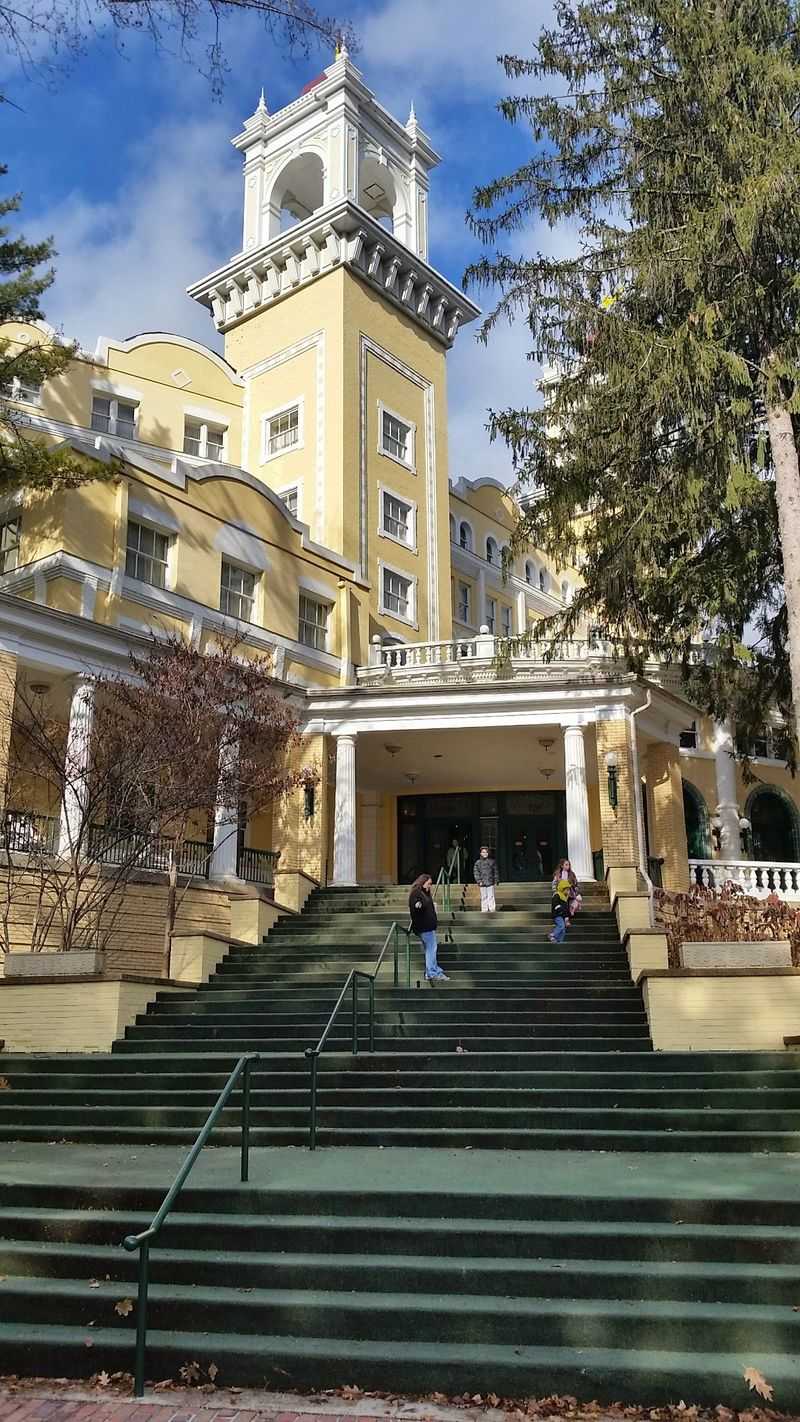
West Baden Springs offers something increasingly rare in modern America: a genuinely quiet, unhurried small-town atmosphere where life moves at a gentler pace.
With just over 500 residents, the town maintains an intimate character where neighbors know each other and visitors are greeted with genuine warmth.
The streets are lined with historic buildings that tell stories of a bygone era when this was a bustling resort destination.
Unlike tourist-trap towns that feel artificial, West Baden has authentic character born from its real history and continuing community life.
Local residents take pride in their town’s heritage and are often happy to share stories and recommendations with curious visitors.
You might strike up a conversation at a local shop and learn fascinating details that no guidebook could ever capture.
The surrounding landscape features rolling hills, dense forests, and peaceful countryside that create a scenic backdrop for the historic town.
Walking or driving through the area, you’ll notice how nature and human development exist in harmony rather than conflict.
The slower pace gives you time to actually notice details like architectural features, seasonal changes, and the quality of light at different times of day.
This town proves that you don’t need crowds, chain restaurants, or constant entertainment to have a meaningful travel experience.
Sometimes the best memories come from simply being present in a beautiful place without rushing to the next attraction.
West Baden offers space to breathe, think, and reconnect with what matters most.
The absence of heavy commercialization means you experience the town as it actually is rather than as a carefully marketed version.
Families find it refreshing to visit a place where kids can roam safely and everyone can relax without overstimulation.
This authentic small-town experience has become precious and rare, making West Baden feel like a special discovery.
Fascinating History From Boom to Bust to Restoration

The story of West Baden Springs reads like a Hollywood script, complete with dramatic rises, devastating falls, and an inspiring comeback.
The town’s golden age lasted from the 1890s through the 1920s when it was known as the “Carlsbad of America,” comparing itself to the famous European spa resort.
Wealthy visitors arrived by train to stay at the luxurious hotel, take the waters, and enjoy entertainment that rivaled anything found in major cities.
Then came the Great Depression, changing tastes in tourism, and a shift away from spa culture that hit West Baden hard.
The magnificent hotel changed hands multiple times, serving as a Jesuit seminary and then sitting abandoned and deteriorating for years.
By the 1990s, the once-grand structure was in terrible condition, with a leaking dome, crumbling walls, and a future that looked hopeless.
What happened next demonstrates the power of preservation and community determination.
A massive restoration project, one of the largest historic preservation efforts in American history, brought the hotel back from the brink.
Craftspeople used historical photographs and documents to restore every detail as accurately as possible, from the dome’s glass panels to the decorative tilework.
The hotel reopened in 2007 as a luxury resort, once again welcoming guests to experience its magnificence.
This phoenix-like resurrection saved not just a building but an entire community’s heritage and economic future.
History enthusiasts find the story as compelling as the architecture itself, showing how preservation can succeed even in seemingly impossible situations.
Museums and historical displays throughout the hotel and town document this remarkable journey with photographs, artifacts, and personal accounts.
Understanding what West Baden overcame makes visiting even more meaningful, turning sightseeing into a lesson about resilience and the value of protecting our shared heritage.
World-Class Golf Courses in Beautiful Natural Settings
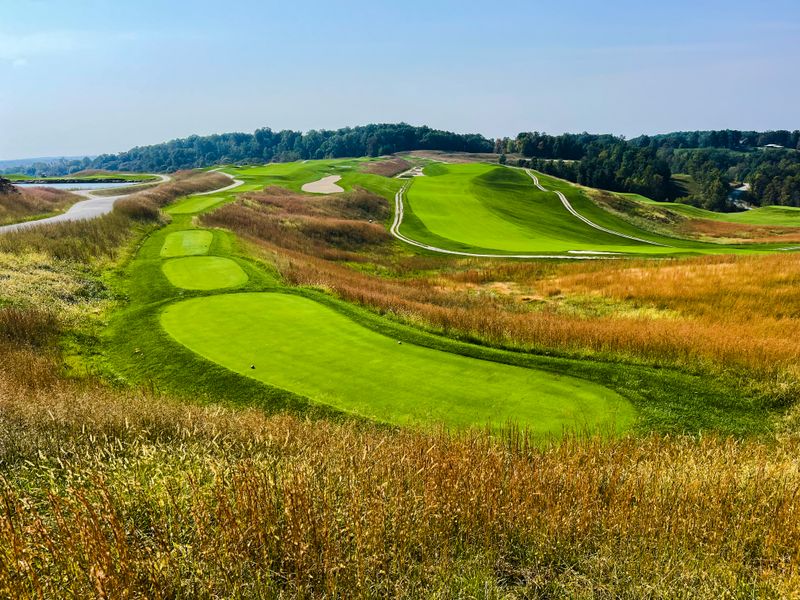
Golf enthusiasts discover that West Baden Springs and neighboring French Lick offer championship-quality courses that rival anything found at famous resort destinations.
The Pete Dye Course at French Lick Resort presents a challenging layout that has hosted PGA Tour events and tests even experienced players with its dramatic elevation changes and strategic design.
Dye, one of golf’s legendary course architects, used the natural terrain to create holes that are both beautiful and demanding.
The Donald Ross Course offers a different experience, with classic early-1900s design that emphasizes strategy over sheer power.
Ross, another giant of golf course architecture, originally designed this course in 1917, and recent restorations have brought back his original vision.
Playing a Ross course gives you a connection to golf history and a chance to experience the game as it was played a century ago.
Both courses wind through stunning Indiana countryside with views of wooded valleys, rolling hills, and the historic hotels in the distance.
The natural beauty enhances every round, making even a challenging day on the course feel rewarding.
Wildlife sightings are common, with deer, wild turkeys, and various bird species sharing the landscape with golfers.
Non-golfers in your group won’t feel left out because the courses welcome spectators and the resort offers plenty of other activities.
The golf facilities include practice areas, pro shops with quality equipment, and dining options where you can relax after your round.
Professional instruction is available for players looking to improve their game in a supportive environment.
The combination of historic significance, design excellence, and natural beauty makes these courses destinations in themselves, not just amenities.
Golf magazines and rating services consistently rank them among the best public courses in the Midwest.
Whether you’re a serious golfer or just enjoy an occasional round, playing here creates memories that last long after you’ve left Indiana.
Luxury Spa Experiences Honoring Wellness Heritage

Modern spa facilities at West Baden continue the town’s century-old tradition of wellness and relaxation with treatments that would impress even the most experienced spa-goers.
The full-service spa offers massages, facials, body treatments, and specialized therapies in an elegant setting that matches the historic hotel’s grandeur.
Skilled therapists combine contemporary techniques with an understanding of the healing traditions that made West Baden famous.
The spa incorporates elements that honor the mineral spring heritage, including treatments that reference the healing waters that first attracted visitors.
You might experience hydrotherapy, mineral-enriched body wraps, or other services that connect to the town’s unique history.
The facilities include relaxation lounges, steam rooms, and amenities that encourage you to spend hours unwinding completely.
Couples find the spa an ideal setting for shared relaxation experiences, with treatments designed for two people in private suites.
The romantic atmosphere of the historic hotel enhances the spa experience, making it perfect for special occasions or simply reconnecting with someone you love.
Many visitors plan entire weekends around spa appointments, using them as anchors for a complete wellness retreat.
The spa menu changes seasonally to incorporate fresh ingredients and address different wellness needs throughout the year.
Dear Reader: This page may contain affiliate links which may earn a commission if you click through and make a purchase. Our independent journalism is not influenced by any advertiser or commercial initiative unless it is clearly marked as sponsored content. As travel products change, please be sure to reconfirm all details and stay up to date with current events to ensure a safe and successful trip.
