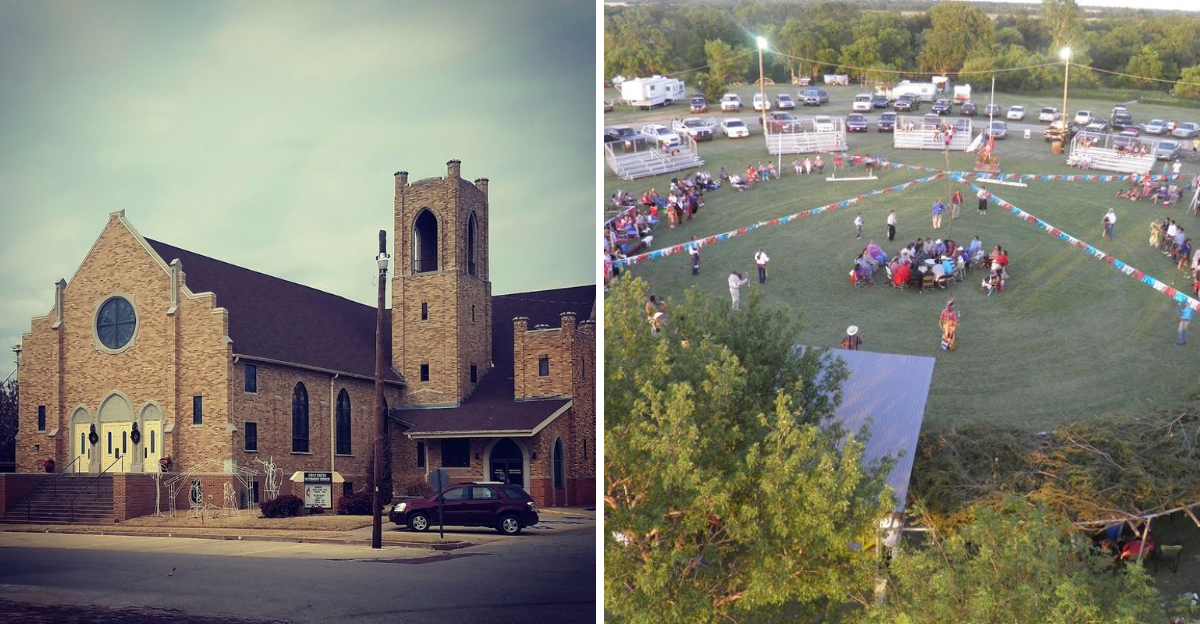
Some places feel like they exist mostly for the people who live nearby. You will not see billboards pointing the way, tour buses lined up outside, or crowds competing for the perfect photo.
Just quiet streets, good people, and a kind of slow-burning charm you can only find when you stop looking for it. I stumbled onto one of those places almost by accident, and honestly?
Part of me wanted to keep it entirely to myself. It sits in north-central Oklahoma, small enough to blink past on the highway but rich enough in character to fill a whole book.
The kind of town where the morning air smells like fresh-cut grass and someone always waves from their porch. Once you spend a little time here, you start to understand why locals get a little nervous when outsiders start asking questions.
This place has a way of pulling people in. And once it does, they tend to want to come back.
So consider this your insider tip, your quiet heads-up about a town that deserves more credit than it gets. Just promise you will leave it exactly the way you found it.
The Feeling Hits You the Moment You Arrive
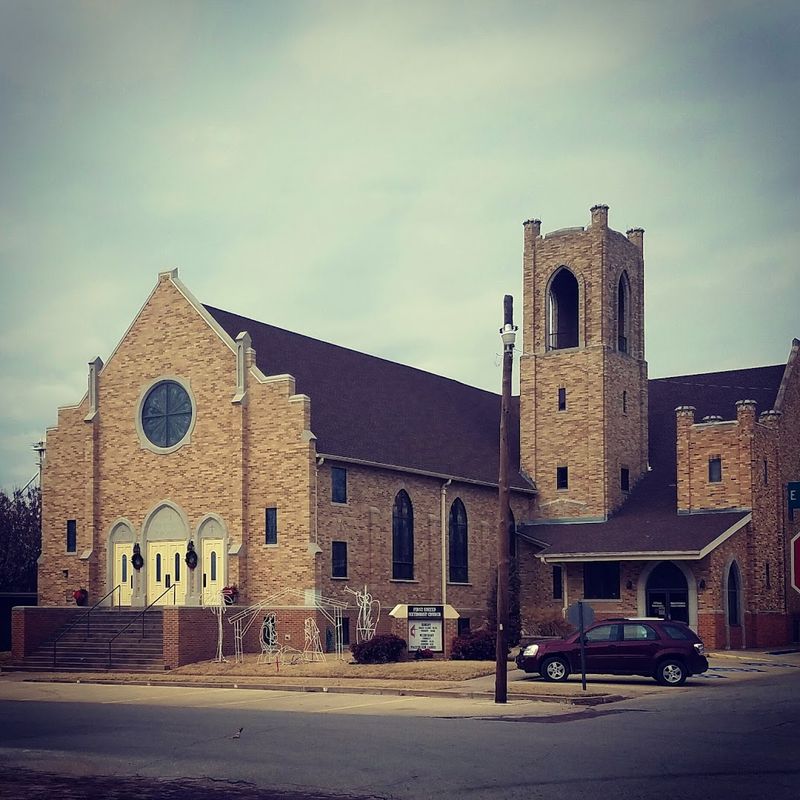
Nobody warned me about the exhale. You know that feeling when your shoulders drop without you even deciding to relax?
That happened the second I turned off the highway and rolled into town. The pace here is different.
Not slow in a boring way. Slow in the way a good Sunday morning feels.
The streets are wide and unhurried. Buildings wear their age without apology, and somehow it all looks exactly right.
There is a quiet confidence to this place, like it has nothing to prove and nowhere to be.
What strikes you first is how clean everything feels. Not scrubbed or staged, just genuinely cared for.
Lawns are trimmed, storefronts are tidy, and people actually look up when you walk past. That kind of eye contact is rarer than it should be.
Small towns in Oklahoma have a particular energy. Some feel forgotten.
Others feel frozen in time in a sad way. This one feels chosen.
Like the people here decided long ago to take care of what they had. And they meant it.
By the time I parked the car, I already knew this visit was going to run longer than planned. Some places do that to you.
This is one of them.
A History Deeper Than Most People Expect
The name alone carries weight. The town is named for the Tonkawa people, a Native American tribe historically associated with parts of Texas and Oklahoma whose members were eventually relocated to this region in the late nineteenth century.
That is not a small thing. It shapes everything from the street names to the community identity.
Tonkawa developed rapidly after the Cherokee Strip Land Run of 1893, when settlers entered the region and communities across northern Oklahoma formed soon afterward.
Tens of thousands of settlers rushed into the region which was one of the largest land runs in American history.
Tonkawa grew up fast in the aftermath, becoming a real community almost overnight.
What I find fascinating is how the town holds onto that layered past without turning it into a performance. There are no cheesy themed restaurants or fake pioneer outposts.
The history just lives here, quietly embedded in the architecture, the local institutions, and the stories people carry.
Northern Oklahoma College, which sits right in town, adds another chapter to the story. Education has been a cornerstone of Tonkawa for generations.
That investment in learning says something real about a community’s values.
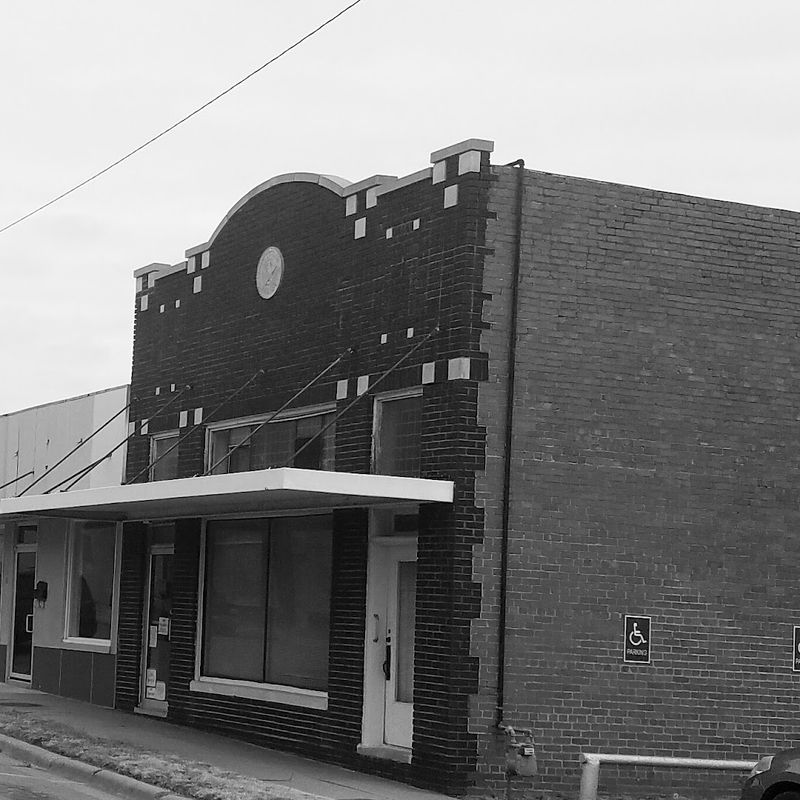
Walking past the older buildings downtown, you can almost feel the echoes of a busier era. Markets, banks, barbershops, all of it once humming with life.
That energy is not entirely gone. It just got quieter.
And quieter can be beautiful.
Northern Oklahoma College Gives the Town a Heartbeat
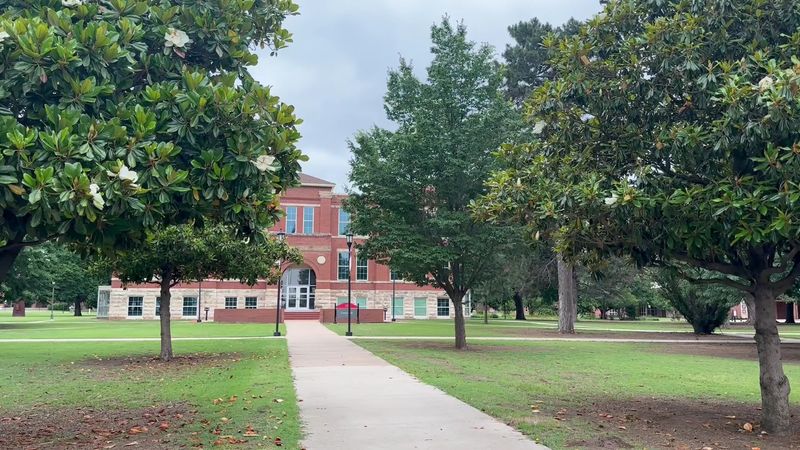
Here is something most people overlook when they think about small towns: a college changes everything. Northern Oklahoma College has been part of Tonkawa since 1901 and is one of the oldest public higher-education institutions in Oklahoma.
Let that sink in for a second.
The campus is compact but lively. There is a steady stream of students moving between classes, grabbing lunch, hanging around the quad.
It brings a kind of youthful energy to a town that might otherwise feel entirely still. That contrast is surprisingly appealing.
Northern Oklahoma College brings students, athletic events, and cultural programming to Tonkawa, adding activity and opportunities that complement the town’s existing community life.
The presence of students also means local businesses get consistent foot traffic. Coffee spots, sandwich shops, bookstores, they all benefit from a campus nearby.
The town and the college have a relationship built over more than a century, and it shows.
Walking through the NOC campus on a weekday morning felt unexpectedly refreshing. There was laughter coming from somewhere.
A group studying under a tree. A professor walking fast with a coffee cup.
It reminded me that learning and community are not separate things. Here, they are the same thing.
The Local Food Scene Has a Personality All Its Own

Forget farm-to-table buzzwords. The food culture in a town like this is built on something older and more honest: people cooking what they know, for people they know.
And the result is almost always better than anything trendy.
Small-town Oklahoma diners operate on a completely different logic than city restaurants. The portions are generous because that is just how it is done.
The coffee comes fast and gets refilled without asking. And the pie, always the pie, is made by someone who learned from their grandmother.
There is a particular kind of comfort in sitting down at a local lunch counter and ordering something simple. A burger.
A plate of biscuits and gravy. A bowl of soup that clearly came from a pot that has been simmering since before you woke up.
These meals are not Instagram-worthy. They are real-life worthy, which is better.
The breakfast crowd at a local spot tells you everything about a town. Farmers in worn boots, teachers grabbing coffee before school, retired couples sharing a newspaper.
The dining room becomes a kind of community bulletin board, full of conversation and the comfortable noise of people who belong to each other.
Eating here is not just about the food. It is about participating in something that has been going on long before you arrived and will continue long after you leave.
Outdoor Spaces Here Are Quietly Stunning
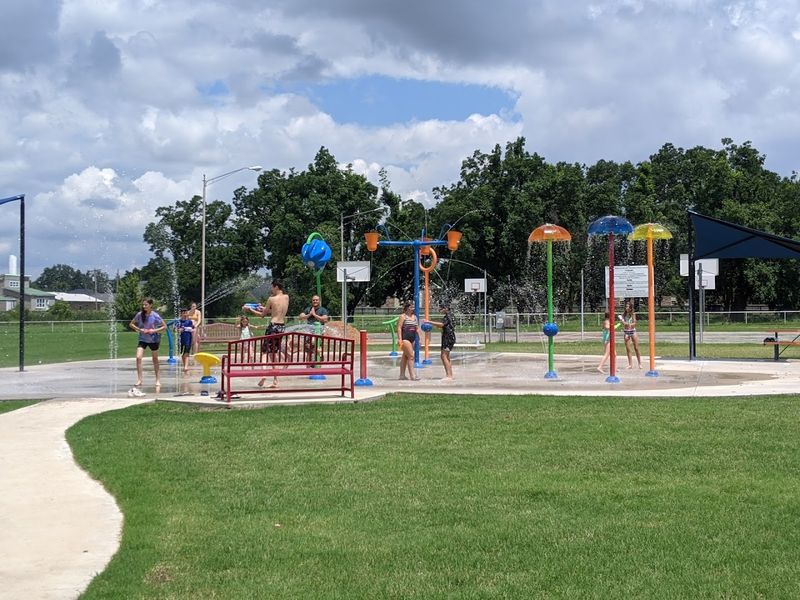
Oklahoma gets unfairly dismissed as flat and featureless. People who say that have clearly never spent time in the northern part of the state, where the land rolls just enough to surprise you.
Around Tonkawa, the landscape has a gentle, unhurried beauty.
The town itself has parks and green spaces that feel genuinely lived in. Not manicured to perfection, but loved.
You can find spots under old trees where the shade is thick and the air smells like earth and grass. On a warm afternoon, it is the kind of place that makes you want to do nothing for a while.
And doing nothing feels productive here.
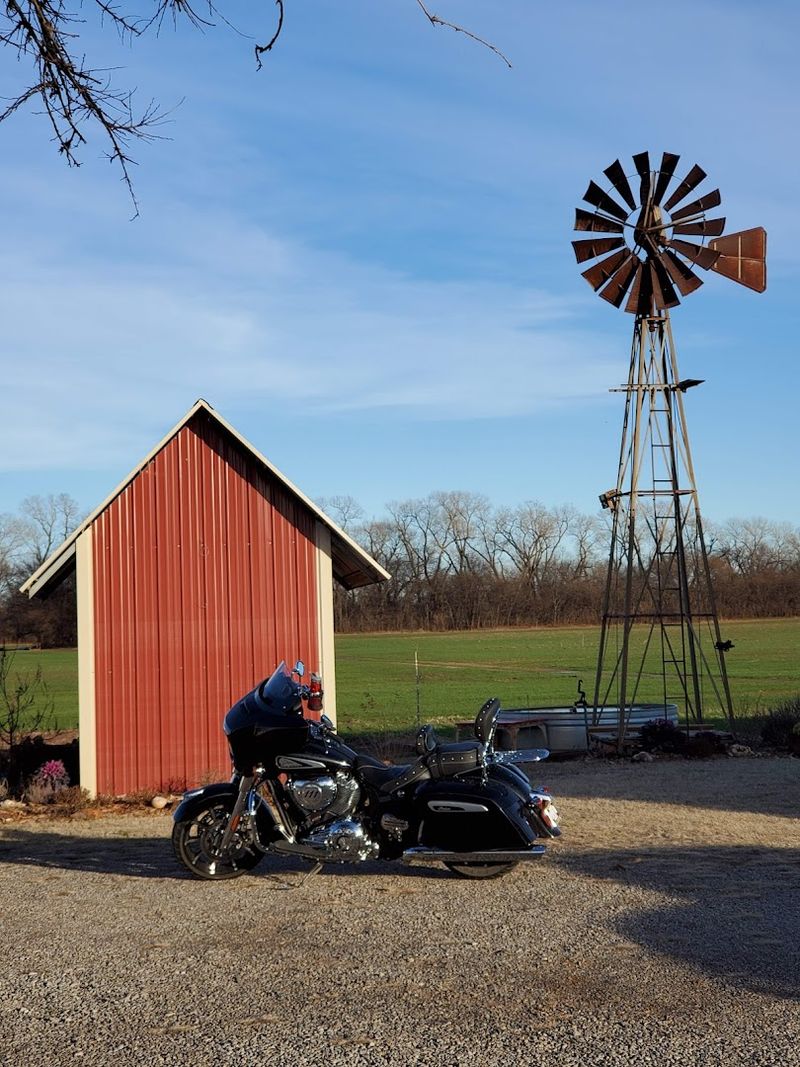
The surrounding countryside opens up quickly once you leave town. Dirt roads wind through farmland and pasture.
Wildflowers push through fences in spring. Hawks circle overhead like they own the sky, which honestly, they kind of do.
There is a simplicity to outdoor life here that city parks can never quite replicate. No crowds.
No noise ordinances being tested. No competition for a patch of grass.
Just open space, doing what open space does best.
If you are the kind of person who recharges by being outside without a plan, this part of Oklahoma will feel like a gift. The land is patient here.
It does not rush you. And after a while, you stop rushing yourself too.
Community Events Pull Everyone Together
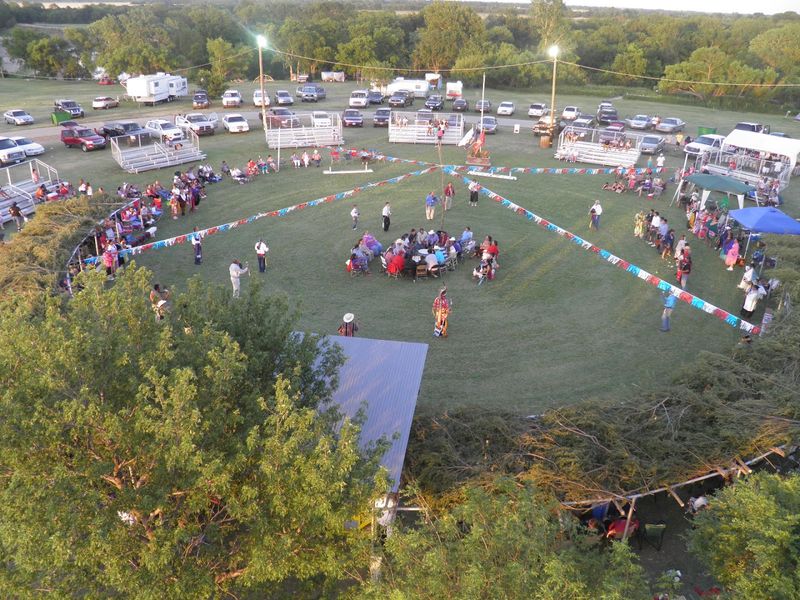
Small towns either have strong community traditions or they slowly fade. Tonkawa clearly chose the former.
The events calendar here reflects a town that takes pride in showing up for itself, and for its neighbors.
Throughout the year, the community gathers for local festivals, college events, and seasonal celebrations that bring people out of their houses and into the streets. These are not polished productions.
They are real, slightly chaotic, wonderfully human gatherings where kids run loose and adults linger too long because nobody wants to be the first to leave.
The Cherokee Strip celebration holds particular significance here. Given the town’s direct connection to the 1893 Land Run, commemorating that history is not just ceremonial.
It is personal. Families pass those stories down like heirlooms.
Northern Oklahoma College athletic events also serve as community anchors. Basketball games, baseball, track meets, they draw locals who may have no direct connection to the school but show up anyway because that is what you do in a town like this.
You support what is yours.
What struck me most about community life here was how casual it all felt. Nobody was performing togetherness.
People were just together. Talking, laughing, arguing about the best team, sharing food.
It is the kind of social fabric that bigger cities spend millions trying to recreate and never quite manage.
The People Here Will Catch You Off Guard
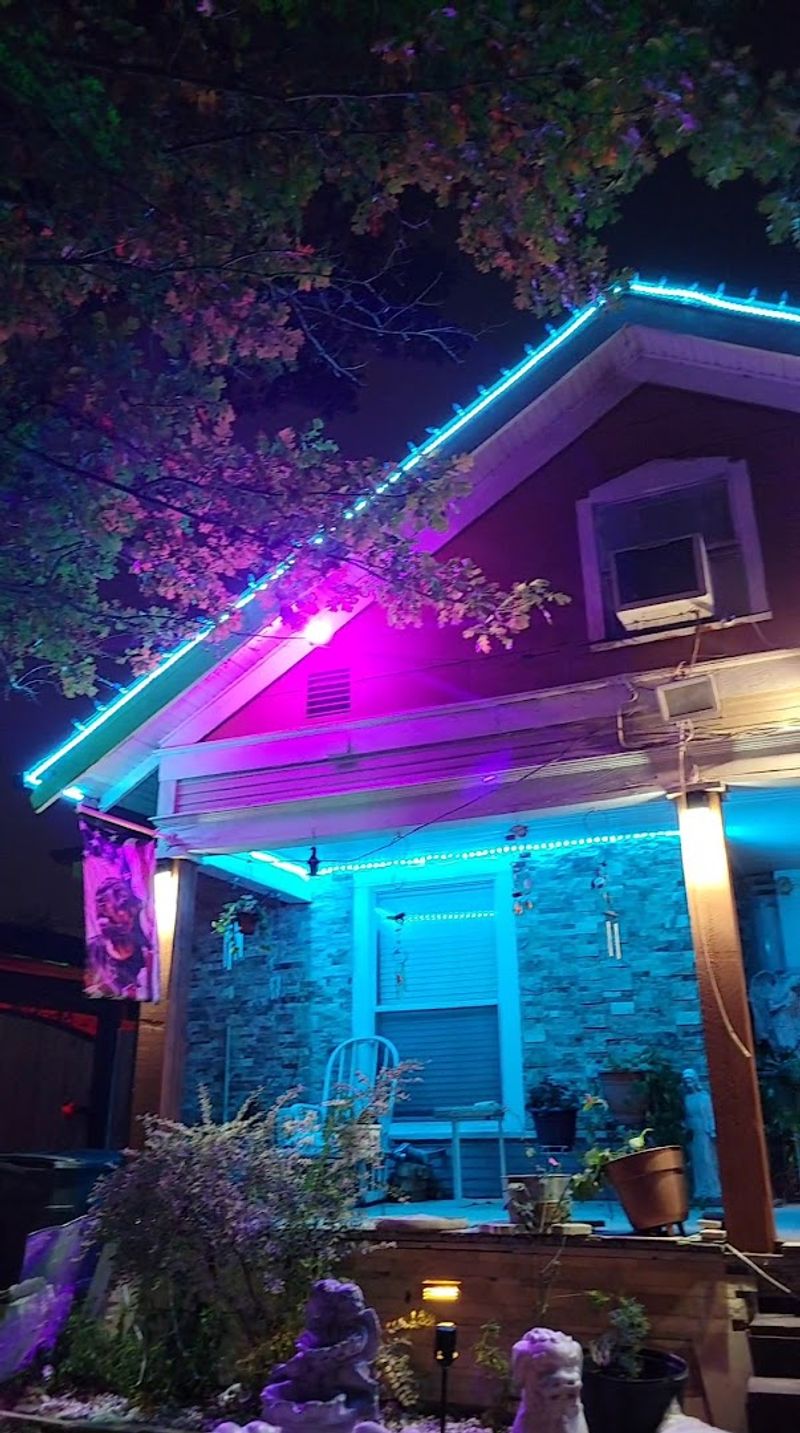
Let me be honest about something. Going into a small town as an outsider can feel a little awkward.
You are aware of being new. Of not knowing the unspoken rules.
Of accidentally parking in the wrong spot or walking into a space where everyone already knows everyone.
That feeling disappeared faster than I expected. People here have a way of making you feel less like a visitor and more like someone who just moved in.
A nod from a stranger. A door held open with a real smile.
Someone asking where you are from without it feeling like an interrogation.
Oklahoma friendliness is not a myth. It is also not the performed kind, the overly cheerful, slightly hollow warmth you get in tourist towns.
This is the real version. Rooted in the genuine belief that people deserve to be treated well, simply because they are people.
What surprised me most was the lack of suspicion. In plenty of small towns, an outsider with a camera and a notebook gets watched carefully.
Here, people were curious but open. A few even offered suggestions about what to see and where to go, unsolicited and genuinely helpful.
That kind of human openness is harder to find than any landmark. And it made me want to stay longer than I had planned, which I think was probably the point.
Getting Here Is Easier Than You Think
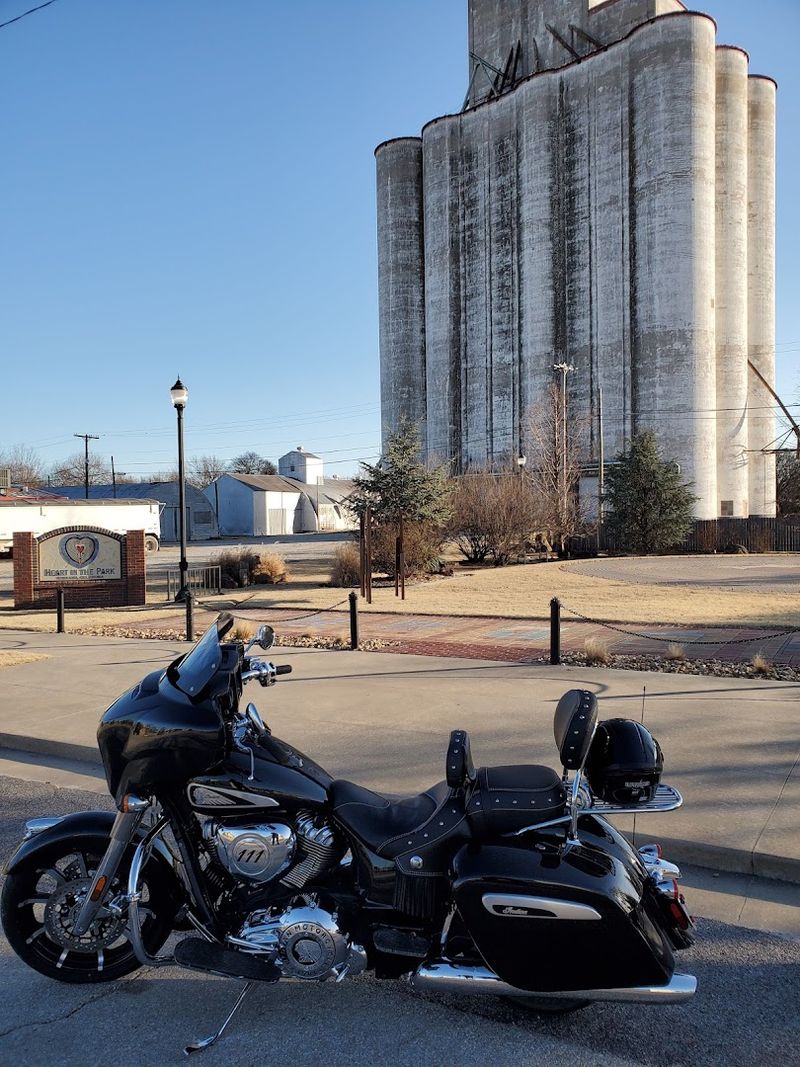
Part of what keeps Tonkawa off the radar is geography. It is not on the way to somewhere famous.
You do not pass through it accidentally on the way to a national park or a major city. You have to choose it.
And that choice, it turns out, is worth making.
Sitting in north-central Oklahoma, the town is accessible by US Highway 60 and US Highway 177. Both routes run through open farmland and small communities.
The drive itself is part of the experience. Oklahoma highways have a particular rhythm to them, wide and honest, with skies so big they feel theatrical.
From Enid, which is the nearest larger city, the drive is short and straightforward. From Oklahoma City, you are looking at a couple of hours, which is nothing for a road trip crowd.
The roads are well-maintained, and the route is peaceful rather than stressful.
Tonkawa has limited lodging options, so visitors often stay in nearby towns such as Ponca City or Blackwell if accommodations in town are unavailable. It is just part of traveling to a place that has not been overrun yet.
Tonkawa is located in Kay County in north-central Oklahoma, near the junction of U.S. Highway 60 and U.S.
Highway 177.
Why This Place Stays With You Long After You Leave
Some destinations are exciting in the moment and forgettable by the time you reach your next stop. This is not one of those places.
The quiet ones, the ones that do not try to impress you, tend to be the ones you carry around longest.
What lingers is not any single thing. Not a specific meal or a landmark or a photo.
It is more like a feeling. The feeling of being somewhere that operates on its own terms.
A town that did not reshape itself for outsiders. That kind of authenticity is rare and increasingly hard to find.
There is also something about the scale of the place. When everything is smaller, things feel more meaningful.
A conversation with a stranger matters more. A walk around the block reveals more.
The absence of distraction forces a kind of presence that most of us have forgotten how to practice.
Returning home after a few days in a place like this, I found myself moving a little slower. Making eye contact more.
Waving at neighbors. It sounds small, but those small things are exactly what gets lost in the noise of modern life.
Tonkawa reminded me that the best travel does not always take you to the loudest, flashiest places. Sometimes the best trip is the quiet one.
The one locals wish you had never found. And the one you will always be glad you did.
Dear Reader: This page may contain affiliate links which may earn a commission if you click through and make a purchase. Our independent journalism is not influenced by any advertiser or commercial initiative unless it is clearly marked as sponsored content. As travel products change, please be sure to reconfirm all details and stay up to date with current events to ensure a safe and successful trip.
