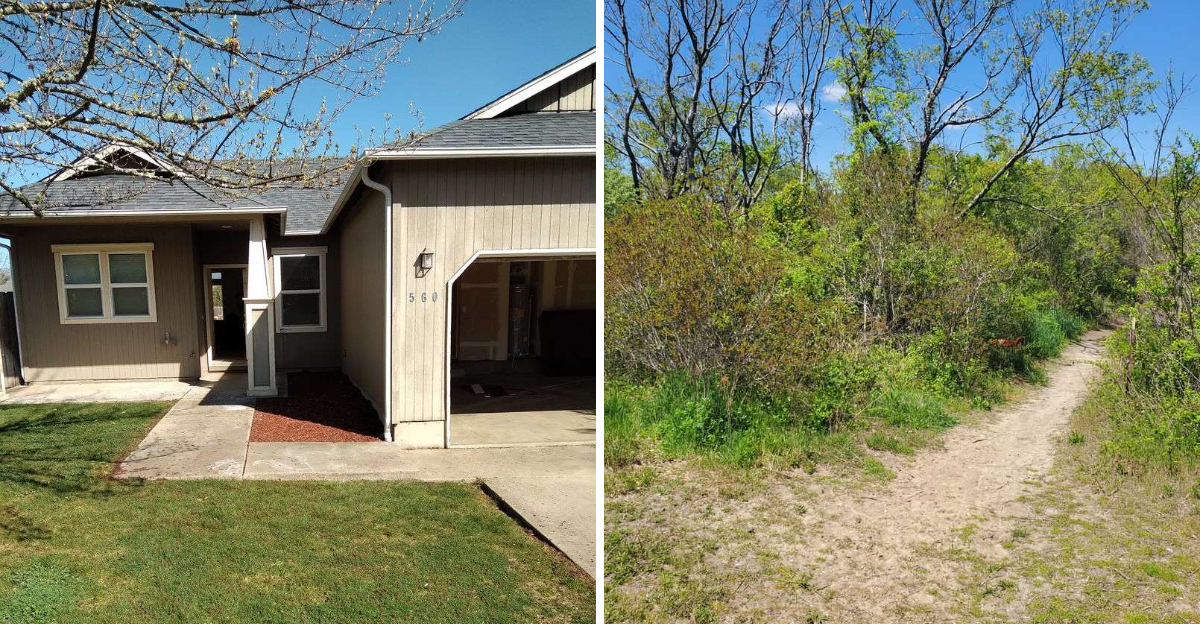
Tucked away in the scenic hills of southern Oregon lies a small town that most travelers pass by without a second thought, but those who stop discover something truly special.
Riddle, Oregon, with its population hovering around 1,200 residents, offers a glimpse into what small-town America used to be; a place where neighbors know each other by name and Main Street serves as the heartbeat of the community.
This tiny Douglas County gem may not make headlines or appear on tourist maps, but it possesses a charm and character that larger cities simply cannot replicate.
From its intriguing history to its tight-knit community spirit, Riddle proves that you don’t need flashy attractions or big-city amenities to create a place worth celebrating.
Whether you’re searching for an authentic small-town experience or simply curious about what makes rural Oregon communities tick, Riddle offers seven compelling reasons to pay attention.
This unassuming town demonstrates that sometimes the most interesting places are the ones that remain wonderfully, unapologetically small.
A Name That Sparks Curiosity and Conversation
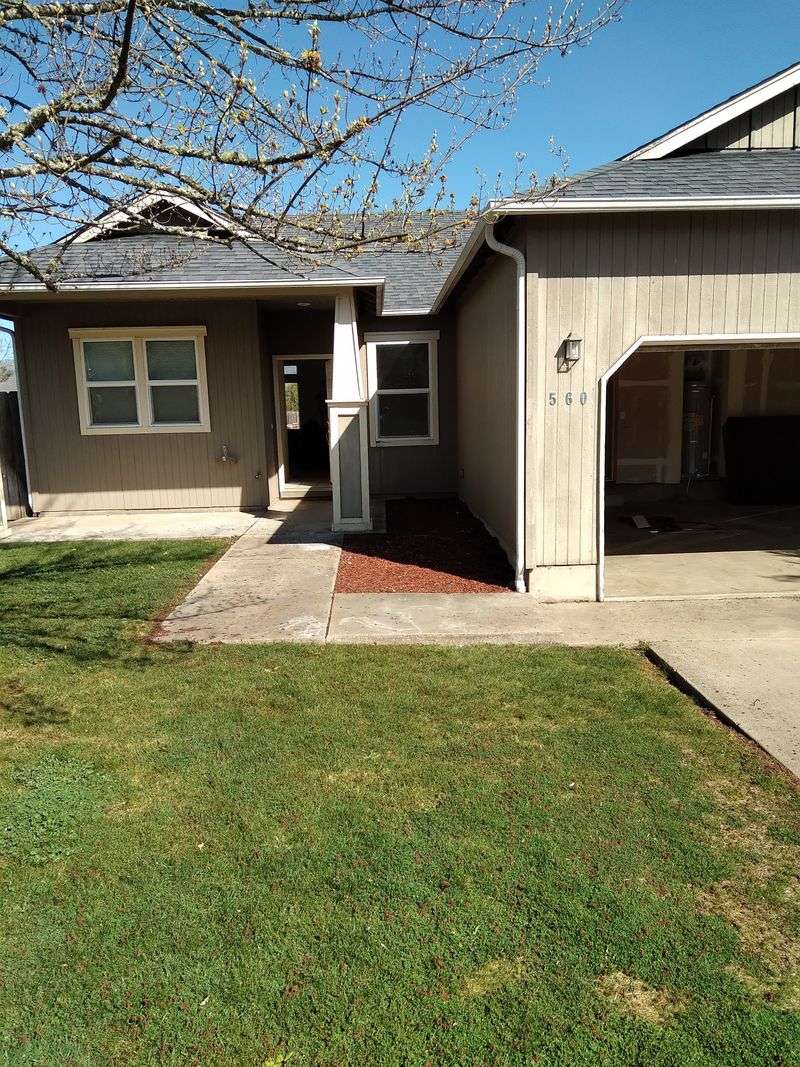
Every town has a story behind its name, but Riddle’s origin tale stands out as particularly fascinating and continues to intrigue visitors who stumble upon this small Oregon community.
The town wasn’t named after a puzzle or mystery as many first-time visitors assume, but rather after William H. Riddle, an early settler who established himself in the area during the 1850s.
William Riddle operated a ranch and became a prominent figure in Douglas County, eventually lending his surname to the growing community that formed around his property.
What makes this naming story even more interesting is how it reflects the personal nature of early Oregon settlements, where individual pioneers left lasting marks on the landscape simply by being among the first to arrive.
Unlike cities named after geographical features or abstract concepts, Riddle carries the legacy of an actual person who walked these streets over 150 years ago.
The name itself has become a conversation starter, with newcomers often asking locals about the unusual moniker and leaving with a history lesson they didn’t expect.
Today, the Riddle name serves as a reminder of the town’s deep roots and the pioneering spirit that built southern Oregon.
Residents take pride in explaining the history to curious travelers, keeping William Riddle’s memory alive through storytelling and community tradition.
The name has also given the town a distinctive identity that sets it apart from the many Oregon communities named after trees, rivers, or Native American words.
This unique identifier has even inspired local businesses and organizations to incorporate wordplay into their names, creating a sense of playfulness alongside the historical significance.
The story of how Riddle got its name encapsulates the broader narrative of Oregon settlement and the individuals who shaped the state’s character one homestead at a time.
Main Street as the Community’s Heartbeat
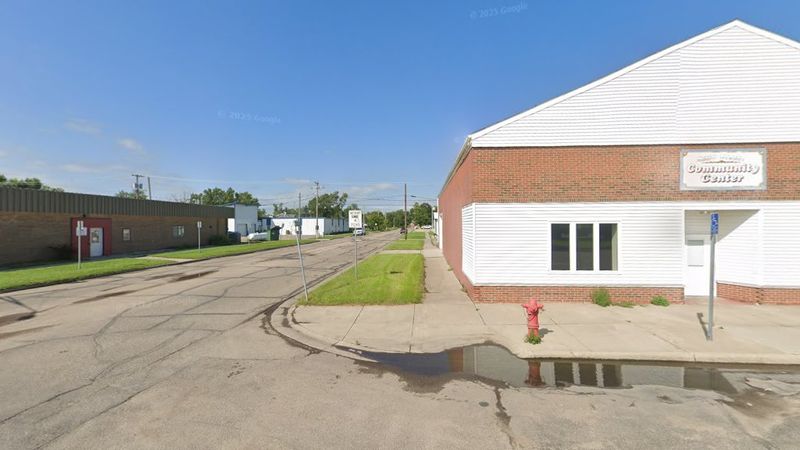
Walking down Riddle’s Main Street feels like stepping into a time capsule where the concept of a town center still holds genuine meaning for residents and visitors alike.
Unlike sprawling suburban communities where shopping centers and strip malls have replaced traditional downtown areas, Riddle’s Main Street remains the undisputed gathering place where people come together for both practical needs and social connection.
The street hosts local businesses that have served the community for decades, creating a continuity that modern developments simply cannot replicate.
On any given day, you’ll find residents stopping to chat on sidewalks, catching up on community news, and maintaining the social fabric that defines small-town life.
These spontaneous interactions might seem insignificant to outsiders, but they represent the glue that holds Riddle together through changing times and economic challenges.
Main Street serves as neutral ground where people from different backgrounds and generations meet as equals, united by their shared connection to this place.
The street’s layout encourages walking and lingering rather than the drive-through convenience that dominates larger towns.
Local businesses often know their customers by name, remembering preferences and family details that make each transaction feel personal rather than commercial.
This level of familiarity creates accountability and trust that benefits everyone in the community.
During community events and celebrations, Main Street transforms into a gathering space where the entire town comes together, reinforcing bonds and creating memories.
The street’s importance goes beyond its physical structures, as it represents the idea that communities need central spaces where public life can flourish.
In an era when many Americans feel disconnected from their neighbors, Riddle’s Main Street offers a working example of how thoughtful design and community commitment can maintain social cohesion.
Population Size That Encourages Real Connections
With approximately 1,200 residents calling Riddle home, the town occupies that sweet spot where everyone doesn’t necessarily know everyone, but the community remains small enough for genuine relationships to form naturally.
This population size creates unique social dynamics that differ dramatically from both isolated rural areas and crowded urban environments.
In Riddle, you can’t simply disappear into anonymity, which encourages residents to treat each other with consideration and respect.
The manageable population means that individual contributions to community life actually matter and get noticed by others.
When someone volunteers for a local project, coaches youth sports, or helps a neighbor in need, their actions ripple through the entire town rather than getting lost in the noise of a larger population.
This visibility creates a culture of participation and mutual support that benefits everyone, especially during difficult times when communities must pull together.
Children growing up in Riddle experience a level of freedom and safety that parents in larger cities can only dream about, with neighbors keeping a friendly eye out for kids without the need for formal surveillance.
The schools reflect this intimate scale, with teachers often knowing students and their families personally, creating educational environments where children cannot slip through the cracks unnoticed.
This attention to individual needs and circumstances makes a measurable difference in outcomes and well-being.
The population size also means that local government and community organizations remain accessible to ordinary residents who want to make their voices heard or contribute to decision-making.
Town meetings and community forums actually involve genuine dialogue rather than becoming performances for passive audiences.
This democratic accessibility gives residents a sense of agency and ownership over their community’s direction that larger populations rarely experience.
Strategic Location Along Historic Routes
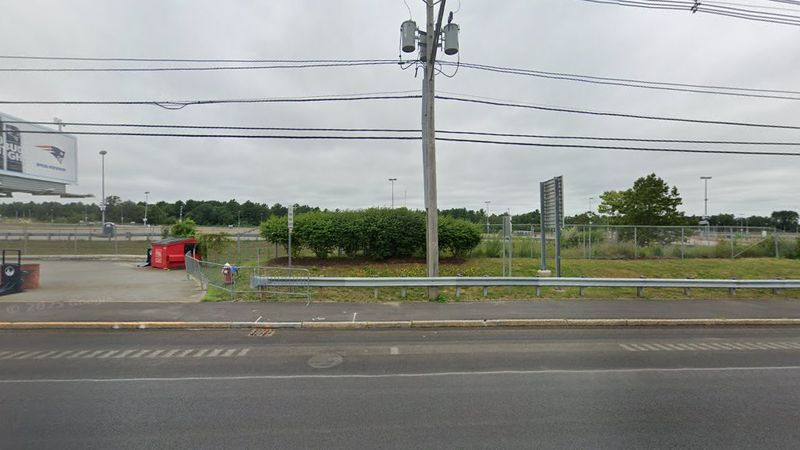
Riddle’s position along Interstate 5 and near historic transportation corridors has shaped its development and character since the earliest days of European settlement in southern Oregon.
The town sits approximately 20 miles south of Roseburg and about 80 miles north of Grants Pass, placing it along one of the West Coast’s most important north-south routes.
This strategic location brought travelers, commerce, and outside influences to Riddle while allowing the town to maintain its distinct identity rather than becoming absorbed into a larger metropolitan area.
Before the interstate era, Riddle served travelers on earlier versions of the main route through Oregon, providing rest stops, supplies, and services to those making the long journey between California and the Willamette Valley.
This historical role as a waypoint created a tradition of hospitality and service that continues to influence the town’s character today.
Long-time residents remember when the old highway brought more traffic directly through town, creating a busier Main Street that supported more businesses.
The town’s location also provided access to the natural resources that drove southern Oregon’s economy for generations, including timber from the surrounding forests and agricultural products from nearby valleys.
Transportation connections allowed Riddle to participate in regional economic networks while maintaining the small scale that residents valued.
Today, the interstate provides residents with reasonable access to larger cities for specialized services, employment opportunities, and entertainment while allowing them to return home to a quieter environment.
This location represents a compromise that many Americans seek, proximity to modern amenities without the daily stress of urban living.
The position along major routes has also exposed Riddle to demographic and cultural changes flowing through the region, creating a more diverse and dynamic community than pure isolation would produce.
Authentic Small-Town Events and Traditions
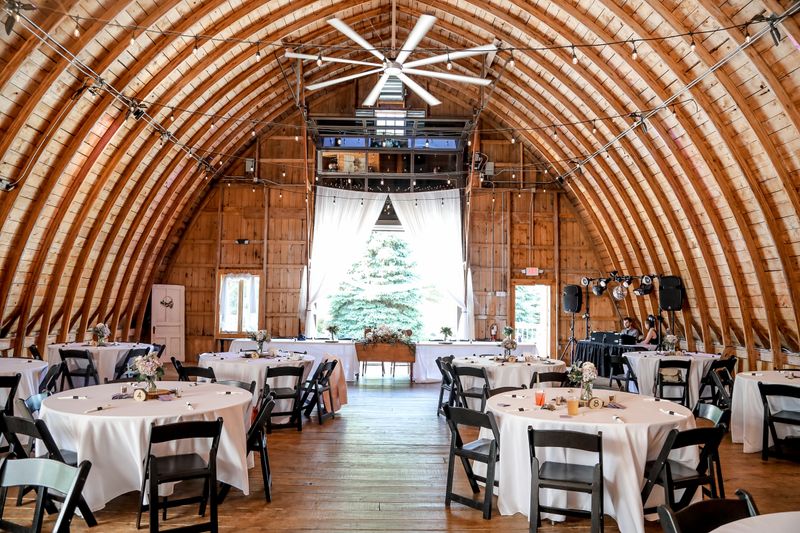
Riddle’s calendar of community events reflects the genuine traditions of small-town Oregon rather than manufactured tourist attractions designed to separate visitors from their money.
These gatherings serve residents first and foremost, creating shared experiences that reinforce community bonds and give people reasons to come together beyond their daily routines.
From seasonal celebrations to regular community meetings, these events form the rhythm of life in Riddle and mark the passage of time in ways that feel meaningful to participants.
Local events often take place on or near Main Street, utilizing public spaces that belong to everyone and creating inclusive atmospheres where all residents feel welcome regardless of their background or economic status.
The informal nature of many gatherings encourages spontaneous participation and allows events to evolve based on community input rather than rigid planning.
This flexibility keeps traditions fresh and relevant even as they honor the past and maintain continuity with earlier generations.
Volunteer committees organize most events, demonstrating the community’s capacity for self-organization and collective action without relying on professional event planners or outside organizations.
This grassroots approach creates ownership and investment among residents who see these gatherings as expressions of their community rather than services provided by others.
The planning process itself builds relationships and skills that benefit the community beyond the events themselves.
These traditions also provide opportunities for newcomers to integrate into the community and for young people to develop connections to place and tradition.
Multi-generational participation ensures that knowledge and customs pass from older residents to younger ones, maintaining cultural continuity in an era of rapid change.
The events create memories and stories that residents share for years afterward, building the collective narrative that defines Riddle’s identity and distinguishes it from other places.
Surrounding Natural Beauty and Outdoor Access
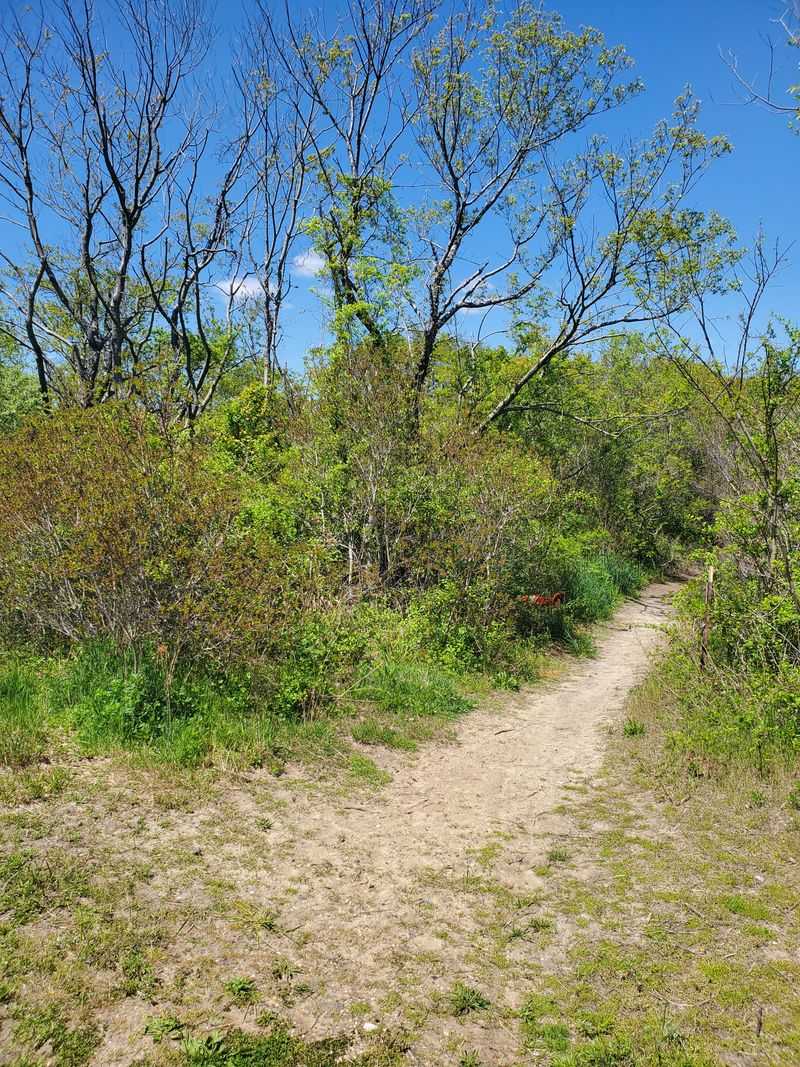
Riddle’s location in southern Oregon places it within easy reach of spectacular natural landscapes that draw outdoor enthusiasts from around the world while remaining accessible enough for locals to enjoy on a regular basis.
The surrounding Douglas County countryside features rolling hills, forested mountains, and river valleys that provide endless opportunities for hiking, fishing, hunting, and simply experiencing the natural world.
This proximity to nature is not just a tourist amenity, it fundamentally shapes the lifestyle and values of Riddle residents who incorporate outdoor activities into their daily and weekly routines.
The Umpqua River system, one of Oregon’s premier fishing destinations, flows through the region near Riddle, offering world-class opportunities to catch salmon, steelhead, and trout.
Local anglers know secret spots and seasonal patterns that they sometimes share with newcomers, creating mentorship relationships that connect people across generations and backgrounds.
The river also provides swimming holes, picnic areas, and scenic beauty that residents enjoy throughout the warmer months.
Forested areas surrounding the town offer mushroom hunting, berry picking, and firewood gathering opportunities that supplement household budgets while connecting people to traditional practices and seasonal cycles.
These activities require knowledge of the land and respect for sustainable practices, creating a culture of environmental stewardship that goes beyond abstract environmentalism.
Children growing up in Riddle learn to identify plants, read weather patterns, and navigate terrain, skills that urban children rarely develop.
The natural setting also influences the pace and quality of life in Riddle, with residents frequently commenting on the beauty of their surroundings and the peace that comes from living near wild places.
This connection to nature provides mental health benefits and perspective, helping people weather life’s challenges with greater resilience and contentment.
Resilience Through Economic Changes and Challenges

Riddle’s survival and continuity through decades of economic transformation demonstrate the resilience that small communities can develop when residents commit to each other and their shared home.
Like many rural Oregon towns, Riddle has weathered the decline of the timber industry, agricultural consolidation, and the economic forces that have hollowed out countless small American communities.
The fact that Riddle persists as a functioning community rather than becoming a ghost town speaks to the determination and adaptability of its residents.
This resilience does not mean that Riddle has escaped economic hardship or that all residents enjoy prosperity.
Rural Oregon faces significant challenges, including limited employment opportunities, aging infrastructure, and outmigration of young people seeking opportunities elsewhere.
However, the community has maintained its social fabric and sense of identity even as the economic foundation has shifted beneath it.
Residents have learned to support local businesses even when chain stores offer lower prices, understanding that these establishments provide more than just goods and services.
The town’s ability to adapt has involved embracing new economic activities, supporting small-scale entrepreneurship, and finding creative solutions to shared problems with limited resources.
Residents often possess multiple skills and work several jobs, creating a culture of versatility and self-reliance that outsiders might romanticize but which reflects genuine necessity.
This economic diversity at the household level creates stability that single-industry communities lack.
Riddle’s persistence also demonstrates that communities have value beyond their economic output.
The relationships, traditions, and sense of belonging that residents experience provide returns that do not appear in GDP calculations but matter profoundly to human well-being.
The town’s continued existence challenges narratives that measure success purely in economic terms and suggests that different forms of wealth deserve recognition and protection.
Dear Reader: This page may contain affiliate links which may earn a commission if you click through and make a purchase. Our independent journalism is not influenced by any advertiser or commercial initiative unless it is clearly marked as sponsored content. As travel products change, please be sure to reconfirm all details and stay up to date with current events to ensure a safe and successful trip.
