Curiosity has a funny way of steering the wheel toward places that give you a delightful shiver down your spine.
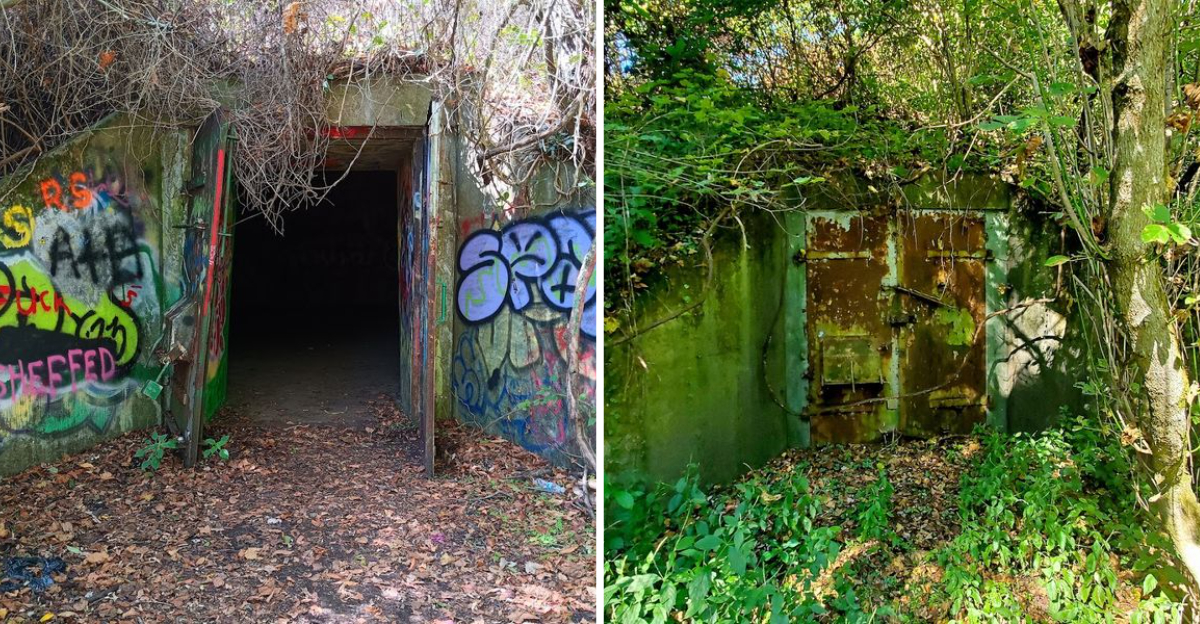
Scattered across a remote stretch of West Virginia, a cluster of massive concrete domes sits silently in the overgrowth, remnants of a munitions operation that once fueled a world war.
Peering into their dark, graffiti covered interiors feels like cracking open a history book written in echoes and shadow.
The air hangs heavy and still, amplifying every drip of water and distant bird call into something almost cinematic.
Have you ever stood inside an abandoned bunker and felt the strange hum of a million untold stories vibrating through the concrete?
These haunting structures are not a polished museum exhibit, just raw, imposing relics slowly being reclaimed by nature.
The West Virginia Ordnance Works
Few places carry history the way cracked concrete and overgrown tree roots do. The West Virginia Ordnance Works, built in 1942, was a full-scale U.S.
Army ammunition facility designed to feed the relentless demand of World War II. Spanning nearly 9,000 acres north of Point Pleasant in Mason County, this was not a small operation by any stretch of the imagination.
At its wartime peak, the facility employed around 3,500 workers who kept production running continuously.
The plant was engineered to produce trinitrotoluene, better known as TNT, and could manufacture 720,000 pounds of it within a single 24-hour period.
That number still feels almost impossible to wrap your head around when you are standing quietly in the woods.
When the war ended in 1945, the facility was declared surplus. Parts of the land were repurposed into a wildlife management area, an airport, and an industrial park.
What remained became the mysterious landscape people explore today, a place where wartime urgency gave way to deep, lasting silence.
A Superfund Site That Nature Refused to Abandon
The TNT Area carries a complicated legacy that goes well beyond its wartime purpose.
In 1983, the site was designated a Superfund location and placed on the National Priorities List due to heavy contamination from decades of explosive manufacturing.
Contaminants found here include TNT residue, dinitrotoluene, arsenic, lead, beryllium, and asbestos, a sobering reminder of what industrial production at wartime scale can leave behind.
At one point, this stretch of Mason County was identified as West Virginia’s top cleanup priority and ranked among the ten most polluted sites in the entire country. Cleanup efforts began in 1991 and continued for decades.
Some explosives are still believed to remain on-site, and a 2010 explosion inside one storage igloo containing 20,000 pounds of various materials served as a stark reminder of the lingering danger.
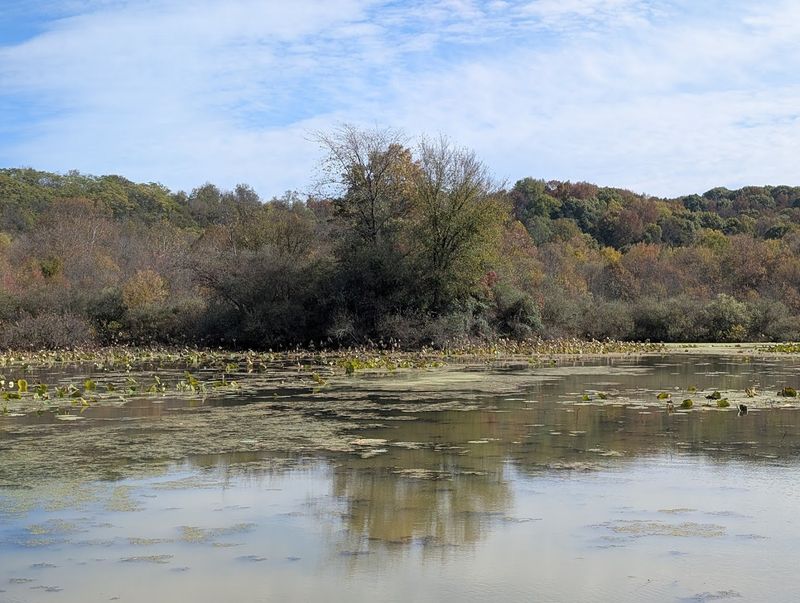
Despite all of that, nature pushed back hard. The McClintic Wildlife Management Area, which covers 3,655 acres of the former ordnance works, is genuinely beautiful.
Lily pads float on still ponds. Birds call from the tree line.
The contrast between environmental hazard and natural beauty here is something you really have to see in person.
Concrete Igloos Built to Contain the Unthinkable
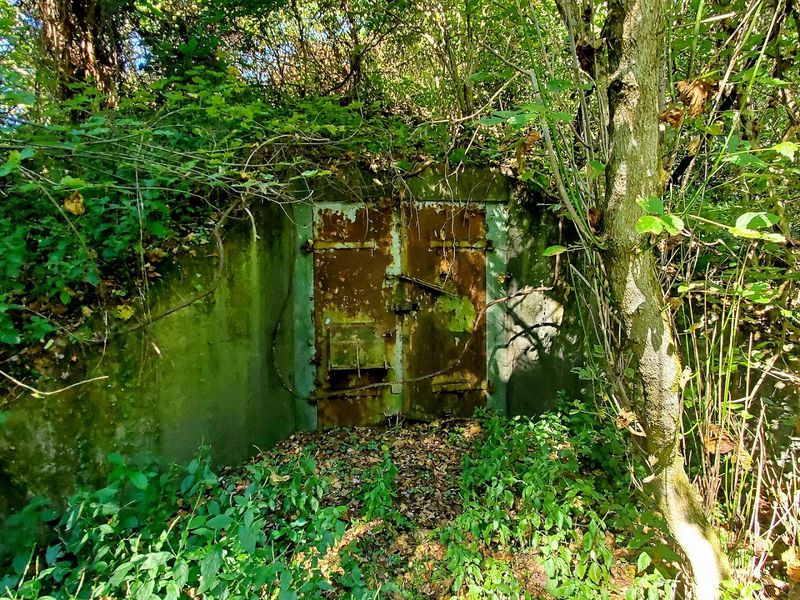
Walking up to one of these domes for the first time feels oddly surreal, like stumbling onto a set piece from a Cold War film that nobody finished making.
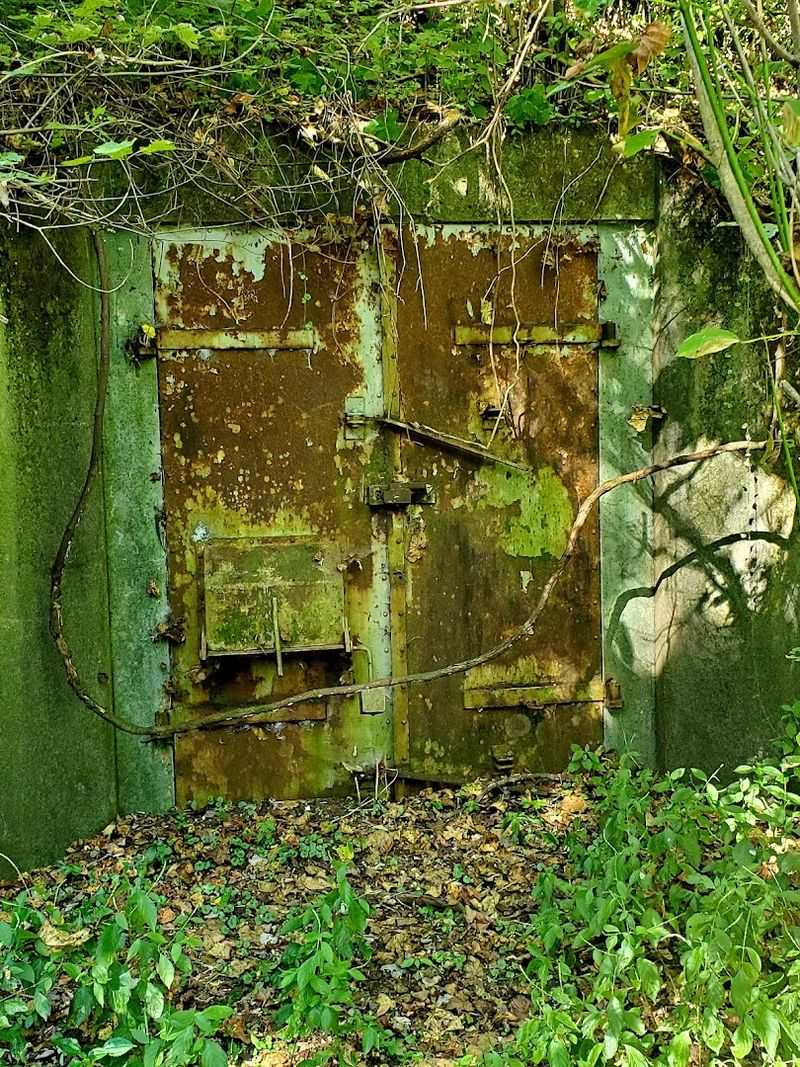
The bunkers are thick-walled, rounded structures made of reinforced concrete, designed specifically to store explosives in a way that minimized catastrophic risk.
Engineers built them to implode inward if an explosion occurred, containing the blast rather than sending it outward.
Vegetation was deliberately grown on top of each dome to camouflage them from aerial observation during the war. That design choice means that from above, these structures nearly vanished into the landscape.
Today, that same camouflage has become part of their natural charm, with moss and grass creeping across the curved rooftops.
There are reportedly seven domes along this stretch near Potters Creek Road, each with its own character and quirks. Some still have remnants of old wooden storage racks inside.
The thick walls create an echo effect unlike anything most visitors have ever experienced in any other structure, making every sound feel strangely amplified.
The Echo Inside the Dome That Stays With You
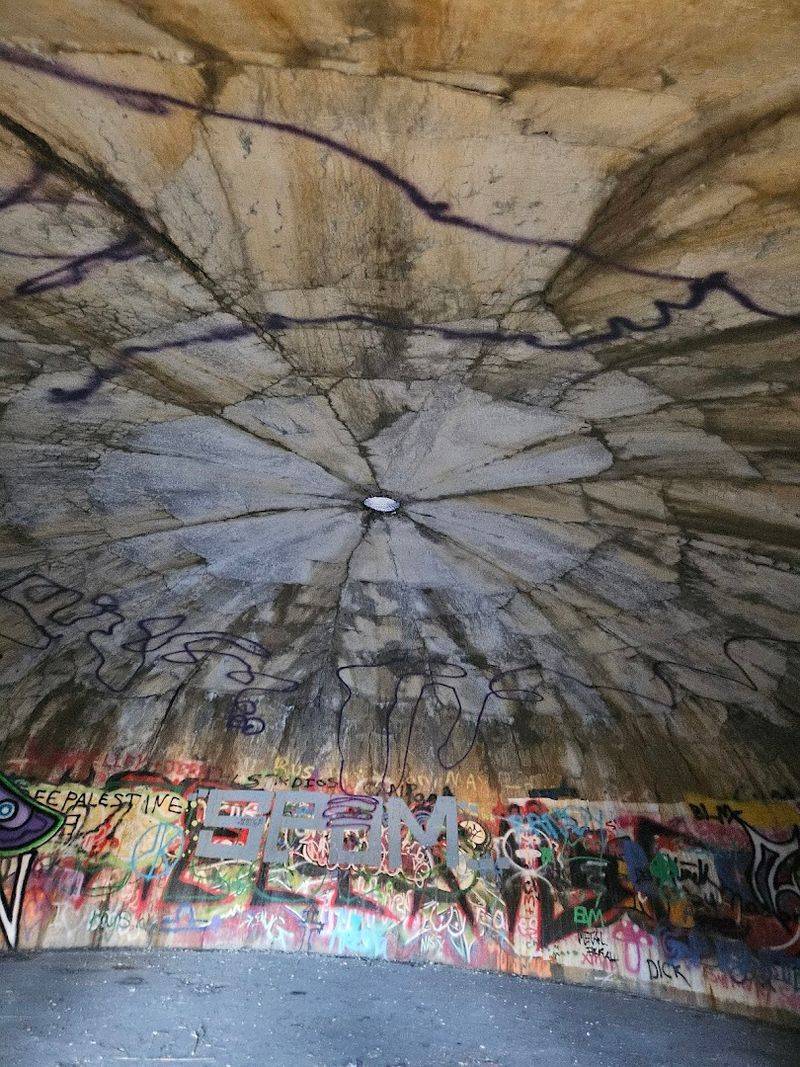
Stepping inside one of the domes is a sensory experience that is genuinely hard to describe. The moment you cross the threshold, the outside world seems to drop away.
Sound behaves differently in here, bouncing off the curved concrete walls in a way that makes even a whisper feel enormous. Clap your hands once and the sound layers on itself like a round of applause from an invisible crowd.
Visitors who have sung inside these domes describe it as one of the most unexpectedly moving acoustic experiences they have had anywhere.
The geometry of the rounded interior creates natural reverb that no modern recording studio could replicate with quite the same rawness.
It is part of what keeps people coming back, even those who are not particularly interested in history or mystery.
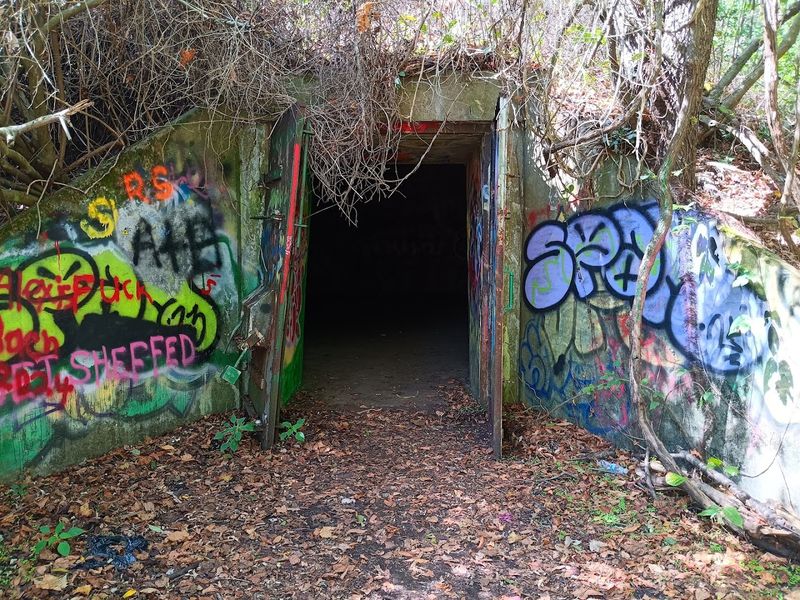
The walls are covered in layers of graffiti that range from elaborate murals to simple signatures. Some of it is genuinely creative and visually striking.
The combination of the echo, the dim light filtering through the entrance, and the artwork covering every surface gives each dome a personality entirely its own, and no two feel quite the same.
The Mothman Connection That Keeps Pulling People Back
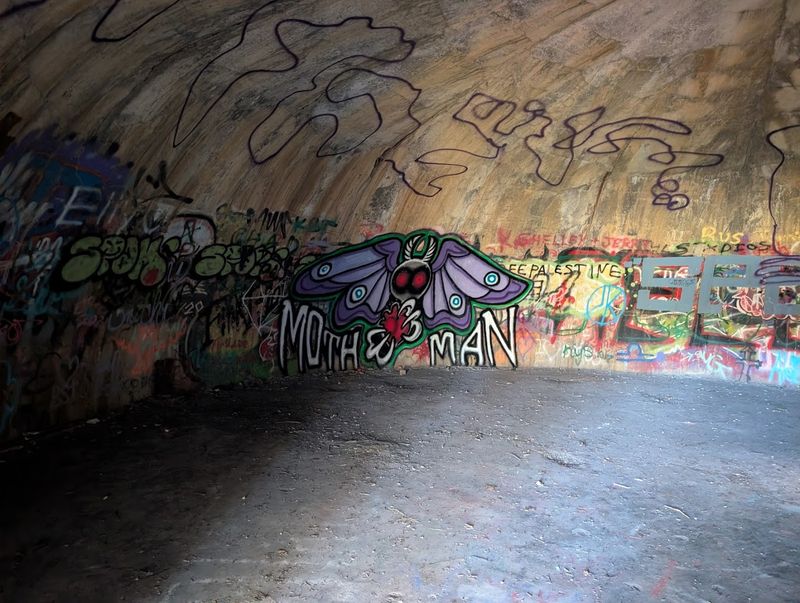
The TNT Area and the Mothman legend are inseparable in the cultural memory of Point Pleasant. In November 1966, the first reported sightings of the Mothman occurred right at the gate of this abandoned munitions facility.
Witnesses described a large, red-eyed humanoid figure with enormous wings that allegedly chased vehicles traveling at high speed along the local roads.
Sightings continued in and around the area until December 1967, when the Silver Bridge collapsed over the Ohio River, killing dozens of people. After that tragedy, the Mothman sightings stopped almost entirely.
Whether or not you believe in cryptids, the timing and location of those events left a permanent mark on this community that has never fully faded.
The story was later chronicled in books and films, and the Mothman even appeared in the video game Fallout 76, bringing a whole new generation of fans to Point Pleasant.
Every year, the Mothman Festival draws thousands of visitors, many of whom take guided bus tours directly to the TNT domes.
The festival offers a fun, community-spirited way to connect with one of West Virginia’s most enduring legends.
Exploring the Domes Safely and Smartly
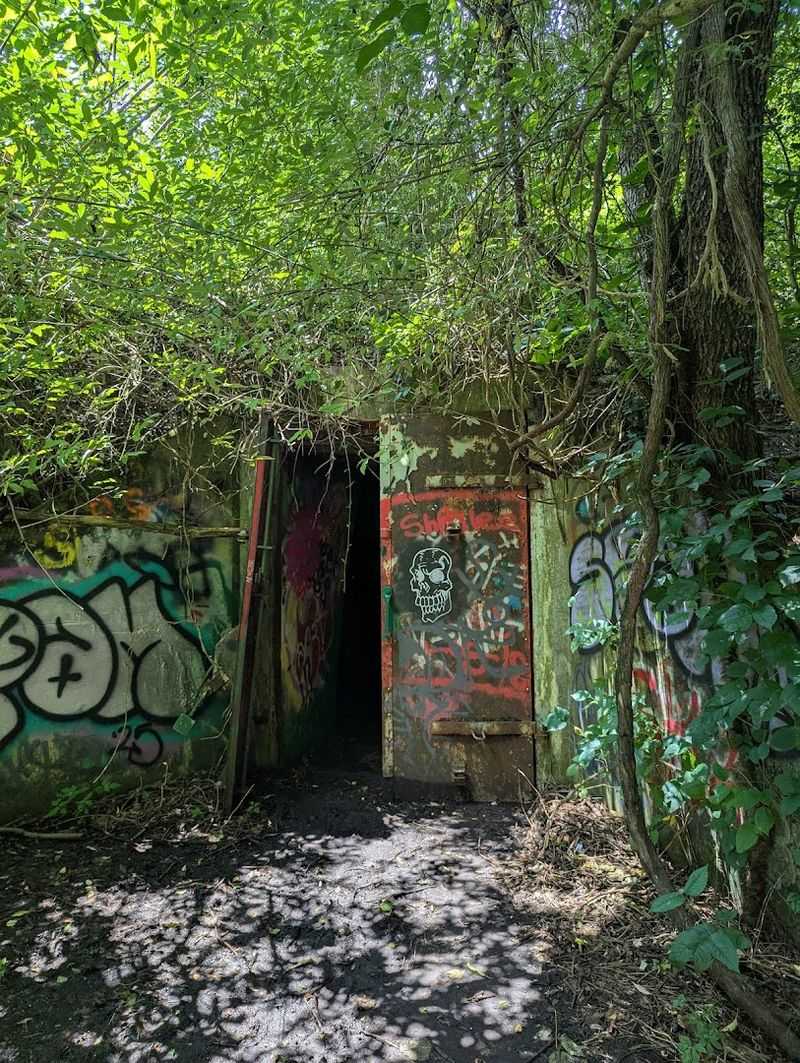
Getting to the domes is straightforward enough. You can park alongside Potters Creek Road near the small parking area and walk a short trail through the woods.
Most of the bunker entrances are accessible without much difficulty, though wearing sturdy shoes is a smart move given the uneven terrain and overgrown paths between structures.
Daytime visits are strongly recommended. The atmosphere after dark is undeniably atmospheric, but the practical risks increase significantly once natural light disappears.
Some bunkers still carry signage indicating the presence of explosives, and the environmental contamination history of the site means wandering off established paths is genuinely not a good idea.
Going with at least one other person adds a layer of safety that is worth the extra coordination.
Checking West Virginia hunting seasons before visiting is also wise, since this is an active Wildlife Management Area.
The McClintic WMA calendar changes seasonally, and being aware of what is happening on the land around you makes the whole experience smoother.
Visiting during a calm weekday morning offers the best combination of solitude and safety, with plenty of natural light to appreciate every detail.
The Wildlife Management Area That Surrounds the Mystery
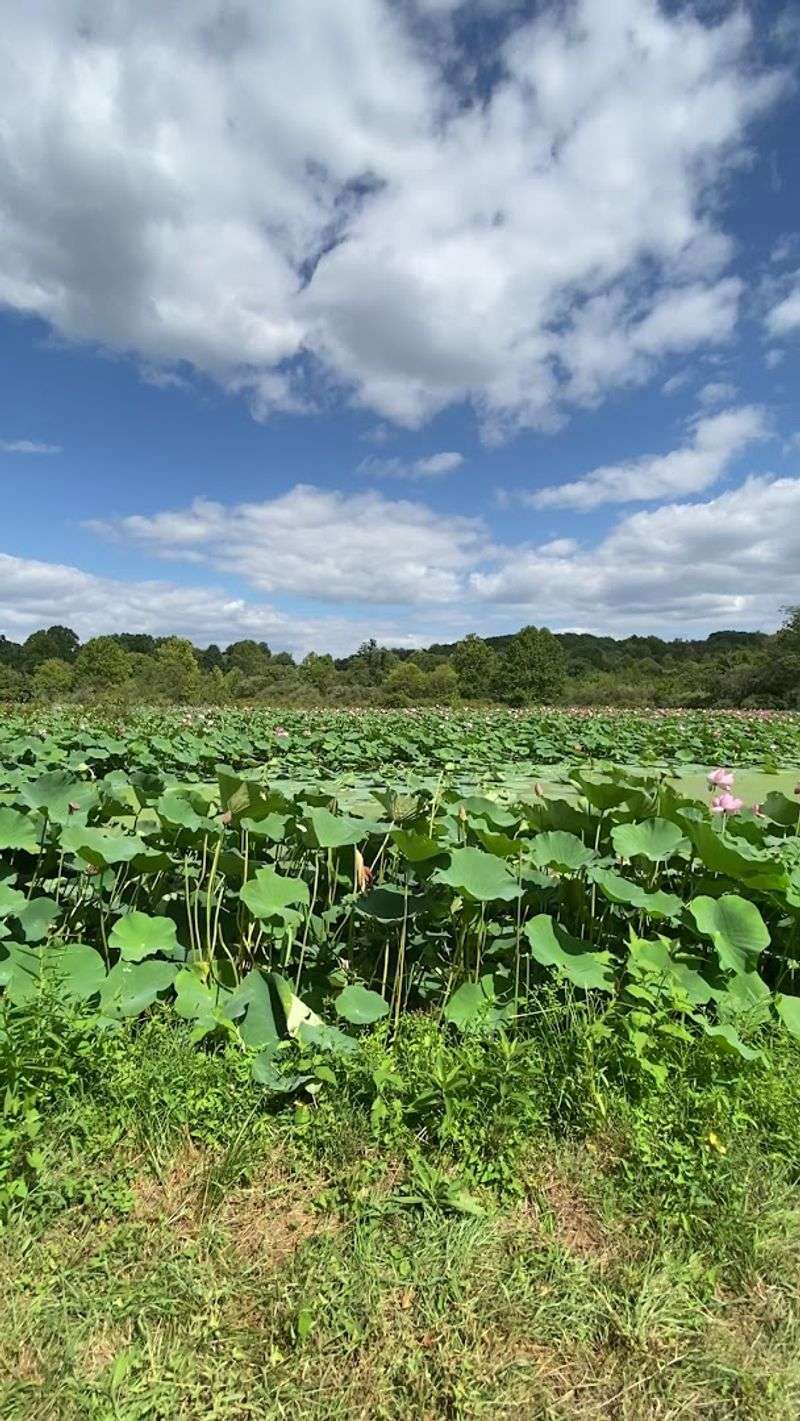
The McClintic Wildlife Management Area is genuinely one of the more overlooked natural spaces in the entire state.
Managed by the West Virginia Division of Natural Resources, it covers 3,655 acres of former ordnance land and offers hunting, fishing, and hiking opportunities that most visitors do not even realize exist beyond the bunkers themselves.
The landscape is quietly stunning in a way that sneaks up on you.
Ponds throughout the area fill with lily pads in summer, creating a reflective, almost dreamlike surface that contrasts sharply with the concrete structures nearby.
Birds are plentiful, and the tree cover along the trails provides welcome shade during warmer months.
Wildlife sightings are common, ranging from white-tailed deer to various waterfowl that have made the reclaimed wetlands their permanent home.
For anyone who enjoys combining history with outdoor recreation, this place delivers both in a single visit. The trails are simple enough for casual walkers but interesting enough to hold the attention of more experienced hikers.
Multiple visits are genuinely worthwhile here, because the area rewards slow exploration rather than a quick loop around the most famous spots.
The Mothman Festival Bus Tours to the TNT Area
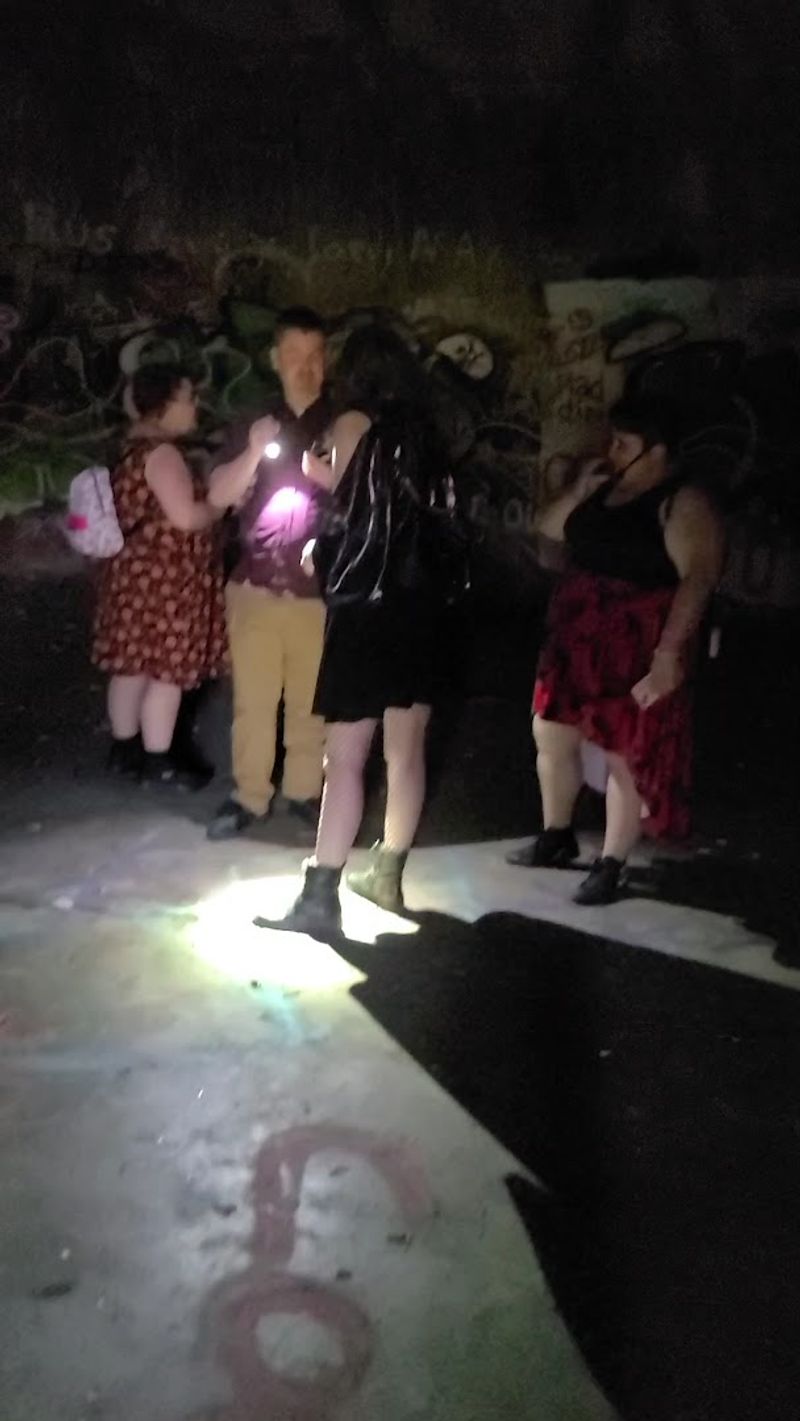
Every year, the Mothman Festival in Point Pleasant organizes guided bus tours that take visitors directly to the TNT domes. For anyone visiting during festival weekend, this is one of the most efficient and entertaining ways to experience the site.
The guided format adds historical context that you simply would not get from wandering alone, and the group energy gives the whole outing a genuinely fun atmosphere.
Tours typically stop at multiple Mothman-related points of interest throughout Point Pleasant before heading to the bunkers.
The combination of town history, cryptid lore, and physical exploration of the domes creates a layered experience that resonates with a wide range of visitors.
Families, history enthusiasts, and paranormal hobbyists all tend to find something meaningful in the tour structure.
Festival weekend does bring larger crowds to the site, which can mean shorter time at each dome.
Many visitors who take the tour end up returning independently afterward, armed with a better sense of the layout and which bunkers are worth spending extra time exploring.
The Mothman Museum in town is also a great starting point before heading out to the domes on your own.
Why This Place Deserves a Spot on Your Travel Map
Some places earn their reputation through marketing. This one earned it through sheer, accumulated strangeness and genuine historical weight.
The TNT domes near Point Pleasant are free to visit, easy to reach, and unlike anything most travelers have encountered before. That combination is rarer than it sounds, and worth treating seriously when you find it.
Whether you are drawn by the Mothman mythology, the WWII history, the wildlife, or simply the appeal of wandering through a landscape that has been through more than most places ever will, there is a version of this visit that fits your particular brand of curiosity.
The site rewards whatever level of engagement you bring to it.
A casual afternoon walk through the woods feels satisfying. A deeper dive into the history feels even more so.
Point Pleasant itself is a welcoming small town with plenty to explore beyond the bunkers. The Mothman Museum downtown, the riverfront, and the surrounding Mason County landscape all add to the experience.
Address: Potters Creek Rd, Point Pleasant, WV 25550.
