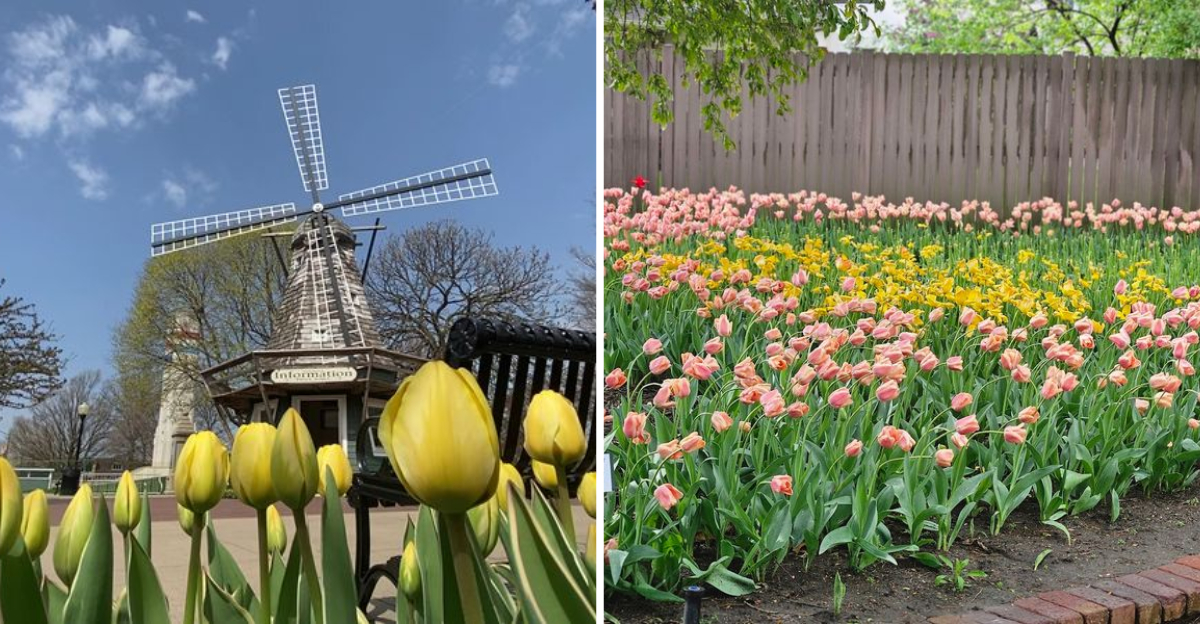
Iowa does not usually make the list for flower tourism. The coast gets the cherry blossoms.
Texas gets the bluebonnets. But Iowa has tulips, and when they bloom, the state turns into a patchwork of red, pink, yellow, and purple.
Thousands of people show up for this. Not locals grabbing a quick photo.
Real tourists driving from neighboring states, filling small town hotels, eating at local diners. The tulip festival has been running for decades, and it keeps getting bigger. I wandered through fields of flowers that stretched to the horizon, the wind moving through the petals like waves on a slow sea.
Iowa does not brag about much. But during tulip season, the state has every right to.
A City That Takes Its Dutch Heritage Seriously
Pella is not just a town that happens to grow tulips. The city was founded in 1847 by Dutch immigrants who brought their traditions, architecture, and pride straight from the Netherlands, and that heritage is still felt on every corner today.
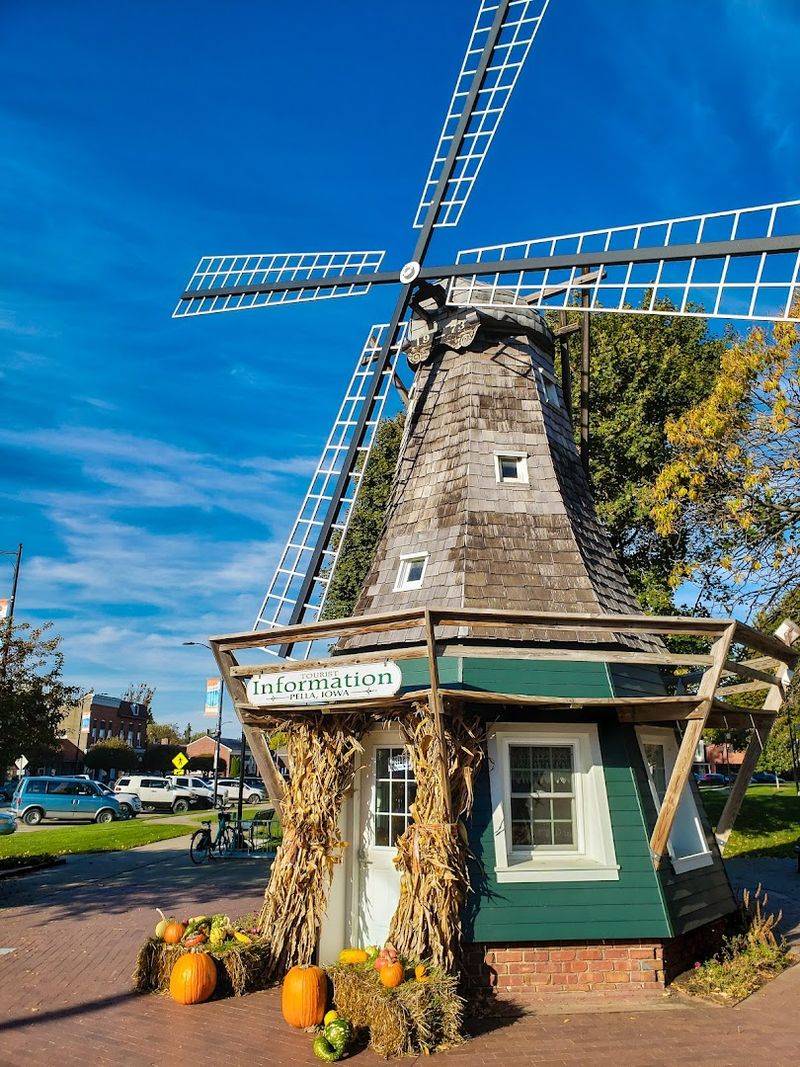
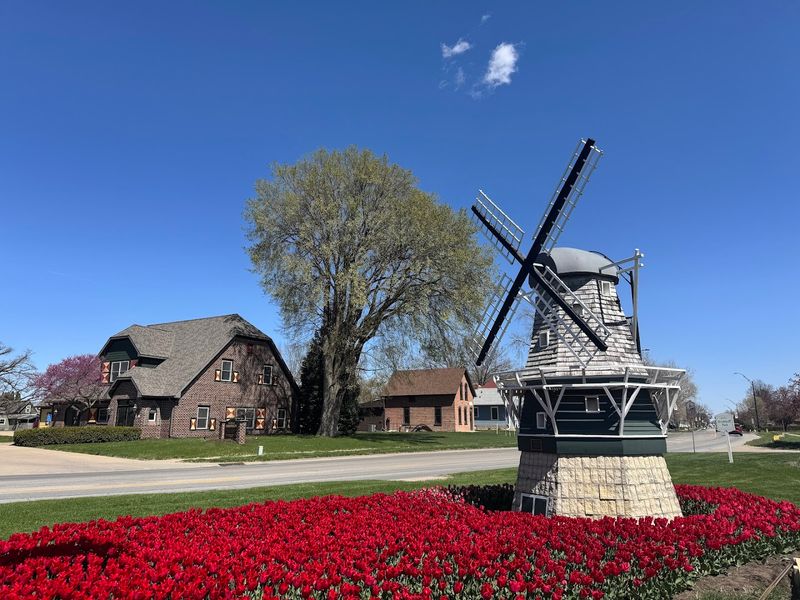
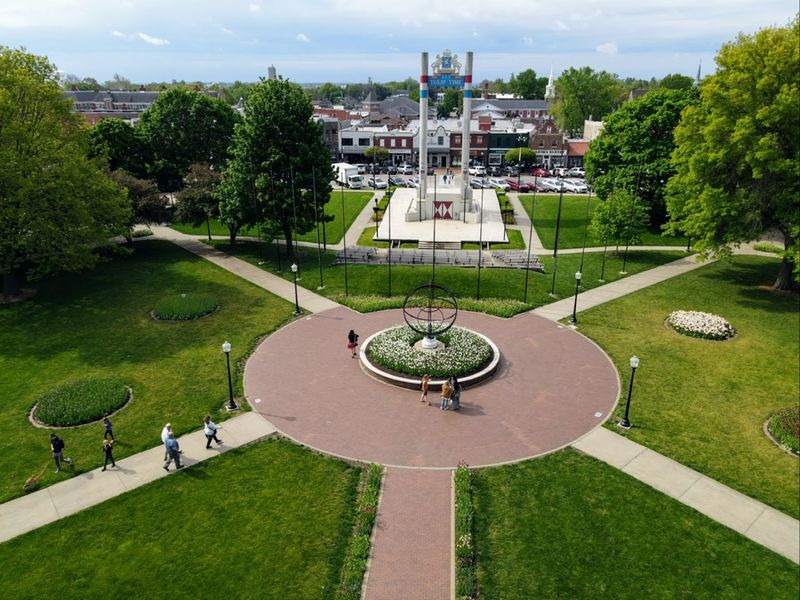
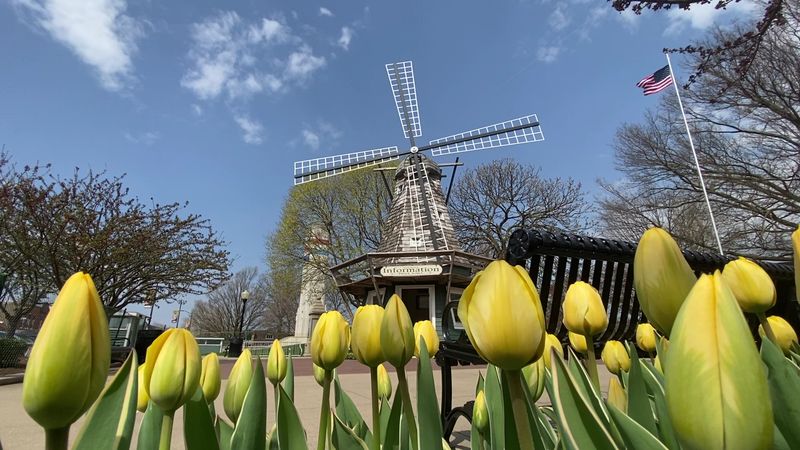
The buildings downtown have a distinctly European character, and the Vermeer windmill standing tall near the central square is one of the most photographed landmarks in Iowa.
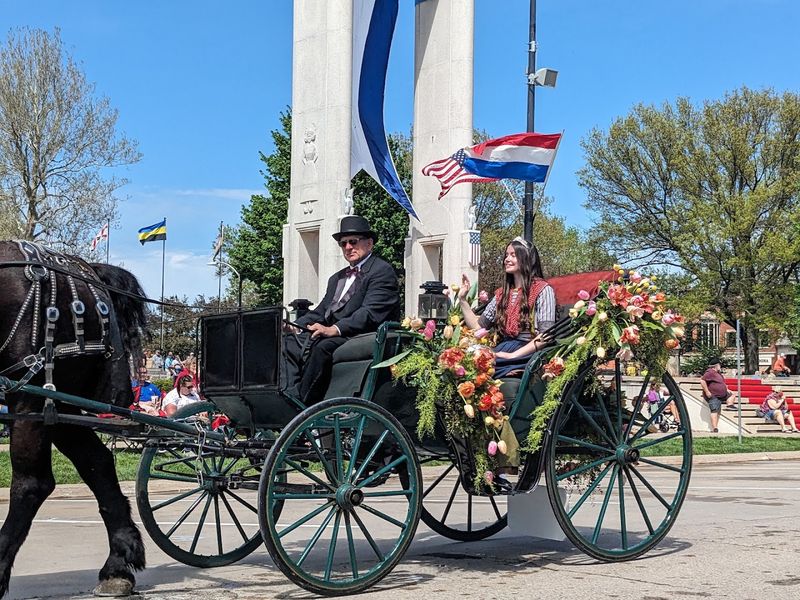
During Tulip Time, residents dress in traditional Dutch costumes, adding a layer of authenticity that makes the whole experience feel genuinely transportive. Kids and adults alike get a kick out of seeing so many people fully committed to the celebration.
The town does not put on a surface-level show; it goes all in, every single year.
The Pella Historical Museums play a central role in organizing and hosting the festival, ensuring that the cultural elements are treated with real care and depth. Local shops, bakeries, and vendors line the streets, each adding their own piece of the Dutch-American story.
Coming here feels less like attending a tourist event and more like being welcomed into a living community celebration that has been going strong for over ninety years.
Over 300,000 Tulips Planted With Purpose
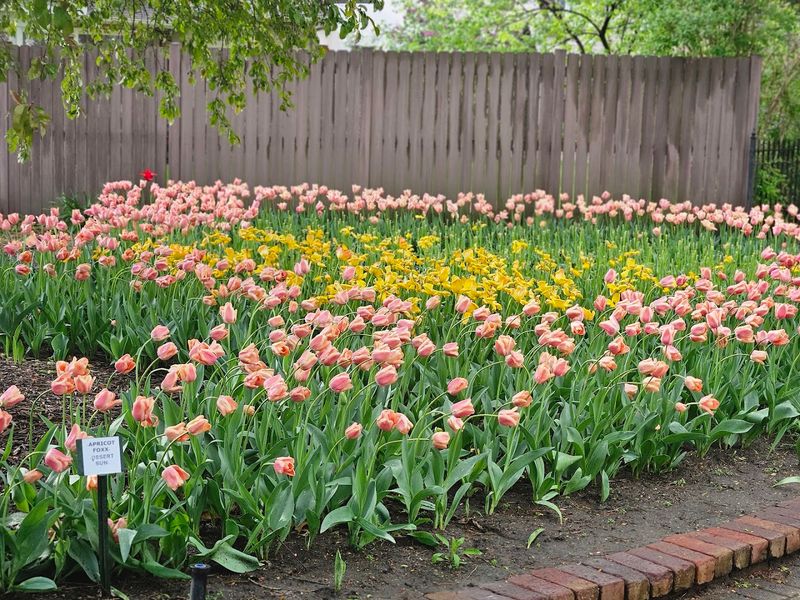
The number alone is staggering. Over 300,000 tulips are planted throughout Pella each year, managed by the City of Pella’s Parks Department across roughly 250 individual beds.
That kind of scale takes serious planning, and the results speak loudly every spring. The variety of tulip types used is intentional, chosen specifically because different breeds bloom at different times, which maximizes the chances that the flowers will be at their peak right when the festival opens.
In 2024, around 120,000 tulips were prepared in those 250 beds alone. The sheer logistics behind making that happen are impressive, and yet the finished product looks effortless.
Beds of deep crimson sit beside soft lavender and bright gold, creating color combinations that stop people mid-stride.
Even in years when warm weather arrives early and some blooms fade faster than expected, the festival planners stay ahead of it. Cooler temperatures are often anticipated to help preserve color into the festival week.
Visitors who arrive even a few days before the official start often find flowers already drawing crowds to downtown Pella. The tulips are the heart of this event, and every petal feels like it was placed there on purpose.
The 91st Annual Festival Coming in May 2026
Reaching a 91st annual festival is not something most events ever get to claim. The Pella Tulip Time Festival has been running since the 1930s, and the 2026 edition, scheduled for May 7 through May 9, carries on that remarkable streak.
The first Thursday, Friday, and Saturday of May have become a kind of sacred calendar block for thousands of loyal visitors who return year after year.
What keeps people coming back is not just the flowers. It is the combination of familiarity and freshness.
The core traditions remain, but each year brings new vendors, new performances, and new reasons to explore. Families who attended as children now bring their own kids, and that generational thread is part of what makes the festival feel so meaningful.
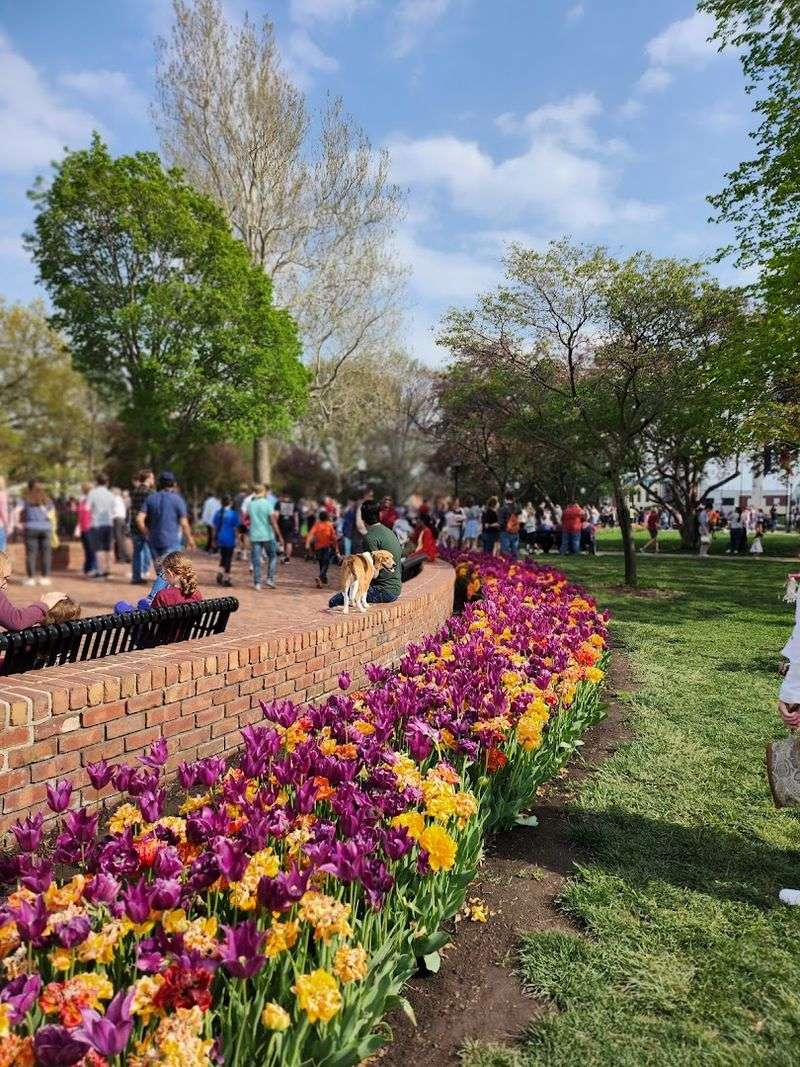
The record attendance of 200,000 visitors in 2017 shows just how powerful this event can be at its peak. Even in a typical year, crowds between 100,000 and 150,000 people fill the streets of a city that has a permanent population of just around 10,000.
That kind of turnout for a small Iowa city is remarkable. The 91st edition promises to carry all of that energy forward with the same warmth and Dutch pride that started it all.
Parades That Last Over an Hour
Few things at the Pella Tulip Time Festival generate as much excitement as the parades. Running more than an hour long each day of the festival, they are a full-on spectacle of Dutch costumes, marching bands, flower-covered floats, and community pride rolling right through the heart of downtown.
Getting a good spot along the parade route early is highly recommended, especially if grandstand tickets are not already in hand.
The atmosphere during the parade is electric in a genuinely wholesome way. Kids perch on curbs and shoulders, vendors drift through the crowd with treats, and the sound of music carries down streets lined with blooming tulips.
It is the kind of scene that makes you put your phone down for a moment just to take it all in.
Two parades run daily during the festival, giving visitors who miss the morning showing a second chance in the afternoon. The dedication to running multiple parades each day reflects how seriously Pella takes the experience of every visitor.
Grandstand tickets offer a premium central seat for those who want the full show without the scramble for curbside space. Either way, the parade is consistently described as a highlight that should not be skipped under any circumstances.
Dutch Bakeries and Food That Make the Trip Worth It
Food is a serious part of the Tulip Time experience, and Pella’s Dutch bakeries are the undisputed stars of the culinary scene. The two Dutch bakeries on the main square have built reputations that bring people back specifically for their treats, from almond-filled pastries to fresh-baked cookies that smell incredible from half a block away.
Lines form early and move steadily, so patience is rewarded.
Beyond the bakeries, food vendors spread throughout the festival grounds offer a wide range of options that keep energy levels up during a full day of walking and exploring. Meat markets, local restaurants, and pop-up vendors all contribute to a food scene that feels authentic rather than generic festival fare.
There is something genuinely satisfying about eating food that reflects the actual culture being celebrated.
Grabbing coffee and a pastry from one of the bakeries and finding a spot near a tulip bed to sit for a few minutes is one of those simple pleasures that sticks in your memory long after the trip. The food here is not a side note to the flowers and parades; it is a full chapter of the Pella story.
Visitors who skip the bakeries are genuinely missing something special about what makes this festival feel complete.
Wagon Tours, Museums, and Things to Actually Do
General admission to the Pella Tulip Time Festival is free, which makes it one of the most accessible large-scale events in the Midwest. But for visitors who want to go deeper, there are ticketed experiences that are genuinely worth the investment.
Tractor-pulled wagon tours of the city are a crowd favorite, offering a one-hour guided ride through Pella with a knowledgeable guide who covers the city’s history and the story behind the festival itself.
The Pella Historical Museums anchor the cultural side of the event, hosting exhibits and activities that bring the Dutch immigrant story to life. Grandstand shows offer live entertainment ranging from music to cultural performances, and museum visits give context to everything else happening around the city.
Pairing a museum stop with a wagon tour creates a surprisingly full and satisfying half-day itinerary.
An art fair in a park near Central Square adds another layer to the experience, drawing local artists and craftspeople whose work reflects the region’s creativity. The festival is genuinely low-cost and pet-friendly, which opens it up to a wide range of visitors.
Whether spending four hours or a full weekend, there is always something to do that feels purposeful and enjoyable rather than just filler between flower photos.
A Small Town That Becomes Something Extraordinary
Pella has a permanent population of around 10,000 people, which makes the transformation that happens every May almost hard to believe. When 100,000 to 150,000 visitors pour into a city that size over three days, the energy is unlike anything a typical small town produces on an ordinary weekend.
Every street feels alive, every shop is buzzing, and the whole city leans into the moment with unmistakable pride.
The cleanliness of the event is something visitors consistently mention. For a festival of this scale, the streets stay remarkably tidy and the overall atmosphere feels organized without being rigid.
Locals are genuinely welcoming, which adds to the sense that you are a guest in someone’s home rather than a number in a crowd.
The Vermeer windmill is a must-see, rising above the festival grounds as a symbol of everything Pella represents: Dutch roots, community pride, and a commitment to honoring where the city came from. Even on cloudy or overcast days, the festival delivers.
The colors of the tulips, the sounds of the parade, and the warmth of the people make Pella in May feel like a place worth returning to every single year.
Address: 507 Franklin St, Pella, IA 50219
