New Jersey has a way of surprising you, and this surprise comes wrapped in history and charm.
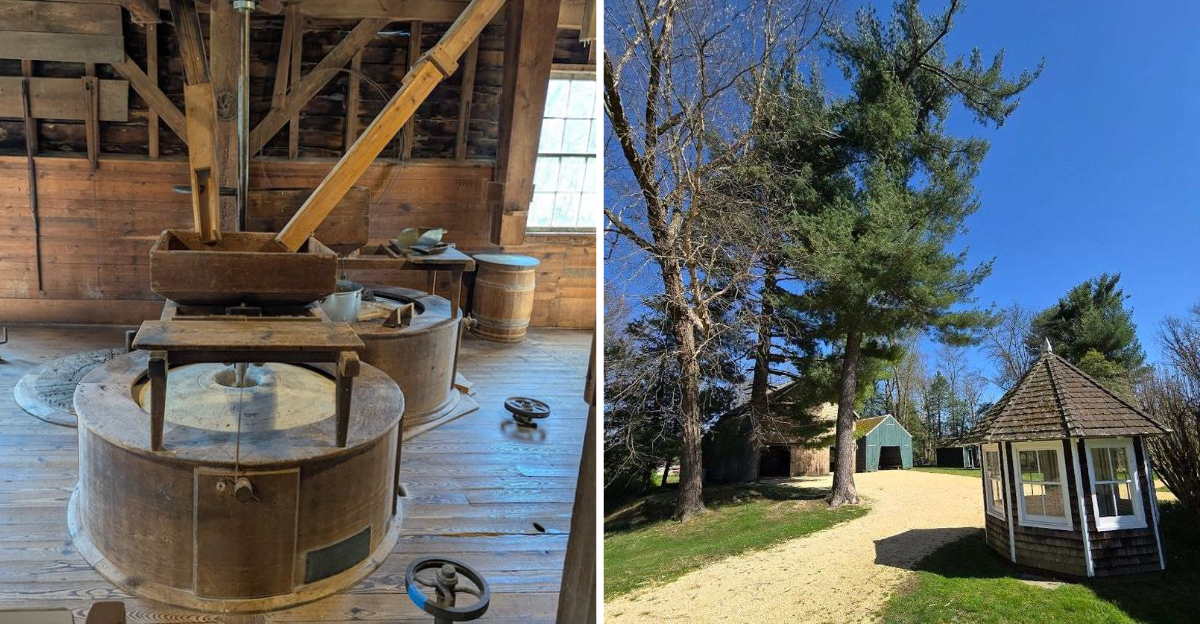
In a quiet park, you’ll stumble upon a beautifully restored 19th-century mill that feels like stepping back in time.
The creak of the old wooden floors and the rush of the nearby stream make it more than just a museum piece; it’s an experience.
I found myself lingering, imagining the hum of machinery and the bustle of workers from centuries past.
It’s proof that sometimes the most ordinary-looking parks hold extraordinary stories.
A 36-Acre Historic District That Feels Like a Secret
Stumbling onto a 36-acre historic park tucked inside New Jersey farm country feels like finding a forgotten chapter of American history.
Historic Walnford sits in Upper Freehold Township, quietly preserving over 200 years of rural life without making much noise about it.
The grounds stretch along Crosswicks Creek, framed by open fields, old trees, and a landscape that genuinely looks like a painting.
Richard Waln, a Philadelphia merchant, established the estate in 1773, and the property stayed connected to the Waln family for generations. That long family thread gives the whole place a different kind of weight.
You can feel the continuity of it just by walking around.
Admission and parking are completely free, which still feels almost too good to be true. The site is open daily, and the buildings are accessible from 9 a.m. to 4 p.m.
For anyone chasing a meaningful day trip without a big budget, this place delivers something most paid attractions cannot match.
The Beautifully Restored 19th-Century Gristmill
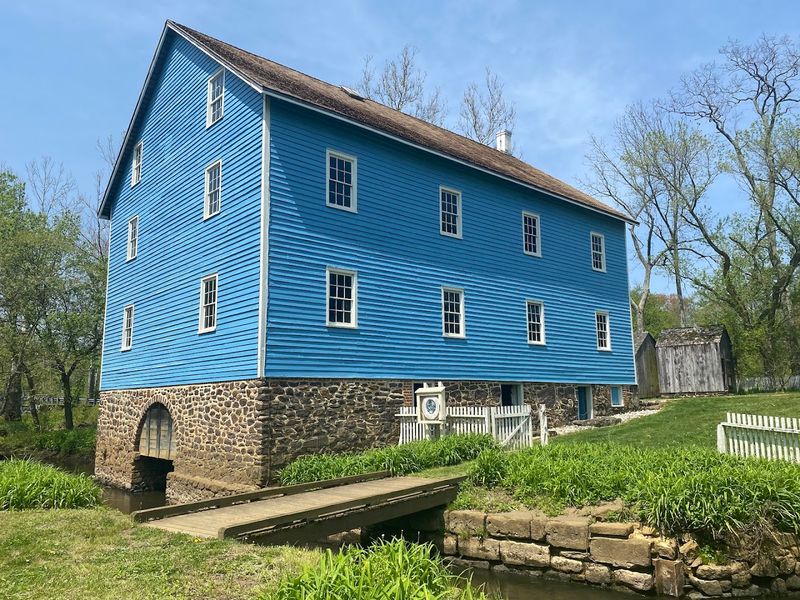
The gristmill is the undisputed centerpiece of the whole property, and it earns that title with ease.
Built in the 19th century and fully restored, the structure sits close to Crosswicks Creek, its stone and timber frame looking like it belongs on the cover of a regional history magazine.
Walking inside for the first time genuinely stops you mid-step.
On weekends from April through November, the mill runs live demonstrations at 12:30, 1:30, 2:30, and 3:30 p.m. Each free session lasts about 15 minutes and shows how dried corn gets fed into the grinding mechanism and comes out the other side as cornmeal.
The whole process is surprisingly hypnotic.
Large belts and gears spin together in a kind of mechanical rhythm that feels both ancient and impressive. The turbine system that originally powered the mill is still on display nearby, giving extra context to the engineering that made it all work.
Seeing it in motion makes the restoration feel personal, not just historical.
The Georgian Manor House Built in 1773
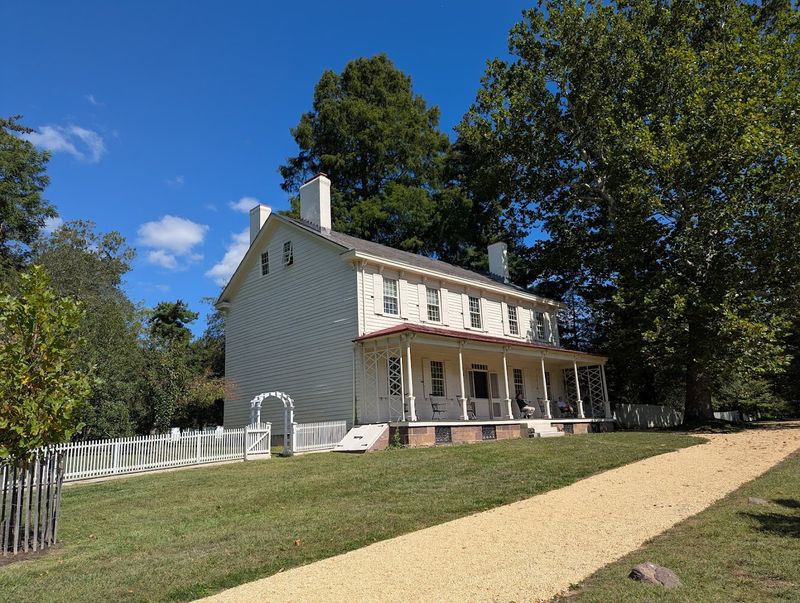
Few buildings in New Jersey carry the quiet elegance of the Waln House, a Georgian-style manor that has stood since 1773.
The exterior alone is worth the visit, with its symmetrical lines and aged charm sitting comfortably among the surrounding farm buildings.
Stepping inside feels like borrowing someone else’s memory.
The interior holds a large collection of original furniture, photographs, and period objects that belonged to the Waln family across multiple generations. A World War I exhibit on the second floor adds a layer of unexpected depth to the experience.
History here does not feel like a display case. It feels lived-in.
Guided tours of the house are offered by donation, and the staff bring genuine enthusiasm to every room they walk you through. The mansion also features an arbor on the exterior that makes for a lovely slow walk around the perimeter.
Whether you are a history enthusiast or just curious, the Waln House rewards every minute spent inside it.
Ten Historic Buildings Worth Exploring on Foot
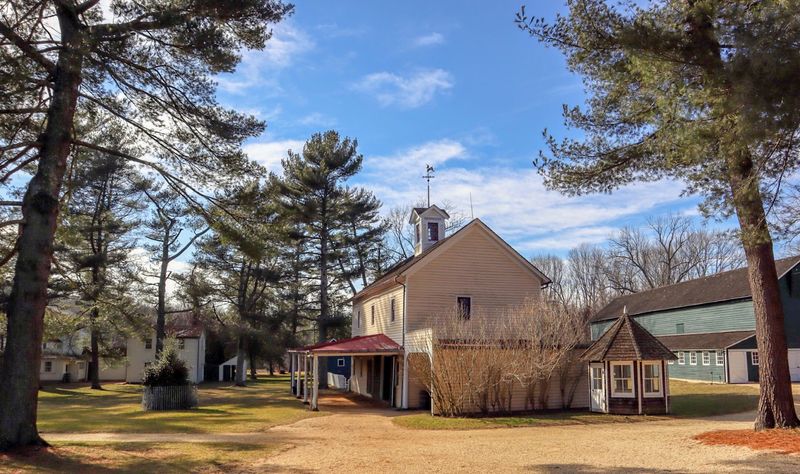
Most visitors come for the mill and stay for everything else. The property holds ten distinct historic buildings, each with its own story and its own exhibit, spread across the grounds in a way that rewards a slow, unhurried walk.
There is no rush here, and the layout encourages you to wander.
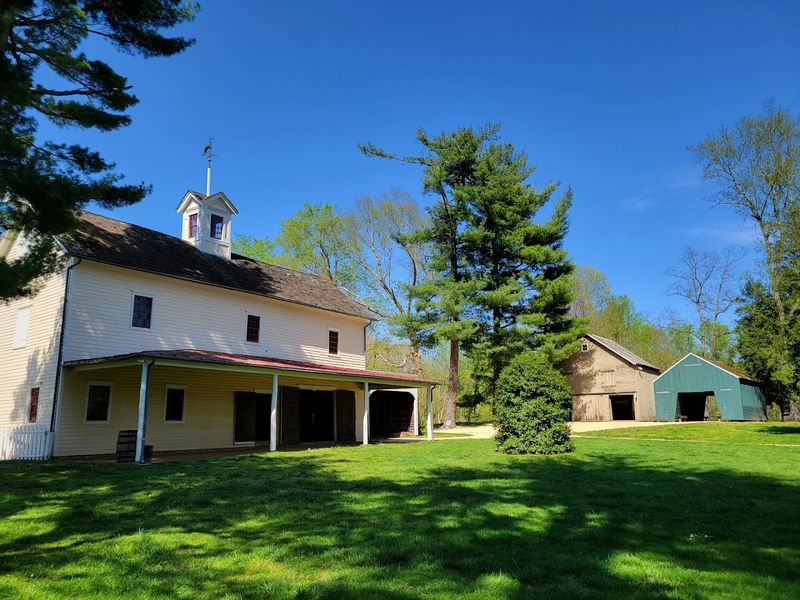
The 1879 carriage house is one of the standouts, its wooden frame and wide doors giving it a warm, barn-like appeal. Farm buildings throughout the property are stocked with period tools, equipment, and interpretive displays that bring daily 19th-century life into sharp focus.
Each building feels curated without feeling sterile.
Paved walkways and ramps connect the structures, making the entire site accessible for visitors of all mobility levels. Clean bathrooms and picnic tables are scattered throughout the grounds, which makes it easy to spend several hours without feeling rushed.
The whole property has the kind of calm that usually costs something. Here, it just exists.
Crosswicks Creek and the Natural Landscape Around It
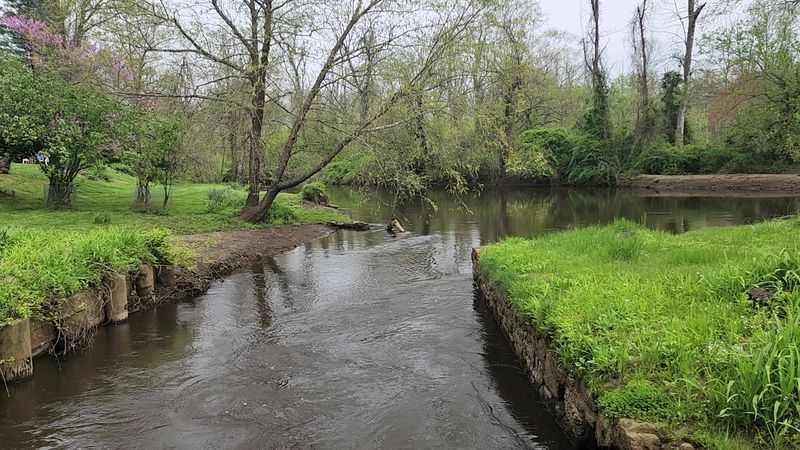
Crosswicks Creek runs through the property like a quiet anchor, giving the whole landscape a sense of movement and calm at the same time.
The water meanders past farm fields and old trees, catching light in a way that makes you want to slow down and just stand there for a while.
It is the kind of natural feature that turns a history visit into something that also feels restorative.
An old dam sits across the creek and is visible from a walking bridge on the property. The dam adds another layer of industrial history to the site, connecting the water source directly to the mill that depended on it for generations.
Crossing the bridge to see it up close is a short walk with a big payoff.
In spring and summer, the creek corridor fills with wildflowers and birdsong. Fall turns the surrounding trees into a wash of orange and red that frames every building on the property.
Visiting across different seasons here genuinely produces different experiences worth returning for.
Free Milling Demonstrations That Actually Run the Equipment
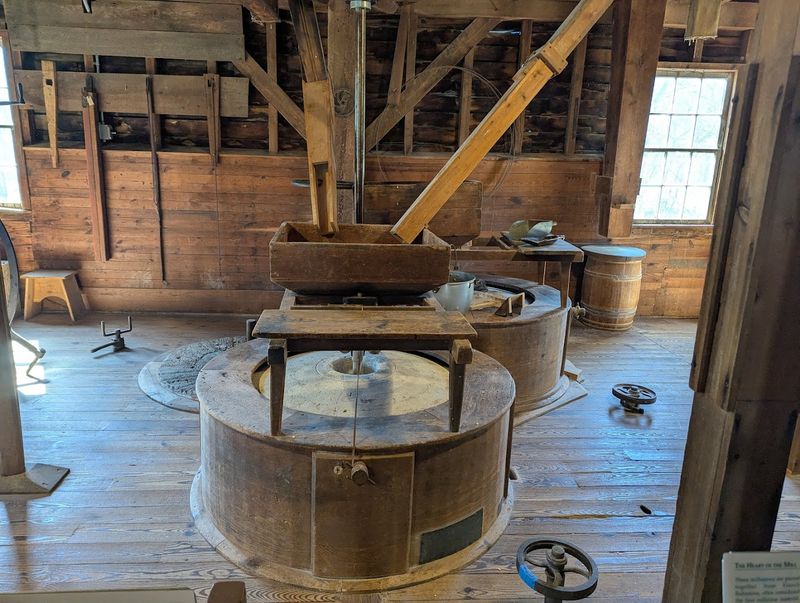
Watching a 19th-century mill grind actual corn into meal is one of those experiences that sounds simple until you are standing in front of it.
The machinery fills the room with a low mechanical hum, belts and gears turning together in a rhythm that took generations to perfect.
For about 15 minutes, you get a front-row view of how a staple food ingredient was made before modern processing existed.
Demonstrations run four times on weekend afternoons from April through November, and they are completely free. The staff who run the equipment know their subject well and walk visitors through each stage of the process with genuine engagement.
Dried corncobs go in, coarse cornmeal comes out, and the whole sequence is more satisfying to watch than it sounds.
Kids and adults both tend to lean forward at the same moment during the demonstration, which says a lot about how effective the experience is.
Bringing home a small sense of how food was once made from scratch adds a dimension to the visit that lingers long after the drive home.
Picnicking on Grounds That Feel Like a Different Century
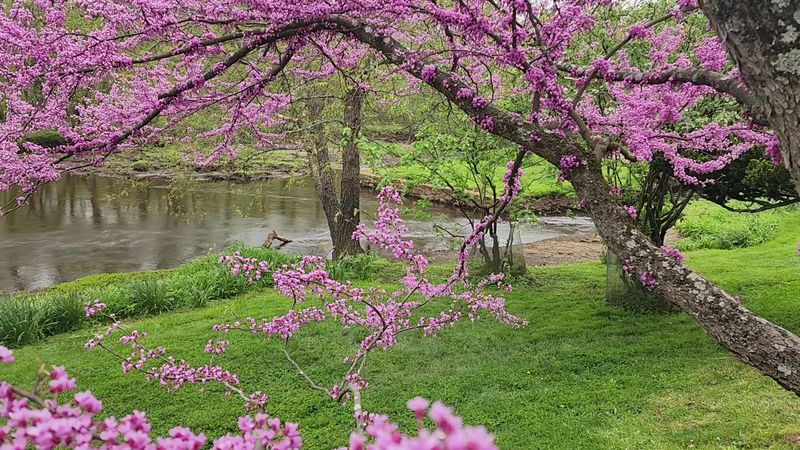
Bringing a packed lunch to Historic Walnford might be one of the best decisions you can make for a weekend afternoon.
Picnic tables are spread throughout the property in spots that put you right beside the creek, the mill, or the old farm buildings, depending on where you choose to settle.
Eating lunch while looking at a 250-year-old manor house has a way of making an ordinary sandwich feel like something more.
The grounds stay clean and well-maintained, and the open spaces are large enough that even on busier days, you can find a quiet corner. Shade from the heritage trees makes summer visits comfortable, and the whole atmosphere discourages any kind of hurry.
There is no gift shop, no food vendor, and no background noise beyond nature and the occasional mill demonstration.
That simplicity is actually the point. The park invites a slower pace, and a picnic fits that rhythm perfectly.
Pack something good, find a table near the creek, and plan to stay longer than you originally intended. You will want to.
Special Events Like Walnford Day and Seasonal Celebrations
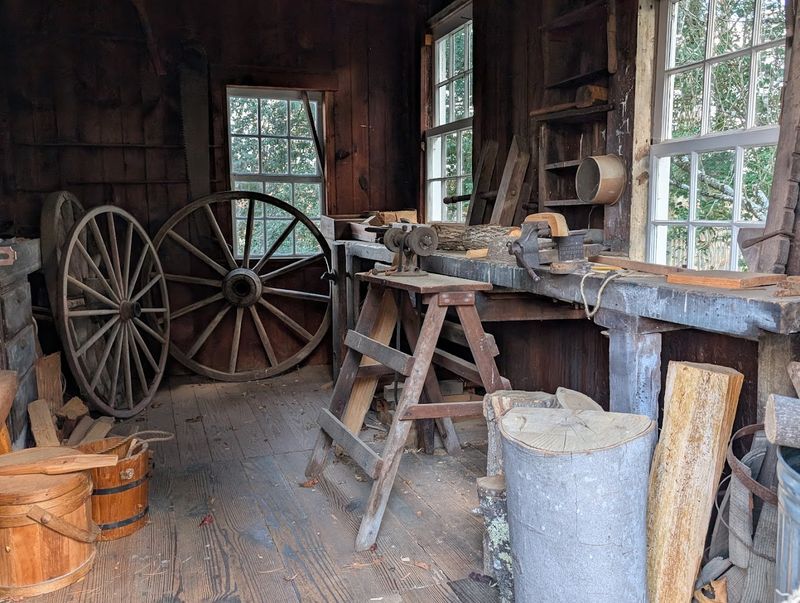
Walnford Day is the kind of event that reminds you how much fun hands-on history can be.
The annual celebration fills the grounds with demonstrations covering basket weaving, loom weaving, quilting, blacksmithing, and line dancing, all led by people who genuinely know what they are doing.
It has a county fair energy without the crowds or the cost.
Mule-driven wagon rides run during the event, and the gristmill operates throughout the day for anyone who wants a closer look. Music plays inside the Waln House and outside on the grounds, giving the whole property a festive, layered atmosphere.
The combination of crafts, food traditions, and working machinery creates something that feels both educational and genuinely enjoyable.
Seasonal events throughout the year bring different energy to the property depending on the time of visit. Ice cream made the old-fashioned way has been a popular feature at certain events, turning a historical technique into a crowd-pleasing treat.
Checking the Monmouth County Parks schedule before visiting is always worth the extra step.
Dog-Friendly Trails and Accessible Pathways Throughout
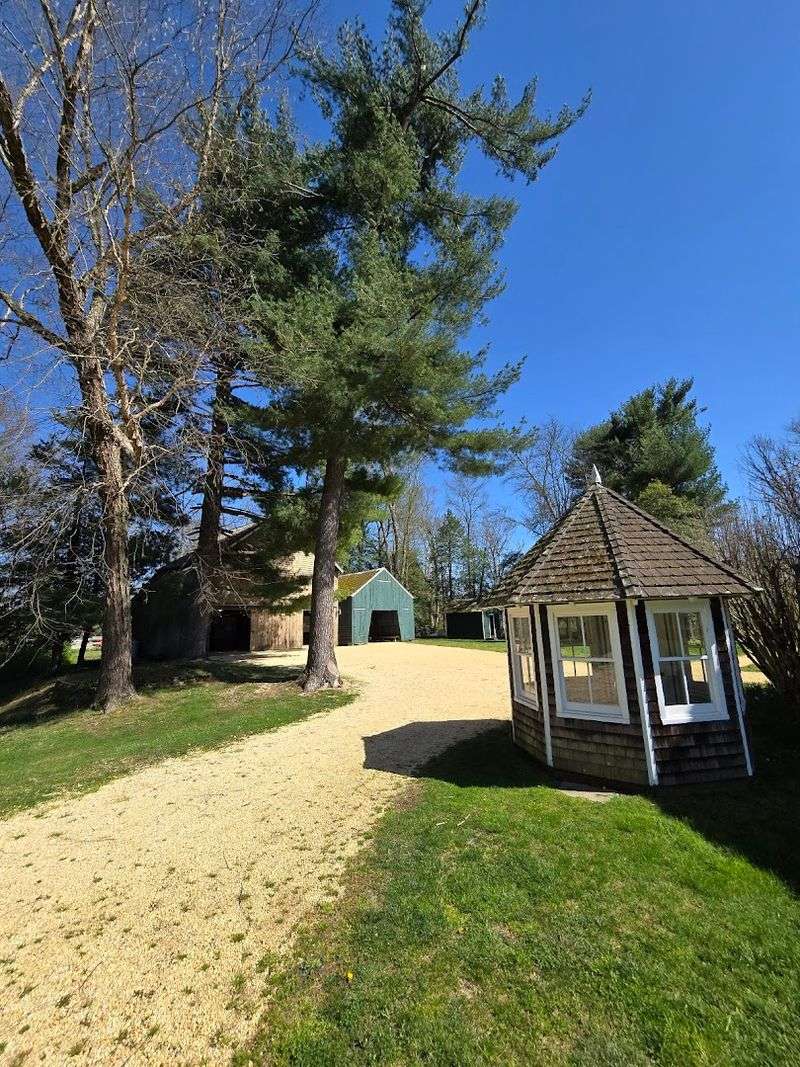
Bringing a dog to a historic park sounds like a niche request, but Walnford genuinely welcomes four-legged visitors.
The grounds are spacious enough for a proper walk, and the combination of open fields, creekside paths, and tree-lined routes gives dogs plenty to investigate.
For owners, the backdrop makes the whole outing feel more like a scenic excursion than a basic dog walk.
The paved walkways throughout the property are designed to accommodate all visitors, with ramps leading into the buildings and smooth surfaces connecting the main structures. Accessibility here was clearly considered as part of the overall design rather than added as an afterthought.
The entire park meets ADA compliance standards, which makes a meaningful difference for visitors with mobility needs.
Clean, spacious bathrooms and a water fountain are available on-site, adding practical comfort to the visit. Plenty of open parking makes arrival easy regardless of how many people are on the grounds.
The overall setup rewards any kind of visitor, whether you arrive with a dog, a stroller, a camera, or simply a good pair of walking shoes.
Why Historic Walnford Deserves a Spot on Your New Jersey Road Trip
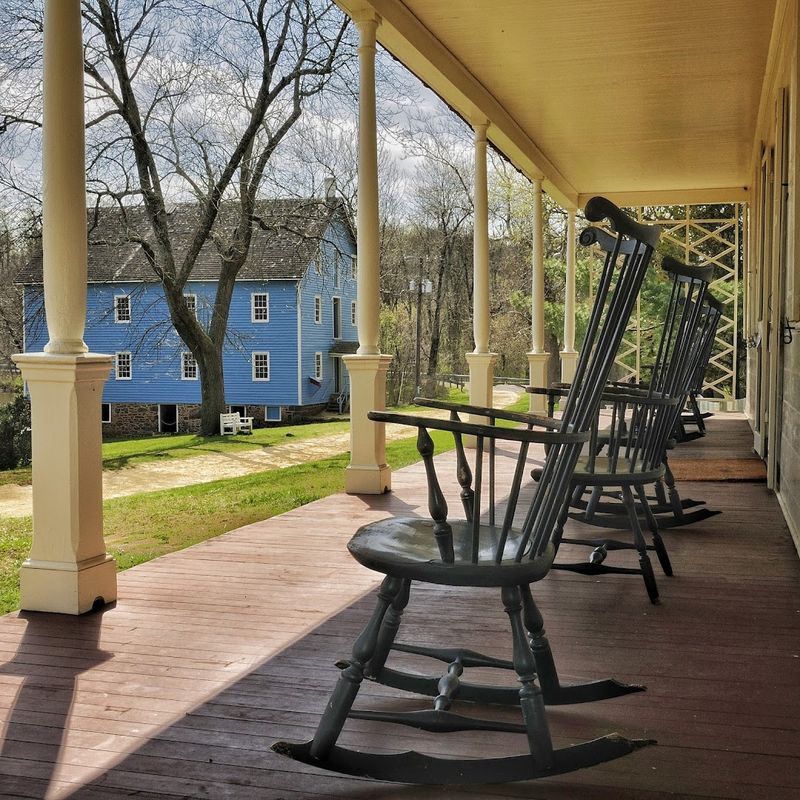
Some places earn their reputation through marketing. Walnford earns its reputation through the experience itself.
The combination of a working gristmill, a furnished 18th-century manor, ten restored historic buildings, a scenic creek, and free admission creates a day trip that competes easily with far more famous destinations in New Jersey.
The drive out through open farmland and old trees is genuinely part of the appeal.
Cream Ridge sits just around the corner, and the surrounding countryside has the kind of quiet beauty that makes you want to take the long way home. Visiting in different seasons produces noticeably different experiences.
A winter visit after snowfall gives the grounds a still, almost theatrical quality. Fall turns every corner of the property into a photograph worth keeping.
The park is open year-round, and the buildings are accessible from 9 a.m. to 4 p.m. every day of the week. Plan for at least two to three hours on your first visit, and bring something to eat.
Address: 62 Walnford Rd, Allentown, NJ 08501.
Dear Reader: This page may contain affiliate links which may earn a commission if you click through and make a purchase. Our independent journalism is not influenced by any advertiser or commercial initiative unless it is clearly marked as sponsored content. As travel products change, please be sure to reconfirm all details and stay up to date with current events to ensure a safe and successful trip.
