I used to roll my eyes a little when people described Oklahoma as nothing but flat prairie. I believed it too.
Endless wheat fields, straight highways, big sky. That was the whole picture in my mind.
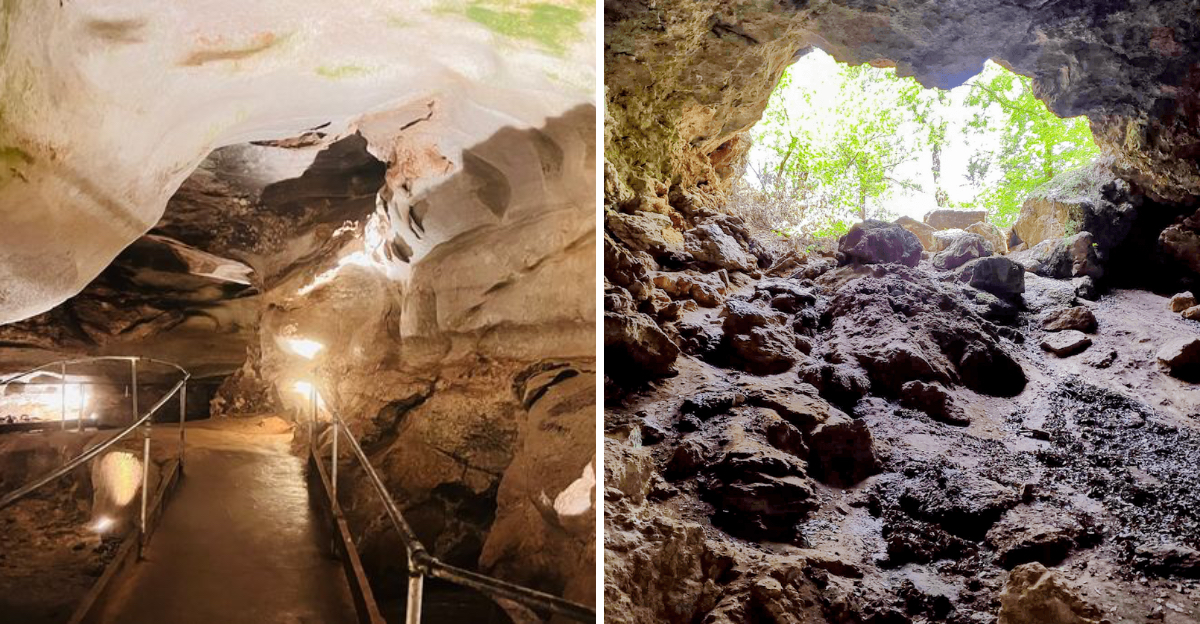
Then I walked into Alabaster Caverns State Park and realized how wrong I’d been. The moment I descended into those cool, shadowy chambers, the air shifted and so did my perspective.
Standing inside one of the largest natural gypsum caves open to the public in the country does something to you. The walls glow softly, the passages twist in ways you don’t expect, and suddenly Oklahoma feels a lot less predictable.
It doesn’t feel staged or overly polished. You’re not shuffling past a display and pressing a button for a recording.
You’re walking through something ancient and real, deep in the middle of a part of the state most people overlook. And once you come back up into the sunlight, it’s hard to see Oklahoma the same way again.
The Rare Black Alabaster That Exists Almost Nowhere Else
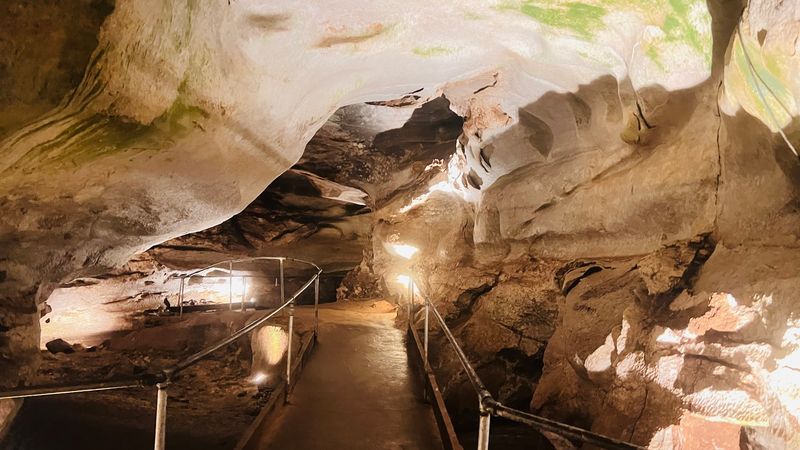
Walking through these caverns feels like stepping onto another planet, and the black alabaster is the reason why. This dark, glossy mineral streaking through the walls isn’t something you’ll find in just any cave system across America.
In fact, this is one of only a handful of places in the entire United States where you can see this geological rarity up close.
The contrast between the pink-tinted gypsum and those jet-black veins creates patterns that look almost painted on. Your tour guide will explain how these formations developed over millions of years, but honestly, the science almost feels secondary when you’re standing there staring at nature’s artwork.
You can actually reach out and touch most surfaces in this cave, which is pretty unusual for guided tours.
The alabaster here is so pure that it was once mined commercially, and you’ll see evidence of that history as you walk through. But what really gets you is how the lighting plays off these dark streaks, creating shadows and highlights that shift as you move.
It’s the kind of thing that makes you pull out your phone for photos, even though you know they won’t quite capture what your eyes are seeing.
Living Bat Colonies You Can See Hibernating Up Close
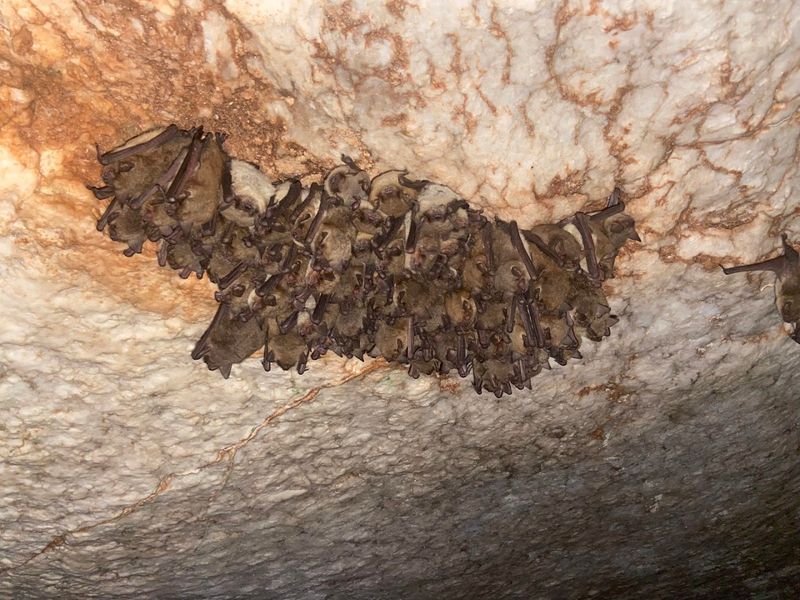
Forget everything you’ve seen in nature documentaries filmed from a distance. At Alabaster Caverns, bats aren’t some far-off wildlife you squint to see through binoculars.
They’re right there, hanging in clusters just above your head, close enough that you can count their tiny clawed feet gripping the rock.
Between November and March, these little guys are in full hibernation mode, which means they’re not flying around or bothering anyone. They’re just peacefully sleeping in groups, sometimes hundreds clustered together for warmth.
The guides know exactly where to point them out, and they’re incredibly patient about answering questions from curious kids and squeamish adults alike.
What surprised me most was how small they actually are. We’re talking about creatures that fit in the palm of your hand, not the giant scary things movies make them out to be.
Watching them breathe slowly in their winter sleep is oddly mesmerizing, and it gives you this strange appreciation for how these animals have adapted to cave life.
The park takes bat conservation seriously, so there are rules about noise levels and not disturbing them. But getting this close to wild bats in their natural habitat, without glass barriers or fake recreations, is something most people never experience in their lifetime.
The Natural Underground Stream Running Through the Cave
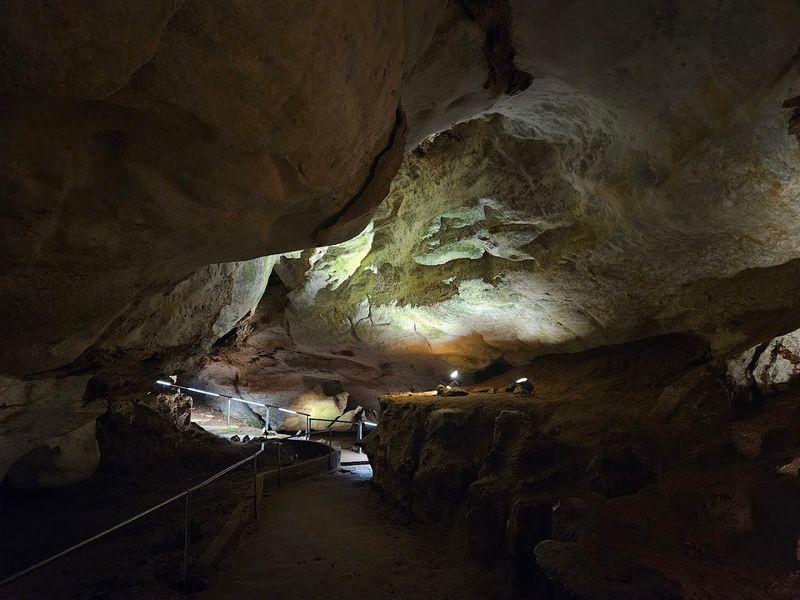
Nobody tells you there’s an actual creek flowing through the middle of this cave until you hear it.
That gentle trickling sound echoes off the walls before you even see the water, and then suddenly you’re standing next to this living, moving stream that’s been carving its way through gypsum for thousands of years.
The water is surprisingly clear, and in some spots, it pools up enough that you can see straight to the bottom. During certain times of year, the flow increases dramatically, which is part of why sections of the cave occasionally flood.
But on a typical tour day, it’s just this peaceful presence that reminds you this cave system is still actively changing and evolving.
Kids absolutely love pointing out the tiny aquatic creatures living in the stream, and guides are happy to explain how these ecosystems function in total darkness. The sound of water in an enclosed space creates this calming white noise that makes the whole experience feel almost meditative.
You’ll walk along paths that cross right over the stream in places, giving you different perspectives of how water shapes rock over geological time.
There’s something humbling about realizing this water has been doing its thing long before humans ever set foot here, and it’ll keep flowing long after we’re gone.
The Constant 62-Degree Temperature That Makes Summer Visits Perfect
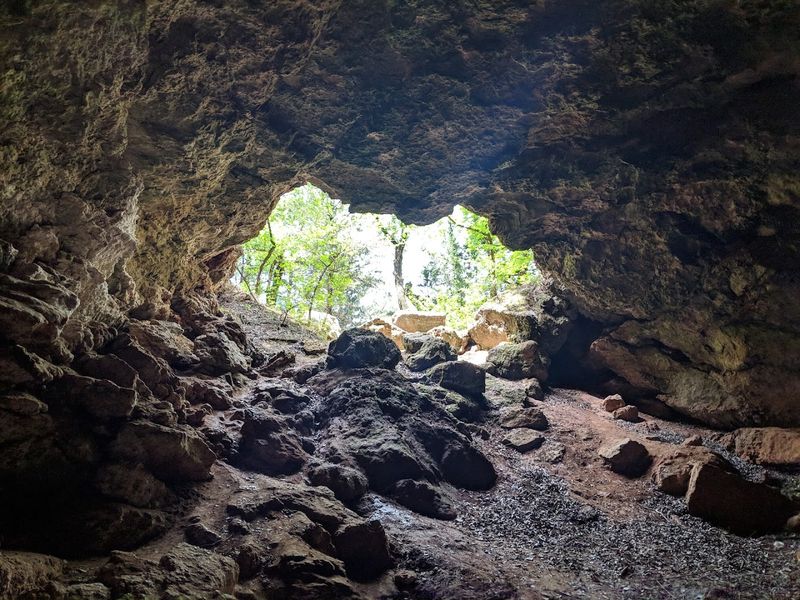
Oklahoma summers are brutal. We’re talking triple-digit heat that makes you question your life choices.
But step inside these caverns, and it’s like someone cranked the air conditioning to the perfect setting and left it there year-round. That steady 62 degrees feels absolutely heavenly when it’s scorching outside.
You’ll want to bring a light jacket or long sleeves, because the temperature drop from surface to cave floor happens fast. What feels refreshingly cool for the first few minutes can start feeling legitimately chilly by the end of your tour, especially if you came in sweaty from the summer heat.
But that’s part of the charm, honestly.
This consistent temperature is also why bats love the place so much. They need stable conditions for hibernation, and these caves deliver that naturally without any human intervention.
The guides will mention how this same temperature remains constant even when it’s freezing outside in winter, which blows your mind when you think about the insulation properties of solid rock.
For families with young kids or older visitors, this climate-controlled environment makes the cave accessible when outdoor hiking trails would be miserable. You get to explore nature without dealing with weather extremes, which is pretty much the best of both worlds for a summer adventure.
The Earthquake-Caused Collapse That Changed the Tour Route
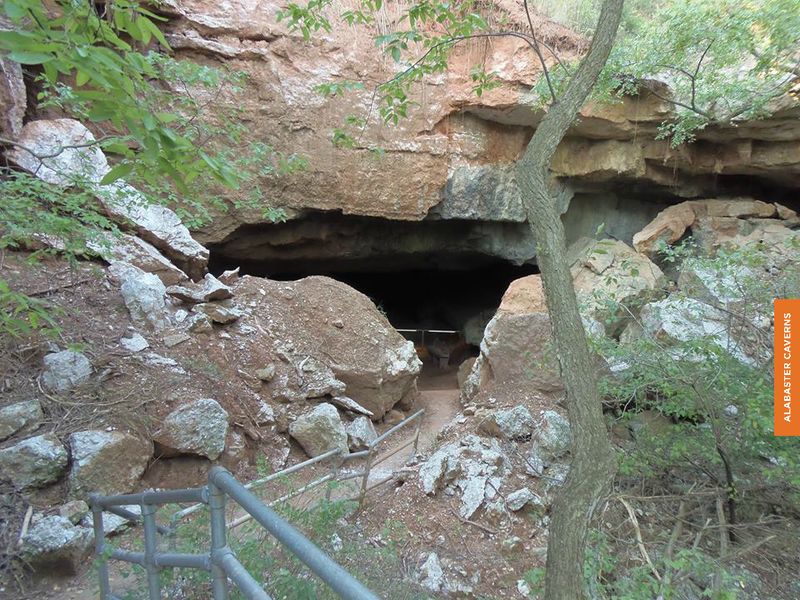
Caves feel permanent and unchanging, but Alabaster Caverns tells a different story. A few years back, an earthquake triggered a collapse that permanently altered the cave’s accessible sections, blocking off what used to be the main entrance and forcing tours to adapt to a completely different route.
Now you enter through what was once the exit, walking the cave in reverse from how it was originally toured. Your guide will point out where the collapse happened, and you can see the massive pile of rock and debris that sealed off the passage.
It’s a powerful reminder that geological forces are still very much at work here.
The funny thing is, the new route actually offers perspectives that visitors never got to experience before. Areas that were once just passed through quickly are now featured stops, and the cave reveals different aspects of its personality when traveled in the opposite direction.
The lighting hits formations differently, shadows fall in new patterns, and the whole experience feels fresh even for repeat visitors.
There’s something oddly exciting about knowing you’re seeing the cave in a way that’s different from how thousands of people experienced it before that earthquake hit.
Nature doesn’t care about our tour schedules or convenience, and this collapse proves these formations are still living, breathing, changing systems.
The Knowledgeable Guides Who Make Every Tour Engaging
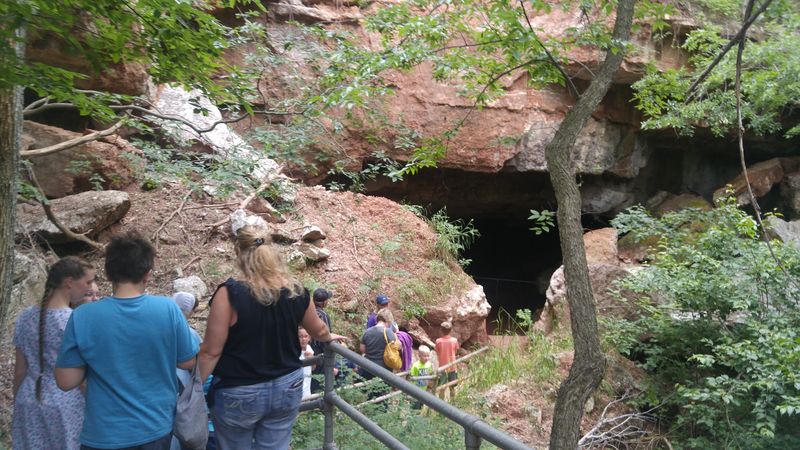
Jennifer, Nicole, and the other guides at Alabaster Caverns aren’t just reciting memorized scripts. These folks genuinely love this cave system, and it shows in every answer they give and every story they share.
They’ve got the patience of saints when dealing with groups that include everyone from geology enthusiasts to fidgety seven-year-olds.
What makes these guides special is their ability to read the room and adjust accordingly. Got a group full of curious kids asking a million questions?
They’ll slow down and make it interactive. Tour full of adults who want detailed geological explanations?
They’ll dive deep into the science without making it feel like a college lecture.
They know where every bat cluster roosts, which formations are most photogenic, and exactly where to watch your head to avoid bumping the low ceiling sections. More importantly, they’re honest about what they don’t know and happy to look up answers or direct you to additional resources after the tour ends.
The guides also share personal observations about how the cave changes seasonally, which areas flood during heavy rains, and little details that only come from spending hundreds of hours underground.
Their enthusiasm is genuinely contagious, and they have this way of making you see familiar rock formations as something extraordinary and worth protecting.
The Easy Accessibility For Different Mobility Levels
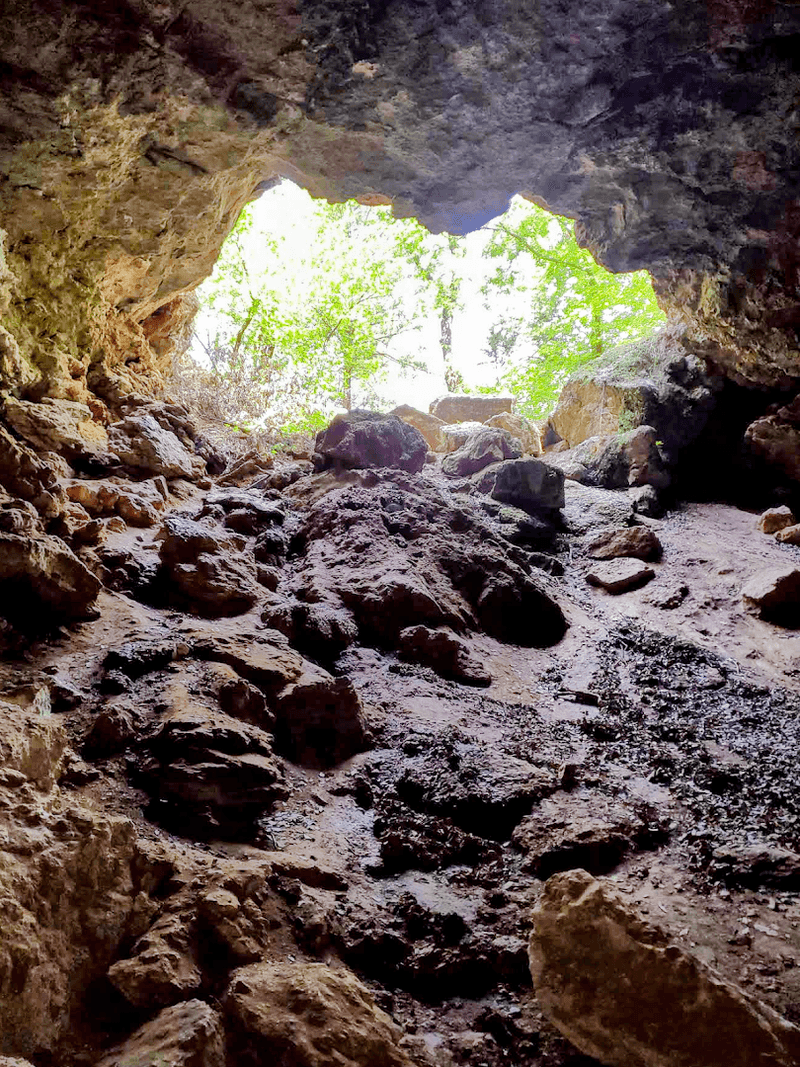
Cave tours often mean crawling through tight spaces or navigating sketchy ladders, but Alabaster Caverns breaks that stereotype completely. The main tour route follows established paths with handrails in key spots, making it manageable for a surprisingly wide range of physical abilities.
You’ll encounter some low clearance areas where taller folks need to duck their heads, and there are gentle slopes rather than stairs in most sections. The footing can get slippery from moisture and that fine alabaster dust, so solid shoes with good tread are essential.
But overall, if you can handle a moderate walk on uneven terrain, you can handle this tour.
Families with elementary-age kids do great here, and I’ve seen visitors well into their sixties completing the tour without major issues. The pace is relaxed, with plenty of stops where guides pause to explain formations and let everyone catch their breath.
Nobody’s rushing you through at a sprint.
That said, the cave isn’t wheelchair accessible due to the natural terrain, and anyone with serious mobility limitations should call ahead to discuss specifics with park staff.
But for average fitness levels, this is one of the more approachable cave tours you’ll find, which opens up the experience to families and groups with mixed abilities.
The Self-Guided Spelunking Permits For Adventurous Explorers
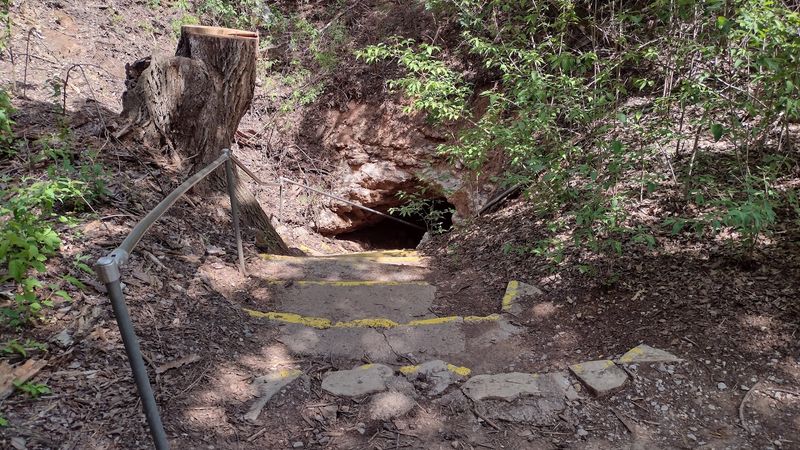
The guided tour is fantastic, but some people finish it and immediately want more. That’s where the self-guided spelunking permits come in, available between May and October for those willing to venture into the undeveloped cave sections that most visitors never see.
These aren’t casual strolls. We’re talking about actual caving that requires proper gear, experience, and a healthy respect for underground environments.
You’ll need to obtain permits from park staff, who will brief you on safety protocols and cave conservation practices before letting you loose. They take this seriously because these fragile ecosystems need protection from careless explorers.
The permits give you access to additional caves on the property that have no lighting, no marked paths, and no handrails to guide your way. You’re responsible for your own navigation, safety, and getting yourself back out.
It’s the real deal for anyone who’s ever wanted to experience caves in their wild, unmodified state.
This option transforms Alabaster Caverns from a one-time tourist stop into a destination that serious cavers return to repeatedly. Each cave system has its own character and challenges, and the permit system ensures only prepared, respectful visitors venture into these sensitive areas.
Just know that this isn’t for beginners or anyone uncomfortable with tight spaces and total darkness.
The Camping Facilities That Let You Extend Your Visit
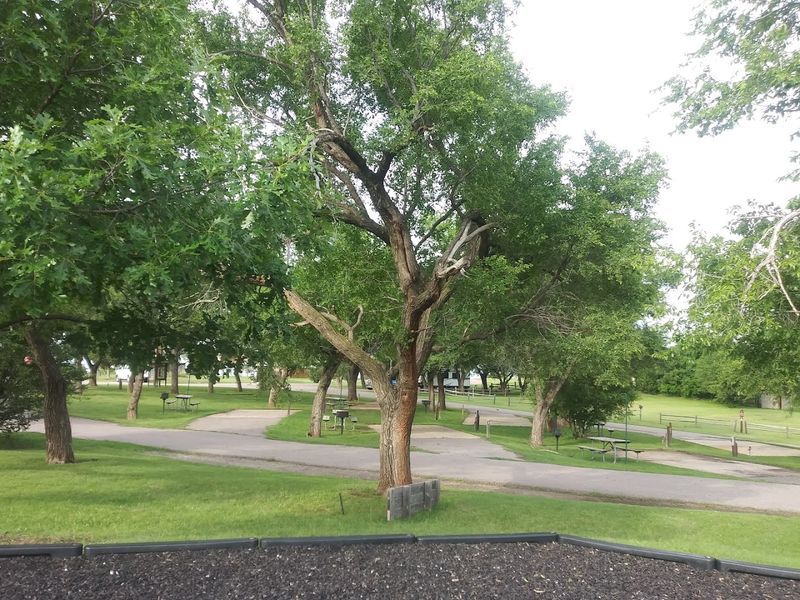
Driving all the way to Freedom, Oklahoma just for a 25-minute cave tour feels like a waste when the park offers solid camping options right on site. The campground has both RV spots with electrical and water hookups plus areas for tent camping, all kept surprisingly clean and well-maintained.
The sites are level, which any RV owner will tell you is worth its weight in gold. There’s a dump station conveniently located, and the bathroom facilities include actual showers, not just the bare-minimum pit toilets you sometimes find at smaller state parks.
This makes it easy to spend a whole weekend exploring the area rather than rushing through in a few hours.
Camping here also gives you flexibility with tour times, since you can easily catch the first tour of the morning before crowds arrive or the last tour of the day when things quiet down.
You’ll have time to explore the hiking trails around the park, check out the surface features and canyon areas, and just enjoy being in this unique landscape.
The campground attracts a mix of serious cavers who come for multi-day spelunking adventures and families just looking for an interesting weekend destination.
The atmosphere is relaxed and friendly, with plenty of picnic areas and pavilions scattered throughout the park for meals and hanging out between activities.
The Above-Ground Canyon Trails Worth Exploring
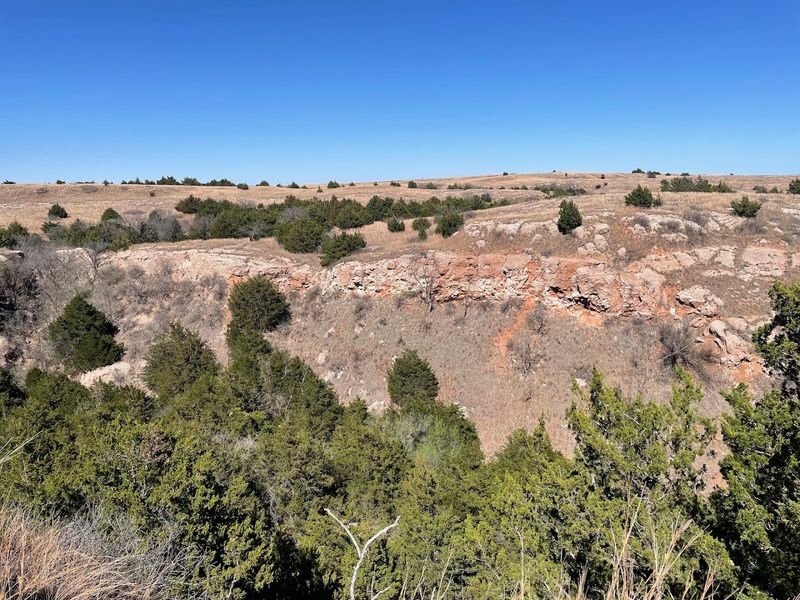
Most people come for the cave and completely miss the beautiful canyon hiking opportunities right outside. The trails wind through landscapes that look nothing like the flat Oklahoma stereotype, with red rock formations, scattered vegetation, and genuine topographical interest that rewards exploration.
These trails give you context for understanding what’s happening underground. You’ll see where water flows during rains, spot the surface features that hint at the cave systems below, and get a sense of the larger geological story this park tells.
Plus, after spending time in the cool darkness of the cave, the sunshine and open sky feel especially good.
The trails vary in difficulty and length, so you can choose something quick and easy or commit to a longer hike depending on your energy level and available time. Just be aware that Oklahoma wildlife is real out here.
Reviews mention encountering rattlesnakes near the trails, so watch where you step and stay alert, especially in warmer months.
Bringing a picnic to enjoy at one of the scenic overlooks makes for a perfect way to round out your cave visit.
The combination of underground exploration and above-ground hiking gives you a complete picture of this unique ecosystem, and honestly, the surface beauty deserves just as much attention as what’s below.
You’ll find Alabaster Caverns State Park at 217036 State Highway 50A in Freedom, Oklahoma, tucked into the northwestern corner of the state.
Dear Reader: This page may contain affiliate links which may earn a commission if you click through and make a purchase. Our independent journalism is not influenced by any advertiser or commercial initiative unless it is clearly marked as sponsored content. As travel products change, please be sure to reconfirm all details and stay up to date with current events to ensure a safe and successful trip.
